
14 Frugal Habits You Picked Up If Money Was Tight Growing Up
Money can be a tool, a stressor, a goal, or just that green paper you accidentally leave in your jeans pocket before laundry day. For some, it’s a constant, steady presence, like a reliable old friend. For others, it’s an unreliable companion who leaves a lasting sense of unease. This history shapes our relationship with money in adulthood, often in ways we don’t even realize.
Growing up with financial instability leaves a permanent mark. Psychologists call it financial trauma. It’s an experience that rewires the brain to see scarcity around every corner, even when the pantry is full. Habits formed in childhood to make ends meet can persist long after the financial situation improves, leading to a level of frugality that can baffle friends and family.
This article examines 14 common behaviors that may indicate someone grew up in a financially precarious environment. These are the telltale signs of a person compensating for past instability with extreme frugality now. You might see a bit of yourself in these descriptions, or perhaps gain a new understanding of a loved one’s habits.
1. Skipping Social Outings to Save Money

You get an invitation to a friend’s birthday dinner, a concert, or a casual weekend brunch. The first thought isn’t “how fun!” but “how much will that cost?” This immediate cost-benefit analysis of social events is a hallmark of someone trained to see every dollar as precious. They might make excuses or politely decline, feeling a pang of guilt over the potential expense, even if they can comfortably afford it.
This behavior stems from a learned belief that non-essential spending is a luxury that comes with risk. To navigate this, it can be helpful to budget for social activities specifically. Allocating a set amount of “fun money” each month can reframe these outings from a financial drain to a planned and approved expense, reducing the associated anxiety.
2. Diluting Soap and Cleaning Products

Is that hand soap bottle looking a little low? The solution is simple: just add water. This trick, born from the necessity of stretching every last drop, becomes an automatic response. The same goes for dish soap, shampoo, and laundry detergent. The goal is to make the product last as long as humanly possible. What they do not realize is that the diluted version is less effective.
This habit is a direct response to the fear of running out and not being able to replace something. While it feels resourceful, it’s a behavior rooted in a scarcity mindset. Recognizing that you now have the means to buy a new bottle when needed is the first step. It’s okay to use a product to completion and then simply purchase another.
3. Hoarding Leftovers Past Their Prime

The refrigerator is a museum of past meals. That single meatball from last Tuesday and the spoonful of rice from Friday’s takeout are preserved in containers, waiting for a purpose that may never come. Throwing away food feels like a cardinal sin, so leftovers are kept long after they are no longer safe to eat.
Wasting food can trigger intense guilt for those who remember times when meals were not guaranteed. A practical approach is to get creative with repurposing leftovers within a day or two. If that’s not possible, it’s beneficial to learn to let go. Acknowledging that it’s better to compost or dispose of spoiled food than to risk getting sick is a healthy progression.
4. Buying in Bulk When It’s Not Practical

A great deal on chickpea pasta or premade pouches of curry lentils might sound in the moment (ask me how I know). The purchase is made without considering storage space or the likelihood of using it all before it expires. The allure of a low per-unit price overrides all practical considerations.
This impulse comes from an ingrained “stock up” mentality, a defense against the fear of future need. A better strategy is to be selective with bulk purchases. Focus on non-perishable items that are used regularly, like paper towels or toothpaste. For everything else, buying smaller quantities as needed is often more economical and less wasteful.
5. Feeling Guilty About Non-Essential Purchases

Buying something purely for pleasure, like a new book, a decorative item, or a fancy coffee, is followed by a wave of buyer’s remorse. This guilt can be so strong that it overshadows any enjoyment the purchase might bring. Every non-essential item is mentally scrutinized and judged for its necessity.
This is a direct echo of a past where every cent was allocated to survival needs. To counter this, try reframing small, non-essential purchases as a form of self-care or a reward. Setting aside a small, guilt-free budget for these items can help normalize the idea that it’s okay to spend money on things that simply bring joy.
6. Avoiding the Thermostat Like the Plague

In the dead of winter, the house is cold enough to see your breath. In the summer, it’s a sauna. The thermostat is an untouchable device, a symbol of high utility bills. Instead of adjusting the temperature, the solution is to pile on more blankets or strip down to the bare minimum.
The fear of a surprisingly high energy bill can be powerful for someone who has experienced financial shocks. While energy conservation is wise, living in constant discomfort is not. Look into budget-friendly ways to beat the winter chill. Explore billing options with utility companies to help stabilize monthly payments. This will make it less scary to turn on the heat or air conditioning when truly needed.
7. Obsessively Cutting Coupons
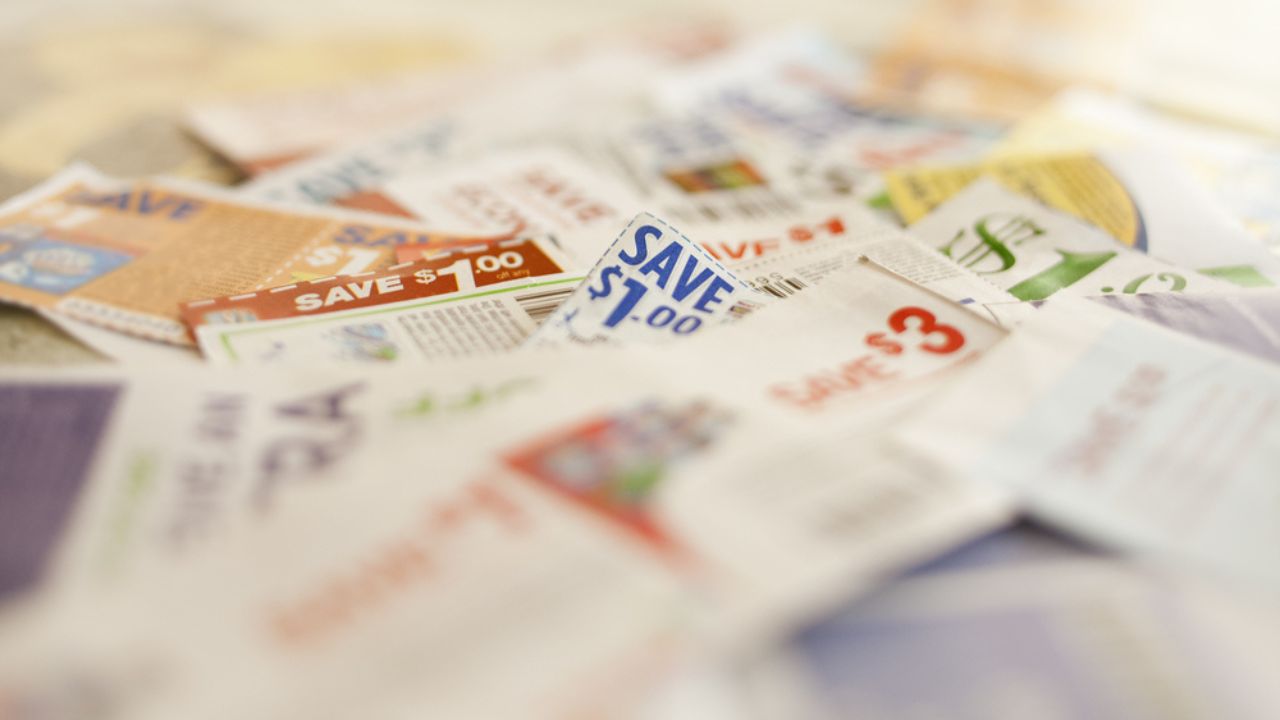
Couponing is more than a hobby; it’s a mission. Hours are spent clipping, organizing, and planning shopping trips around sales and discounts. The thrill of saving 50 cents on a can of soup provides a genuine rush, and paying full price for anything feels like a personal failure.
This dedication comes from a place where every dollar saved was a dollar that could be used for something else critical. It’s a useful skill, but it can become all-consuming and may even cost you more in the long run. It’s helpful to set a time limit for coupon-related activities. This preserves the financial benefit without letting the pursuit of savings take over your life.
8. Reusing Paper Towels and Napkins

A paper towel used to wipe up a small water spill isn’t thrown away. It’s carefully laid out to dry for its next use. A paper napkin from a restaurant is folded and tucked into a pocket “just in case.” These single-use items are treated as multi-use treasures, pushed to their absolute limits before being discarded.
This habit is a clear indicator of a mindset where waste is not an option. It’s a small, tangible way to control spending and resources. A positive shift could be investing in reusable alternatives, like cloth napkins or microfiber towels. This satisfies the desire to be resourceful while being more sustainable and hygienic.
9. Keeping Broken Items That “Kind Of” Work
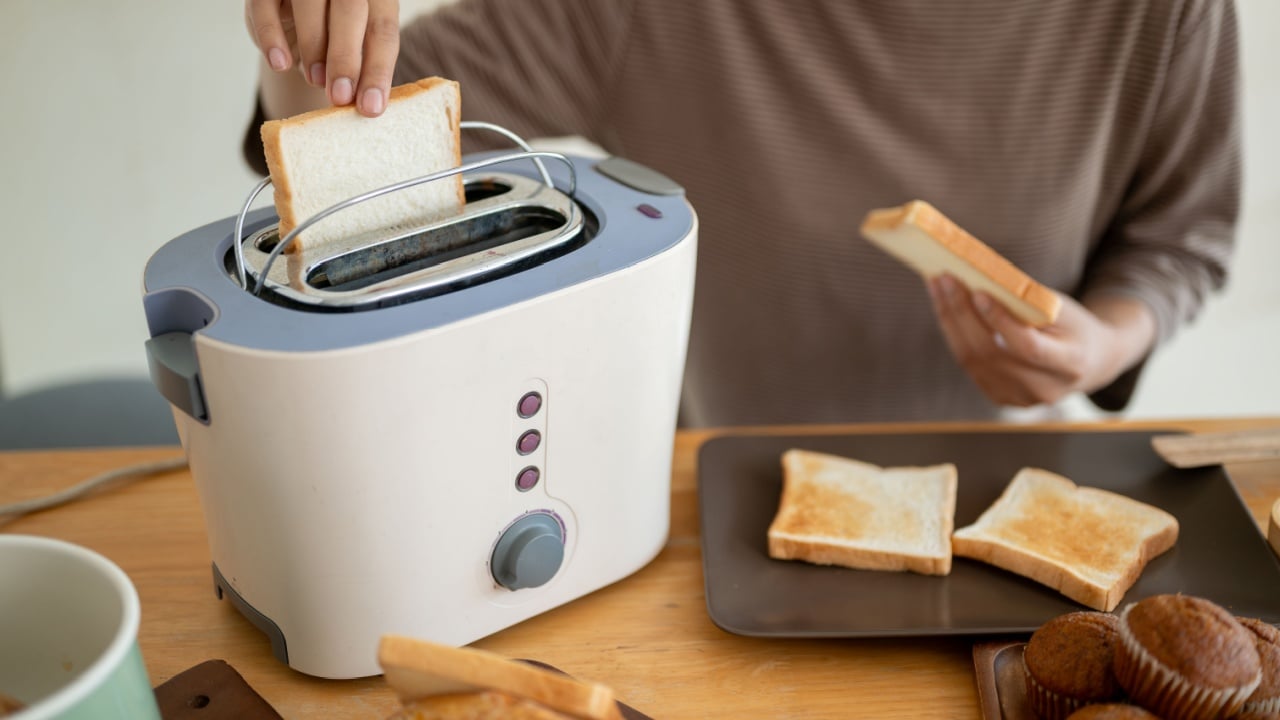
The toaster only toasts one side of the bread. The vacuum cleaner makes a terrifying rattling noise. The television has a green line running down the screen. Instead of being replaced, these items are kept and used with a series of workarounds because they still function, albeit poorly.
The thought of spending a large sum of money to replace a functional, if flawed, item can cause significant anxiety. A healthy approach is to get rid of broken items and save specifically for replacement items. Creating a “home appliance” fund can make the purchase feel planned and controlled rather than like a sudden, stressful expense.
10. Saving Every Plastic Bag and Container
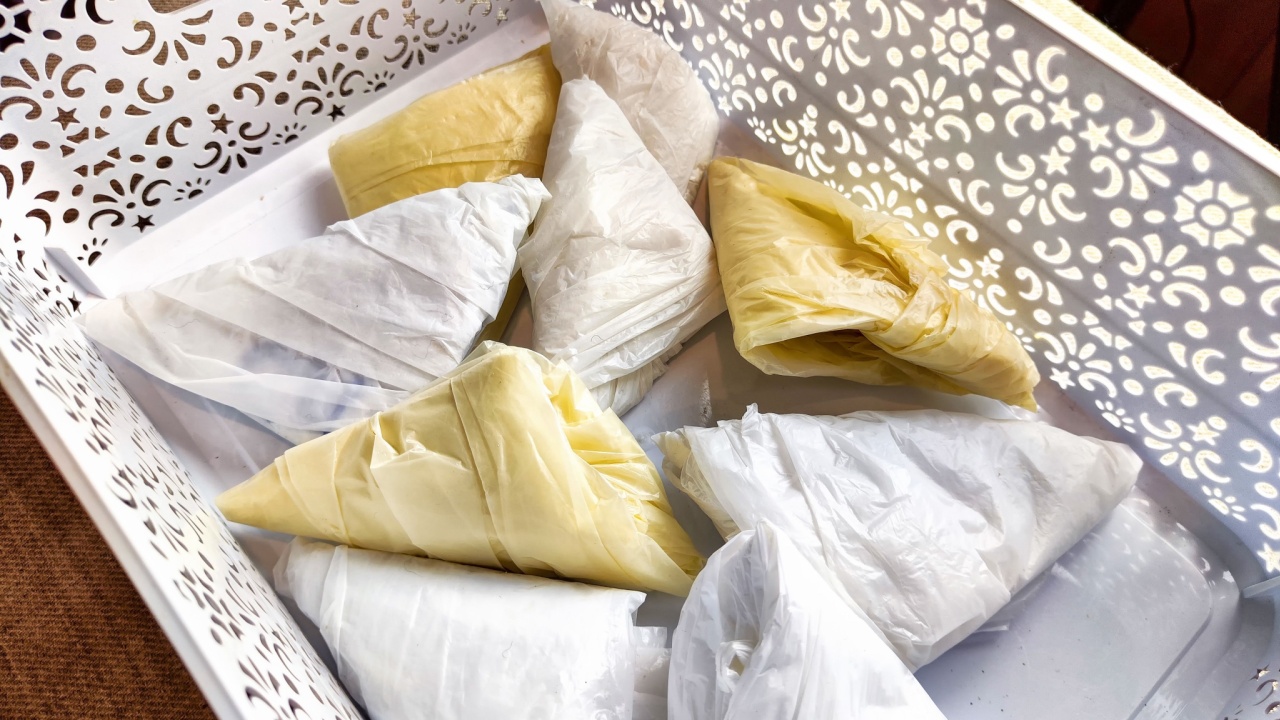
Under the sink or in a dedicated cupboard, there exists a chaotic collection of plastic bags inside other plastic bags. The cabinets are also filled with a mountain of empty yogurt cups, margarine tubs, and glass jars. Every container that enters the house is saved on the off-chance it might be useful someday.
This is the “just in case” mentality in physical form. It’s a hedge against a future where you might need a container and not have one. While reusing containers is great, it’s easy for the collection to become overwhelming. A good rule is to keep only what can fit neatly in a designated space. Once that space is full, it’s time to recycle the rest.
11. Wearing Clothes Until They Are Threadbare

A favorite shirt isn’t retired when it gets a small hole; it’s retired when it has more holes than fabric. Socks are worn until the heels are gone, and jeans are patched repeatedly. The idea of replacing clothing that is still wearable, even if it looks worn out, seems wasteful and unnecessary.
For someone who grew up with limited clothing options, getting the maximum life out of every garment is second nature. To move past this, it can be helpful to reframe clothing purchases not as a frivolous expense, but as an investment in personal and professional presentation. Upcycle your worn-out clothes to give them new life and feel less wasteful.
12. Aversion to Any Form of Debt

The idea of taking on debt, even for a “good” reason like a mortgage or a car loan, is terrifying. The preference is to pay for everything in cash, even if it means saving for years to make a large purchase. Credit cards are viewed with extreme suspicion or avoided altogether.
This deep-seated fear often comes from witnessing the destructive power of debt firsthand. While being debt-averse is generally a positive trait, it can sometimes limit opportunities. Learning about responsible credit use, such as using a credit card for small purchases and paying it off immediately to build credit, can be a safe way to become more comfortable with modern financial tools.
13. Panic When Making a Large Purchase

Buying a new appliance, a car, or even a piece of furniture is an ordeal filled with second-guessing and anxiety. The process can take months of research and hesitation, and even after the purchase is made, a sense of dread can linger. This isn’t careful consideration; it’s money anxiety, a paralyzing fear of making the wrong financial move.
This reaction is tied to the memory of a time when a single large expense could trigger a financial crisis. To manage this, break down the purchase into a structured plan. Research options, set a firm budget, and save the money in a separate account. This turns a scary, emotional decision into a logical, step-by-step process.
14. Stockpiling Freebies

Those tiny hotel toiletries, the free pens from a conference, and the sugar packets from the coffee shop are all pocketed without a second thought. The home becomes a treasure trove of complementary items, saved for a rainy day that often never comes. Nothing is too small or insignificant to be collected if it’s free.
You think you are being resourceful, but you are gathering freeby clutter. It’s a habit rooted in getting value where you can, a direct lesson from a past where nothing could be taken for granted. While mostly harmless, it’s worth asking if you will actually use the items. If not, it’s okay to leave them for someone else.
Finding Your Financial Balance

If you saw yourself in these pages, know that these habits are not character flaws. They are scars from a difficult past, survival skills that are still trying to protect you. Recognizing where these behaviors come from and remembering that you are no longer in that unstable situation. Begin to trust your current reality.
Gently challenge one of these habits. Maybe you decide to turn up the heat just a few degrees or buy a new pair of socks even though the old ones have some life left. Or perhaps you treat yourself to a coffee from a cafe without feeling guilty. These small acts teach you that you are safe now; it is time to live in the abundance you have created.