15 Leftovers That Are Never Worth Saving
We’ve all been there: staring into the fridge at a container of last night’s takeout or a half-eaten home-cooked meal, wondering if it’s still “good.” While the thrifty part of us hates to see food go to waste, the cost of food poisoning is much higher than the price of a fresh sandwich.
Certain foods undergo chemical or bacterial changes once they cool down that make them risky (or just plain gross) to eat the next day.
Even foods that look and smell perfectly fine can harbor bacteria that multiply rapidly once they’ve cooled and sat for a few hours. The tricky part is that you often can’t detect these changes with your senses alone, which is why certain leftovers are riskier than others. Understanding which foods are more prone to spoilage helps you make safer choices and avoid a miserable bout of foodborne illness.
Based on insights from food safety experts and the culinary warnings, here are 15 foods you should think twice about saving.
1. Cooked Rice

Rice is perhaps the most deceptive leftover. It often harbors spores of Bacillus cereus, a bacterium that can survive the initial cooking process. If rice sits at room temperature for too long, these spores multiply into bacteria that produce toxins.
Reheating won’t always kill these heat-resistant toxins. If you must save it, cool it rapidly within one hour and eat it within 24 hours. When in doubt, it is safer to toss it than to risk severe digestive distress.
2. Potatoes
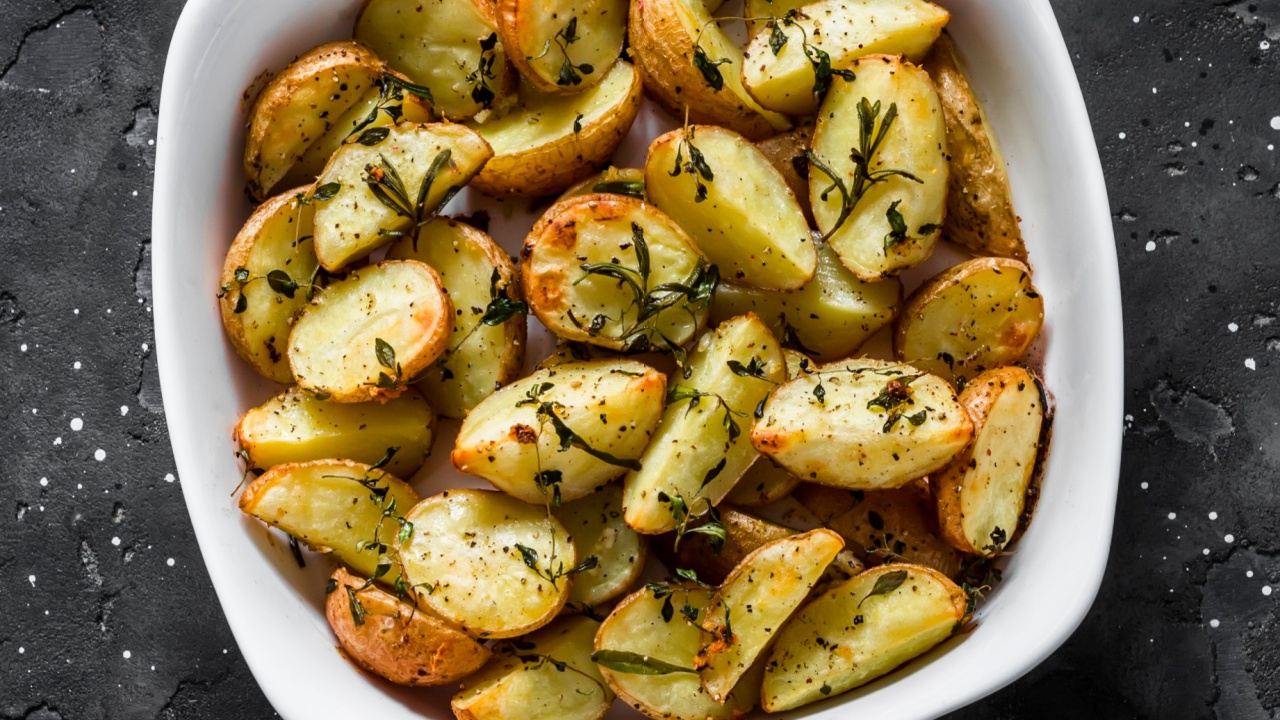
Potatoes seem hardy, but they are prone to Clostridium botulinum, especially if they are baked in aluminum foil. The foil creates an oxygen-free environment where bacteria thrive as the potato cools.
Reheating does not always destroy botulism toxins, making temperature control vital. You should remove foil immediately after cooking and refrigerate quickly. If they have sat on the counter for more than two hours, they are no longer safe to consume.
3. Spinach and Leafy Greens

Nitrates are naturally occurring in leafy greens like spinach, celery, and beets. However, when these greens are reheated, those nitrates can convert into nitrites. This creates potential long-term health risks and immediate digestive upset.
A much safer alternative is to cool rapidly, refrigerate promptly, and reheat to 165°F.
4. Mushrooms
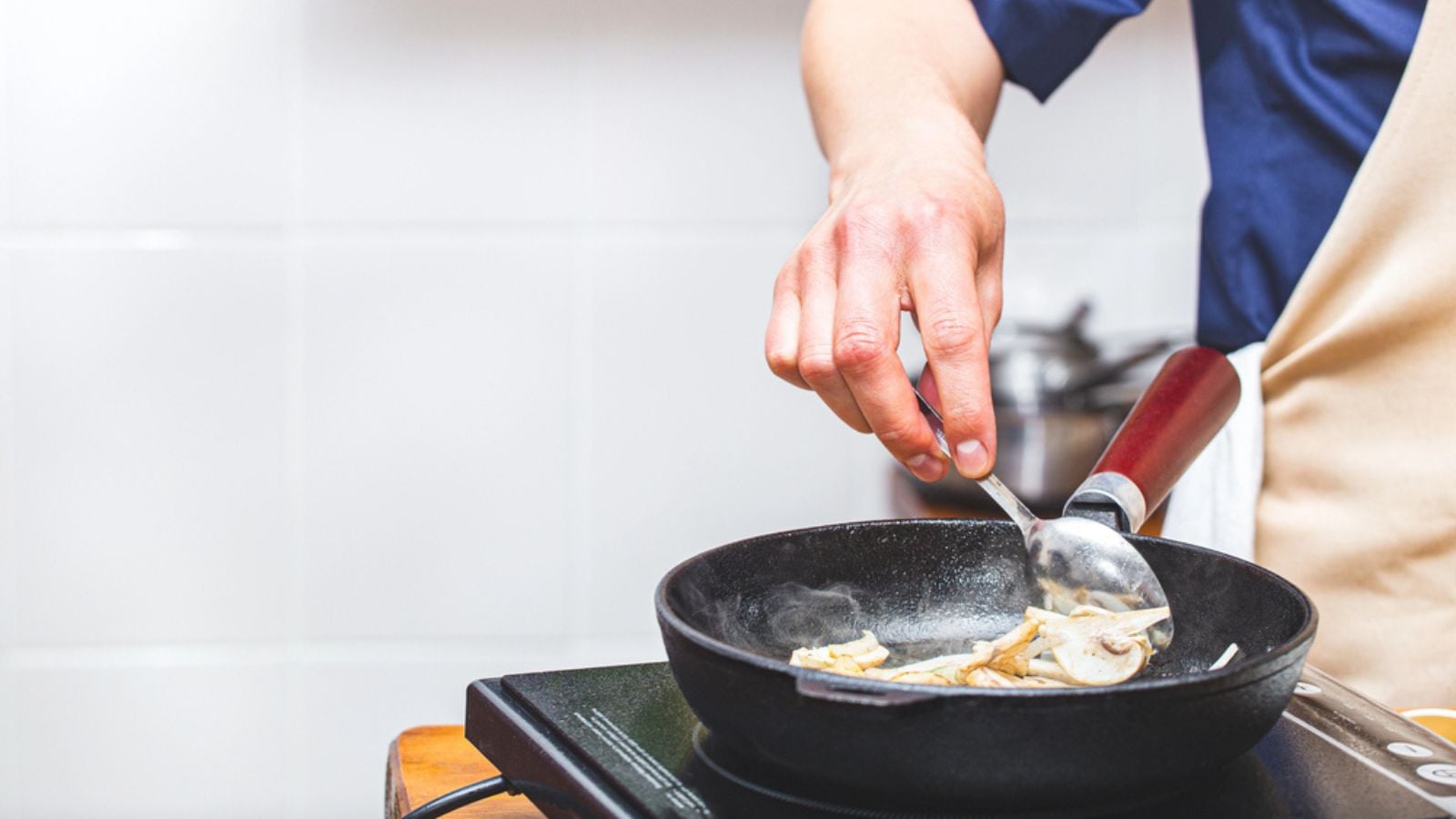
Mushrooms are high in a protein that can be easily destroyed by enzymes and microorganisms. If you don’t store them properly, their protein composition changes, leading to significant stomach distress.
To avoid severe bloating and digestive issues, only cook what you plan to eat, or store leftovers correctly and consume them soon.
5. Eggs
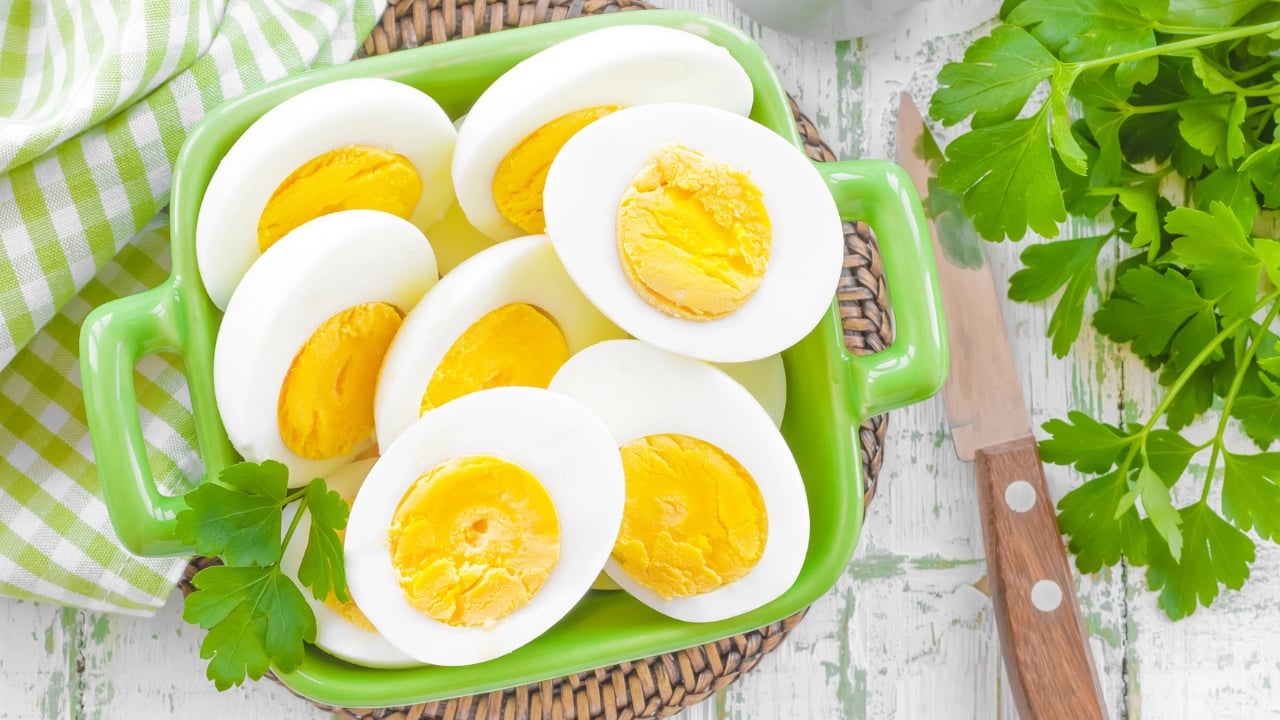
Whether scrambled, boiled, or in an omelet, eggs are a high-protein environment where Salmonella can flourish if they are left out. You should never leave egg dishes out for more than two hours
It’s usually better to discard leftover scrambled eggs than to risk the unpleasant texture and bacterial growth associated with oxidation.
6. Chicken
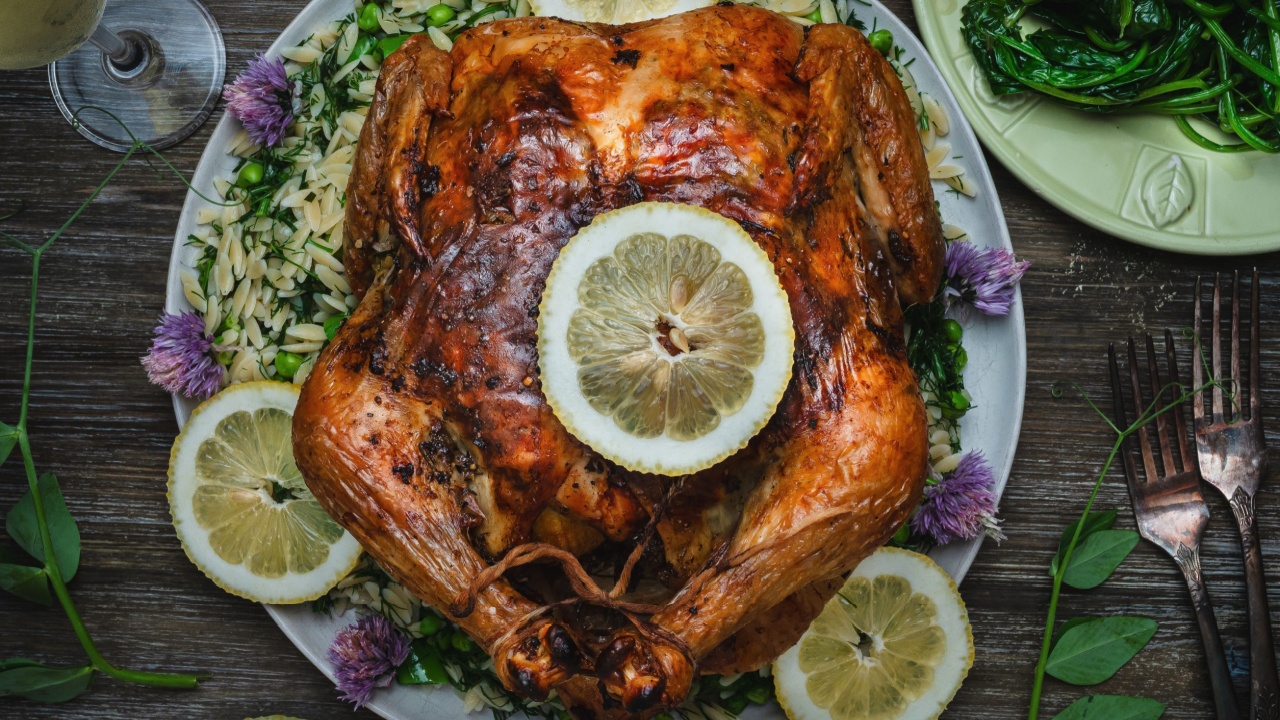
Chicken is a staple leftover, but the main concern with reheated chicken is its food safety. If cooked chicken isn’t stored properly or reheated thoroughly, harmful bacteria such as Salmonella can survive or multiply.
For safety, leftovers should be refrigerated promptly and reheated to an internal temperature of 165°F (74°C) throughout. Discard any leftovers that have been sitting too long or weren’t handled correctly.
7. Seafood and Sushi
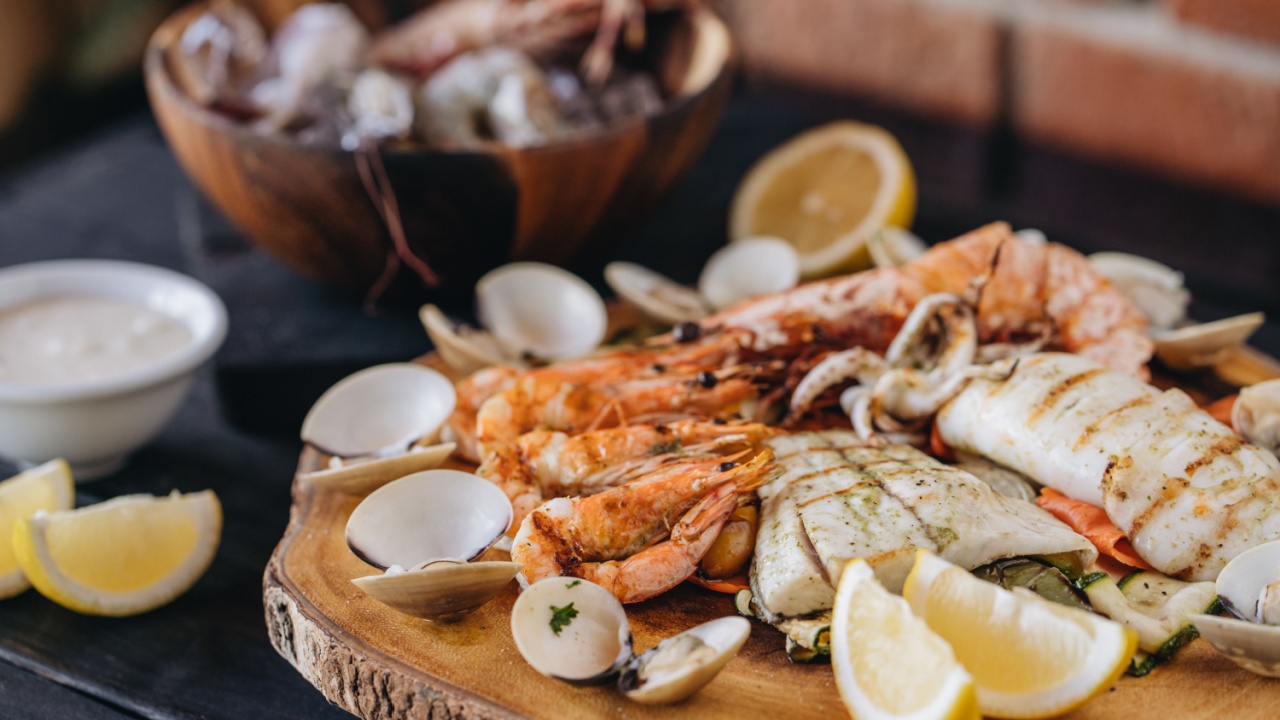
Fish is more perishable than many other meats because it spoils quickly if not kept cold. Sushi is especially risky as a leftover because during preparation and serving, it may be exposed to room temperature, increasing the risk of bacterial growth.
You should aim to consume cooked seafood within 24 hours. For sushi, if it has been sitting out for more than two hours, do not bother putting it in the fridge, as the damage is likely already done.
8. Deli Meats
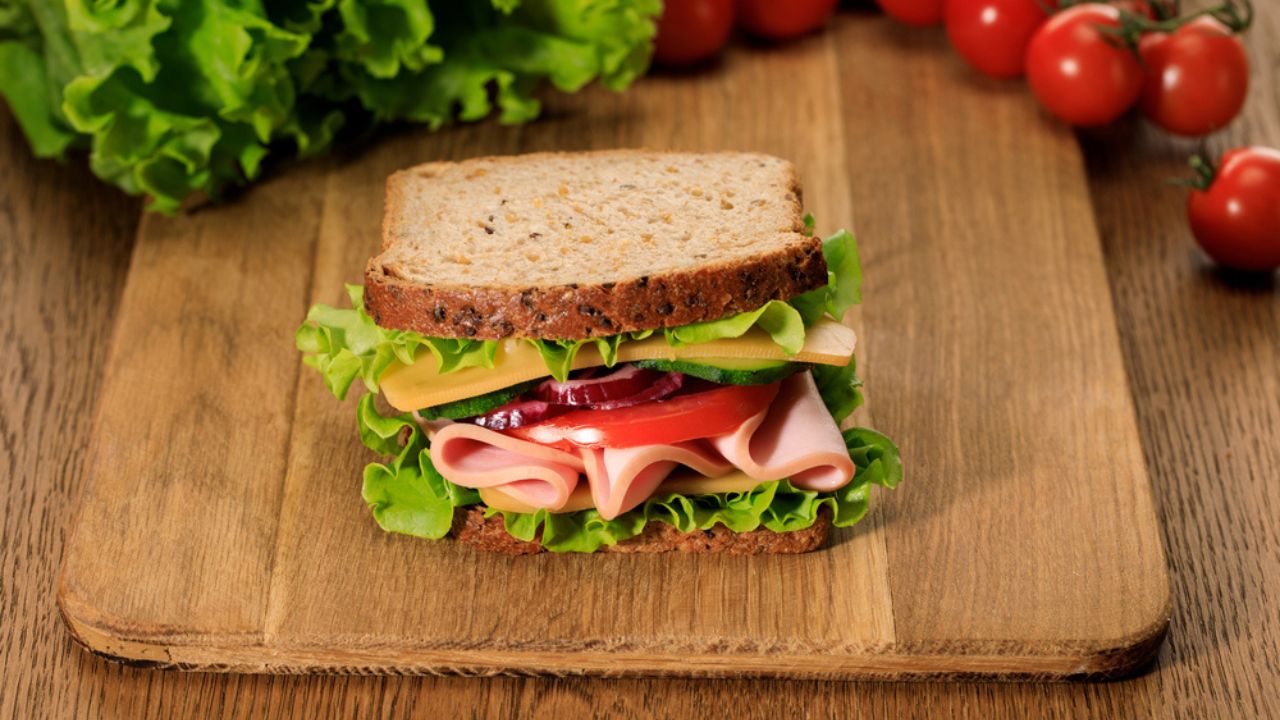
Turkey, ham, and roast beef from the deli counter are often processed with nitrates and have high moisture content. Once a package is opened or a platter is set out at a party, the clock starts ticking fast because Listeria can actually grow in the cold environment of your fridge.
You should discard deli meats that have been in the fridge for more than three to five days, or those that have been left at room temperature for over two hours.
9. Dairy-Based Sauces

Alfredo, béchamel, and other cream-based sauces are both delicate and highly perishable. Dairy contains fats and proteins that can support bacterial growth if the sauce isn’t cooled and stored properly.
It is best to only make as much sauce as you need for a single meal. If you have leftovers, they should be refrigerated immediately and used within one to two days.
10. Smoothies

Freshly blended smoothies begin to lose some nutrients, especially Vitamin C, soon after blending due to exposure to air (oxidation). Over time, enzymes and natural sugars in the fruit can also start to ferment, which may change the flavor and cause slight gas in sensitive individuals.
To maximize nutritional value and flavor, it’s best to consume smoothies immediately after blending or store them in the fridge for no more than 24 hours in a tightly sealed container.
11. Buffet Items
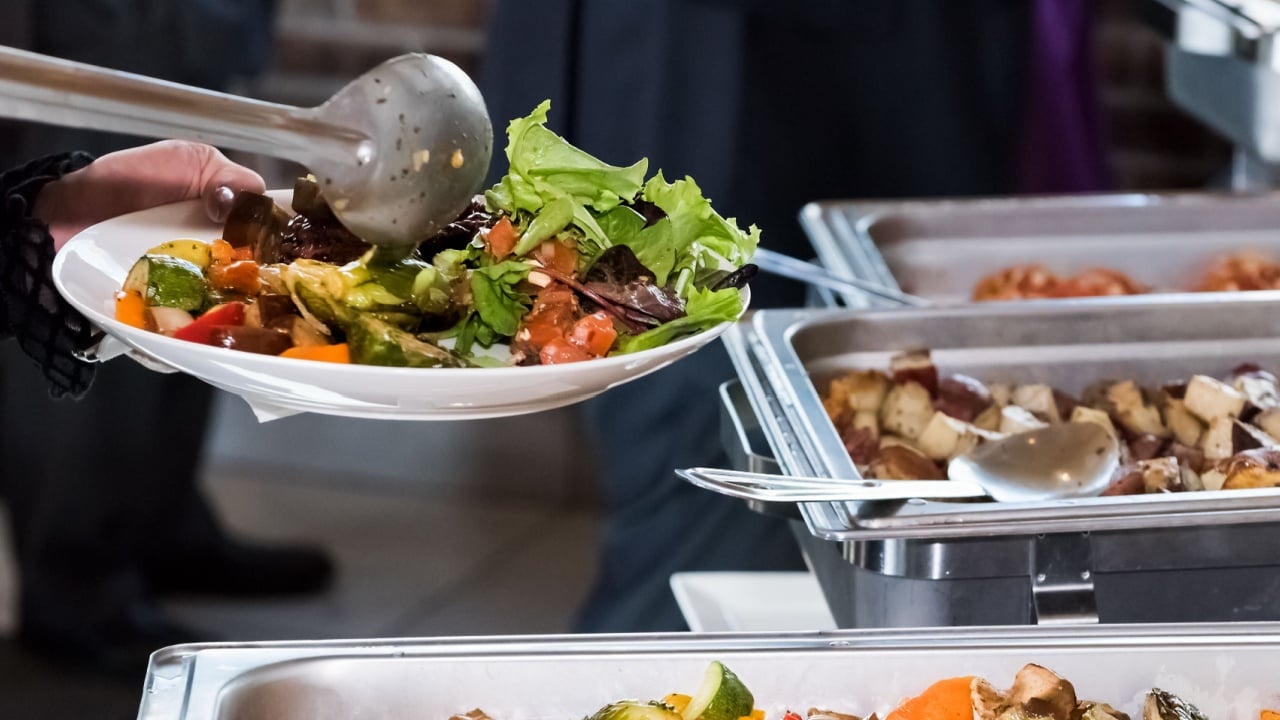
If you’re tempted to take a “to-go” box from a buffet, you should reconsider. Buffet food is often kept in the “danger zone” between 40°F and 140°F for long periods, which is the exact temperature range where bacteria multiply fastest.
There is also a high risk of cross-contamination from other diners and prolonged heat exposure. Unless you saw the dish come fresh from the kitchen, it is best to leave it behind.
12. French Fries

While not a safety risk in the traditional sense, French fries are culinary “dead on arrival” the next day. They are usually fried twice in the restaurant, and reheating them a third time makes them incredibly greasy or cardboard-dry.
This results in extreme grease absorption and a total loss of nutritional appeal. If you must save them, use an air fryer or a dry skillet to restore some texture. Microwaves tend to make them soggy.
13. Pre-cut Fruit Salads
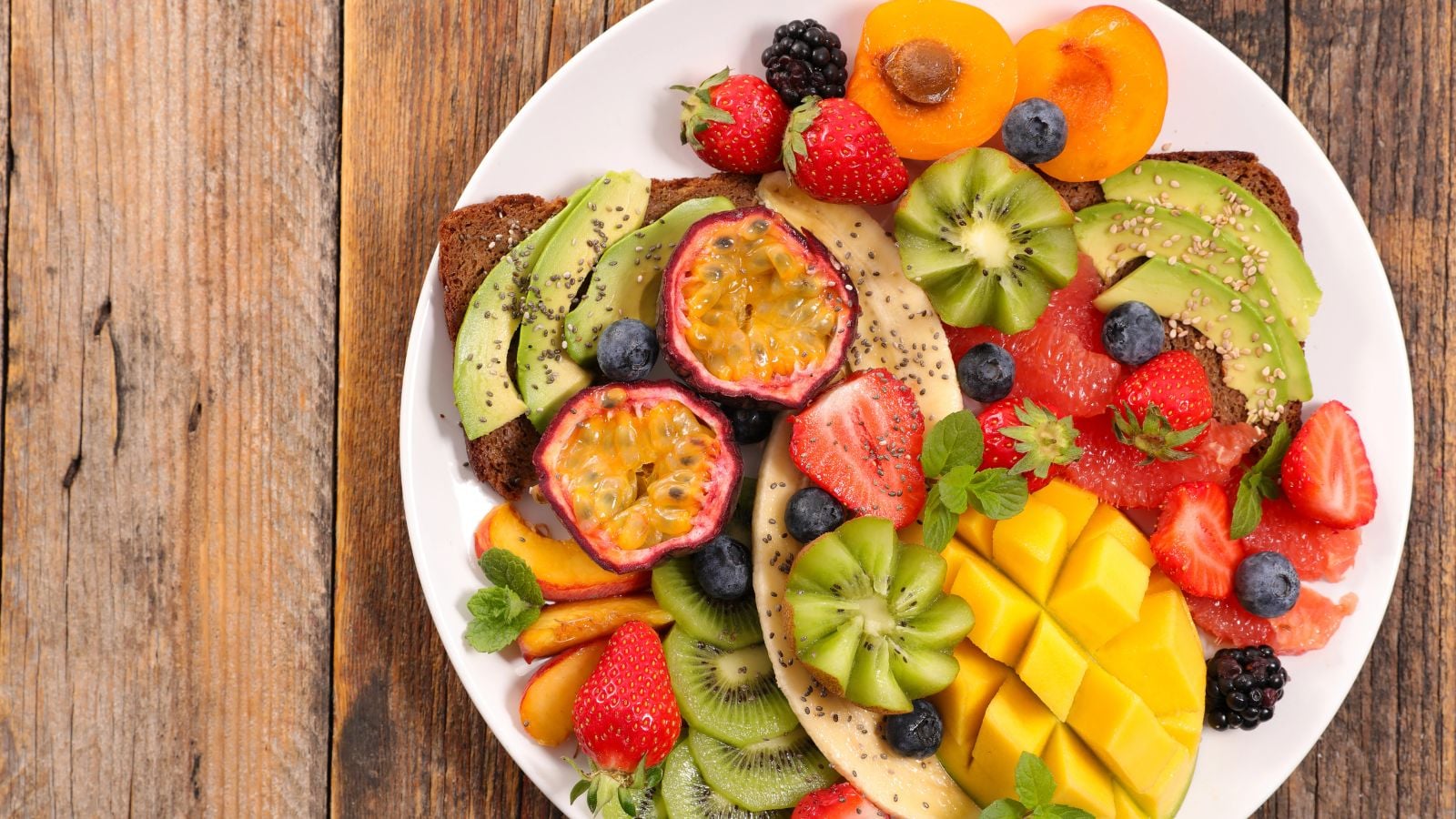
Once fruit is cut, it releases enzymes and juices that accelerate spoilage. A fruit salad that sits overnight becomes a soggy, syrupy mess that can harbor bacteria from the rinds of the fruit.
This creates a risk for microbial growth in the sugary liquid that pools at the bottom. To keep fruit fresh, you should only cut what you need or store individual fruits in separate airtight containers.
14. Soft Cheeses

Unlike hard cheeses like Cheddar or Parmesan, soft cheeses like Brie, Camembert, or Ricotta have high moisture levels. This makes them much more susceptible to mold and bacterial growth once they’ve been sitting out.If a soft cheese has been out for a long period during a party, you should toss it rather than trying to save it.
15. Cooked Garlic in Oil

Many people save leftover roasted garlic or garlic-infused oils, but this is a dangerous practice. Garlic is a low-acid vegetable that, when stored in oil at room temperature or for too long in the fridge, can produce the toxin that causes botulism.
This is a rare but fatal form of food poisoning that is difficult to detect. You should always refrigerate garlic-in-oil mixtures immediately and discard them after four days.
Play It Safe in the Kitchen
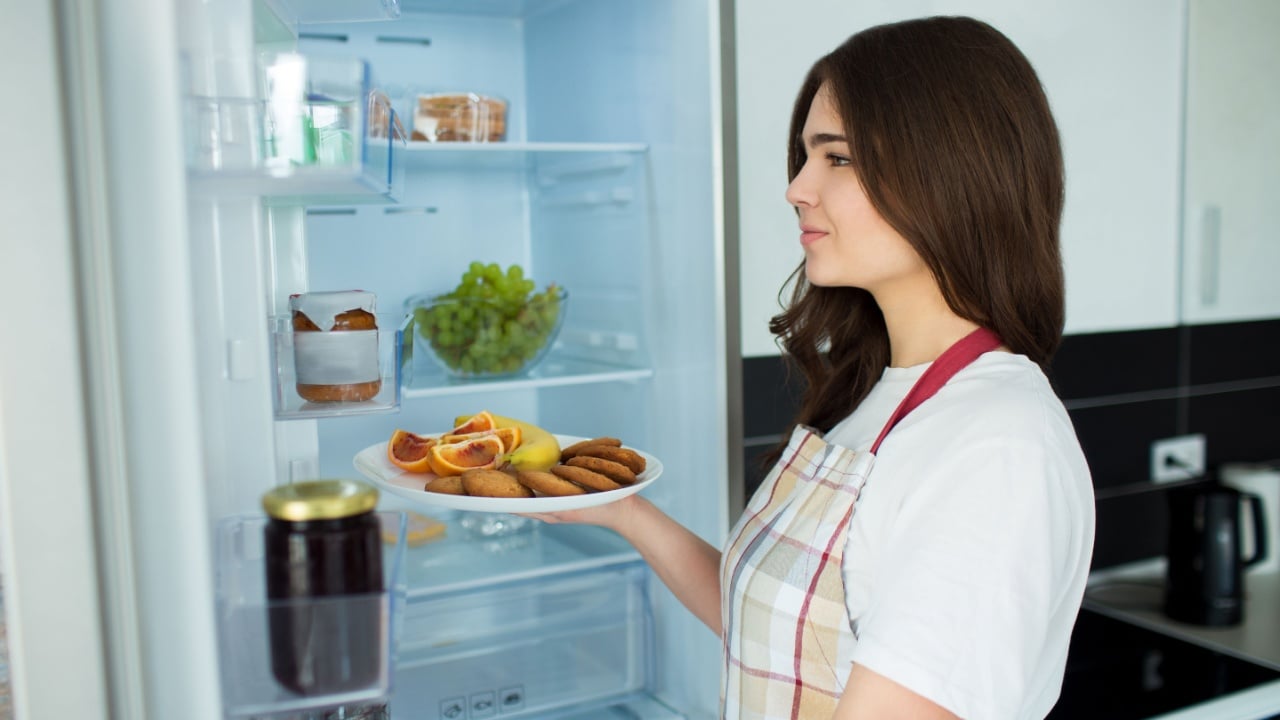
Don’t rely on smell or look to judge if food is safe. Use a food thermometer to make sure leftovers reach 165°F when reheated. Follow the two-hour rule: if food’s been out for more than two hours, toss it. Label leftovers with the date so you know how old they are, and cool big portions quickly by spreading them into shallow containers.
When it comes to leftovers, the golden rule is simple: when in doubt, throw it out—your health is worth more than one meal.