The Four-Second Fruit Rinse Isn’t Cutting It: Here Are 3 Better Ways to Clean Produce
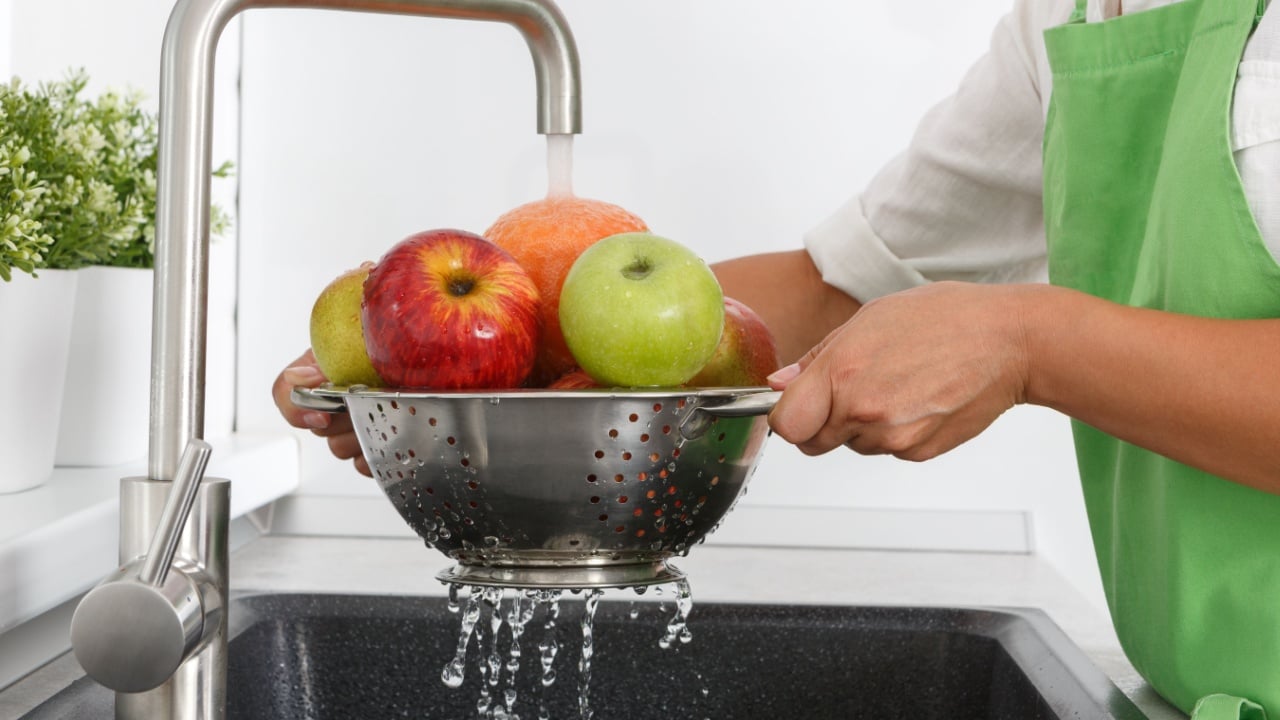
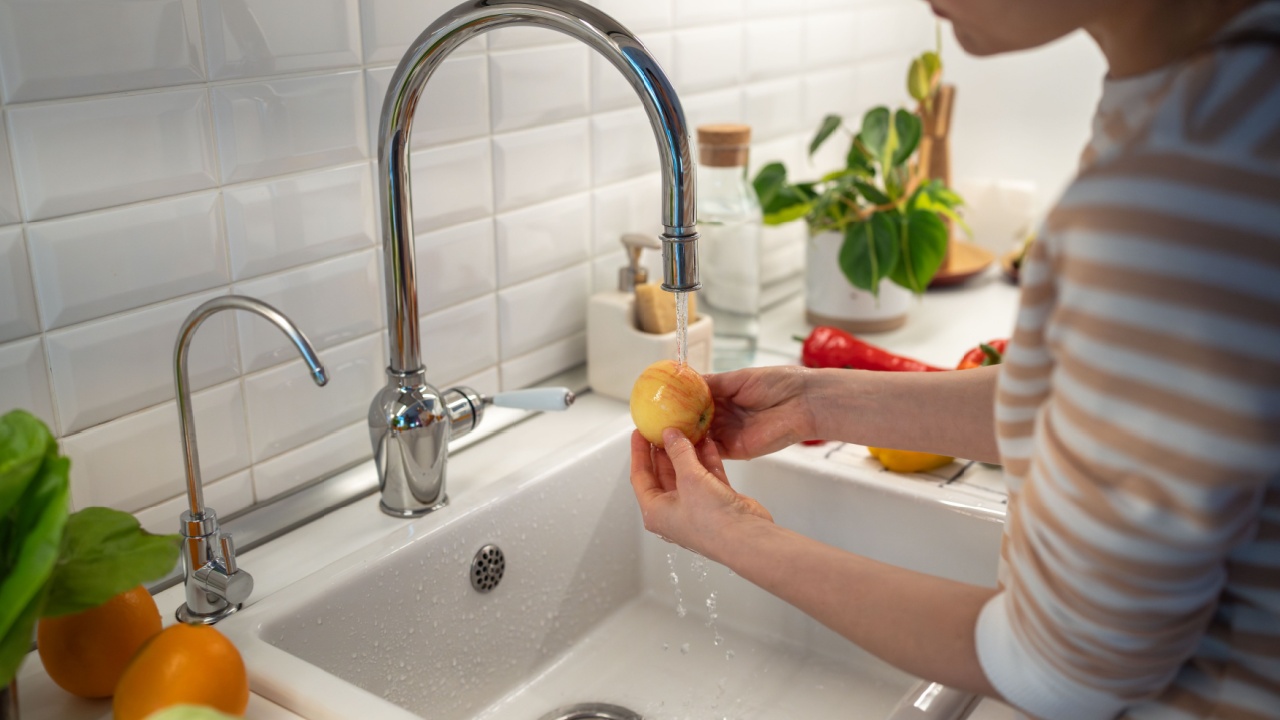
You just got home from the store with a haul of beautiful apples, crisp lettuce, and a carton of blueberries. Before you dive in, you give them a quick “rinse and shake” under the tap. You feel like a responsible adult, right? Well, we’ve got some news for you: that four-second splash isn’t doing much.
It might get rid of a stray speck of dirt, but it’s no match for the invisible party of pesticides, bacteria, and other grime clinging to your fresh finds. Properly cleaning your fruits and veggies is a non-negotiable step for your health.
A thorough wash helps you dodge foodborne illnesses like E. coli and Salmonella and reduces your intake of pesticides (which are known buzzkills for your hormones). Here are three super-effective, expert-approved ways to make sure your produce is genuinely clean.
1. The Water Soak and Scrub
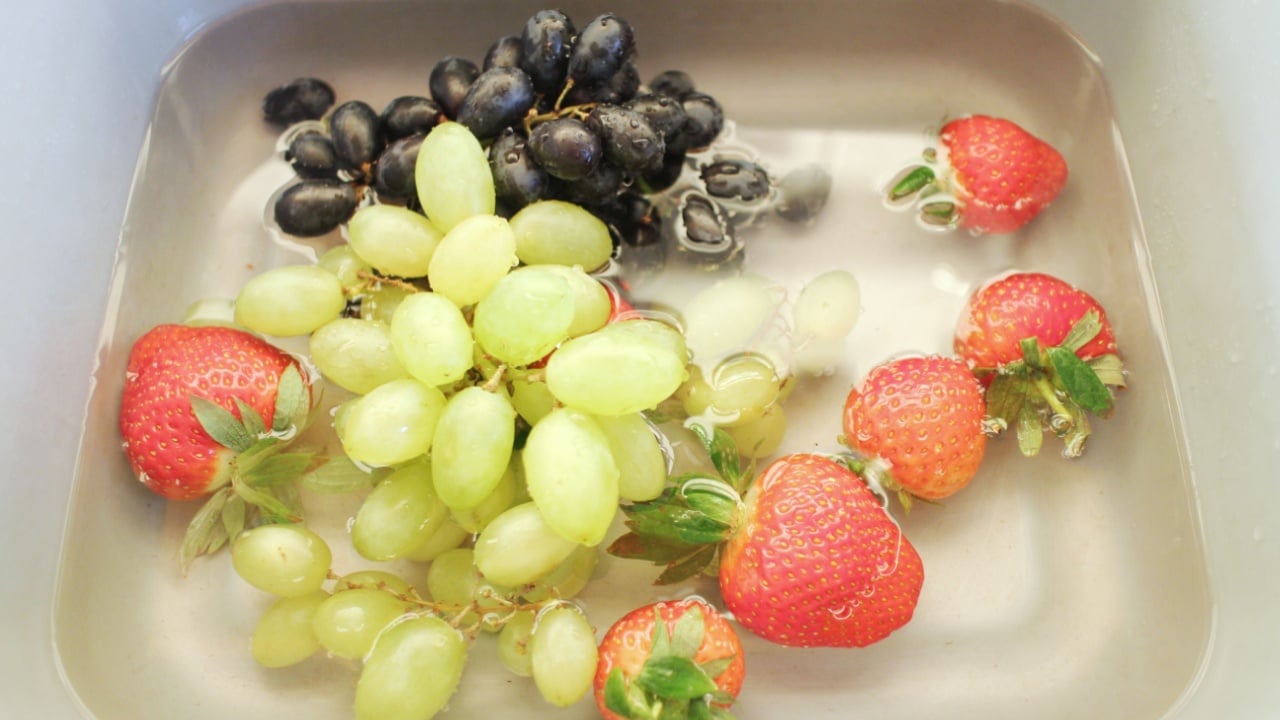
Believe it or not, plain old water is still the gold standard for cleaning produce, if you use it correctly. The Centers for Disease Control and Prevention (CDC) actually recommends water as the best method, but the technique matters far more than the liquid itself. A quick pass under the faucet won’t dislodge stubborn contaminants, but a deliberate soak and scrub will.
For firm produce like potatoes, melons, cucumbers, and apples, the friction of a produce brush is essential. These items often have textured skins where dirt and microbes can hide. By scrubbing them under cold running water, you physically remove these particles. For softer items or leafy greens, a soak is more appropriate to avoid damaging the delicate skins.
How to do it properly:
- Always start with clean hands (20 seconds with soap) so you aren’t transferring new germs to your food.
- Place your produce in a clean colander or bowl. For sturdy items, hold them under cold running water.
- Use a designated produce brush to vigorously scrub firm vegetables and fruits.
- Patting your produce dry with a clean cloth or paper towel helps wipe away any lingering bacteria that the water loosened but didn’t rinse away.
2. The Vinegar Bath
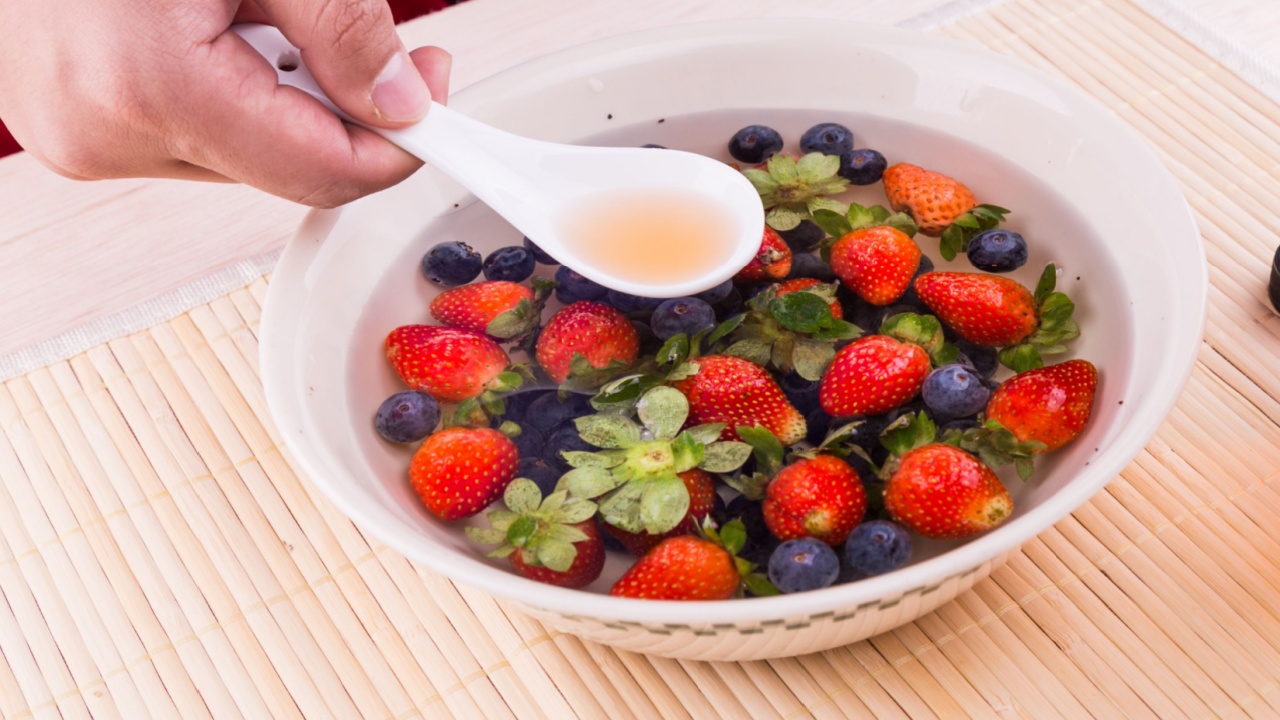
If you want to go a step further than water, vinegar is a fantastic, natural option that many experts swear by. Acetic acid, the main component of vinegar, can help break down bacteria and pesticide residues that water alone might miss. This method is particularly useful for berries, which are prone to mold, and leafy greens, where pests can hide.
There are two main ways to use vinegar: a soak or a spray. The soak is ideal for smaller items like berries, cherry tomatoes, and Brussels sprouts that are hard to scrub.
The spray method works wonders for larger items with smooth skins, like pears, apples, and bell peppers, giving you full coverage without needing a sink full of vinegar.
How to do it properly:
- Mix 1 part vinegar with 3 parts water in a bowl. Submerge your berries or greens for a few minutes, then rinse with cold water and pat dry.
- Use a 1:3 vinegar-to-water mix in a spray bottle. Mist your produce, let it sit for a few minutes, then rinse and dry.
3. The Baking Soda Solution
For a deep clean that specifically targets pesticide residue, baking soda is a powerhouse. A study published in the Journal of Agricultural and Food Chemistry found that a baking soda solution was more effective at removing certain pesticides from apples than either plain water or a bleach solution (please don’t use bleach on food you’re eating!).
The alkaline nature of baking soda helps to degrade the pesticides, making them easier to wash away.
This method requires a bit more patience than the others, as it relies on a longer soaking time to be effective. It’s a great routine for when you bring home a big haul of groceries and want to prep everything at once before storing it in the fridge.
How to do it properly:
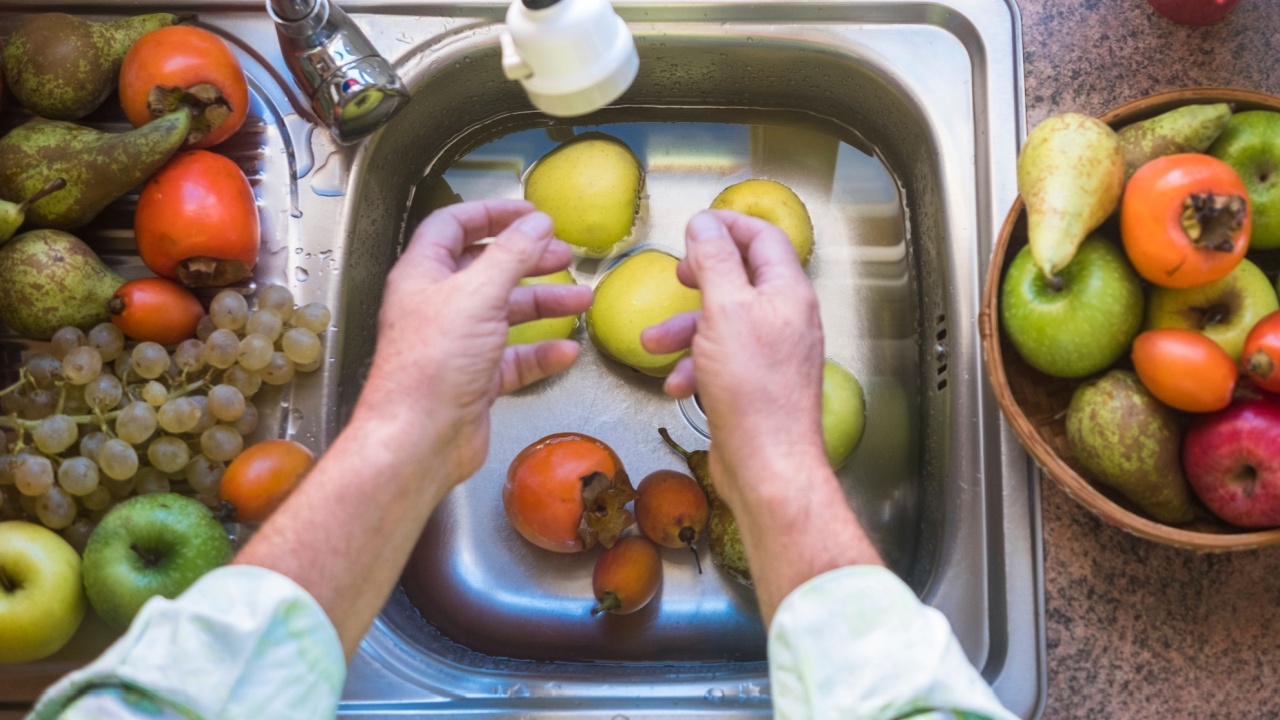
- Fill a large bowl or clean sink with cold water. Add 1 teaspoon of baking soda for every 2 cups of water.
- Submerge your produce completely. The study suggests soaking for 12 to 15 minutes is the sweet spot for maximum pesticide removal.
- Swirl the fruit and vegetables around occasionally to ensure the solution reaches every nook and cranny.
- After the soak, drain the water and give everything a thorough rinse under cold running water to remove the baking soda and the loosened residues. Finish by drying completely.
Clean Eating Starts with Clean Prep
Taking a few extra minutes to properly wash your fruits and vegetables is a small investment with a big payoff for your health. You don’t need to fear your food, but being smart about preparation can significantly lower your exposure to unwanted chemicals and bacteria.
Once you get into the habit, you’ll likely find that your produce not only feels cleaner but lasts longer, too. So next time you’re at the sink, skip the four-second splash and give your food the clean it deserves.