18 Small Backyard Animals That Are Best Left Undisturbed
Your backyard is a bustling ecosystem filled with fascinating creatures that often go unnoticed. These small animals play vital roles in maintaining balance in your garden, from pest control to pollination. While it may be tempting to get up close, they thrive best when left undisturbed.
Here’s a guide to 18 small animals commonly found in backyards, why they’re there, and how to coexist harmoniously with them.
1. Praying Mantis
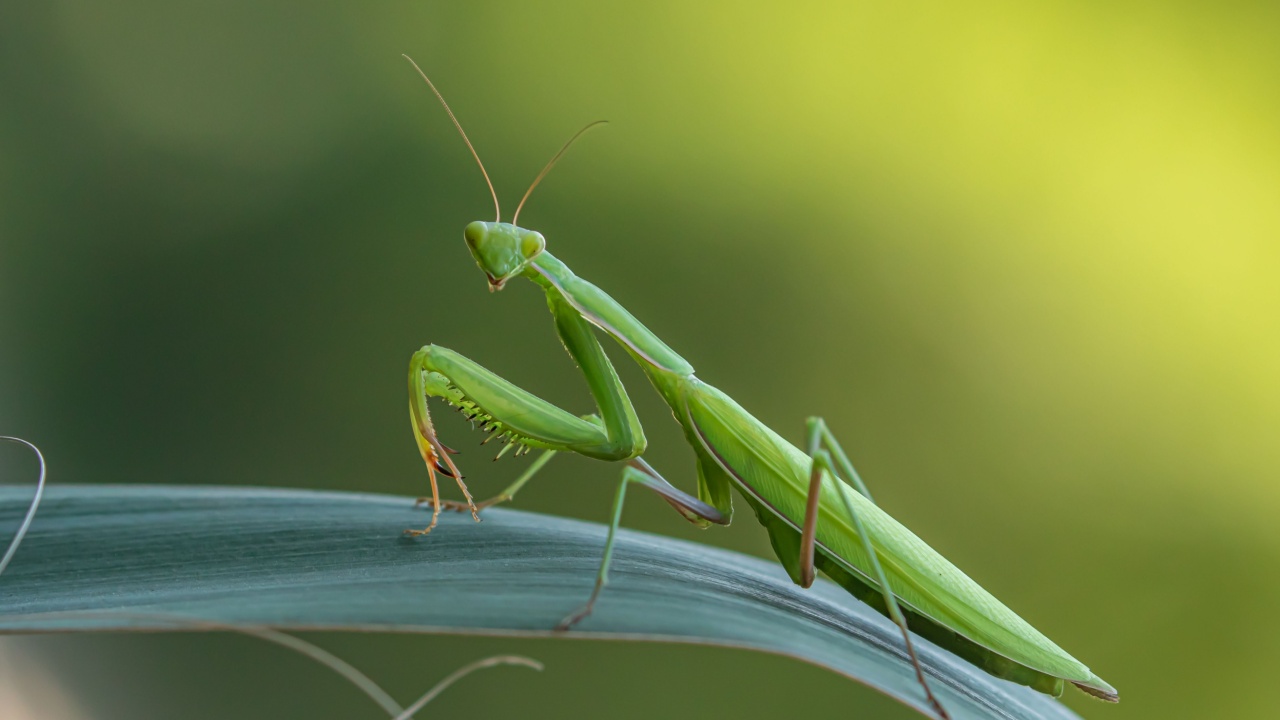
This alien-like insect is a master of patience and disguise, waiting motionless for hours before ambushing prey. With their triangular heads and swiveling eyes, they are expert predators that help control pests like flies, moths, and even aphids.
Why They Might Be in Your Yard
Praying mantises are drawn to gardens rich with vegetation and insects. Their presence indicates a healthy ecosystem and acts as natural pest control.
Living Harmoniously
Avoid using pesticides, which can harm these beneficial insects. Grow a variety of flowering plants to naturally attract them. Resist the urge to handle them—they are delicate and thrive when left to their hunting routines.
2. Cottontail Rabbit

These fluffy herbivores are known for their twitching noses and quick sprints across the lawn. Female rabbits often build shallow nests called “forms” to raise their young.
Why They Might Be in Your Yard
Cottontails seek out gardens rich in grasses and clover. They nibble on weeds and plants, occasionally sampling your vegetables during tough weather conditions. Although some people argue they’ll demolish all your fresh sprouts in a few hours!
Living Harmoniously
Protect your garden with low fencing and leave some natural areas for them to graze on. If you discover a rabbit nest, avoid moving it as the mother will return to care for her young.
3. Jumping Spider
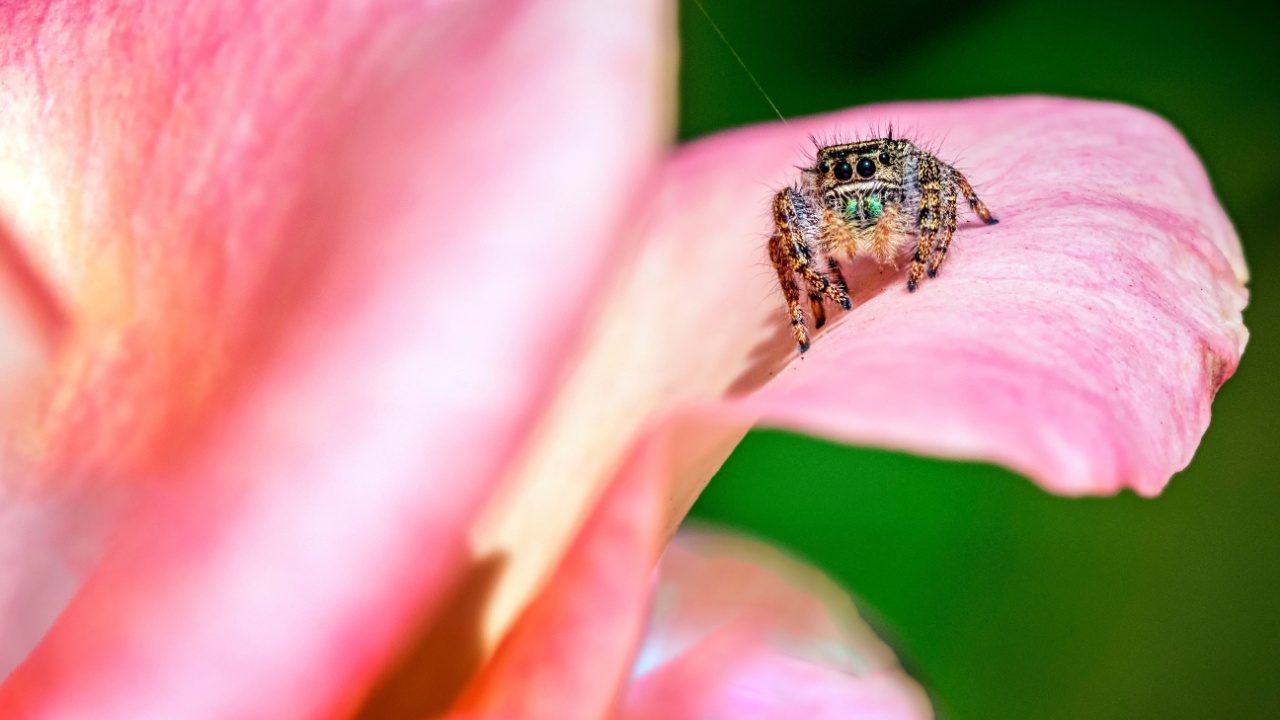
These curious creatures are tiny but mighty. Known for their agile leaps and oversized eyes, they actively hunt rather than spin webs, preying on flies, beetles, and other pests.
Why They Might Be in Your Yard
Jumping spiders thrive in gardens with plenty of prey and hiding spots. Their presence helps reduce the population of unwanted insects in your yard.
Living Harmoniously
Encourage their presence by maintaining leafy plants and ground cover. Avoid disturbing them—despite their intimidating appearance, they are completely harmless to humans.
4. Box Turtle
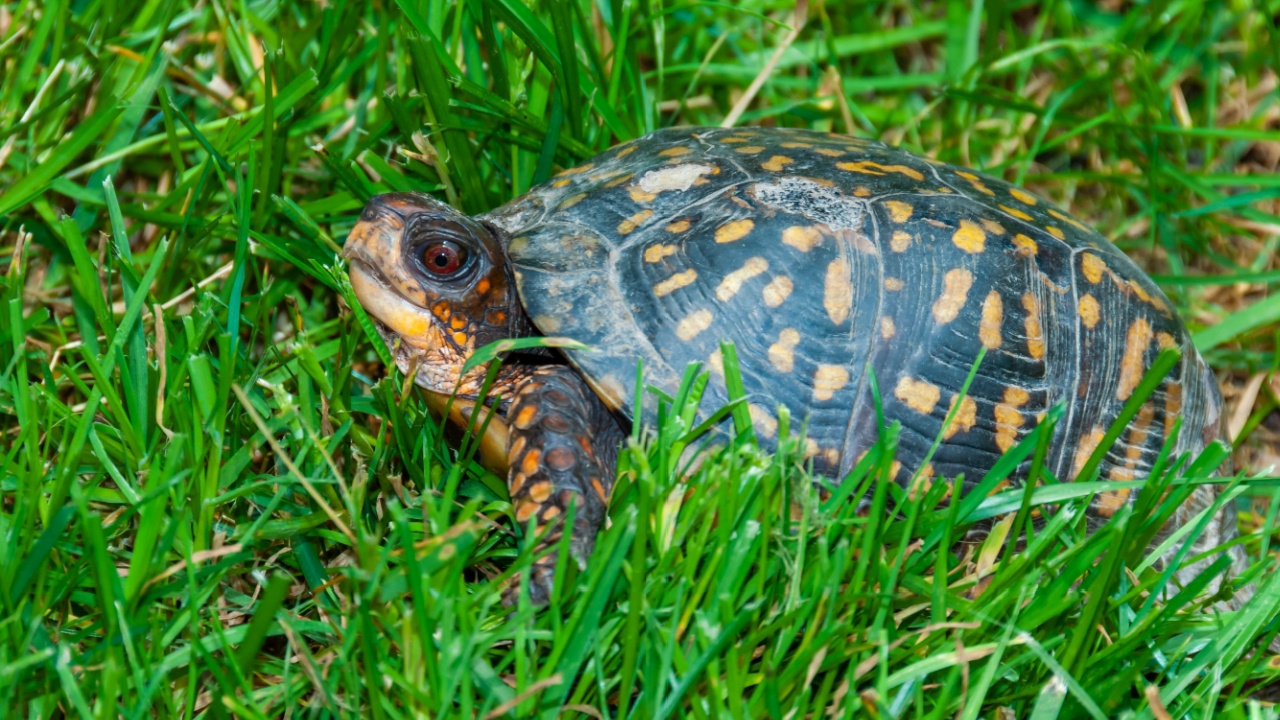
Box turtles are slow-moving reptiles known for their hinged shells, which allow them to close up entirely for protection. Each turtle’s shell is uniquely patterned, much like fingerprints.
Why They Might Be in Your Yard
They’re drawn to damp areas, feeding on earthworms, mushrooms, and fallen fruit. Box turtles play an important role in seed dispersal.
Living Harmoniously
Avoid relocating box turtles—they have a strong homing instinct and may become disoriented. Provide safe spaces like leaf piles and shaded areas for them to roam freely.
5. Ladybug
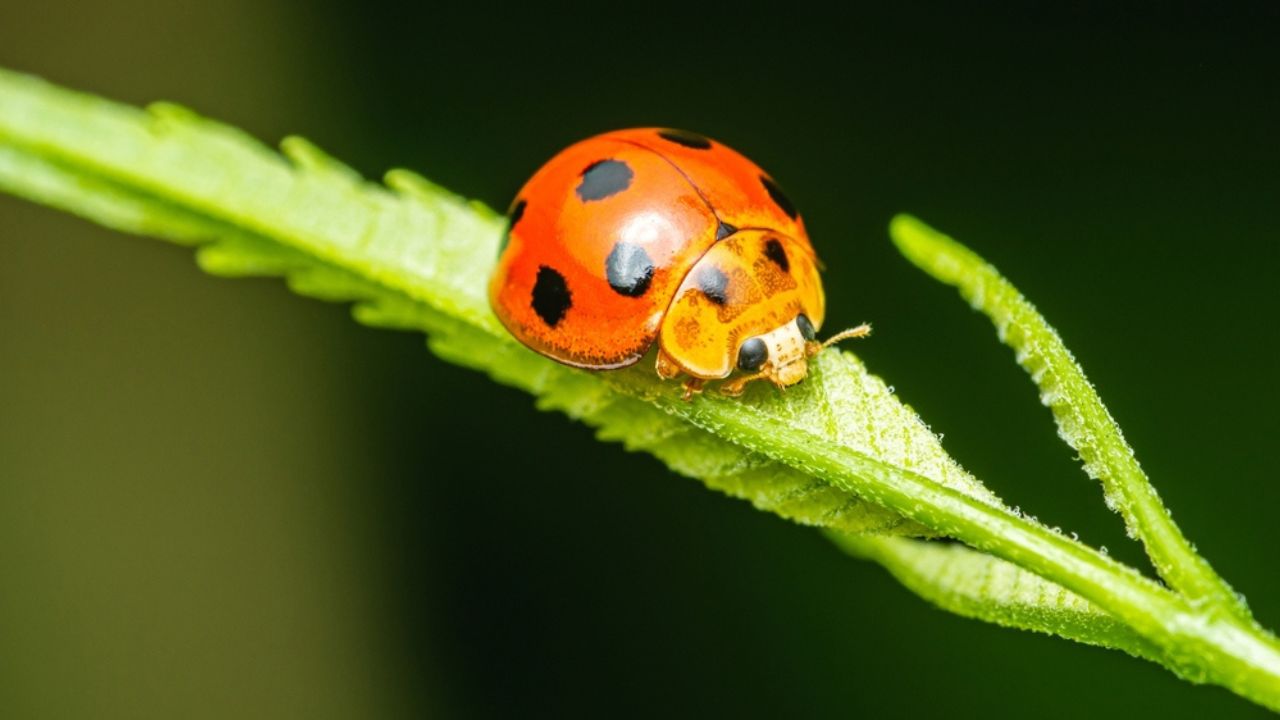
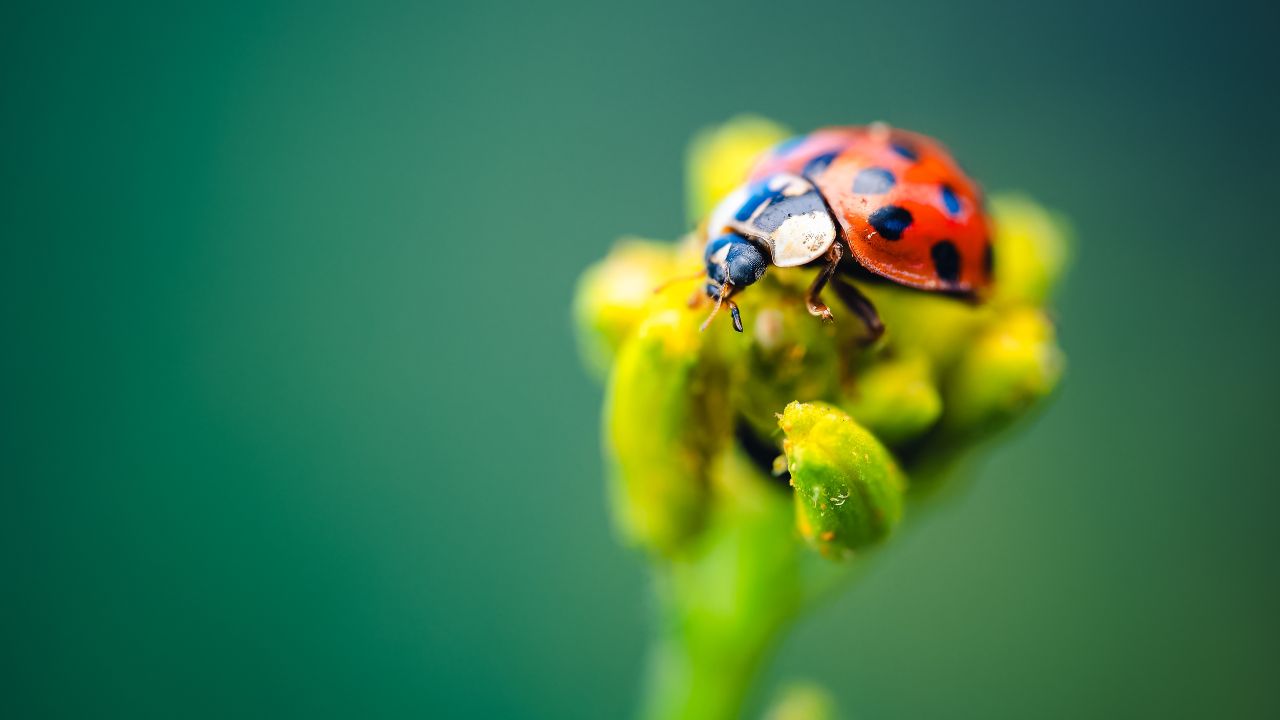
These brightly colored insects are voracious predators of aphids and other pests. A single ladybug can consume thousands of aphids over its lifespan.
Why They Might Be in Your Yard
Ladybugs are attracted to gardens with flowering plants and plenty of aphids to feast on. Their presence signals a healthy, thriving yard.
Living Harmoniously
Plant diverse, pesticide-free flowers to encourage ladybugs to stay. Avoid purchasing commercial ladybugs for release, as they often migrate elsewhere.
6. Eastern Chipmunk
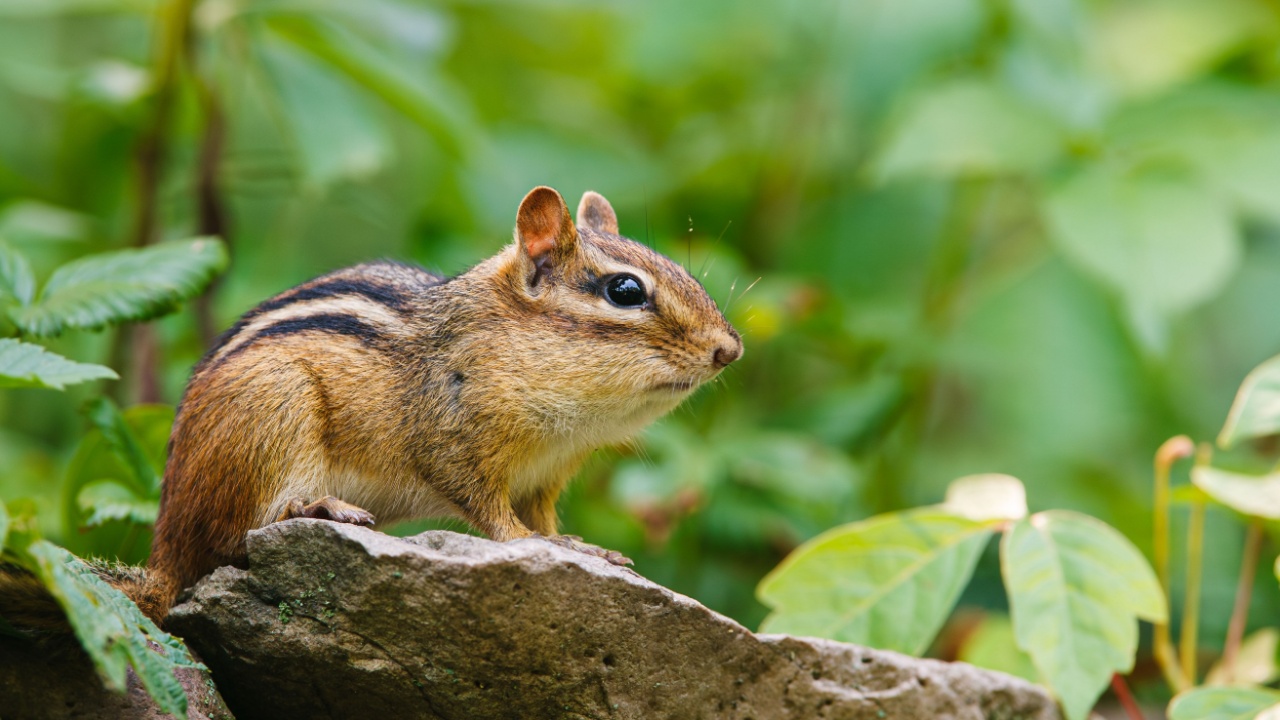
These small rodents are known for stuffing their cheek pouches with seeds, nuts, and berries. Their burrowing habits help aerate the soil.
Why They Might Be in Your Yard
Chipmunks are drawn to backyards with abundant food sources like birdseed, nuts, and fruit. They also look for spots to build their extensive tunnel systems.
Living Harmoniously
Protect vulnerable plants by using mesh barriers. You can also deter them from sensitive areas with smells they don’t like. Enjoy watching their antics from a distance, as handling them can cause them stress.
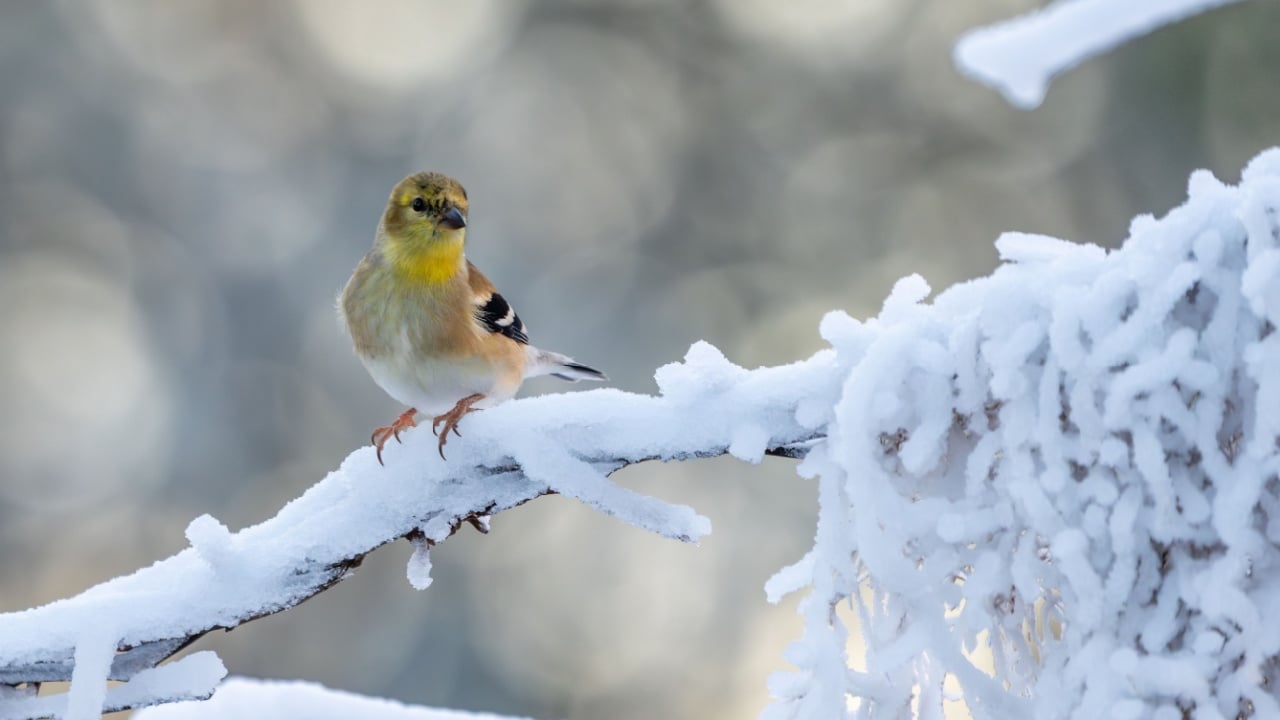
7. American Goldfinch
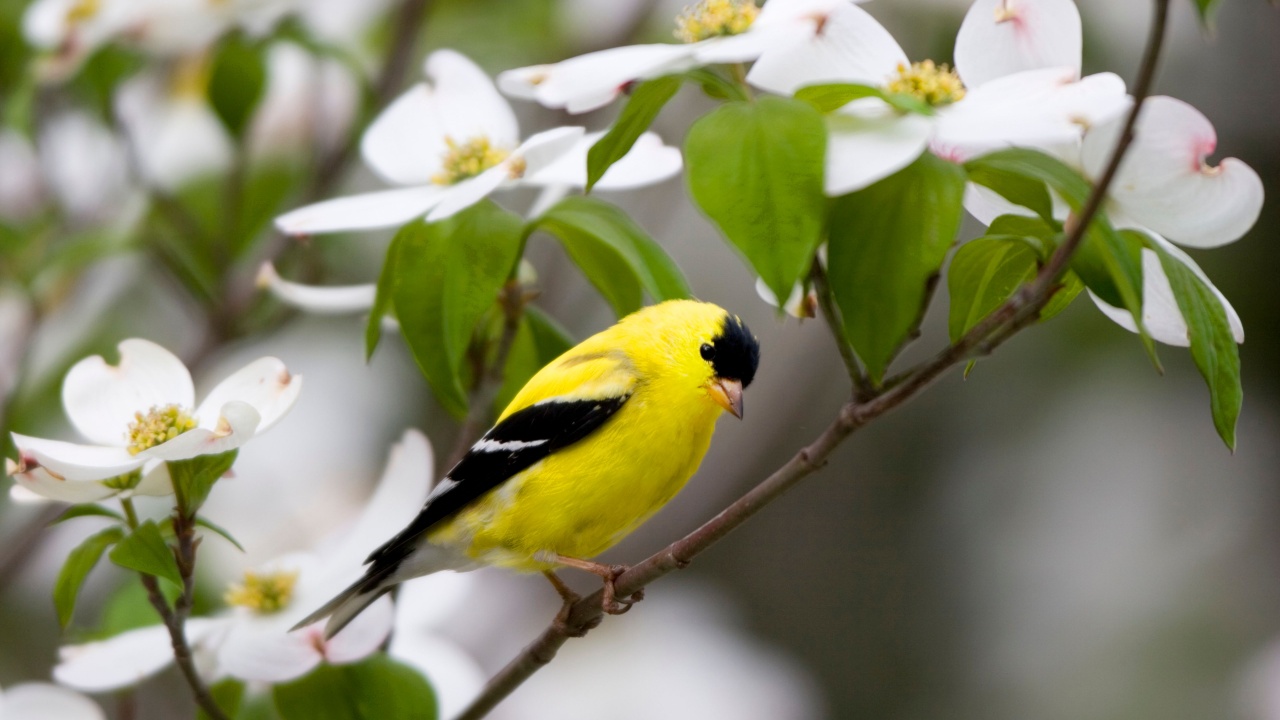
A variety of birds are always a joy to see in the yard. The American Goldfinch is no exception. With their bright yellow plumage, these small songbirds are hard to miss during summer. They feed primarily on seeds and are known for their undulating flight pattern.
Why They Might Be in Your Yard
If you have thistles, sunflowers, or a bird feeder filled with sunflower seeds, goldfinches are likely to drop in.
Living Harmoniously
Install bird feeders and plant seed-bearing flowers like coneflowers to attract these vibrant visitors. Avoid getting too close to their nesting sites.
8. Bumblebee

Bumblebees are essential pollinators known for their fuzzy bodies and slow, deliberate flight. Unlike honeybees, bumblebees form smaller, annual colonies.
Why They Might Be in Your Yard
They’re drawn to gardens with diverse flowers, especially those requiring buzz pollination, like tomatoes and blueberries.
Living Harmoniously
Avoid using pesticides, and leave small patches of undisturbed ground or abandoned burrows for nesting. Bumblebees are gentle and rarely sting unless provoked.
9. House Wren
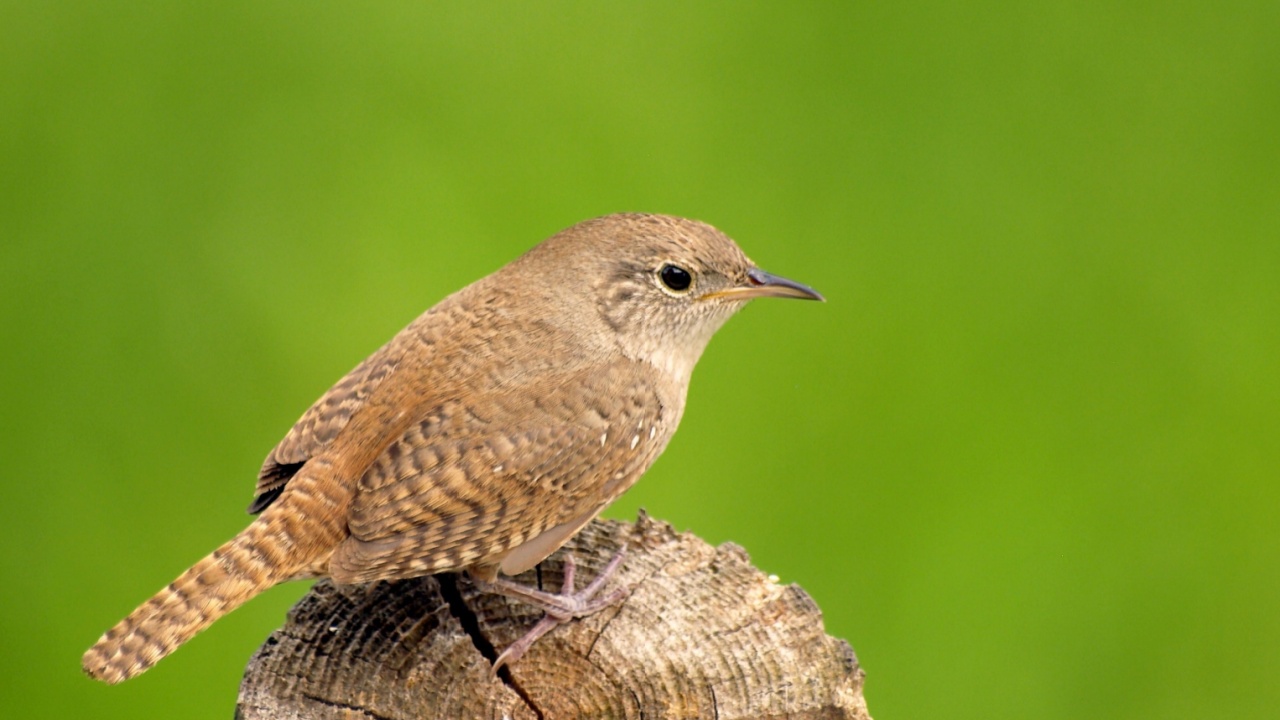
These lively birds are known for their endless singing and ability to build nests in nearly any cavity. They are excellent insect hunters.
Why They Might Be in Your Yard
House wrens are attracted to yards with trees, shrubs, and birdhouses for nesting.
Living Harmoniously
Offer birdhouses with 1-inch entrance holes to protect them from larger predators. Avoid disturbing their nests, as these birds are federally protected.
10. Garden Toad
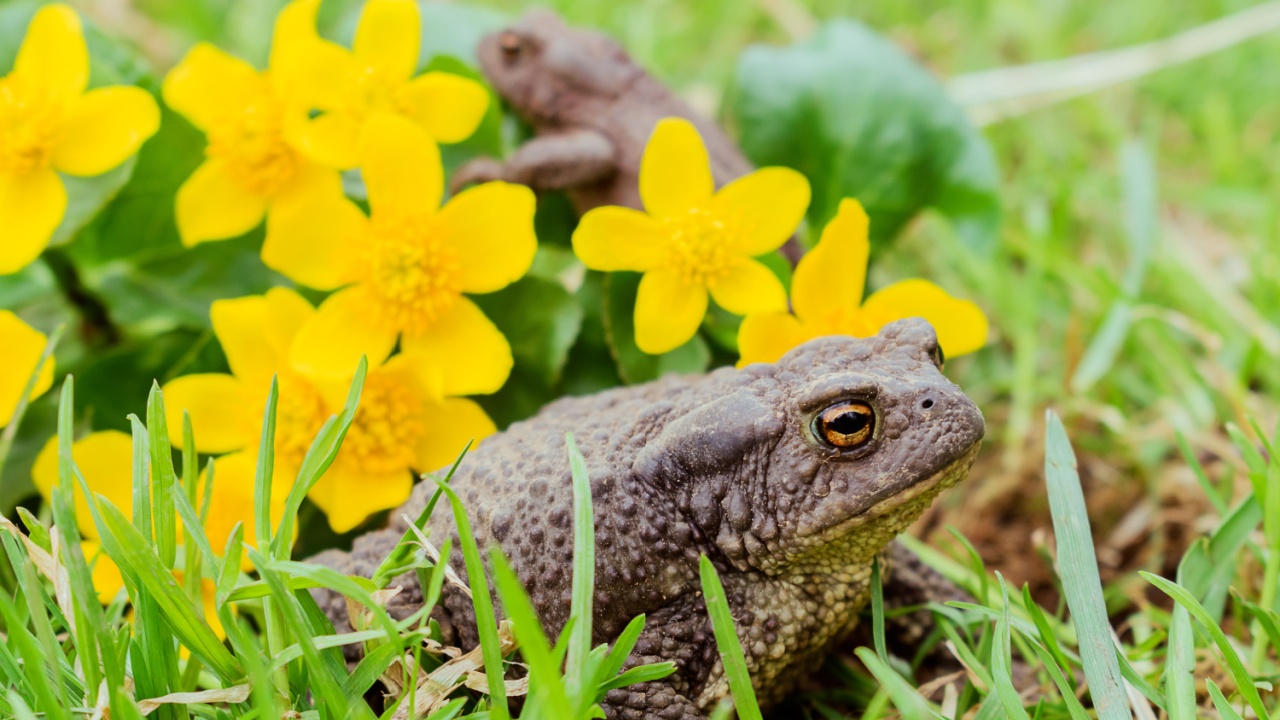
Unassuming but invaluable, garden toads can consume up to 10,000 pests like beetles and slugs in a single growing season.
Why They Might Be in Your Yard
Toads are drawn to moist, shady areas near water features or under dense plants.
Living Harmoniously
Provide shelter by placing overturned pots or logs in shady spots. Avoid using chemicals in areas where toads are active.
11. Wolf Spider
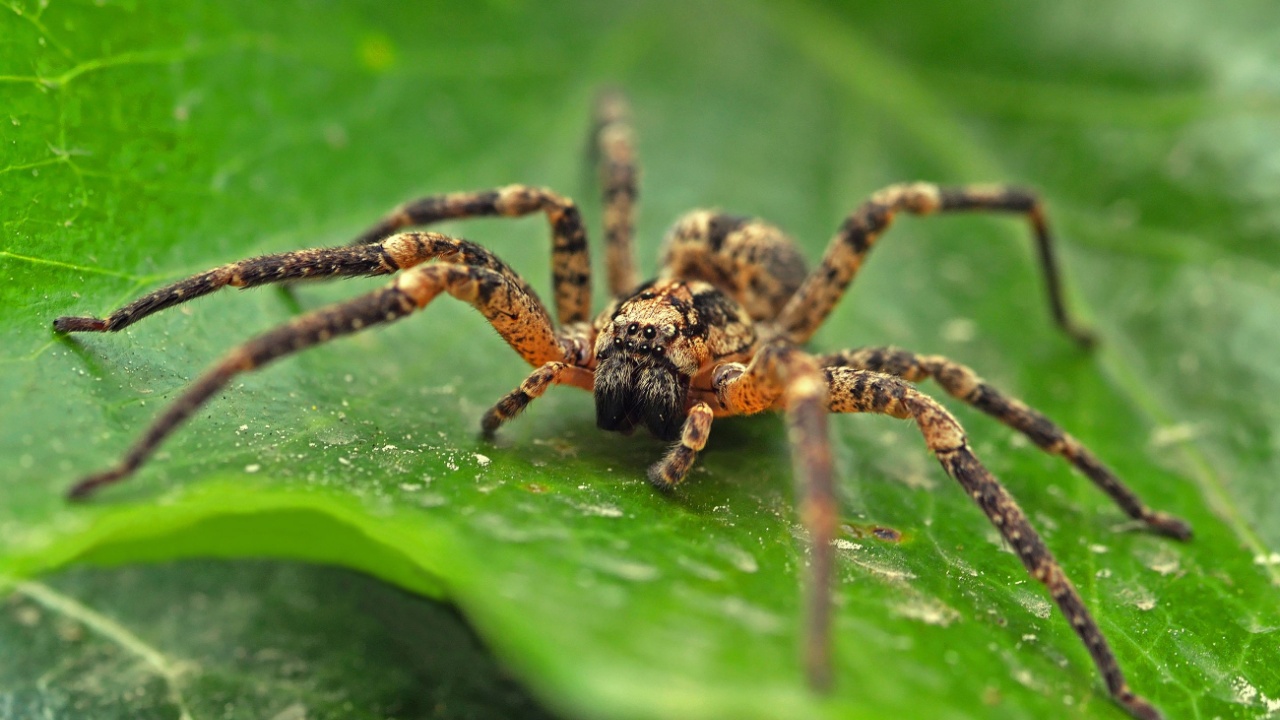
Recognizable by its eight reflective eyes, the wolf spider is an active nighttime hunter that helps control garden pests.
Why They Might Be in Your Yard
Wolf spiders favor gardens with lots of insect activity and grassy hiding spots.
Living Harmoniously
Refrain from using pesticides that could harm their prey. They are harmless to humans and keep pest populations in check.
12. Fence Lizard

Often seen basking on rocks or fences, these reptiles are excellent pest controllers, feeding on ants, beetles, and other insects.
Why They Might Be in Your Yard
Fence lizards are drawn to sunny, rocky areas where they can soak up warmth.
Living Harmoniously
Respect their space by limiting handling, as their tails can detach when stressed. Provide rocks and logs for basking.
13. Garter Snake
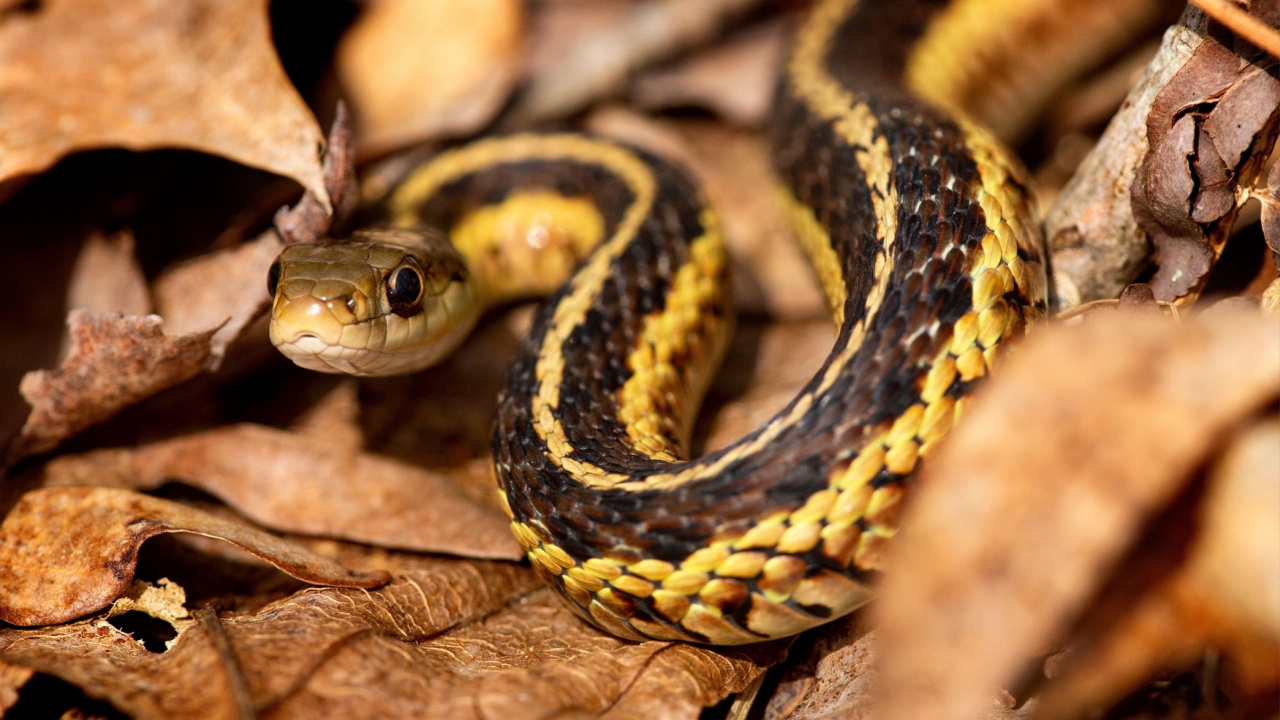
These non-venomous, striped snakes play a critical role in controlling pests like slugs and rodents.
Why They Might Be in Your Yard
Garter snakes are attracted to damp environments with plenty of ground cover and prey.
Living Harmoniously
Leave dense vegetation and piles of rocks untouched for shelter. They avoid conflict and are harmless to humans.
14. Northern Cardinal
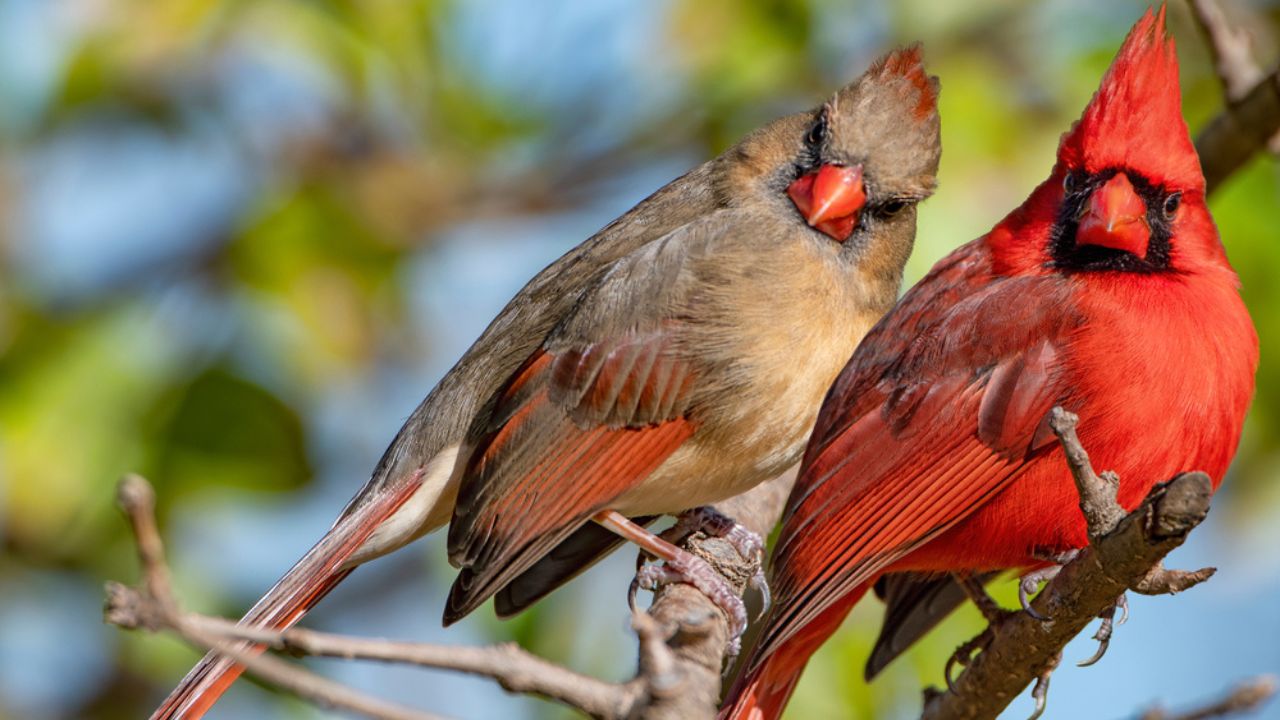
These striking red songbirds are year-round residents known for their melodic chirps and loyalty to their mates.
Why They Might Be in Your Yard
Cardinals seek out shady trees and bird feeders stocked with seeds.
Living Harmoniously
Provide black oil sunflower seeds and shrubs for nesting. Avoid disturbing reflective surfaces where males may perceive rivals.
15. Katydid
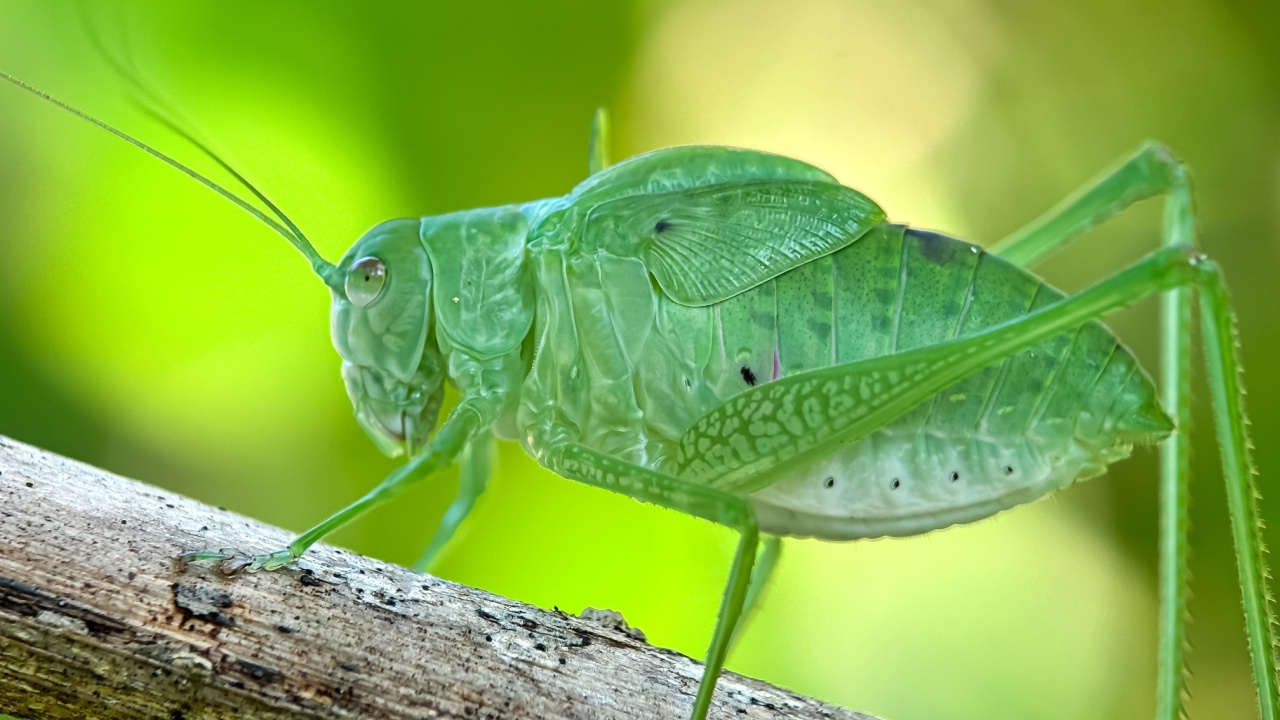
Katydids are masters of camouflaging as leaves to avoid predators. They are also beneficial pollinators.
Why They Might Be in Your Yard
Katydids are attracted to gardens with diverse plants and flowers.
Living Harmoniously
Plant a mix of native flowering plants to sustain them. Allow some areas of your yard to remain wild for better habitat.
16. Eastern Mole
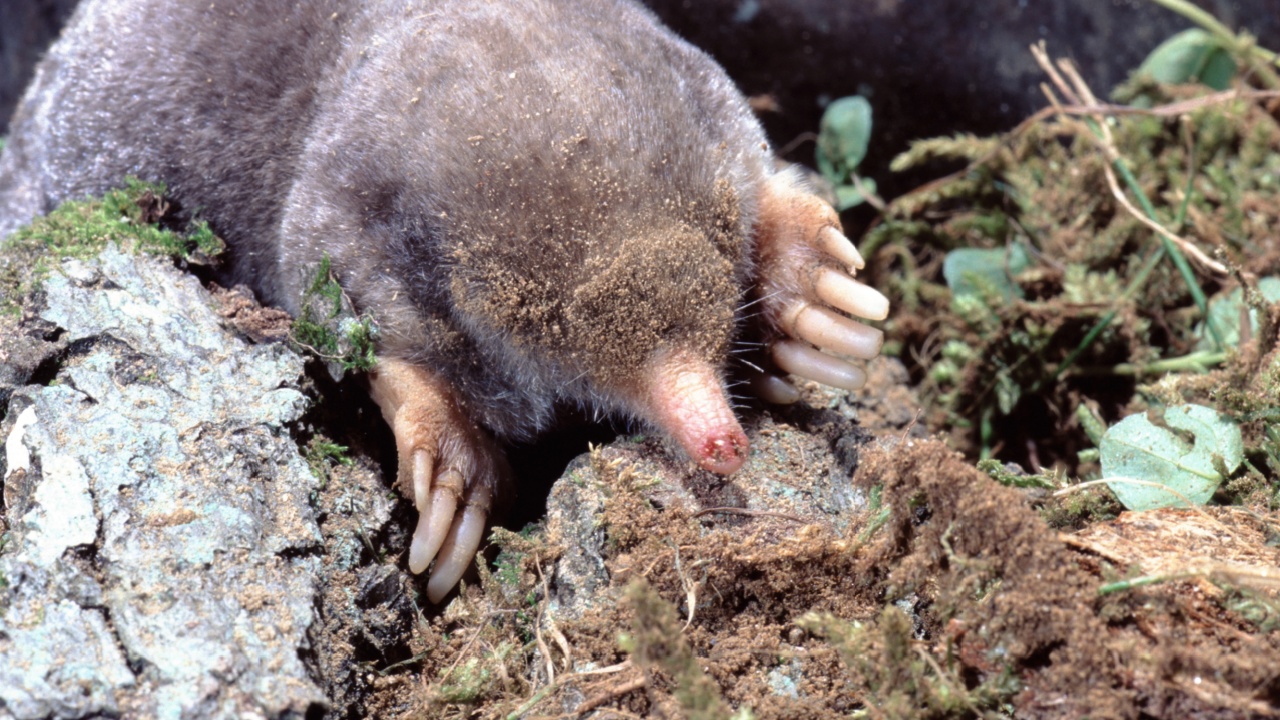
These elusive, subterranean mammals specialize in digging extensive tunnel systems, consuming grubs, and aerating the soil.
Why They Might Be in Your Yard
Moles are drawn to healthy lawns stocked with earthworms and grubs.
Living Harmoniously
Ignore shallow tunnels—they’re signs of a healthy soil ecosystem. They reduce grub infestations naturally to maintain balance. Some people are concerned about the soil damage they cause. If necessary, try a natural way to keep them at bay.
17. Opossum

These nocturnal creatures serve as nature’s clean-up crew, feeding on ticks, carrion, and overripe fruit.
Why They Might Be in Your Yard
Opossums visit yards looking for food and water sources.
Living Harmoniously
Avoid feeding them directly. Keep trash secure, and appreciate their tick-eating abilities from a distance.
18. Honeybee
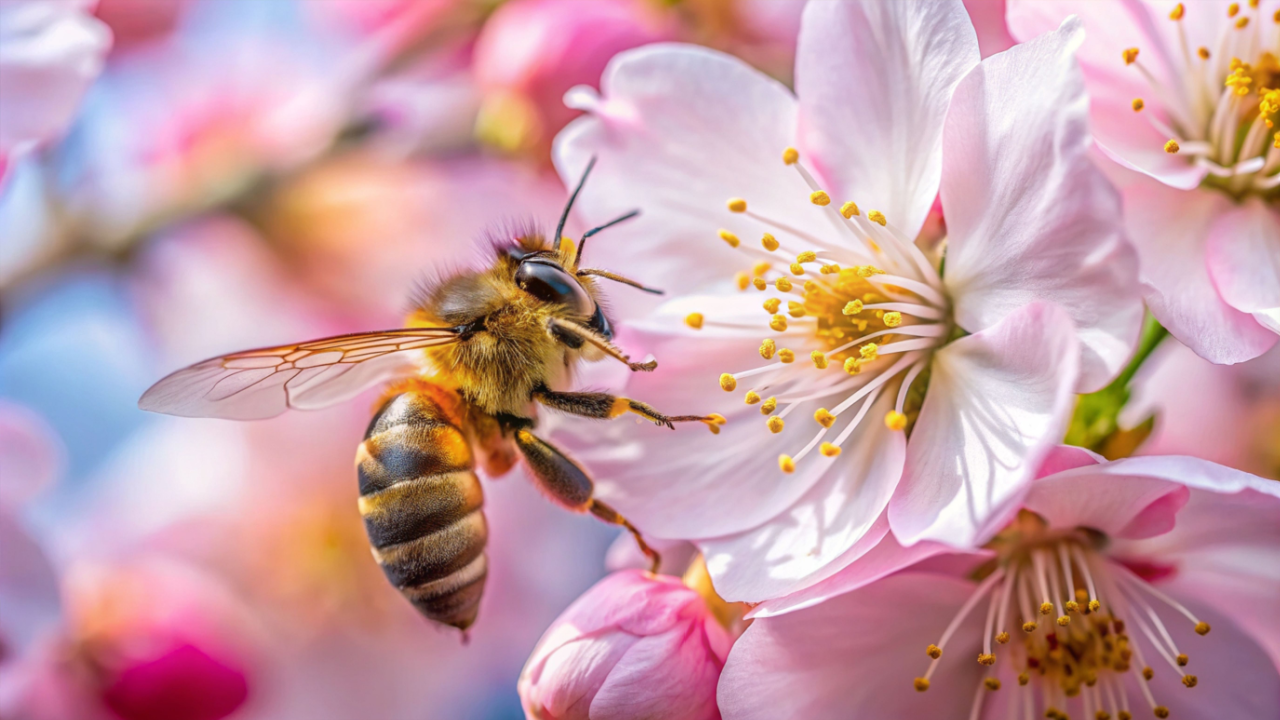
Similar to bumblebees, these tireless pollinators are critical for fruit and flower production. They visit thousands of blossoms daily.
Why They Might Be in Your Yard
Honeybees are attracted to flowering plants and shrubs.
Living Harmoniously
Provide water sources and grow pollinator-friendly plants like lavender and clover. Avoid sudden movements near hives.
By understanding these creatures and giving them space, you can create a welcoming, balanced backyard where wildlife thrives alongside your garden. Together, you and these animals can sustain a flourishing natural ecosystem!
Living Peacefully with Our Animal Neighbors
Remembering that we are living in their space that humans have slowly taken over can totally shift your perspective when you see wildlife in your backyard. Instead of trying to shoo away animals that may be seen as pests, try finding ways to coexist peacefully with them and see them as a sign of a thriving yard.