From Small Leak to Major Repair: The Hidden Cycle of Household Damage
Homes rarely suffer sudden, unexplained failure. Damage often follows a predictable cycle that begins with a minor issue and grows into a costly repair.
Recognizing that pattern helps homeowners interrupt the process before it affects safety, comfort, and property value.
Stage One: Minor Wear and Neglect
Every home experiences normal wear. Caulk dries out around tubs, shingles loosen after storms, and tiny cracks appear in foundations. These changes may seem cosmetic at first. A faint water stain on the ceiling or a soft spot in exterior trim can be easy to ignore.
Delayed maintenance allows small weaknesses to remain exposed. Moisture seeps into gaps. Air drafts widen cracks. Pests look for entry points through compromised seals and siding. What begins as a minor oversight becomes a pathway for larger problems.
Stage Two: Compounding Damage
Once a vulnerability exists, damage accelerates. Water intrusion can lead to wood rot, insulation breakdown, and mold growth. A slow plumbing leak may affect flooring and subfloor layers before it is visible from above.
Structural strain also compounds over time. Roof issues can stress the framing. Poor drainage near the foundation increases pressure on basement walls. Gaps in exterior materials may require residential pest control services if insects or rodents take advantage of openings.
At this stage, repairs are more involved. Fixing the original issue may not be enough. Secondary damage must also be addressed, which increases both time and cost.
Stage Three: Systemic Impact
Unchecked damage eventually affects multiple systems. Electrical wiring exposed to moisture can become hazardous. HVAC systems work harder when insulation is compromised. Flooring, cabinetry, and drywall may require replacement rather than simple repair.
Home value can decline when signs of deferred maintenance become visible. Prospective buyers and inspectors often view visible deterioration as an indicator of deeper concerns. Insurance claims may also become more complicated if routine upkeep was neglected.
Breaking the Cycle
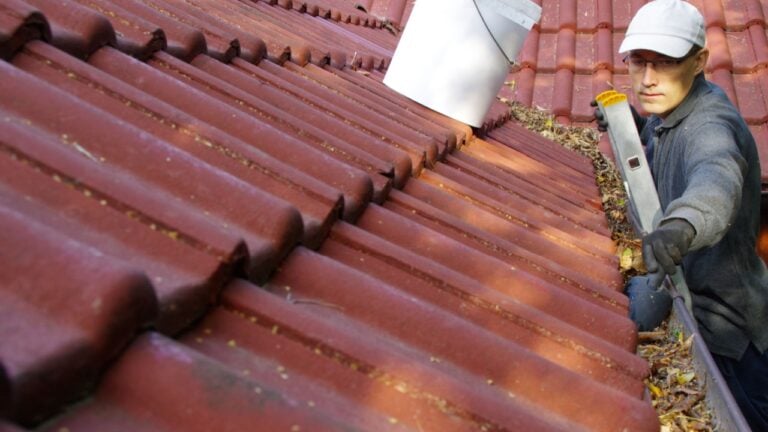
Interrupting the cycle requires consistent inspection and prompt response. Seasonal home checks, including rooflines, gutters, plumbing connections, and exterior seals, help identify early warning signs of potential issues. Addressing minor concerns quickly limits the chance of compounding damage.
Preventive maintenance is often less expensive than corrective repair. Replacing worn weatherstripping, resealing joints, and improving drainage can protect structural components for years.
Household damage follows a pattern, but it is not inevitable. Early attention and steady upkeep reduce risk and preserve both the function and long-term value of a home. For more information, look over the accompanying infographic.