
13 Foods You Won’t Eat Again Once You Know What’s in Them
Walk down any grocery store aisle, and you’re probably operating on faith. Faith that what you’re tossing into your cart is exactly what it claims to be. Faith that the ingredients list isn’t hiding anything too strange. Faith that you won’t regret reading the fine print.
Sometimes, that faith is misplaced. A surprising number of everyday foods contain ingredients that sound like they belong in a science lab or a horror screenplay. We’re talking about things you might have in your kitchen right now, blissfully unaware of what really goes into making them.
Below are 13 common foods with ingredients that might make you rethink your next shopping trip. From bug secretions to wood pulp to fish bladders, these items prove that ignorance really can be bliss.
1. Marshmallows and Jell-O

Remember roasting marshmallows over a campfire or digging into a bowl of bright red Jell-O? Both childhood classics get their signature jiggly texture from gelatin. These days, most marshmallows are made with gelatin, corn syrup, and sugar, which is a long way from the marshmallow plant they originally came from. Jell-O is also a gelatin-based dessert, with gelatin as the main ingredient.
So, what is gelatin? It’s made by boiling the hides and bones of pigs and cows, then drying them out. The mixture is treated with a strong acid or base to extract collagen (connective tissue), which is dried and ground into powder. While it doesn’t come from animal hooves, despite the common myth, the process still feels pretty unsettling for anyone who prefers to avoid boiled cow bones.
2. Worcestershire Sauce
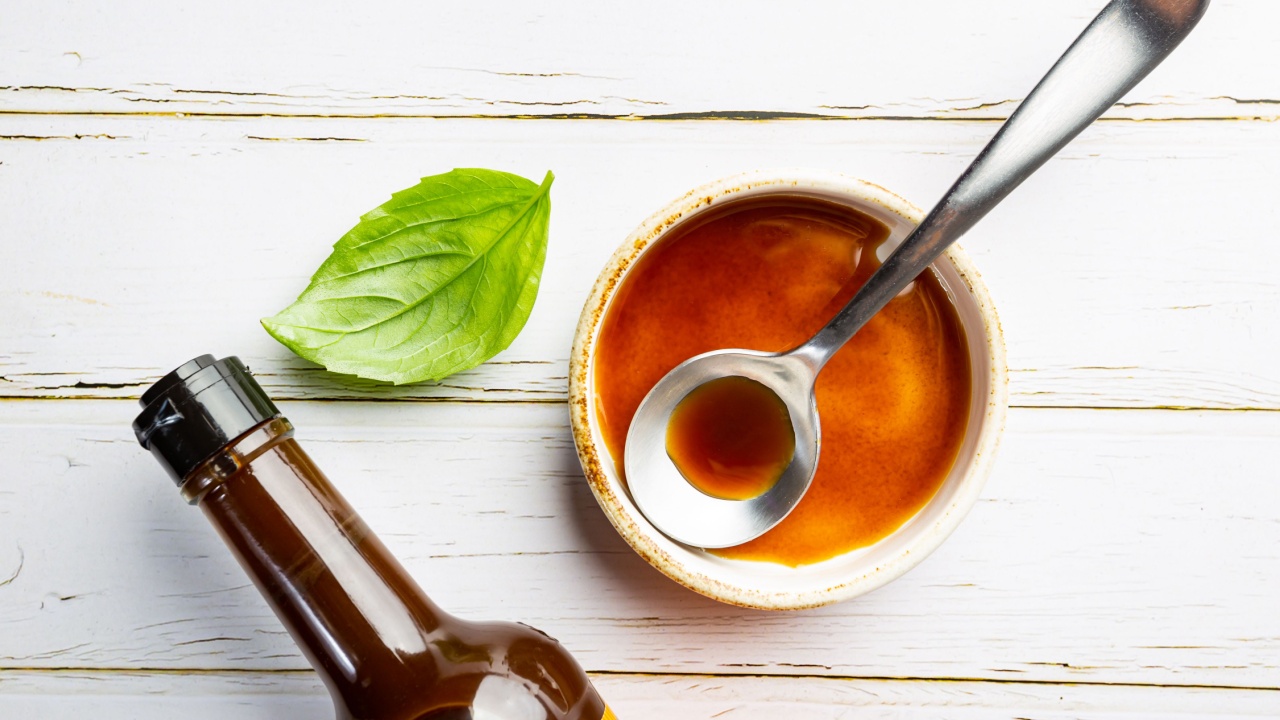
Worcestershire sauce gives marinades and cocktails a tangy, savory kick, but it might not be for you if you’re squeamish about seafood. The main ingredient in authentic Worcestershire sauce is anchovies, those tiny fish that get a lot of hate on pizza. These anchovies are fermented in vinegar for about 18 months before being mixed with molasses, onions, and seasonings.
This fermentation process was actually an accident. In the 1830s, chemists Lea and Perrins made a batch that tasted so bad they hid it in the cellar to forget about it. When they found it again months later and tried it, the flavor had mellowed into something delicious. Still, knowing your favorite steak sauce has fish that’s been sitting in vinegar for a year and a half might make you think twice about your next Bloody Mary.
3. Pre-Shredded Cheese and Grated Parmesan
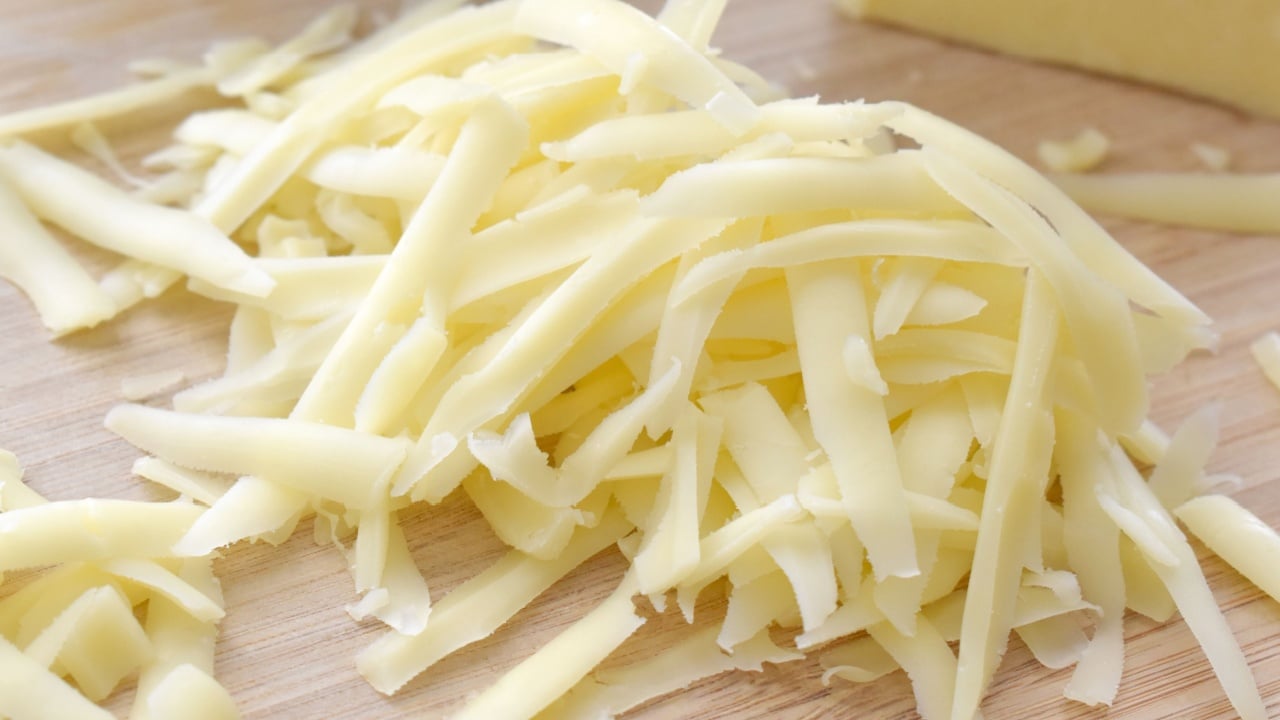
Convenience comes at a cost, and in the case of pre-shredded cheese, that cost includes cellulose, a plant fiber derived from wood pulp. Cellulose is added to shredded and grated cheeses to prevent clumping. While cellulose is safe to eat and commonly used in various food products, it’s a cheap filler that allows manufacturers to stretch their cheese supply and increase profits.
The real issue isn’t just that you’re consuming wood-based filler it’s that you’re being ripped off. Eater reports that Castle Cheese was fined $500,000 for adding cellulose and cheddar to their “100% Parmesan” cheese without disclosing it on the label. If you want actual cheese without the extras, buy a block and shred it yourself.
4. Most Cheese Varieties
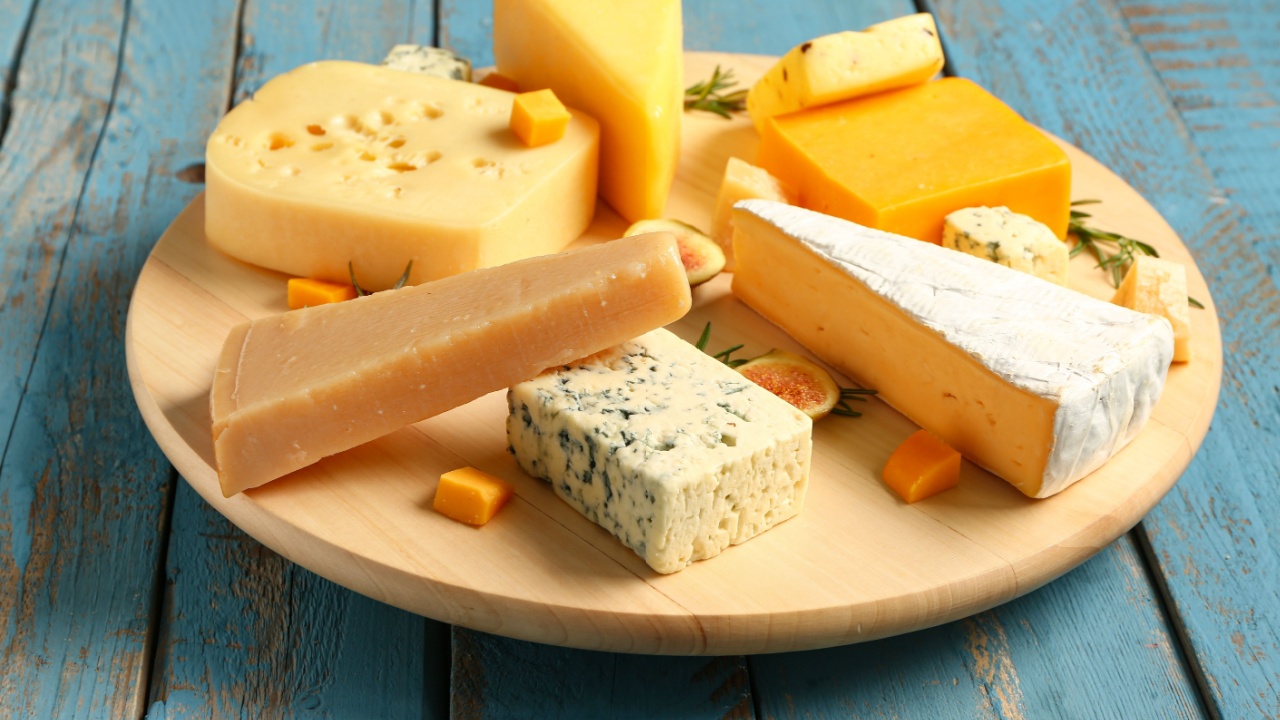
While we’re talking about cheese, there’s another uncomfortable truth to consider: rennet. This enzyme is used to turn milk into curd during cheesemaking, and it comes from chymosin, a substance found in the stomach lining of young goats, lambs, or calves. According to the New England Cheese Making Supply Co., chymosin is only harvested from animals that are still nursing, meaning they’re quite young.
Animals aren’t slaughtered just for rennet, it’s usually taken after the animal is processed for meat. However, the FDA doesn’t require cheesemakers to disclose the type of rennet they use. Unless the cheese is labeled vegetarian-friendly, there’s a good chance it contains animal-based enzymes. Plant-based and vegetable rennet alternatives do exist, but you might have to do some digging to find them.
5. Jelly Beans
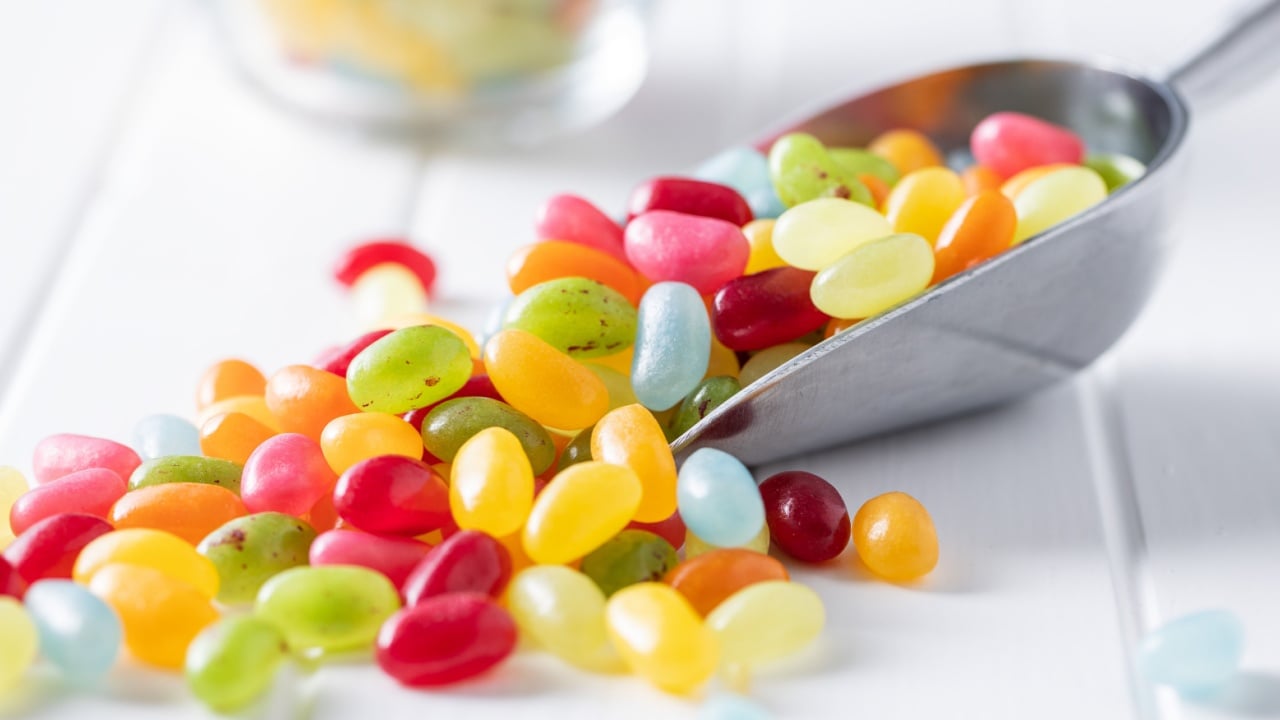
That shiny coating on jelly beans isn’t just sugar; it’s shellac, the same substance used to finish wooden furniture and set jewels. Shellac comes from the female lac bug, which drinks tree sap and secretes a resin that’s harvested from trees. This resin is processed, dissolved in ethanol, and then sprayed onto candy to give it that glossy finish.
Shellac isn’t limited to jelly beans, either. It’s a common ingredient in confectioner’s glazes and is sometimes listed as E904 on ingredient labels. While it’s generally safe to consume, knowing you’re eating bug secretions might make you reconsider reaching for that handful of jelly beans during your next movie night.
6. Orange Juice

Fresh-squeezed orange juice all year round sounds great, but there’s a catch: flavor packs, both “from concentrate” and “not from concentrate” orange juices, rely on chemical concoctions to maintain their taste and aroma. Flavor packs are created by fragrance houses (the same companies that make high-end perfumes) by breaking down orange essence and oils into individual chemicals, then reassembling them in combinations that don’t exist in nature.
One of these chemicals is ethyl butyrate, which gives orange juice its signature “fresh-squeezed” smell. Flavor packs are necessary because after oranges are squeezed, oxygen is removed from the juice to extend its shelf life. Unfortunately, removing oxygen also removes flavor, so manufacturers add it back artificially. This process is what makes one brand taste different from another and is a far cry from a natural, farm-fresh experience.
7. Packaged Bread

Ever wonder why store-bought bread lasts so much longer than homemade loaves? The secret is L-cysteine, a natural amino acid that’s often synthesized from human hair. Hair clippings are dissolved in acid to extract L-cysteine, which is then shipped to commercial bakeries to extend shelf life and improve texture.
L-cysteine can also come from pig bristles, cow horns, or duck feathers, but none of these alternatives sound particularly appetizing. If the idea of hair in your sandwich is unappealing, consider buying fresh bread from a local bakery. You’ll have to slice it yourself, but at least you’ll know exactly what went into it.
8. Caesar Salad Dressing
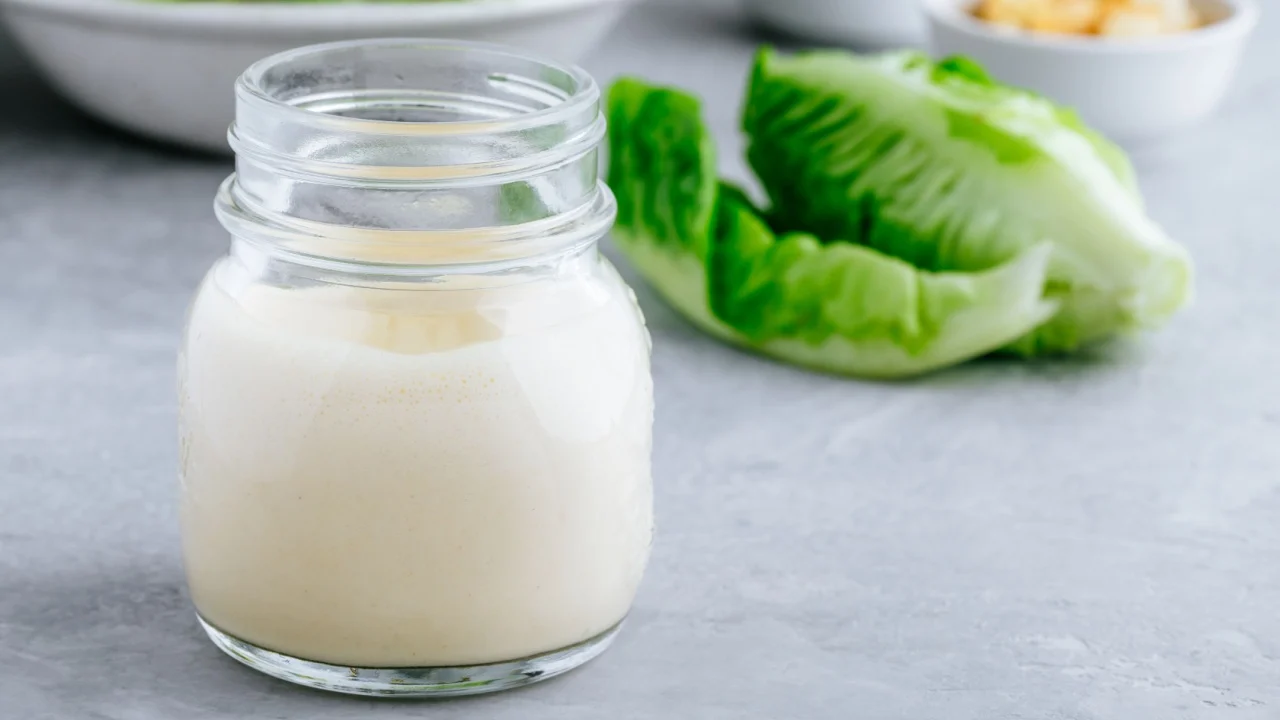
Caesar salad might seem like a safe, vegetarian-friendly option, but the dressing tells a different story. That tangy flavor comes from anchovies and Worcestershire sauce (which also contains fermented anchovies). Ingredient lists for popular brands often include anchovy paste, and classic recipes call for multiple anchovy fillets.
If you’re a vegetarian or simply don’t like anchovies, you might want to skip the Caesar salad. At the very least, ask if the restaurant offers an anchovy-free version.
9. “Enhanced” Chicken and Beef

Meat labeled as “enhanced,” “brined,” or “natural flavor” has been injected with a saltwater solution to make it appear fresher and juicier. This practice, also called “plumping,” is widespread in the meat industry and can increase the weight of chicken by as much as 30 percent. Since grocery stores charge by weight, you’re essentially paying for salt water.
The added sodium is another concern. A 100-gram piece of beef treated with a salt solution can contain up to 1,800 mg of salt, nearly the entire daily recommended intake. To watch your sodium levels, avoid enhanced meats and opt for fresh cuts instead.
10. Carbon Monoxide-Treated Meat

Ground beef might look bright red and fresh in the package, but that color could be deceiving. Many packaged meats are treated with carbon monoxide to maintain their vibrant hue, even after they’ve started to spoil. While the amount of carbon monoxide used is considered harmless, it can mask signs of spoilage, leading consumers to unknowingly purchase old meat.
This practice, known as “modified atmosphere packaging,” involves gases like carbon monoxide, carbon dioxide, and nitrogen. Studies show these gases can support the growth of spoilage bacteria, negatively affecting meat flavor and texture. Many countries have banned the use of carbon monoxide in meat packaging, but it remains legal in the United States.
11. Red-Colored Foods
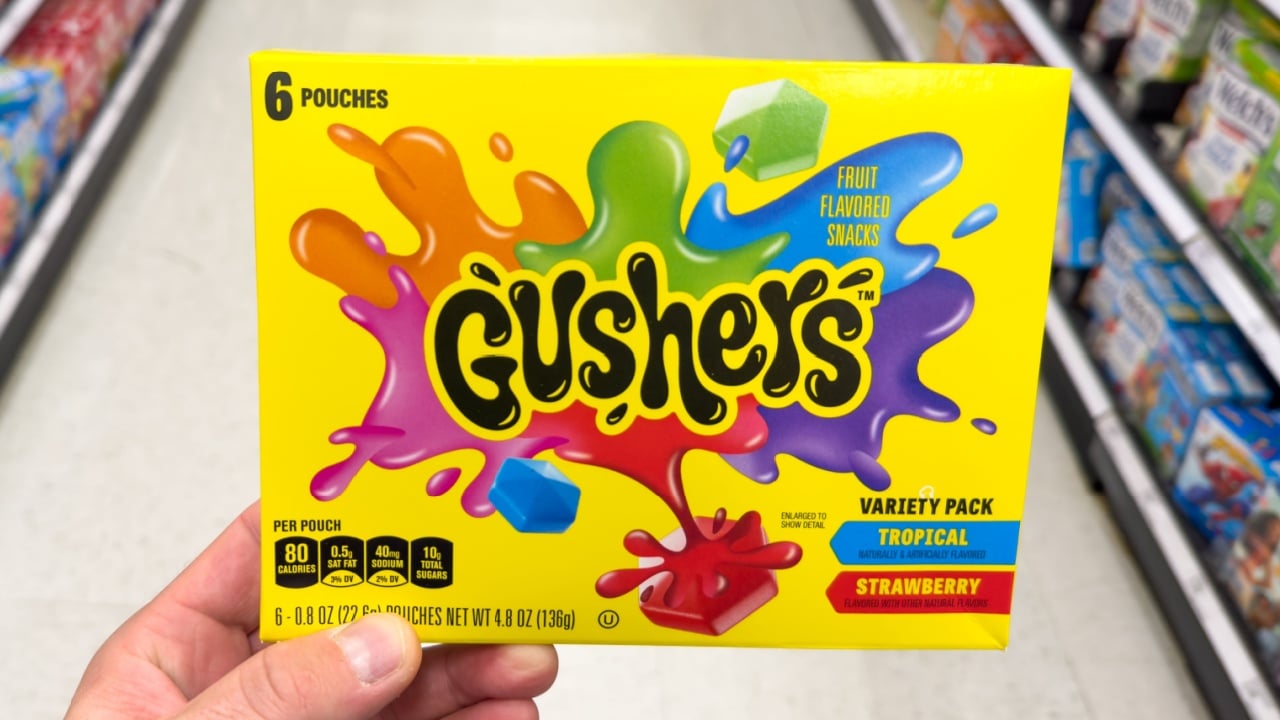
If you’ve ever snacked on something unnaturally red, you may be surprised by its origin. Many red food dyes are made from cochineal, a bug that’s dried, crushed, and treated with alcohol to extract pigment. It takes around 70,000 bugs to produce just one pound of dye.
This dye has been used for centuries and is still harvested today. The FDA requires manufacturers to list cochineal extract (also called “Natural Red 4” or “Carmine”) on ingredient labels due to potential allergies. While not harmful to most, knowing your candy or yogurt contains crushed bugs might make you think twice.
12. Beer

Many beers are clarified using isinglass, a gelatin-like substance made from the swim bladders of fish. Isinglass has been used since the 19th century to help clarify beer without altering its taste or smell. Unfortunately, this means many beers are not vegetarian-friendly.
Some breweries are moving away from isinglass and exploring alternative clarification methods. If you’re a vegetarian beer lover, check the label or contact the brewery to confirm their clarification process.
13. Chewing Gum

Chewing gum’s signature rubbery texture comes from gum base, a mysterious ingredient that manufacturers aren’t required to specify. One common component of gum base is lanolin, a waxy substance secreted by sheep’s wool. Lanolin is essentially the sheep version of sebum, the oily substance humans produce on their skin.
Lanolin is removed from wool during processing and is commonly used in lotions and moisturizers. While it’s generally safe, swallowing large amounts can be harmful, and those with a wool allergy might have a reaction. This information may make you reconsider your gum-chewing habit.
Food for Thought: What’s on Your Plate?

Now that you know what really goes into some of your favorite foods, the choice is yours. You can continue enjoying them with this new knowledge, or you can start seeking out alternatives that align better with your preferences. Either way, reading ingredient labels might become a little more interesting from now on.
Read More: