
12 Outrageously Priced Household Items People Are Giving Up
It feels like every trip to the grocery store these days requires a moment of silence for your bank account. You walk in for a few basics and walk out wondering if you accidentally bought stock in the company. This isn’t just a feeling; the cost of everyday goods has been on a steep climb, forcing many of us to stare at a receipt and question our life choices, like spending a small fortune on a block of cheese.
The reasons for these price hikes are a complex mix of factors. Global supply chain disruptions, unpredictable weather patterns affecting crops, and increased production and transportation costs all play a part. When the cost to grow, make, and ship a product goes up, that expense is inevitably passed down to the person pushing the shopping cart.
This article will look at twelve specific household items that have seen significant price jumps. Price hikes have created a domino effect that lands squarely in our kitchens and living rooms. Why have these staples become so expensive? In what practical ways do we navigate these new costs?
From the pantry to the bathroom cabinet, we are identifying the products that are making people say, “I’ll pass.”
1. Olive Oil

The price of olive oil has surged, making this kitchen staple feel more like a luxury good. Major producers in Spain and Italy have been hit with severe droughts and extreme heat, drastically reducing olive harvests. With less supply to meet consistent demand, prices on the global market have shot up. This means the bottle you used to grab without a second thought now carries a much heavier price tag.
To manage this cost, consider using olive oil more sparingly. Reserve the good extra virgin variety for drizzling and dressings, where its flavor is most impactful. For general cooking and sautéing, explore more affordable alternatives like canola or sunflower oil.
2. Lumber
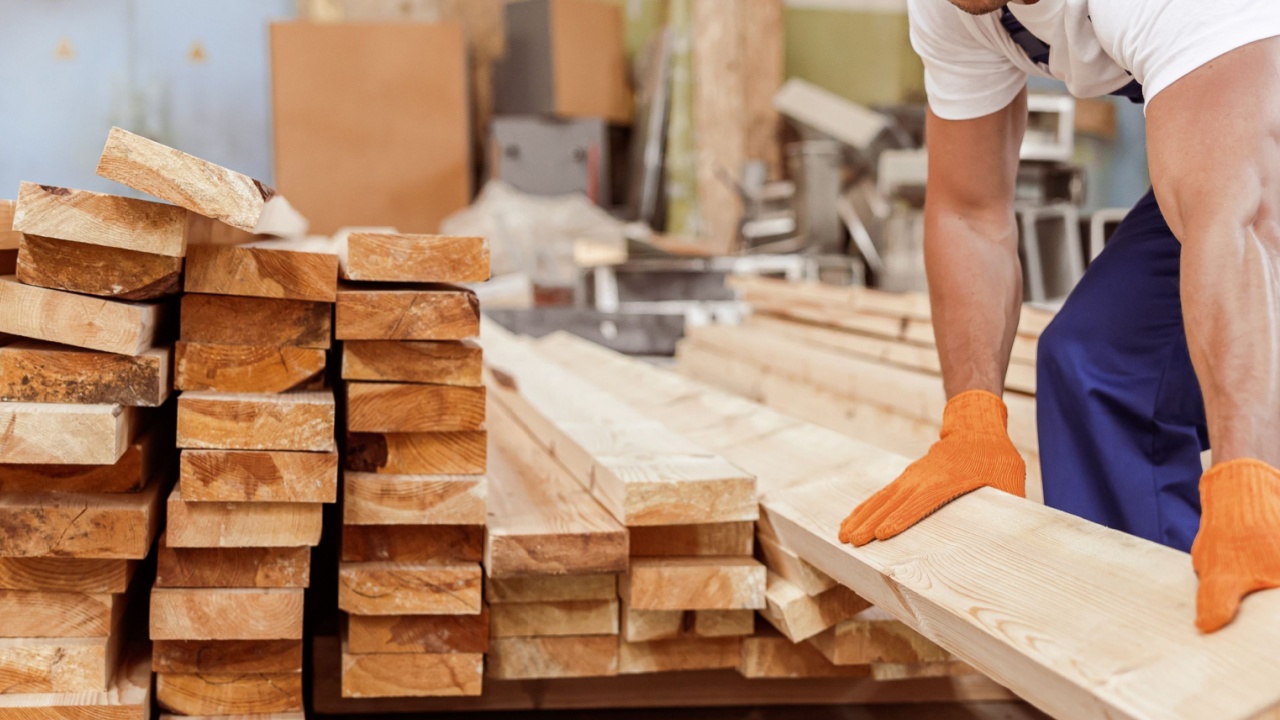
Anyone who has considered a home renovation project recently has likely experienced sticker shock when looking at lumber prices. A combination of increased demand for home building and remodeling, coupled with sawmill production failing to keep pace, has caused prices to skyrocket. Supply chain bottlenecks further complicated the issue, making it difficult and expensive to get wood from the forest to the hardware store.
If you have a project in mind, it might be wise to postpone it if possible, or at least budget for much higher material costs. Look into reclaimed or salvaged wood, which can sometimes be sourced for a lower price and adds unique character. For smaller DIY projects, consider alternative materials or scale down the scope of your plans to fit within a more manageable budget.
3. Cable Television

The monthly cable bill has become a significant household expense for many, and prices continue to creep upward. Cable companies justify these increases by citing the rising costs they pay for programming rights, especially for live sports and popular networks. As more people switch to streaming, these companies are also trying to make up for lost revenue by charging their remaining customers more.
Cutting the cord is the most direct way to save money here. A wealth of streaming services offers a more customizable and often cheaper alternative to traditional cable packages. Start by making a list of the shows and channels you watch most, then research which streaming platforms carry them. You might find that a combination of a few services still costs less than your old cable bill.
4. Christmas Trees

The tradition of picking out a real Christmas tree has become a pricier affair. The supply of mature trees is tight, a lingering effect from the 2008 recession when farmers planted fewer saplings. Since it takes about a decade for a tree to reach a popular height, that past decision is affecting today’s market. Add in rising transportation and labor costs, and the price for that festive fir goes up.
To save on a tree, consider buying one earlier or later in the season when demand is not at its peak. Shopping at local tree farms can sometimes be cheaper than buying from a big-box store lot, as it cuts out some of the transportation costs. Alternatively, investing in a high-quality artificial tree is a higher upfront cost but can save you money over many years.
5. Eggs
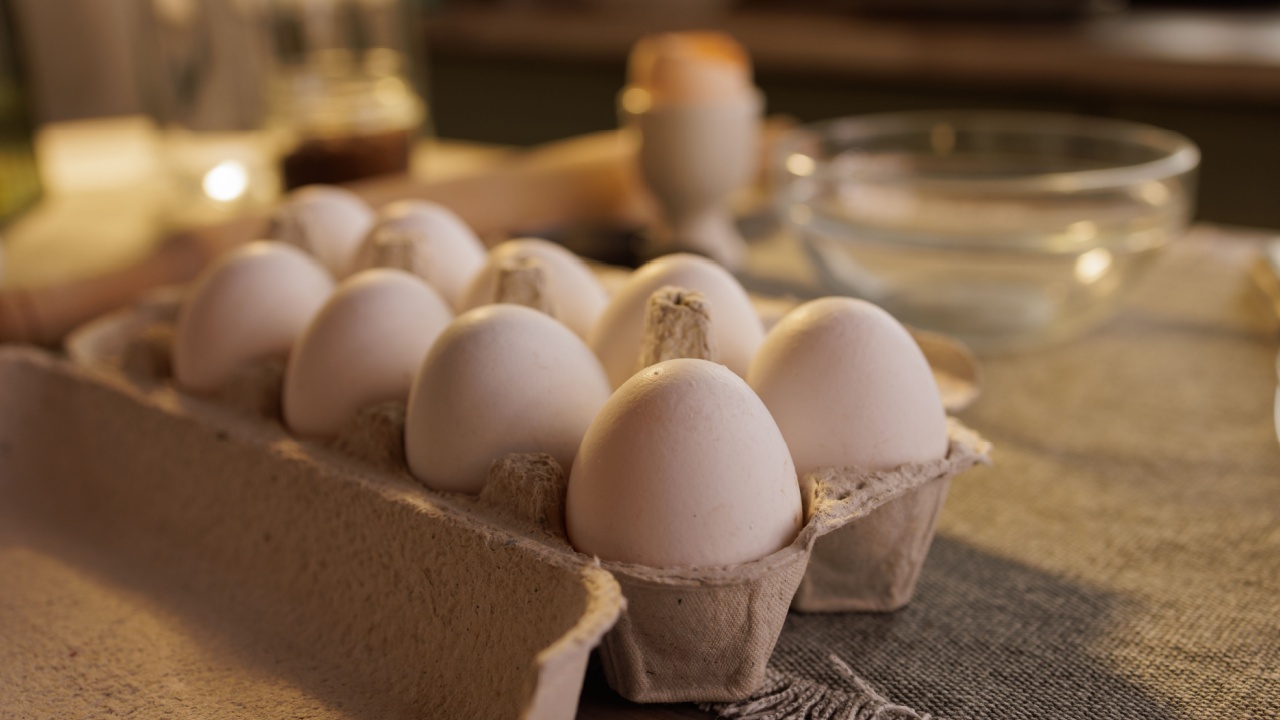
Eggs, long considered a cheap and reliable source of protein, have seen dramatic price fluctuations in recent years. Outbreaks of avian flu have been a primary driver, leading to the loss of millions of egg-laying hens and a severe reduction in supply. On top of that, the cost of feed and energy for farmers has increased, contributing to the higher price you see on the carton.
When egg prices are high, look for sales and consider buying in bulk if you have the space to store them. You can also explore other protein sources to supplement your diet, like beans, lentils, or tofu, which are often more stable in price. For baking, there are many substitutes for eggs, including applesauce or flaxseed meal, that can work well in certain recipes.
6. Organic Milk

Choosing organic milk has always come at a premium, but that price gap has widened. The cost to produce organic milk is substantially higher due to stricter standards for animal feed, living conditions, and the absence of antibiotics or hormones. Farmers are facing increased costs for organic feed and labor, and these expenses are reflected in the final price on the shelf.
If organic milk is stretching your budget, you could switch to conventional milk. It provides the same nutritional benefits at a lower cost. Another option is to alternate, perhaps buying organic for young children and conventional for the rest of the household. Plant-based milks like oat, almond, or soy can also be affordable alternatives, especially store-brand versions.
7. Cereal
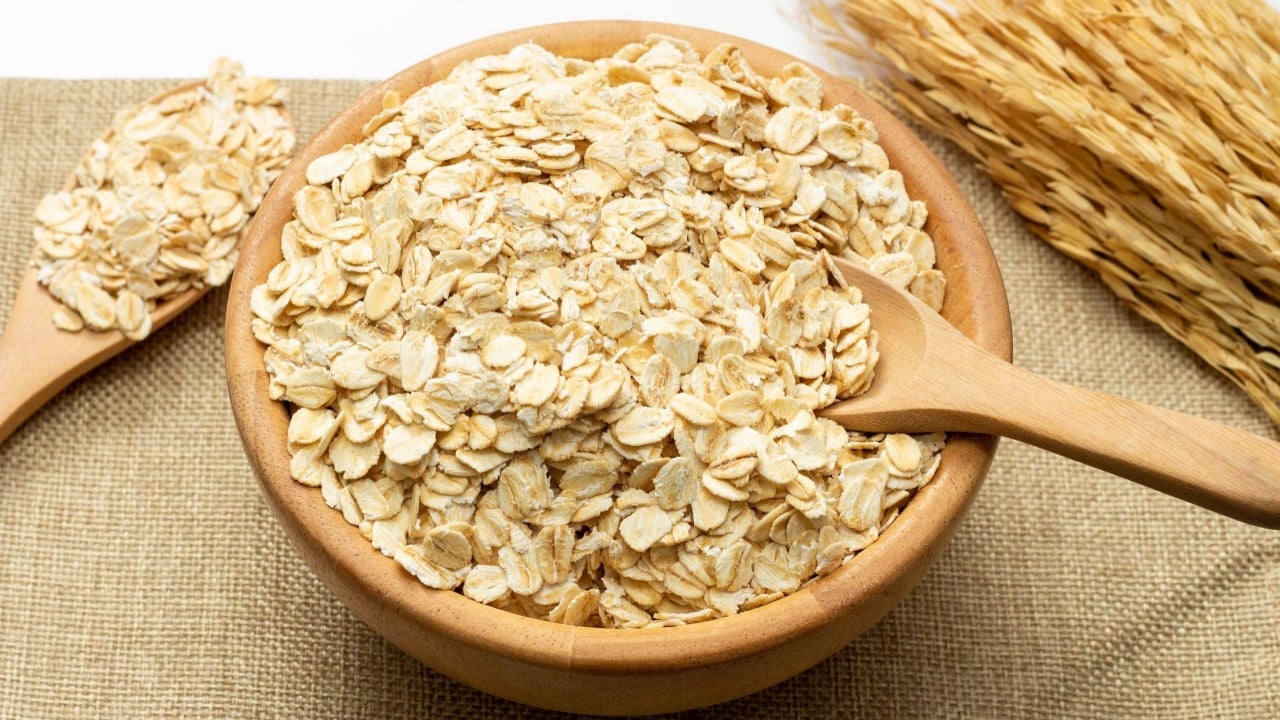
A simple box of breakfast cereal has become surprisingly expensive. The prices of key ingredients like corn, wheat, and oats have been volatile due to weather and global demand. Additionally, manufacturing, packaging, and shipping costs have all risen. Brands also spend a lot on marketing, and that cost is built into the price of every box.
To cut back on cereal costs, buying store brands is an effective strategy; they are often nearly identical to their name-brand counterparts but much cheaper. Buying in bulk or taking advantage of sales can also lead to significant savings. You could also try making your own breakfast alternatives, like oatmeal, which is very inexpensive when bought in large canisters.
8. Frozen Pizza
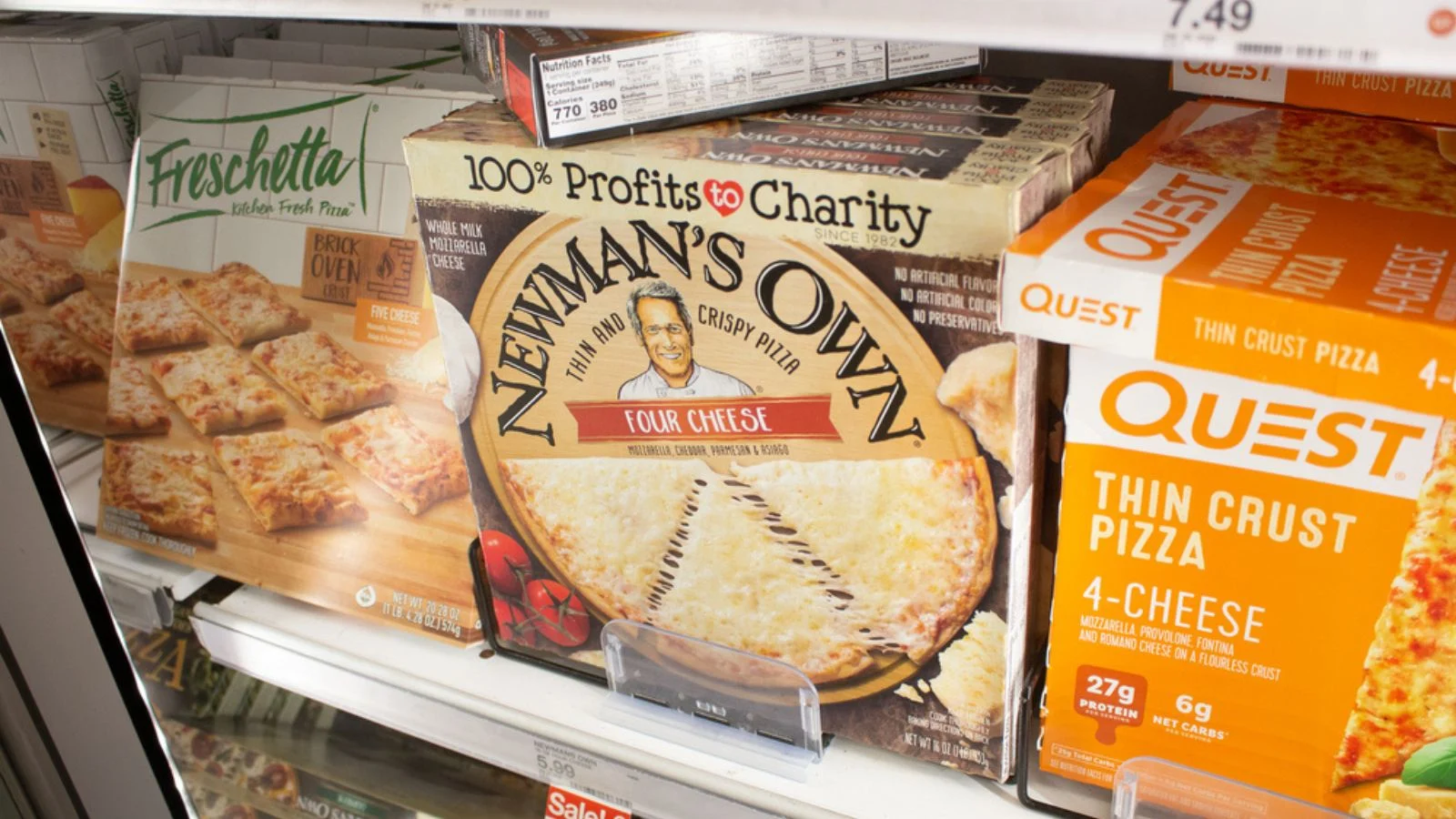
The convenience of a frozen pizza now comes with a higher price. Every component of a frozen pizza has become more expensive to produce. The cost of wheat for the dough, tomatoes for the sauce, cheese, and meat toppings has all increased. Add in rising energy costs for production and freezer storage, and the final price reflects these accumulated expenses.
For a cheaper pizza night, making your own at home is a great option. You can buy pre-made dough or make it yourself for very little money. This allows you to control the ingredients and often results in a better-tasting pizza for a fraction of the cost of a frozen one. Look for sales on toppings like cheese and pepperoni, and freeze them for later use.
9. Butter and Margarine

The price of butter and margarine has been on the rise, impacting everything from morning toast to baking. For butter, the cost of dairy feed and processing has gone up. For margarine, the prices of vegetable oils used in its production have increased due to crop yields and global supply chain issues. Both products are feeling the pinch of higher production and transportation costs.
When you see butter or margarine on sale, stock up. Both can be frozen for several months without losing quality. Be flexible and willing to switch between brands or types based on what is priced best that week. When baking, check if a recipe can be made with oil instead of butter, as this can sometimes be a cheaper substitution.
10. Feminine Hygiene Products

Essential items like tampons and pads have seen noticeable price increases. The raw materials used to make these products, such as cotton and plastic, have become more expensive. Supply chain disruptions and increased transportation costs have also added to the final price, placing a greater financial burden on those who need these necessary items monthly.
To mitigate these costs, buying in bulk from warehouse clubs or taking advantage of sales and coupons can help. Exploring reusable options like menstrual cups or period underwear can also be a solution. While they have a higher initial cost, they can save a significant amount of money over the long term and are also more environmentally friendly.
11. Coffee

That morning cup of coffee is costing more, whether you make it at home or buy it from a cafe. Unfavorable weather conditions in major coffee-growing regions like Brazil have led to poor harvests and a tighter global supply of coffee beans. Shipping and transportation costs have also added to the expense, making your daily caffeine fix a bit more of a splurge.
Buying whole beans in bulk and grinding them at home is usually cheaper than buying pre-ground coffee. Opting for larger canisters from store brands over smaller bags from premium labels can also provide substantial savings. If you frequent cafes, cutting back by just one or two visits a week and brewing at home instead can make a noticeable difference in your monthly spending.
12. Paper Products

The cost of paper towels, toilet paper, and facial tissues has climbed steadily. The price of wood pulp, the raw material for these products, has increased. Energy costs for manufacturing and transportation expenses have also risen, all contributing to the higher prices you see in the aisle. During periods of high demand, these prices can spike even further.
Buying paper products in bulk is almost always the most cost-effective approach. Warehouse clubs are a great source for this. Pay attention to the per-unit price to ensure you are getting a good deal. You can also reduce consumption. Using reusable cloth towels for cleaning instead of paper towels, for example, can cut down on how often you need to buy them.
Adapting to New Norms

Seeing the prices of household staples climb can be disheartening, but it also provides an opportunity to reassess our habits. These changes encourage us to become more mindful consumers, looking for value and thinking creatively about how we use and purchase goods.
It might mean making pantry swaps, trying a store brand you previously overlooked, learning a new recipe to replace a costly prepared food, or investing in a reusable item. We all need to make smarter choices that align with our budgets and priorities in this new economic landscape.
Read More:
3 in 4 Americans Blame Investors for High Home Prices as Trump Targets Institutional Buyers