13 Common Foods Raising Your Cholesterol Fast
Your heart doesn’t send warning texts before trouble strikes, but your diet can set the stage for silent damage. Some everyday foods quietly push LDL cholesterol (the bad kind) higher, clogging arteries and raising long-term risk, even if you feel fine. While a little indulgence is a part of life well-lived, knowing which items consistently sabotage heart health is key to staying ahead.
Clinical research and expert dietary analysis reveal how certain fats and sugars influence your liver and cholesterol levels. Saturated fats, trans fats, and refined carbs all signal your body to produce more “bad” cholesterol, while lowering the protective kind. Pinpointing the most common offenders in typical diets can help you see which ingredients do the heaviest damage over time.
Here’s a detailed breakdown of 13 foods that hit your cholesterol hardest and some heart-friendly swaps you can easily add to your grocery list.
1. Processed Meats
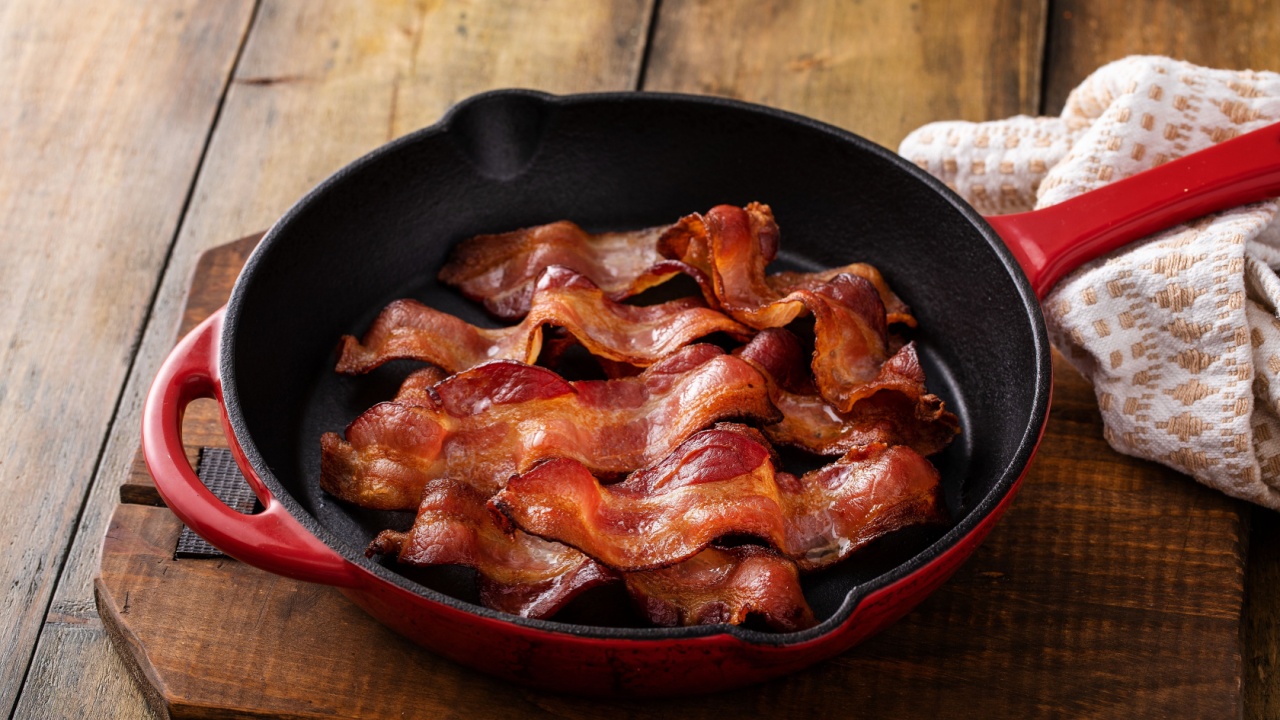
Bacon, sausage, and deli meats are dense with saturated fat and sodium. The curing salts and added fats in these products signal your liver to produce more LDL cholesterol and can also raise blood pressure. Studies consistently link even small daily servings of processed meats to an increased risk of heart disease.
Switching to lean, unprocessed proteins can make a real difference. Poached eggs or naturally sliced turkey breast replace the heavy fats without sacrificing protein. Choosing fresh meats over vacuum-sealed or chemically preserved options helps you avoid hidden additives that complicate cholesterol management.
2. Deep-Fried Foods
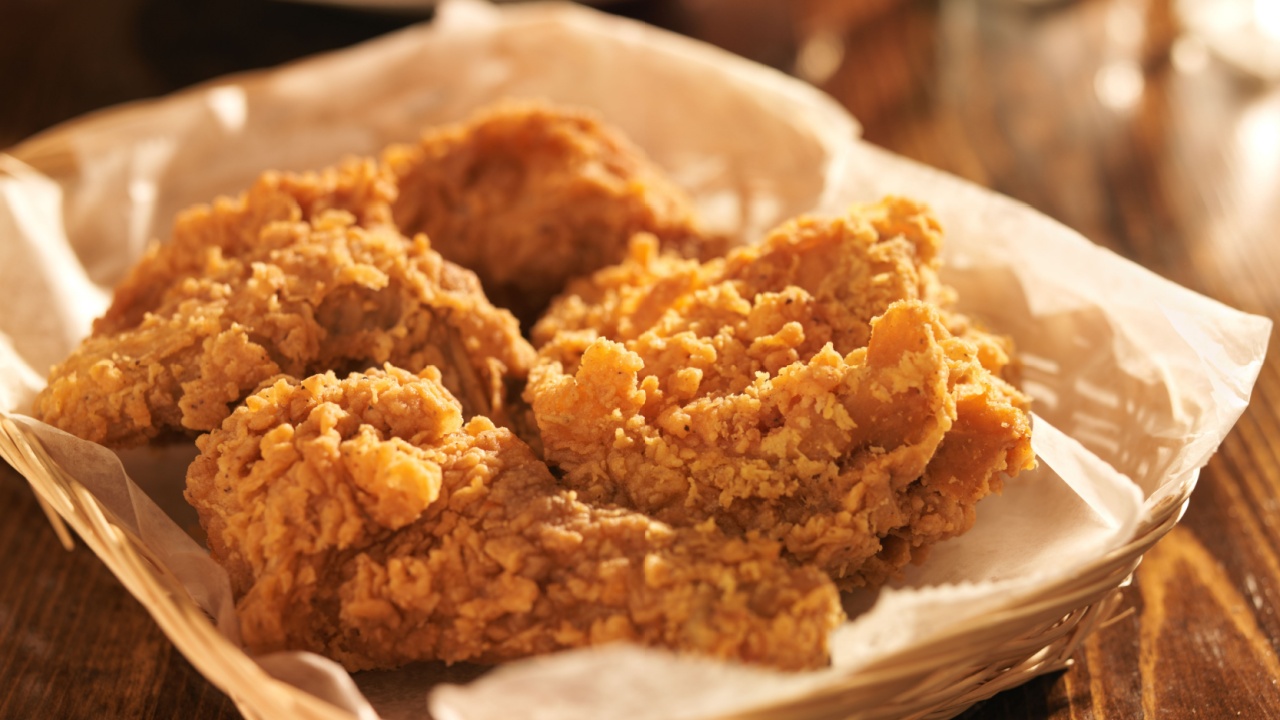
Fried chicken, French fries, and similar snacks are double trouble. The oils used are often high in saturated or trans fats, and the frying process can alter their chemical structure, making them even more damaging to your arteries. Breaded coatings add refined carbs, which further upset lipid balance.
Air fryers or oven roasting provide the crunch you want without the excessive fat. Using small amounts of heart-healthy oils, like olive or avocado, for roasting or sautéing ensures you avoid the reused oils often found in commercial kitchens.
3. Full-Fat Dairy
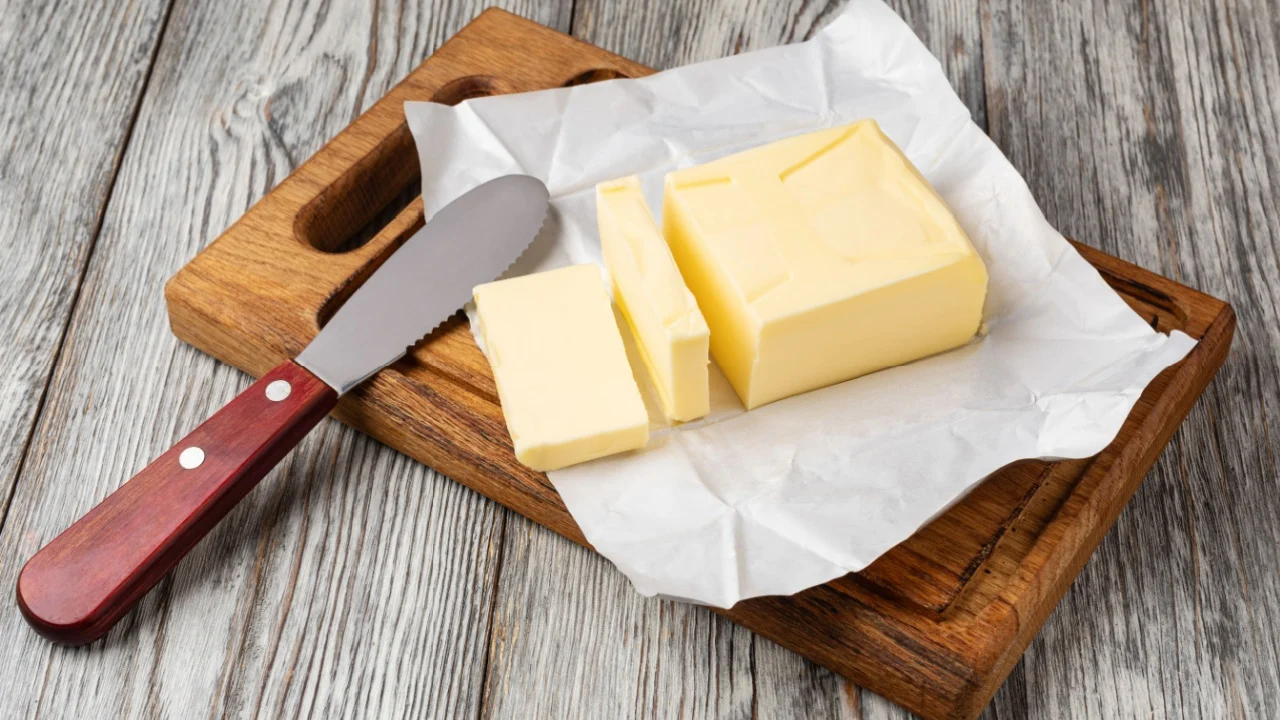
Whole milk, butter, and heavy cream are loaded with saturated fats designed for rapid growth in calves, not human adults. While dairy offers protein and calcium, regularly consuming full-fat versions can steadily increase cholesterol levels.
Lower-fat alternatives like 1% or skim milk make a noticeable difference, and plant-based milks like almond or oat offer creaminess without cholesterol. Checking labels for partially hydrogenated ingredients in spreads is a simple way to avoid hidden trans fats.
4. Commercially Baked Goods

Cookies, cakes, and pastries often combine refined flour, added sugar, and shortening. Many commercial baked goods still contain trans fats or high levels of palm oil to maintain texture and shelf life. These ingredients work together to lower HDL cholesterol while raising LDL, putting extra stress on your cardiovascular system.
Baking at home lets you swap butter for applesauce or mashed banana, cutting fat while keeping moisture. When buying packaged treats, look for whole-grain options and avoid tropical oils. Keeping these items occasional rather than daily helps protect your heart.
5. Fast Food Burgers

A typical fast food burger combines high-fat ground beef, processed cheese, and a refined bun, often packing more saturated fat than recommended in a day. Added condiments and sugars create spikes in triglycerides and LDL levels.
Healthier options include grilled chicken sandwiches or salads with light vinaigrette. Skipping cheese or mayo cuts saturated fat, letting you navigate busy days without derailing your cholesterol goals.
6. Tropical Oils
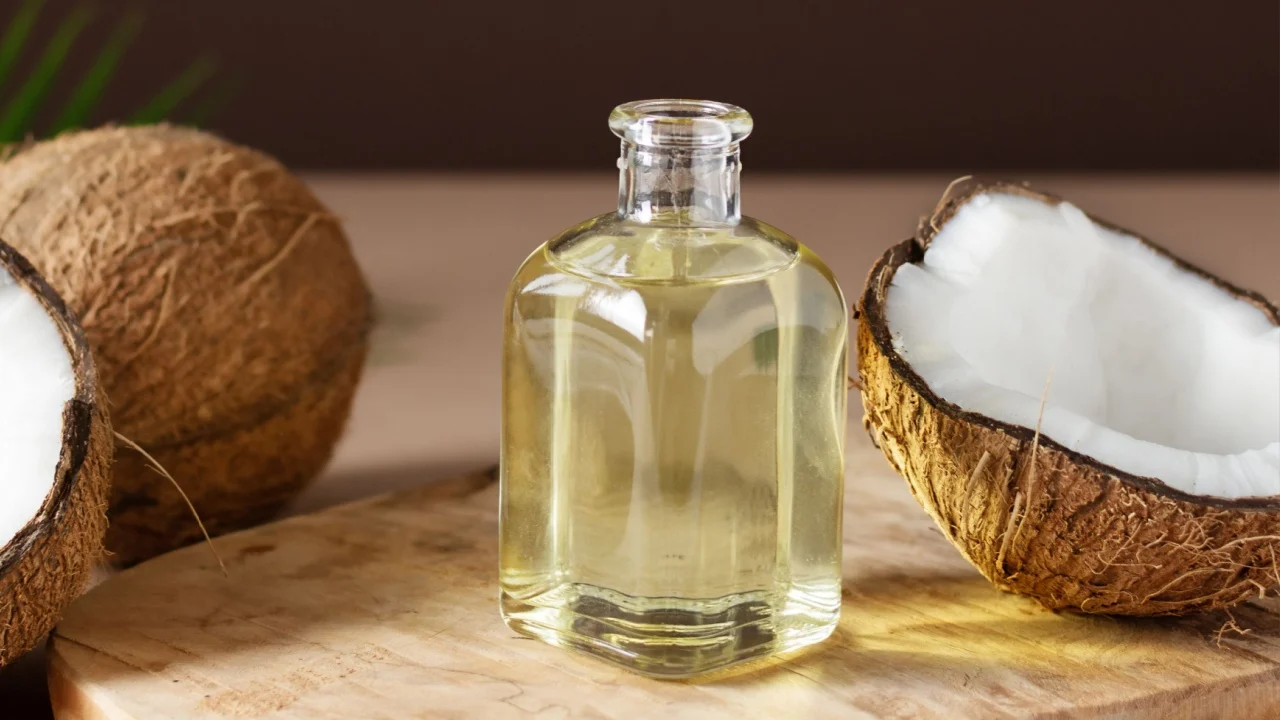
Coconut and palm oils are surprisingly high in saturated fat; coconut oil is around 85% saturated. Despite being plant-based, these fats stimulate the liver to produce more LDL, much like animal fats.
Switch to liquid vegetable oils such as olive, canola, or sunflower for daily cooking. They supply unsaturated fats that can improve your cholesterol ratio. Always check ingredient labels on packaged foods, as palm oil is commonly hidden in snacks and baked goods.
7. Sugary Beverages

Soda and sweetened energy drinks may not contain fat, but their sugar load drives up LDL cholesterol. Fructose, in particular, is processed in the liver and converted to triglycerides, while simultaneously lowering protective HDL cholesterol.
Switch to sparkling water with a splash of fruit juice or herbal teas. Staying hydrated with plain water supports liver function and helps maintain healthy lipid levels. Reducing sugary drinks is often the quickest way to see improvements on a blood panel.
8. Refined Carbohydrates
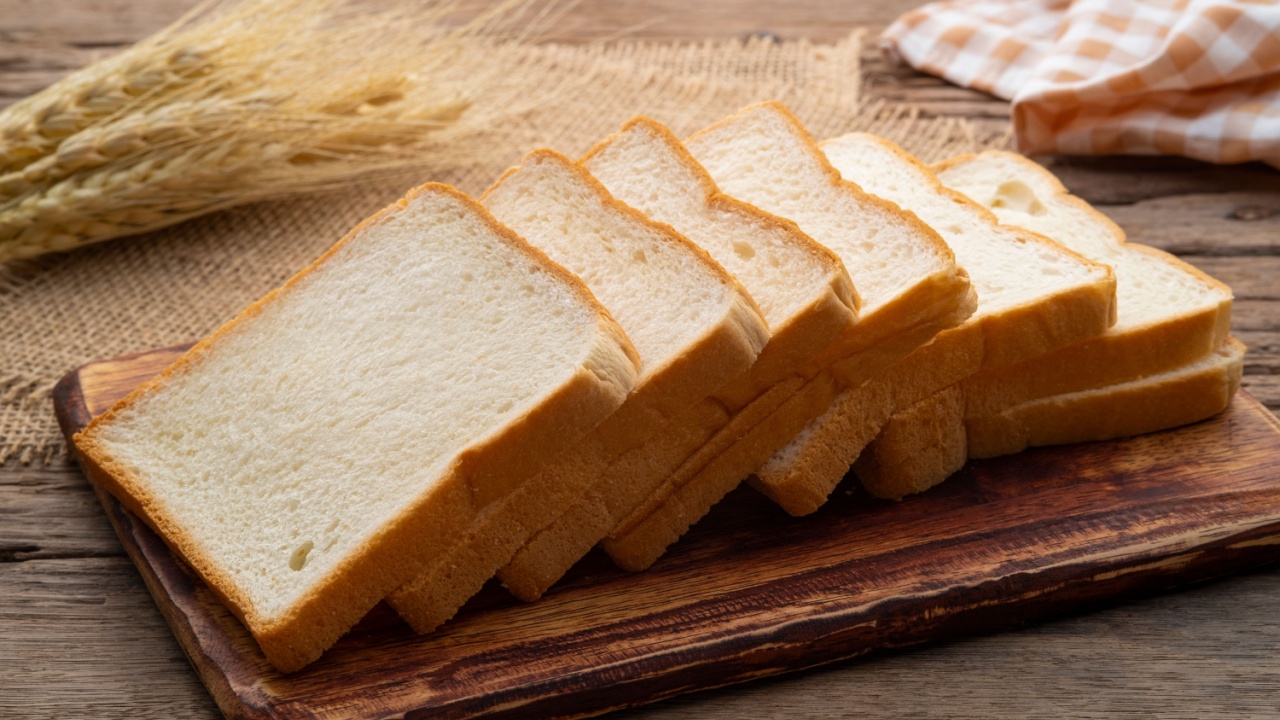
White bread, rice, and pasta act like sugar once digested. Stripped of fiber, they break down quickly, triggering the liver to produce more LDL. Excessive intake can also contribute to weight gain around the waist, which is linked to higher cholesterol.
Whole grains slow sugar absorption and provide fiber that helps remove cholesterol from the body. Brown rice, quinoa, and whole-wheat pasta support steady energy and better long-term heart health.
9. Stick Margarine

Once hailed as a health food, stick margarine is often loaded with trans fats created during hydrogenation. These fats raise LDL and lower HDL, doubling the risk to your heart. Even products labeled “zero trans fat” may contain small amounts that add up with daily use.
Opt for soft tub margarines that list liquid vegetable oils as the first ingredient. Natural spreads like avocado or a drizzle of olive oil on toast are even safer and more flavorful. Avoiding anything labeled “partially hydrogenated” is a simple rule for heart health.
10. Organ Meats
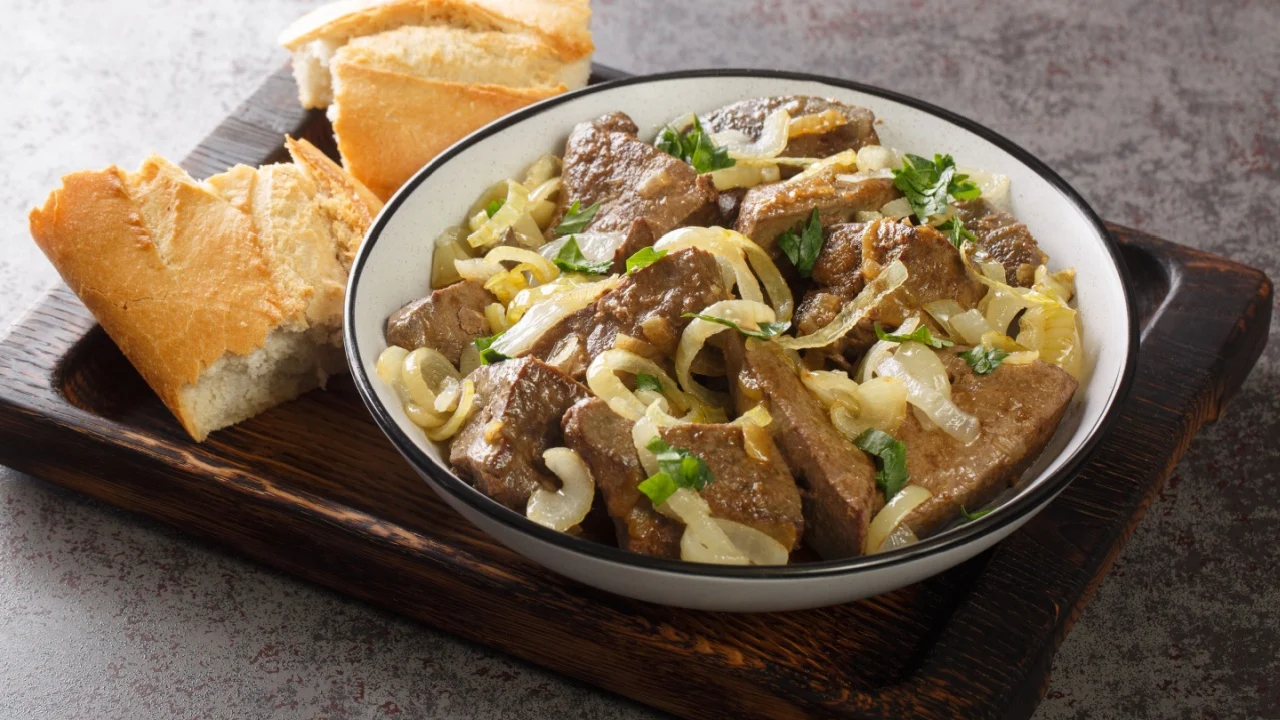
Liver, kidneys, and other organ meats are nutrient-dense but extremely high in dietary cholesterol. While your body can handle some cholesterol, hyper-responders can experience a significant spike from a single serving.
Enjoy organ meats sparingly, perhaps once a month. For iron and B12, lean beef or fortified plant-based foods provide nutrients without a heavy cholesterol load. Pairing these meats with fiber-rich vegetables helps counteract their impact.
11. Frozen Pizza
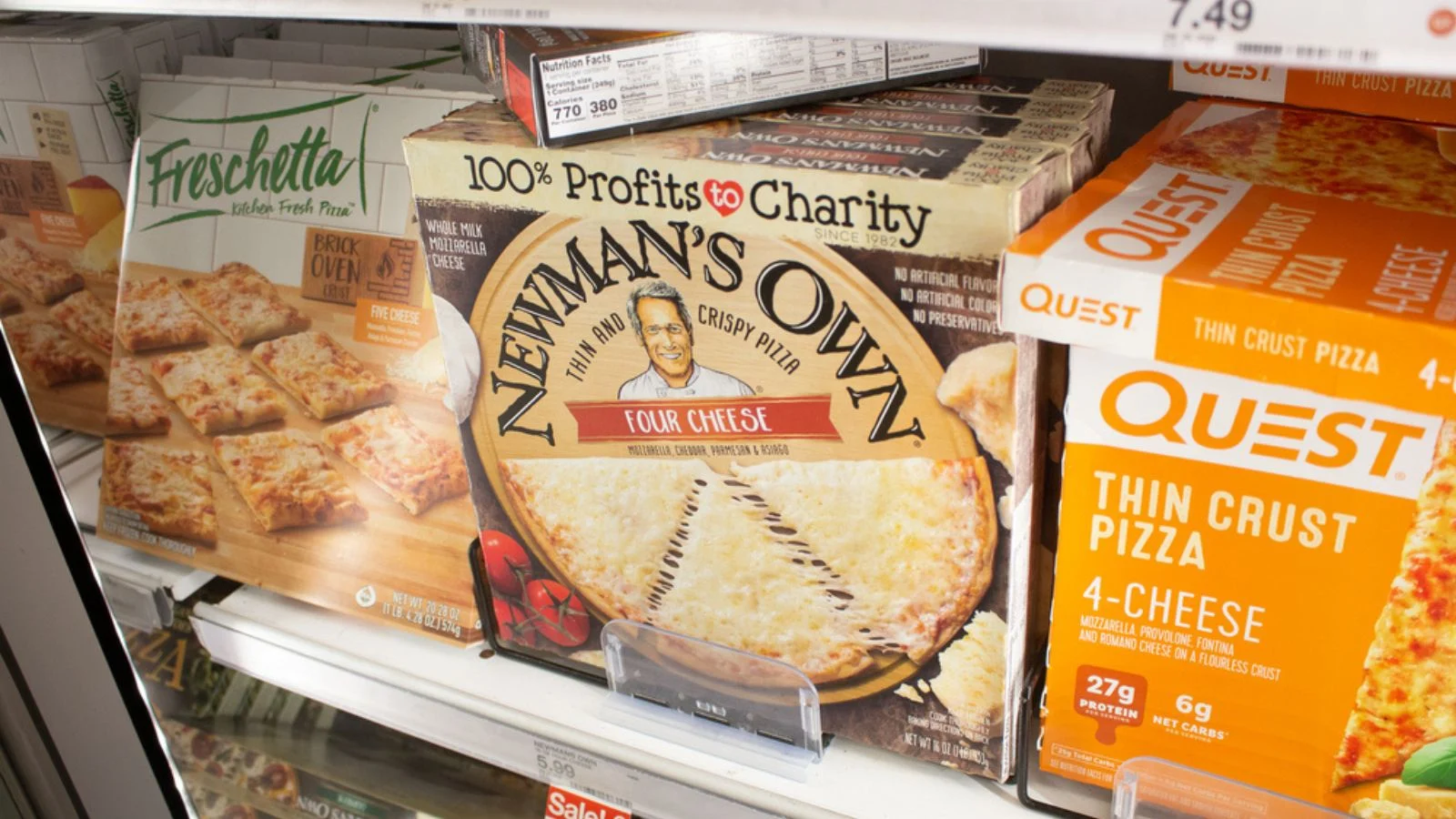
Convenient but loaded, frozen pizzas combine refined flour, processed meats, and high-fat cheese, sometimes including palm oil in the crust. A single slice can overwhelm your daily saturated fat limit.
Try a homemade pita pizza with whole-wheat bread, part-skim mozzarella, and plenty of vegetables. Add grilled chicken or chickpeas for protein. You get the pizza experience without the cholesterol hit.
12. Microwave Popcorn

Microwave popcorn often hides trans fats and excess sodium. Flavored varieties use hydrogenated oils for texture and taste, which are harmful to LDL levels. Even the bag lining can release chemicals when heated.
Air-popping your own kernels gives control over fat and flavor. A drizzle of olive oil and a sprinkle of nutritional yeast provide a cheesy taste and plenty of fiber, turning popcorn into a heart-friendly snack.
13. High-Fat Coffee Drinks

Fancier lattes and blended coffee drinks are more like desserts than beverages. Whole milk, whipped cream, and sugary syrups can match or exceed the saturated fat and sugar of a burger. Daily consumption promotes inflammation and higher cholesterol.
Opt for a splash of low-fat milk and skip syrups and whipped cream. Plain lattes with soy or almond milk allow the antioxidants in coffee to benefit your body without being overshadowed by fat.
From Plate to Pulse

Choosing the right foods isn’t about strict restriction; it’s about understanding how what you eat affects your body. Replacing processed fats and refined sugars with whole, fiber-rich options gives your body the tools to maintain balance.
Small, consistent choices build a foundation for long-term heart health while letting you enjoy your meals and energy levels at the same time.
Read More: