Gardening Reduces Stress: Here are 12 Steps to Turn Your Garden into a Mindfulness Haven
Screens are open eighteen hours a day. Notifications arrive faster than thoughts. The average American checks their phone 144 times daily, and somehow, in the middle of all of it, we’re supposed to feel calm. We’re not failing at mindfulness. We’re just practicing it in the wrong places.
The garden has always been a place to escape all of that. Research consistently shows that spending as little as 20 minutes in a natural outdoor space measurably reduces cortisol levels and lowers blood pressure. Not an hour. Not a dedicated practice. Fifteen minutes, outside, with intention.
A mindfulness haven in your garden doesn’t require a landscape designer, a significant budget, or even a particularly beautiful yard. It requires one decision: that this corner of the outdoor world belongs entirely to rest. Here’s how to build it, piece by piece.
1. Choose Your Spot Before You Do Anything Else
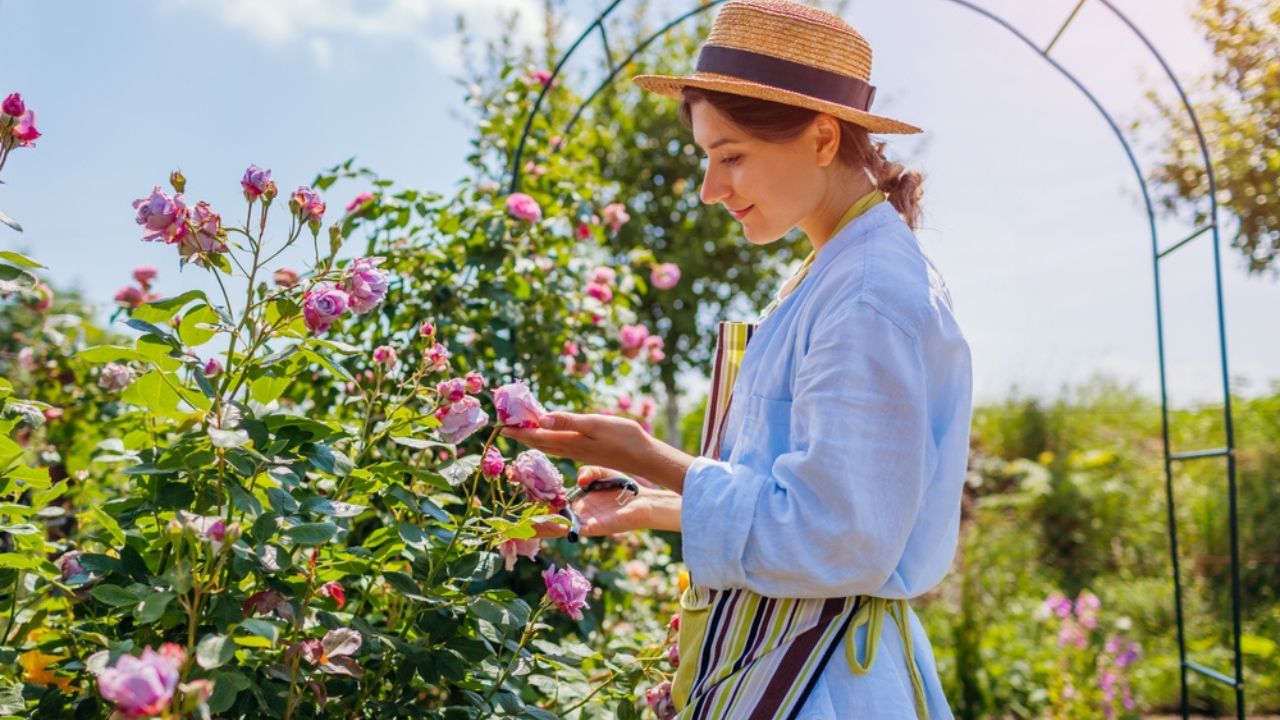
Before you buy a single plant or move a single stone, spend time listening to your garden. The quietest corner is your starting point, not the prettiest one. Walk the space at different times of day and notice where road noise intrudes, where wind softens, and where morning light falls gently. A beautifully planted seating area beside a neighbor’s air conditioning unit will never become a sanctuary, while a simple bench in the tucked-away corner behind the shed might become your favorite place on earth.
2. Add a Water Feature (Even a Tiny One)
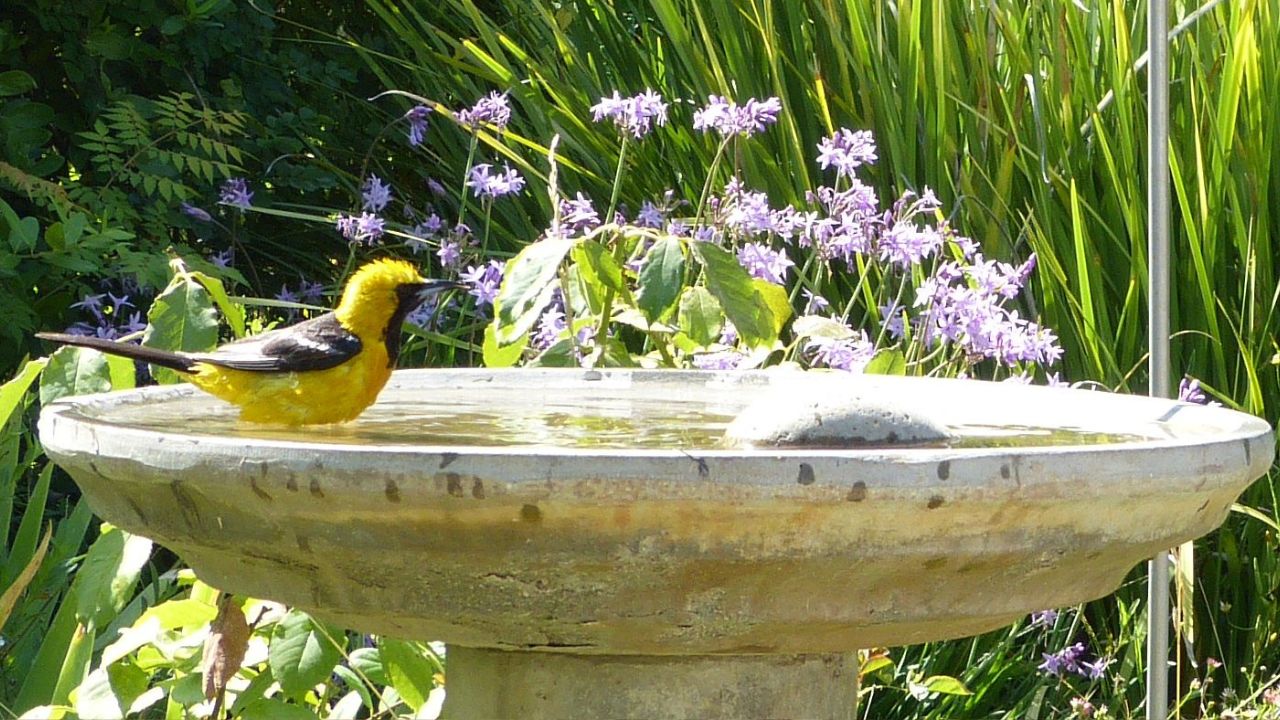
Water is the single most transformative addition to a contemplative garden, and it doesn’t need to be a pond. A tabletop fountain, a solar birdbath bubbler, or a ceramic bowl filled with smooth stones can shift the entire atmosphere of a small space.
The reason water works isn’t magic: it’s acoustics. As garden designer Juliet Sargeant explains in Gardens Illustrated, the goal isn’t to eliminate external noise but to give the ears something more pleasant to attend to. A tabletop fountain requires no plumbing, costs under $50, and can be running within an afternoon.
3. Create a Privacy Screen That Feels Natural
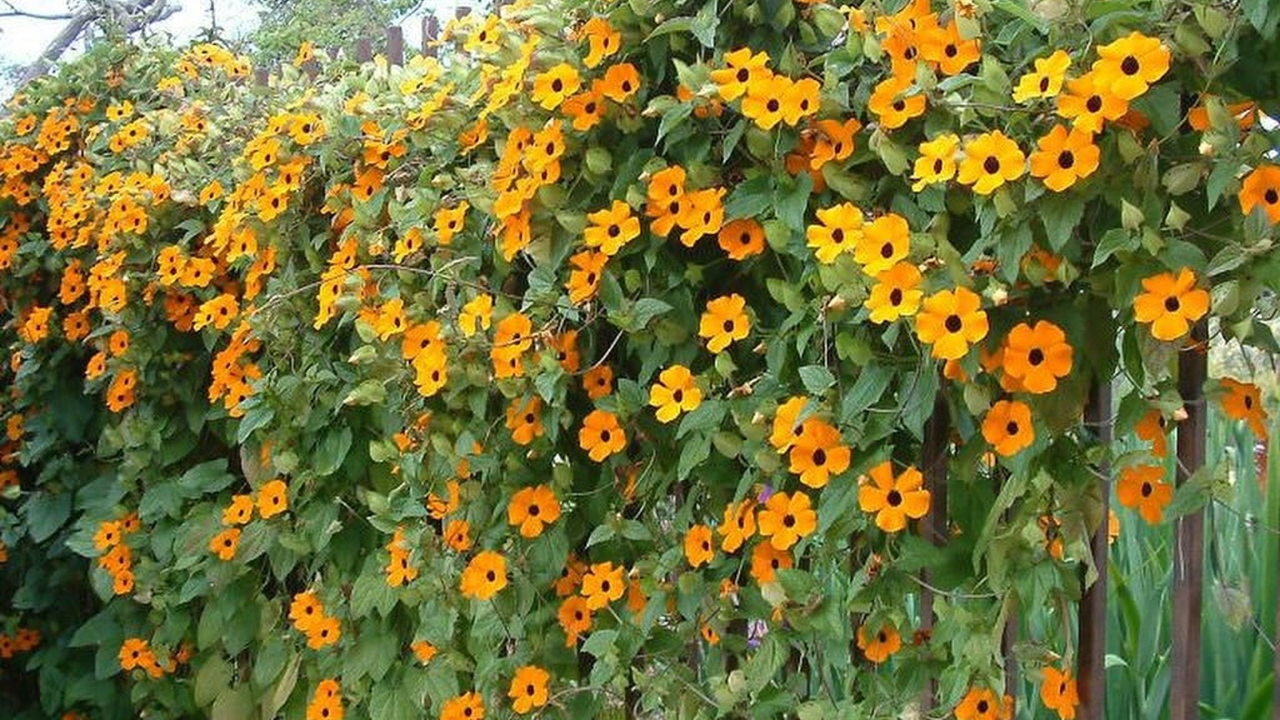
You cannot relax in a space where you feel observed. Privacy isn’t a luxury in a sanctuary garden; it’s a prerequisite. Evergreen hedges, trellis panels covered in climbing plants, tall ornamental grasses, and bamboo screens all create the psychological enclosure that makes relaxation possible without the expense of fencing.
For quicker results, a trellis supporting fast-growing clematis, black-eyed susan vines, or climbing roses can provide meaningful coverage within a single season. The goal is to create walls for your outdoor room without making the space feel closed off.
4. Plant for Scent First, Beauty Second

Of all the senses, smell is the most direct route to memory and emotion. A scent can transport you instantly to a moment of safety and peace, bypassing rational thought entirely. This is why lavender beside a garden bench isn’t just pretty; it’s a biological shortcut to calm.
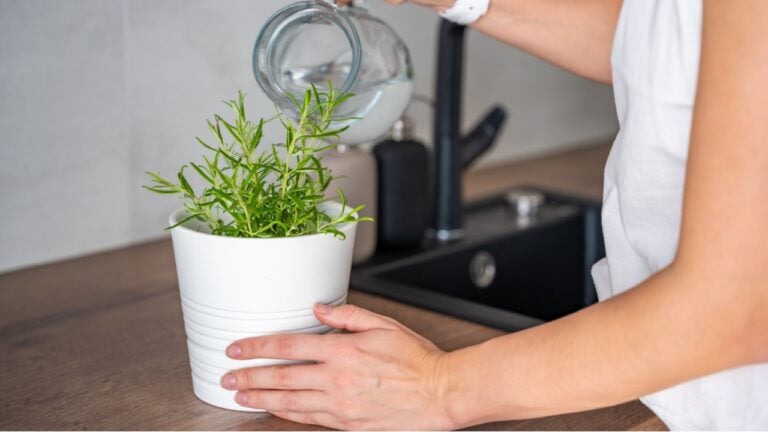
The plants that deliver this most reliably are lavender, rosemary, jasmine, Philadelphus (mock orange), roses, and chamomile. Position them deliberately: beside your seating area, at the garden entrance, along the path you walk every morning. The goal is to create fragrance triggers that prompt a sensory reset without any conscious effort.
5. Give the Space a Focal Point
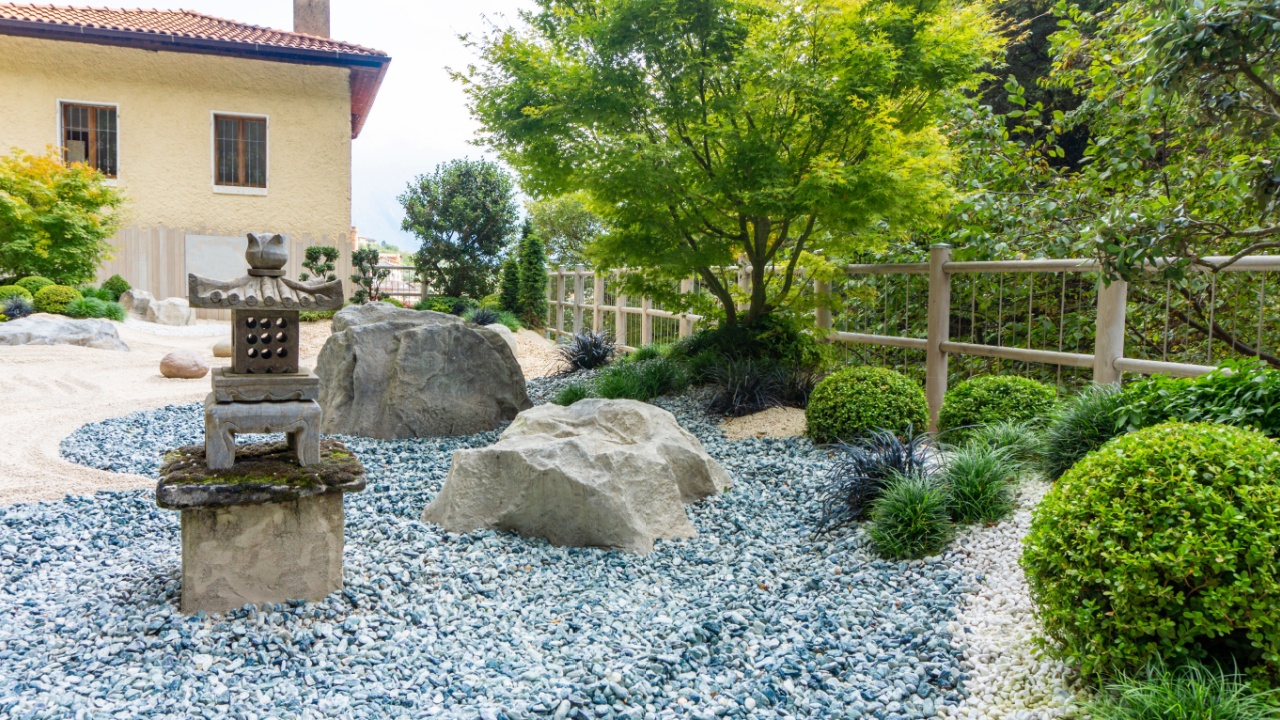
A mindfulness haven needs somewhere for the eye to land. Without one, attention wanders restlessly, and the mind follows. This doesn’t require sculpture, though a simple stone figure works beautifully. A Japanese maple in a glazed pot, a large smooth boulder, a birdbath at the end of a path, or a single specimen tree can anchor an entire scene.
As horticultural writer Ark Redwood observes in The Art of Mindful Gardening, “There are no mindful gardens, only mindful gardeners.” A well-placed focal point makes it considerably easier to become one.
6. Choose Seating You’ll Actually Use
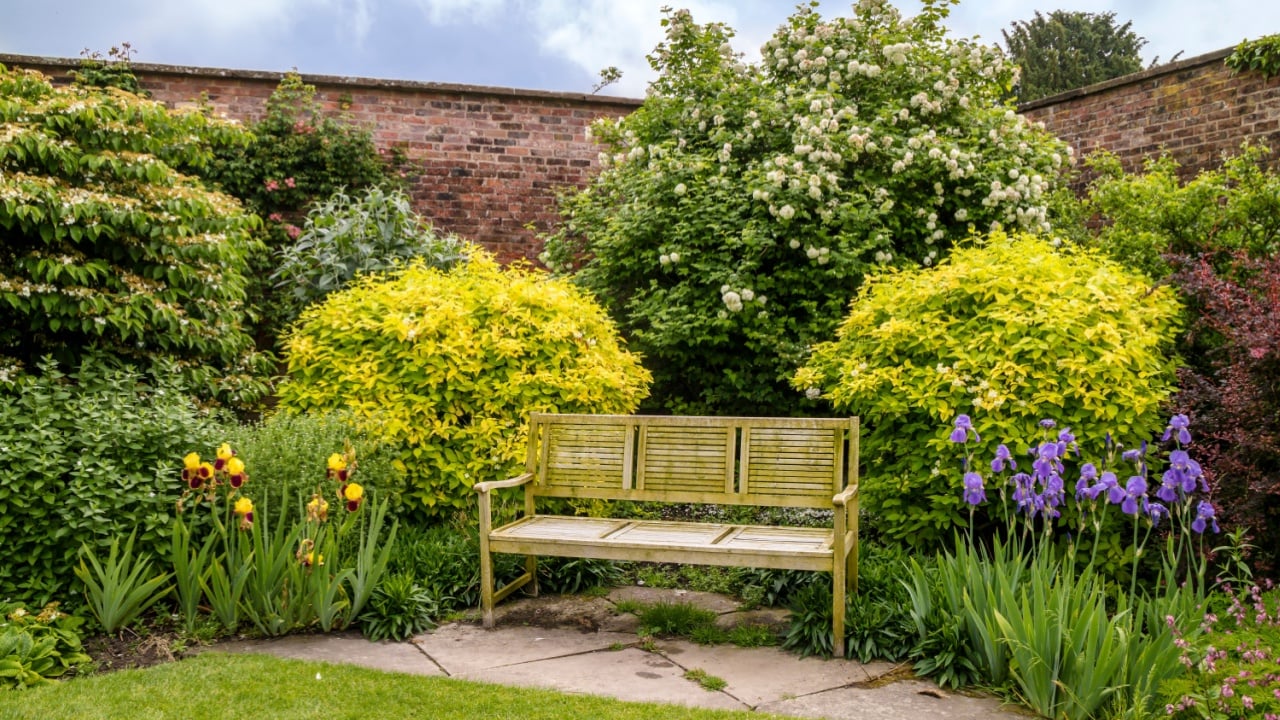
The most common sanctuary garden mistake is seating that looks appealing in photographs but never gets used in real life. A low-slung hammock is romantic in theory; a bench with a solid back, slight recline, and weather-resistant cushions is what you’ll actually sit on at 6 p.m. on a Tuesday when your back hurts, and you have 20 minutes before dinner. Comfortable upright seating with back support is what transforms a garden from aspirational to actually used. Position it to face your focal point. Comfort is not a compromise; it is the entire point.
7. Design a Path That Slows You Down
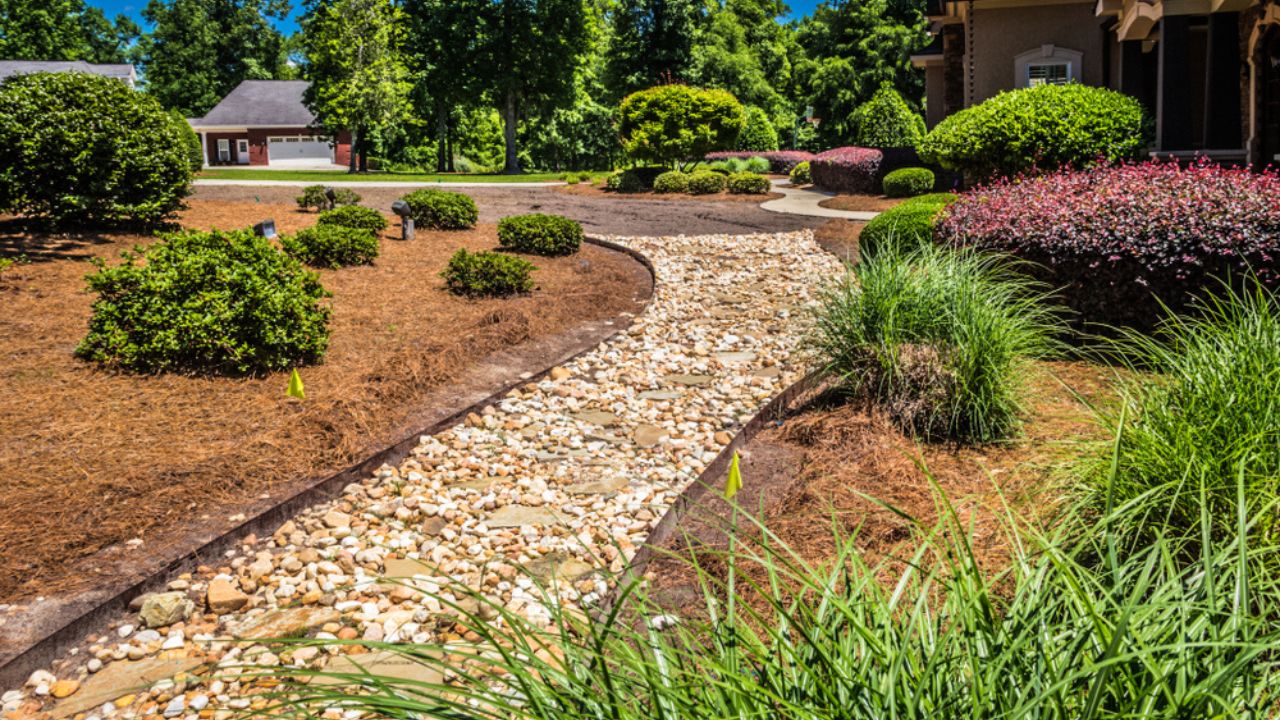
A straight paved path is a transit route. A winding path of stepping stones or pea gravel is an invitation. The crunch of gravel underfoot is an auditory cue, a small sound ritual that signals arrival in a different kind of space.
Gardeners who have added gravel paths to their sanctuaries frequently describe this as an unexpectedly meaningful shift: the pace of the house gives way to the pace of the garden, registered through the soles of the feet. If space allows, a simple walking labyrinth built from flat stones or mown grass offers a contemplative circuit with no decisions required.
8. Engage All Five Senses
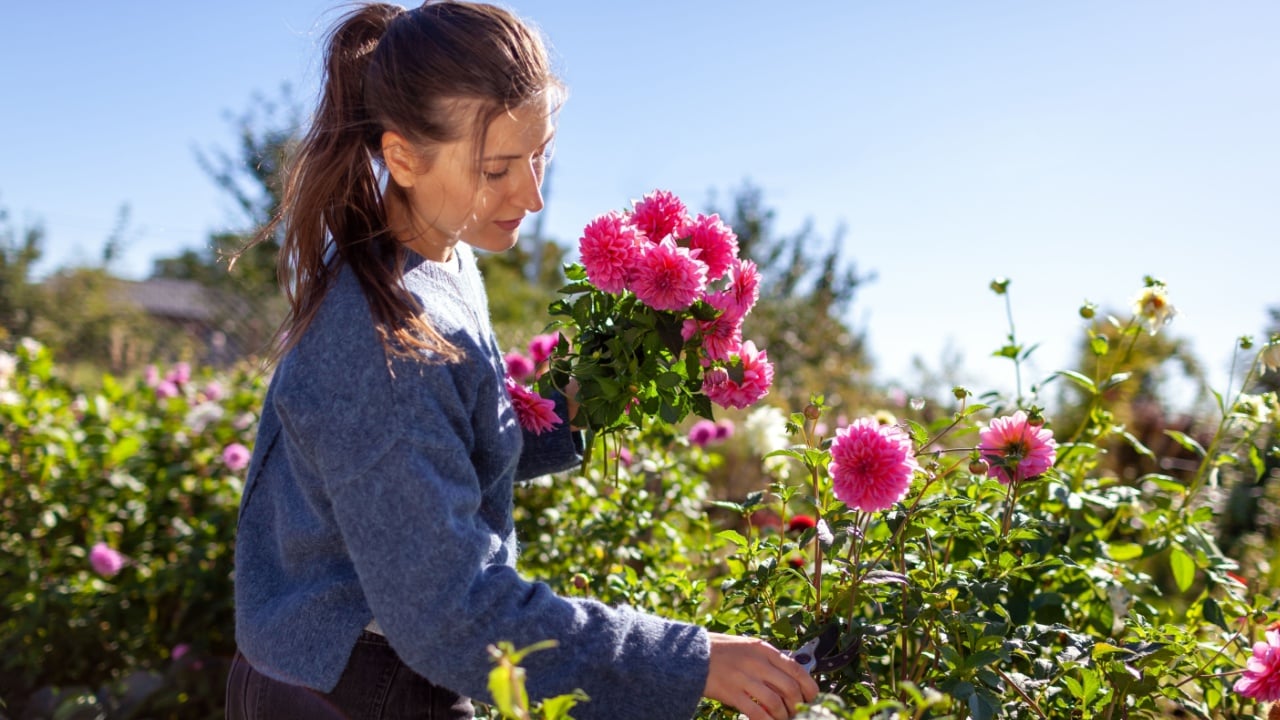
The most restorative garden spaces don’t just look beautiful; they feel, sound, smell, and occasionally taste beautiful too.
For touch, plant lamb’s ear, moss between stepping stones, or feathery ornamental grasses near seating where your hands naturally reach.
For sound, plant bamboo, wind chimes (nearly universally calming), rustling grasses, or the crunch of gravel underfoot.
For taste, plant a pot of mint, a chamomile plant, and a small border of edible flowers.
Tending these plants, rubbing a leaf between your fingers, and harvesting a handful of herb: these small, tactile moments are mindfulness practice with roots far older than any app.
9. Bring In the Birds
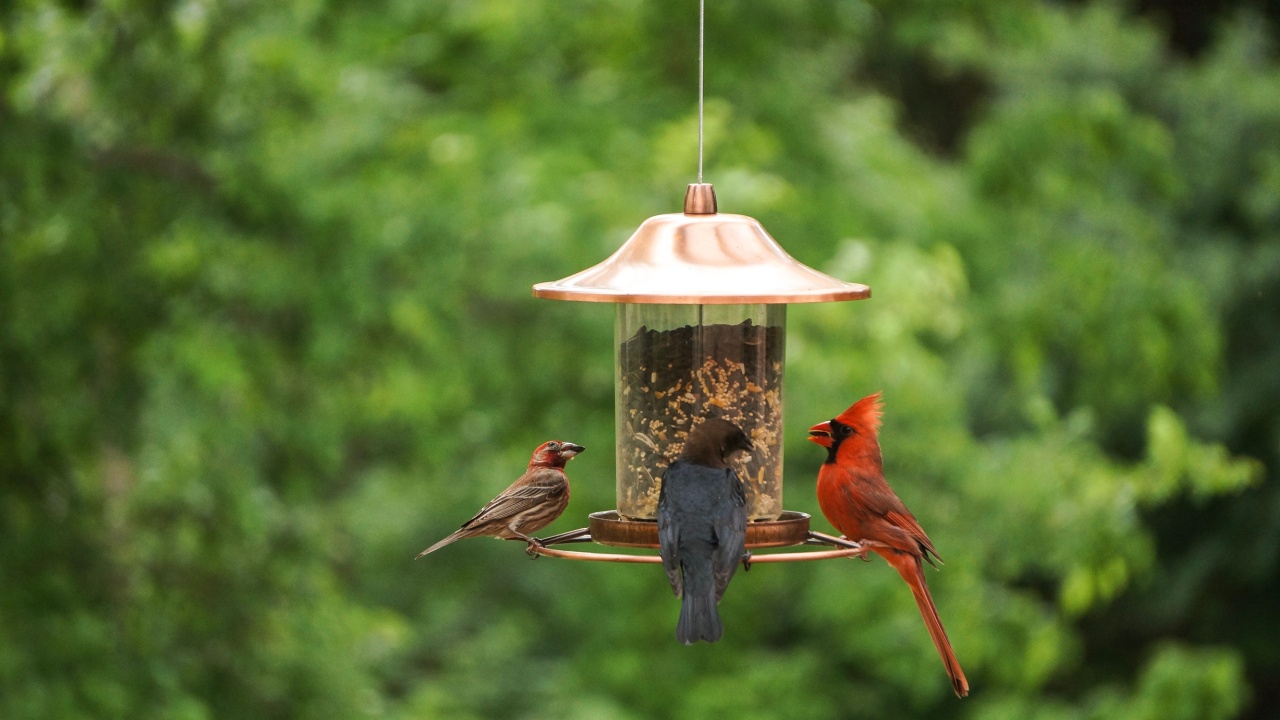
A bird feeder may produce the fastest and most dramatic shift in how a sanctuary garden feels. Gardeners who have made this addition describe it consistently: suddenly, there was a reason to sit still. The garden became something to watch, not just a space to manage.
Research has found that exposure to birdsong activates the parasympathetic nervous system, the biological state associated with rest and recovery. Native plants are the most effective long-term strategy for drawing birds, butterflies, and pollinators. A simple feeder positioned where it can be seen from your sitting area delivers results the same afternoon you hang it.
10. Choose a Calming Color Palette
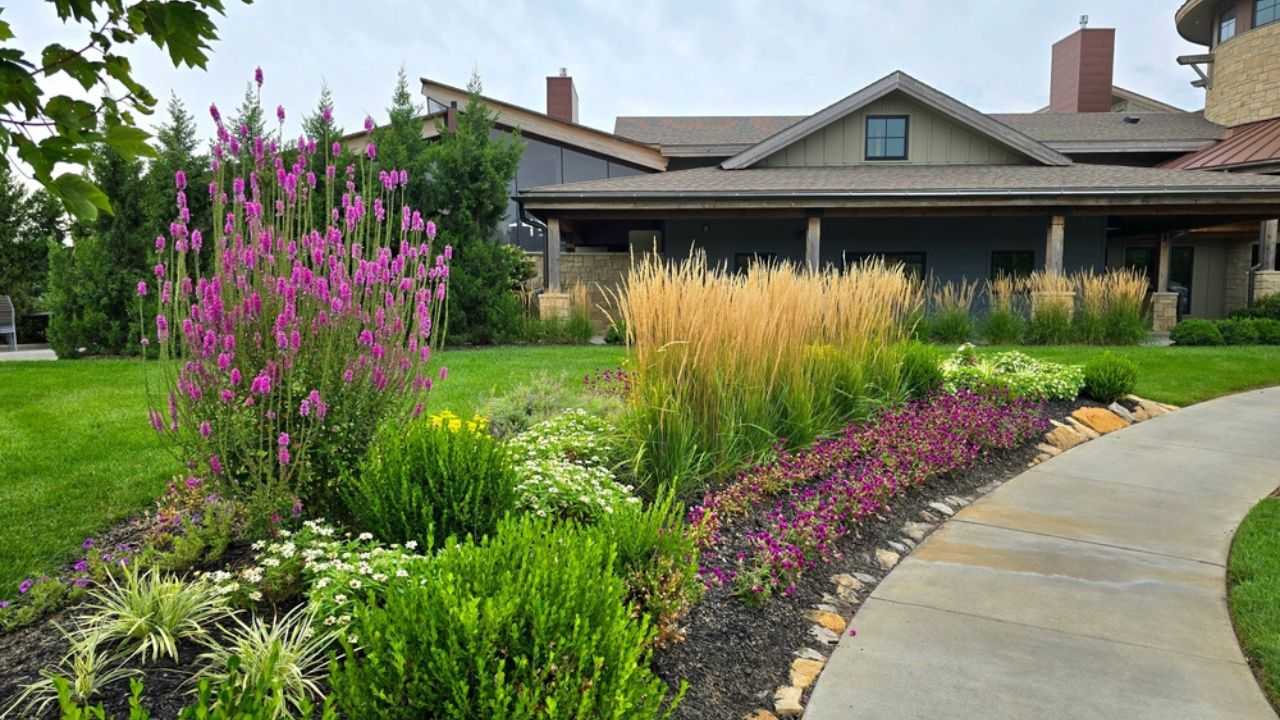
Color has a direct physiological effect on stress, and most gardens inadvertently work against relaxation by cramming in too many competing hues.
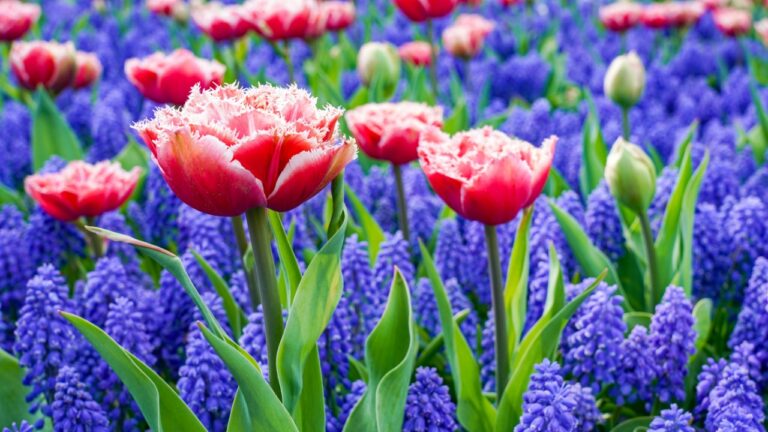
For a sanctuary space, lead with deep, varied, abundant green in as many leaf shapes and textures as possible. Layer in cool tones, like soft blue, purple, lavender, and white. A white garden is particularly powerful at dusk, when pale flowers hold the fading light long after other colors have gone dark, creating a natural evening meditation space from nothing more than thoughtful plant selection.
11. Plan for Evening and Winter Use
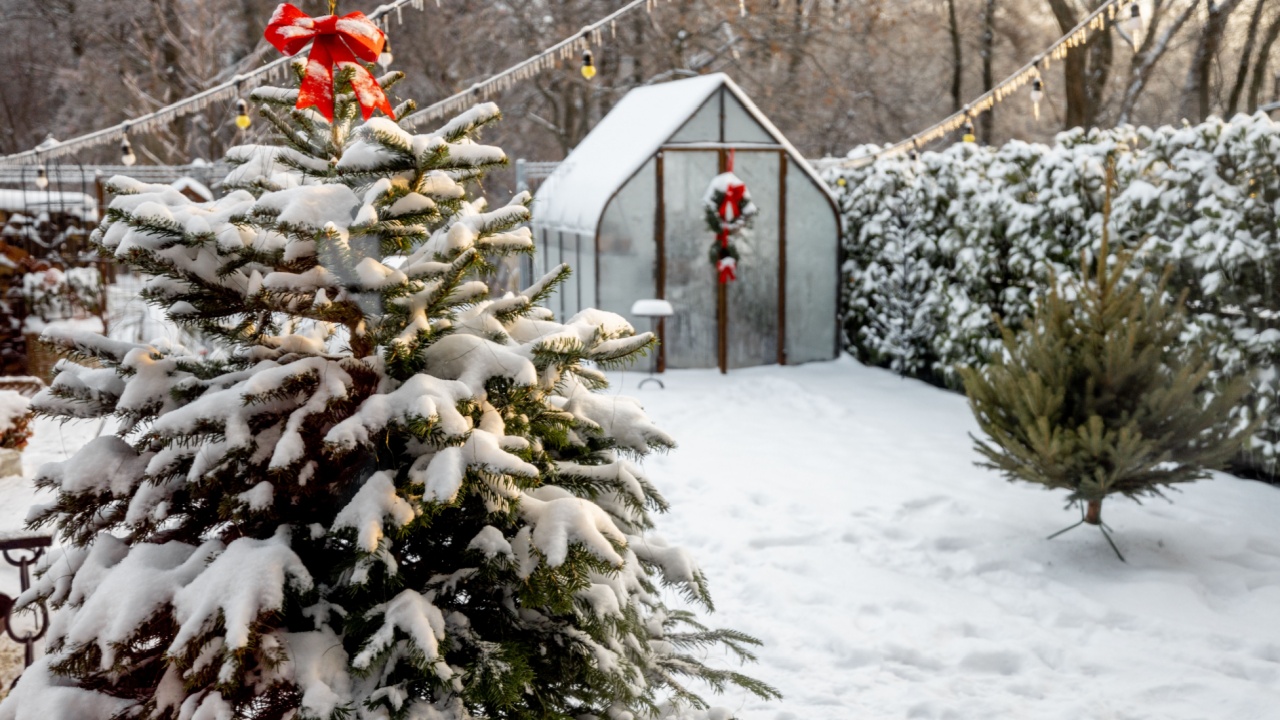
A sanctuary that functions only on sunny summer afternoons will never become a habit. Solar lanterns along pathways, fairy lights through a pergola, and candles on an outdoor table transform the garden after dark. Night-blooming and evening-fragrant plants, like moonflower, four o’clocks, and night-blooming jasmine, are revelations for those whose schedules only permit garden access after work.
For winter, the structure you build now determines whether the sanctuary survives the cold: evergreen hedges, ornamental grasses left standing through frost, berry-bearing shrubs, and the bare architectural elegance of a Japanese maple in winter light all sustain the sense of the space when flowers are gone.
12. Treat the Garden Itself as the Practice

Here is what every formal mindfulness guide tends to understate: you do not need to sit still to receive the benefits. Weeding slowly and deliberately, watering with full attention, pressing seeds into soil, and watching what happens are all mindfulness practices with roots older than any wellness trend.
Psychologists call the state that experienced gardeners regularly enter “flow”: total absorption in the present moment in which self-consciousness dissolves, time distorts, and stress simply cannot compete for attention. You don’t design your way into this state. You tend your way into it.
Read More
Washing Your Lettuce Won’t Remove Cyclosporiasis, But Growing Your Own Will
Your Grandmother Stored These 8 Foods All Winter Without Canning a Single Jar