12 Reasons Gardening Is the Ultimate Burnout Cure, According to Experts
You have tried meditation. You have done the breathing exercises. You have taken the PTO, stared at your inbox anyway, and wondered why you still feel like a phone that never fully charges. Burnout is not a productivity problem. It is a disconnection problem, and an unlikely fix has been sitting right outside your back door.
Gardening. Not as a weekend chore, or as a hobby for retirees. Gardening is a legitimate, research-backed antidote to the relentless overstimulation of modern life.
The science that has emerged over the past decade is specific enough to no longer be ignored: regular gardening increases overall well-being by 55%, according to ZME Science. It measurably lowers cortisol, the hormone responsible for keeping your nervous system in a low-grade state of alarm. It reduces depression and anxiety with no prescription, no side effects, and no subscription fee.
Why Burnout Makes You Crave the Garden (Even If You’ve Never Gardened)

The reason burned-out people are drawn to gardens is not sentimental. It is neurological.
Psychologists call it attention restoration theory: the modern world demands constant, focused, effortful attention that is depleting. Every notification, every decision, every open loop is another withdrawal from a limited cognitive account.
Nature, by contrast, holds your attention effortlessly. Your prefrontal cortex, the part of your brain that manages everything and is exhausted from the effort, gets to rest. A garden provides this restoration in a form you can access in your own backyard in fifteen minutes.
But gardening goes further than passive exposure to green. When your hands are in soil, and your eyes are watching whether the tomatoes need water, you are also not tracking your inbox, your to-do list, or whatever is quietly wrong with the world. Gardening forces attention outward in a way that is psychologically distinctive. You do not choose to stop ruminating. The garden simply makes rumination structurally impossible.
“The active engagement of nurturing plants, making decisions, and seeing results over time adds a unique layer of meaning and satisfaction that passive time outdoors does not,” says Sarah Thompson, a professionally registered horticultural therapist. That distinction matters. You are not just sitting outside. You are participating in something that responds to your attention, rewards your consistency, and grows regardless of what is happening in your inbox.
A University of Colorado-Boulder study put numbers to this: participants who gardened reported lower stress, stronger social connections, a 7% increase in fiber intake, and 42 more minutes of weekly physical activity compared to the control group, all without trying to achieve any of those outcomes. They were just gardening.
So, let’s look at 12 things the garden gives you that your job never will.
1. A cortisol reset you can feel within minutes

Multiple studies confirm that time in garden settings measurably lowers cortisol, the primary stress hormone. Unlike a meditation app, the garden does this without asking you to focus on your breathing. It just happens.
2. A biological antidepressant in the soil
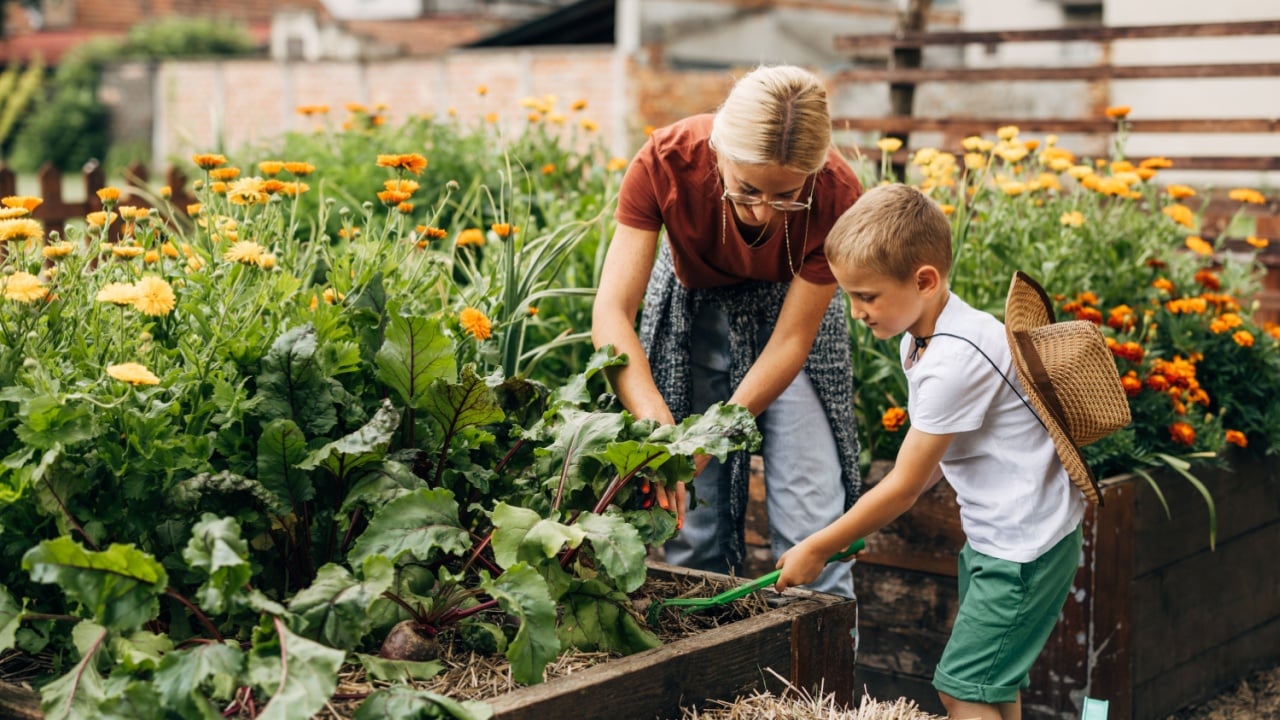
The bacterium Mycobacterium vaccae, found in ordinary garden soil, activates the same serotonin pathway targeted by a class of common antidepressant medications. Getting your hands in the dirt is not a metaphor for feeling better; it is the mechanism.
3. Progress you can see with your own eyes
In a world of invisible deliverables and endless revision cycles, the garden offers something radical: visible, undeniable growth. You planted it. It grew. That feedback loop is more restorative than it sounds.
4. A place where you cannot be interrupted

Gardeners almost universally report that their phones stay in their pockets while they work, not by willpower, but because the garden makes the phone irrelevant. For anyone who has tried and failed to disconnect, this is not a small thing.
5. Exercise that doesn’t feel like an obligation
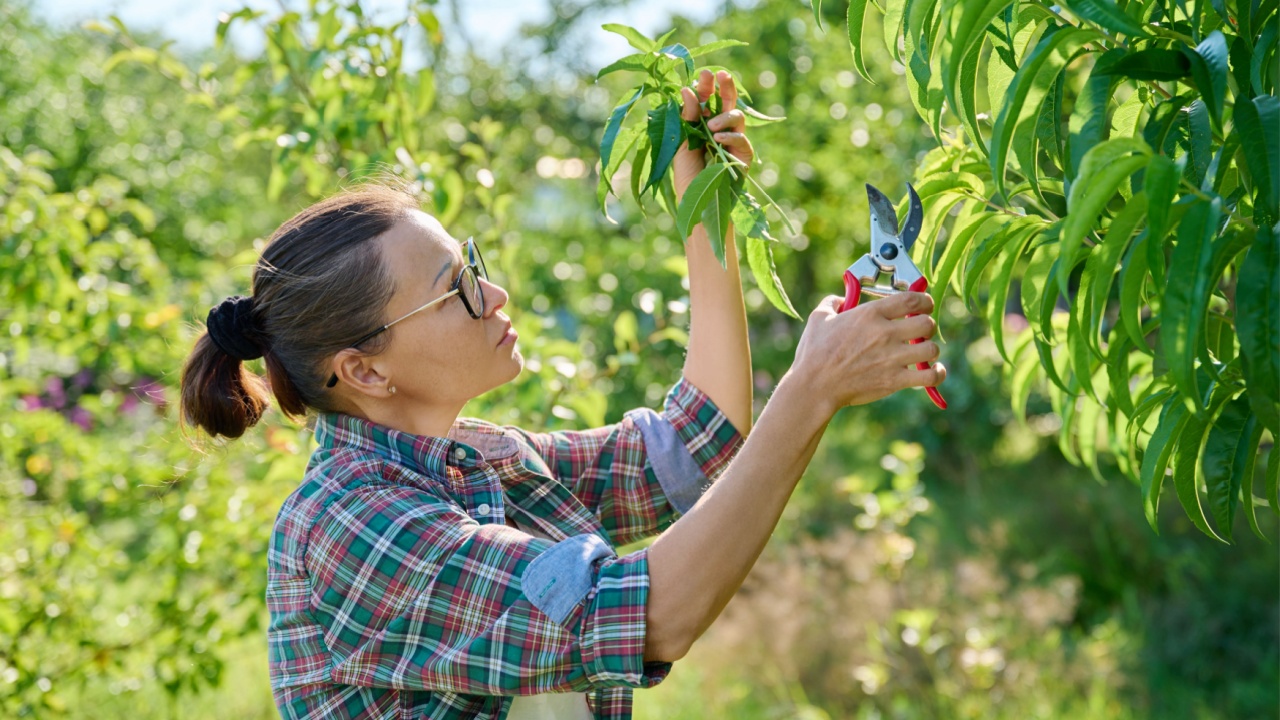
Light gardening burns roughly 330 calories per hour, comparable to dancing or golf. The movements are varied, which reduces repetitive strain. And, hopefully, you will not notice the time passing, which is the opposite of a treadmill.
6. Something to look forward to every single morning

Not a Zoom meeting or a deadline. A plant that was not quite ready yesterday. This daily forward orientation is a quiet but significant antidote to the low-grade dread that characterizes burnout.
7. A reset for your relationship with time
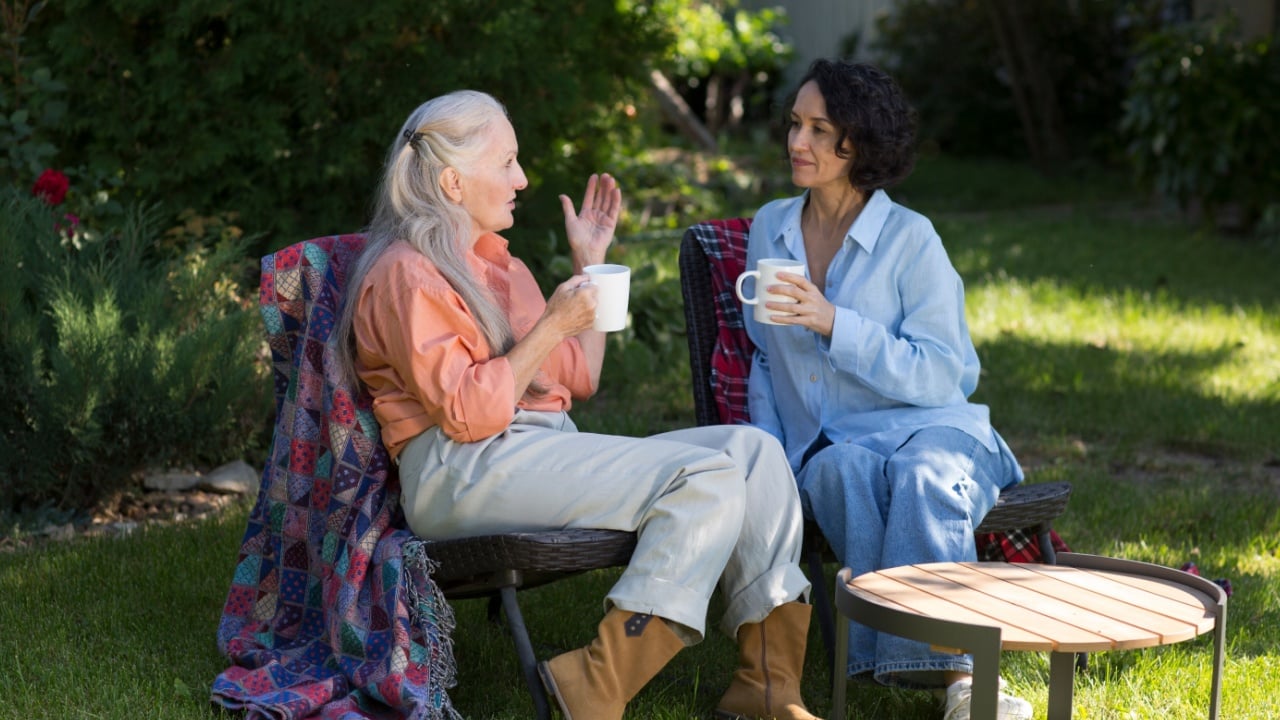
Burnout warps time: everything is urgent, nothing feels meaningful. Gardening reinstates natural rhythms: the week the peonies open, the morning the first tomato turns, and the season that comes around again, regardless of your workload. Many gardeners describe this as the first time in years they felt time slow down.
8. Mastery that compounds year over year
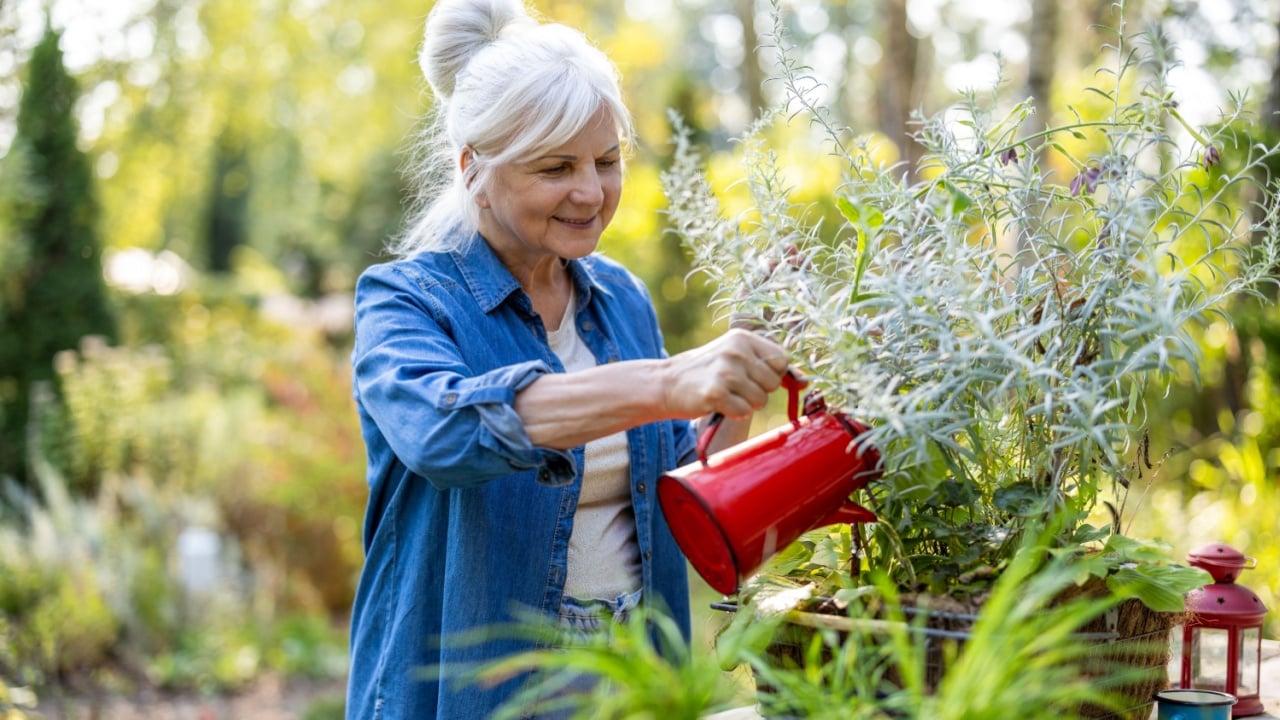
Unlike most professional skills, gardening knowledge accumulates visibly. Each year, the soil improves, the instincts sharpen, and the results get better. The sense of mastery this produces is qualitatively different from the treadmill of workplace achievement.
9. Community that asks nothing of you
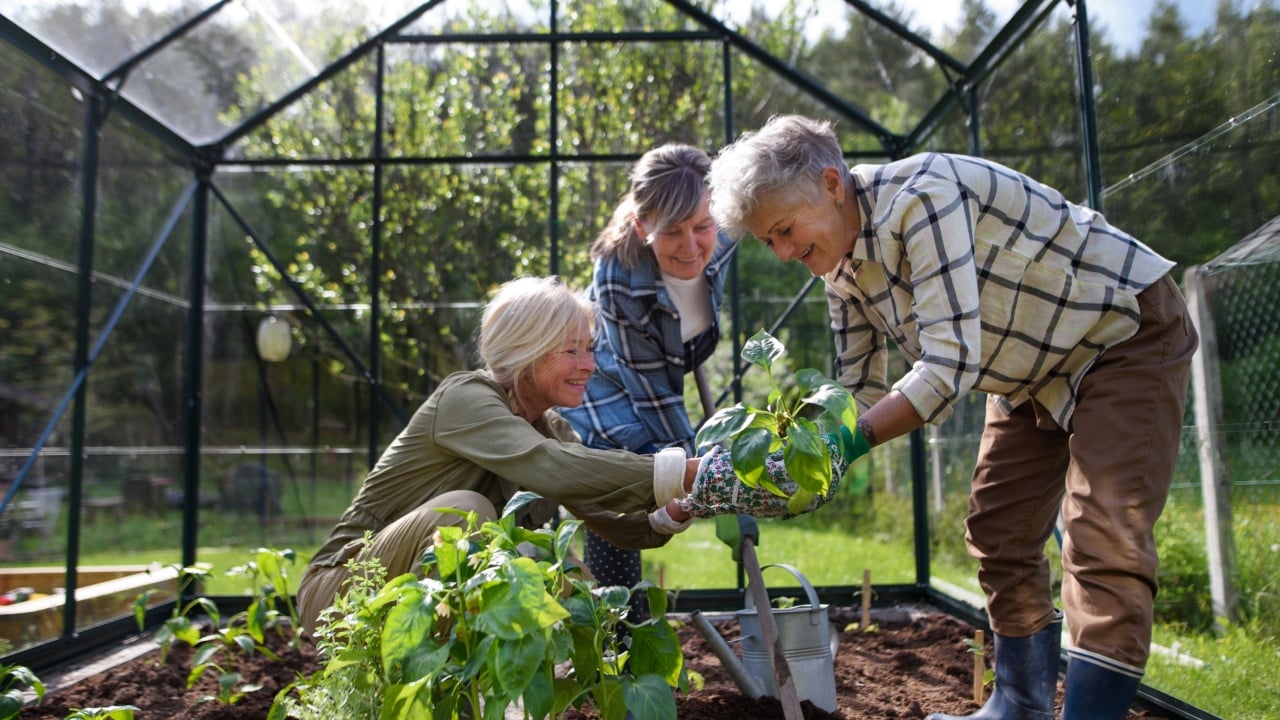
Community gardeners consistently report that strangers become friends faster in a garden than almost anywhere else. The shared focus makes conversation easy, even for people who find social settings exhausting. Connection without performance; for burned-out people, that distinction matters enormously.
10. Brain protection you’ll be grateful for later

An Australian study found that gardening outperformed walking, formal education, and moderate alcohol intake in protecting against dementia. It simultaneously engages memory, problem-solving, planning, and fine motor skills: cognitive exercise with literal roots.
11. Better food without a single meal plan

Gardeners eat more fiber, more fresh vegetables, and more food at peak nutritional value. Not because they are trying to. Because they grew it, and it is right there.
12. No yard required. No expertise either
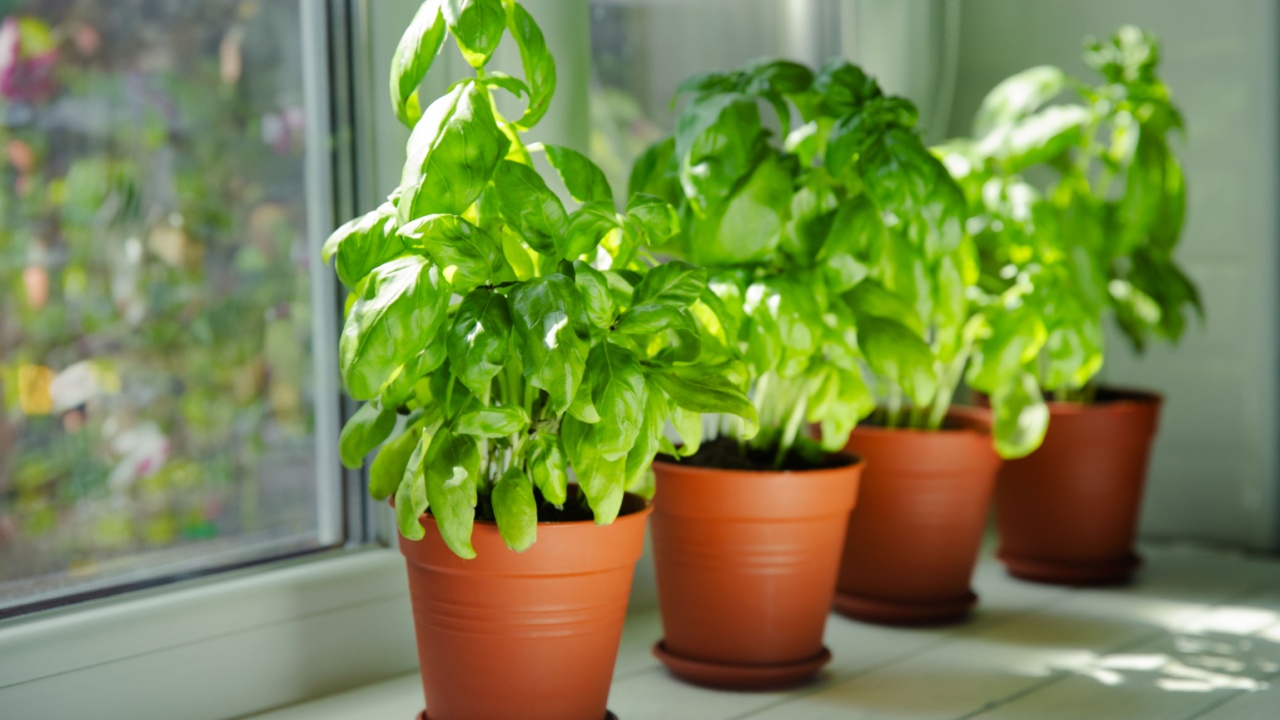
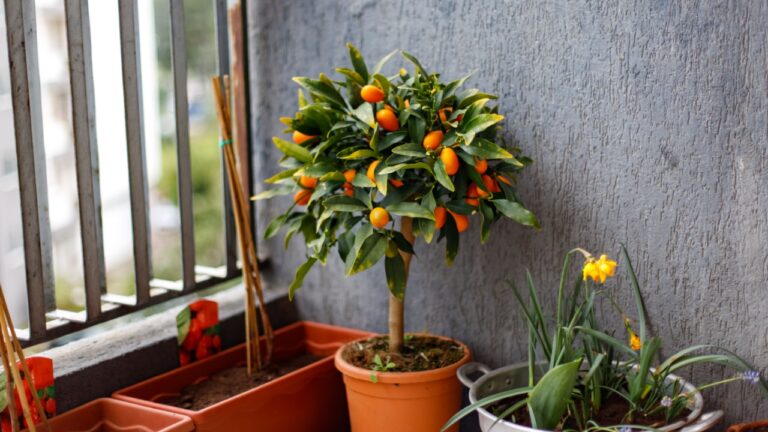
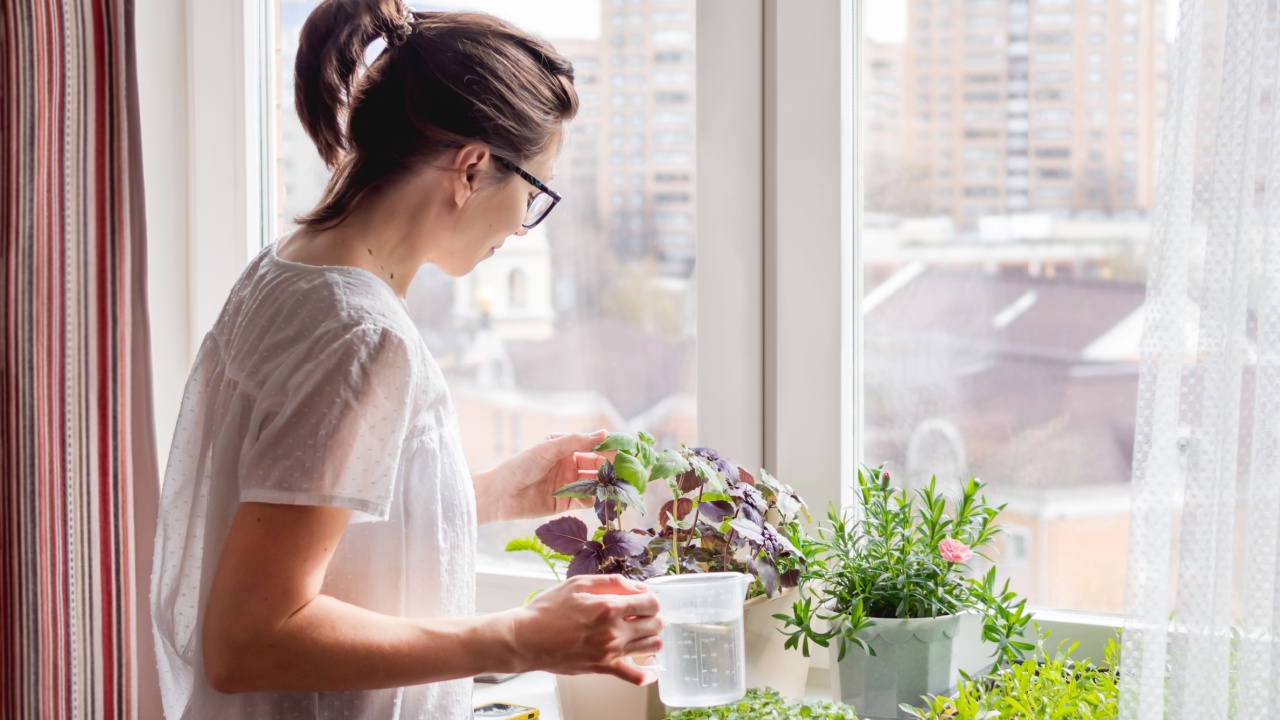
Evidence of gardening’s mental health benefits applies to window boxes, balcony containers, and community plots. A few herbs in a kitchen window deliver a measurable benefit. The barrier to entry is a single seed and the willingness to begin.
How to Actually Start (Without Making It Another Project)
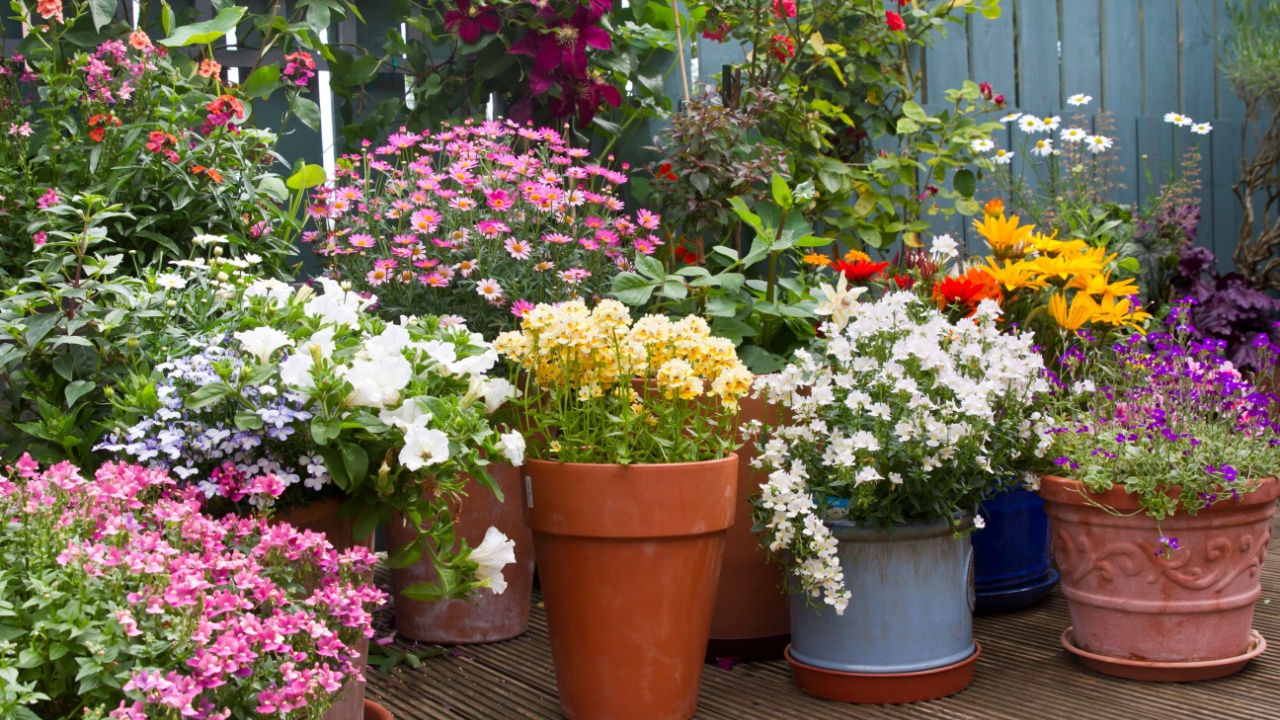
Here is the mistake most burned-out people make with gardening: they approach it the way they approach everything else. They research it, plan it, buy too much, and create a new source of pressure from something that was supposed to reduce pressure. Do not do this.
Start with one container, one herb, or one packet of seeds. Radishes are ready in a week, which is the fastest possible proof of concept. If you have a porch, a windowsill, or a fire escape, you have enough space.
The goal is not a garden. Not yet. The goal is to spend fifteen minutes outside, hands in the soil, and phone in your pocket (or, better yet, left inside). The rest follows on its own schedule — which is, as it turns out, exactly what your nervous system has been waiting for.
Read More
Washing Your Lettuce Won’t Remove Cyclosporiasis, But Growing Your Own Will
Your Grandmother Stored These 8 Foods All Winter Without Canning a Single Jar