12 Ways to Maximize Your Home Security Setup
Home security used to be simple: lock the door, maybe set an alarm, and trust the rest to luck. That approach no longer holds up. Today’s homes are more connected, more visible, and often more predictable, making them easier to study and exploit. Thanks, Google Earth.
The upside is that prevention science has evolved just as quickly. Modern security blends environmental design, behavioral consistency, and smart technology to reduce opportunity at every stage.
Some experts call this “target hardening” and “situational crime prevention.” In plain terms, it means making your home harder, riskier, and less appealing to thieves. Most burglars aren’t masterminds; they’re opportunists looking for the easiest win nearby.
Luckily, there are modern strategies based on research-backed insights that any homeowner might want to follow. It could one day save your precious home from invaders.
1. Use Alarm Signs and Stickers
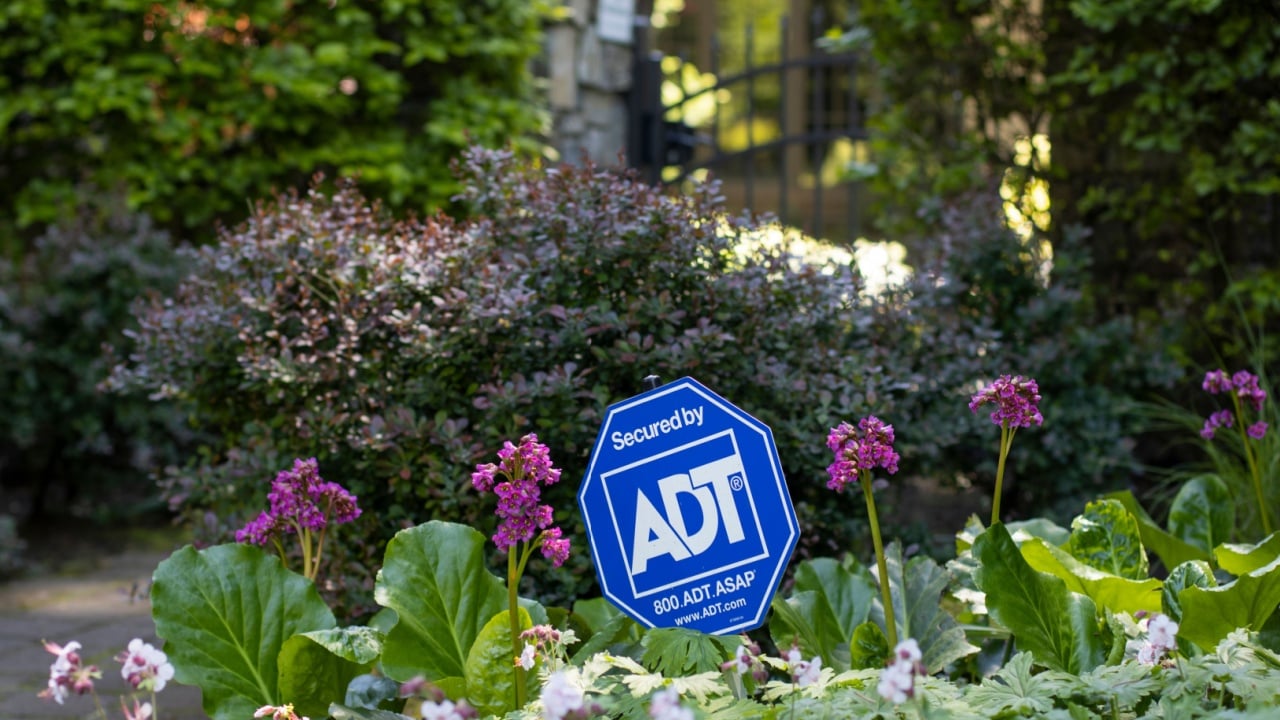
Security works as much in the mind as it does in the hardware. Alarm signage creates immediate doubt, and doubt is often enough to redirect a would-be intruder. The University of North Carolina at Charlotte surveyed burglars’ habits. “Approximately 83 percent said they would try to determine if an alarm was present before attempting a burglary.”
Such a statistic highlights how quickly decisions are made. A sticker or yard sign may seem minor, but it sends a clear signal: this home carries risk. In many cases, that perception alone is enough to push opportunistic burglars toward an easier, less protected target nearby.
2. Secure Windows, Especially Ground-Level Ones
-

Image Credit: Shutterstock.
Windows are often the quietest entry point, particularly those hidden from street view or shielded by landscaping. Head of the AJAX Windows Academy, Roman Konchakivskiy, identifies unsecured fittings as a common residential vulnerability.
He adds that “approximately 30% of break-ins happen through unsecured windows, which emphasizes the need for proper window protection.” Outdated locks, weak frames, and unprotected glass are the main culprits.
Yet, reinforced locks, laminated glass, or security film increase resistance without sacrificing light. When paired with sensors, they also transform a silent weakness into a monitored barrier. Closing off these subtle entry points strengthens your perimeter in ways many homeowners overlook.
3. Install a Smart Security System That Talks to Everything
-
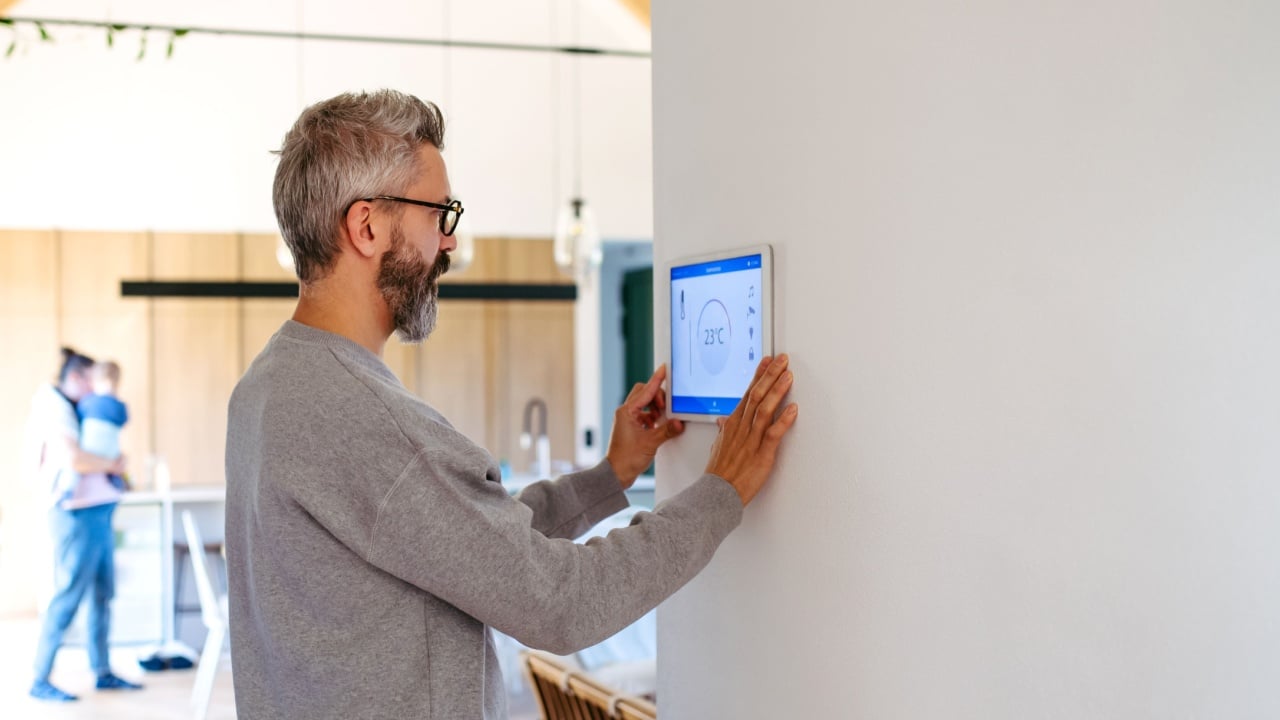
Image Credit: Shutterstock.
Fragmented systems create blind spots; integrated ones close them. A unified setup connects cameras, sensors, and alerts so that every trigger leads to immediate awareness. Better still, one that helps you speak to any intruders directly. An academic study by Joseph Kuhns found that “60% of burglars reported that alarm systems deterred them from specific targets, impacting target selection.”
That deterrent effect grows stronger when systems respond quickly and visibly. Instant notifications, automated lighting, and linked alarms signal responsiveness, which increases perceived risk and reduces the likelihood of a break-in attempt in the first place.
4. Don’t Forget the Garage Door
-
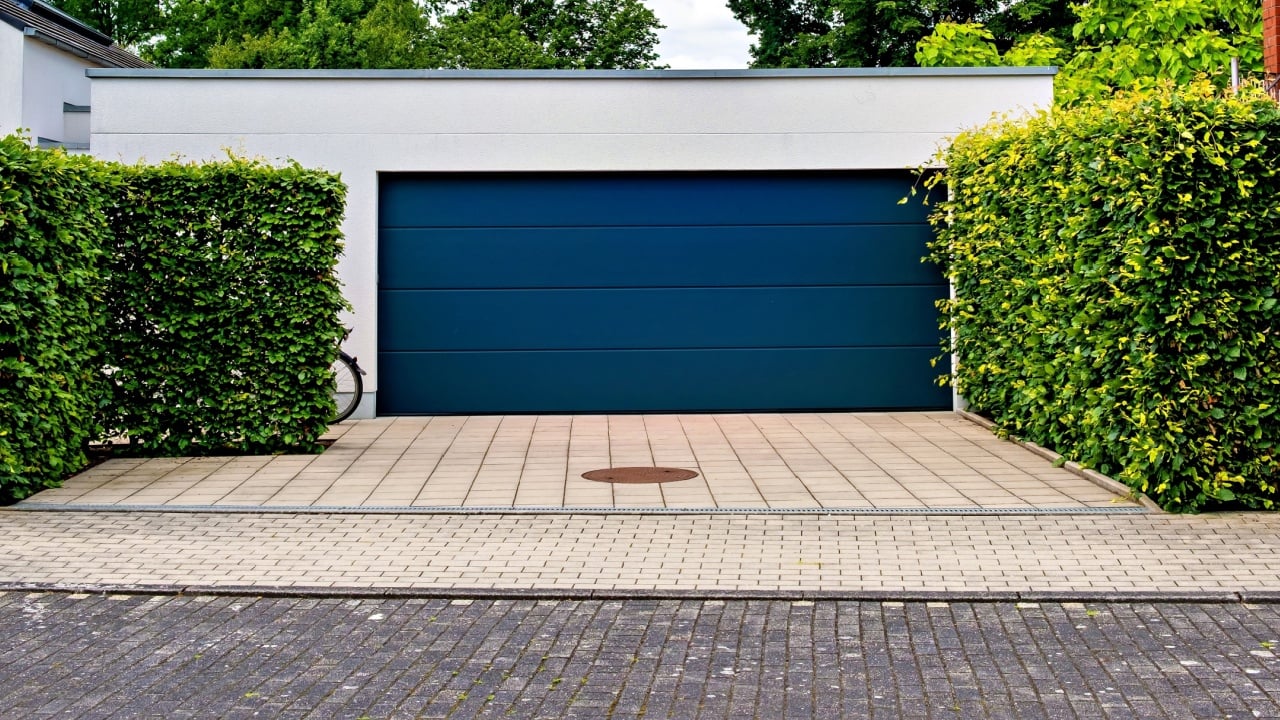
Image Credit: Shutterstock.
Garages often sit just outside the main security focus, yet they offer both concealment and convenient access. They are also one of the home’s weak points, as some homeowners might overlook how secure their design is. Moreover, attached garage doors have the biggest burglar allure, according to information from Raleigh Police Department data.
“Garages present a particularly vulnerable access point due to unsecured doors, compromised openers, and outdated technology easily bypassed by criminals,” reads an RJ Garage Door Service post. “Further analysis reveals that neighborhoods with higher percentages of attached garages see disproportionately higher garage-related break-ins.”
5. Use Motion-Activated Lighting Strategically
-
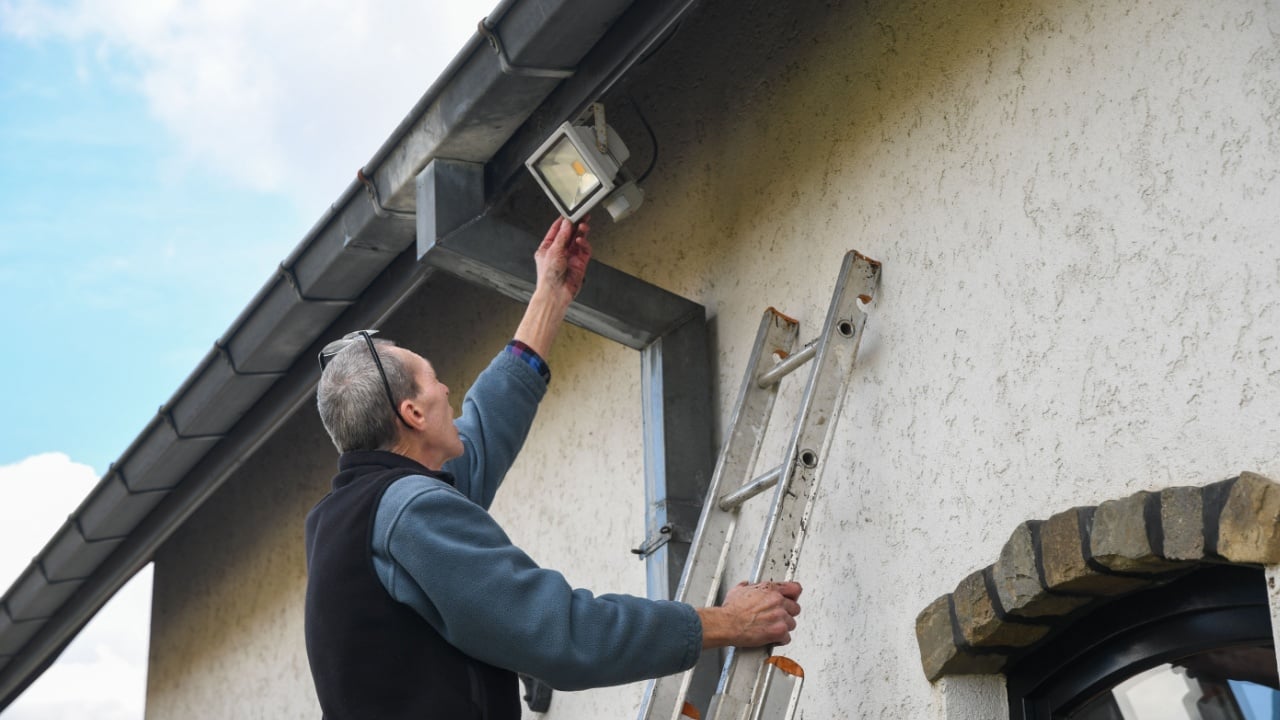
Image Credit: Shutterstock.
Darkness provides cover, and cover builds confidence. Motion lighting disrupts both instantly. If you can improve visibility through lighting, it increases surveillance and creates a Pavlovian response in those who might trespass. This principle is simple: people are less likely to act when they feel exposed. Position lights near entrances, pathways, and blind spots to remove hiding places.
The sudden activation also introduces unpredictability, which can startle intruders and force them to abandon the attempt altogether. Examples of modern choices include the super-bright AIXPI sensor light. It gives over 1,000 lumens and up to 45 feet of sensing distance. There are very few burglars bold enough to risk this kind of exposure.
6. Upgrade to Smart Locks with Access Control
-
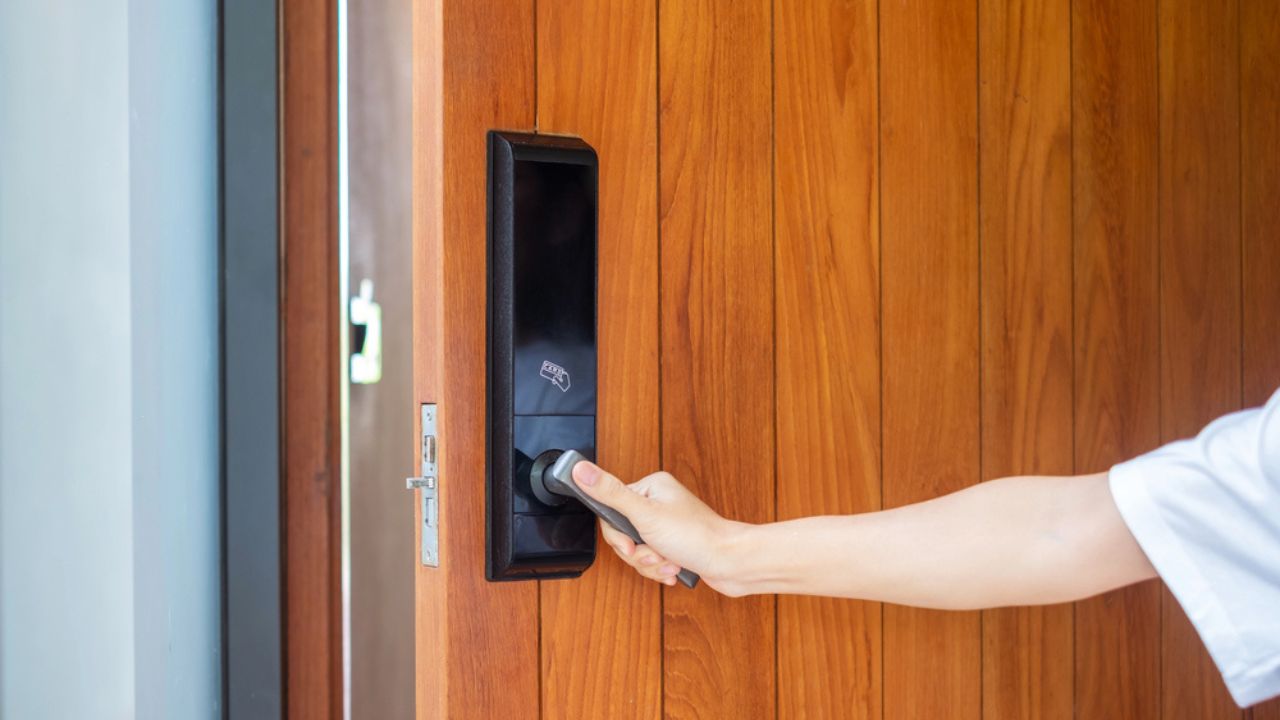
Image Credit: Deposit Photos.
Traditional locks answer a basic question: Is the door secured or not? While traditional locks may answer that question, smart locks are just one new option for finding the answer. These devices add layers of information and what’s known as “access control.”
In practice, that means tracking who enters, assigning temporary codes, and locking doors remotely when needed. This level of oversight reduces uncertainty and prevents common risks like lost or copied keys. As ADT puts it: “If you want the peace of mind and convenience to be able to check and control your door lock from anywhere … it might be time to invest in one.”
7. Create the Illusion of Occupancy
-
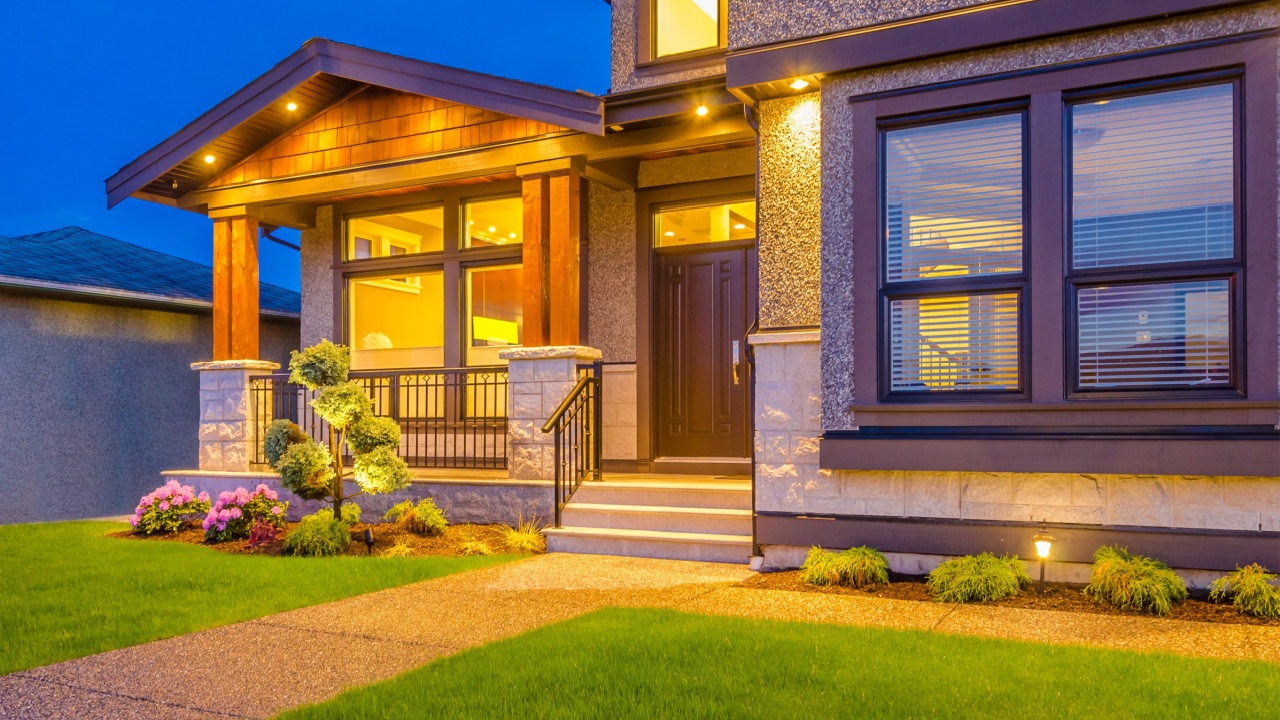
Image Credit: Shutterstock.
Empty homes attract attention; active ones create hesitation — just ask Kevin McCallister of Home Alone fame. His famous reenactment of a family Christmas party proved a worthwhile investment of time, delaying his Wet Bandits’ confrontation. In the real world, lights, scheduled devices, and ambient noise help simulate daily life when you’re away.
An Arizona State University (ASU) Center for Problem Solving study looked at this issue, and it cites data to reinforce this recommendation. “Houses that appear occupied: the lights on, a vehicle in the driveway, visible activity, or audible noises from within, are less likely to be burglarized,” it states.
Burglars often observe routines before acting, looking for predictable absences. Disrupting those patterns, even artificially, adds uncertainty. Uncertainty raises perceived risk, making your property less appealing compared to one that appears consistently unoccupied.
8. Reinforce Doors, Not Just Locks

Doors remain the most common entry point, but the weakness usually lies in the structure, not the lock. Unsurprisingly, a large share of break-ins still occur through door entry, a stat backed by ASM Integrators, which also offers a solution. “A door barrier is a great tool if you’re wondering how to secure the front door from the inside,” Simon Ruderman writes.
“Even with extreme effort, it is practically impossible to pry open the door thanks to these mechanisms that are located at its base. That extra resistance adds time, noise, and visibility: factors burglars try to avoid. Strengthening the entire door system turns a quick breach into a risky, drawn-out effort.
9. Lock Down Your Wi-Fi Network
-
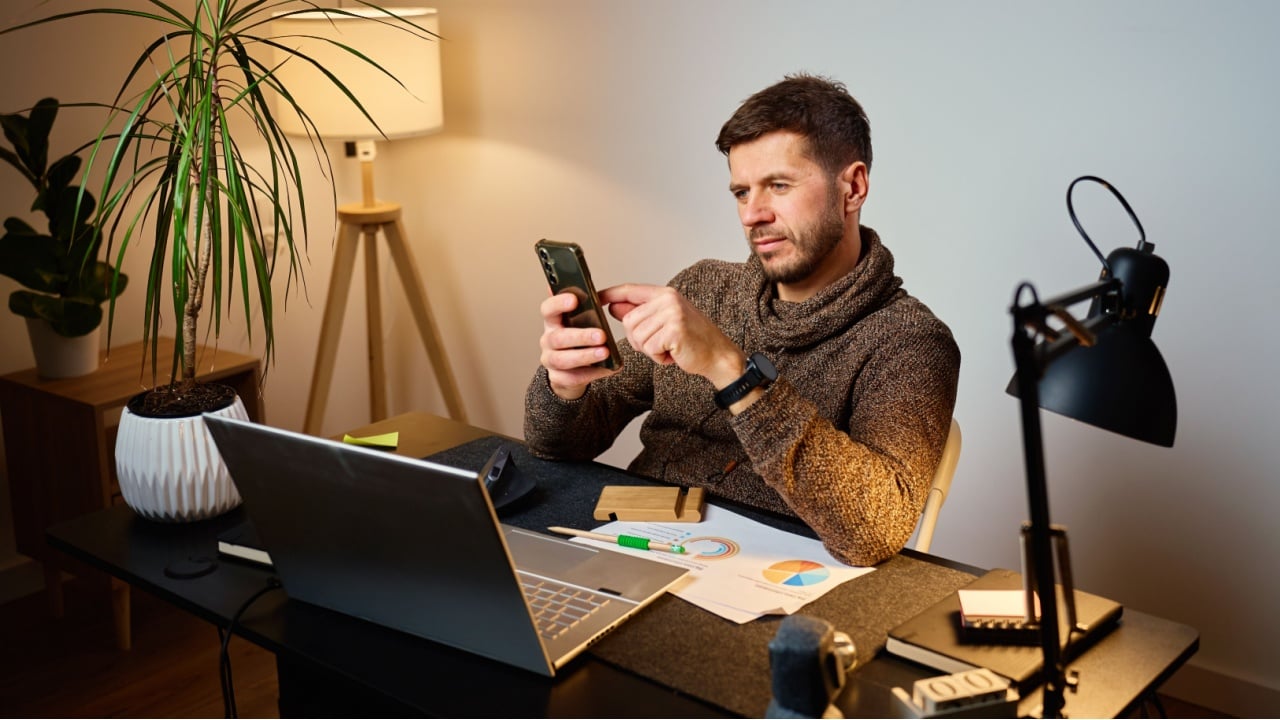
Image Credit: Shutterstock.
As we know, a smart lock can be an effective anti-burglary tool, and once you opt for a smart home system, it introduces a digital front door alongside the physical one. However, the European Union Agency for Cybersecurity (ENISA) warns about the risks involved if someone breaches your digital fortress. It recommends steps such as disabling “remote management and unnecessary services on your router.”
If compromised, attackers could access cameras, disable alerts, or gather sensitive data. Strong passwords, modern encryption, and firmware updates are essential. Segmenting devices onto separate networks will also add another layer of protection.
10. Install Obvious Security Cameras
-
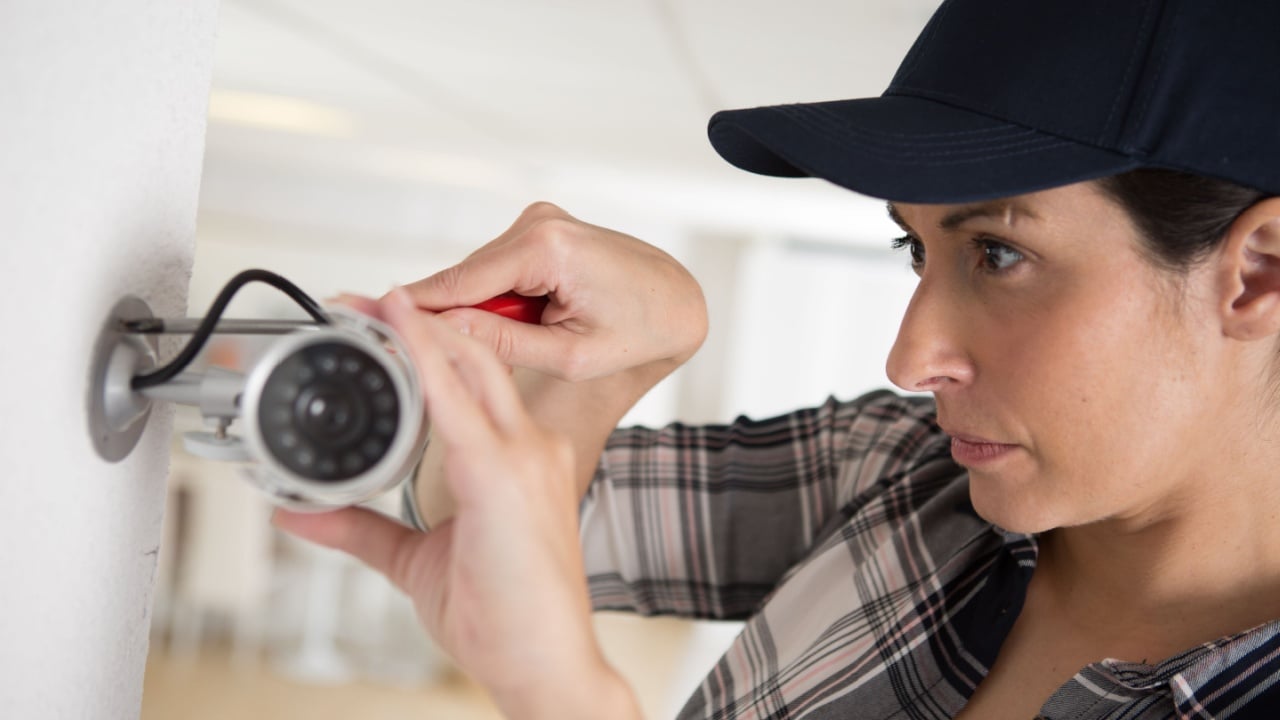
Image Credit: Shutterstock.
Being seen, or appearing to be, changes burglar behavior, and visible cameras signal risk and reduce anonymity. Cameras extend your awareness and provide evidence, but their greatest strength lies in deterrence. When positioned clearly at entry points, they communicate that any attempt will be recorded, increasing the likelihood that an intruder will simply move on.
“For potential offenders, spotting a security camera triggers an immediate risk calculation,” states the Smart Electrical Solutions page. “Suddenly, their chances of being caught and identified increase dramatically.”
11. Add a Video Doorbell for Frontline Monitoring
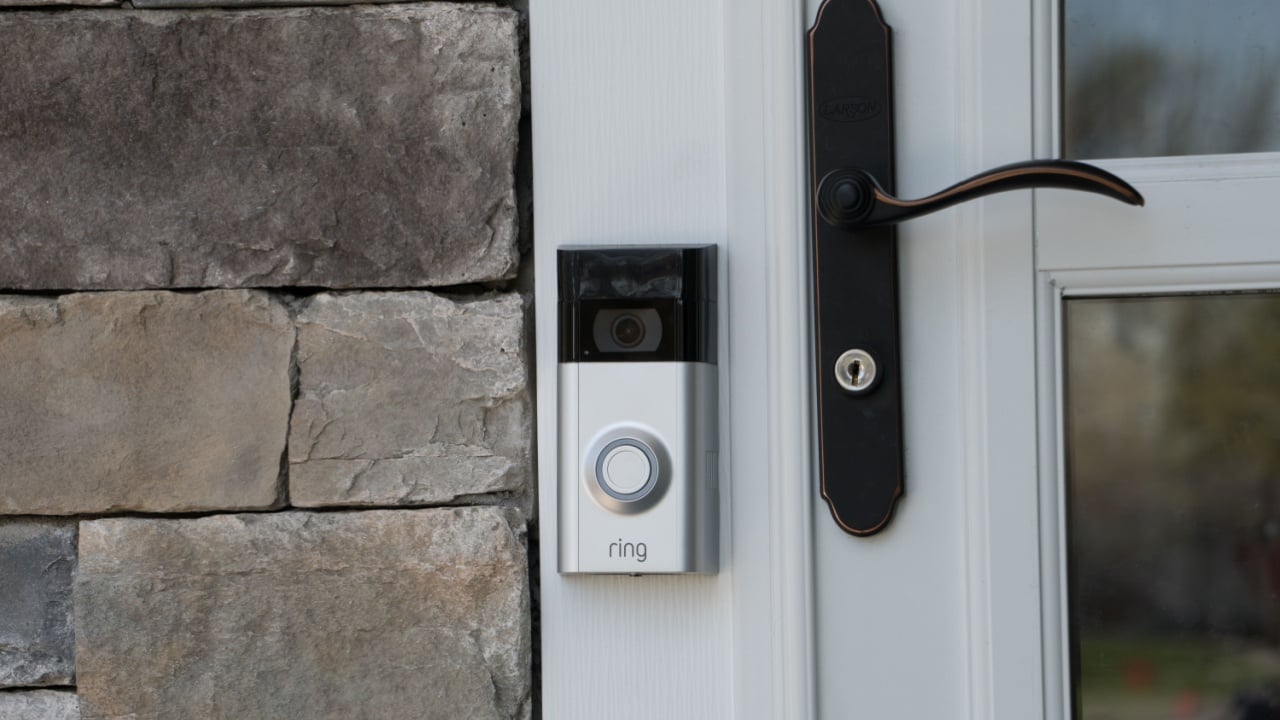
The front door is where access meets exposure, making it a critical control point. One of the great success stories of the modern era is the doorbell camera, with Ring being the U.S. market leader. A simple online search for “porch pirates” demonstrates how effective these devices can be. Brinks Home shares insight on the topic in its doorbell camera guide.
“To maximize the effectiveness of your doorbell camera, consider essential features such as video resolution, field of view, and connectivity options,” reads the guide. “Choosing a camera with high-quality video resolution and a wide field of view will allow you to capture clear footage and have a better view of your surroundings.”
Even when you’re not home, having a doorbell camera suggests presence and awareness. That perception alone can deter unwanted visitors while also giving you a clear record of activity at your most frequently used entry point.
12. Build a Habit, Not Just a System
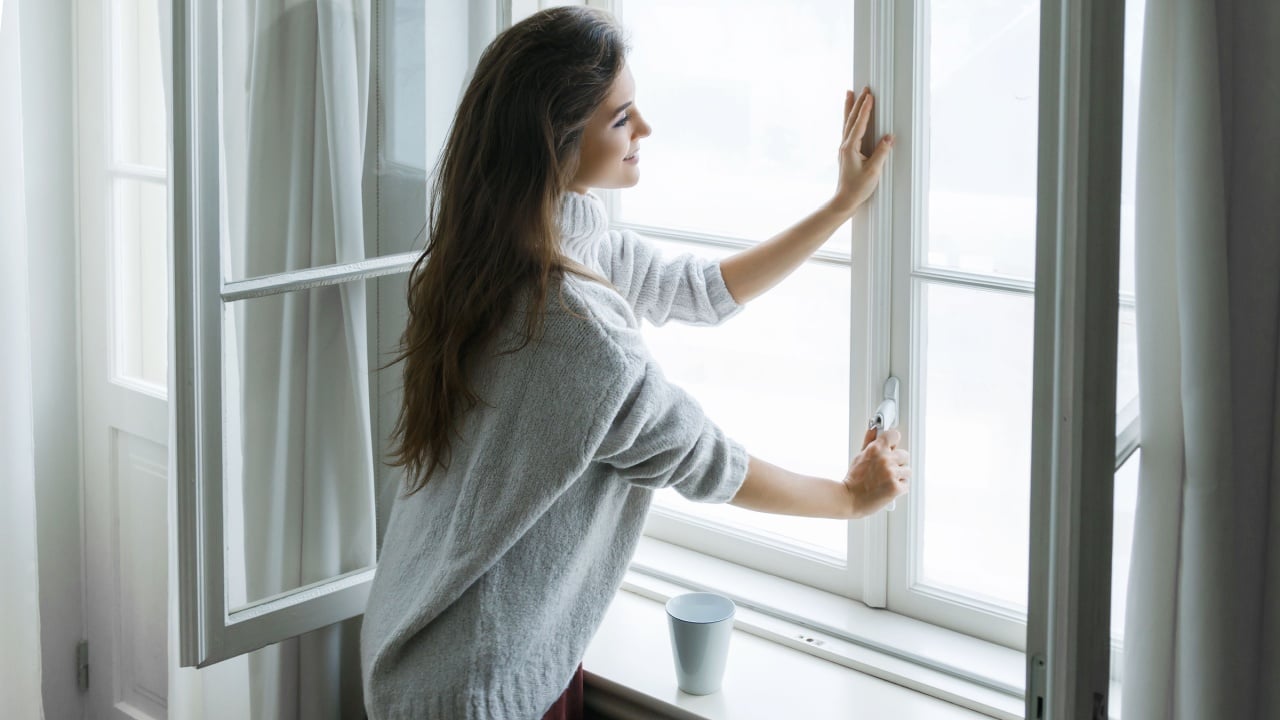
Technology can only go so far without consistent human behavior behind it. Many security failures stem from routine lapses rather than system flaws. Locking doors and windows, arming alarms, and checking alerts must become automatic habits. Over time, these behaviors form a reliable layer of defense.
CPI Security has an excellent page featuring a checklist for regular home security calibration, not least the habit of reassessing your property’s vulnerabilities. It is worth regularly inspecting “locks that are damaged, landscaping that needs to be trimmed, or lightbulbs and batteries that need to be replaced.”
In the end, consistency often proves more valuable than complexity when it comes to keeping a home secure.
Read More
12 Warning Signs Your Plumbing Needs Replacing Immediately
The 12 Biggest Regrets Homeowners Have After Buying a Property