12 Flowers to Sow in April for a Summer Full of Blooms
Most gardeners spend April wandering the nursery aisles, picking up potted plants that are already in bloom, and paying five to ten times what it would cost to grow the same flowers from seed.
Here is the thing: the flowers that will make your summer garden genuinely spectacular are the ones you start yourself, right now, from a seed packet that costs less than a cup of coffee.
April is the most important month on the gardening calendar for summer blooms. The window is open. The soil is warming. And a single afternoon of sowing this month can fill your yard and your vases from June straight through to the first frost.
Why April Sowings Are Worth Every Minute
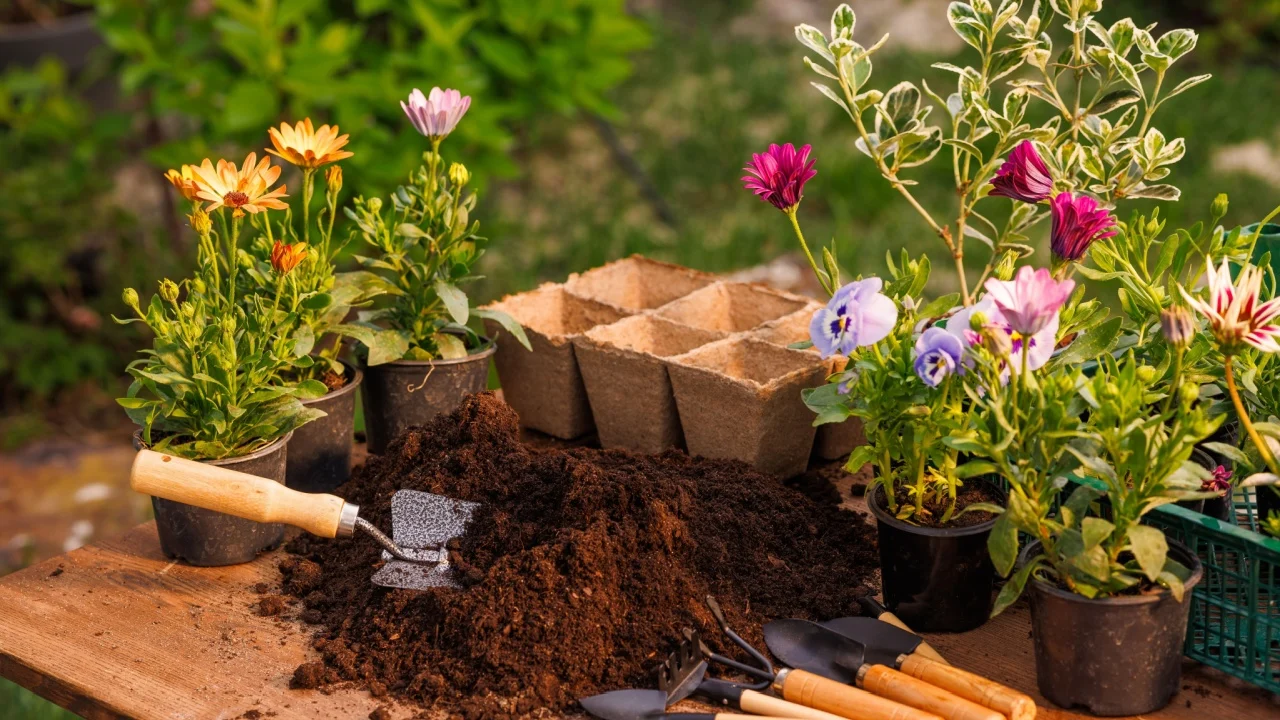
Most of the flowers on this list will reach full bloom in 8 to 12 weeks, which means June and July color from seeds you sow this weekend. Better still, several of them self-seed so aggressively that they will come back on their own year after year, making your initial investment of time and a few dollars in seeds pay dividends for seasons to come.
As the Royal Horticultural Society advises, the best strategy for summer cut flowers is to sow in April and plan for succession, so you always have something coming into bloom as something else fades.
1. Zinnias
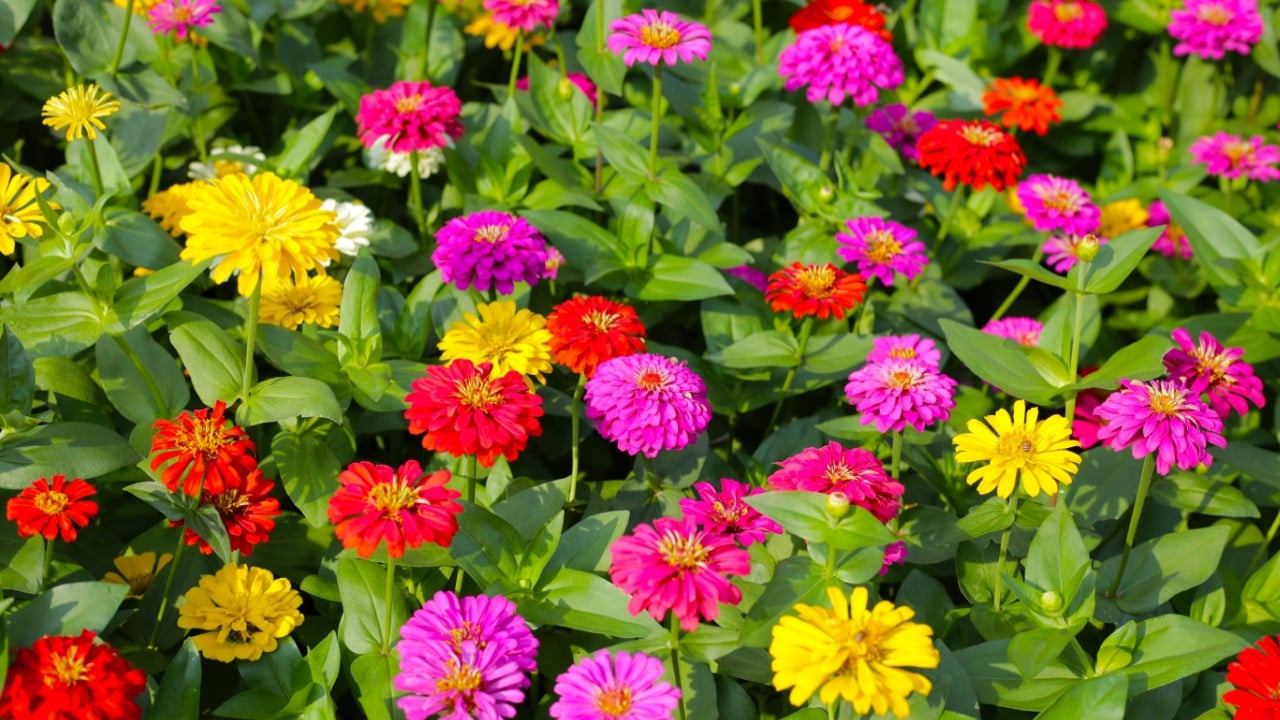
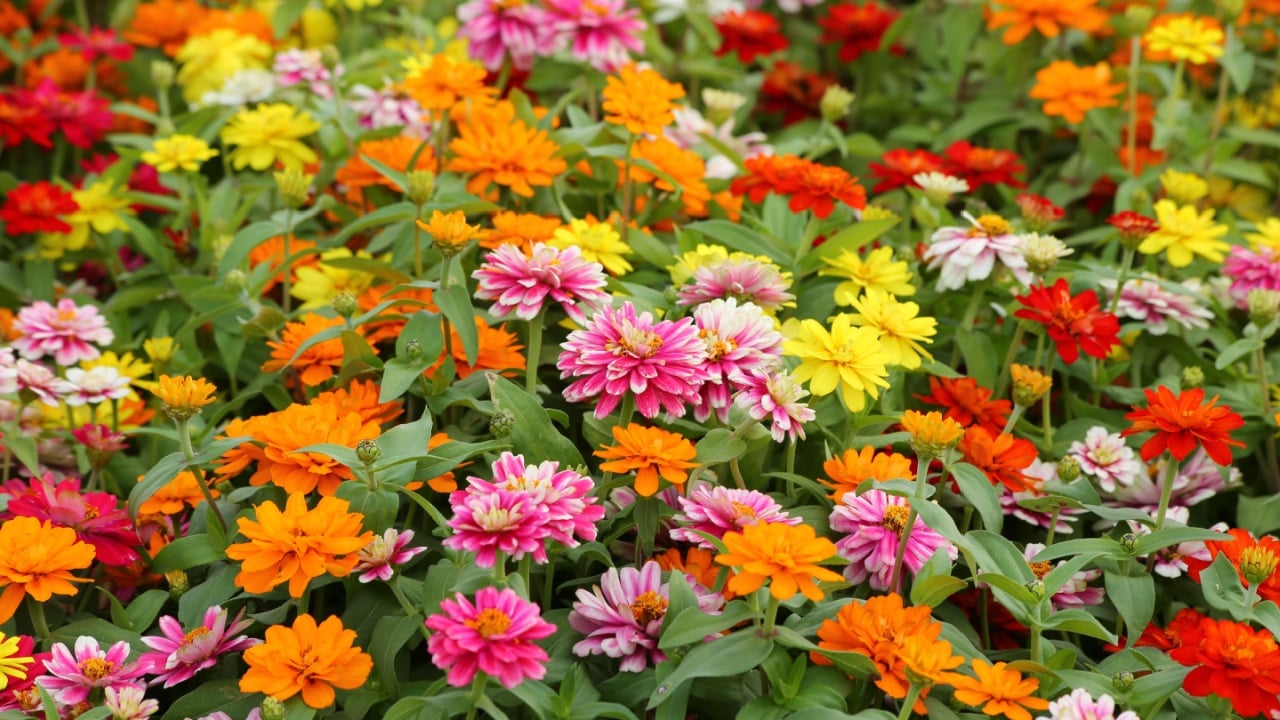
Zinnias are the undisputed champion of beginner flower gardening. Direct sow them once nighttime temperatures are consistently above 50°F, and they will explode into bloom within 8 weeks. NC State University’s College of Agriculture and Life Sciences calls them one of the simplest flowers to grow for all-summer color, noting their impressive regrowth after deadheading.
One caution is that zinnias hate root disturbance, so sow directly into the bed or use biodegradable pots if starting indoors.
2. Nasturtiums
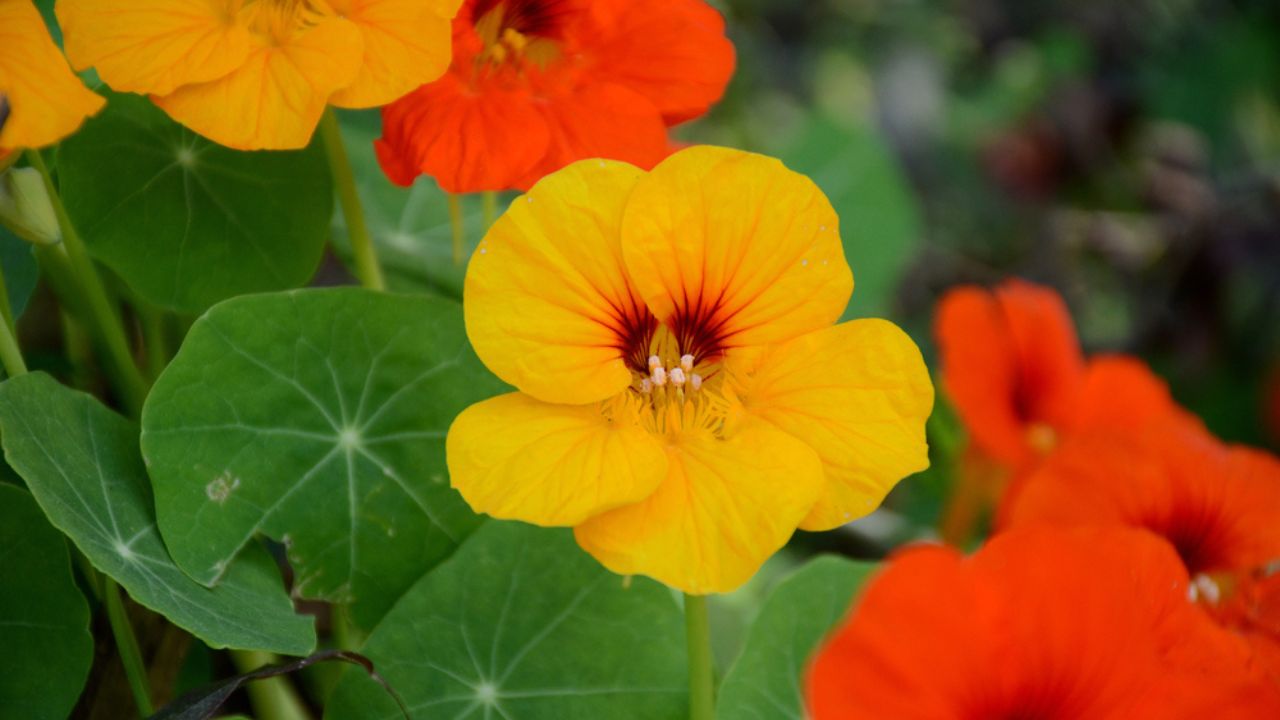
Nasturtiums are one of the great dual-purpose plants in any garden. Their peppery flowers are fully edible, and their scent actively deters aphids and whiteflies from nearby vegetables. Direct sow them right where you want them to grow; they despise transplanting.
Within weeks, you will have a low, sprawling carpet of jewel-toned blooms in orange, gold, and red.
3. Marigolds
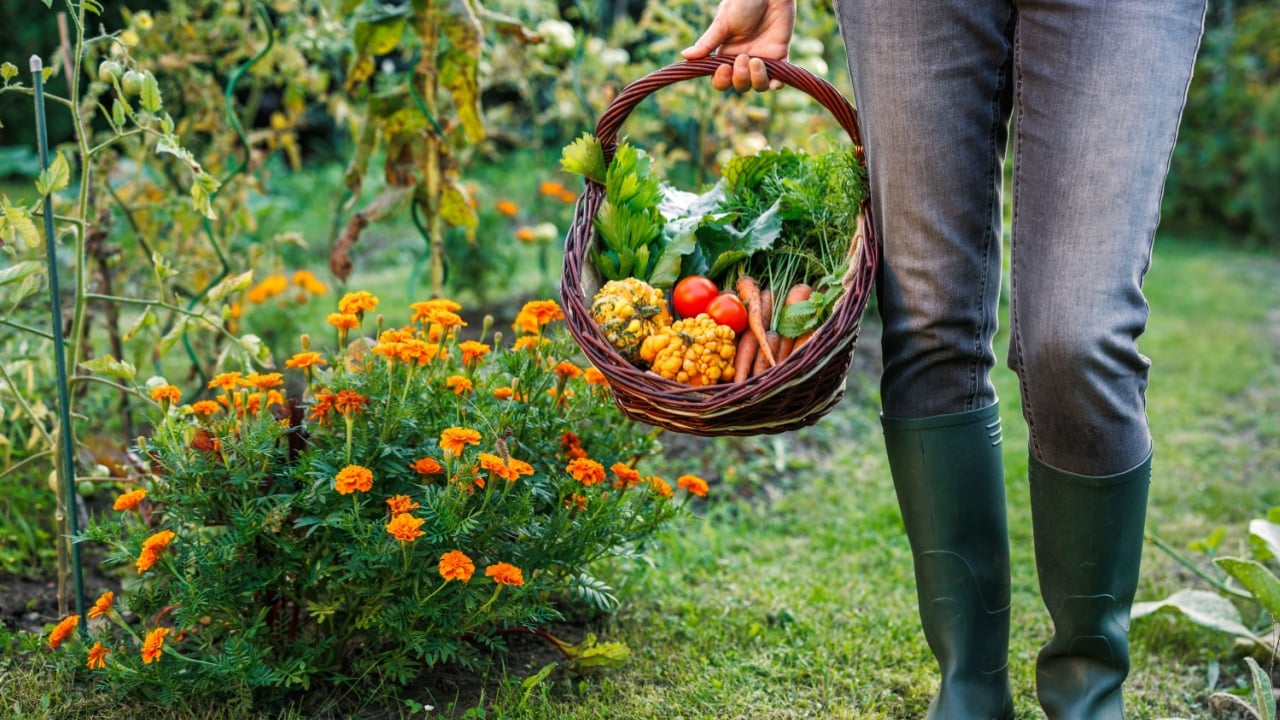
Few flowers have earned their place in the garden more thoroughly than the marigold. French marigolds in particular release a scent from their roots that repels soil nematodes, making them brilliant companions for tomatoes and peppers.
Gardening Know How notes that growing marigolds is straightforward; seeds are nearly surface-sown with just a dusting of soil over them, and transplants thrive once hardened off.
4. Bachelor Buttons (Cornflowers)
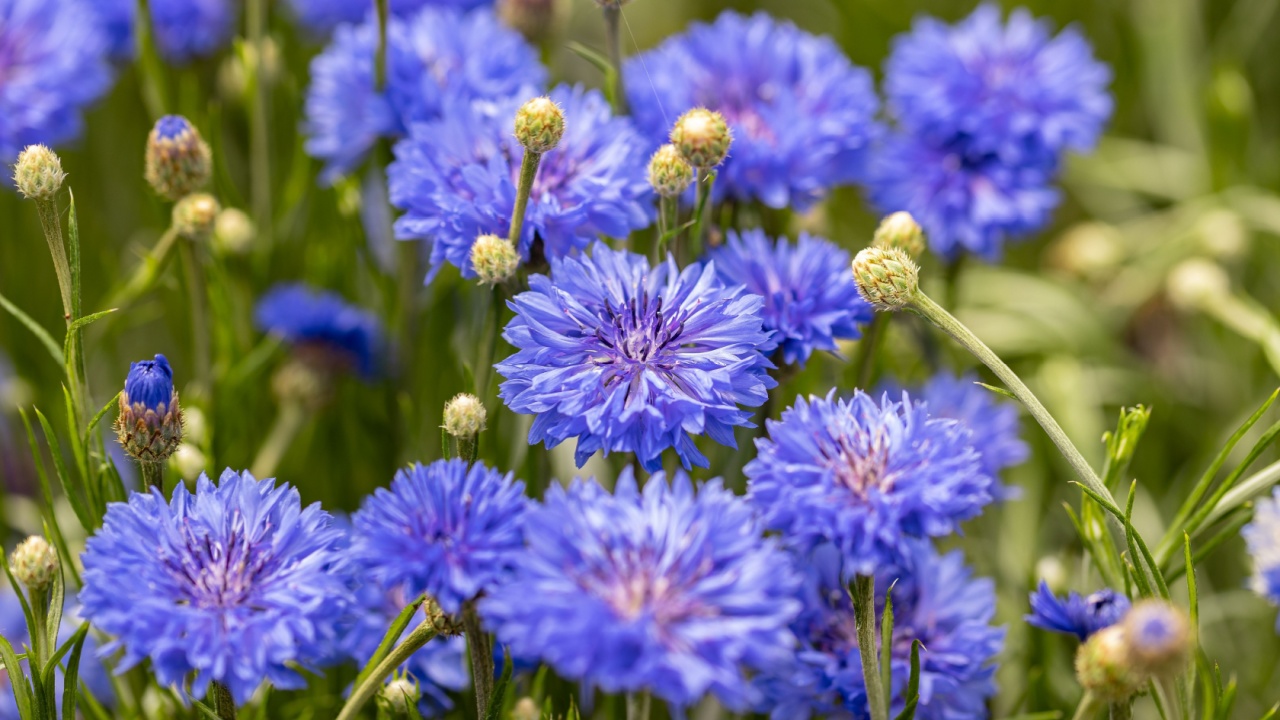
Bachelor buttons germinate in as little as seven days when soil temperatures hit 60°F, making them one of the fastest-turnaround flowers you can grow from seed. They are hardy annuals that will withstand a spring frost, reseed themselves readily, and come back year after year without any effort on your part.
Direct sow them into a sunny, prepared bed and step back.
5. Snapdragons
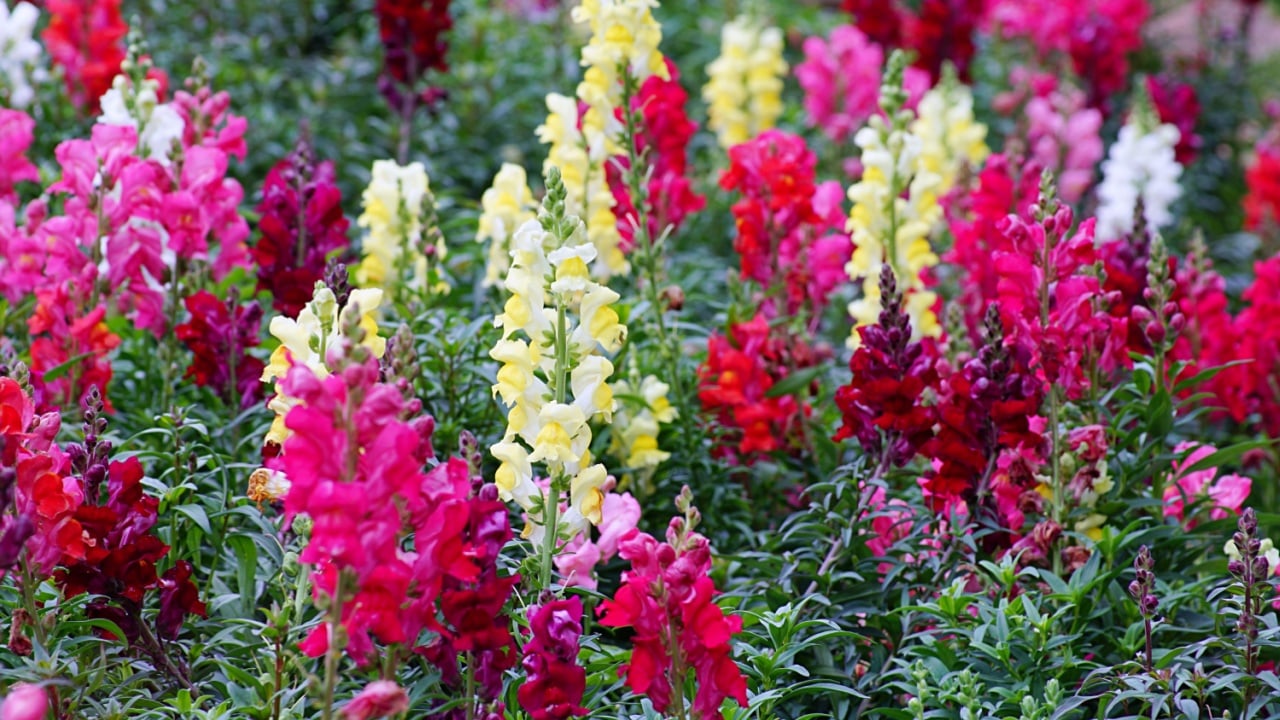
Snapdragons are consistently underestimated. Most gardeners think of them as a brief spring fling, but they are frost-tolerant enough to go in the ground weeks before your final frost date, and they bloom well into summer.
Rebecca Sears, gardening expert and CMO at Ferry-Morse, describes them in Real Simple as bringing “vertical interest and vibrant color to flower beds and cut gardens” and notes they are “especially attractive to pollinators”. Their tall stems make them perfect for arrangements.
6. Sweet Peas
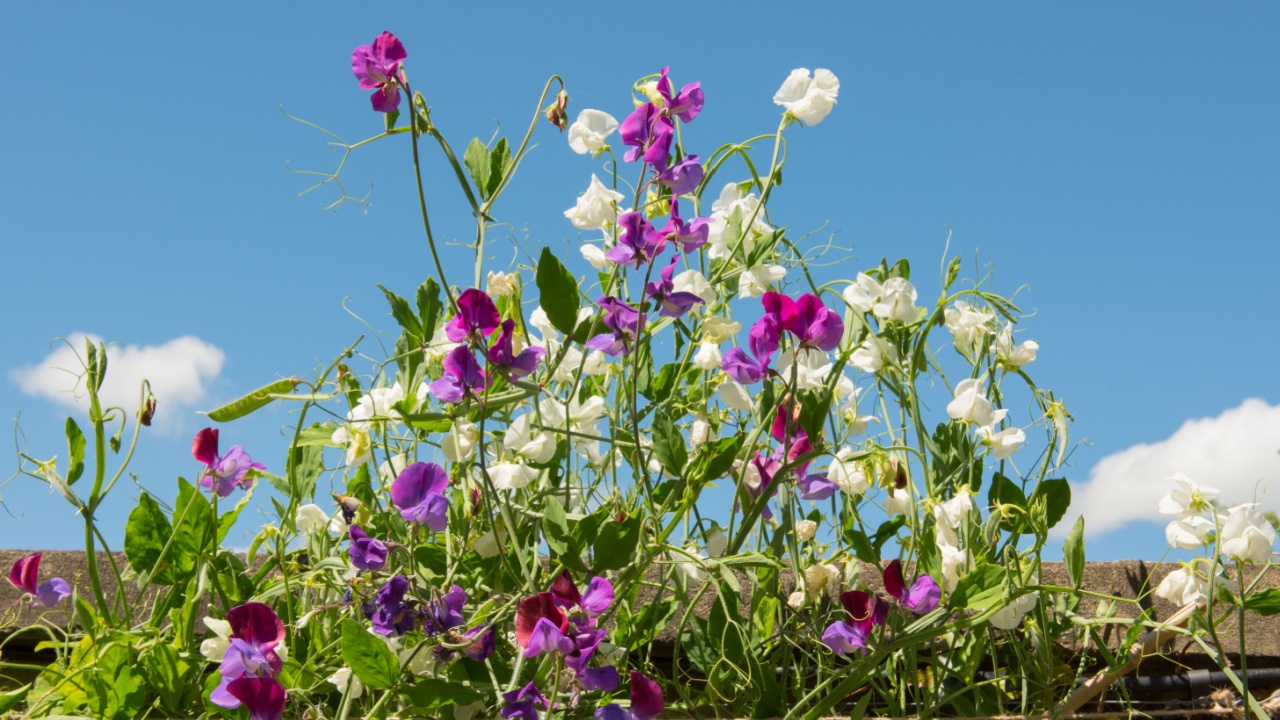
Sweet peas may be the most romantic flower you can grow from seed. Andrew Bunting, vice president of horticulture at the Pennsylvania Horticultural Society, notes in Real Simple that their stems can be cut and made into arrangements or used as cut flowers for the home, adding that they thrive in cool weather and make a perfect choice for spring planting.
Sow them in April, give them something to climb, and they will reward you with fragrant, ruffled blooms in shades of pink, purple, and white.
7. Scabious (Pincushion Flower)
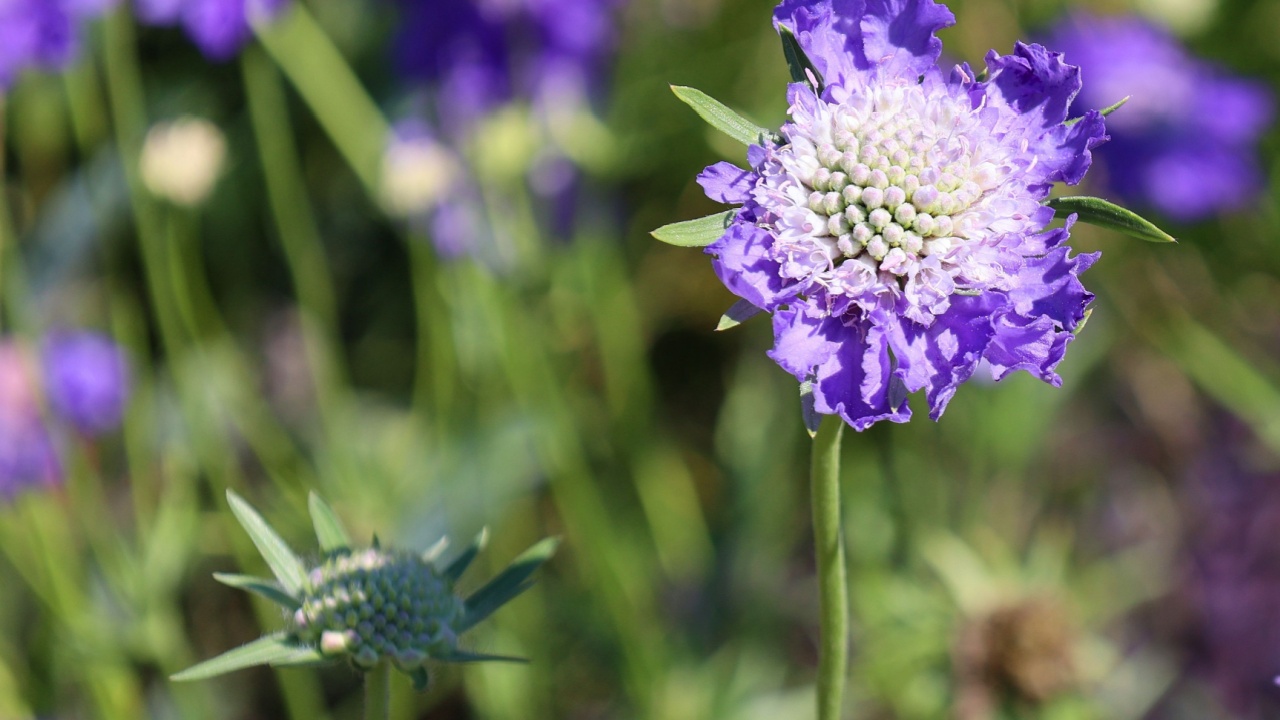
Scabious is a florist’s favorite that home gardeners routinely overlook. Its long stems are topped with circular, pin-cushion-shaped flower heads in lilac, purple, and dusky rose, and it has one of the longest vase lives of any garden flower.
Homes and Gardens notes it begins blooming within 10 to 12 weeks of sowing, with seeds direct-sown into well-prepared soil. Sow it in April, and you will be cutting it by late June.
8. Baby’s Breath (Gypsophila)

Every florist uses baby’s breath, but almost no home gardener grows it, which is a genuine shame, because it is effortless. Sow seeds directly into their permanent position once soil temperature reaches 70°F, as gypsophila strongly dislikes root disturbance. Homes and Gardens recommends succession plantings every few weeks to extend the cutting season well into fall. It also dries beautifully, making it one of the most versatile flowers you can sow this April.
9. Coneflowers (Echinacea)
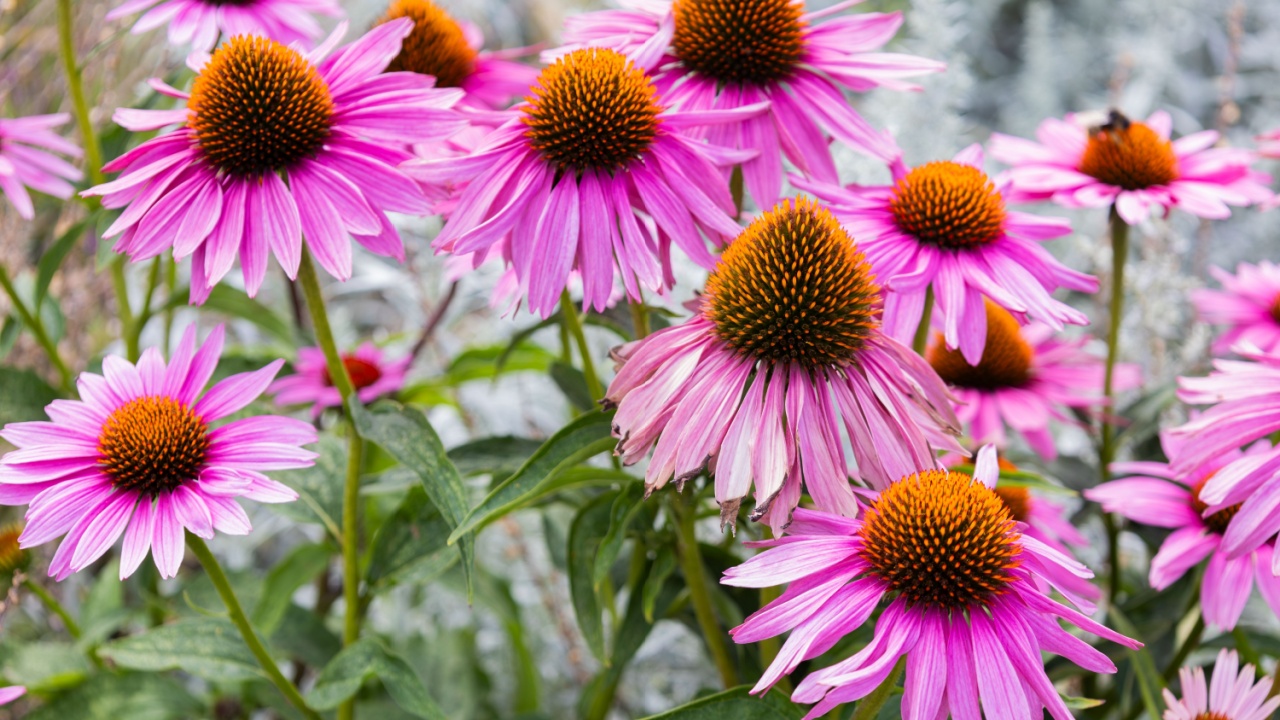
Echinacea is the gateway perennial; the first plant that convinces new gardeners they are capable of growing something that comes back every year. These herbaceous perennials are a perfect choice for a pollinator garden and are easily propagated by division or seed, blooming for several months in summer according to NC State’s CALS program.
Expect germination in 10 to 20 days from seed, and blooms in the first year if started early enough.
10. Black-Eyed Susans (Rudbeckia)
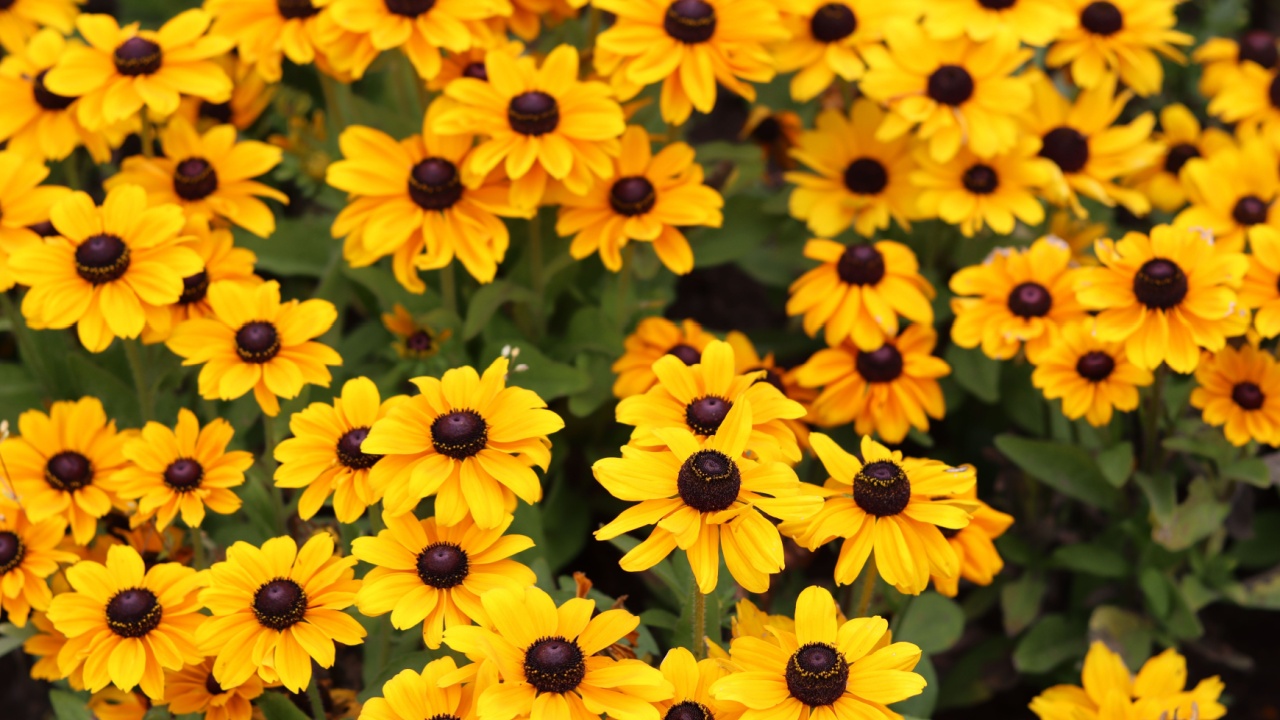
Black-eyed Susans are one of the garden world’s great overachievers. Technically short-lived perennials, they self-seed so aggressively that they function as permanent garden fixtures; blooming faithfully through summer and well into fall with their iconic gold-and-black flowers.
NC State CALS notes that they can be planted in early spring by seed and will reliably return in the following years through self-seeding. Plant them once in April and consider them a permanent fixture.
11. Sunflowers
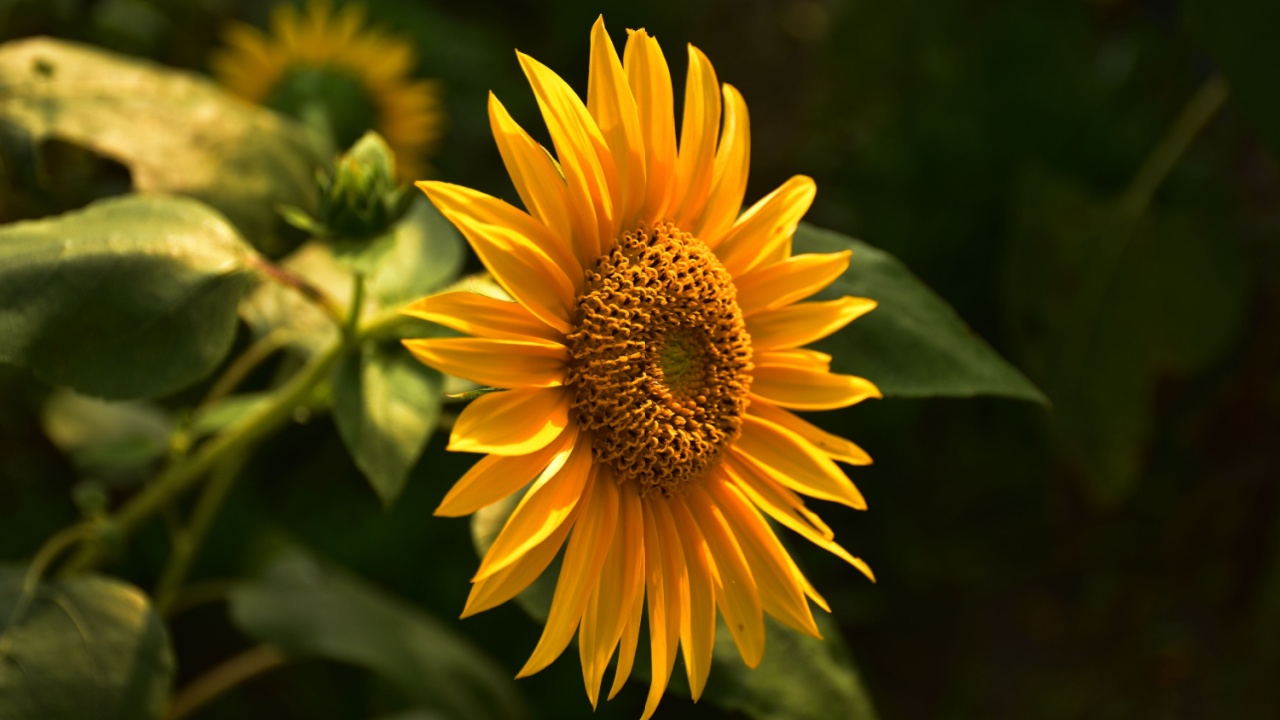
There is nothing subtle about a sunflower, and that is exactly the point. Germination is rapid even in cool soil, and most zones can sow sunflowers directly outdoors in April. Gardening Know How describes them as plant-and-forget for the most part, needing little attention once in the ground as long as there is spring rainfall.
Sow a short row every two weeks through early May, and you will have a revolving display of those great, cheery heads all summer long.
12. Dahlias
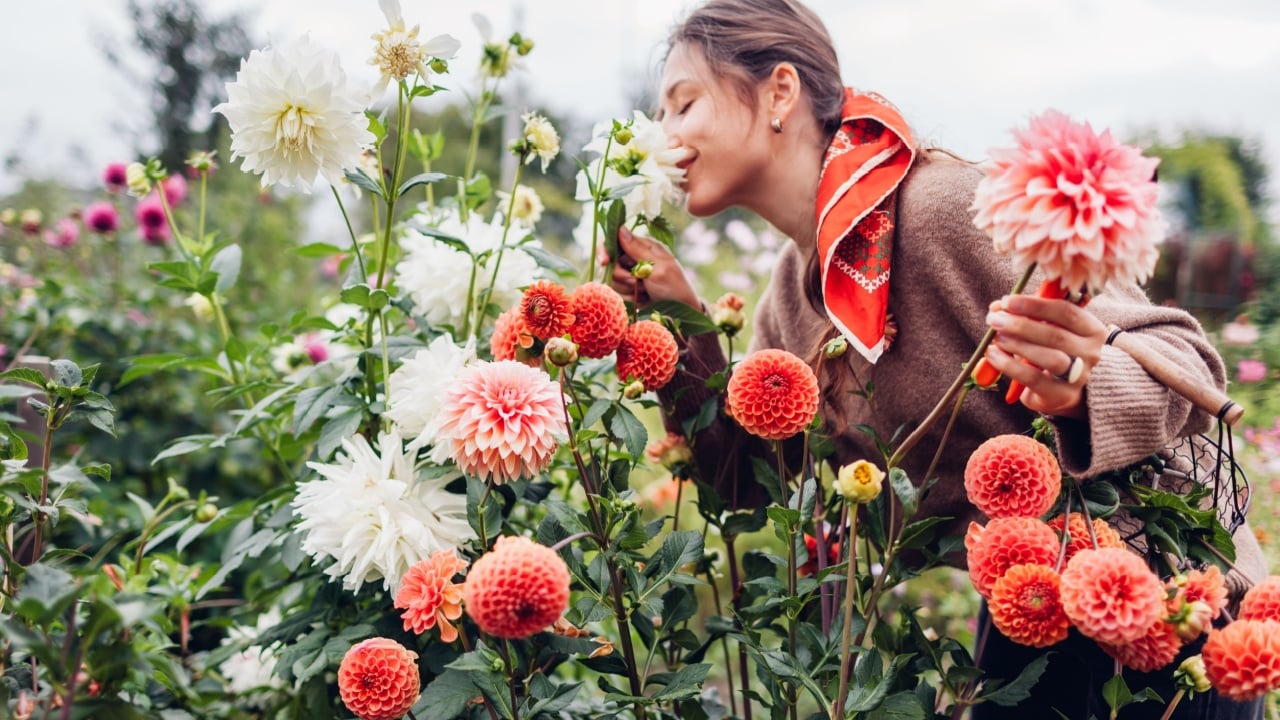
Dahlias grow from tubers rather than seeds, and April is the moment to get them in the ground. Like potatoes, dahlia tubers root and grow best in warming spring soil, and by midsummer, they produce dinner-plate-sized blooms in nearly every color imaginable.
Epic Gardening notes that while dahlias require more work than some other plants, they are absolutely worth the effort for a cutting garden. Plant tubers in full sun and water consistently once shoots appear.
The One Design Rule That Changes Everything

You can sow every flower on this list and still end up with a garden that looks scattered and accidental, if you plant in singles. The single most important thing experienced gardeners do differently is plant in groups of three, five, or seven. Dotting one marigold here and one zinnia there creates a garden that looks like an afterthought. Planting seven of the same variety together creates a sweep of color that looks intentional and beautiful.
Add at least one foliage plant, such as an ornamental grass, a fern, or even a sprawling nasturtium, to each grouping. Green anchors color. It is the detail that makes the difference between a garden that looks designed and one that just looks busy.
You Don’t Have to Do It All at Once
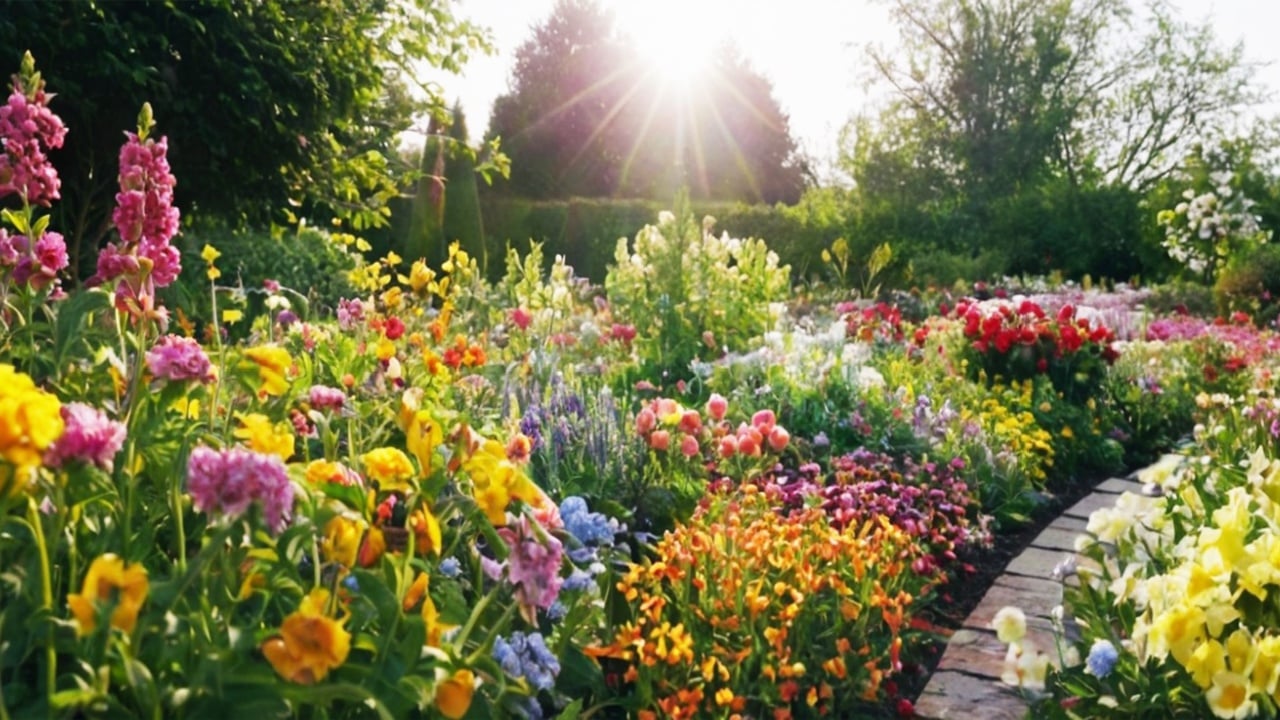
The best flower gardens are not planted in a single burst of enthusiasm. They are built through staggered sowings every two weeks from April through early June. Sow a small batch of zinnias this weekend. In two weeks, sow another batch plus some sunflowers. In two more weeks, add a succession of baby’s breath and scabious. The result is an unbroken chain of blooms from June through September rather than one glorious week followed by bare stems.
And if you think you have already missed the ideal April window? You almost certainly have not. Most of the annual flowers on this list are forgiving of a late start. The only urgency is this: every week you wait is a week you will not have flowers in your vase. Start now.
The Garden Is Ready When You Are
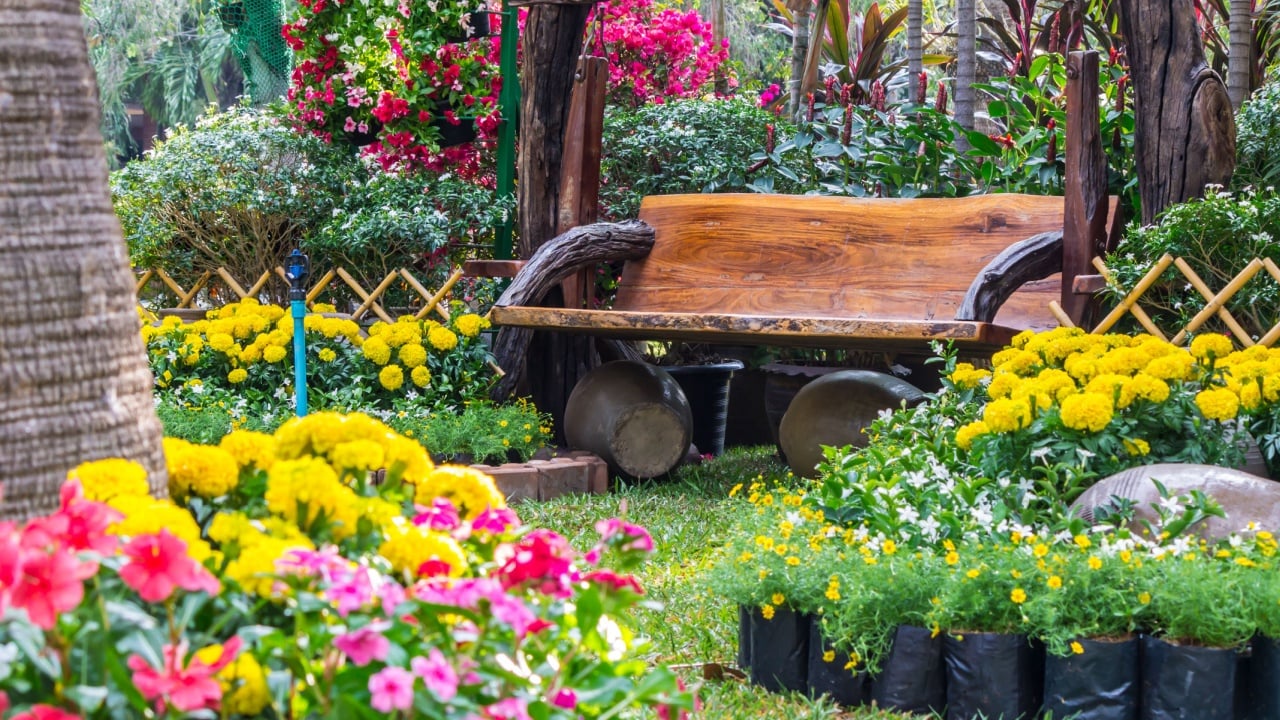
The flowers on this list will do most of the work themselves. They germinate readily, bloom generously, and many of them will scatter their own seeds at season’s end, returning next spring without any help from you. All they need is a little soil preparation, a sunny spot, and the decision to begin.
April is the month the garden calendar points to as the starting line. The seed packets are affordable. The sowing takes an afternoon. And somewhere around the middle of June, when you cut your first zinnia and put it in a jar on the kitchen table, you will understand what all the fuss was about.
Read More
Plant these 10 companion plants with your tomatoes — and stop planting these 4
13 Plants That Grow Better (and Faster) Hydroponically — and Why March Is the Perfect Time to Startnbsp