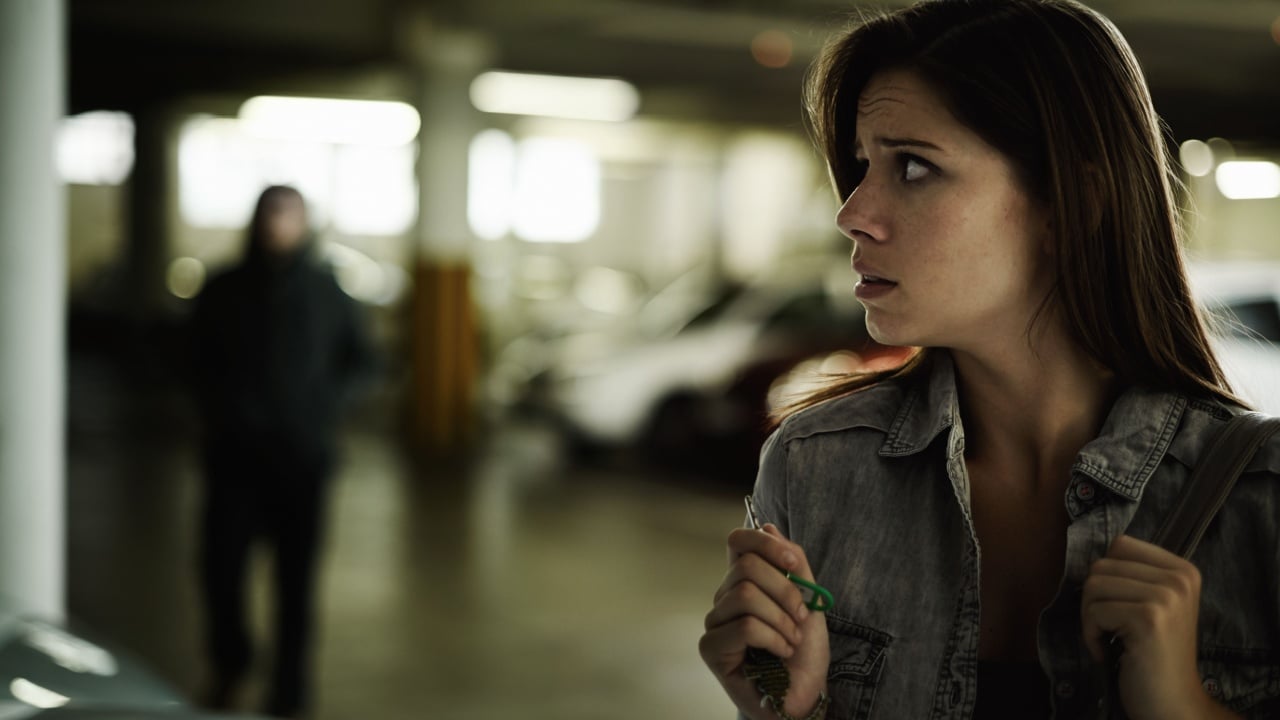
12 Subtle Signals You’re Being Watched
It’s a pretty eerie feeling when the hair on the back of your neck stands up, and you just know someone’s eyes are on you. That’s not just your imagination playing tricks; it’s an old-school survival instinct that’s stayed sharp even in the age of smartphones.
While we’d all love to think our neighbors are just being friendly, sometimes that “lingering gaze” is actually someone being way too nosy. Knowing the difference between a weird coincidence and actual surveillance is key to getting your peace of mind back.
Here’s a breakdown of twelve signs that someone might be keeping tabs on you, along with some low-stress ways to handle it.
1. Frequent Sightings of the Same Vehicle

If you keep spotting the same car in your rearview mirror after multiple turns, or notice it parked near your home again and again, it’s worth paying attention. One or two coincidences happen, but a third time starts to feel like a pattern. People trying to stay unnoticed usually opt for common car models, so the real clues are in the small details, such as a dent, a sticker, or even a part of the license plate.
It’s best not to react in a way that shows you’ve noticed. Just quietly keep track of what you see. If something feels off while driving, head toward a busy place like a grocery store or even a police station. If the car follows you into a crowded, well-lit area, it’s a strong sign they are not there by chance, and most people won’t stick around once things get public.
2. Strange Wi-Fi Network Names

Sometimes digital snooping shows up in small ways, like unusual Wi-Fi names on your phone. If a new network appears with a strong signal and a strange name, especially something technical or oddly specific, it might be worth a closer look. In some cases, people use directional antennas to focus signals toward a nearby house.
You can use a simple network scanner app to see what is active around you. If a signal is strongest near a shared wall, that can give you a clue about its source. As a basic precaution, make sure your own Wi-Fi is well secured with a strong password. Some people also use window film to limit signal leakage, which can add another layer of privacy.
3. The Unexplained Delivery Van

A plain van parked for a long time without any clear activity can stand out, especially if no one seems to come or go. These vehicles can sometimes be used as observation points, allowing someone to sit inside without being noticed. If no company marking and no actual work is happening, it raises questions.
Look for subtle signs like the engine running or slight movement inside. If you are unsure, you could check whether any official work is scheduled in your area. Even walking past while talking on your phone can make it clear you are aware, which is often enough to make someone leave if they were hoping to stay unnoticed.
4. Footprints or Disturbed Landscaping

Your yard can tell you a lot if you know what to look for. If you find flattened grass right under your windows or mulch that’s been kicked around, someone has likely been standing exactly where they shouldn’t be. These physical “receipts” are usually left at night when people feel bold enough to creep close to the glass. It’s a huge invasion of privacy, but it’s also a clear physical trail you can use to protect yourself.
The best fix here is a bit of “defensive gardening.” Planting something thorny, like rose bushes or holly, under your windows makes it a painful experience for anyone trying to get a close-up. Adding motion-sensor lights is also a total mood-killer for a prowler. If you find deep footprints or signs of a struggle with the bushes, snap some photos; they’re great evidence if you ever need to involve the authorities later.
5. Repeated Wrong Number Calls

If your phone is blowing up with unknown numbers that just hang up the second you say hello, someone might be “pinging” you to see if you’re home. It’s a common tactic for stalkers or even burglars to figure out your daily routine. By logging when you answer and when you don’t, they can build a pretty accurate map of when the house is empty or when you’re distracted.
The best move is to stop giving them what they want. Avoid saying your name when you pick up a weird number, or better yet, let it go to voicemail. Use a call-blocking app to filter out the noise and keep a simple log of when these calls happen. If the “silent treatment” always starts five minutes after you pull out of your driveway for work, you know someone is watching your exits and entries.
6. Reflections in Windows or Mirrors

Light can give away more than people expect. A quick flash or reflection from a window, a parked car, or even a distant spot can sometimes be sunlight catching a lens. Cameras and binoculars need a clear line of sight, and that can create small but noticeable glints.
Using sheer curtains during the day helps maintain privacy without blocking light. At night, a flashlight scan across nearby areas can sometimes reveal reflective surfaces. If you ever suspect a camera aimed directly into your space, it may be worth checking local laws or seeking advice.
7. Mail or Trash Tampering
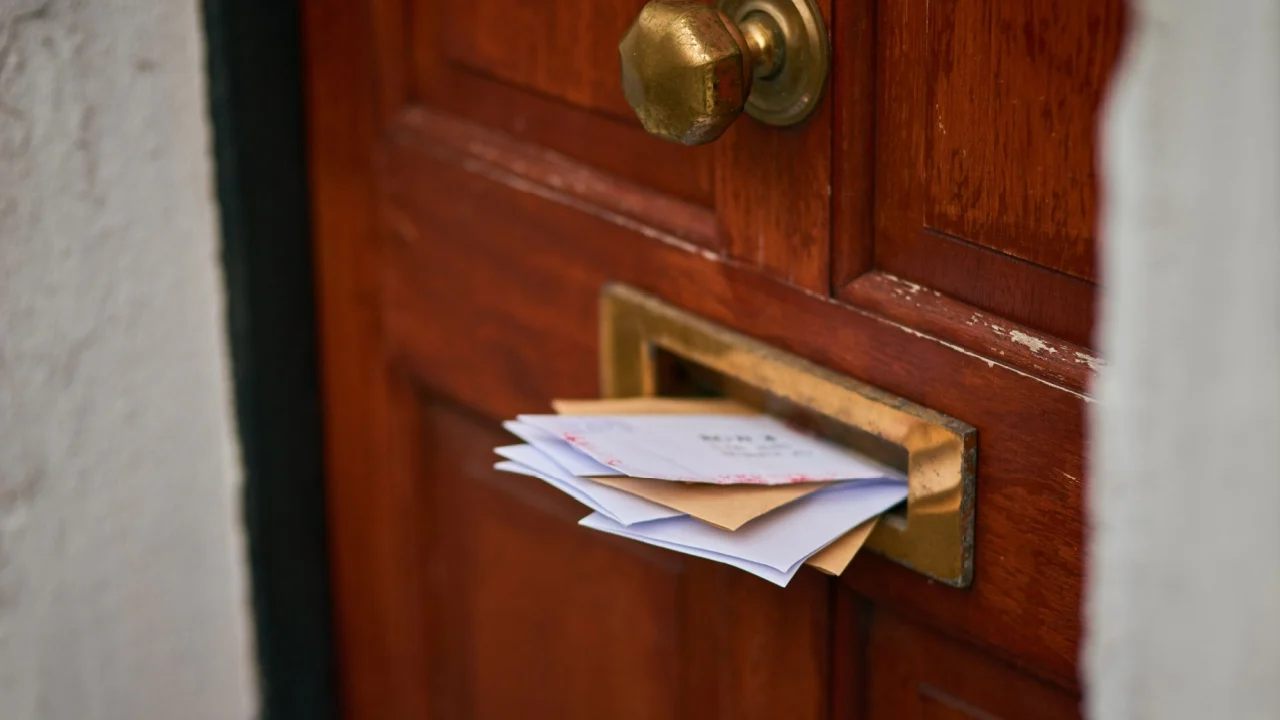
If your trash looks disturbed or your mailbox seems handled, it could mean someone is trying to gather information. Discarded papers can reveal more than people realize, from personal details to daily habits.
A simple fix is to shred anything with personal information before throwing it away. A locking mailbox also helps prevent unwanted access. These small steps make it much harder for anyone to collect useful details.
8. Excessive Neighborly “Accidents”

We all have that one neighbor who’s a bit chatty, but if someone is always outside the exact moment you open your front door, it’s probably not a coincidence. Whether they’re suddenly watering a dead lawn or checking the mail for the fourth time, they’re likely using these “random” encounters to track your movements. It’s a way to monitor you while keeping a “friendly” cover story ready.
Try switching things up to see if they’re really following your lead. Leave through the garage instead of the front door, or head out ten minutes earlier than usual. If they miraculously appear at the new time, too, you’ve confirmed they’re watching. Keeping things polite but short (basically “gray rocking” them) prevents them from digging for more info during these forced conversations.
9. Social Media Interaction with Strangers

If unfamiliar accounts start commenting with oddly specific details about your day, it can feel unsettling. Sometimes online attention connects to real-world observation, especially when posts reveal locations or routines.
Take a second to audit your privacy settings and lock things down to “friends only.” A big rule of thumb is to wait until you’ve actually left a place before you post about it. By creating a time lag, you make it impossible for someone to use your social media as a real-time GPS for your life. It keeps the mystery alive and keeps you a lot safer.
10. Unexpected Gifts or Notes
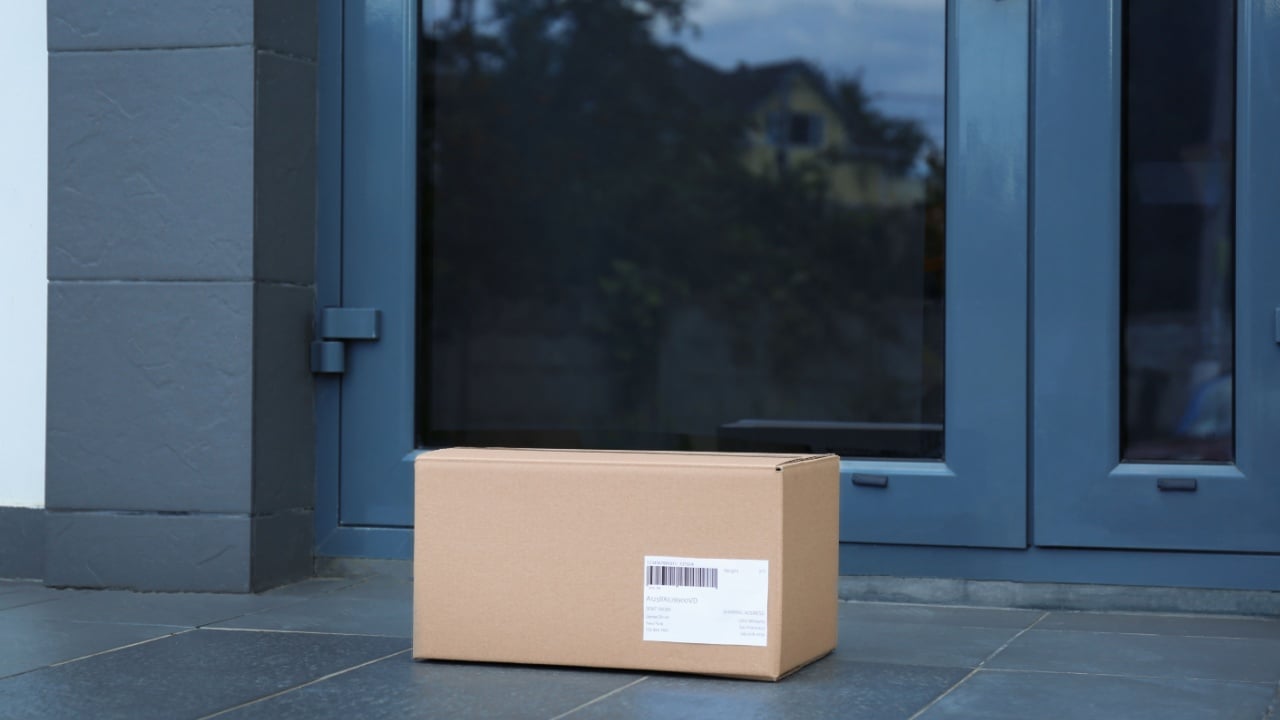
Finding a “gift” or a weird note on your doorstep or tucked under your windshield wiper is a major boundary crossing. These items are often “tests” to see how you’ll react or to let you know that they were able to get close to your personal space. If a note mentions something specific about your day, it’s a direct confession that they’re observing you.
Take a photo of it where it sits for documentation, and then get rid of it. Bringing these things into your house can actually make you feel more anxious. If you can, install a doorbell camera; having a clear video of the person actually leaving the item is the “smoking gun” you need if you ever have to file for a restraining order.
11. Unusual Interference with Electronics
Hidden cameras and “bugs” aren’t just for spy movies; they’re cheap and easy to buy online. These devices often run on frequencies that can mess with your other tech. If you notice a weird buzzing during your phone calls or your TV screen gets staticky when you walk into a specific corner of the room, there might be a transmitting device nearby. It’s a subtle sign, but one that’s hard to ignore once you notice it.
To investigate, turn off all your own electronics and walk through the house in total silence. Listen for a faint electronic hum or look for tiny, out-of-place lights in things like smoke detectors, clocks, or USB chargers. You can even buy a basic “bug detector” online to sweep for signals. If you actually find a hidden device, don’t touch it. Call a pro so they can help you preserve any evidence like fingerprints.
12. Changes in Pet Behavior

Your dog or cat is basically a living security system with way better senses than yours. If your normally chill dog starts growling at a specific spot on the fence, or your cat won’t stop staring at a dark corner of the yard, they’re likely picking up on a “human” presence you can’t see yet. Pets can hear the crunch of a footstep or the rustle of clothes long before we do.
Pay attention to where they’re pointing their ears. If they’re agitated, use it as a cue to flip on the outdoor lights or check your camera feed. Trusting your pet’s gut feeling can give you the extra few seconds you need to spot someone before they realize they’ve been “made.” It’s one of the best perks of having a furry roommate; they’ve always got your back.
Stay Sharp, Take Back Control
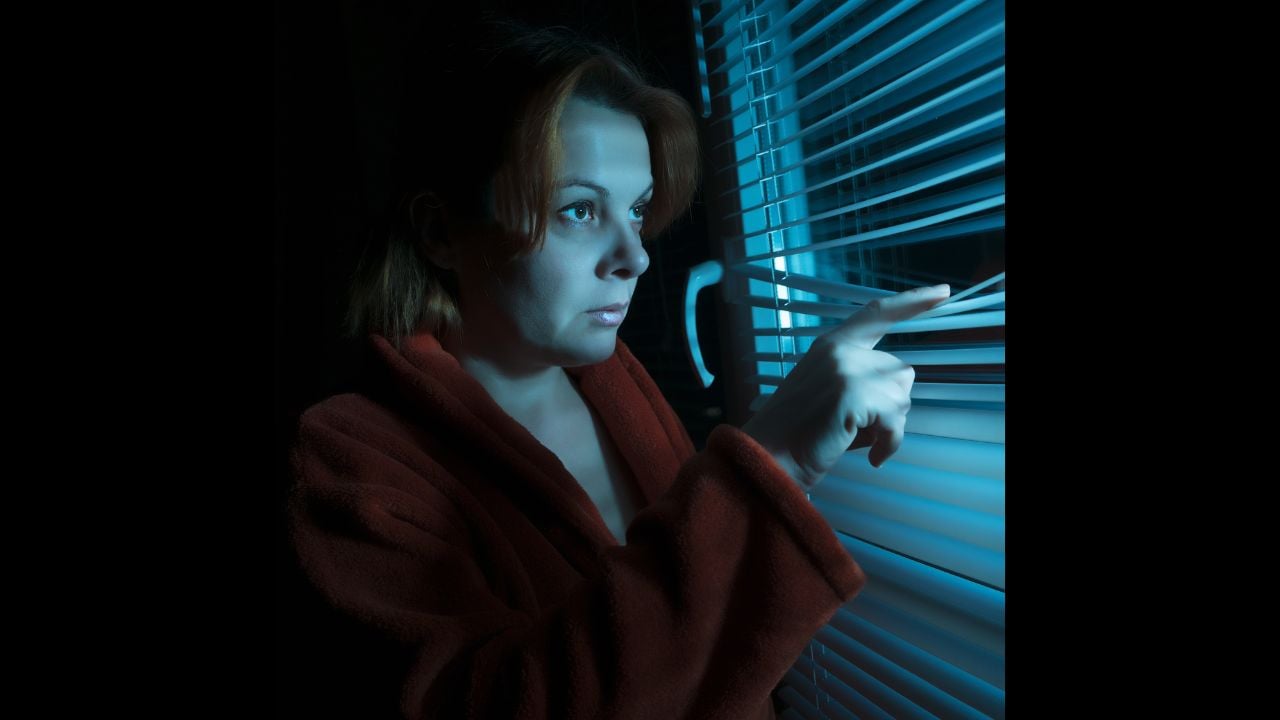
Staying alert is the best way to handle that uneasy feeling of being watched. Once you start spotting patterns, you regain the upper hand. Simple moves like upgrading locks, putting up cameras, and jotting down odd events build a safety net that makes prying eyes think twice.
If things keep happening or start feeling threatening, reaching out to local law enforcement is the right step. Keeping a clear log of every incident also means you’ll have the evidence you need if it ever comes to formal action.
Read More: