How Women Living Alone Stay Safe—16 Habits That Actually Work
Many women who live alone worry about personal safety, especially when they read headlines or hear stories about break‑ins or harassment. Living by yourself can feel peaceful and empowering, but it also means you carry more responsibility for your own safety. Simple habits and small changes around your home can make a big difference in how secure you feel day to day.
Being safe at home does not mean living in fear. It means establishing routines and systems that reduce your risk and give you more control. You can adjust your space, digital habits, and daily patterns so you feel calm rather than constantly on edge.
In this article, you will find 16 practical safety tips written specifically for women who live alone (some obvious, others more obscure). Each tip includes a clear explanation and ideas for how you can apply it in your own life. The goal is to help you create a safer, more confident routine without turning your home into a fortress.
1. Lock Your Doors and Close Windows
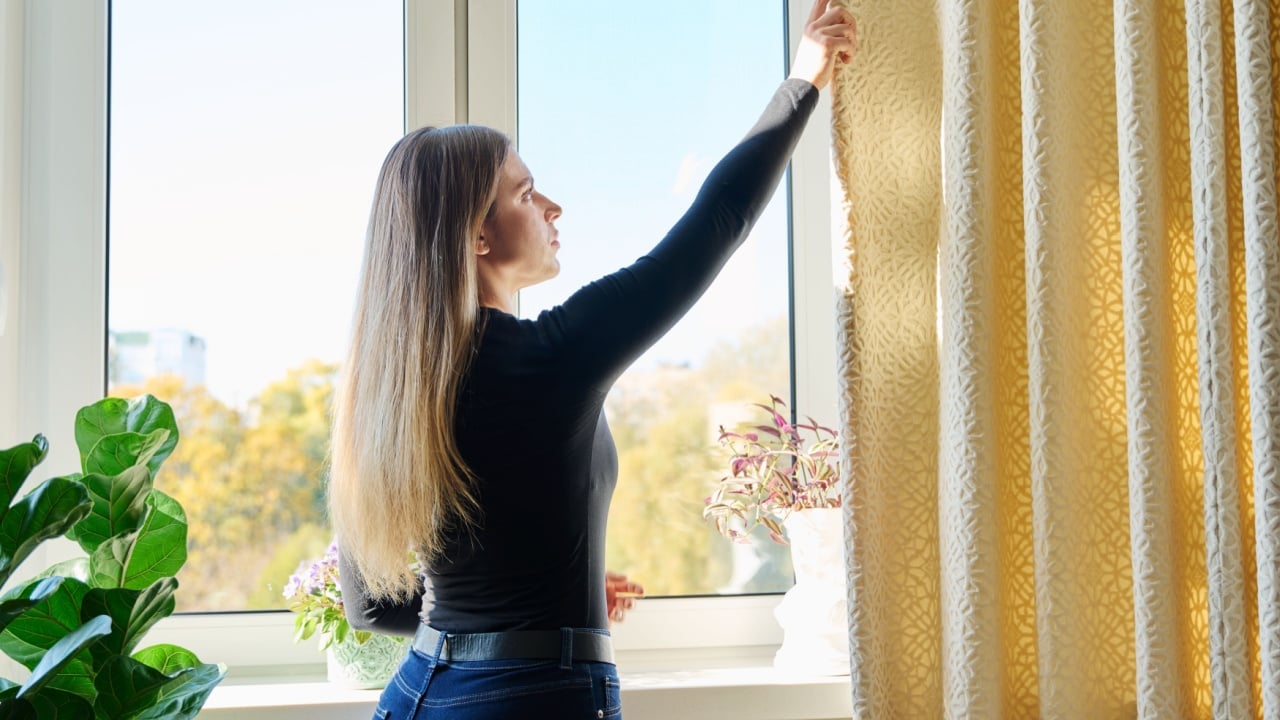
This may seem obvious, but it isn’t always followed. Always lock your front door, any back doors, and patio doors, even if you step outside for a minute. Make a habit of checking the locks before you leave the house or go to bed, so it becomes part of your routine. Use deadbolts when possible, and consider adding a security chain or door bar (on sliding doors) for extra strength.
You can also check that windows are closed and locked at night or when you are away for hours. If your windows are easy to open from the outside, look into window locks or security film. Simple habits like these reduce the chance of someone entering your home through an unlocked opening.
2. Build a Fire Safety Plan

Familiarize yourself with basic fire safety in your home by checking smoke detectors monthly and replacing batteries regularly. Keep a fire extinguisher in the kitchen and learn how to use it properly so you are ready if a small fire starts. Create an escape plan for each room, including two exits and a meeting spot outside your building.
Practice walking through your plan at least once a year so you respond quickly if an alarm sounds. Keep a pair of shoes and a flashlight near your bed so you can move safely in the dark. Fire safety is often overlooked, but a few minutes of preparation can save your life in an emergency.
3. Talk to Your Neighbors
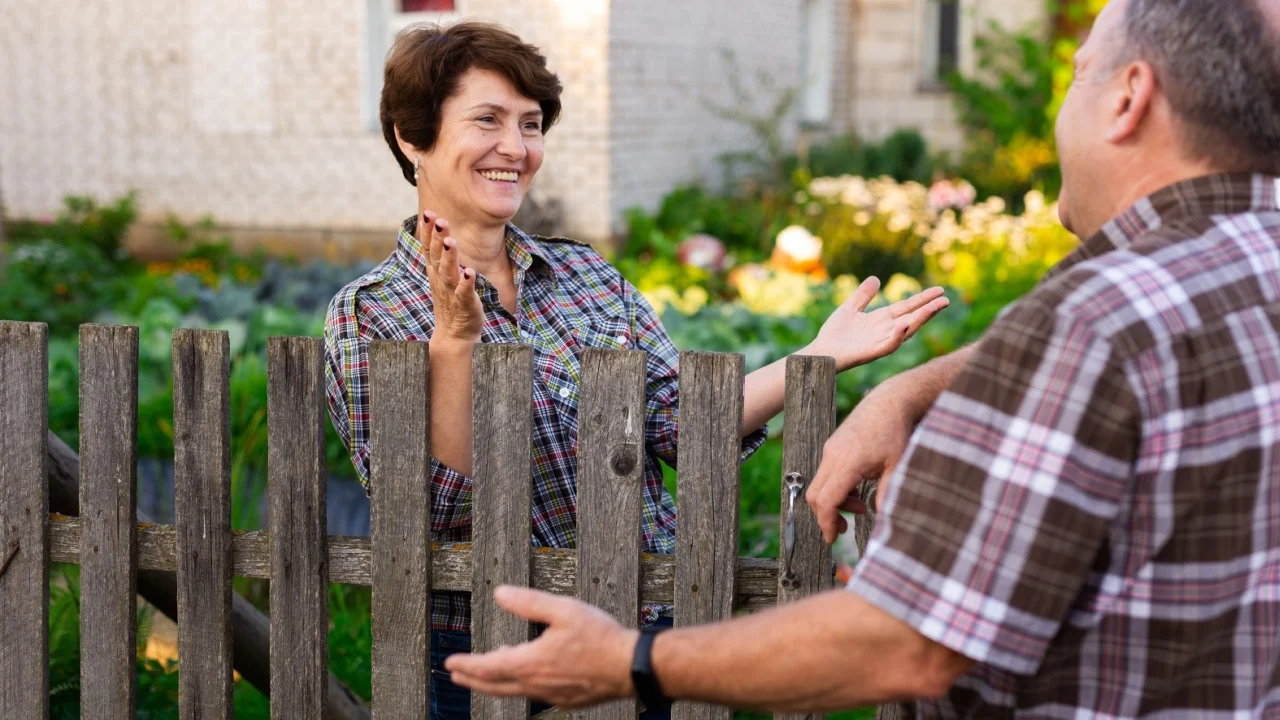
Introduce yourself to the people who live near you, such as the neighbors next door, across the hall, or in the units above and below. Let them know you live alone and ask if they would call you or the police if they see something unusual around your place. Exchange phone numbers or connect through a neighborhood group so it is easy to reach each other.
A friendly relationship with neighbors can make a big difference if someone is watching your house when you travel. They can keep an eye out for suspicious activity and let you know if packages or mail pile up. Trust your instincts and choose neighbors you genuinely feel comfortable around.
4. Keep Valuables Out of Sight
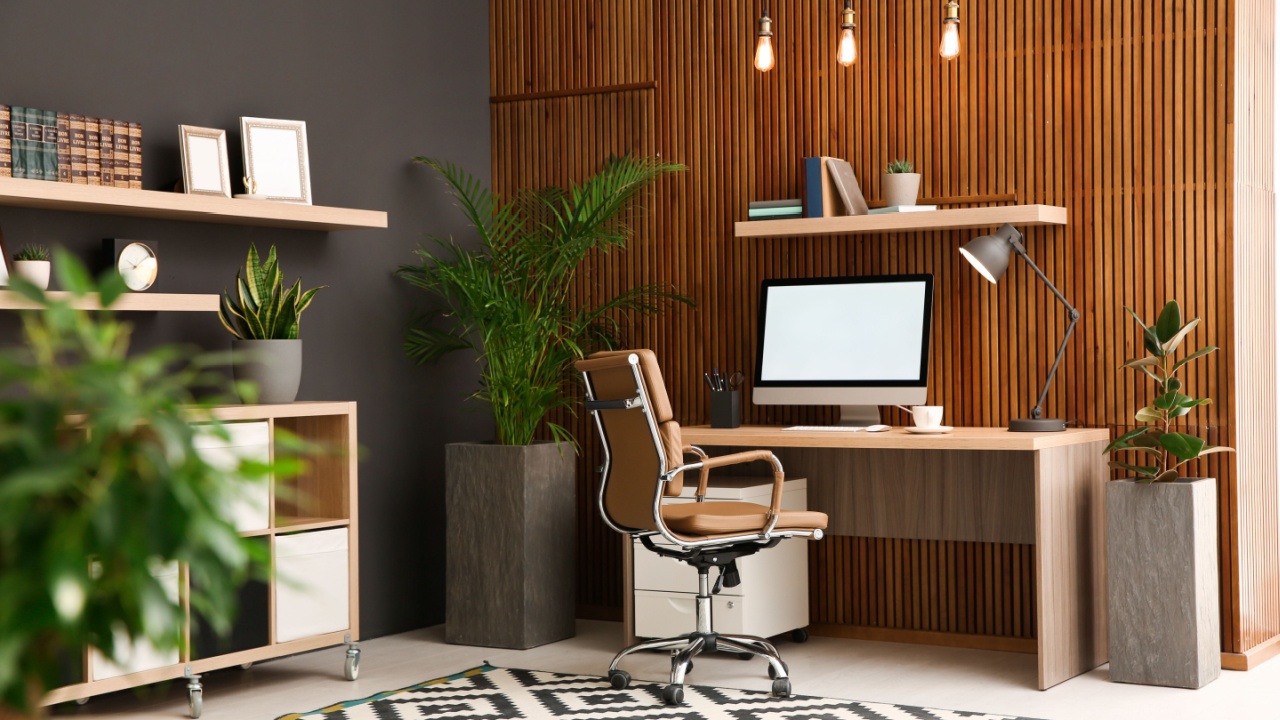
Avoid leaving expensive items like jewelry, laptops, tablets, or stacks of cash on display where they can be seen through a window or door. Store valuables in a drawer, cabinet, or safe when you are not using them, especially at night or when you are away. Small details like this make your home less attractive to someone looking for an easy target.
You can also keep branded bags, gadgets, or travel items out of view if you live in a busy area. If you must leave something visible, place it far from windows or use window treatments to block direct sight.
5. Add a Security System

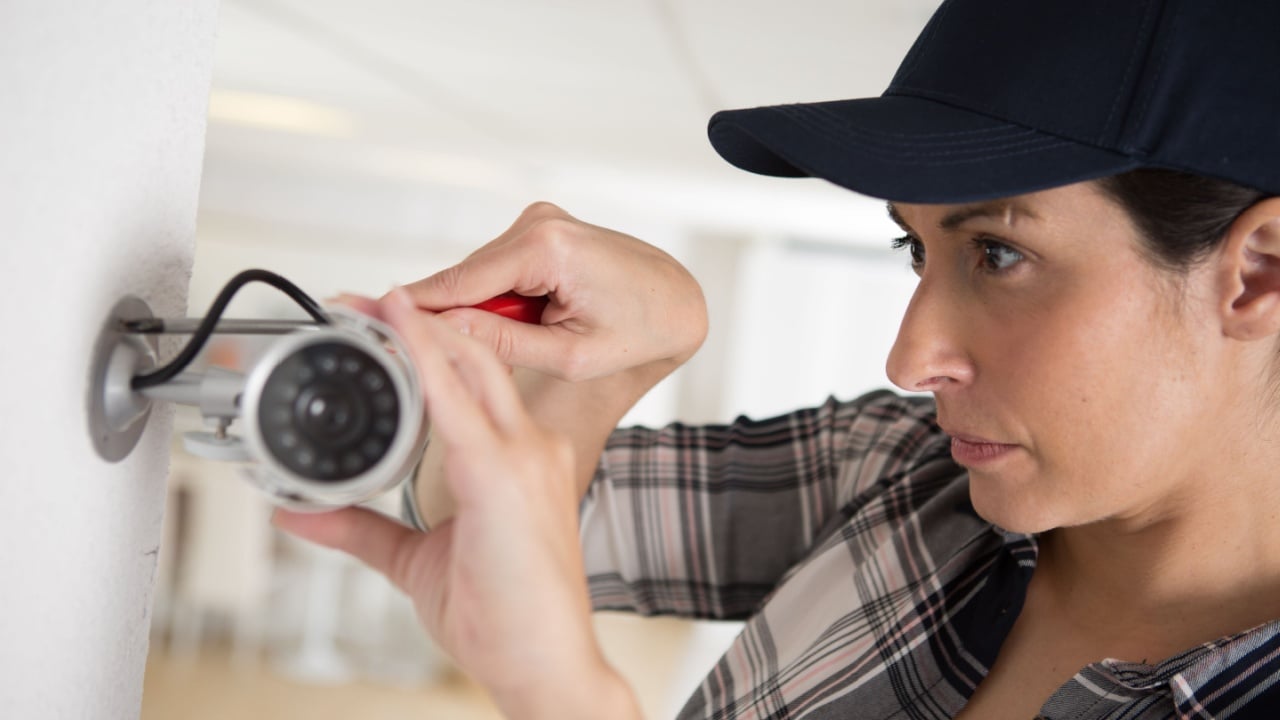
If you haven’t already, consider installing a basic security system with door and window sensors, motion detectors, and an alarm that sounds when someone tries to enter. Many modern security systems let you arm and disarm your system from your phone, so you can check on your home remotely even when you are out. Some systems also send alerts to your phone if a sensor is triggered.
Look for systems that offer professional monitoring, even if it costs a little more each month for added peace of mind. You can also combine a security system with visible signage and window stickers to let others know your home is protected. These small deterrents can make some people think twice before trying to enter.
6. Keep Emergency Contacts Close
Write down important emergency numbers and keep the contact cards in multiple places, such as by your phone, on your fridge, and in your wallet. Include people you trust, such as close family members, best friends, and neighbors, along with local emergency services. You can also program “ICE” (In Case of Emergency) contacts into your phone so responders can reach someone quickly if needed.
Make sure your emergency contacts know your address and have a spare key if it fits your situation. Share basic information about your schedule and any medical conditions so they can respond properly in a crisis. Planning ahead reduces stress and confusion when something actually happens.
7. Use a Smart Doorbell
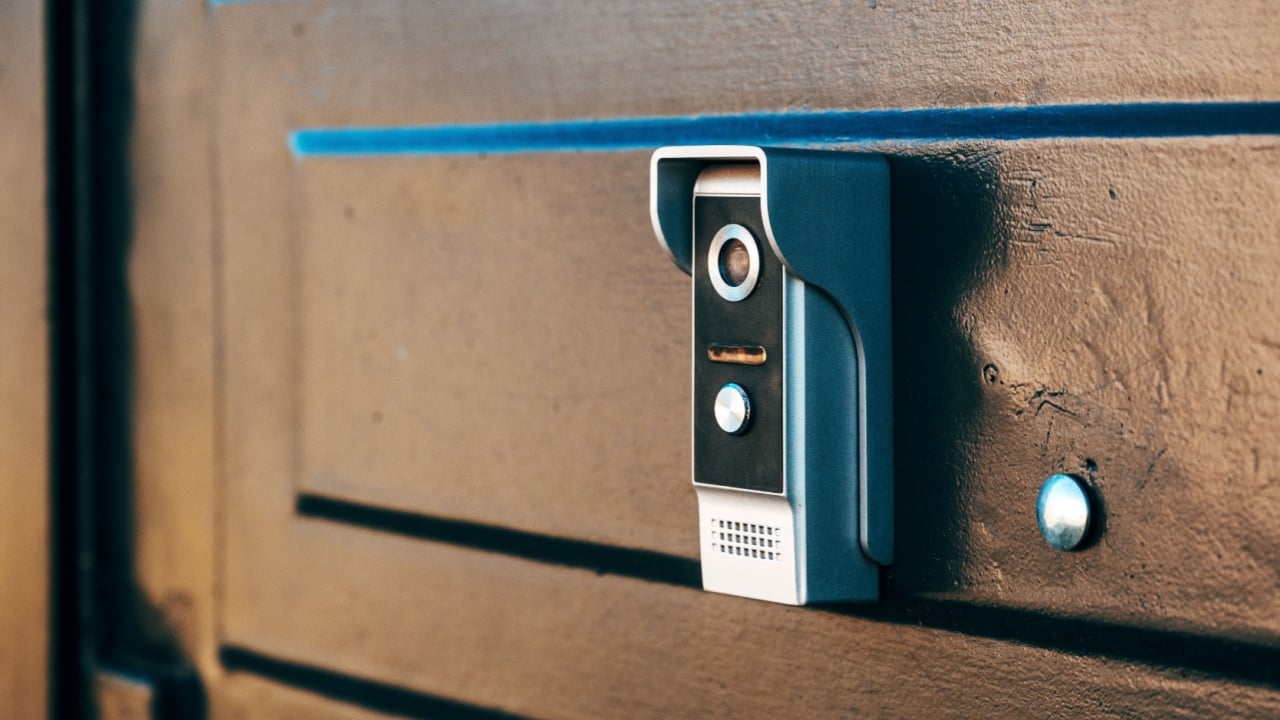
A smart doorbell with a camera lets you see who is at your front door without opening it. Many models allow you to talk to visitors through your phone. You can leave the doorbell on all day so you notice unfamiliar faces on your porch or in the hallway. Footage can also be saved as evidence if something suspicious occurs.
Place the doorbell at eye level to capture clear images and avoid blind spots. Test the camera and microphone regularly to make sure they work, and keep the app updated on your phone. This small tool can help you feel more in control when strangers knock or deliver packages.
8. Install Smart Locks
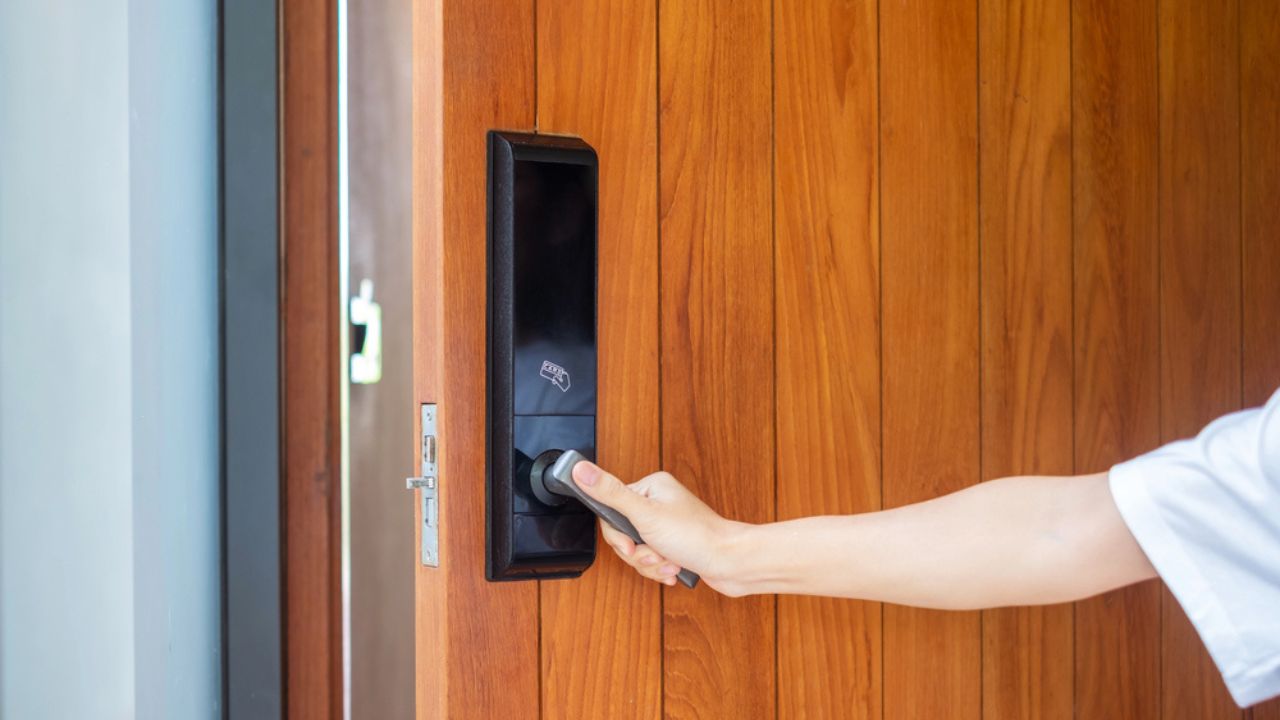
A smart lock allows you to lock and unlock your door with a code, app, or fingerprint instead of a traditional key. Many models let you create temporary codes for guests without giving them a physical key, and you can disable those codes after they leave. You can also check the lock status from your phone if you ever wonder whether you remembered to lock up.
Choose a model that fits your door and budget, and make sure it still works with a regular key in case the batteries die. Keep your PIN or code private and change it if you ever feel it has been shared or used too widely.
9. Secure Your Garage or Entryway
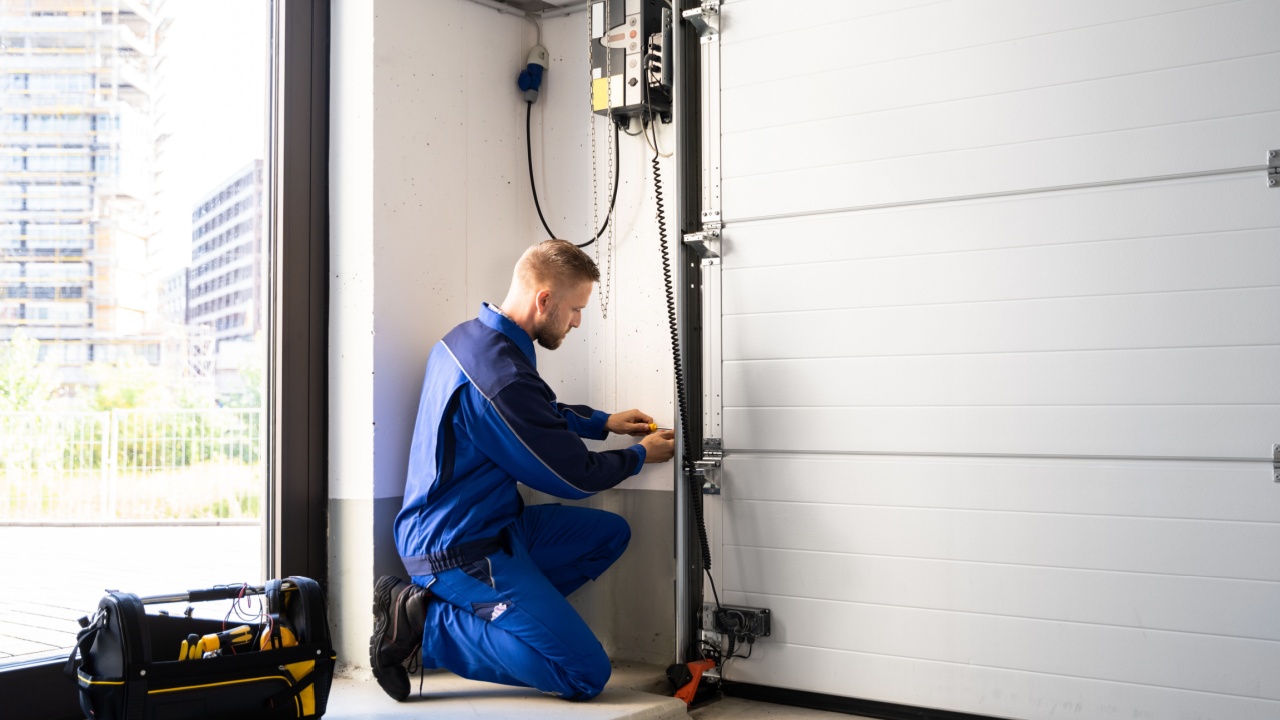
If you have a garage or shared entryway, make sure the door closes and locks properly so it cannot be left open accidentally. Install a strong lock or sensor if your current hardware feels flimsy. Consider adding motion‑activated lighting so the area is well-lit at night.
A well-secured garage or hallway can limit how easily someone can approach your main entrance. If your building uses a shared entrance, avoid letting strangers trail behind you through the door. If someone asks to be let in, you can suggest they ring the appropriate unit or call ahead.
10. Reinforce Your Main Door
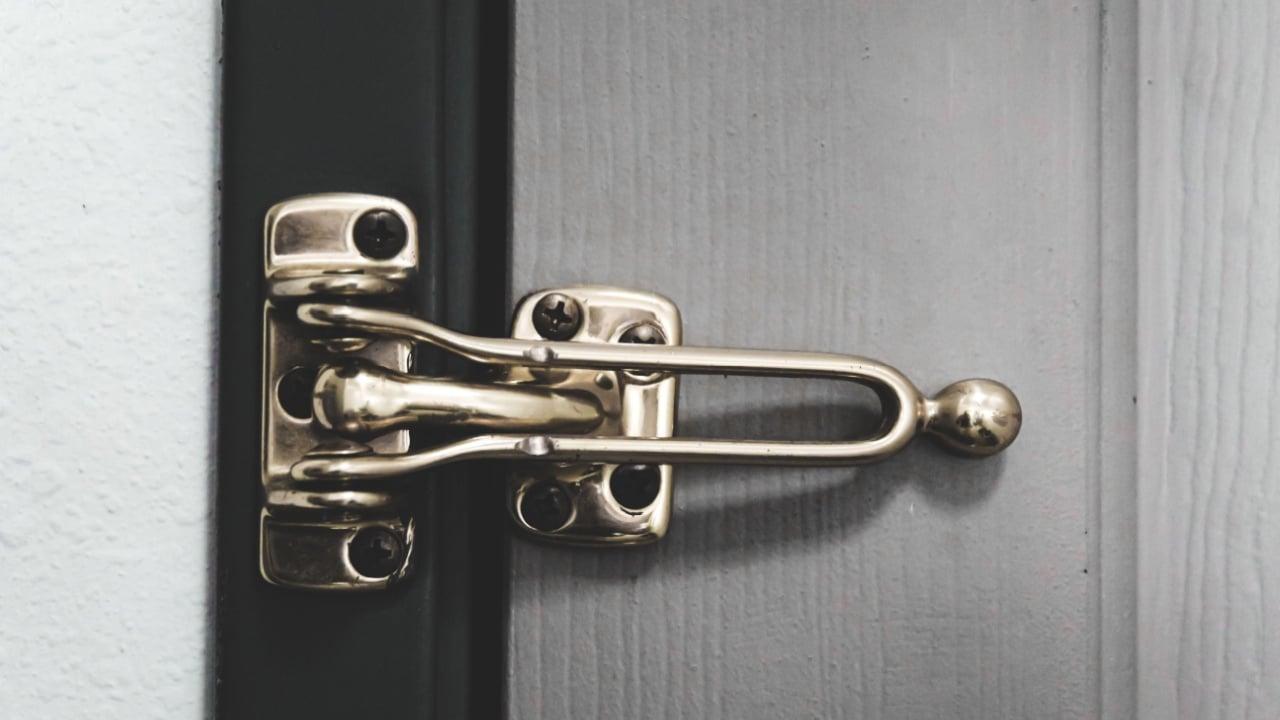
Bolster your main door with a solid‑core wooden or metal door if your current one feels thin or weak, and keep it closed when you are inside. Add a sturdy deadbolt that extends at least one inch into the door frame, and consider a strike plate with longer screws for extra strength.
You can also reinforce your door with a door bar or a portable door lock for added security while you sleep. Inspect your door frame for gaps, cracks, or loose screws, and repair them as needed. Strong hardware makes it harder and noisier for someone to force their way in, which can buy you time to call for help.
11. Trim Bushes and Clear Hiding Spots
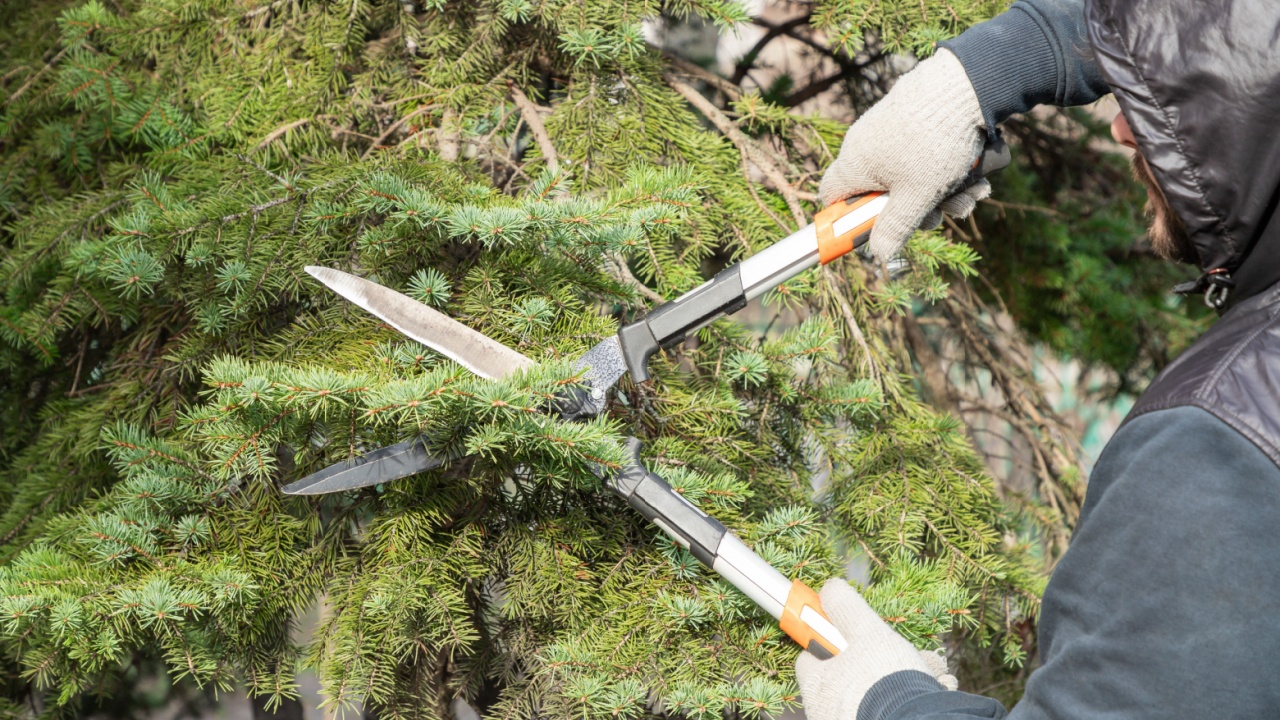
Garden growth can compromise your home’s security. Trim bushes, trees, and plants around your doors and windows so they do not create convenient hiding spots for someone who wants to lurk near your home. Keep the area along paths and near entryways well-lit so no one can stand in the dark without being seen. A tidy, open yard makes it easier for you and your neighbors to notice strangers.
If you live in an apartment, you can still ask building management to keep hallways and entrances clear and well-lit. Remove objects that could hide a person, such as tall planters or stacked items, from near your front door. A clear line of sight around your home makes unwelcome visitors feel more exposed and less comfortable.
12. Use Indoor Security Cameras
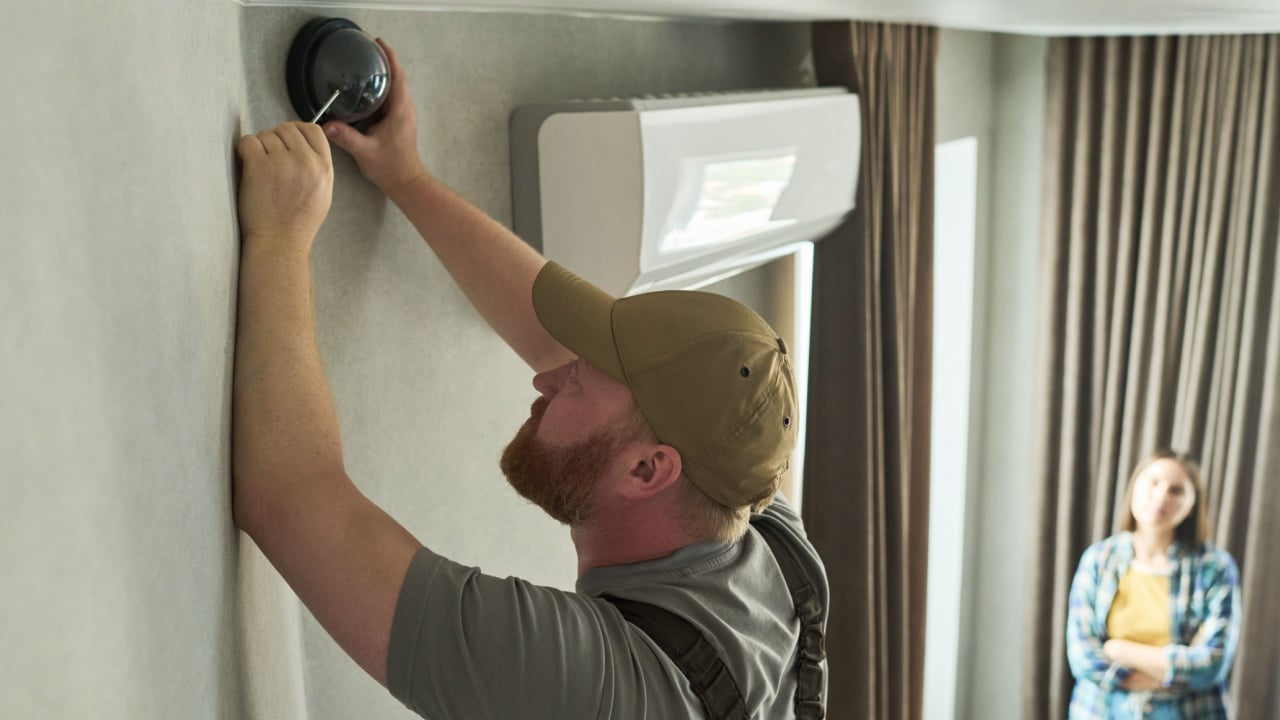
Indoor security cameras can help you monitor certain areas, such as your living room, hallway, or entryway, especially when you are away for work or travel. Many indoor cameras send alerts when they detect motion, and you can view live video on your phone to see what is happening. Place cameras in ways that respect your privacy and avoid covering private spaces, such as bedrooms or bathrooms.
Look for models that securely store footage and allow you to delete or protect recordings as needed. You can also use the presence of cameras as a subtle deterrent, since intruders may be less likely to enter if they see visible equipment.
13. Keep Self‑Defense Tools Accessible
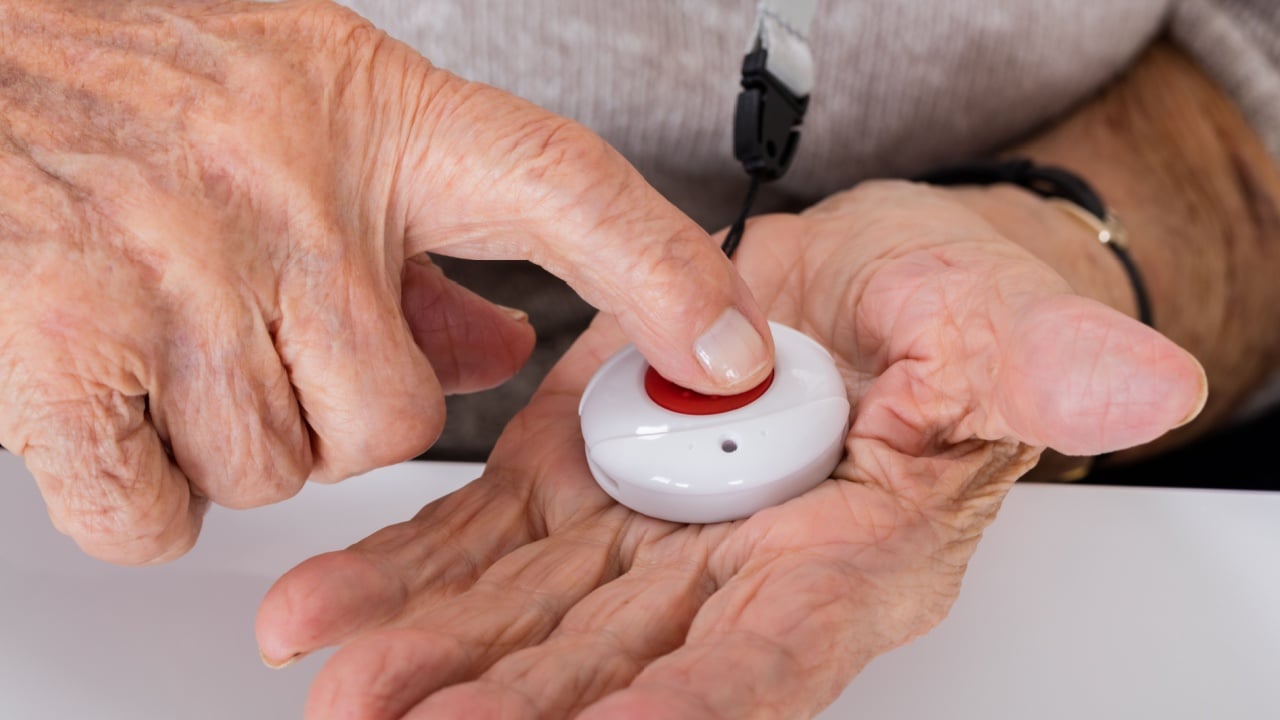
Keep a self‑defense tool such as a pepper spray, personal alarm, or tactical flashlight within easy reach, such as near your front door, in your purse, or on your bedside table. Choose something that fits your comfort level and local laws, and practice using it safely so you feel confident if you ever need it. Store it in a place where you can grab it quickly without fumbling in the dark.
You can also learn basic self‑defense moves through a local class or online tutorial, so you feel more prepared if someone approaches you aggressively. Awareness and confidence matter as much as the tool itself, so combining both makes you harder to target. Keep the tools legal and stored safely so children or pets cannot access them.
14. Use GPS or Tracking Devices
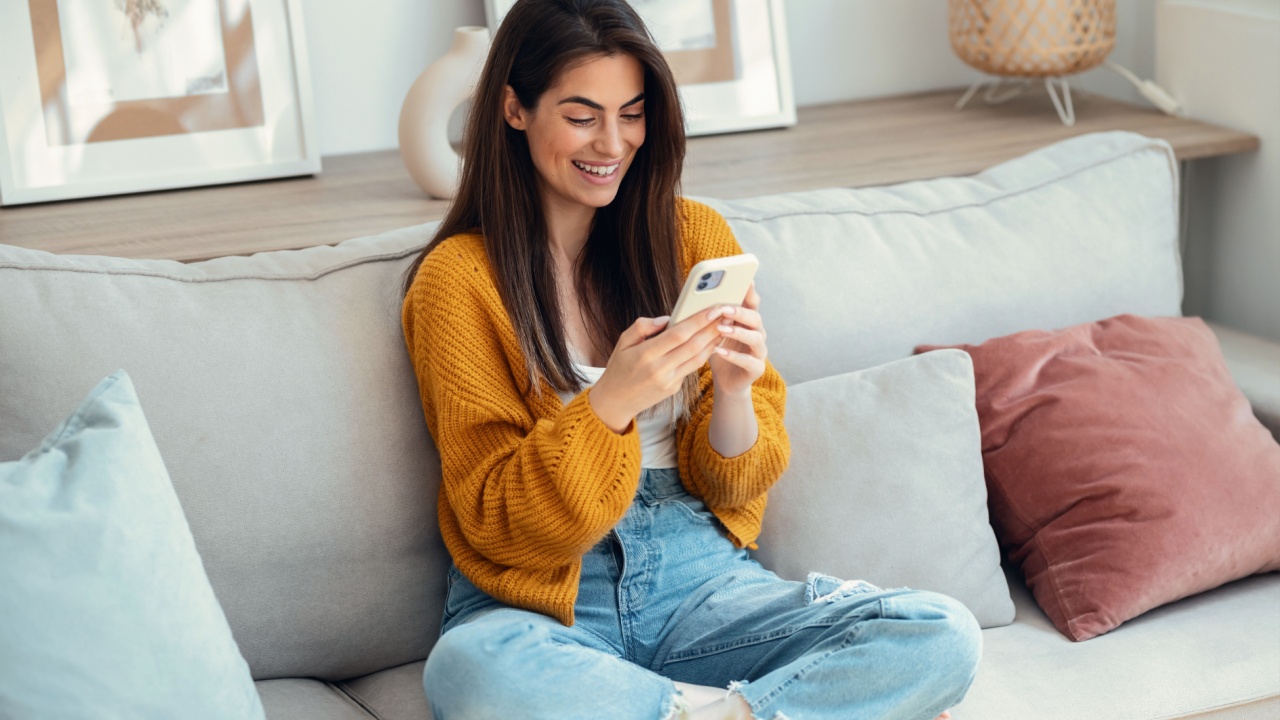
Wear or carry a GPS tracker or smart device that can share your location with trusted contacts if you feel unsafe walking home or using public transport. Some watches, key fobs, or phone apps let you send a quick alert with your location with the touch of a button. You can also share your live location with someone you trust when you are out later at night.
Test the device or app before you rely on it so you understand how it works and how fast an alert travels. Keep your phone charged and your emergency contacts updated so this system functions smoothly in a real situation. Technology like this can provide a sense of safety without changing how you normally move through the world.
15. Never Open the Door to Strangers
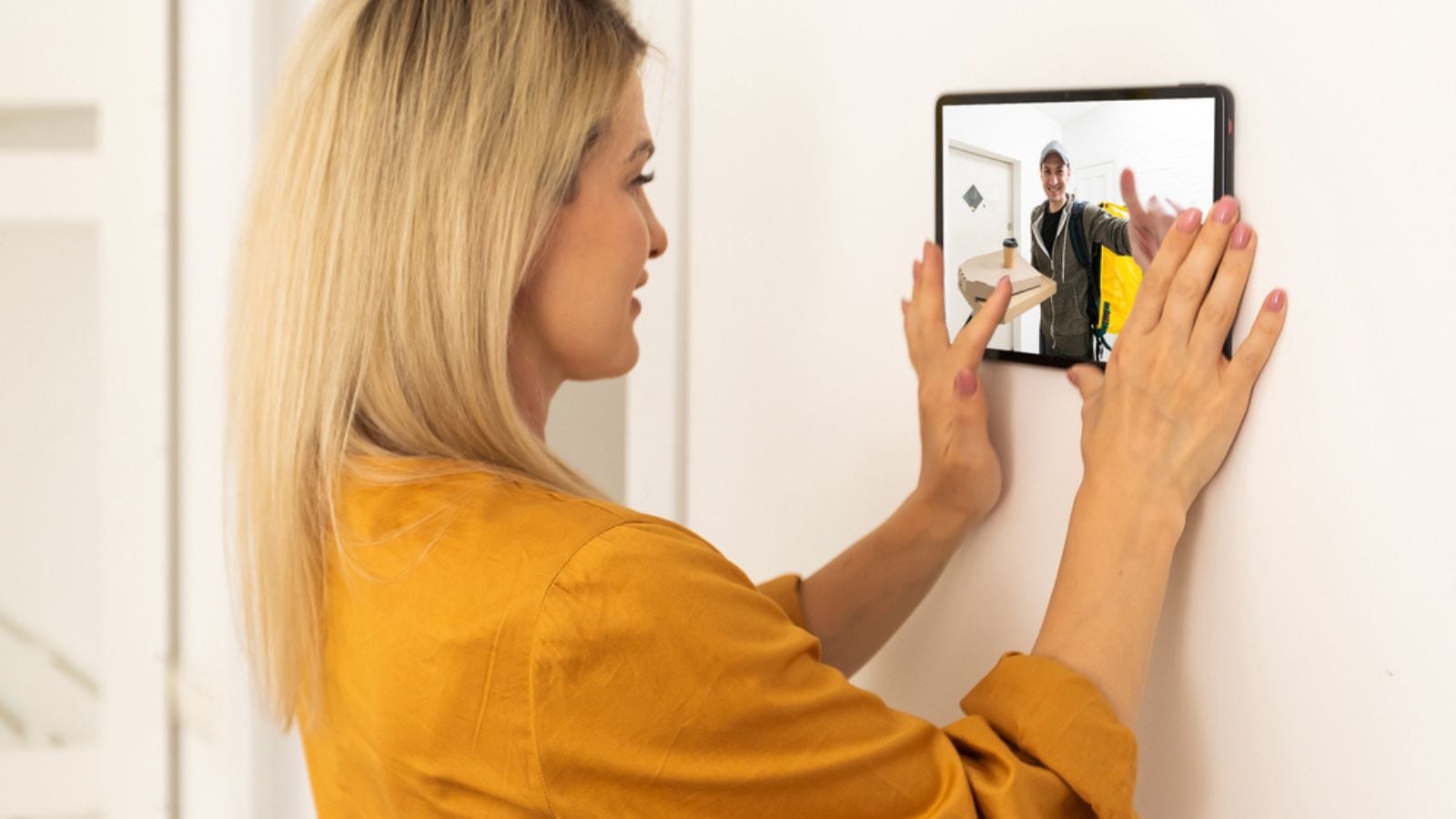
If someone knocks and you are not expecting them, do not open the door without first checking through a peephole, window, or camera. If they claim to be from a company, ask for identification and take a photo of their badge instead of inviting them inside. If anything feels off, you can call the company’s official number to confirm whether the person is actually an employee.
You can also tell visitors you will call back or handle the issue another day, and then close the curtain. If someone keeps pressing the doorbell or acting aggressively, contact your building manager or the police. Your safety is more important than seeming polite to someone who has shown up unexpectedly.
16. Guard Your Social Media and Mailbox
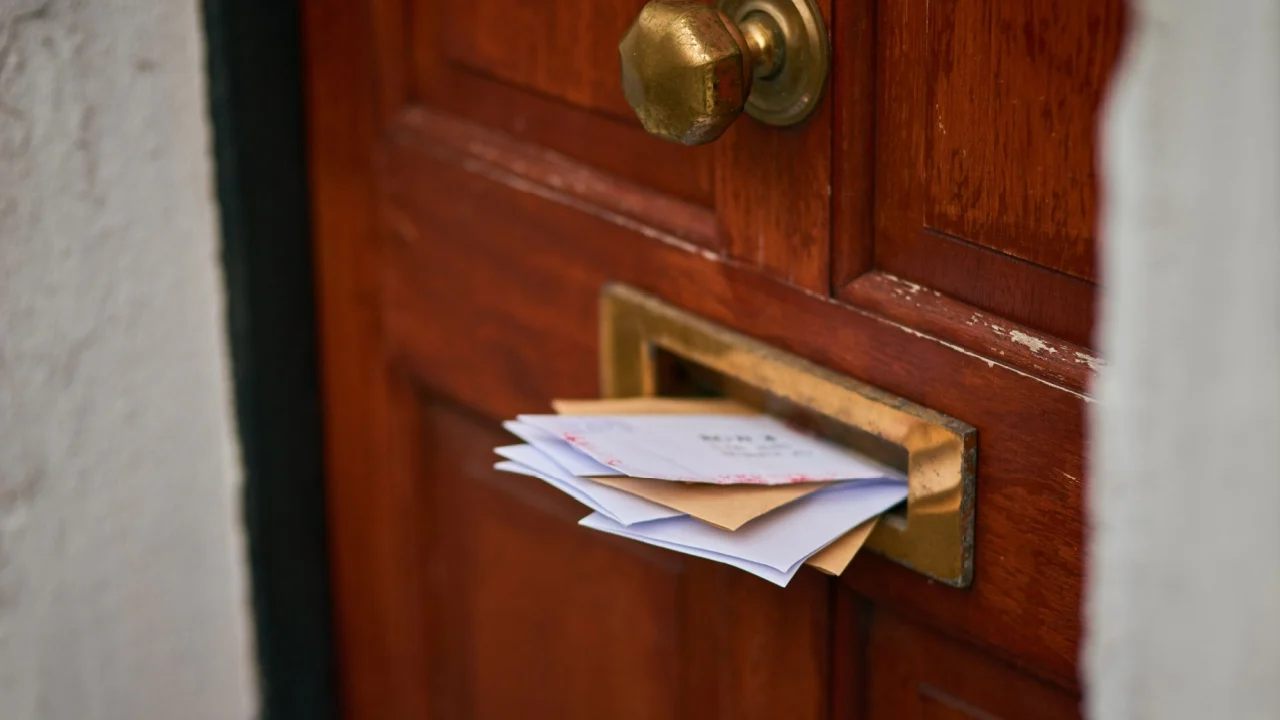
Be careful about what you share on social media, especially when you are out of town or on vacation. Avoid posting real‑time updates that tell strangers exactly when you are away from home or when you will return. Even photos that show your street or building can give people clues about where you live.
Avoid putting your full name on your mailbox or door if it does not feel necessary, and consider using a number or last name only. If you receive mail with your full name on it, you can ask for delivery changes or keep it inside so it does not sit in an open box. Small privacy choices can reduce the chance that someone will target you simply because they know your name and address.
You’re the Strongest Lock on the Door
Living alone as a woman does not have to mean living in fear. It means taking small, steady steps that add up to real peace of mind. Every locked door, every checked smoke alarm, and every trusted neighbor builds a layer of safety that is quietly, powerfully yours. Try one or two tips, see how they feel, and then add more over time. As you grow more comfortable with your routines, you will likely notice that your home feels less like a target and more like a space where you can relax and breathe.
Read More: