12 Habits That Unintentionally Encourage Mold Grow
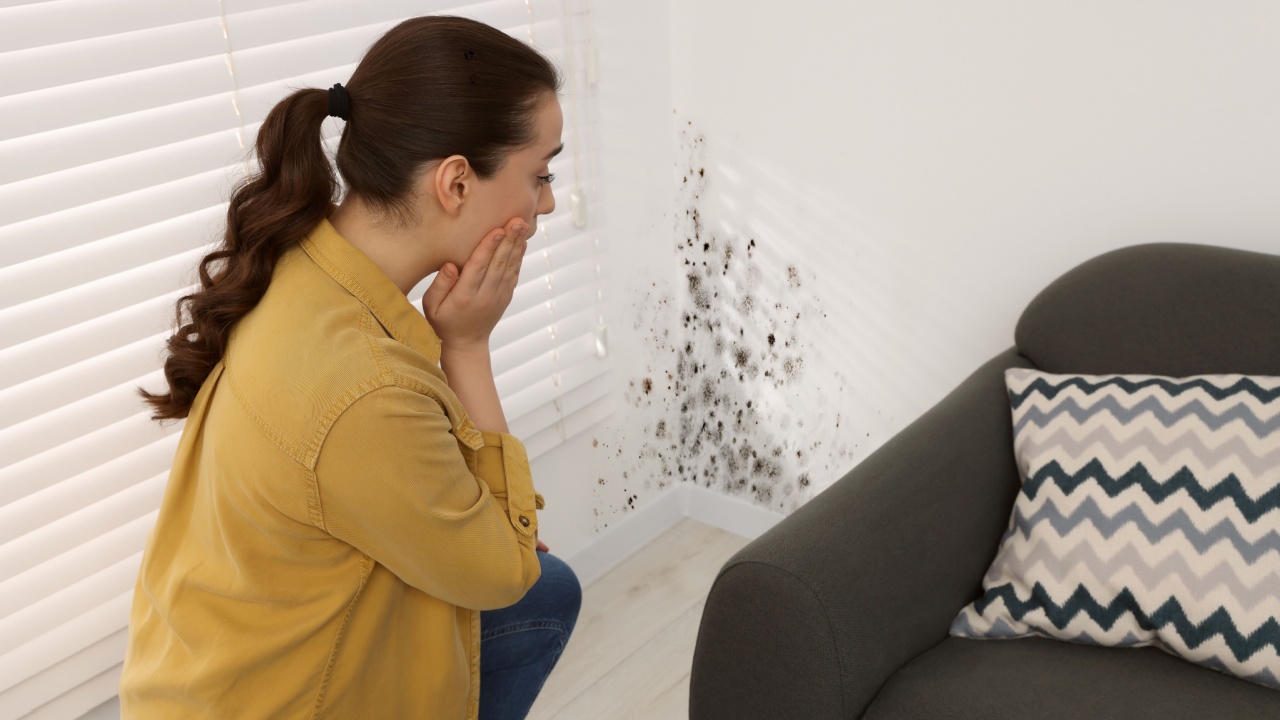
Discovering a dark patch in a corner or catching a whiff of a musty scent can be an alarming moment for any homeowner. It often feels like an uninvited guest has moved in overnight, yet mold usually settles in because of small, everyday habits. These routines might seem harmless, but they often create the perfect “welcome mat” for spores to grow.
The secret to a mold-free home lies in moisture management. While mold spores are naturally present in the air almost everywhere, they can only turn into a visible problem if they find a consistent water source and stagnant air. When indoor humidity levels climb above 50%, your home becomes a breeding ground for these fungi.
Many common household activities inadvertently trap moisture inside. Identifying these hidden “moisture traps” early can stop mold before it starts. It’s much easier to prevent a colony from forming than it is to scrub one away once it has taken root.
The following guide breaks down the specific behaviors that accelerate mold growth and offers simple, practical solutions.
1. Bathroom Moisture Traps
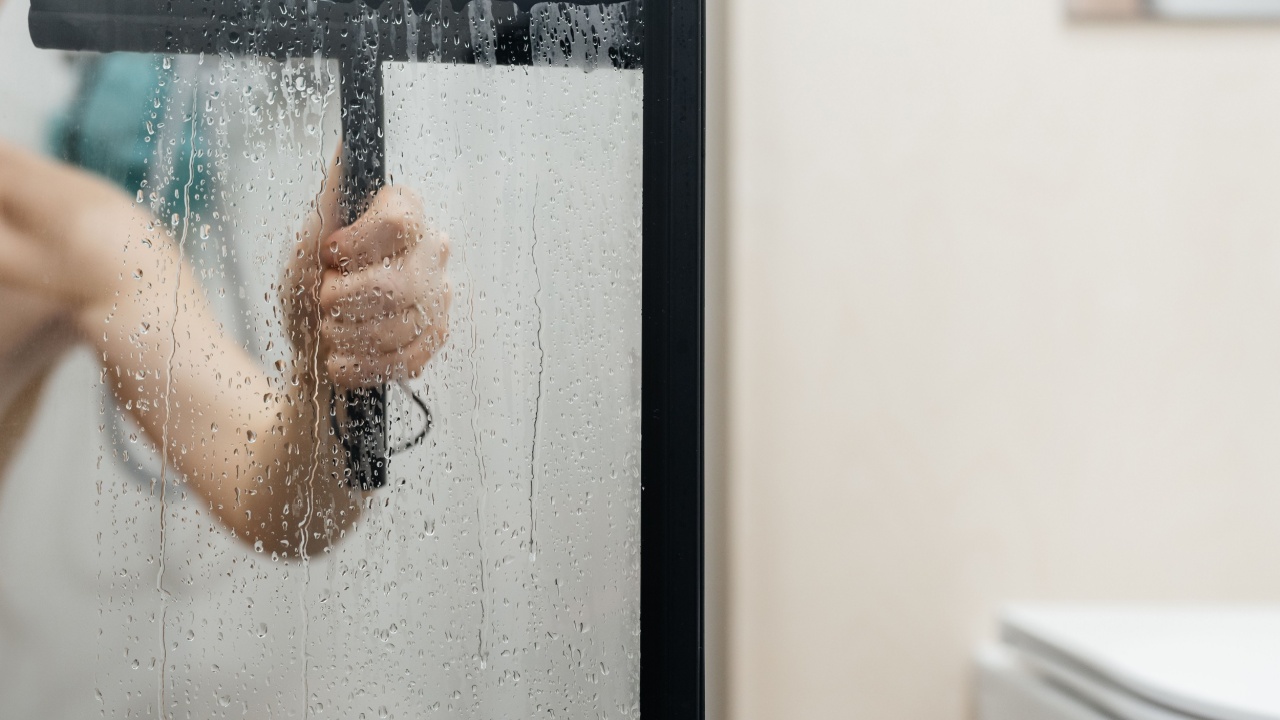
Closing the bathroom door immediately after a hot shower might seem tidy, but it traps a massive amount of steam in a small space. This humidity settles on the walls and grout, creating a perfect breeding ground for mold.
Instead, leave the door wide open for at least an hour to let the moisture escape and dissipate.
To speed up the process, use a squeegee to wipe down glass doors and tiles after you finish. This physically removes the standing water before it has a chance to evaporate into the air. These two simple steps ensure that your bathroom surfaces dry quickly and remain hostile to mold growth.
2. Exhaust Fan Management

Many people flip the exhaust fan off as soon as they step out of the shower or finish cooking. However, moisture lingers in the air long after the activity is over.
If the fan isn’t running, that damp air eventually soaks into your drywall and wooden cabinets, leading to rot and mold over time.
Get into the habit of leaving the fan on for 20 to 30 minutes after your task is done. It’s also helpful to keep the fan blades and vent covers free of dust. A clean fan works much more efficiently at pulling humid air out of your home, keeping your overall moisture levels in a safe range.
3. Houseplant Care

Potted plants add life to a room, but overwatering them turns the soil into a constant source of humidity. When soil remains saturated, it releases water vapor into the air and can even support the growth of mold directly on its surface.
This turns your beautiful indoor garden into an accidental humidifier.
Before watering, check the soil with your finger to see if it’s actually dry. Ensure your pots have drainage holes and avoid letting water sit in decorative outer saucers. Proper drainage keeps the plant healthy and prevents the root zone from becoming a soggy mess that fuels fungal growth.
4. Laundry Habits

Leaving wet clothes in the washing machine for a few hours is a recipe for disaster. The dark, warm, and damp interior of the washer allows mold to develop on fabric and rubber gaskets in less than 24 hours.
This causes the “musty” smell that is notoriously difficult to wash out of clothing.
Move your laundry to the dryer immediately after the cycle ends. When the machine is empty, leave the lid or door open so the drum can air out completely. This prevents the appliance itself from becoming a mold colony that spreads spores to every future load of laundry.
5. Ignoring Tiny Leaks

A small drip under the sink or a slow leak behind the toilet is easy to ignore, but it is one of the most common causes of structural mold. Even a tiny amount of water can saturate floorboards and cabinets.
By the time you see a dark spot on the outside, the damage inside is often already extensive.
Regularly peek inside your cabinets and around baseboards with a flashlight to check for dampness or discoloration. Installing a simple water leak sensor in high-risk areas can give you an early warning. Fixing a small drip today is much cheaper than a major mold remediation project tomorrow.
6. Storage and Airflow
Pushing storage boxes tightly against exterior walls in basements or attics creates “dead air” zones. When warm air hits a cool wall and has nowhere to go, condensation forms behind your items.
This hidden moisture allows mold to grow undisturbed for months before you ever notice it.
To fix this, keep furniture and storage bins at least 3 to 4 inches away from walls to allow air to circulate. In naturally damp areas like basements, running a dehumidifier set to 45% will help stabilize the environment and protect your stored belongings from the damp.
7. Flooring Choices
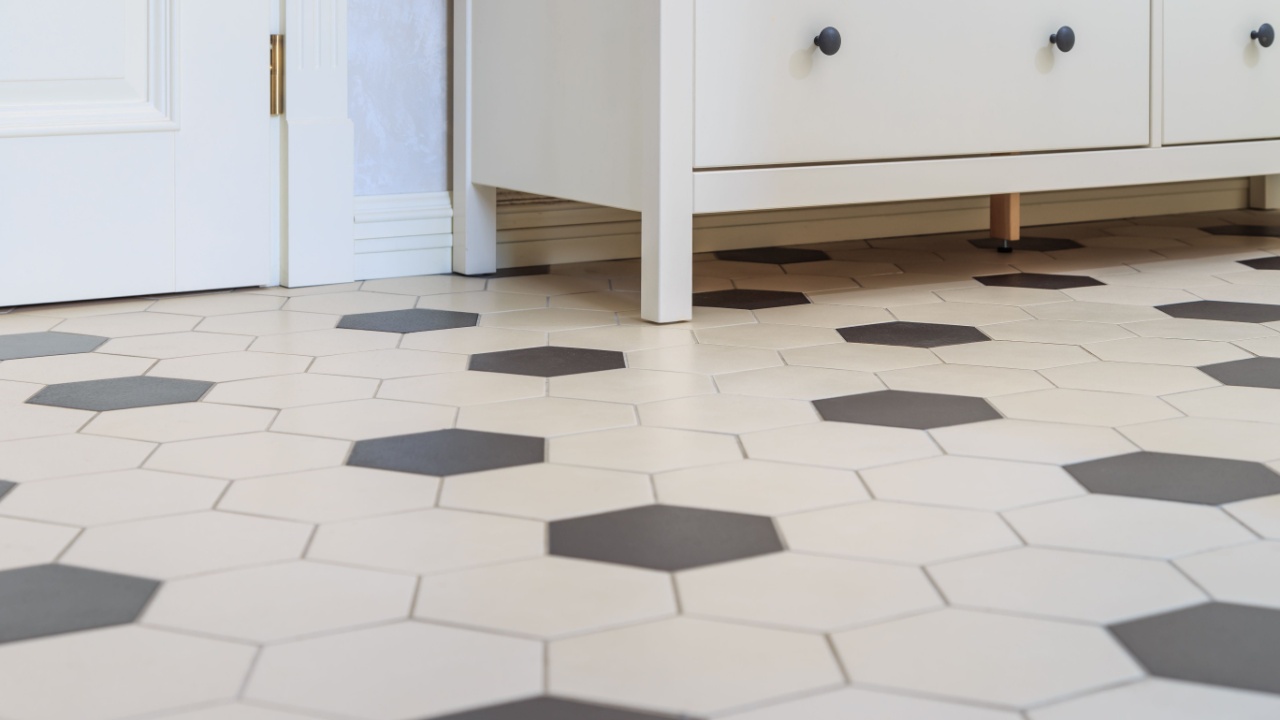
Installing carpet in high-moisture areas like bathrooms, laundries, or basements is like putting a giant sponge on your floor. Spills and humidity get trapped in the carpet fibers and the padding underneath, where they stay wet for a long time.
This creates a hidden layer of mold that you can’t see or reach.
The best solution is to use hard surfaces like tile or vinyl in these rooms because they don’t absorb water. If you must have a rug for comfort, choose a synthetic, low-pile option that is designed to resist moisture. This change makes it much easier to keep your floors dry and mold-free.
8. Cardboard vs. Plastic
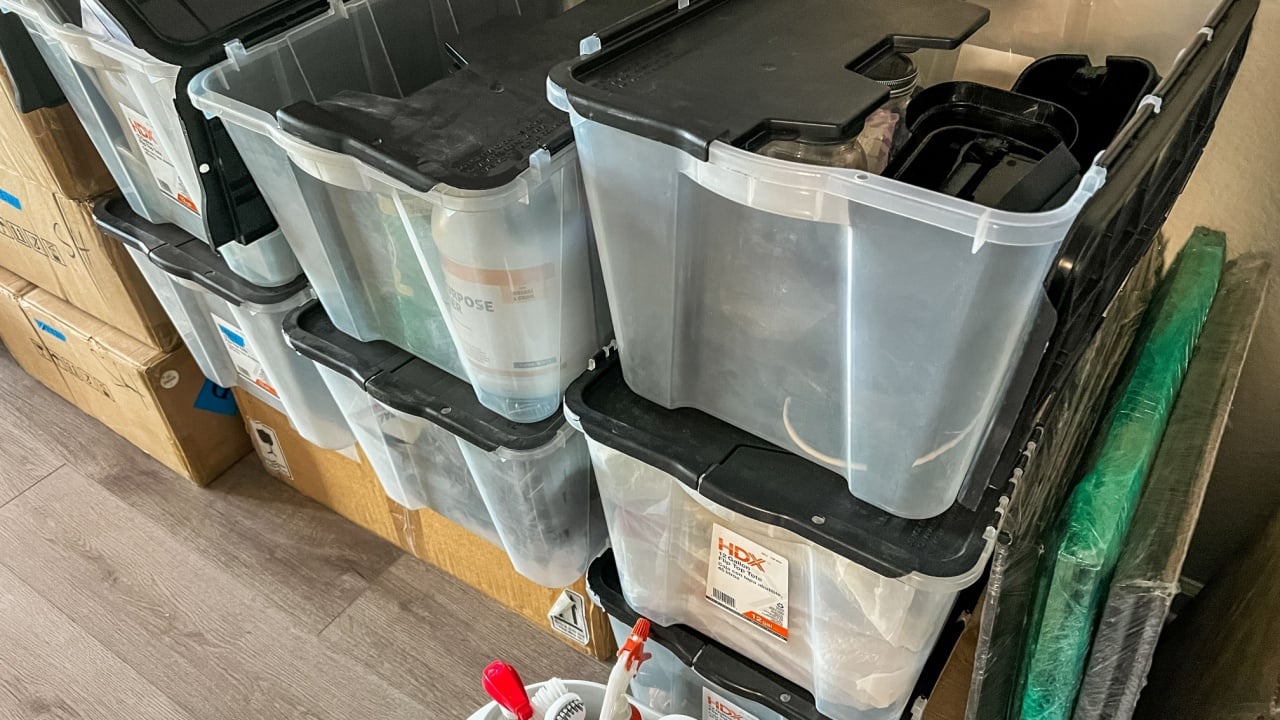
Cardboard is essentially “food” for mold because it is made of organic cellulose. When cardboard boxes are stored in damp garages or basements, they soak up moisture from the air and become a primary breeding ground for spores.
This puts your photos, documents, and holiday decor at high risk.
Switching to plastic bins with secure lids is a simple way to protect your items. Plastic doesn’t absorb moisture and creates a barrier against the humid air. Not only does this prevent mold, but it also keeps your belongings safe from pests and dust.
9. Refrigerator Maintenance
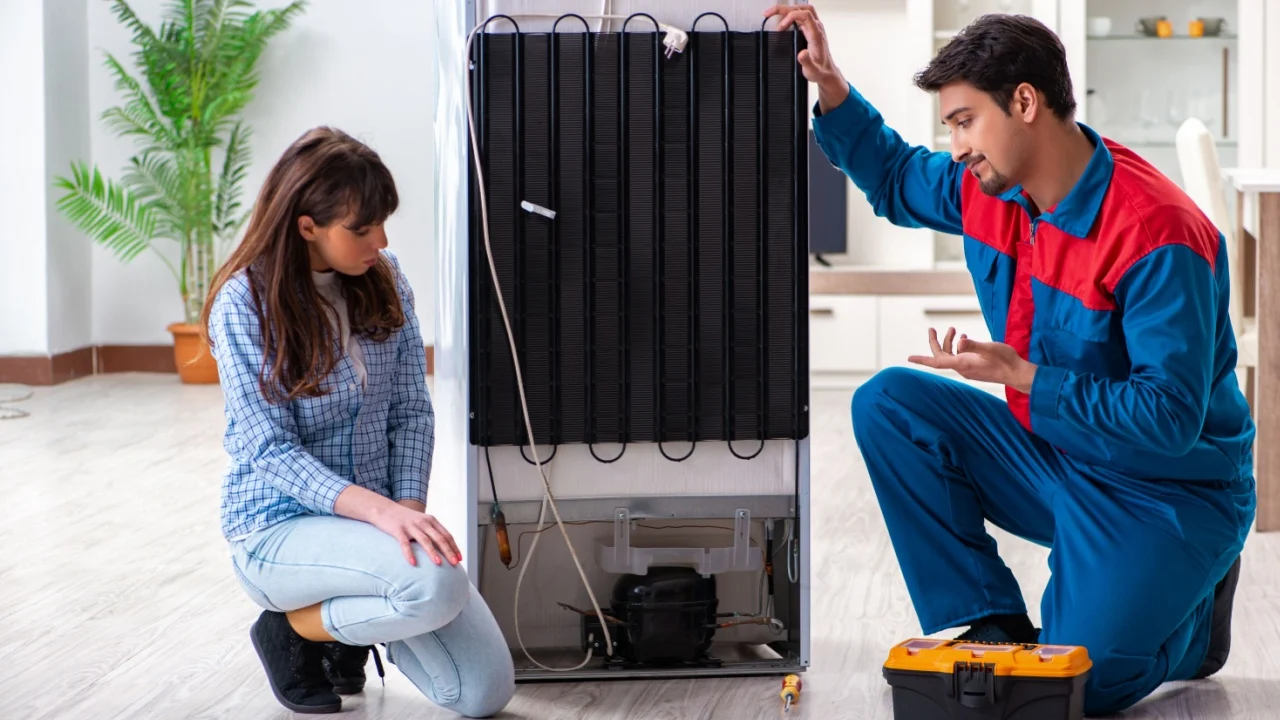
The drip pan at the bottom of your refrigerator is a hidden mold hotspot. It is designed to catch condensation, but because it stays warm from the motor and wet from the water, it’s a perfect environment for fungus.
If left uncleaned, the fridge fan can eventually circulate those spores into your kitchen.
Every few months, slide the pan out and wash it with soapy water and a bit of vinegar. While you’re at it, check the rubber seals on your fridge doors to make sure they are tight. Good seals prevent excess condensation from forming in the first place, keeping the whole unit drier.
10. Managing Spills

When a drink spills on a couch or rug, a quick blot with a paper towel isn’t enough. Liquid often travels deep into the foam or padding, where it can stay damp for days. This hidden moisture allows mold to grow inside your furniture, which leads to permanent odors and potential health issues.
Use a wet-dry vacuum to pull as much liquid as possible out of the fibers.
After cleaning, point a floor fan directly at the spot for several hours to ensure the deep layers are completely dry. Taking the extra time to dry it thoroughly prevents a small accident from becoming a long-term problem.
11. Indoor Firewood
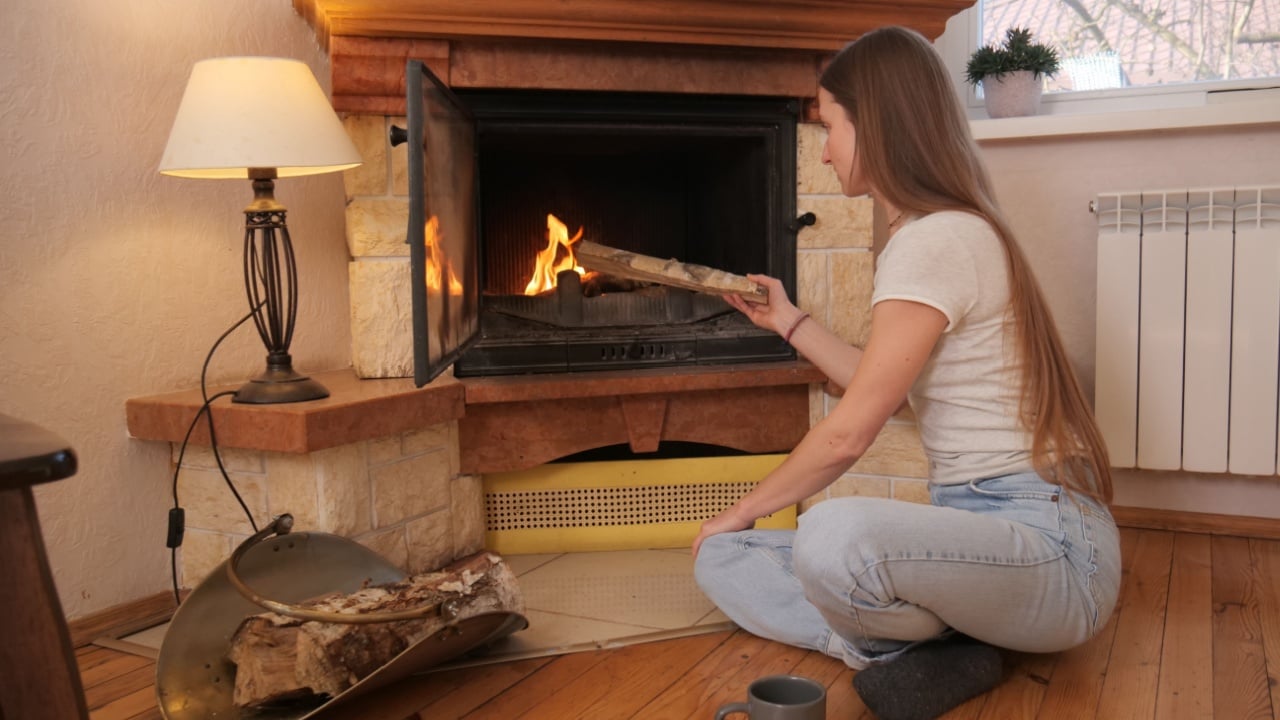
Bringing a large stack of firewood inside introduces a heavy “moisture load” to your home. As the wood warms up, the sap and water inside evaporate, causing a sudden spike in indoor humidity. This can cause your windows to “sweat,” leading to mold growth on wooden frames and nearby walls.
Keep your main woodpile outside, elevated off the ground, and covered on top.
Only bring in enough wood for a single day of burning. This keeps the bulk of the moisture outside and ensures your indoor air remains at a safe, dry level during the winter months.
12. Using Humidifiers Incorrectly
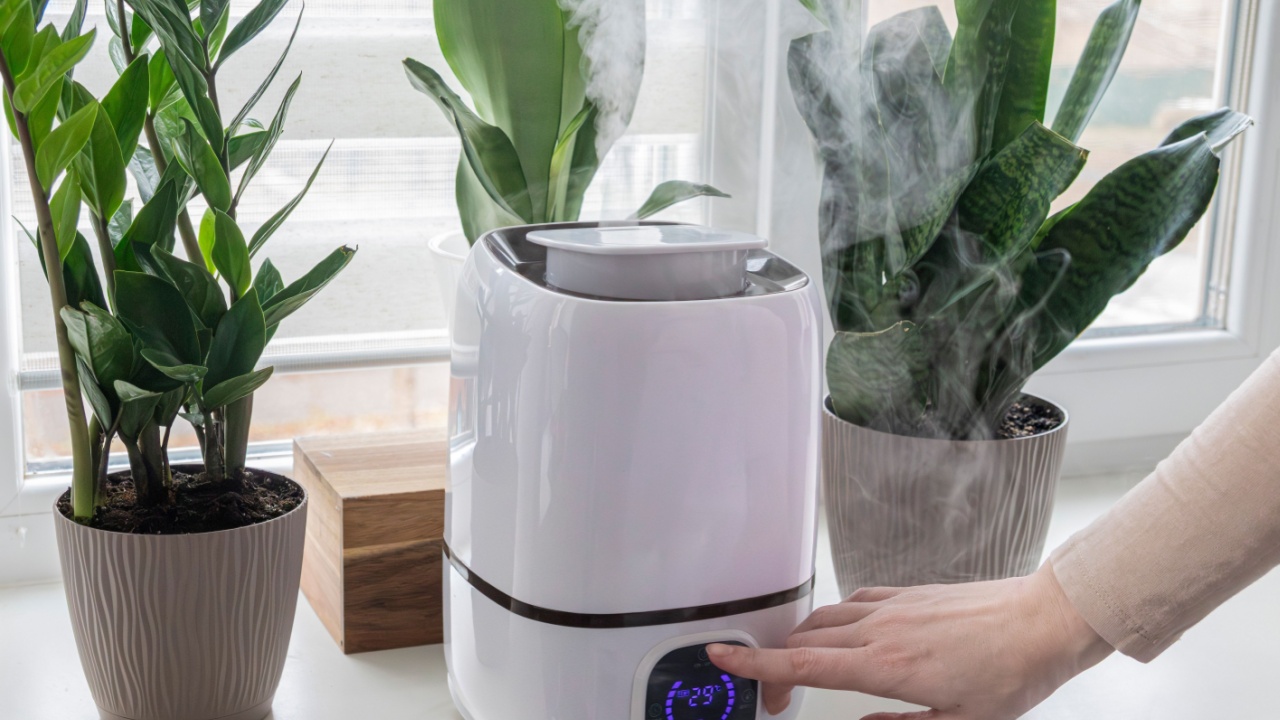
Humidifiers are great for comfort in the winter, but running them without a way to measure the air is risky. If the humidity climbs above 55%, you will start to see condensation on your windows and mold in the corners of your ceiling.
Without a gauge, you won’t know you’ve over-humidified until the mold appears.
The easiest fix is to buy a digital hygrometer (a tool that measures humidity). Keep an eye on the percentage and turn the humidifier off once it reaches 45% to 50%. Monitoring the air ensures you stay comfortable without accidentally turning your home into a greenhouse for mold.
A Home That Breathes Easy and Stays Strong
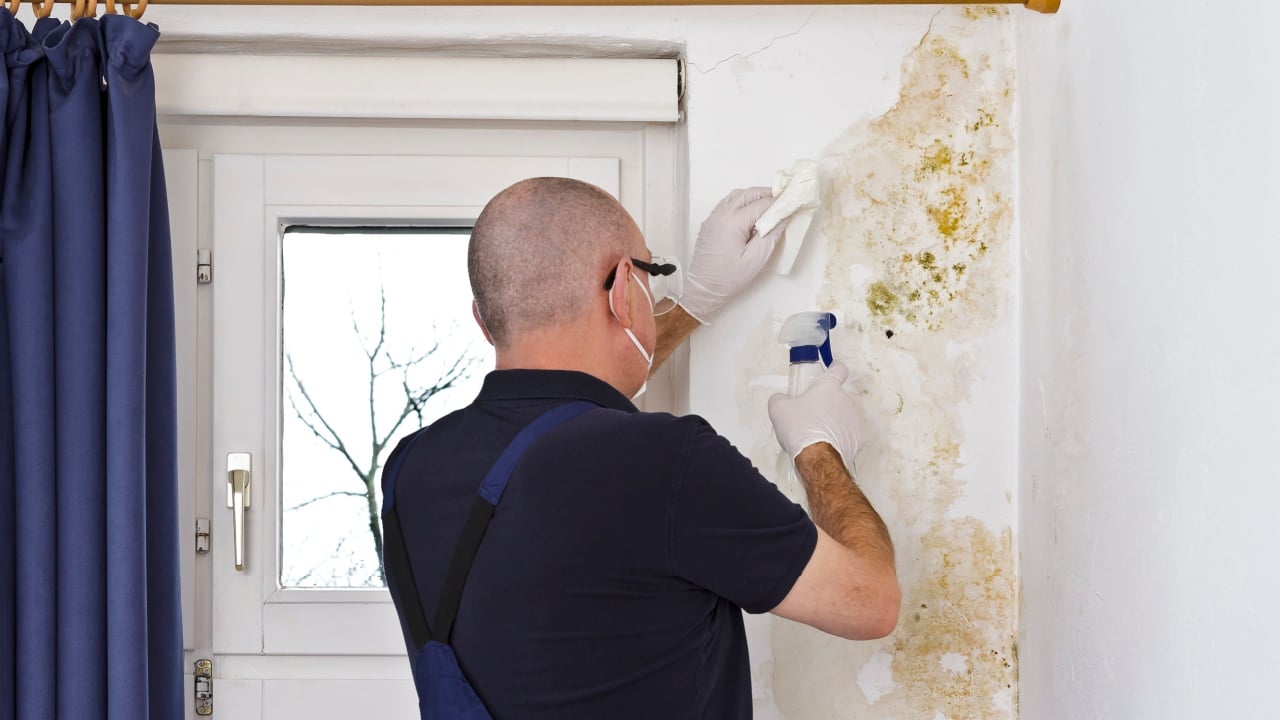
Maintaining a dry home involves a combination of consistent habits and small environmental checks. By focusing on ventilation and quick drying times, the risk of fungal growth can be significantly minimized.
These adjustments protect the structural integrity of the building and promote a much healthier living space for everyone inside.
Read More: