14 Outdated Trends Designers Still Secretly Love Anyways
Design trends come and go, but that doesn’t mean you have to get rid of them for good. While sleek, minimalist designs are all the rage, many designers still have a soft spot for aesthetics from the past. Homeowners often rush to renovate, tossing out beautiful, classic details that a professional would’ve kept.
Industry experts push for preserving these old-school touches. They argue that stripping a space completely bare can erase its unique character and history. Mixing contemporary pieces with vintage accents creates a richer, more interesting home than one that’s brand new.
So, which traditional design choices are still inspiring top decorators? Here’s how you can breathe new life into classic elements without making your home look stuck in a time capsule.
1. Wall-to-Wall Carpeting
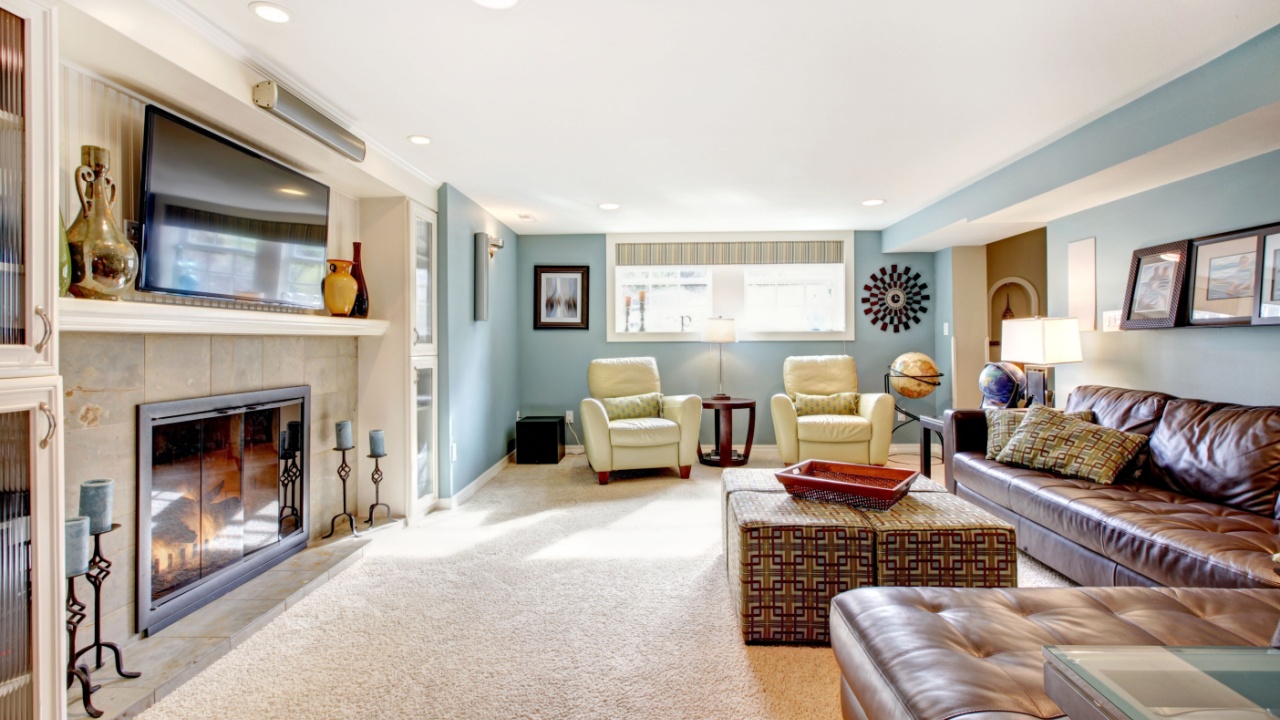
Hardwood floors dominate modern renovations, leaving wall-to-wall carpeting with a largely negative reputation. However, designers appreciate how a beautifully textured broadloom carpet softens a room and absorbs sound effectively. High-quality wool carpets in subtle patterns or rich solid hues add a layer of warmth that bare floors simply cannot replicate.
To embrace this look today, look for low-pile carpets with natural fibers and sophisticated patterns. Installing a custom-fitted carpet in a bedroom or a sunken living area creates an inviting retreat perfect for relaxing after a long day.
2. Antique Armoires
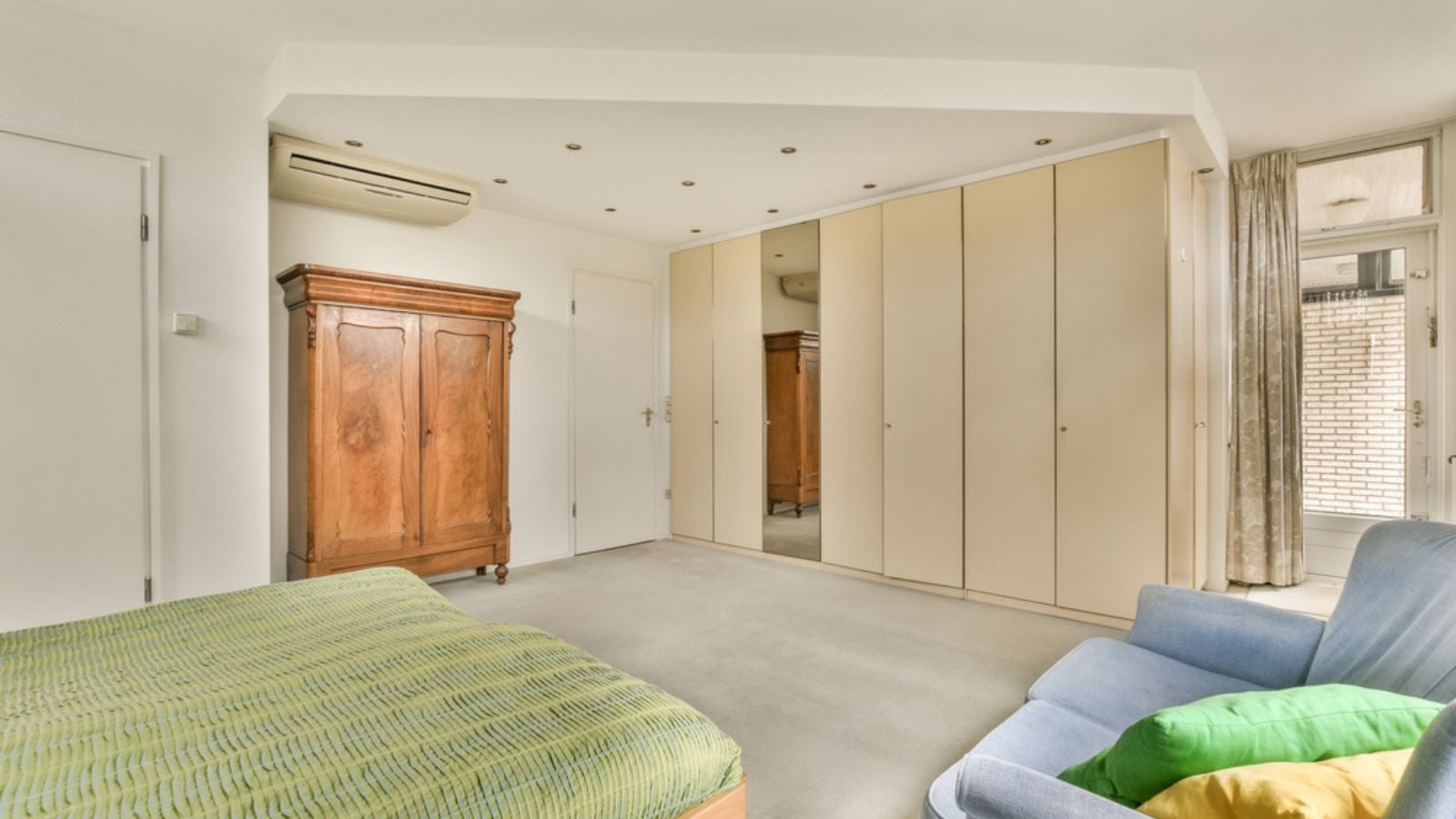
Built-in closets and sleek shelving units have pushed the traditional freestanding armoire to the sidelines of furniture design. Despite this shift, interior decorators still prize these massive wooden cabinets for their incredible craftsmanship and architectural presence. An ornate armoire brings visual weight to a room and serves as a stunning focal point.
Repurposing an old armoire offers a brilliant solution for homes lacking storage space. You can transform a vintage piece into a hidden bar, a television cabinet, or a designated craft station to keep clutter completely hidden behind closed doors.
3. Formal Dining Rooms
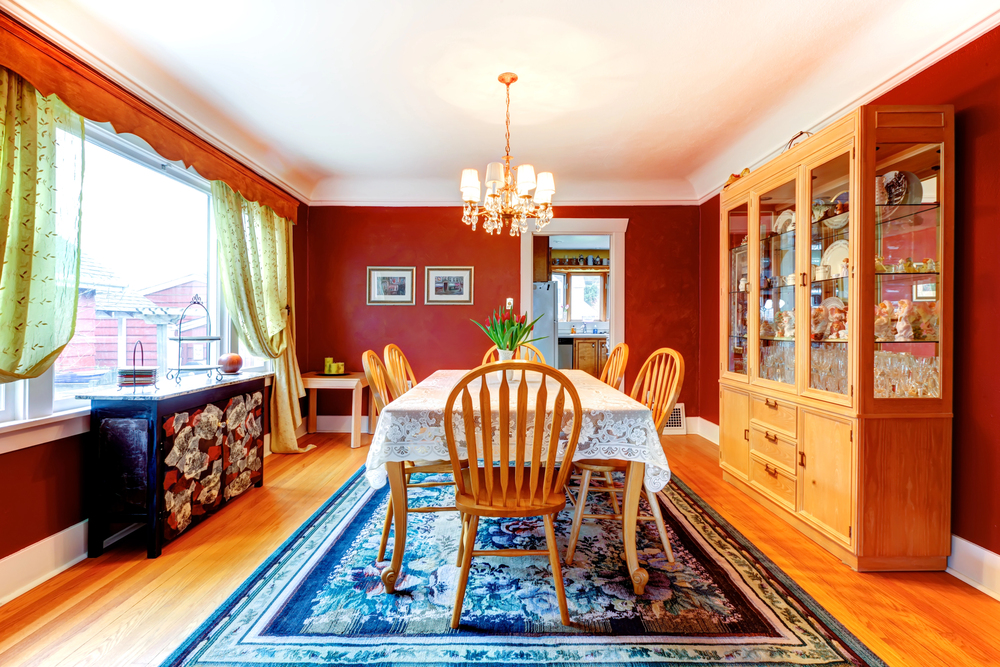
Open-concept floor plans nearly eliminated the formal dining room in favor of large kitchen islands and casual eating nooks. Yet, decorators hold a special place in their hearts for a dedicated space designed strictly for gathering and sharing meals. A separate dining room allows for bolder design choices, intimate conversations, and memorable dinner parties free from the sight of kitchen messes.
Reclaiming a formal dining room gives you the perfect excuse to use dramatic wallpaper and statement lighting. Treat the room as a jewel box by painting the walls a rich, dark color and hanging an oversized chandelier to elevate the entire dining experience.
4. Vintage China Collections
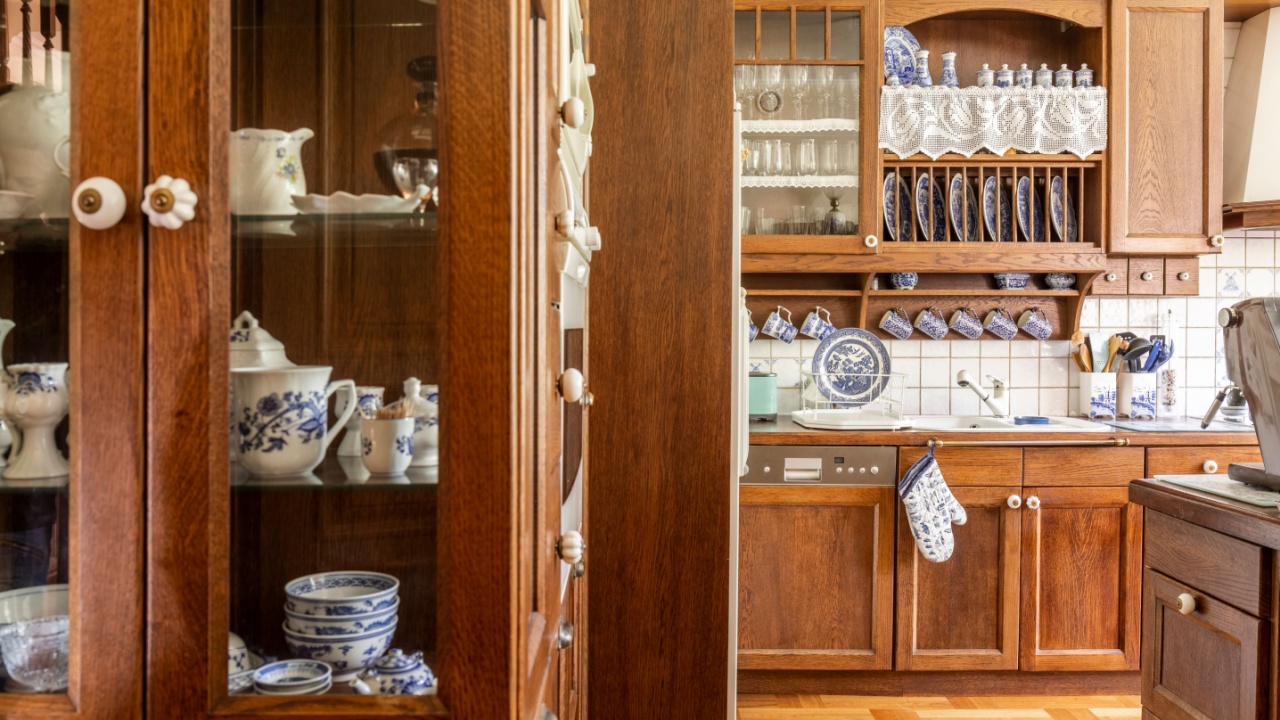
Minimalist open shelving filled with plain white plates turned ornate, floral china patterns into a relic of the past. Some professional designers strongly disagree with hiding beautiful heirloom dishes away in boxes. Elaborate china brings a sense of occasion to any table setting and showcases intricate artistry that mass-produced tableware lacks.
Mix and match your vintage plates with modern, streamlined flatware for a balanced tabletop display. You can also mount particularly stunning plates directly on the dining room wall as a unique alternative to traditional framed artwork.
5. Art Deco Glamour
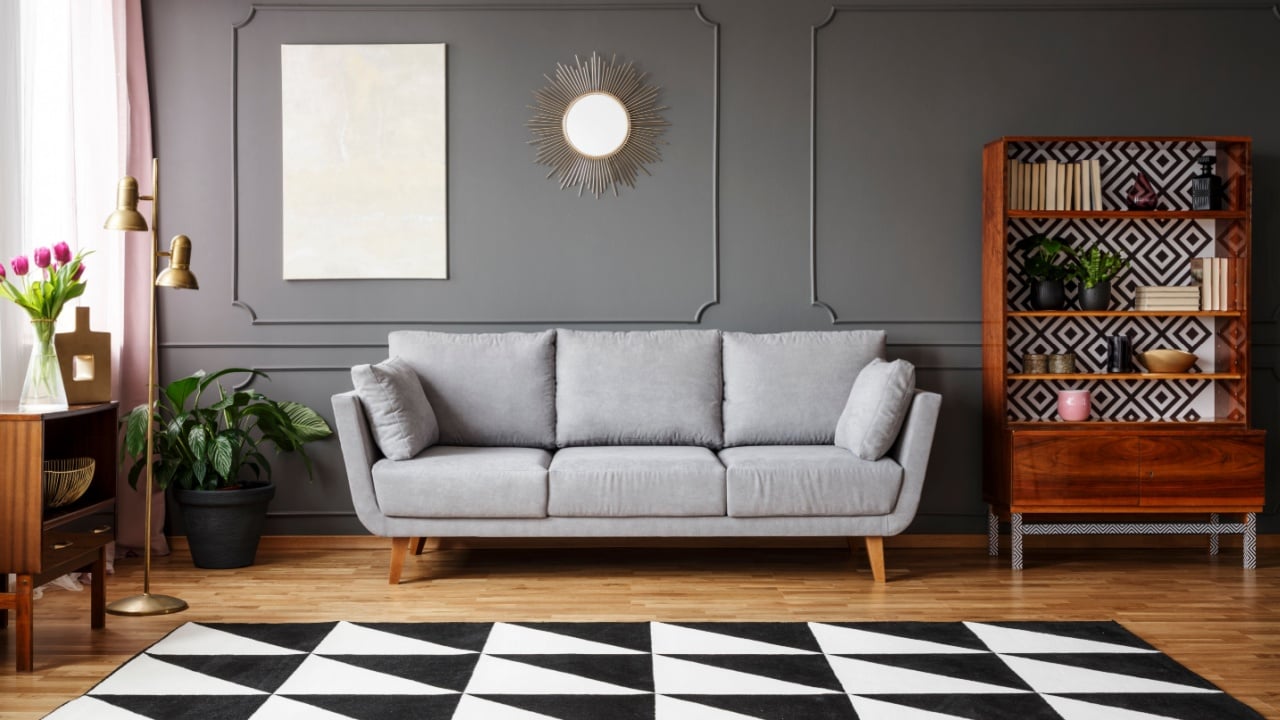
The geometric patterns and mirrored finishes of the Art Deco era fell out of fashion as decorators embraced softer, more organic trends. Many designers still adore the high glamour and sophisticated symmetry associated with this opulent style. Saturated colors, metallic accents, and stepped forms bring an undeniable sense of luxury to modern interiors.
Incorporate Art Deco elements through subtle touches like a geometric rug or a polished brass light fixture. Pairing a single, strong Deco statement piece with contemporary furniture keeps the room looking fresh and perfectly balanced.
6. Traditional Canopy Beds
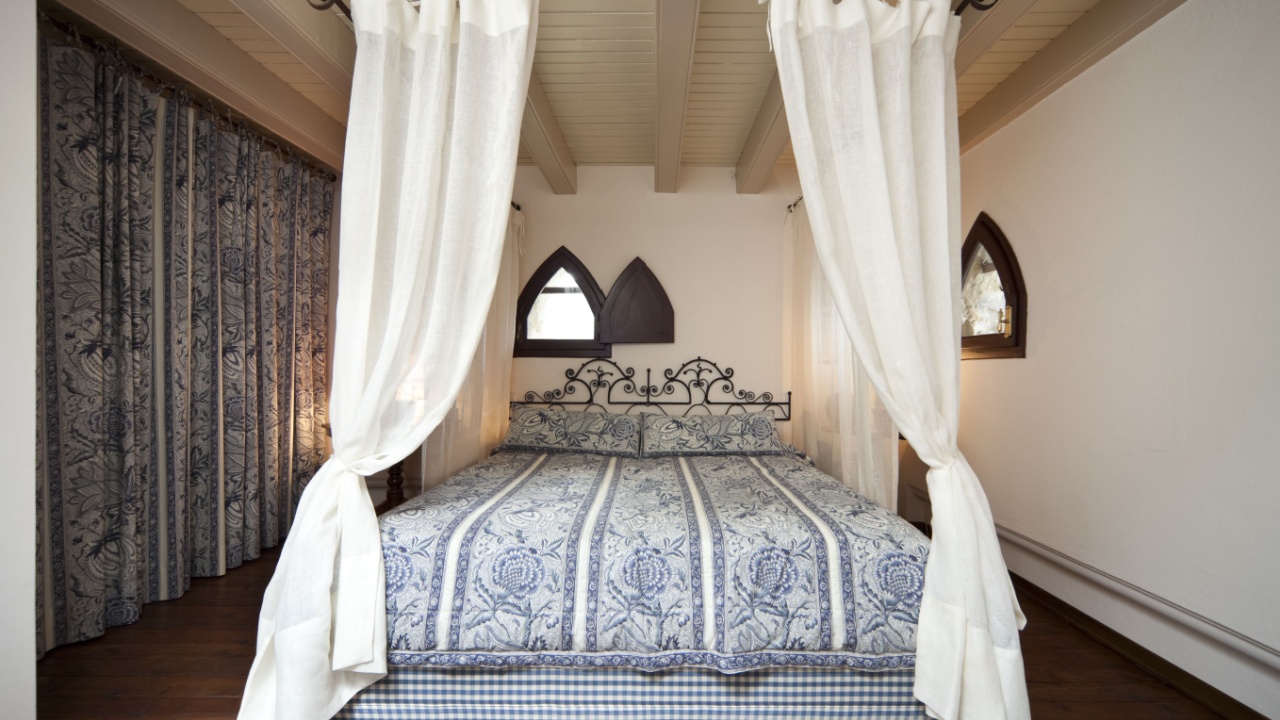
Sleek platform beds became the standard in recent decades, making tall canopy frames seem overly fussy or purely traditional. Design professionals know that a grand canopy bed grounds a large primary suite and draws the eye upward to highlight tall ceilings. The architectural structure of a four-poster frame creates a room within a room, adding intimacy to cavernous sleeping quarters.
Skip the heavy drapes and ruffled valances to modernize the canopy bed aesthetic. Leave the wooden or metal frame completely bare to enjoy the strong structural lines while maintaining an airy, uncluttered feel in the bedroom.
7. Bold Stairwell Wallpaper
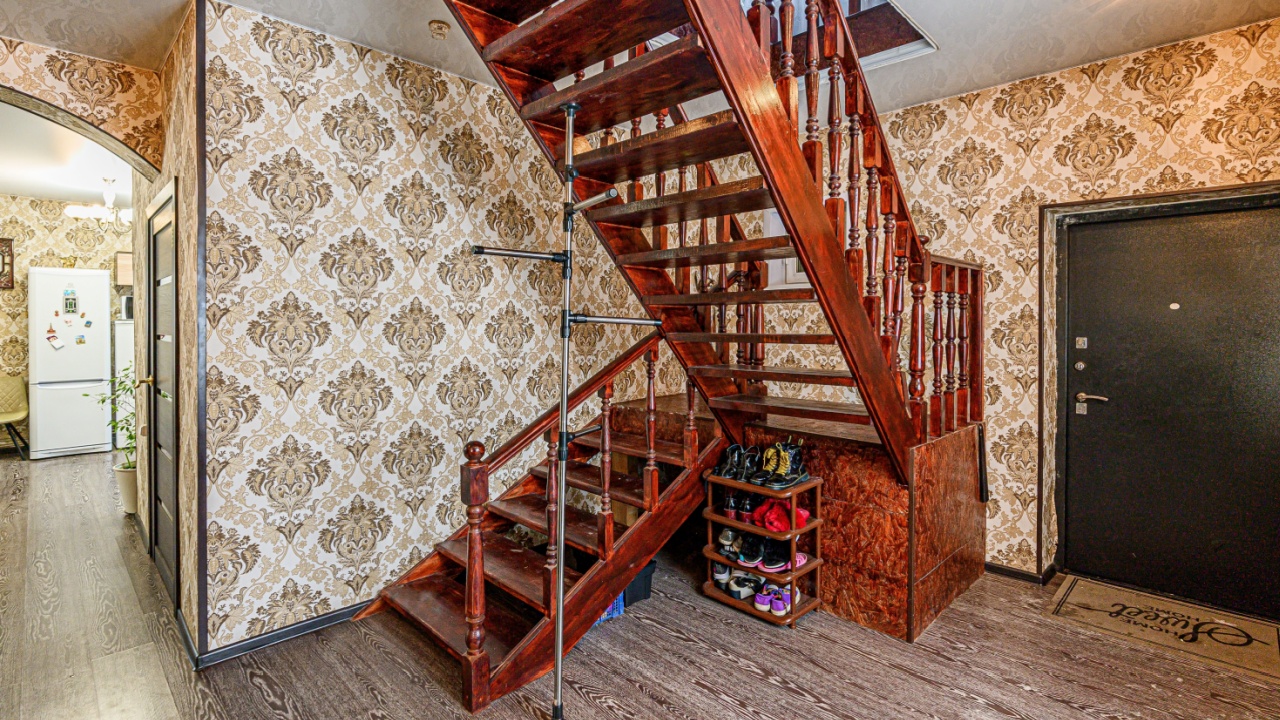
Painting entryways in bright, neutral tones became the standard method for updating older homes. Decorators still love the old-school approach of wrapping a staircase or foyer in heavily patterned wallpaper. This treatment transforms a simple transitional space into a captivating visual journey between the different levels of a home.
Select a botanical print or a classic toile pattern and apply it to the stairwell walls to create an immediate impact upon entering the house. Painting the adjacent trim and stair risers in a complementary solid color ties the bold pattern directly into the rest of the home.
8. Chintz Fabrics
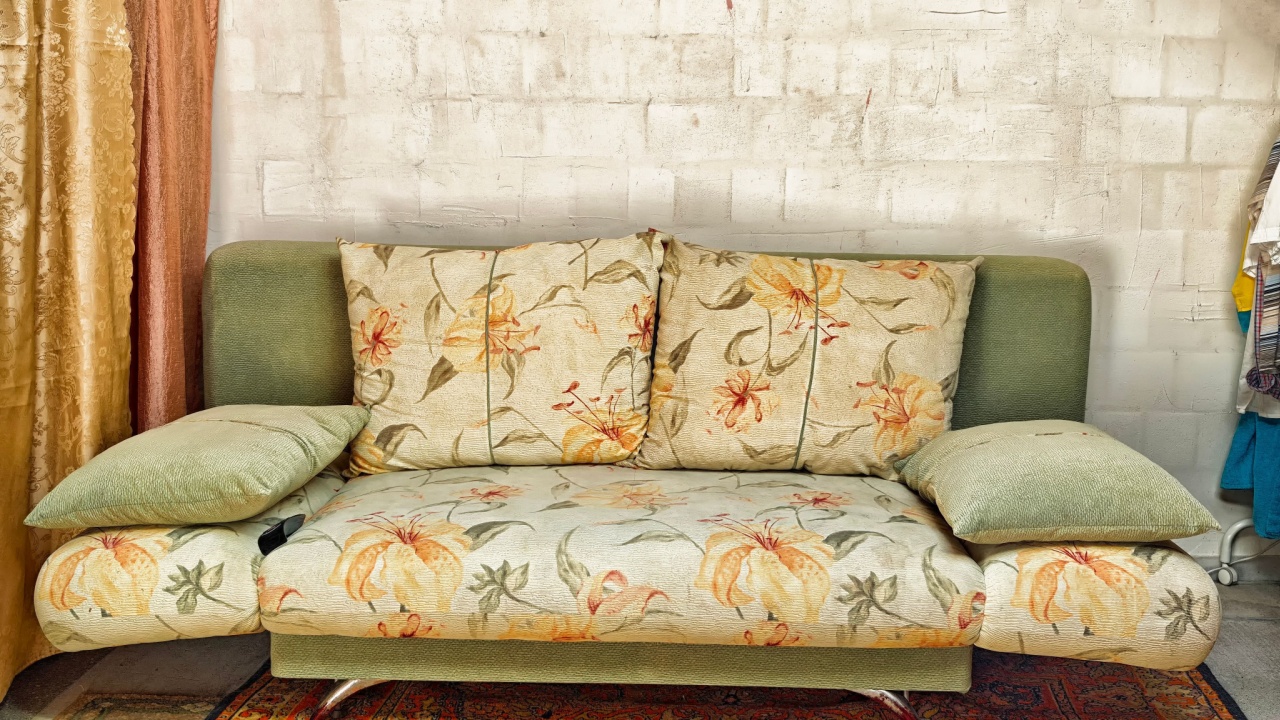
Floral chintz ruled the residential landscape decades ago before being banished for looking too busy or old-fashioned. Many high-end decorators still rely on these glazed cotton fabrics to inject life, color, and undeniable charm into their projects. The detailed floral motifs bring the beauty of an English garden indoors and soften rigid, modern architecture.
Use chintz selectively to avoid overwhelming a small room. Upholstering a single accent chair or hanging chintz drapery panels alongside modern, streamlined furniture creates a beautiful tension between the old and the new.
9. Skirted Furniture
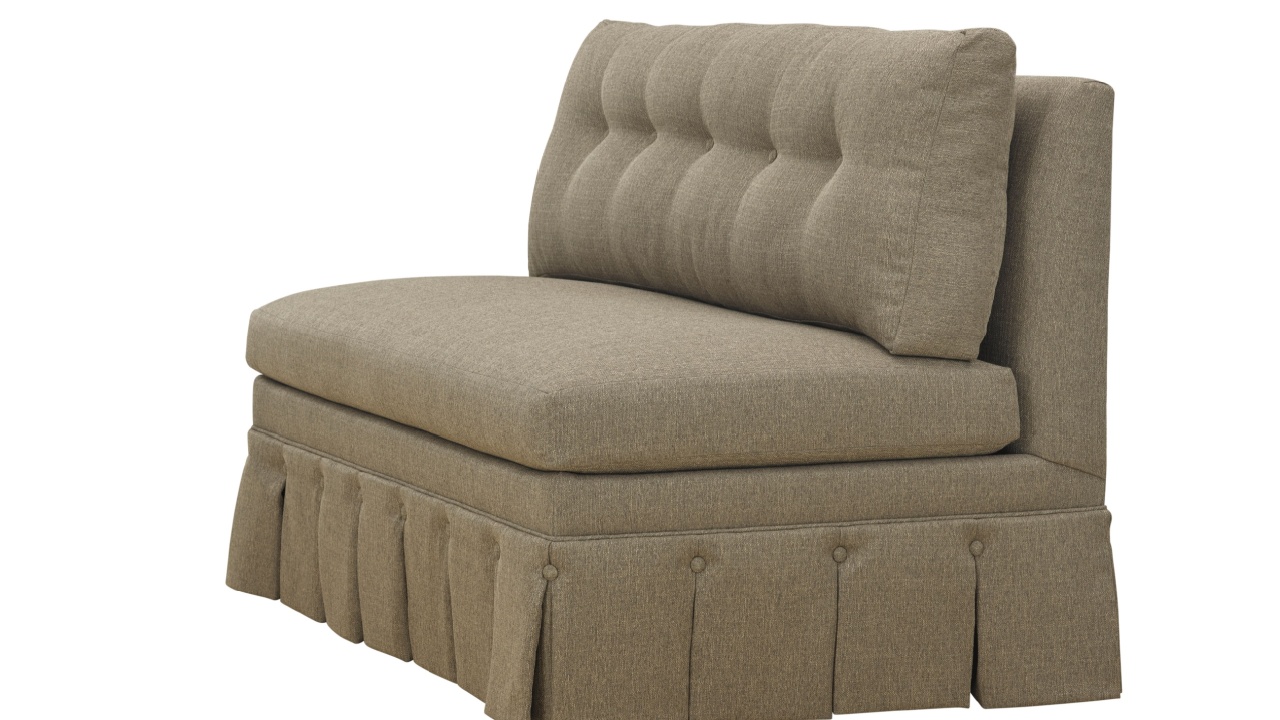
Exposed furniture legs are a hallmark of mid-century modern and contemporary design, pushing skirted sofas and chairs out of the spotlight. Designers still value skirted upholstery for its ability to hide unsightly cords and anchor a floating seating arrangement. A beautifully tailored skirt adds a layer of softness and refinement to living spaces.
Look for pieces with crisp, pleated skirts rather than ruffled edges to keep the look updated. Placing a skirted armchair next to a leggy, modern side table provides a pleasing visual contrast that elevates the entire room.
10. Wood Paneling
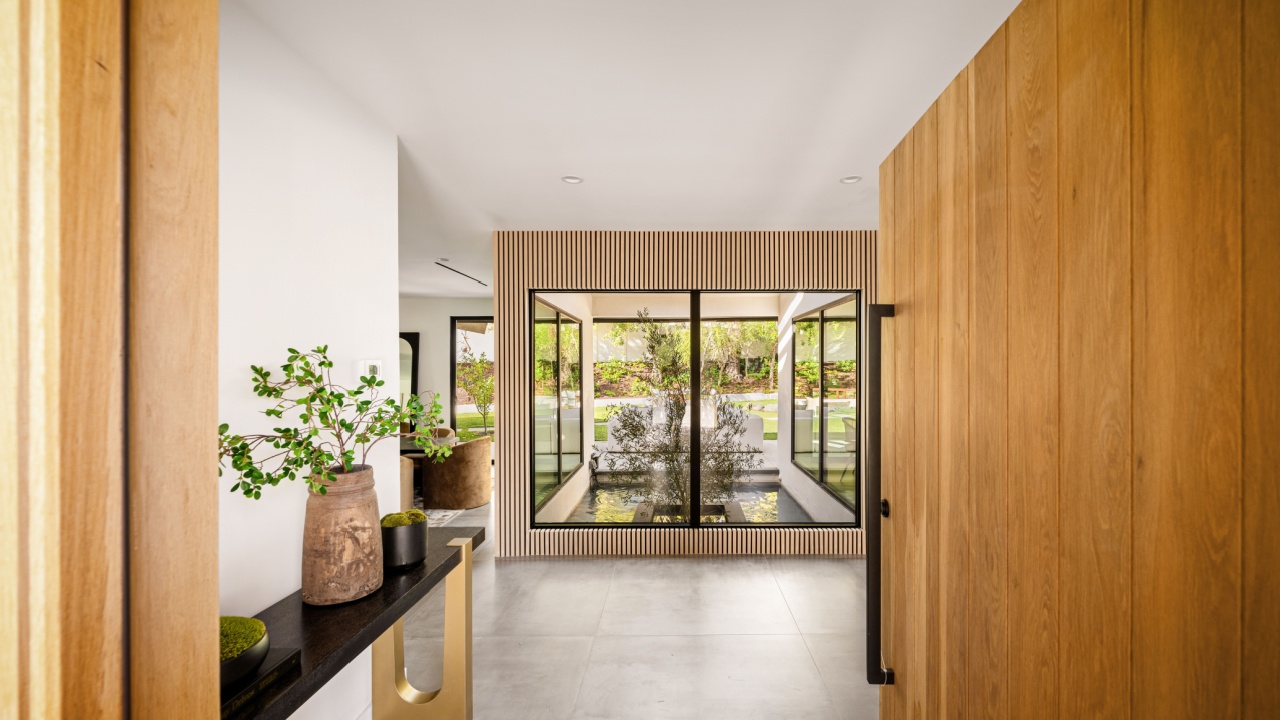
The mention of wood paneling often brings to mind dark, dated basements from the seventies. Decorators understand that high-quality, solid wood paneling actually adds incredible architectural interest and warmth to a room. Rich walnut or oak planks provide a handsome, tactile backdrop that paint simply cannot achieve.
Give existing wood paneling a fresh lease on life by sanding it down and applying a lighter, matte stain. If the wood quality is poor, painting the paneling a moody, saturated hue instantly transforms the space into a sophisticated study or library.
11. Linoleum Flooring
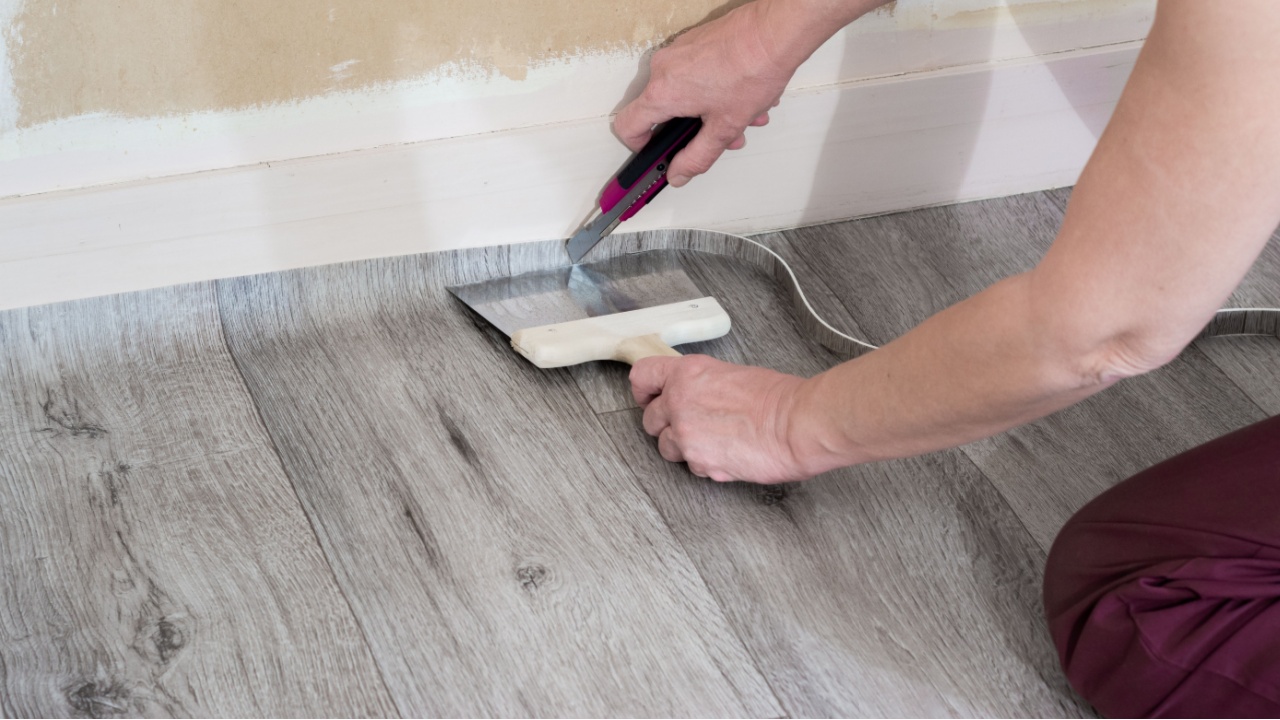
Vinyl plank flooring and ceramic tiles completely replaced linoleum in modern kitchens and mudrooms. True linoleum is made from natural materials like linseed oil and cork dust, making it an eco-friendly favorite among design purists. It offers incredible durability, feels softer underfoot than tile, and develops a beautiful patina as it ages.
Embrace the retro appeal of linoleum by installing it in classic checkerboard patterns or custom color blocks. This material works exceptionally well in high-traffic areas like laundry rooms and pantries where durability is incredibly important.
12. Matching Furniture Sets
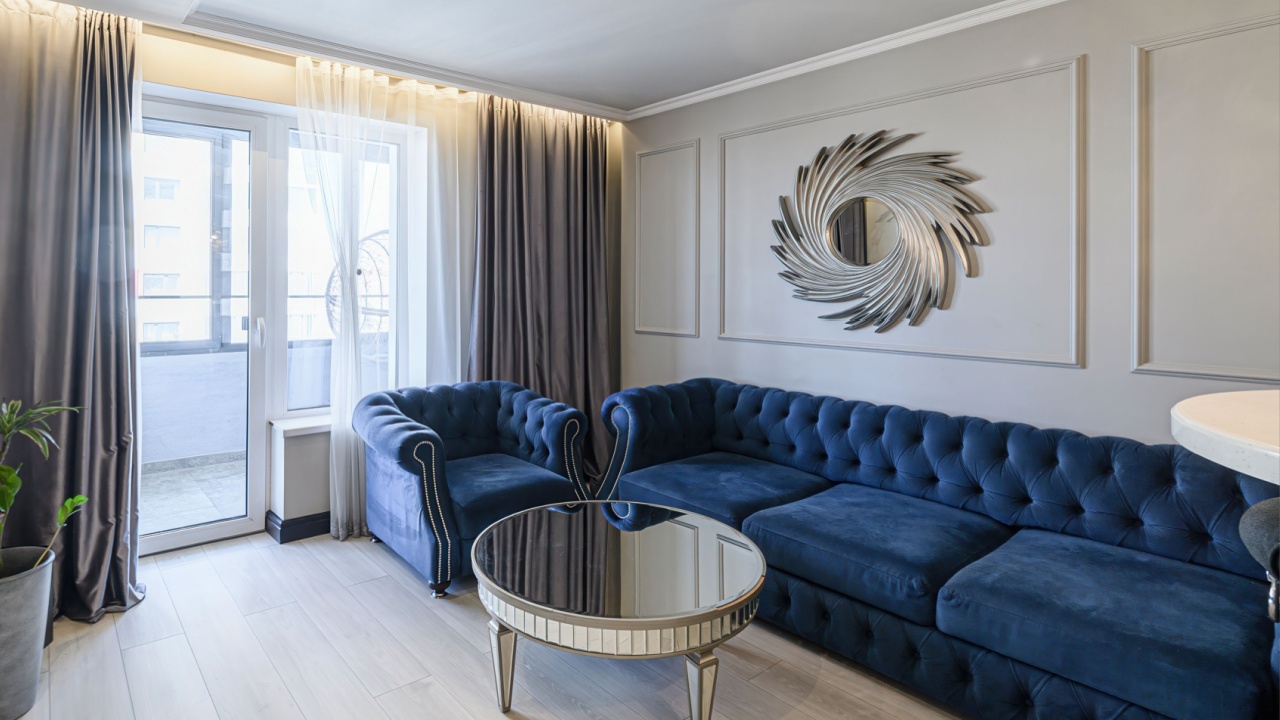
Eclectic, mismatched rooms have been heavily promoted as the ultimate sign of good taste, leaving matching furniture sets looking uninspired. Top decorators sometimes revert to matching sets to establish visual harmony in chaotic or uniquely shaped rooms. Identical nightstands or a matching pair of sofas bring a soothing symmetry to an interior design scheme.
Break up a matching set slightly by introducing different textures through pillows and throws. Keeping the foundational furniture identical allows you to experiment with wildly different art and accessories without making the room look messy.
13. High-Gloss Brass Hardware

Brushed nickel and matte black fixtures completely overtook shiny brass in the hardware department. Designers continue to source unlacquered brass hardware for its ability to warm up cold cabinetry and reflect light beautifully. Genuine brass brings a touch of historical elegance and ages gracefully into a rich, muted tone.
Replace generic kitchen cabinet pulls with substantial brass hardware to instantly upgrade the entire room. Mixing brass cabinet knobs with a stainless steel sink or oven creates a sophisticated, layered look that feels intentionally curated.
14. Fringed Lampshades
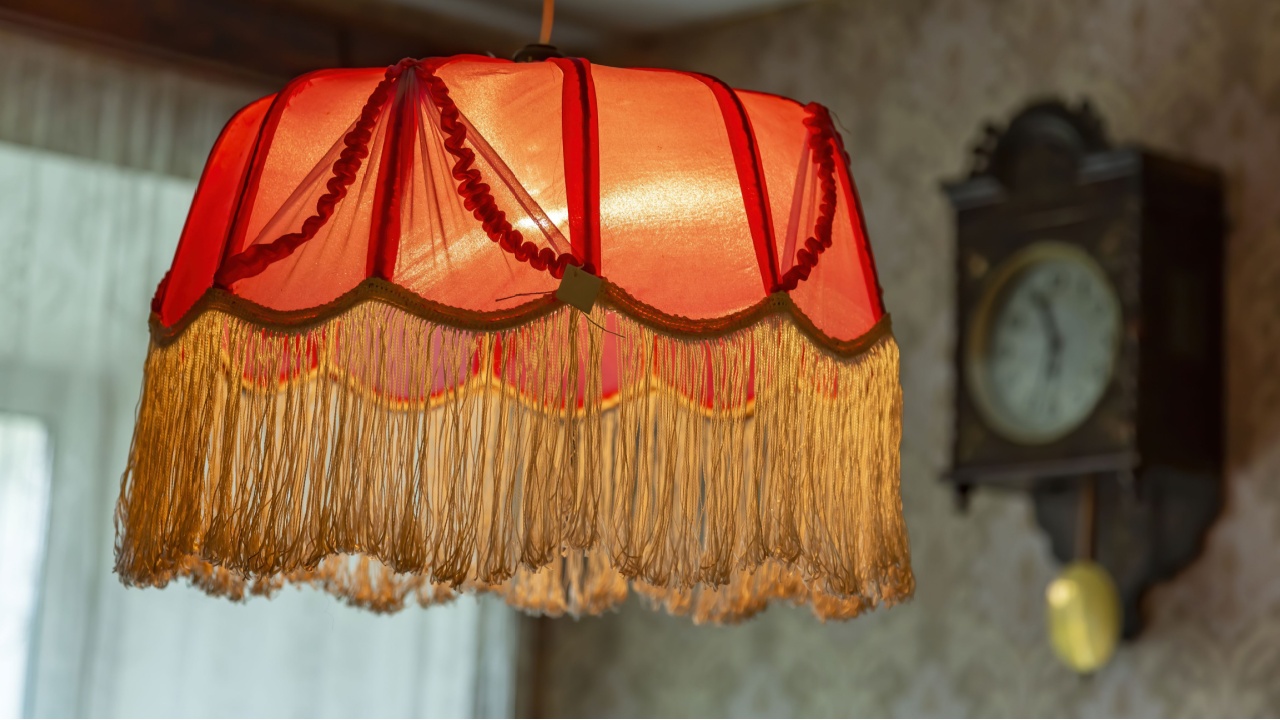
Minimalist drum shades dominate lighting showrooms, making fringed or beaded lampshades seem like relics from a Victorian parlor. Decorators actively hunt for these detailed shades to add a layer of texture and whimsy to their lighting plans. The fringe diffuses light beautifully and casts interesting, delicate shadows across the walls.
Incorporate a fringed shade on a small table lamp rather than the main overhead fixture to keep the detail from feeling overwhelming. Placing a highly decorative lamp on a sleek, modern credenza perfectly balances the intricate design with clean lines.
Mix Old with New for a Timeless Home
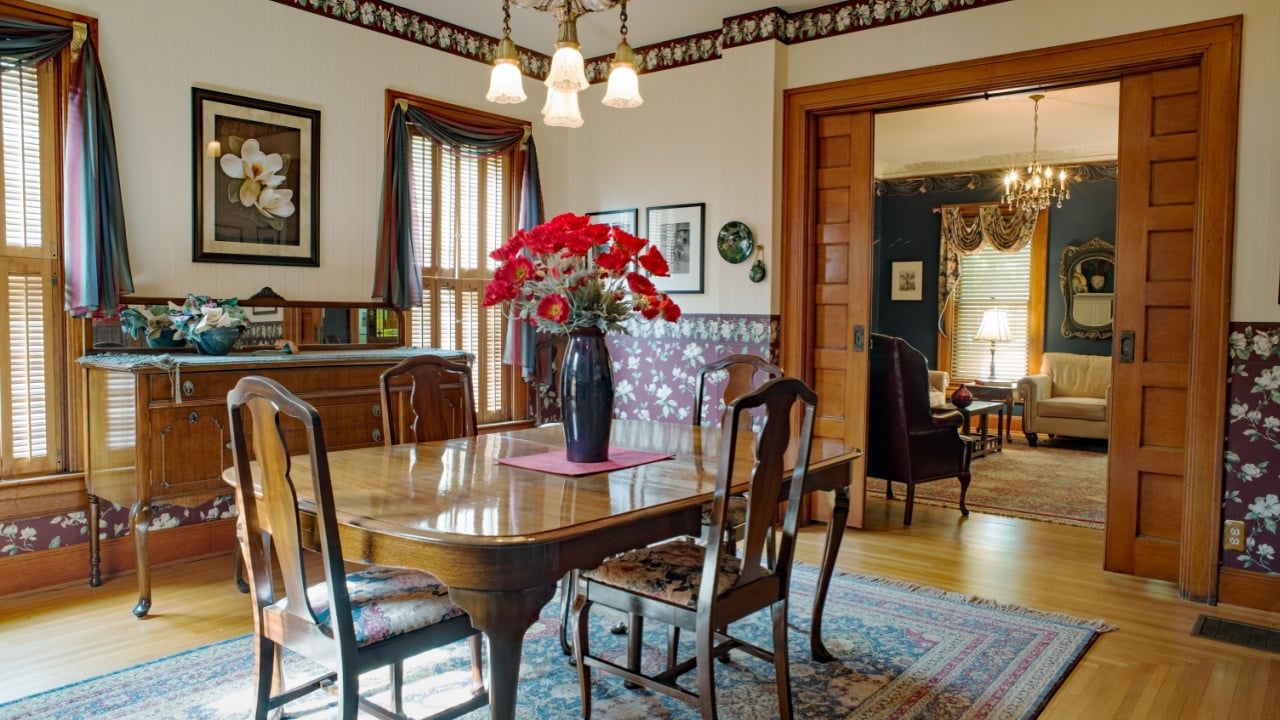
Updating a home does not require erasing every historical detail or traditional element. Bring your living space into the present by strategically blending your favorite classic designs with modern updates to create a truly timeless environment.
Take a look at your current floor plan and identify exactly where a touch of old-school charm could elevate your daily routine.
Read More: