15 Kitchen Layouts That Most Home Buyers Despise
Navigating the real estate market often comes down to quick reactions, and few things shut down interest faster than a frustrating kitchen. Buyers might not always explain it clearly, but they feel it right away. Tight corners, awkward placement, and blocked paths leave a lasting impression long before finishes or appliances get a second glance.
What makes a kitchen feel “off” usually comes down to movement. How easily can you walk, reach, cook, and clean without bumping into things or doubling back? Buyers notice these details right away, even if they cannot always explain why something feels wrong.
This list breaks down the layouts and features that consistently fall short. Each one highlights what goes wrong, along with what works better.
1. The Cramped Galley
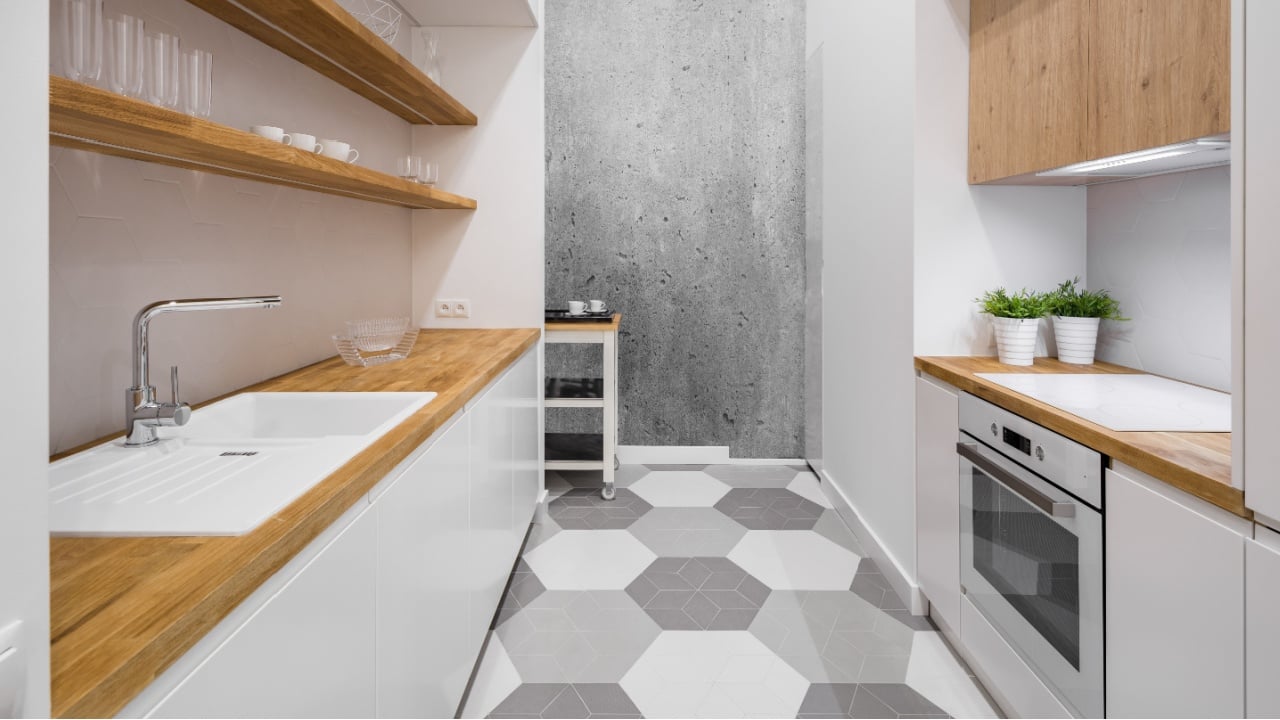
A galley kitchen relies on two parallel runs of cabinetry with a narrow walkway in between, which limits how people move through the space. It works for a single cook moving in a straight line, but the moment someone else enters, the layout feels restrictive. Opening the oven blocks the path, unloading groceries becomes a juggling act, and even turning around requires careful timing. It reads less like a kitchen and more like a corridor with appliances.
Opening one side of the galley changes how the entire space behaves. A peninsula or partial wall removal brings in light and creates a visual break, which helps the room feel wider than it is. If structural changes are not possible, keeping one side shallower or limiting upper cabinets can ease the pressure and make movement feel less confined.
2. The Island With No Clearance
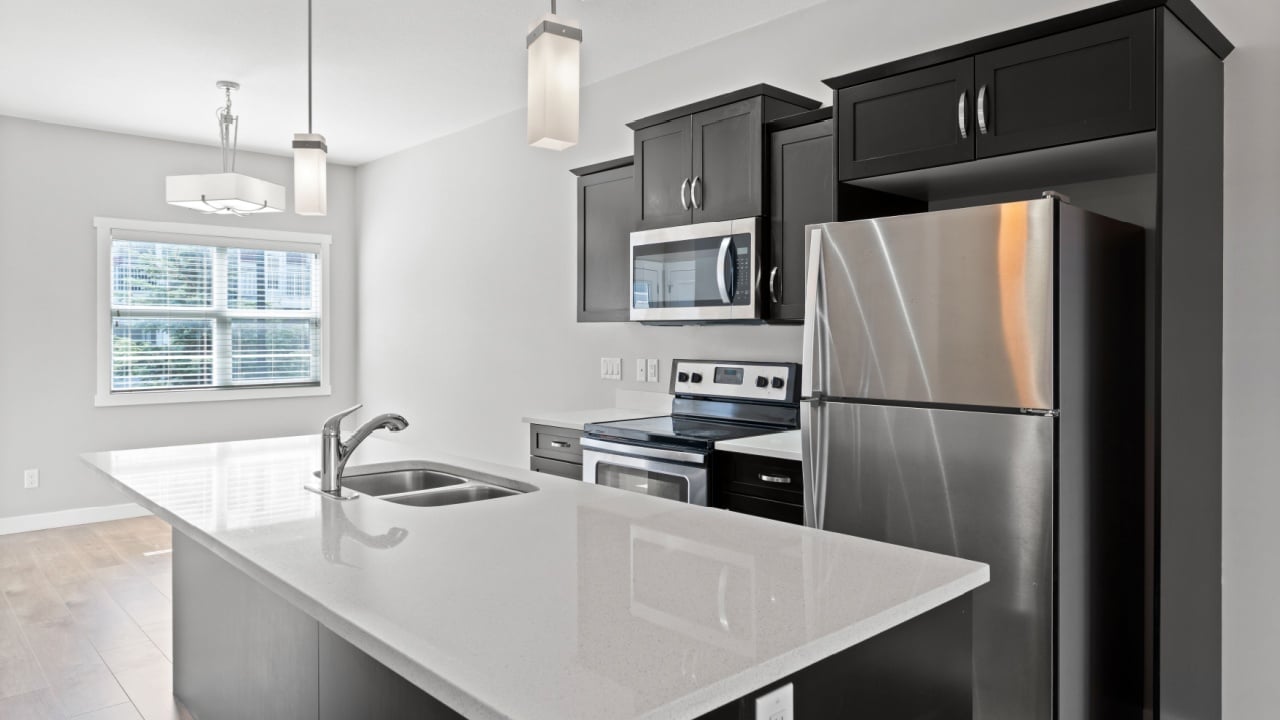
An island placed into a space that cannot support it creates constant friction. When clearance drops below standard spacing, cabinet doors collide, appliances cannot fully open, and two people cannot pass each other without stepping aside. What should act as a central workspace ends up blocking access to everything around it.
Proper spacing around an island allows it to function as intended, with room for prep, movement, and seating. If the room cannot accommodate that, scaling down the island or replacing it with a movable piece keeps the layout flexible. In tighter kitchens, open floor space often adds more value than a fixed feature that disrupts the flow.
3. The Isolated Refrigerator
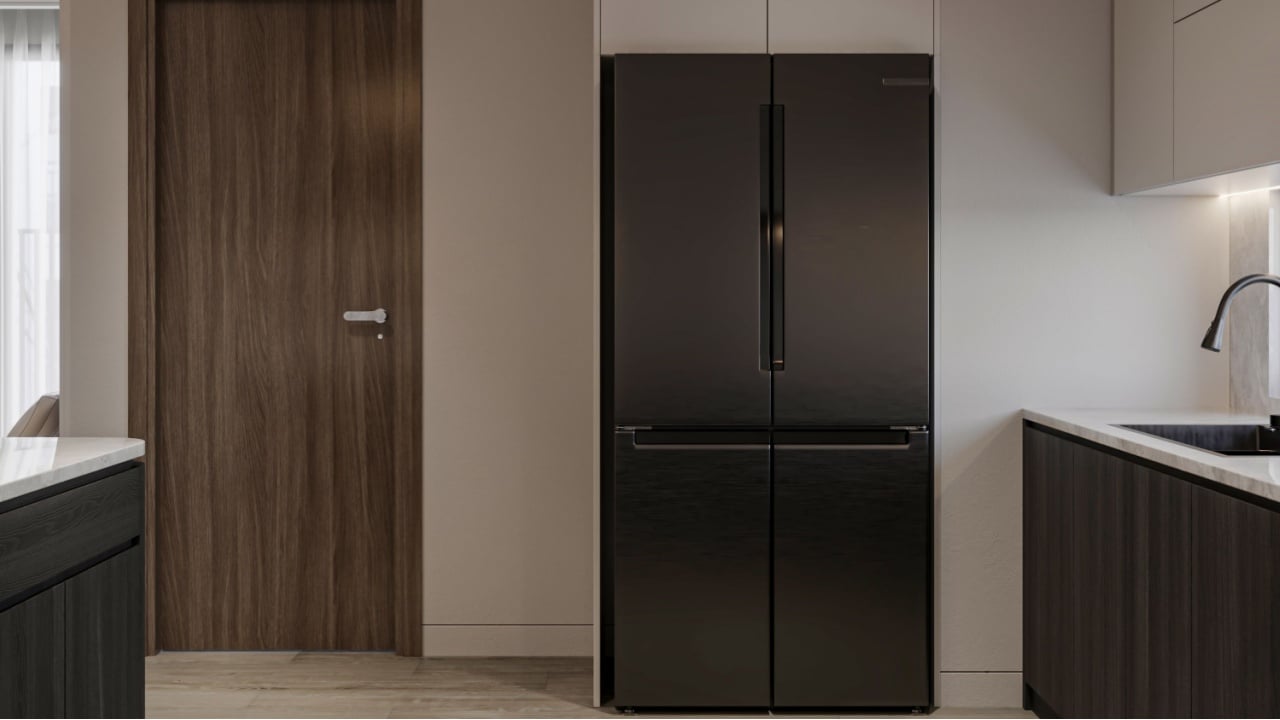
A refrigerator placed outside the main cooking zone disrupts the natural sequence of tasks. Preparing a meal turns into a back-and-forth pattern, especially when ingredients need to be grabbed repeatedly. It also creates unnecessary cross-traffic when others access the fridge during cooking.
Bringing the refrigerator closer to the prep and cooking area keeps movement efficient. In larger kitchens, placing it at the edge of the work zone can strike a balance, giving easy access without interfering with the main cooking path. The goal is to reduce extra steps while keeping the space comfortable for multiple users.
4. The Blocked Work Triangle
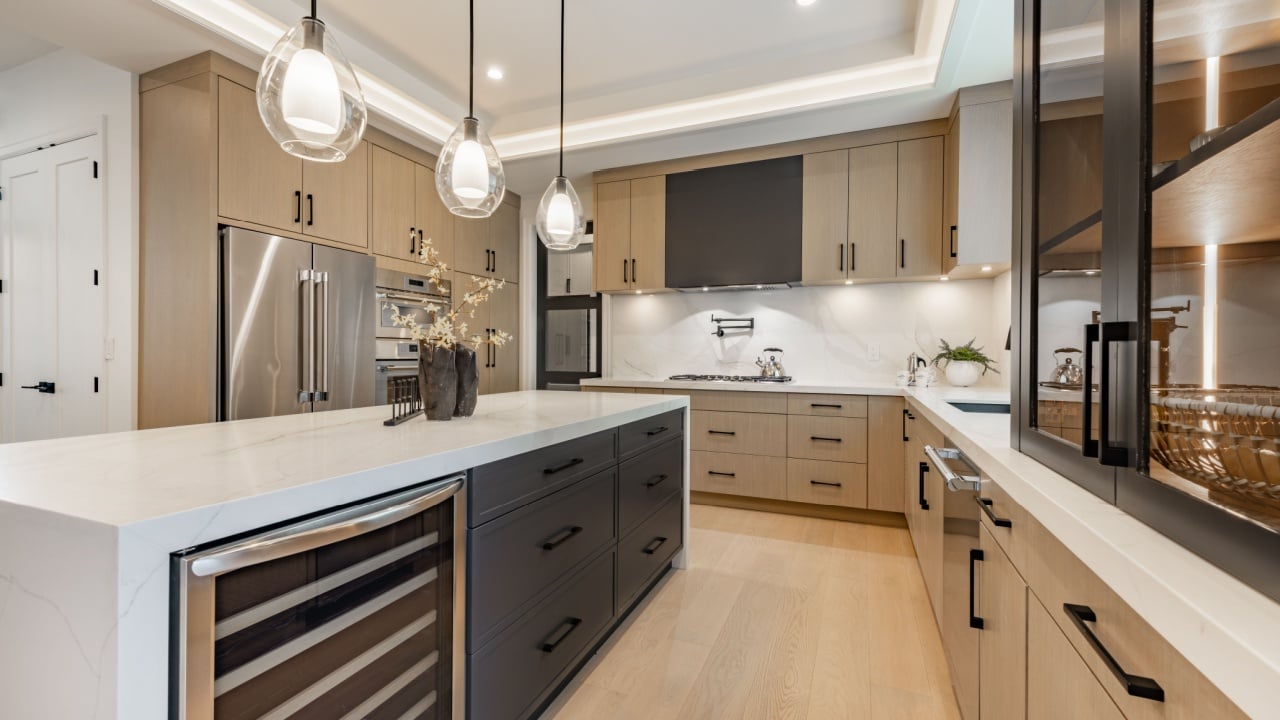
The classic work triangle depends on clear, direct paths between the sink, stove, and refrigerator. When an island, column, or poorly placed cabinet interrupts that path, movement becomes indirect. Instead of a few steps, each task requires walking around obstacles, which adds time and frustration.
Keeping these routes open allows the kitchen to function with less effort. Adjusting the size or position of a central feature can restore balance. Even small shifts can reduce unnecessary movement and make the layout feel more natural.
5. The Corner Sink
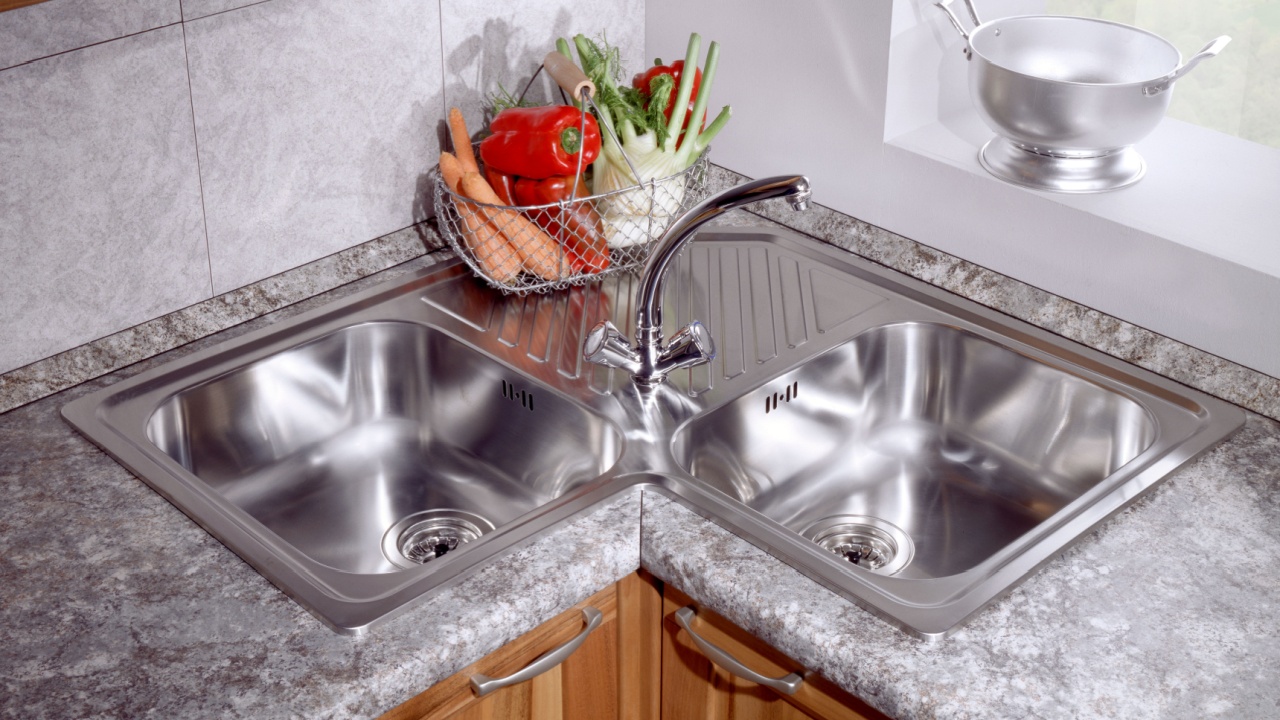
Corner sinks often look like a space-saving solution, but they create an awkward working position. The angled setup limits how a person can stand, and the space behind the faucet becomes difficult to clean or maintain. It also restricts access, making it hard for more than one person to use the area.
Moving the sink to a straight counter or placing it on an island opens up the workspace. It allows for better posture, improved lighting, and easier cleaning. When relocation is not possible, better lighting and a high-arc faucet can help reduce some of the inconvenience.
6. The Stove Against a Wall
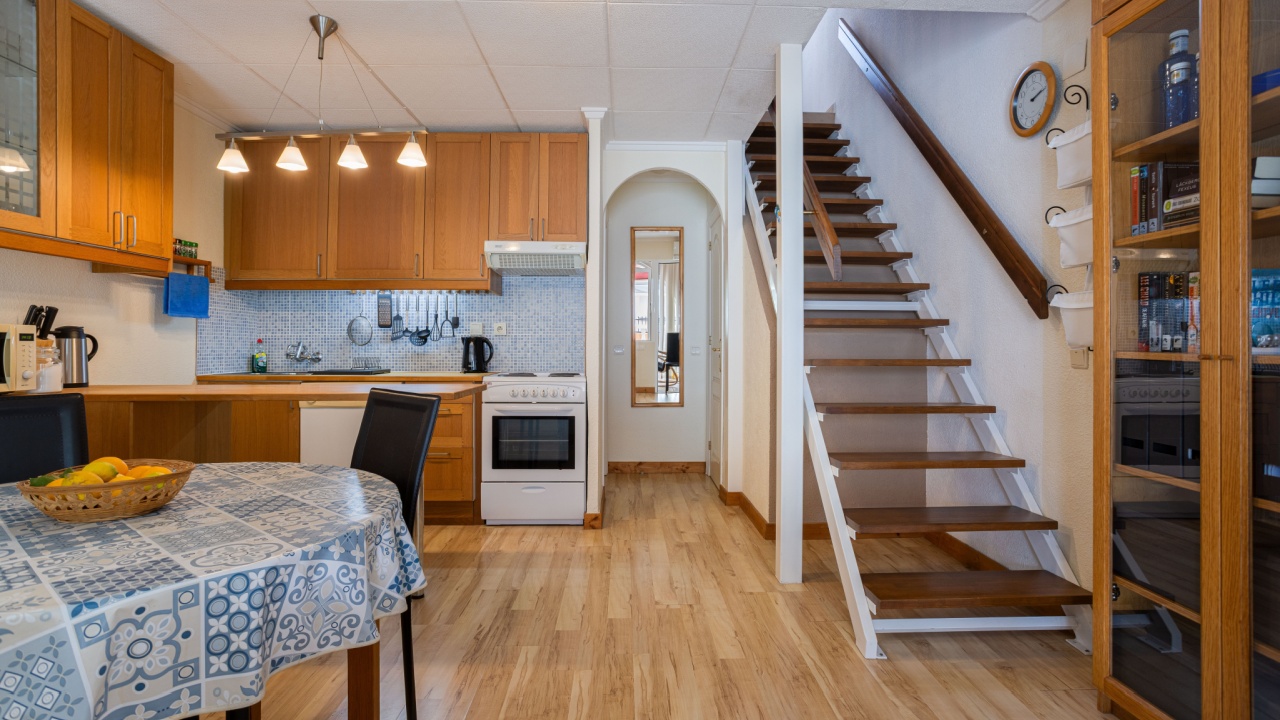
A stove placed directly against a wall or at the end of a counter run limits both safety and usability. There is no landing space for hot pans on one side, and handles often collide with the wall. It also makes the cooking area feel boxed in, especially when using larger pots or multiple burners at once. Grease and heat collect on that adjacent wall, which leads to faster wear and more frequent cleaning.
Providing counter space on both sides of the stove creates a safer and more practical setup. It gives room to stage ingredients, rest utensils, and manage multiple dishes without crowding. If a full shift is not possible, even adding a narrow heat-resistant surface or wall protection panel can improve the situation.
7. The Blind Corner Cabinet
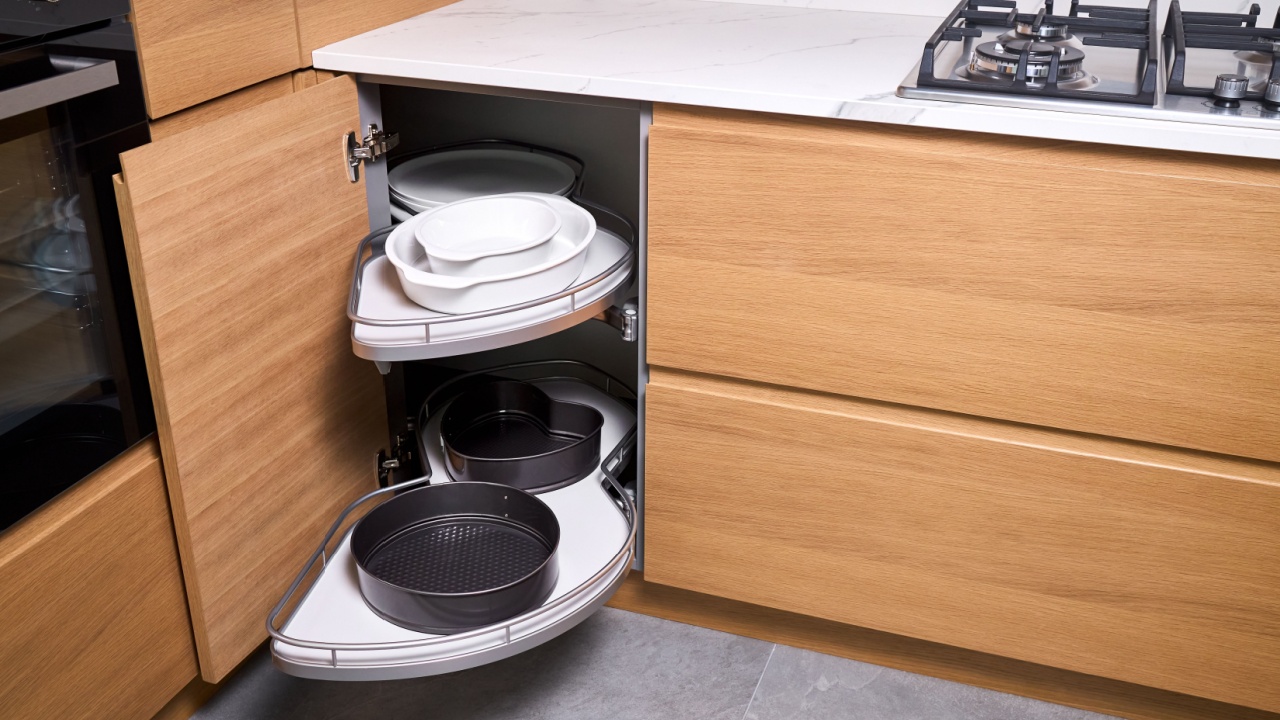
Blind corner cabinets tend to waste valuable storage space. Items placed in the back are hard to reach, and the area often turns into a collection point for rarely used items. It is common to forget what is even stored there, which defeats the purpose of having the cabinet in the first place.
Adding pull-out systems or corner organizers makes the space accessible. Swing-out shelves or sliding trays bring items forward instead of forcing awkward reaching. Another approach is to design around the corner entirely, using drawers on either side for easier access and better visibility.
8. The Disconnected Pantry
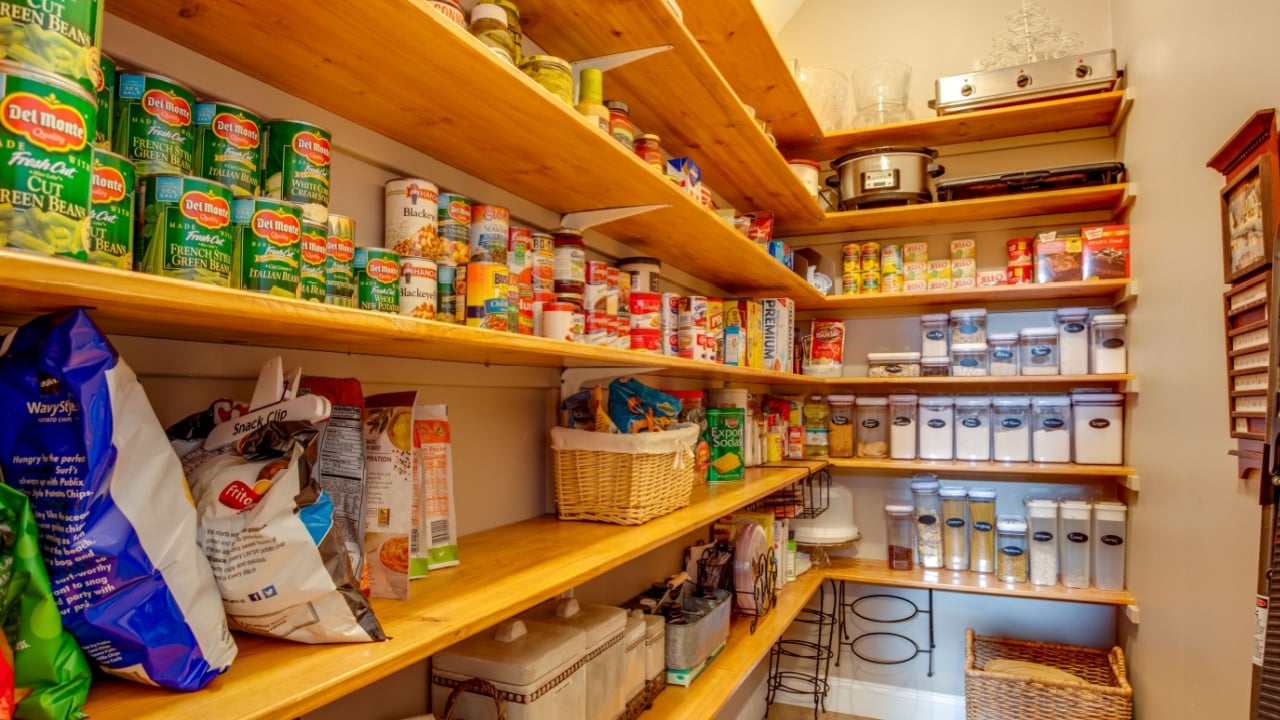
A pantry located outside the kitchen interrupts the cooking process. Each trip to grab ingredients pulls attention away and adds extra movement. During busy meal prep, this back-and-forth becomes tiring and slows everything down.
Keeping pantry storage within the kitchen keeps everything within reach. Tall cabinets, built-ins, or slim pull-out units can provide enough space without requiring a separate room. Grouping dry goods near the prep area also improves organization and keeps counters from getting cluttered.
9. The Microwave Over the Range
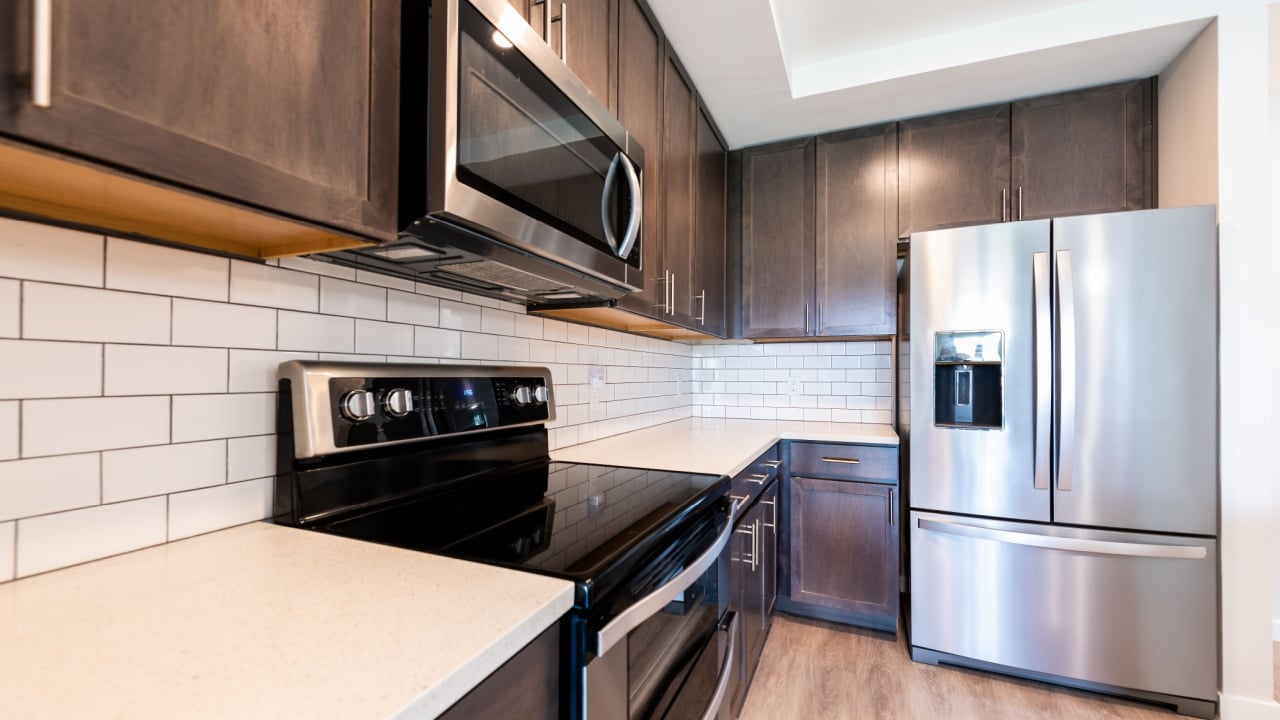
An over-the-range microwave often sits too high and overlaps with the cooking zone below. It forces users to reach upward while standing over a hot surface, which is uncomfortable and unsafe for many people. It also limits the effectiveness of ventilation compared to a dedicated hood.
Relocating the microwave to a lower cabinet or built-in shelf improves access and clears the area above the stove. Microwave drawers or dedicated niches keep the appliance easy to reach without interrupting cooking. This setup also creates space for a proper vent hood, which handles heat and odors far better.
10. The Shallow Counter Depth
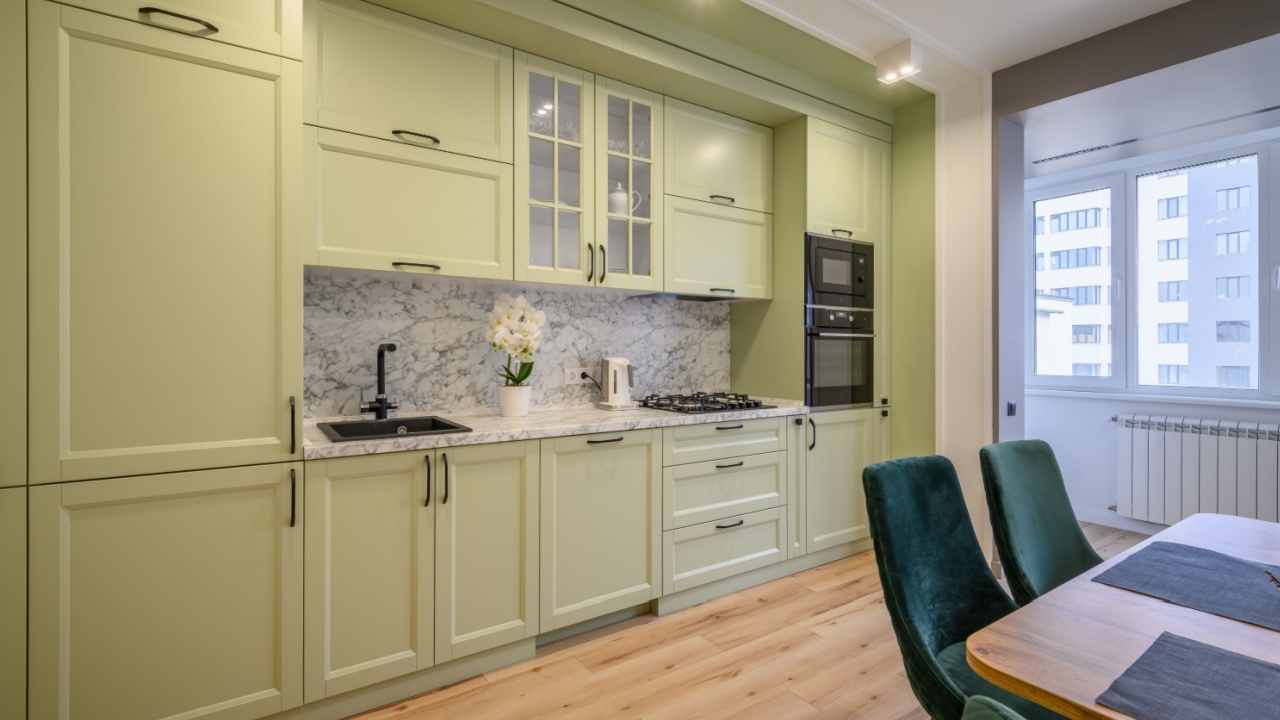
Shallow countertops limit how the kitchen can be used. There is less room for prep work, and appliances extend beyond the edge, which disrupts the visual balance. Even simple tasks like chopping or mixing feel cramped due to the reduced surface area.
Standard counter depth allows for comfortable prep space and proper appliance placement. It also gives room for small appliances to sit without crowding the workspace. When depth cannot be increased, extending a section of the counter or adding a small auxiliary surface can help.
11. The Lack of Landing Zones
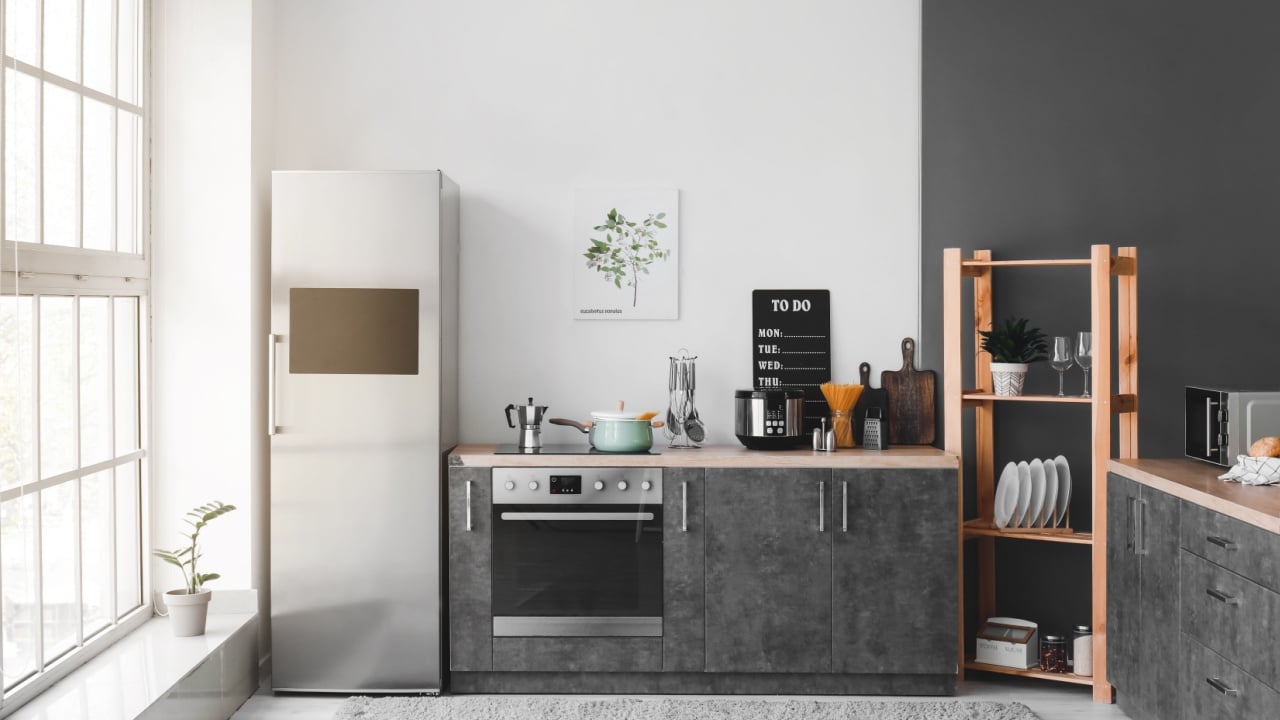
Landing zones provide a place to set items down near appliances. Without them, users end up carrying hot dishes or grocery bags across the room, which adds effort and increases the risk of spills. It becomes especially frustrating during busy cooking or unloading groceries.
Adding small stretches of counter next to key appliances improves usability right away. Even a narrow strip beside a fridge or oven can make a difference. These spaces support everyday tasks and keep movement contained within a comfortable range.
12. The Multi-Level Bar Island
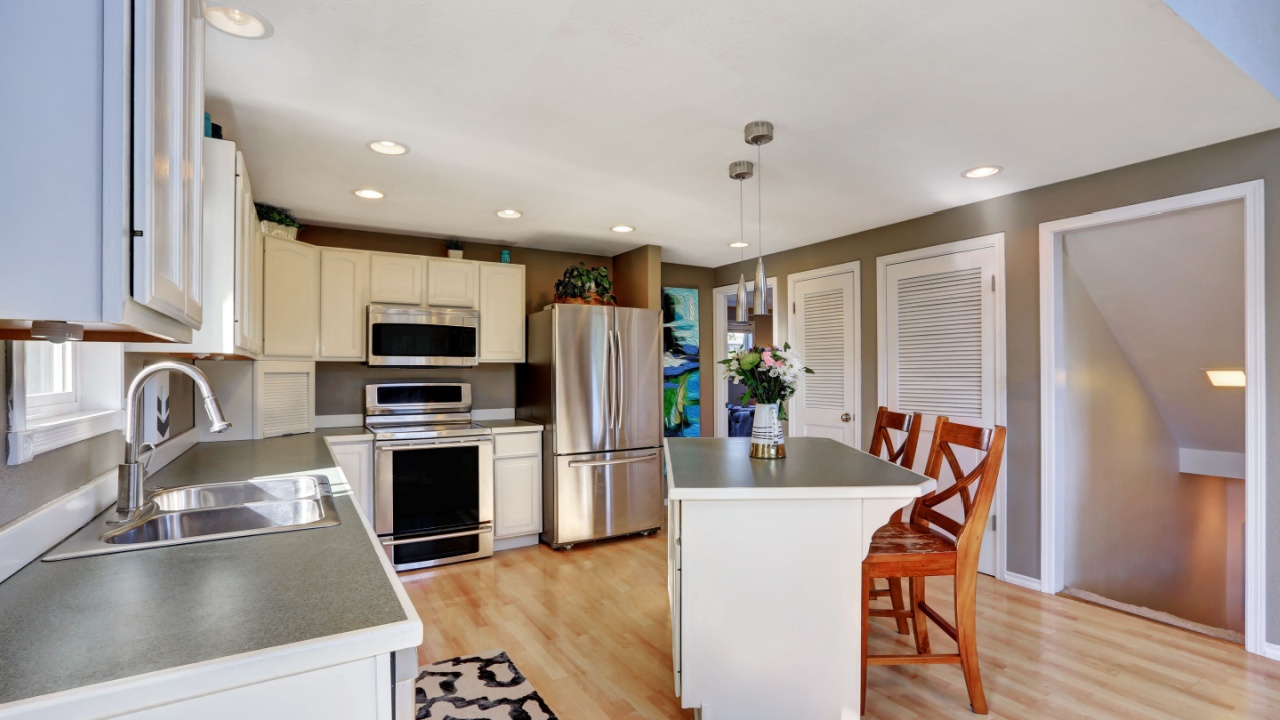
Tiered islands divide the workspace into separate levels, which limits how the surface can be used. The raised section blocks views and makes the kitchen feel visually cluttered. It also reduces the amount of flat space available for prep or serving.
A single-level island creates a continuous surface that supports multiple tasks. It allows for easier cleanup, better seating arrangements, and a more open look. Flattening the surface often makes the entire kitchen feel larger and more cohesive.
13. The Walk-Through Traffic Path
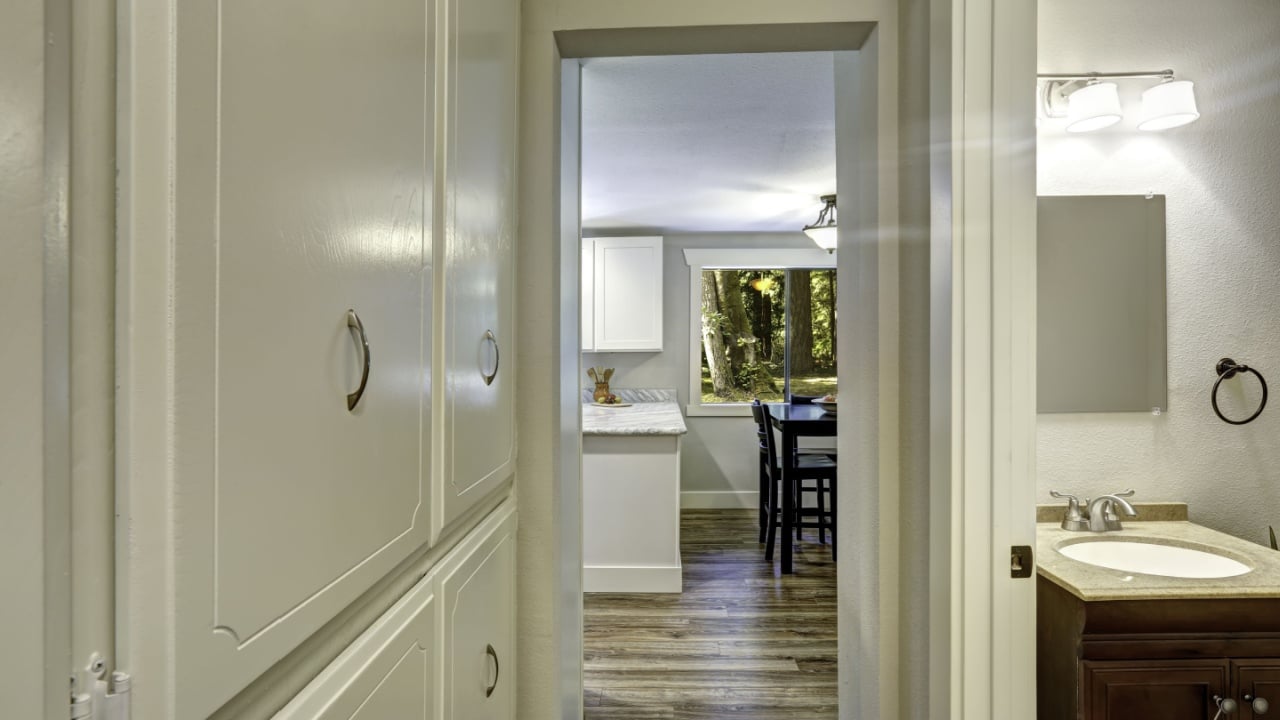
When the kitchen serves as a main pathway, it disrupts the cooking area. People pass through frequently, cutting across work zones and creating constant interruptions. This can make even simple tasks feel chaotic during busy hours.
Designing the layout to guide traffic around the edges keeps the central workspace clear. Islands or peninsulas can help direct movement without blocking access. Creating a defined path keeps cooking and foot traffic from competing with each other.
14. The Poorly Placed Dishwasher

A dishwasher placed too far from the sink or in a blocking position complicates a simple task. Loading becomes less efficient, and the open door can interfere with movement or access to cabinets. It often feels like it is always in the way.
Placing it next to the sink creates a smooth workflow. This allows dishes to move directly from rinsing to loading without extra steps. Leaving enough clearance for the door to open fully without blocking walkways improves daily use.
15. The Clipped Corner Island
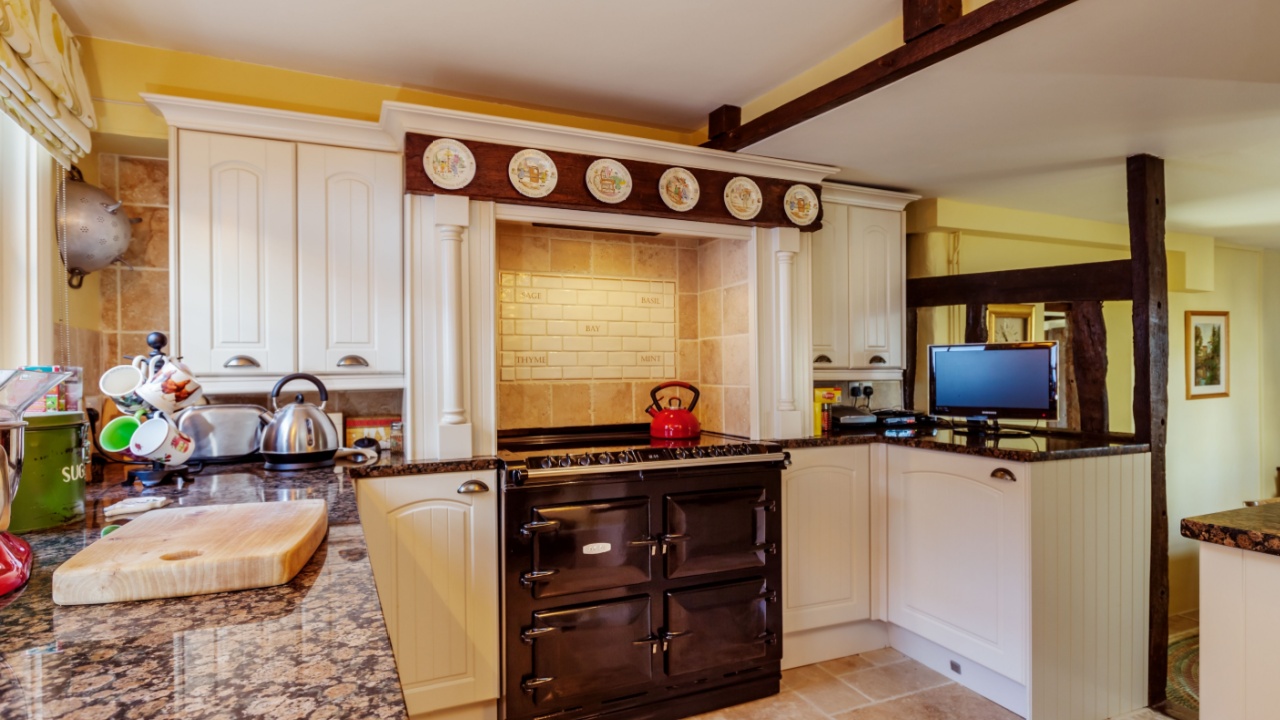
Islands with angled or clipped corners reduce usable surface area and create awkward seating arrangements. The shape can feel forced, especially in kitchens where space is already tight. It also makes it harder to align stools or use the edges comfortably.
Simple rectangular islands provide more usable space and a cleaner appearance. Straight edges make it easier to prep, serve, and place seating. When space is limited, reducing the island size slightly often works better than altering its shape.
Make the Kitchen Work for Everyone
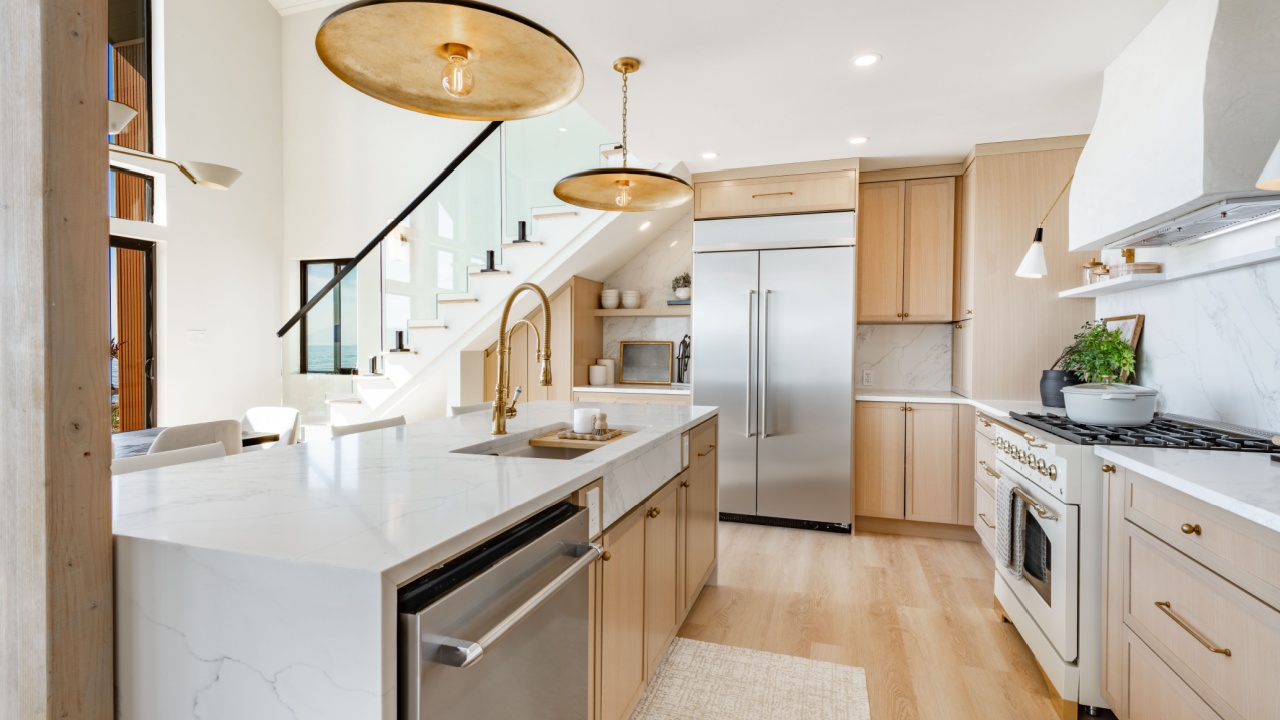
Avoiding these layout mistakes comes down to how a kitchen actually works for people. A space that flows, offers room to move, and makes cooking and socializing easy will always appeal to buyers. Paying attention to the work triangle, clearances, and easy access keeps the kitchen functional and inviting, rather than a source of frustration.
Read More: