
6 Mistakes Made When Furniture Buying Mistakes You’ll Regret
Furniture shopping feels simple until the piece arrives and refuses to fit, function, or age well. Most regrets do not come from bold choices. They come from small oversights that seemed harmless at the time.
Scale, comfort, placement, and materials matter far more than showroom appeal. Below are the six biggest furniture shopping mistakes designers consistently warn against, expanded with practical guidance to help readers avoid costly do-overs.
1. Falling for Looks While Ignoring Comfort

A chair can photograph beautifully and still feel miserable after ten minutes. Sofas with shallow seats, rigid cushions, or awkward arm heights often become decorative objects instead of places people actually use.
Comfort issues rarely improve with time. A piece that feels stiff or cramped on day one usually stays that way. Furniture should support how people sit, lounge, read, and gather.
Quick check before buying
Sit for several minutes, not seconds. Test back support and seat depth. Ask how cushions soften with use.
2. Guessing Measurements Instead of Verifying Them
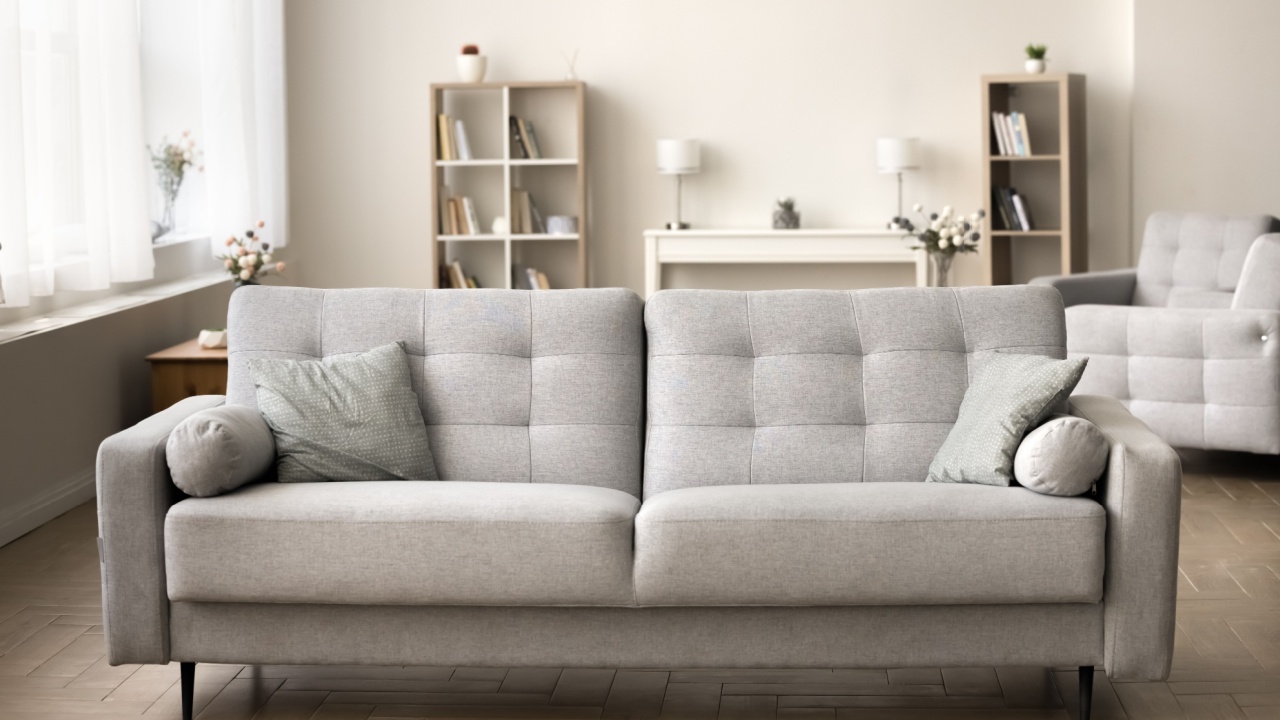
Furniture that overwhelms a room or looks oddly undersized creates instant imbalance. This mistake often comes from relying on floor plans alone or trusting mental math.
Rooms change once furniture enters them. Clearances for walking, doors, and drawers matter just as much as the piece itself.
Quick check before buying
Measure twice, including height and depth. Tape outlines on the floor. Account for pathways and swing space.
3. Buying Sets Instead of Building a Room

Matching furniture sets promise convenience but often flatten a space. Rooms furnished this way tend to feel staged rather than lived in, with little variation in texture or scale.
Mixing materials and silhouettes creates depth and allows a room to evolve. It also prevents everything from aging at once.
Quick check before buying
Choose pieces individually. Mix wood tones and finishes. Let one item lead, then support it with quieter companions.
4. Ignoring How a Piece Will Be Used Daily

Furniture choices sometimes reflect imagined routines rather than real ones. Delicate fabrics in high-traffic rooms, light finishes near entryways, or low-backed seating for long gatherings often cause frustration.
Practical use should guide material and shape. Furniture that suits daily habits stays longer.
Quick check before buying
Match fabric durability to traffic. Ask about stain resistance. Consider who uses the piece and how often.
5. Chasing Trends That Date Quickly
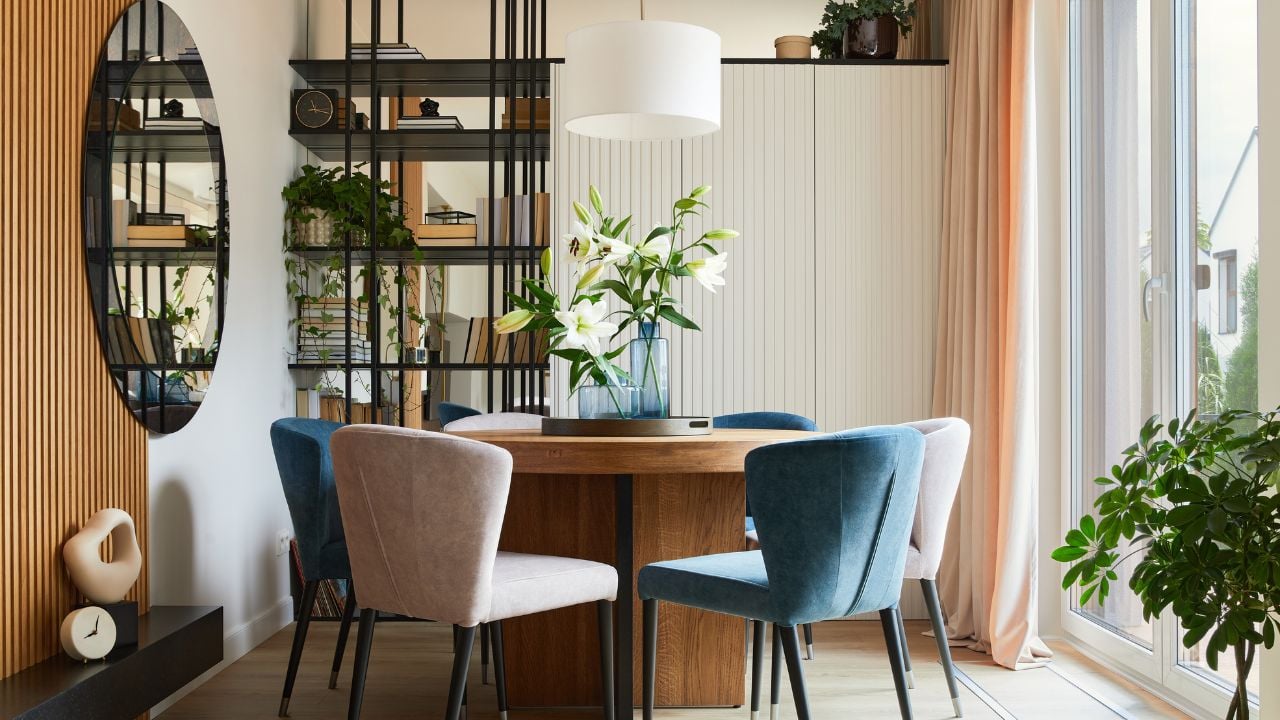
Highly specific shapes, colors, or finishes can feel exciting short-term and tiring soon after. Trend-heavy furniture often locks a room into a narrow window of relevance.
Long-lasting spaces rely on balance. Classic forms with subtle personality outlast bold statements tied to a single moment.
Quick check before buying
Ask if the piece would still work after repainting the room. Favor familiar shapes with restrained details.
6. Overlooking Construction and Materials
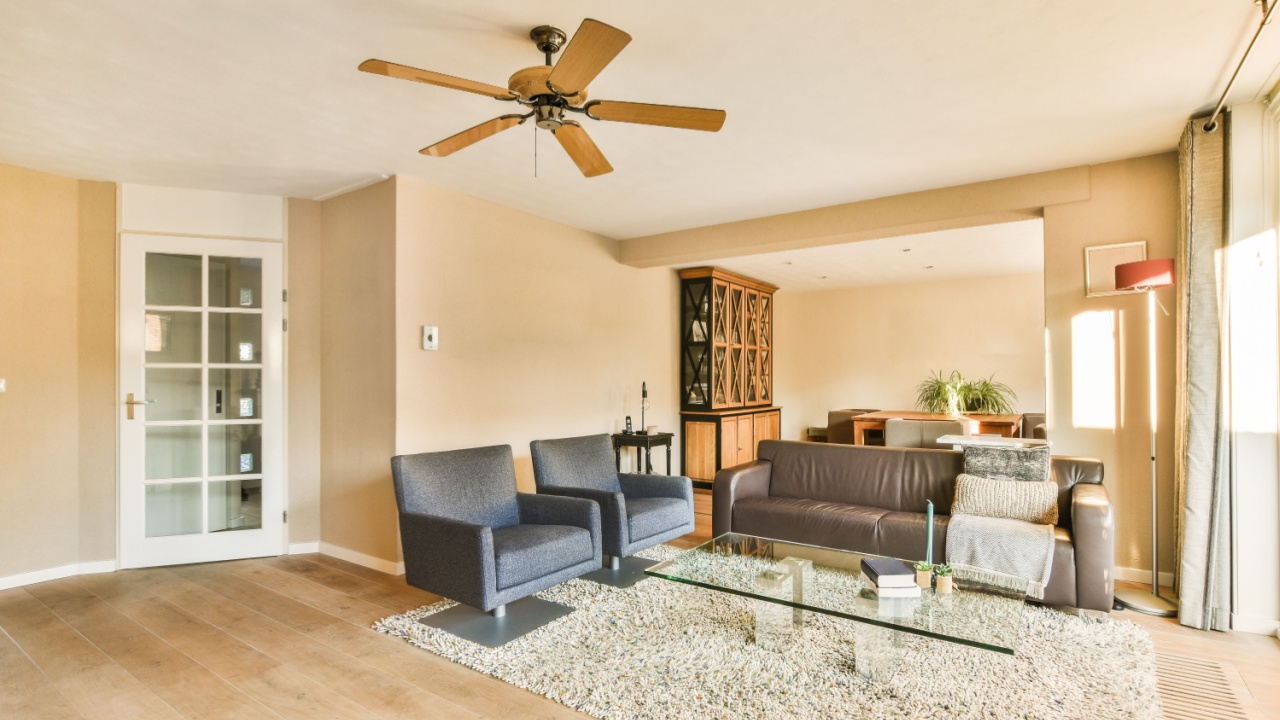
What sits beneath the upholstery matters. Weak frames, low-density foam, and thin veneers shorten a piece’s lifespan regardless of price.
Quality construction supports comfort, appearance, and longevity. It also affects how furniture handles regular movement and weight.
Quick check before buying
Ask about frame material. Lift the piece to gauge weight. Look for reinforced joints and replaceable cushions.
Choosing Furniture Without Regret
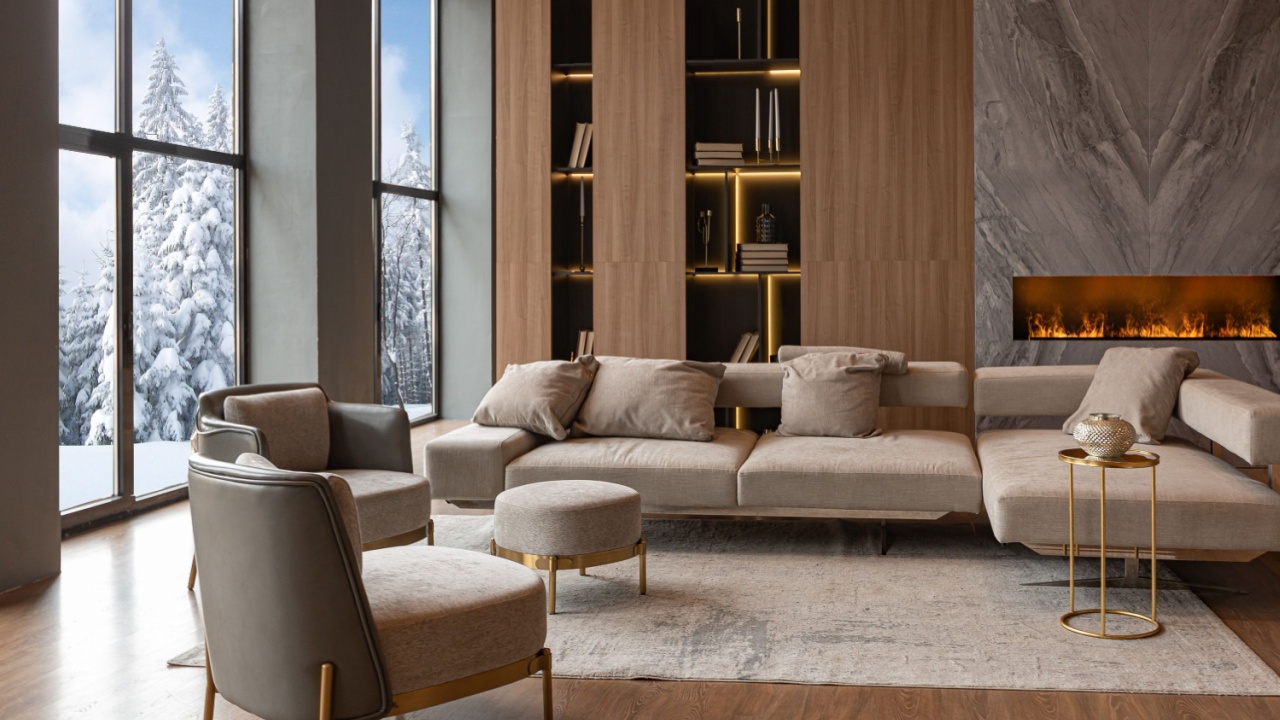
Good furniture decisions start long before checkout. Walk the room, measure carefully, and picture daily use honestly. Ask how each piece supports movement, comfort, and balance rather than how it looks alone.
When in doubt, slow the process. Fewer well-chosen pieces outperform rushed purchases every time. Furniture that fits the room and the routine tends to stay put, which is the clearest sign it was chosen well.