
17 Things That Cost More When You’re Poor
Living on a tight budget brings constant challenges that many people never see. The hidden expenses of poverty create a cycle that makes it feel impossible to get ahead. Everyday necessities take a larger percentage of your income when you lack financial resources.
Having less money forces you into expensive short-term solutions. You cannot afford bulk discounts, premium memberships, or high-quality goods that last for decades. This reality means paying extra to survive.
This guide reveals the hidden penalties of living paycheck to paycheck. You will learn exactly how the financial system penalizes low-income individuals. Here are seventeen everyday expenses that drain your wallet faster when funds run low.
1. Paying More for Public Transportation

Many people rely completely on buses or trains because they cannot afford a personal vehicle. Purchasing daily or single-ride tickets is the only option when you cannot afford a monthly pass upfront. This pay-as-you-go method results in a much higher total cost by the end of the month.
Public transit in low-income areas often suffers from delays and inefficient routes. A simple trip to the grocery store can take hours out of your day. Time lost in transit prevents people from working extra shifts or taking care of important personal tasks.
2. Paying More for Groceries Due to Package Size

Buying food in bulk provides massive savings, but it requires upfront capital and storage space. Shoppers on a tight budget must buy smaller packages of food that cost much more per ounce. The unit price on small items is drastically higher than family-sized alternatives.
Living in a neighborhood without a major supermarket limits your shopping choices to expensive convenience stores. Plus, fresh produce is rare and severely overpriced in some locations. Families spend more money on lower-quality food simply because of their geographic location.
3. Higher Medical Expenses for the Uninsured

Uninsured individuals pay the maximum possible price for basic medical care and prescription medications. A simple doctor visit costs hundreds of dollars when you must pay entirely out of pocket. Many people delay necessary treatments because they cannot afford the upfront fees.
Delaying medical care allows minor health issues to develop into severe emergencies. A problem that required a cheap antibiotic now requires an expensive emergency room visit. The lack of preventative care creates a massive financial burden when health eventually fails.
4. Car Insurance Costs Are Higher for Low-Income Drivers

Insurance companies rely heavily on credit scores and zip codes to determine policy rates. Drivers in low-income neighborhoods often pay significantly higher premiums for basic liability coverage. Insurers view poorer areas and lower credit scores as higher risks, leading to inflated monthly bills.
Paying for insurance on a strict budget usually means choosing monthly installments instead of annual payments. Companies charge extra administrative fees for breaking the premium into smaller payments. The poorer driver ends up paying a larger total sum over the year than a wealthier driver.
5. The High Price of Rent-to-Own Appliances

Replacing a broken refrigerator is an emergency that requires immediate action. People without savings or credit turn to rent-to-own stores for essential household appliances. These businesses offer low weekly payments that seem manageable at first glance.
The true cost of a rent-to-own appliance is staggering when you calculate the total payments. Customers regularly pay triple or quadruple the actual retail value of a basic washing machine or stove. The urgent need for a functioning appliance blinds people to the massive financial markup.
6. Banking Fees Add Up for Low Balances

Financial institutions penalize customers who cannot maintain high minimum balances. Banks charge monthly maintenance fees to accounts that drop below specific thresholds. These automated charges drain money from the people who need every dollar the most.
Low-income earners also face severe penalties for accidentally overdrawing their accounts. A simple mistake can trigger multiple overdraft fees in a single day. These cumulative charges push struggling individuals further into debt and make banking completely unaffordable.
7. Credit Card Debt Costs More When You’re Poor

Individuals with lower credit scores receive credit card offers featuring extremely high Annual Percentage Rates. Carrying a balance on these cards means paying exorbitant interest charges every single month. A small emergency purchase can take years to pay off under these predatory terms.
Most of the monthly payment goes directly toward interest rather than the principal balance. The debt grows rapidly even when the borrower makes consistent minimum payments. The high cost of borrowing money keeps people trapped in a permanent state of financial distress.
8. Paying More for Cell Phone Service

Postpaid cell phone contracts require credit checks that many people cannot pass. This situation pushes low-income earners toward prepaid mobile plans that offer less value. Prepaid customers often pay a higher price per gigabyte of data compared to traditional family plans.
Running out of data on a prepaid plan means purchasing expensive top-up cards to stay connected. Without reliable internet access, finding a job or paying bills becomes incredibly difficult. The phone acts as a lifeline, forcing people to pay whatever high rates the prepaid companies demand.
9. Gas Costs Are Higher with Older Cars
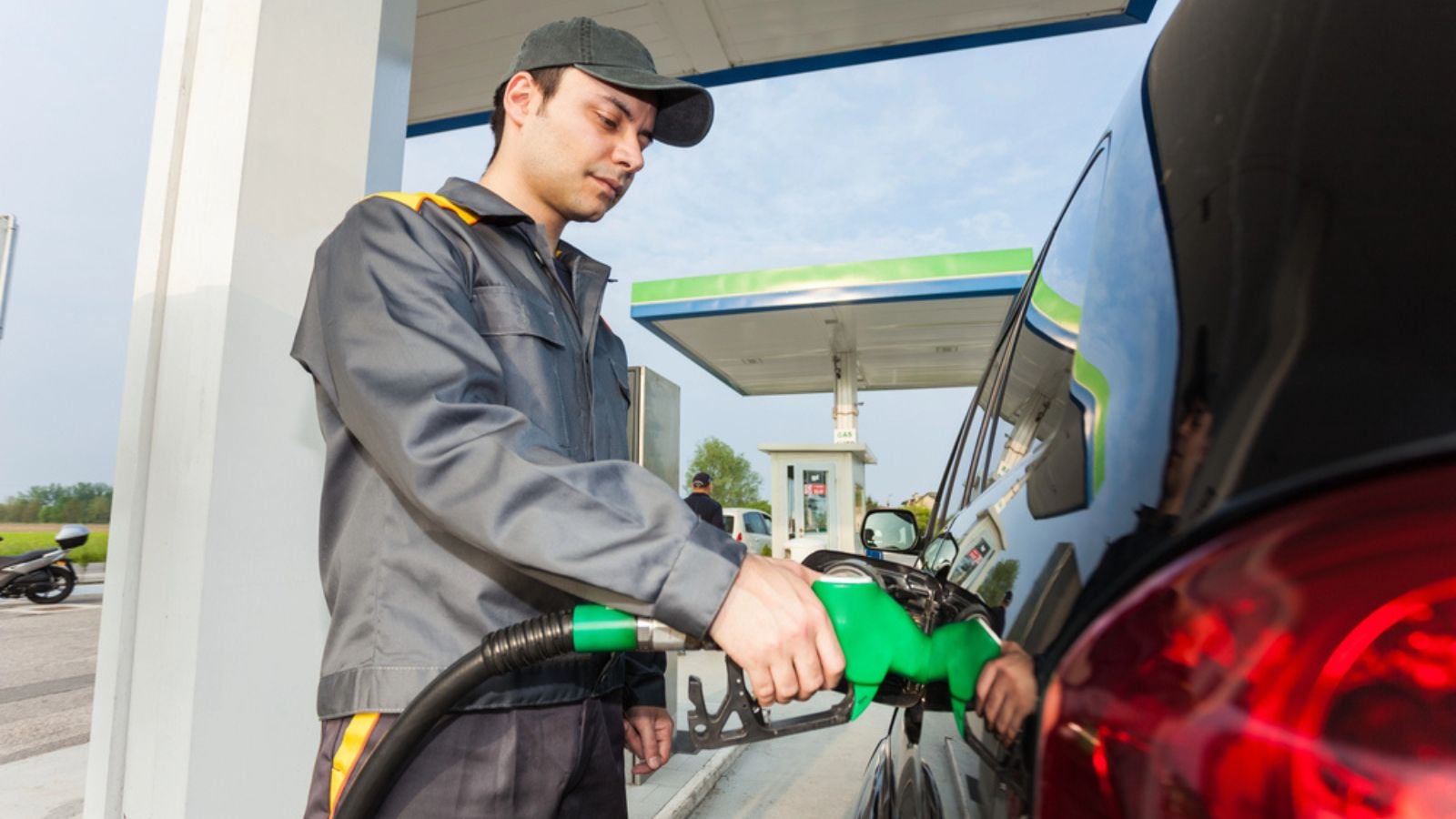
Older vehicles lack the fuel efficiency found in modern hybrid or electric cars (yes, a Land Rover is a gas guzzler too, but obviously someone trying to get ahead would want something efficient). Drivers of older cars spend significantly more money at the pump just to travel the same distance. The constant need to refuel takes a large portion of a limited weekly budget.
Low-income workers often commute long distances from affordable housing areas to their workplaces. These long drives, combined with poor gas mileage, create an expensive daily routine. The fluctuating price of gasoline hits these drivers harder than anyone else on the road.
10. Furniture Costs More When You Have to Finance It

Furnishing an apartment requires capital that low-income families simply do not possess. Installment plans from discount furniture stores trap buyers in predatory lending agreements. The furniture itself is often poorly constructed and falls apart before the final payment is due.
Missing a single payment on these contracts triggers massive late fees and penalty interest rates. The store can repossess the items, leaving the family with nothing to show for months of payments. Purchasing durable goods becomes an impossible dream when financing is the only option.
11. Utility Costs and Deposits Are Higher for Low-Income Households

Utility companies frequently demand large upfront deposits from customers with poor credit histories. Families must surrender hundreds of dollars just to get the electricity or water turned on at a new apartment. This money sits locked away in a utility account instead of being used to pay for immediate needs.
Some individuals must use prepaid electricity meters because of past billing issues. These prepaid plans usually come with higher kilowatt-hour rates than standard billing arrangements. You end up paying more money for the exact same amount of electricity.
12. Student Loans Carry Higher Interest Costs When You’re Poor

Students from low-income families rely completely on loans to fund their college education. Private lenders assign higher interest rates to borrowers lacking a wealthy cosigner. The total cost of a degree becomes significantly higher for the student who started with less money.
Graduates spend decades paying thousands of dollars in interest alone. This debt limits their ability to purchase a home or save for retirement. The loan designed to lift them out of poverty becomes a heavy anchor, slowing down their financial progress.
13. Renting Costs More Than Owning for Low-Income Families

Banks deny mortgages to individuals with lower incomes and limited credit histories. This forces people into the rental market, where monthly payments often exceed a standard mortgage payment for a similar property (of course, this largely depends on the region/neighborhood you live in). Landlords pass their property taxes and maintenance costs directly to the tenant.
Renters build no equity despite making housing payments month after month. The money you spend on rent leaves your bank account forever and benefits the property owner instead. This arrangement prevents you from accumulating generational wealth to pass down to your family.
14. Internet Costs Are Higher in Low-Income Areas
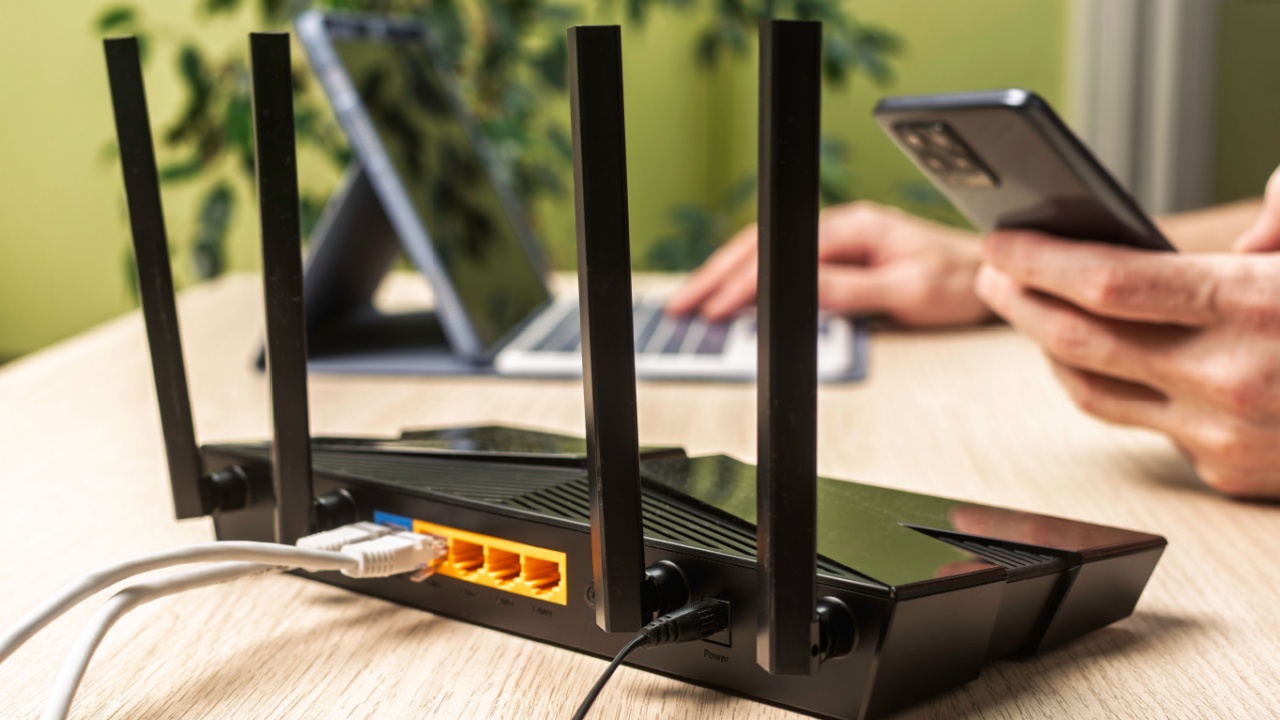
Reliable internet service is expensive in areas lacking high-speed infrastructure. Residents of lower-income neighborhoods often have limited options for service providers. Monopolies in these areas allow companies to charge high prices for mediocre internet speeds.
Without internet at home, individuals must spend money traveling to public libraries or cafes. Managing schoolwork or applying for jobs takes significantly more effort and resources. The digital divide forces people to spend extra time and money just to access basic information.
15. The Hidden Cost of Relying on Fast Food

Working multiple jobs leaves very little time or energy for meal preparation at home. Fast food becomes a necessary survival tool for exhausted workers needing quick calories. These cheap meals provide immediate relief but drain your bank account through repeated daily purchases.
A diet heavily reliant on processed food leads to future health complications. The initial savings of a cheap burger eventually translate into massive medical bills down the road. The immediate convenience comes at a severe financial and physical cost.
16. Check-Cashing Fees Are Higher Without a Bank Account

People without traditional bank accounts must rely on alternative financial services to access their paychecks. Check-cashing businesses charge a percentage of the total check value just to hand over the cash. This practice takes a significant bite out of wages that someone has already worked hard to earn.
Relying on these services prevents people from utilizing free electronic transfers or digital banking tools. Paying bills becomes an expensive chore involving money orders and physical travel. The lack of a simple checking account creates a massive barrier to financial stability.
17. Low-Quality Clothing Leads to Higher Costs

Purchasing cheap clothing seems like a smart way to save money in the short term. Low-quality garments lose their shape, fade quickly, and tear after just a few washes. You must constantly replace your wardrobe because the items simply do not last.
Wealthier individuals buy durable, high-quality shoes and coats that last for years. The poor person spends more money replacing cheap boots every winter than the rich person spends on one good pair. The inability to buy quality goods forces a continuous cycle of spending.
Breaking the Cycle

Navigating life on a limited income presents an exhausting series of expensive hurdles. Every necessity, from food and housing to utilities and transportation, winds up costing disproportionately more for those who have the least. The reasons come down to a combination of immediate financial pressure, lack of access to affordable options, and systems built around benefits that favor those with more resources. The result is an ongoing cycle, where stretching each dollar leads to missed opportunities for long-term savings and greater financial strain. Addressing these widespread problems will require not only individual effort but also big-picture changes to create fairer access to essential goods and services for everyone.
Read More:
12 Money Drains Poor People Fall Into, According to Warren Buffett
20 Things Poor People Waste Money On, According to Suze Orman