Science Confirms That Japanese Zen Gardens Can Improve Your Mood
The monks who built the world’s most famous Zen gardens weren’t sitting quietly beside them, gazing into the distance. They were on their knees, raking gravel into careful patterns before dawn. The act of tending was never incidental; it was the whole point. If you want to create a zen garden that actually does what it’s supposed to do, that distinction changes everything.
A 2025 study from Nagasaki University found that well-designed Japanese gardens trigger rapid horizontal eye movement in viewers, and that this pattern of gaze directly correlates with a reduction in heart rate and improvement in mood. Buddhist monks figured out the same thing roughly 1,400 years earlier, without the equipment.
Because of this, Zen gardens are having a genuine cultural moment in 2026. It’s not just a landscaping trend. As more homeowners look for ways to decompress without leaving their own backyard, the ancient logic of the Japanese rock garden turns out to be remarkably well-suited to modern life.
What Is a Zen Garden, Really?
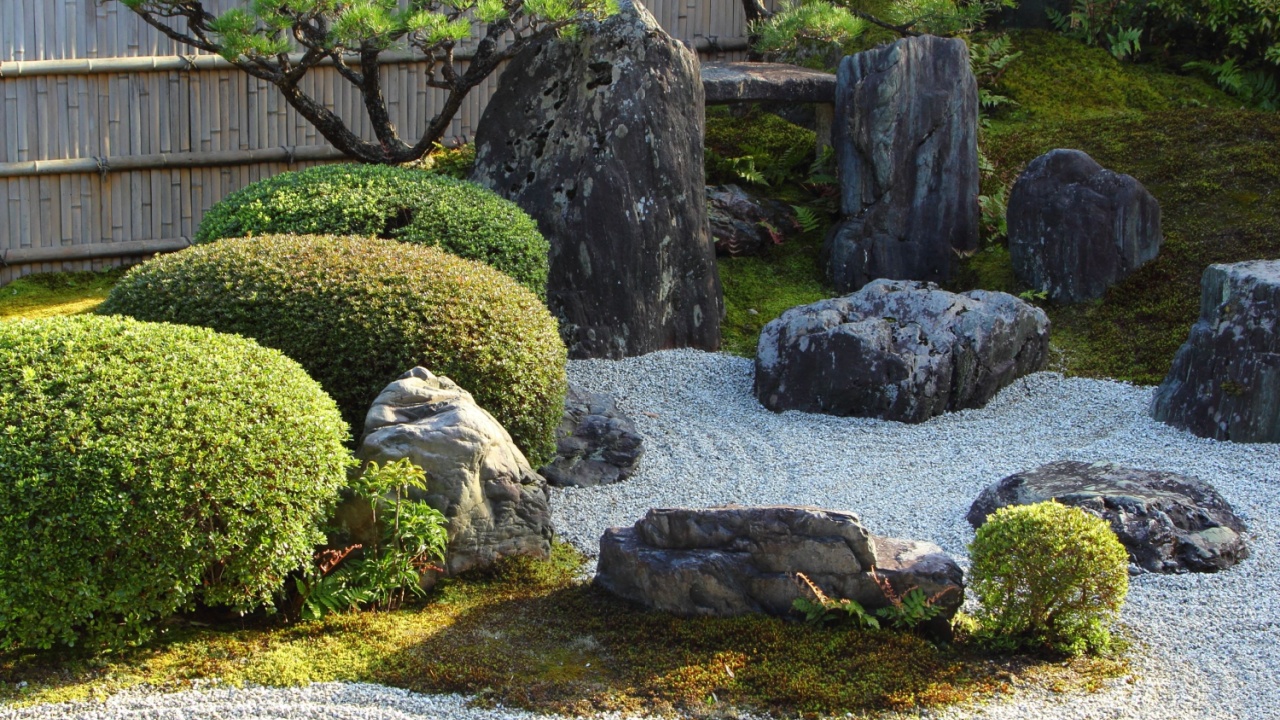
A traditional zen garden, known in Japanese as karesansui (roughly “dry landscape”), is a minimalist composition of rocks, gravel or sand, and very few plants. No water, no lush borders, no color explosion. The design is deliberately spare because the emptiness is functional. It gives the mind somewhere to rest.
These gardens were developed by Zen Buddhist monks during Japan’s Muromachi period (14th–16th century) as spaces for meditation and contemplation. Every element carries symbolic weight: raked gravel represents flowing water, large rocks stand in for mountains or islands, and the patterns drawn in the surface shift with the seasons to evoke different emotional states.
Seven guiding principles shape authentic zen design: simplicity, naturalness, asymmetry, austerity, mystery, stillness, and a quality best translated as “unconventionality.” You don’t need to memorize these in Japanese. What matters is understanding what they add up to: a space that is intentionally incomplete, asymmetrical, and unhurried, because those qualities are what allow the brain to let go.
If you’re wondering whether it’s appropriate to create a Zen garden without a deep grounding in Japanese Buddhism, the short answer is yes, with respect. Every authoritative source on the subject, including the National Garden Bureau, encourages thoughtful adaptation.
The Element That Makes or Breaks Your Zen Garden
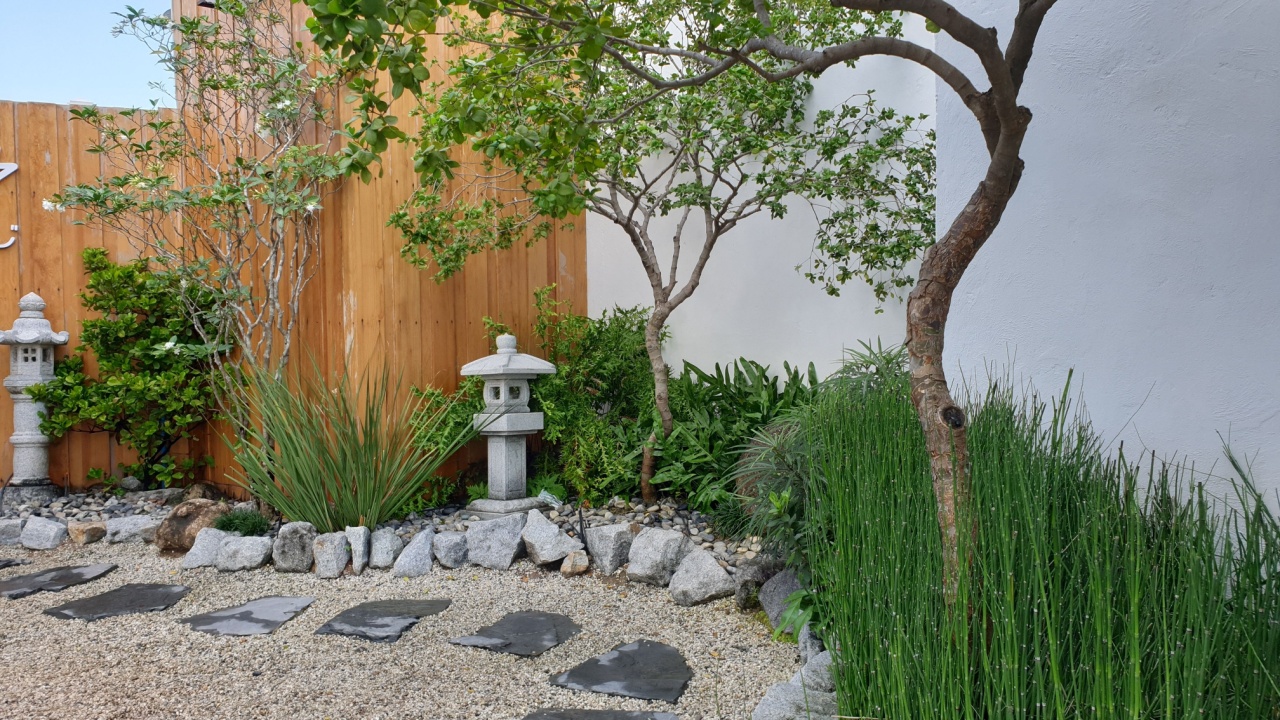
Rocks are the most important decision you’ll make. They are the structural soul of a karesansui, representing humanity’s desire for enduring, eternal elements in nature. Get the rocks right, and the rest of the garden falls into place around them.
A few practical rules that most beginner guides understate. First, buy and place your largest rocks before anything else; they’re the primary focal point and are nearly impossible to reposition once the gravel is in. Second, use odd numbers: groupings of three, five, or seven rocks have a natural visual tension that even numbers don’t. Third, partially bury your larger rocks rather than setting them on top of the gravel. A rock that looks like it has always been there, slightly settled into the earth, reads as natural. A rock sitting on top of gravel reads as placed.
Scale is a common stumbling block. A boulder that looks perfect at the garden center can overwhelm a 6×8-foot space entirely. Before purchasing, photograph your site with a rough cardboard stand-in at the scale you’re considering, or use tape on the ground to outline the rock’s footprint.
Gravel, Sand, and the Art of the Rake
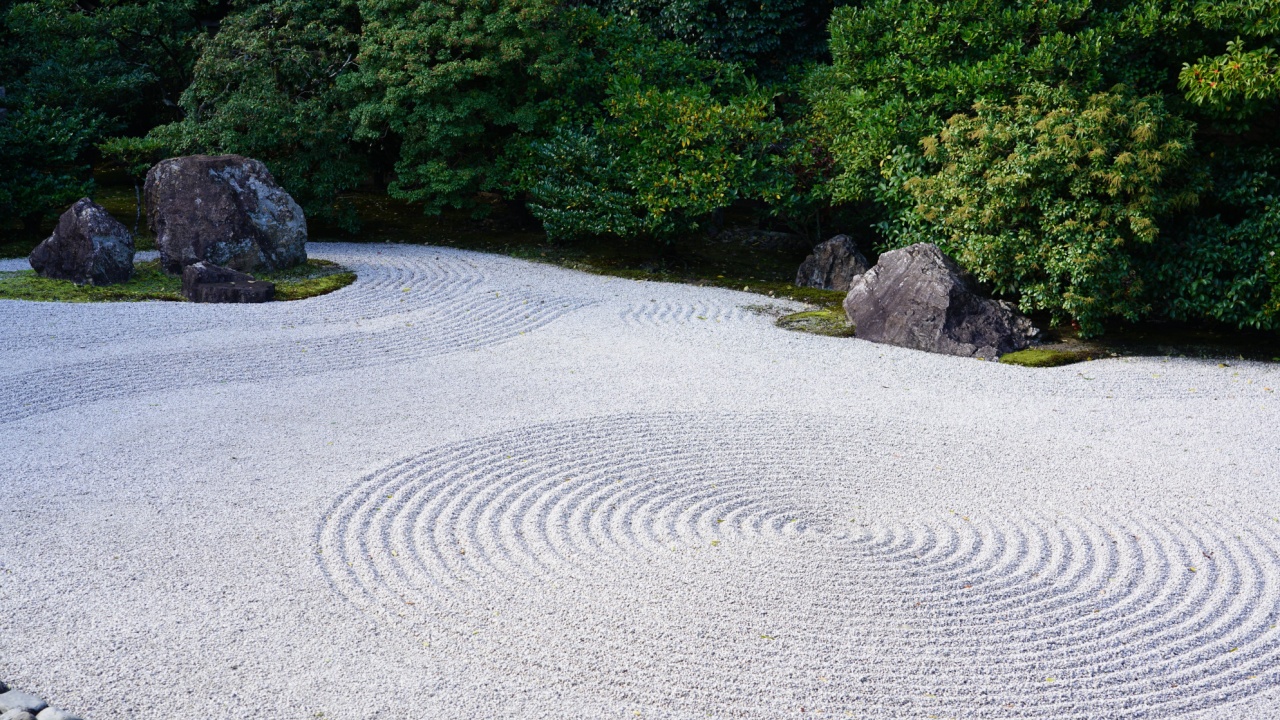
Raked gravel is where the zen garden philosophy becomes a physical practice. Sand or fine gravel drawn into patterns represents flowing water: wavy lines suggest a winding river, concentric circles around rocks mimic water ripples, and straight lines running the length of the garden invoke a frozen winter stillness.
For outdoor gardens, use gravel rather than sand. It holds patterns better, resists wind displacement, and is significantly easier to maintain. Fine crushed gravel, pea gravel, or smooth small pebbles in white, cream, or grey are the most traditional choices. Depth is important: two to three inches of gravel gives you enough material to rake a clean, defined pattern without the lines collapsing.
The rake itself matters more than beginners expect. Standard garden rakes don’t produce authentic patterns. A wide-toothed wooden or bamboo zen rake, available for under $15 at most garden retailers, makes the process both easier and more satisfying.
The Plants (and Why You Need Fewer Than You Think)
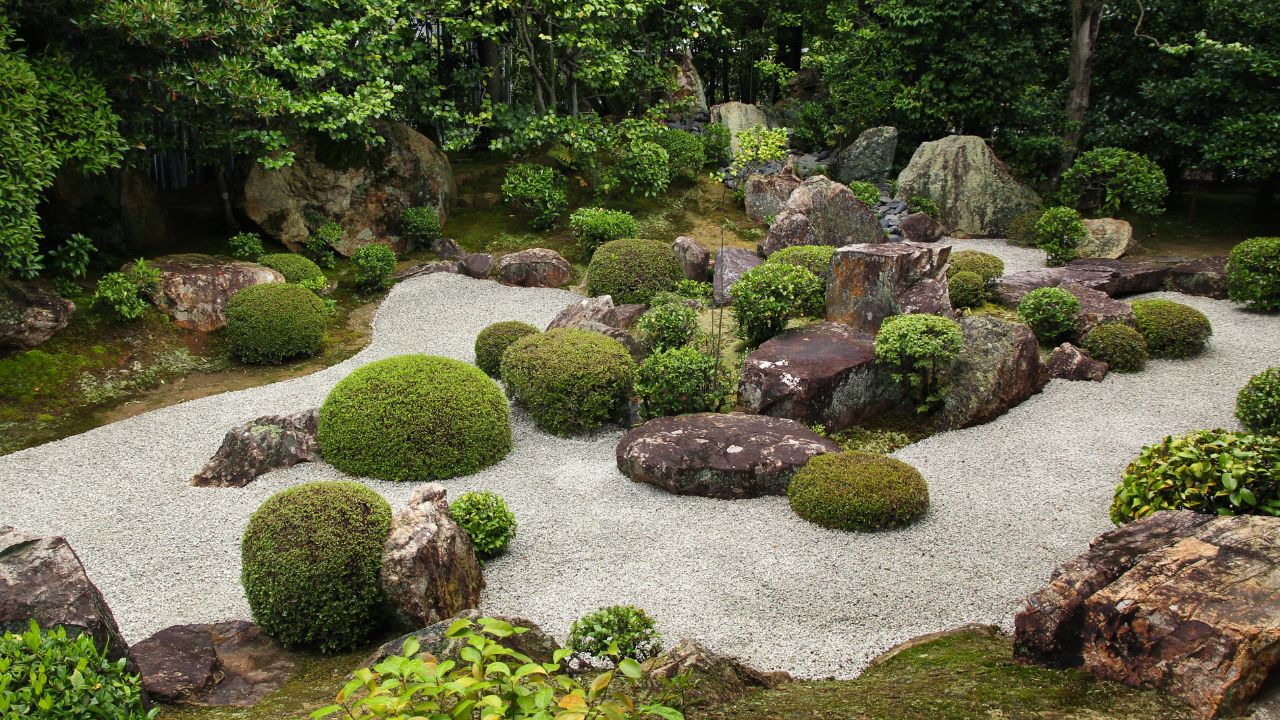
The instinct to fill a new garden with plants is strong. Resist it. Zen garden plant palettes are restrained by design, because the open space, what the Japanese call ma, is as meaningful as what fills it.
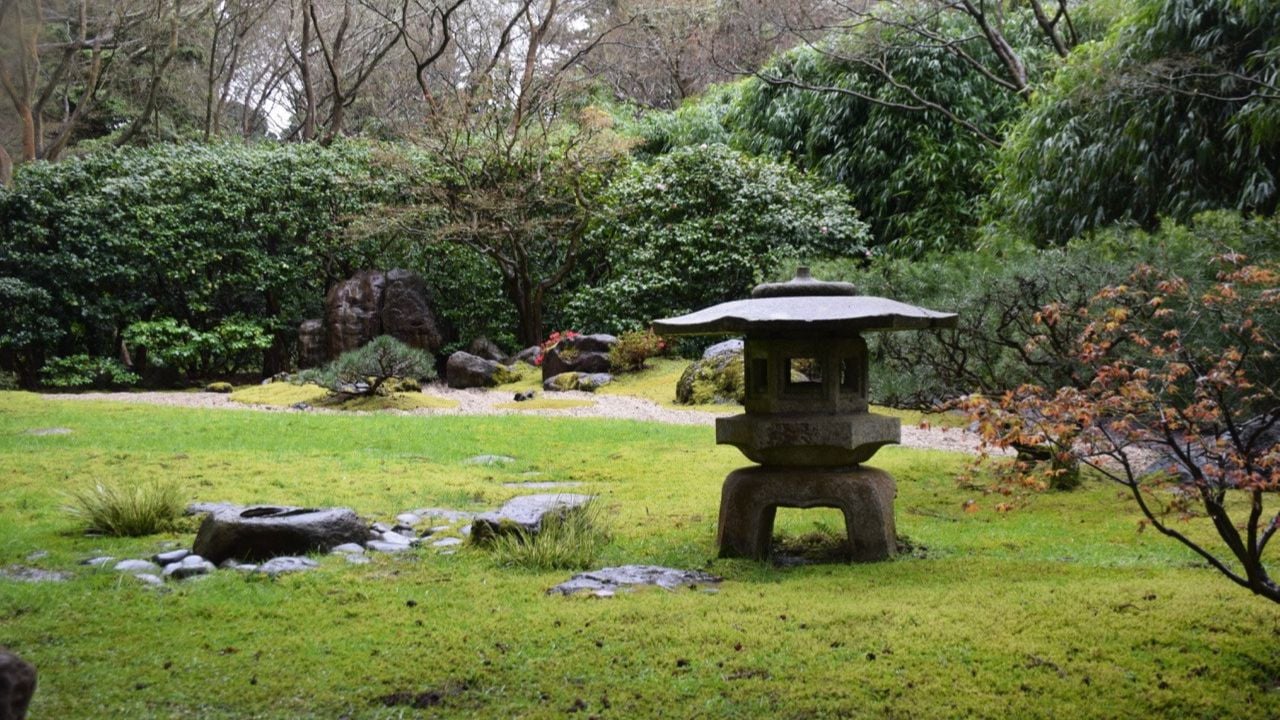
When plants are used, they are chosen for texture, symbolism, and year-round structure rather than seasonal color. Japanese maple is the single most recommended focal point, particularly for its autumn interest. Moss is a deeply traditional ground cover for shaded areas, though it requires consistently moist, slightly acidic soil; don’t assume it will establish without proper preparation. Clumping bamboo (look for Fargesia varieties) provides structure and soothing sound without the invasive spread that makes running bamboo one of the most commonly cited zen garden regrets.
Other reliable choices include dwarf conifers, azaleas, sedge, ferns, and low creeping groundcovers. Keep everything low-profile. The hardscaping should dominate; the plants should complement it.
The One Element Most People Skip (And Why It Ruins the Garden)
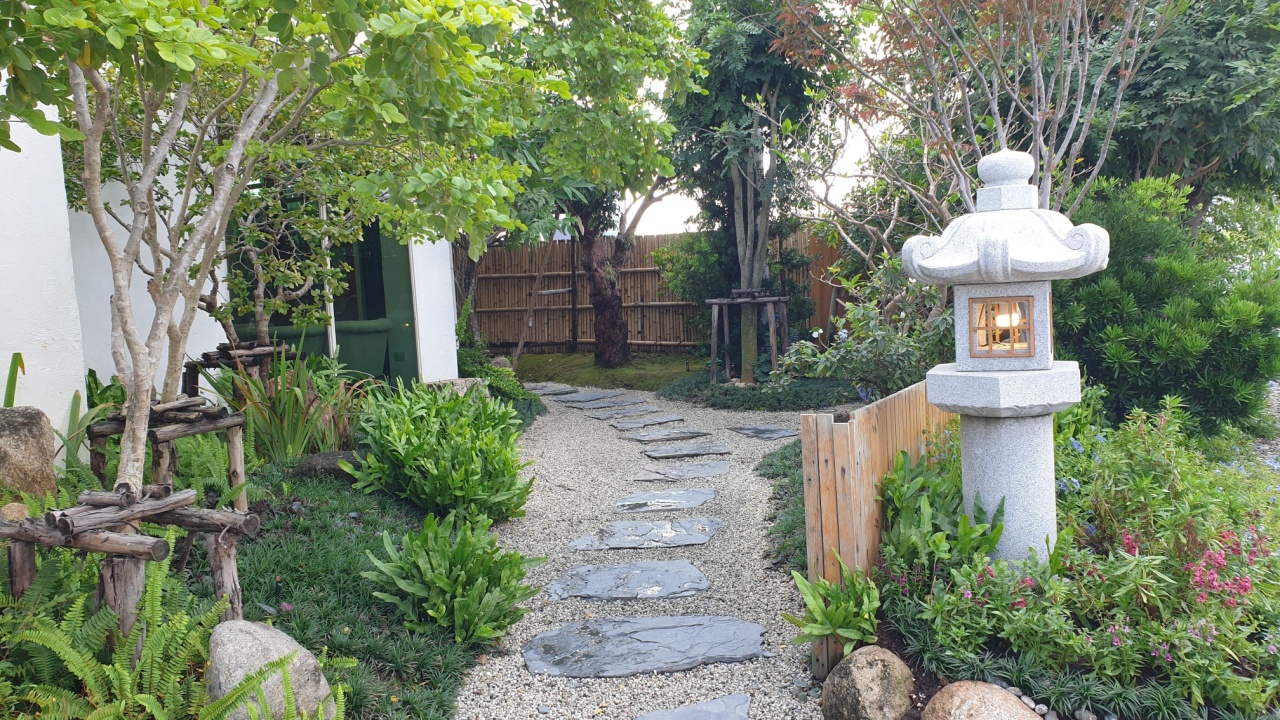
Enclosure. It is the most frequently skipped element among first-time builders and the one most often identified in retrospect as the missing piece.
Without an enclosing wall, fence, bamboo screen, or hedge, a zen garden is simply a rock arrangement. The enclosure is what signals to the brain that this space is different from the rest of the yard. It creates the privacy and psychological separation that make actual contemplation possible.
Budget-friendly options include bamboo roll screening, lattice fence panels, and formal hedging. Even a single bamboo screen on the most exposed side makes a notable difference. If you have an existing fence or wall in the corner you’re using, you’re already halfway there.
How to Create a Zen Garden This Month
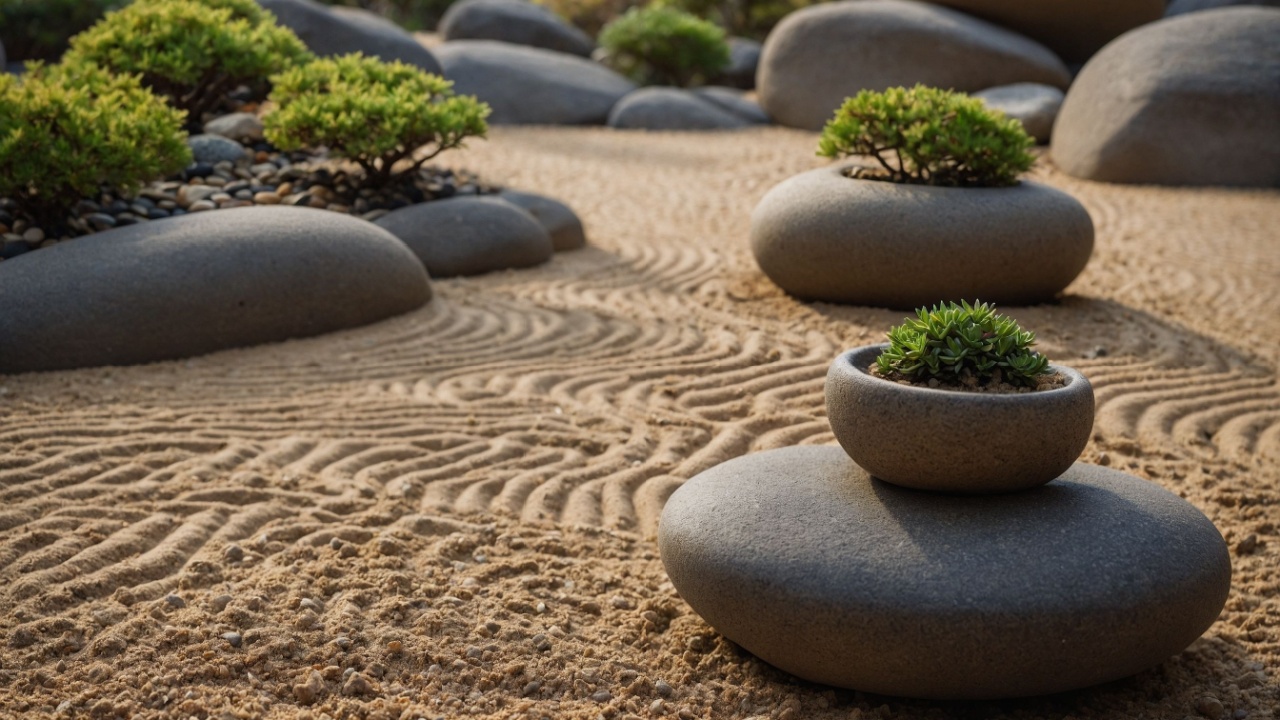
March is an ideal time to begin. The ground is workable, nurseries are receiving their spring shipments, and building your garden now means having a finished space ready for the months when you’ll actually want to use it.
The basic sequence: choose a quiet, flat site with easy access and, ideally, a view from inside the house. Sketch a rough layout before purchasing anything. Lay weed block fabric directly over existing grass; do not skip this step, as it is the single most commonly cited DIY regret. Place your large rocks first. Add gravel to a depth of two to three inches. Install any plants in their designated pockets. Add your enclosure. Add one piece of seating positioned to face your best view of the garden.
A simple 4×4-foot zen corner can be built for less than $150 in materials, including quality gravel, weed block, a small accent rock, and a bamboo screen.
The Maintenance Is the Meditation
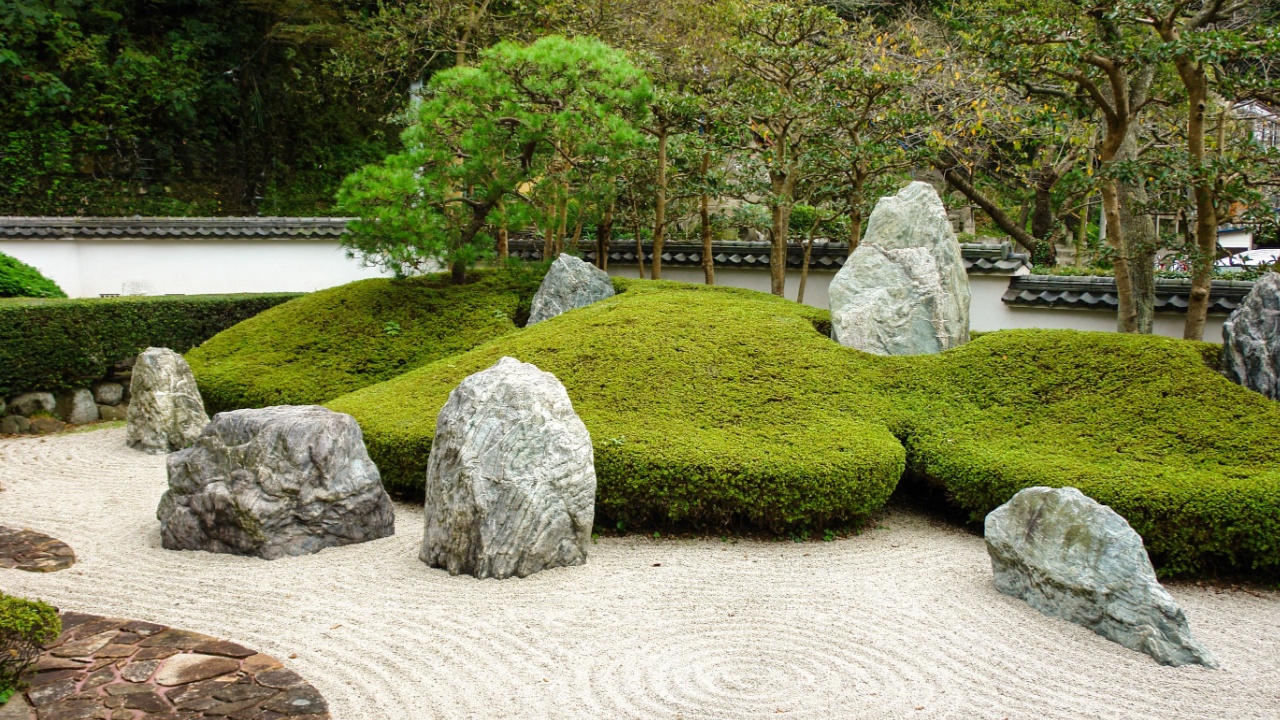
The zen garden you see in photographs required someone to rake it that morning. The famous garden at Ryoan-ji in Kyoto, a 15th-century masterpiece measuring just 30 feet by 80 feet, is raked by monks every single day. Not as a chore; as a practice.
Regular raking keeps patterns crisp, removes debris, and keeps the gardener in a rhythmic, focused relationship with the space. Weeding is the other primary task; it increases in summer when weeds are most active. Plan to replenish gravel every one to two years as it gradually compacts. If you have dogs or small children who will disrupt the patterns, consider placing the raked gravel section away from the main thoroughfare, or simply embrace the impermanence; the next raking session will restore it.
What most zen gardeners report, often with some surprise, is that the maintenance stops feeling like maintenance relatively quickly. The repetitive, quiet work becomes the thing they look forward to, not the finished photograph of the garden, but the ten minutes with a rake on a still morning.
This is exactly what the monks knew. It’s also, as it turns out, exactly what the neuroscience confirms.
Read More
Washing Your Lettuce Won’t Remove Cyclosporiasis, But Growing Your Own Will
Your Grandmother Stored These 8 Foods All Winter Without Canning a Single Jar