11 Most Expensive Grocery Stores Where Your Wallet Takes the Real Hit
Grocery prices are climbing fast, and depending on where you shop, that climb can feel more like a vertical wall. The USDA predicted food prices would rise 2.9% in 2025 alone, but at some stores, that figure seems almost quaint. A gallon of milk for $20.99? A pound of chicken for $17.49? These aren’t hypotheticals. They’re actual price tags sitting on actual shelves.
To find out which grocery chains charge the most, prices were benchmarked against the current national averages for three everyday staples: one dozen eggs ($2.72), one gallon of whole milk ($3.96), and one pound of chicken breast ($2.01).
What follows is a breakdown of 11 grocery stores where the shopping experience is premium, and the prices are a constant reminder of it. Some of these stores earn their high price tags through sourcing standards and quality. Others might surprise you. Either way, knowing what you’re walking into before you grab a cart is half the battle.
1. Citarella

Few grocery stores have a backstory quite like Citarella’s. It started as a local seafood shop on Manhattan’s Upper West Side all the way back in 1912. In 1983, Joe Gurrera bought the shop and reimagined it as a full-service grocery chain, while keeping its legendary seafood counter front and center. Today, Citarella operates seven market locations and one Wine & Spirits location, all concentrated in the New York City area.
The prices reflect its specialty-market DNA. A dozen eggs runs over $10, a half gallon of whole milk costs just shy of $10 (meaning a full gallon equivalent would set you back $20), and a pound of boneless chicken breast costs nearly $20—nearly nine times the national average. If premium seafood is what you’re after, Citarella delivers. For filling the fridge with basics, though, there are far more budget-friendly options nearby.
2. Erewhon Market

Erewhon is the grocery store that makes headlines for all the right and wrong reasons. The chain originated over 50 years ago as a small market stall in Boston before relocating to California, where it now operates 10 locations with four more on the way. Its reputation? Organic, hard-to-find, and jaw-dropping price tags. A single Japanese strawberry once listed for $19. Yes, one strawberry.
Erewhon charges a premium for its benchmark items. A dozen eggs will set you back, as will a gallon of whole milk and a pound of chicken breast. That milk price alone is more than five times the national average. Erewhon’s fans will argue, correctly, that the sourcing standards are unmatched. For everyone else, it’s the kind of store you visit for one specific item and then quietly back away from.
3. Sprouts Farmers Market

Sprouts takes the traditional grocery store layout and opens it up into something closer to an indoor farmers market. Fresh produce, bulk goods, and organic staples fill an airy, open space that makes shopping feel more intentional. The store has carved out a strong niche in health-forward shopping, with an extensive plant-based section and plenty of alternatives to conventional snack foods. With over 410 stores across 23 states, it has clearly found its audience.
That audience, however, pays for the privilege. Sprouts actually logs some of the highest prices, particularly for staples like organic eggs, milk, and chicken breast. For specialty items and hard-to-find health products, Sprouts makes a solid case for itself. For weekly staples, the price premium adds up quickly.
4. Whole Foods Market
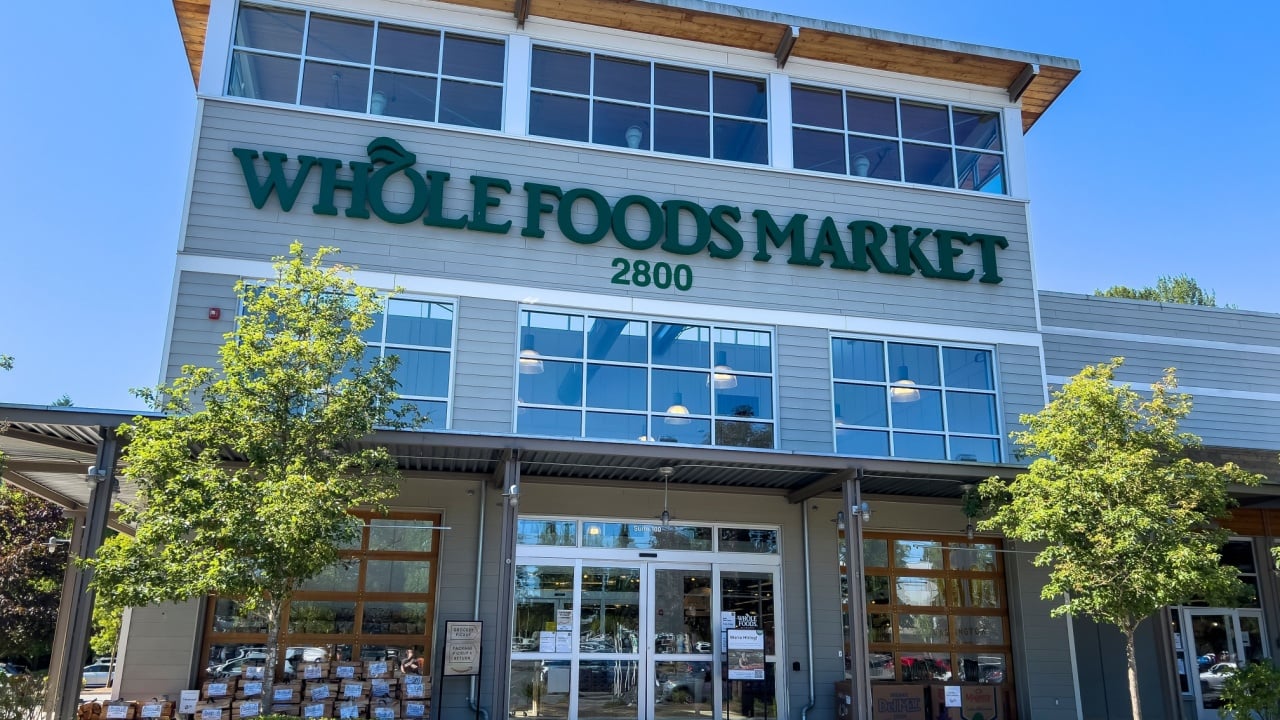
Whole Foods practically invented the modern premium grocery category. Founded in Austin, Texas, in 1980, it grew from a single store into a 500-plus location chain across North America and the United Kingdom. Amazon acquired it in 2017, but the brand’s identity, organic, sustainable, and mission-driven, has stayed intact. It remains the go-to reference point whenever someone wants to describe an expensive grocery store.
The numbers don’t lie. A dozen eggs can cost more than three times the national average. For shoppers who prioritize organic sourcing and sustainable production, the Whole Foods price point is often a trade-off they’re willing to make. For everyone else, it’s an occasional treat rather than a weekly routine.
5. Giant Eagle
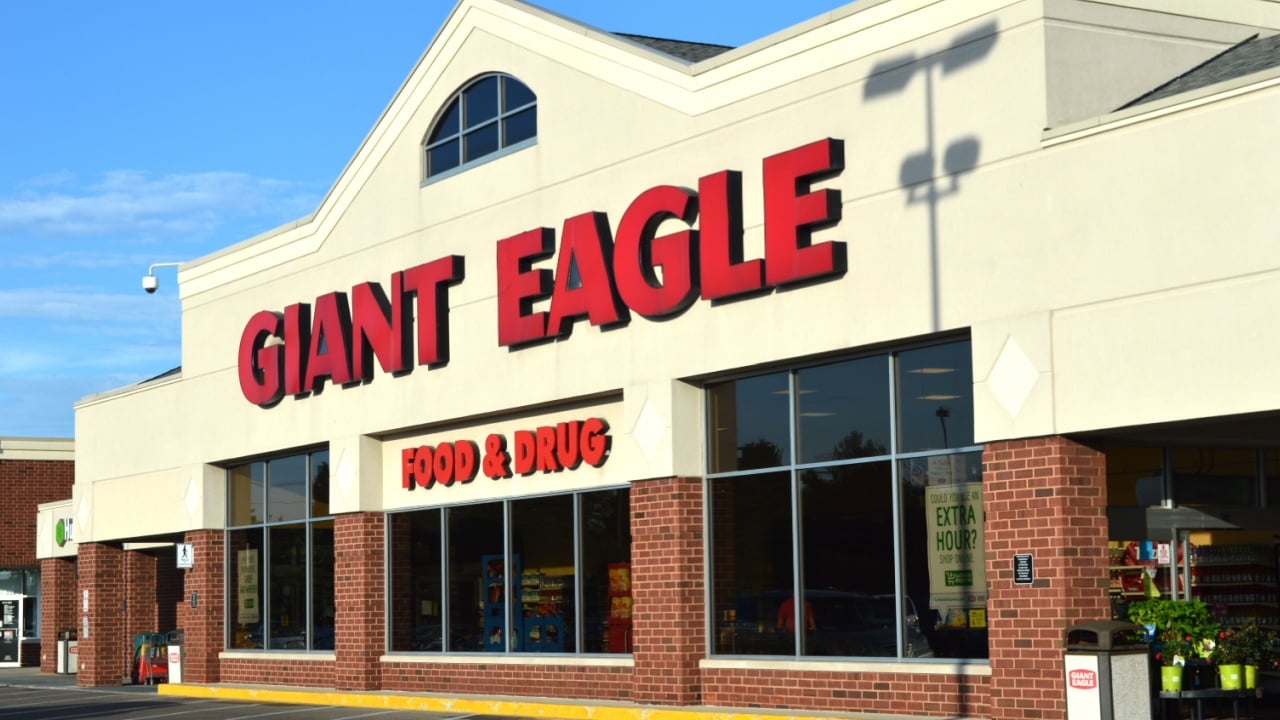
Giant Eagle has a layered history. It traces back to 1918, when three Pennsylvania families opened Eagle Grocery together. Kroger eventually acquired it, and the chain has since grown to over 400 locations. The company has made environmental sustainability a genuine priority. Its New Brunswick, Ohio, location was the first supermarket in the world to earn LEED certification, a meaningful distinction.
However, this eco-friendly reputation comes at a cost, with prices that are quite high. Eggs, milk, and chicken breasts all cost more than the national average. While Giant Eagle has a dedicated customer base in its local areas and is known for its quality, budget-conscious shoppers will likely feel the pinch.
6. Gelson’s
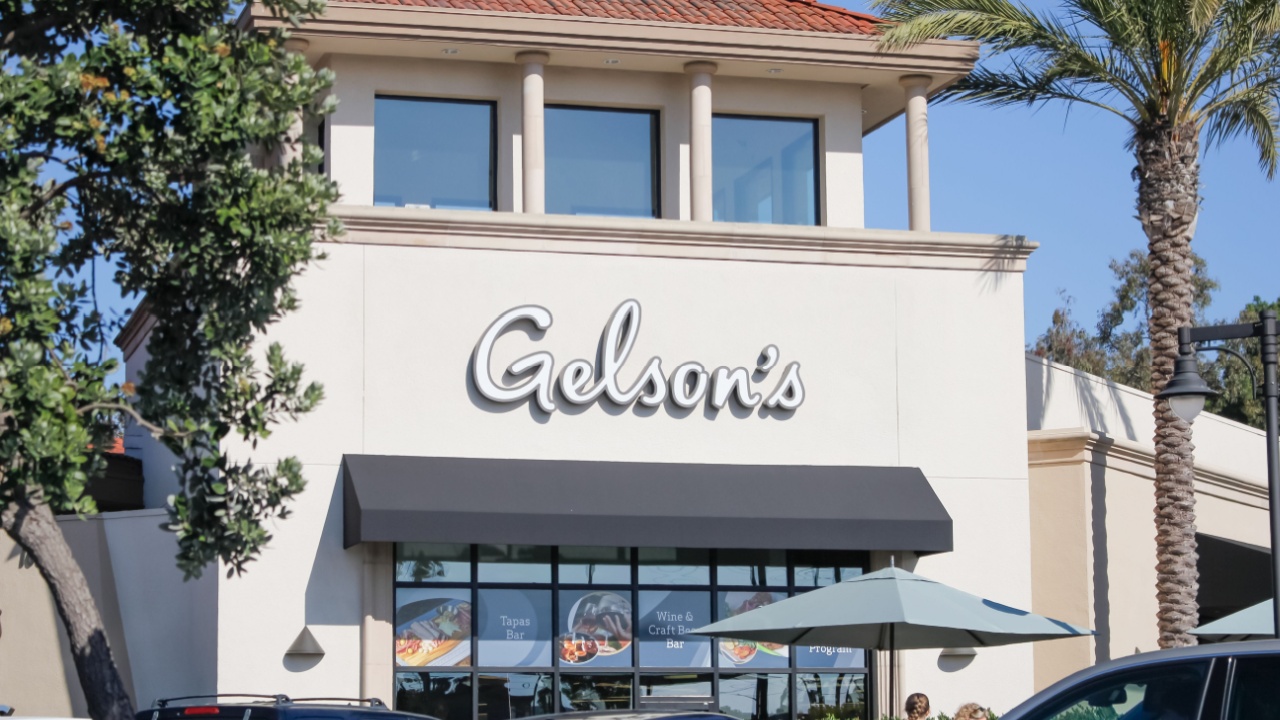
Gelson’s doesn’t pretend to be anything other than what it is. Founded in 1951 by Bernard and Eugene Gelson, the Southern California chain explicitly positions itself as a premium supermarket, and it describes its own offerings as “superior produce, the highest-quality meat, seafood, and deli, an unmatched selection of wine and liquor, and exceptional service.” That’s a bold promise, and Gelson’s 27 locations work hard to keep it.
Egg prices are high, with milk and chicken breast costing more than seven times the national average. For shoppers who live near a Gelson’s and care deeply about product quality, the store earns its fans. For anyone filling a large cart regularly, the costs accumulate in ways that are hard to ignore.
7. Wegmans
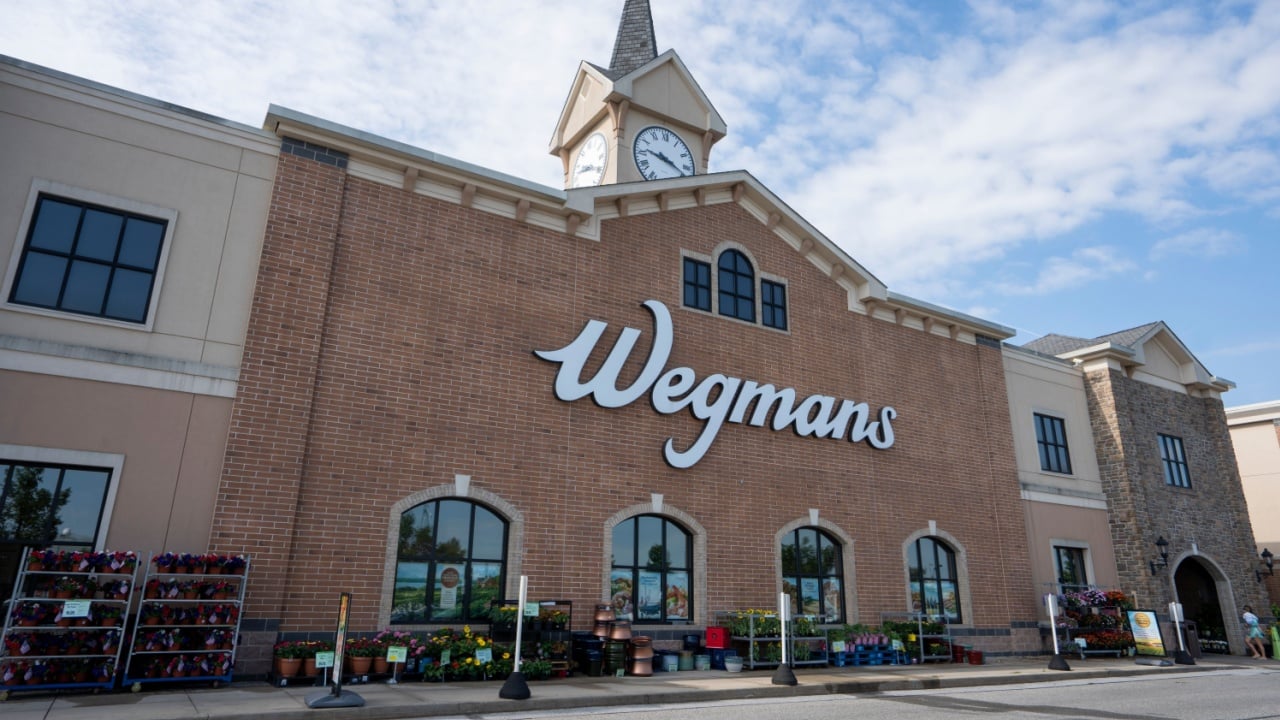
Wegmans has cultivated one of the most devoted grocery store followings in the country. Since opening in 1916, it has grown to over 110 locations staffed by more than 53,000 employees. The stores are famously large and impressively stocked, with in-store chefs preparing fresh meals representing cuisines from around the world. The pre-made sushi alone has developed something of a cult following.
Prices reflect the scale and quality of what Wegmans offers, with many staples costing significantly more than the national average. Wegmans delivers a shopping experience that feels genuinely different, and for many customers, that’s worth paying for.
8. The Fresh Market
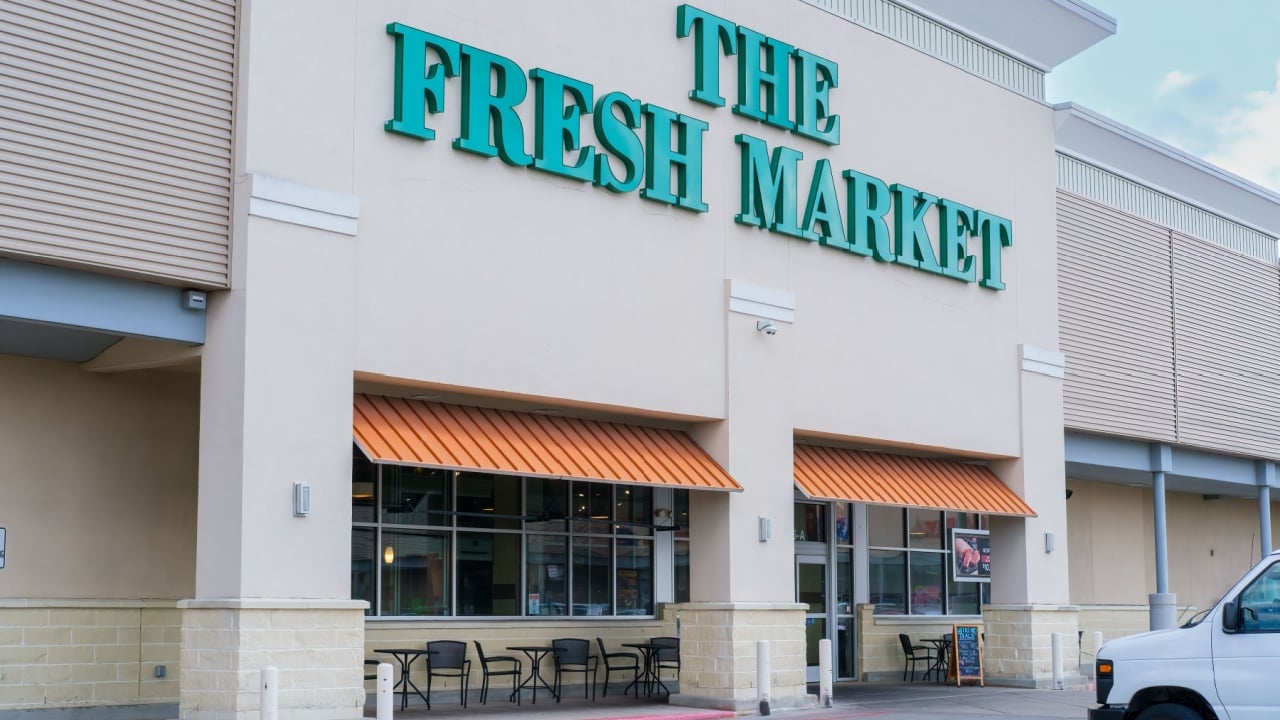
The Fresh Market has a charming origin story. Founders Ray and Beverly Berry were inspired by the open-air markets they encountered during a European vacation and set out to recreate that experience in the United States. The first location opened in Greensboro, North Carolina, and the concept expanded to 166 locations across 22 states. The store feels different from a standard supermarket, smaller, more curated, and centered on fresh, seasonal ingredients.
But that European farmers’ market atmosphere comes at a price. A dozen eggs cost $5.79, almost three times the national average. While staple items like a gallon of whole milk or a pound of chicken breast cost nearly triple the national average, other products throughout the store are also priced significantly higher than at competing supermarkets. The Fresh Market attracts shoppers who value the experience and the quality of what’s on offer, but for routine weekly shopping, the totals can add up faster than expected.
9. Harris Teeter
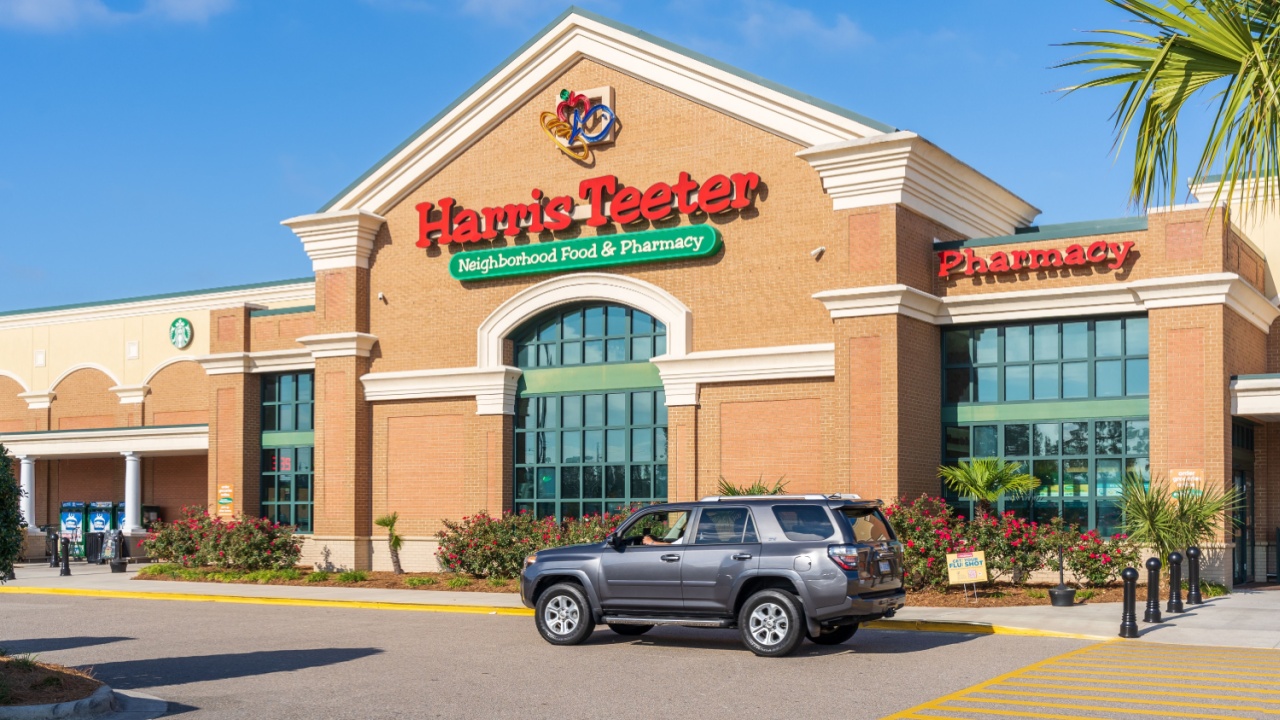
Harris Teeter has been a fixture in the Southeast since 1960. With over 250 stores spanning seven states and the District of Columbia, it has built a loyal regional following through consistent customer service and a strong commitment to community engagement, including partnerships with food banks, educational programs, and youth sports organizations. That community focus is a genuine part of how the brand operates.
However, prices tend to be higher than at other national grocery chains. While many shoppers appreciate the store’s wide selection and excellent service, those who pay close attention to their grocery bills will find that costs for everyday items are often more expensive here.
10. ACME Markets
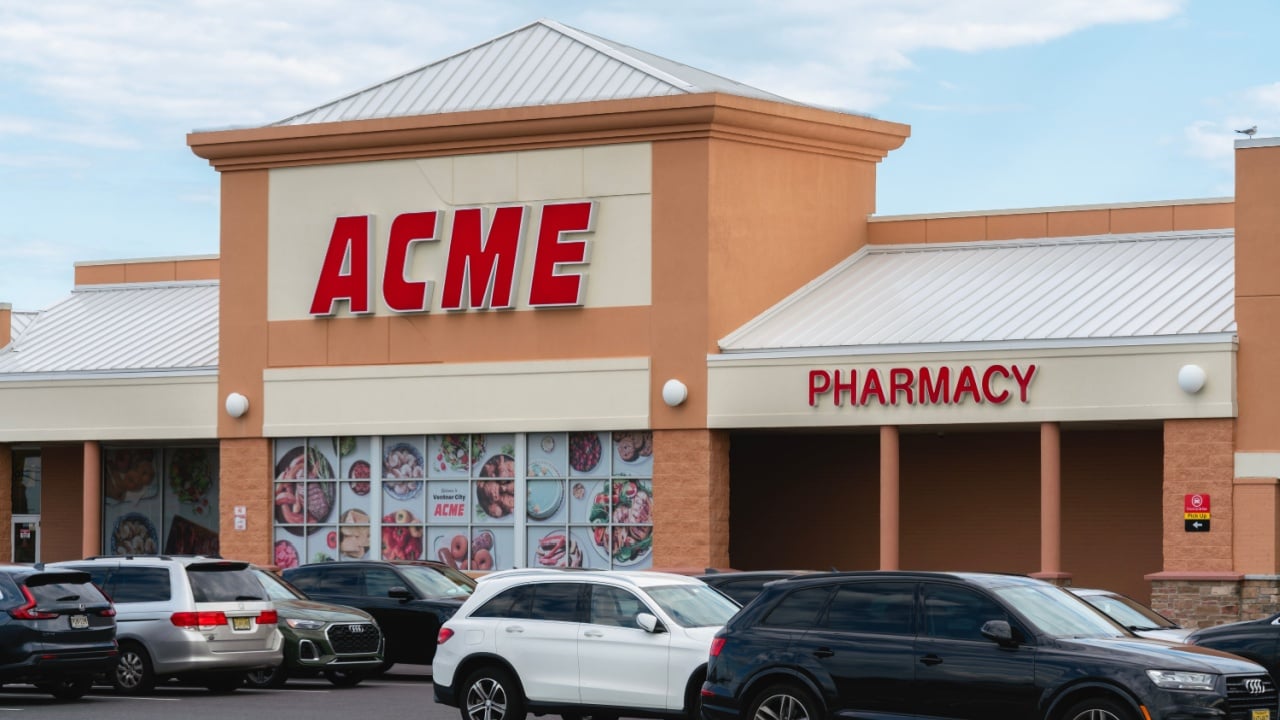
ACME Markets has deep East Coast roots. Founded in 1891 in Philadelphia by Samuel Robinson and Robert Crawford, the company merged with other regional chains in 1917 before eventually coming under Albertsons’ ownership. Today, it runs 164 stores across Pennsylvania, New Jersey, Delaware, New York, Connecticut, and Maryland, and remains a well-known presence in those communities.
Unlike some entries on this list, ACME does not lean into a luxury or specialty identity. It functions as a conventional full-service grocery store. That makes its prices somewhat surprising. A dozen eggs costs significantly more than the national average. A gallon of milk is also quite expensive. For a store positioned as an everyday neighborhood option, those numbers represent a notable premium.
11. Publix
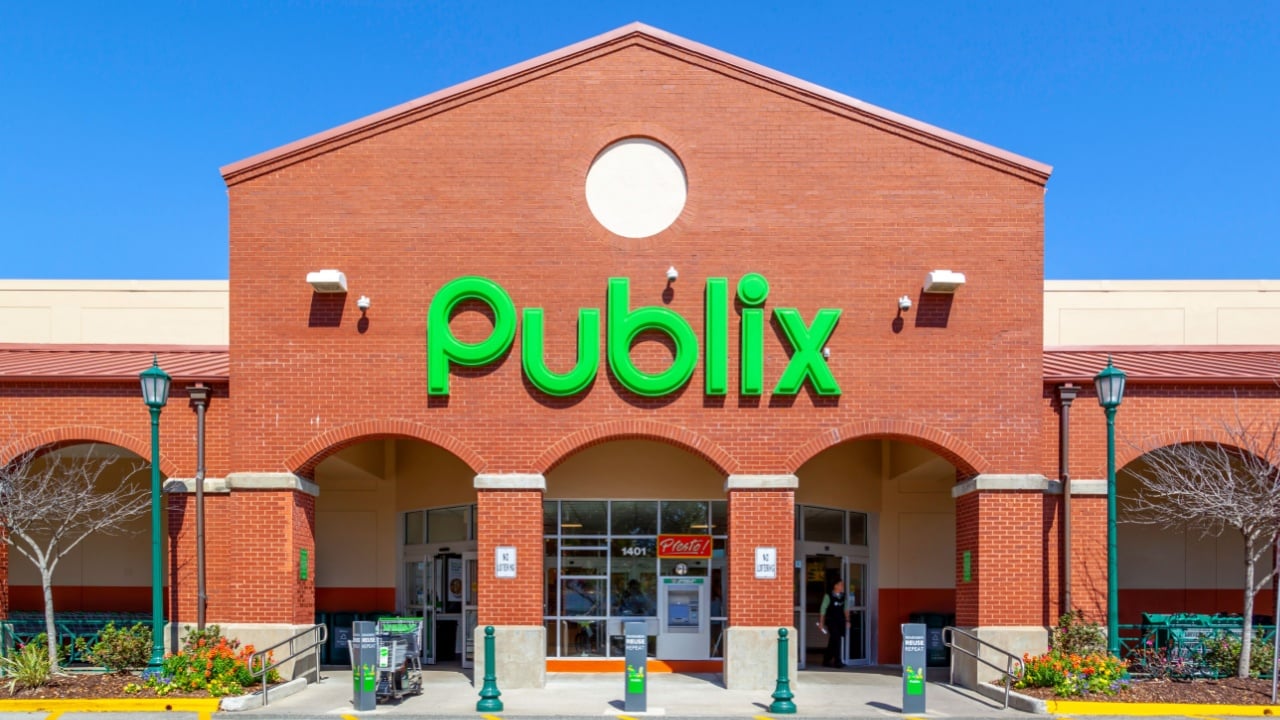
Publix has built one of the most recognizable grocery brands in the American Southeast. Founded in 1930 by George Jenkins, who famously described the business as being “in the people business,” Publix has grown into the largest employee-owned company in the United States. The stores are known for wide aisles, friendly staff, and a prepared foods section that has made its sub sandwiches almost legendary.
Those strengths come with a price. A dozen eggs run much higher than the national average. Milk and chicken breast are also more expensive than at many competitors. While Publix has earned its loyal customer base with a consistently high-quality shopping experience, families and individuals on a tight grocery budget will find that the per-item costs add up significantly compared to discount alternatives.
Worth It, or Worth Skipping?
The grocery stores on this list are not universally bad choices. Most of them have earned their reputations by delivering genuine quality, strong sourcing standards, or experiences that standard supermarkets simply do not offer. The question is always whether the price premium matches what you actually need from a grocery run.
For everyday staples like milk, eggs, and chicken, the national average prices are a useful compass. If a store’s prices land two, three, or even five times above those benchmarks, it pays to know that before you walk in. Shop at the premium chains for the things they genuinely do better. For everything else, there is no shortage of more affordable options that will treat your budget with considerably more respect.
Read More: