Grocery Bill Blues: 5 Staples Facing Steep Price Hikes Thanks to Tariffs
If you’ve felt the sting at the checkout lately, you aren’t alone. Food prices have skyrocketed nearly 24% since 2020, and the pressure isn’t letting up.
Since grocery stores operate on razor-thin margins, new 25% to 30% import taxes are likely to land right on your receipt. To help you navigate these changes, we’ve identified the specific items that are about to get a whole lot more expensive (or already are). Here is what you need to know to prep your budget now.
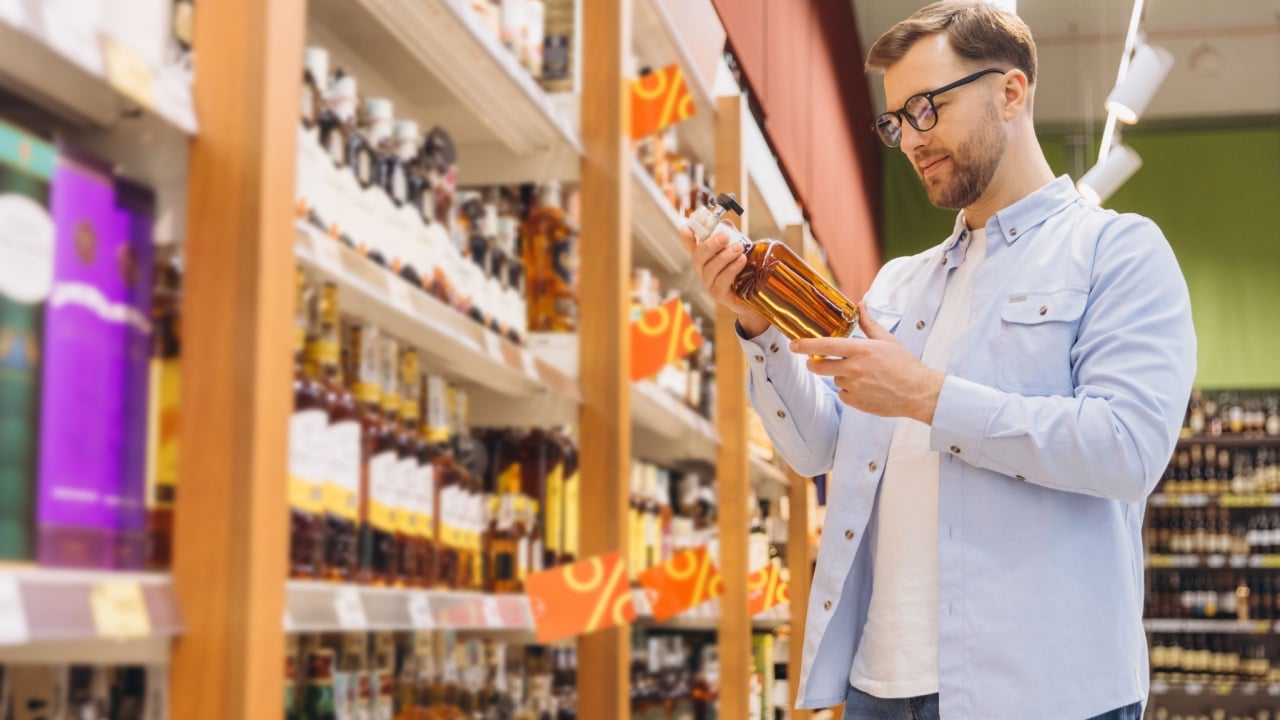
1. Liquor and Spirits
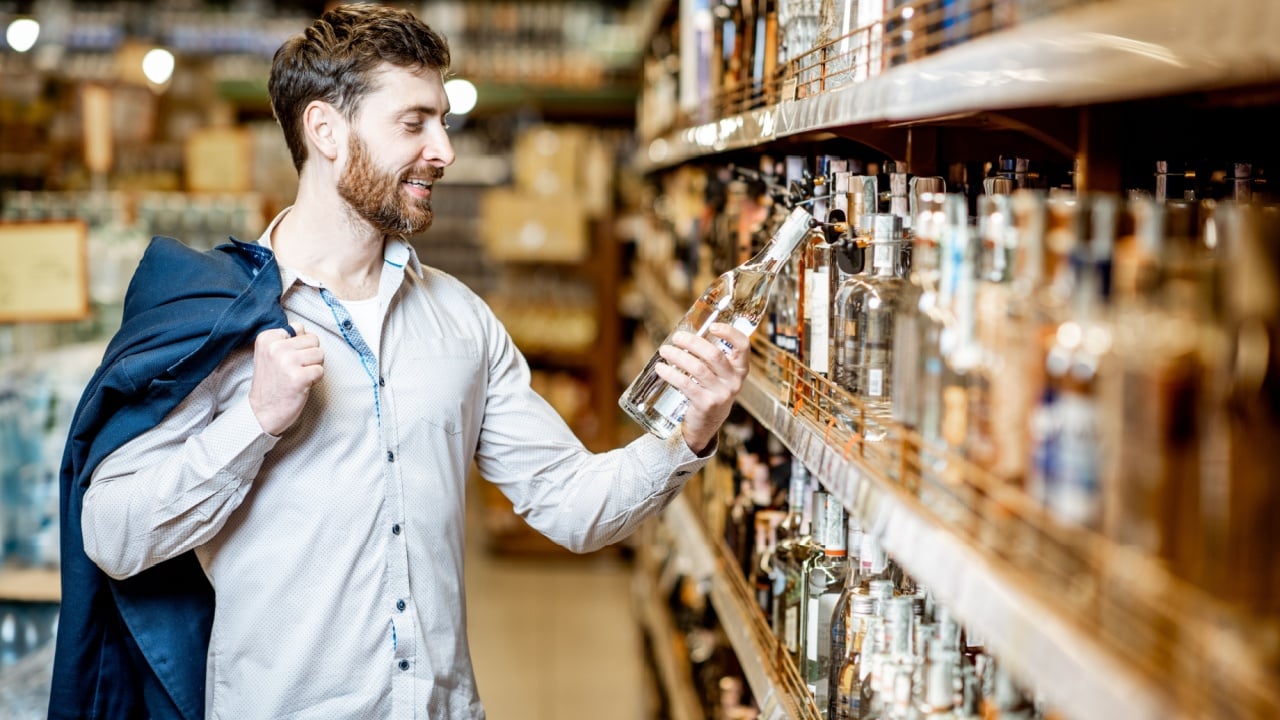
The top category facing the most significant price surge involves imported hard alcohol. While domestic options exist, spirits are often defined by their region of origin. A consumer who prefers a specific Russian vodka or a Scotch whisky cannot simply swap it for a Kentucky bourbon and expect the same flavor profile.
Because these products are not interchangeable, brands have the leverage to pass the entire cost of the tariff onto the buyer. Stocking up on preferred international bottles before the new duties kick in might be a wise move for those with specific tastes.
2. Baked Goods
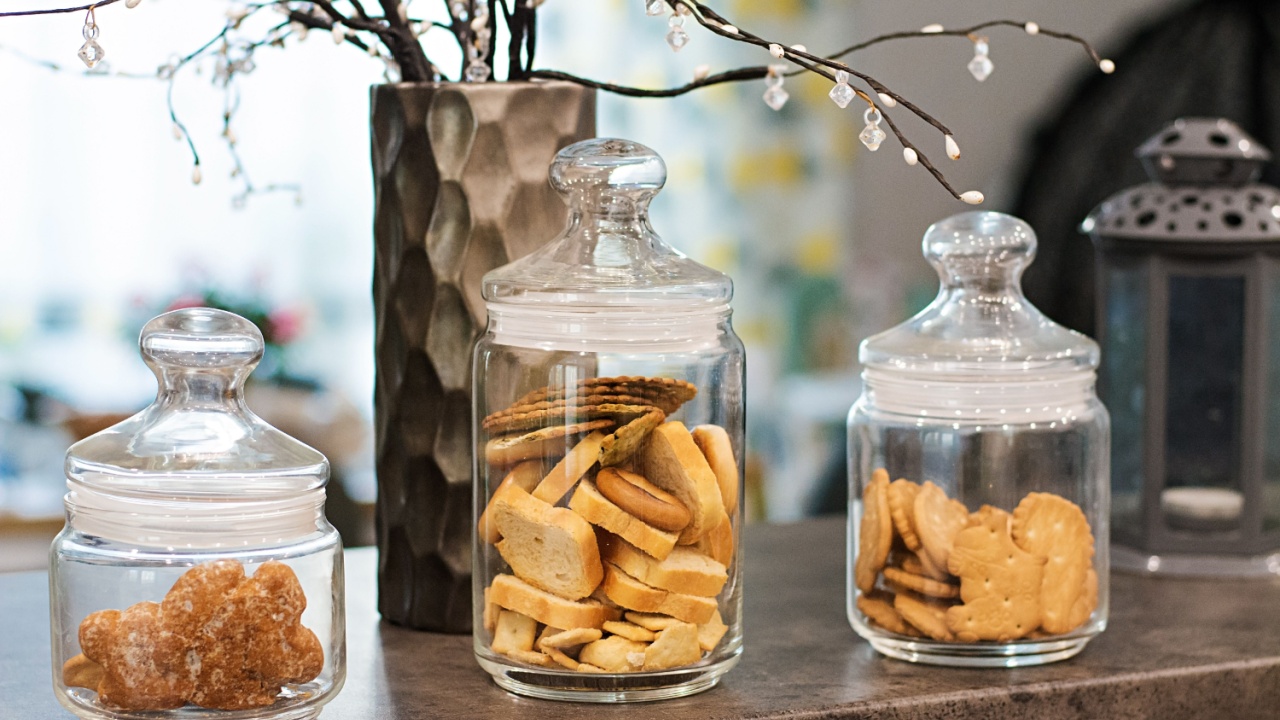
Surprisingly, the second hardest-hit category includes imported baked goods. This sector covers a wide range of items, from specialty cookies and crackers to packaged pastries imported from Europe and beyond.
While the U.S. produces plenty of bread, many shelf-stable treats and gourmet items rely on international supply chains. These tariffs affect 75% of U.S. food imports, meaning that a favorite tin of Danish butter cookies or Italian biscotti is about to come with a much steeper price tag.
3. Coffee
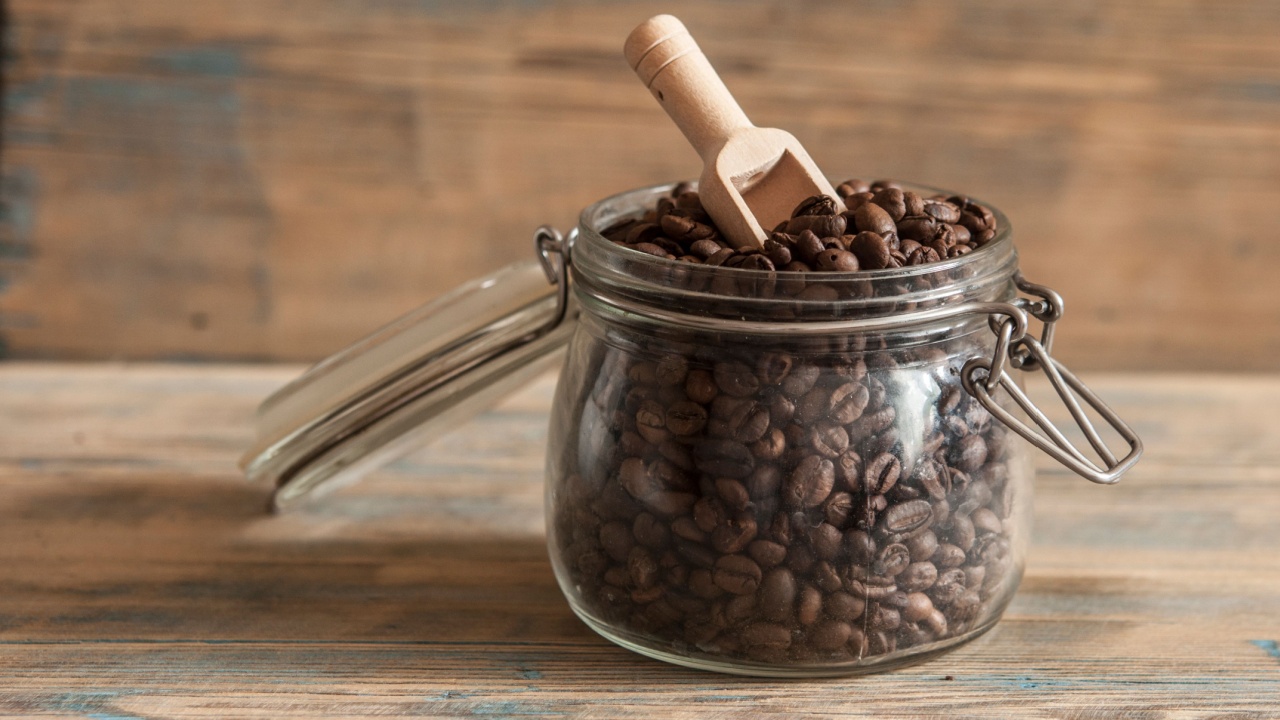
Your morning coffee is about to get more expensive. Coffee is number three on the list of items facing steep price hikes. Because the U.S. doesn’t have the right climate for large-scale coffee farming, it imports nearly all of its beans from countries like Brazil and Colombia.
Many coffee drinkers are loyal to specific roasts and regions. If your favorite beans come from a country affected by these new tariffs, your daily cup will cost a lot more. Unlike other products where you can switch to a generic brand, there aren’t many local alternatives for coffee.
4. Fish and Seafood
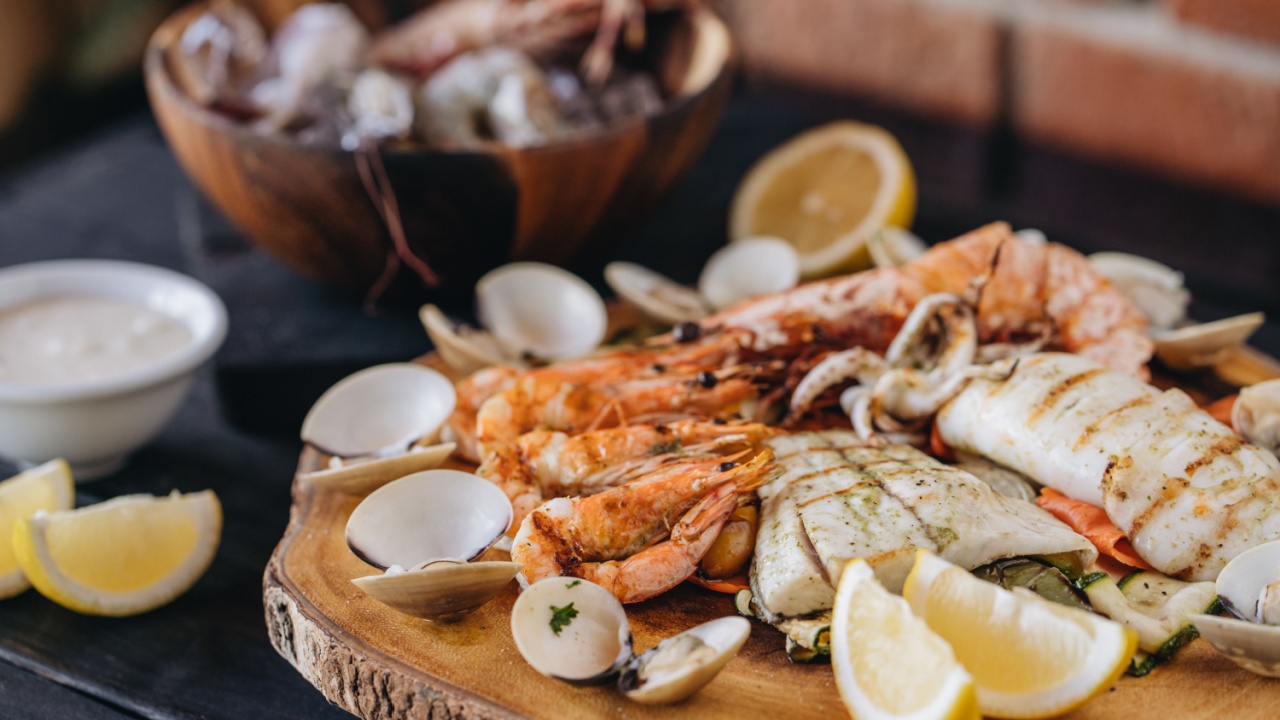
Seafood prices are on the rise, with fresh and frozen imports seeing big increases. Global supply chains make it easy to get fish from all over the world, but that convenience is getting expensive.
Tariffs of 30% or more on some trading partners mean higher prices for things like salmon fillets or frozen shrimp. For families that rely on seafood as a main protein, this might mean switching to locally caught options, though what’s available depends a lot on where you live.
5. Beer

Rounding out the top five is another beverage category: imported beer. Just like with spirits, beer lovers often stick to their favorites, whether it’s a German lager, a Belgian ale, or a Mexican pilsner.
While some imports from Canada and Mexico are protected by trade agreements, beers from other countries will likely see a price hike. Because international brewing and shipping are complex, these extra costs usually hit store shelves pretty fast. If you’re a fan of global brews, now might be the perfect time to try some local craft beers to save a little money.
Preparing for the Sticker Shock

New tariffs kicked in on August 7, 2025. So you likely have already noticed some price changes at your grocery store. Unfortunately, that’s just how global trade works—political decisions often mean higher prices at the checkout.
Knowing which items will continue to be more expensive can help you shop smarter and adjust your budget. If you can’t live without your favorite Brazilian coffee or imported beer, now’s the time to stock up (if it’s not too late) or find some domestic alternatives to avoid the price hike.