
Expensive Junk: 5 Grocery Staples to Skip
Open your cupboard doors or fridge and take a look inside. You likely see shelves packed with boxes, jars, and cans that promise convenience but deliver lackluster results. While stocking up is smart, filling prime kitchen real estate with inferior products is not. Many popular grocery store items rely on preservatives, excess sodium, and artificial flavors that dull the palate and drain the wallet.
Clearing out these specific offenders allows room for ingredients that elevate your cooking rather than holding it back. Here are five items to cross off your grocery list for good.
1. Pre-Shredded Cheese
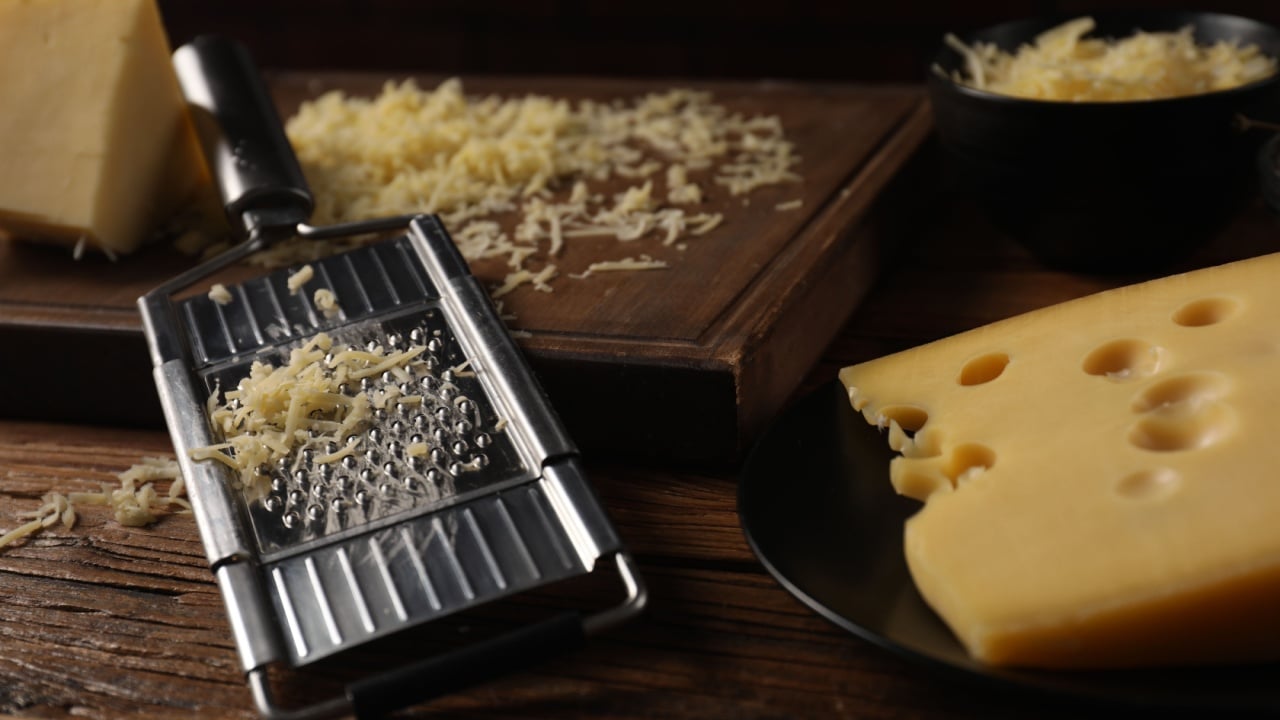
That bag of pre-shredded cheese might seem like a time-saver, but it comes at a cost (for your wallet and health). To keep the shreds from clumping, manufacturers coat them in stuff like potato starch and even wood pulp (cellulose). These anti-caking agents stop the cheese from melting into that gooey, delicious layer you want.
The result? A grainy texture in sauces and a stubborn, non-melty topping on your pizza. Plus, pre-shredded cheese dries out faster and loses its flavor.
The better alternative: Buy a block and grate it yourself. It melts better, tastes fresher, and is free of weird additives.
2. Vegetable Shortening
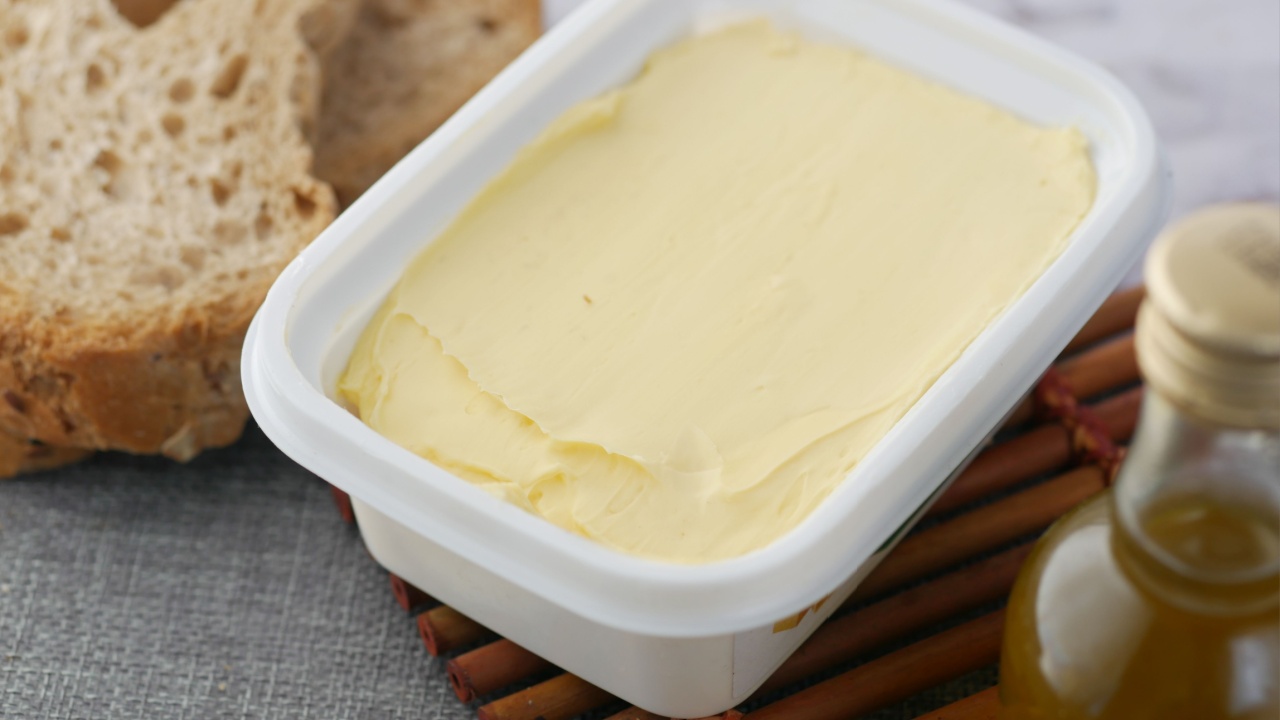
For decades, vegetable shortening was a popular shelf-stable alternative to animal fats. But it has zero flavor and can leave a waxy film in your mouth because its melting point is higher than your body temperature (plus, they’re often made with trans fats, a substance that the body has an impossible time processing).
While shortening produces a flaky crust, it lacks the rich flavor that butter provides. Cookies made with shortening might hold their shape, but they taste flat compared to those made with real butter.
The better alternative: Use unsalted butter for superior flavor in baking. For dairy-free options or frying, try coconut oil, avocado oil, or lard.
3. Bottled Vinaigrettes
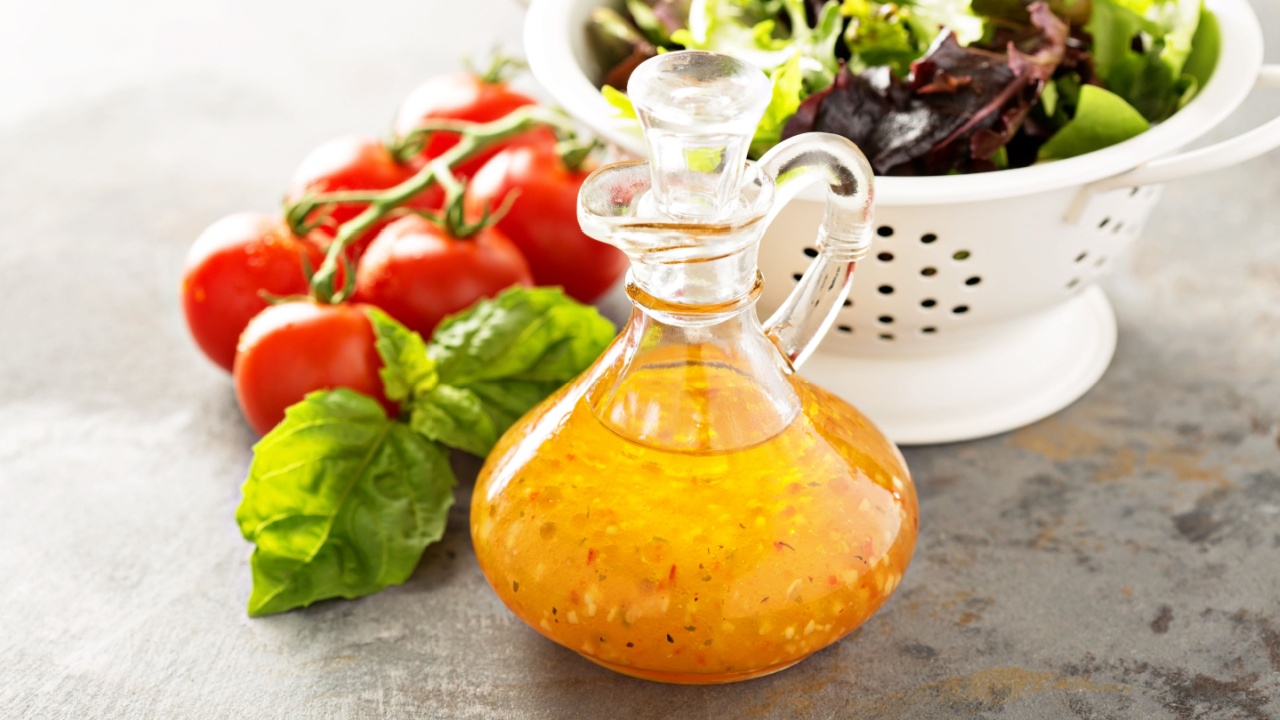
The salad dressing aisle is a wall of preservatives, stabilizers, and high-fructose corn syrup. Bottled vinaigrettes often contain cheap, inflammatory oils (like soybean or canola) rather than the extra virgin olive oil pictured on the label. To keep the oil and vinegar mixed on the shelf, companies add gums and emulsifiers that give the dressing an artificial, slimy texture.
You are paying a premium for cheap oil and water. The bright, acidic punch of a good vinaigrette is lost in bottled versions, replaced by heavy amounts of sodium and sugar to mask the lack of fresh ingredients.
The better alternative: Whisk together a classic vinaigrette in seconds. The golden ratio is three parts oil to one part acid (vinegar or lemon juice). Add salt, pepper, and a dab of Dijon mustard to help it emulsify.
4. Jarred Minced Garlic
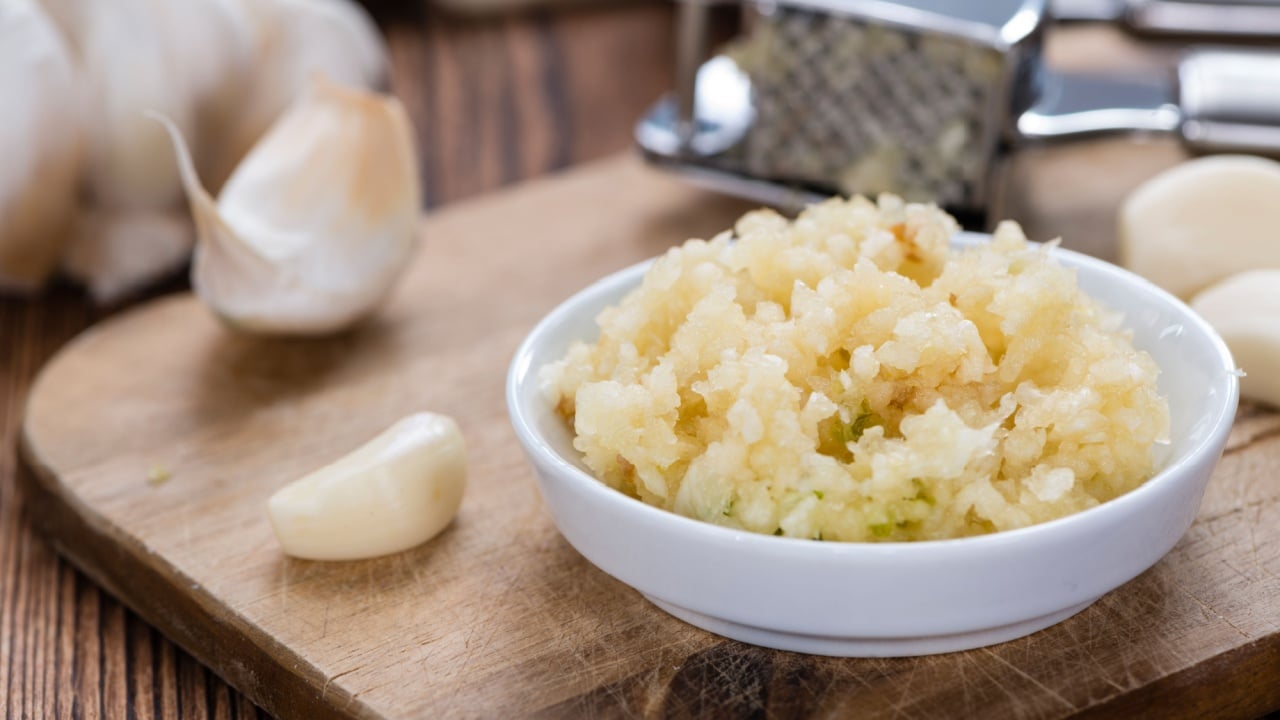
It’s tempting to grab a spoonful of pre-minced garlic rather than deal with a fresh clove. But that convenience comes at a cost to flavor. The stuff in the jar is packed in water and acid, which gives it a weird, sour taste that’s a world away from the spicy kick of fresh garlic.
That jarring process also kills the natural oils that give garlic its signature flavor. Dishes made with jarred garlic often end up tasting both harsh and bland, missing that savory depth you’re looking for.
The better alternative: Keep fresh garlic on hand. If you hate chopping, a good garlic press or a microplane will turn a clove into a flavorful paste in seconds.
5. Imitation Vanilla Extract

Real vanilla comes from orchids and is packed with hundreds of flavor compounds. Imitation vanilla, on the other hand, is mostly synthetic vanillin made from things like wood pulp or even petroleum. It copies the main vanilla flavor but misses all the floral, woody, and spicy notes that make real vanilla so amazing.
In baked goods where vanilla isn’t the star, you might not notice much of a difference. But in recipes like custard, pound cake, or whipped cream, imitation vanilla’s flat, chemical taste can really stand out, making desserts feel cheap.
Better option: Go for pure vanilla extract or vanilla bean paste. It costs more upfront, but the flavor is so much richer and stronger, you won’t need to use as much!
Clean Out Your Cupboards

Now you know which pantry items to skip, you’re on your way to a more efficient kitchen and tastier meals. You don’t have to throw everything out at once, but as you run out of these items, try swapping them for their fresher alternatives. Your taste buds (and your wallet) will thank you in the long run.
Read More: