Are You Making An Enemy of Your Neighbors? 12 Yard Habits To Stop Right Now
Every summer, well-meaning gardeners across the country fire up their mowers at sunrise, plant bamboo along the fence line, and let their compost pile breathe in the morning air, while their neighbors silently fume. What feels like seasonal enthusiasm on your side of the property line can feel like a property violation on the other.
The tension is real, and it has teeth. Invasive plants crossing a property line can trigger legal action. Early-morning mowing can violate local noise ordinances and result in actual fines. And some of the most popular spring gardening trends, like bamboo screens, wood fire pits, and untended ponds, are among the most common sources of neighbor disputes filed with HOA boards every year. You may already be doing several of them.
In fact, according to landscape and legal experts, many homeowners unknowingly create liability risks for themselves the moment their spring planting season begins. A single bamboo plant purchased for $30 at a garden center can cost thousands of dollars to remove when it starts tunneling under your neighbor’s fence. Knowing which habits cross the line, both literally and legally, can save you money, your property value, and your relationships.
Here are 12 gardening habits that quietly drive your neighbors crazy, and in some cases, toward their lawyers.
1. Firing Up the Mower Before the Neighborhood Wakes Up
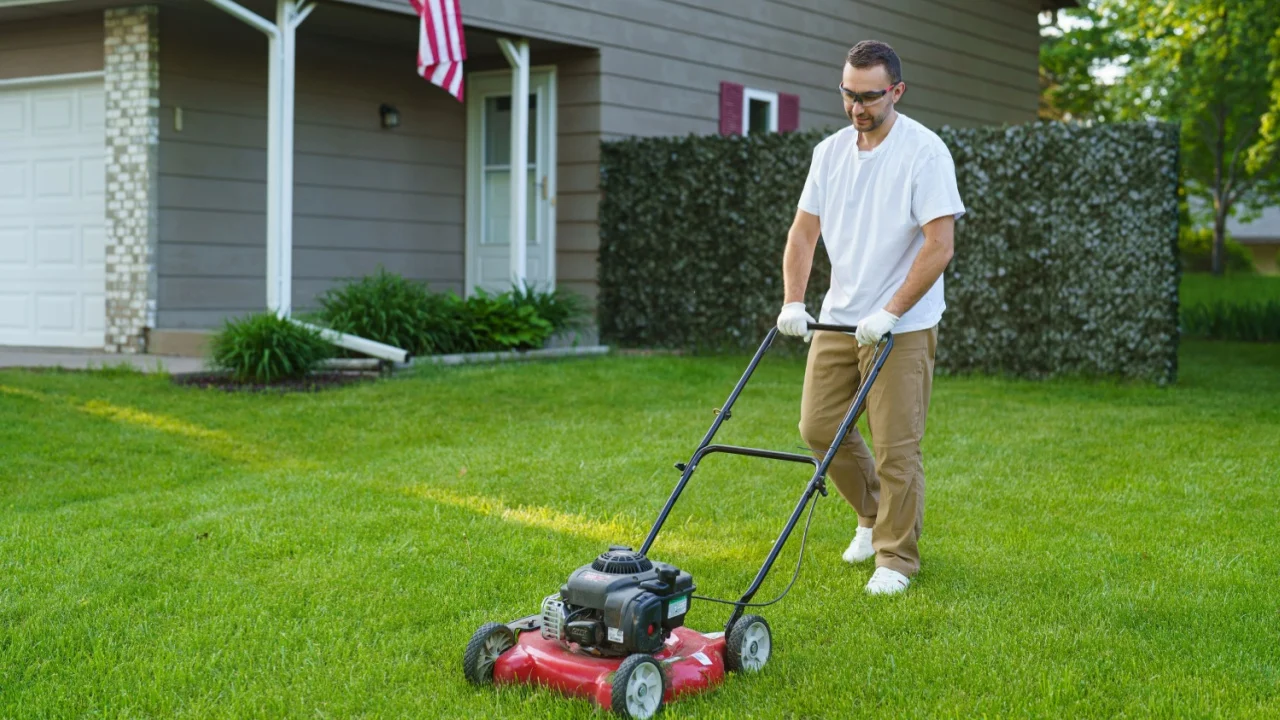
There is no federal law dictating when you can mow your lawn, but your city almost certainly has one. Most municipal noise ordinances restrict powered equipment before 7:00 a.m. on weekdays and before 8:00 a.m. or 9:00 a.m. on weekends. In Houston, for example, noise-producing activities are only permitted between 8:00 a.m. and 10:00 p.m. Violate those hours, and your neighbor has a legitimate legal complaint, not just a grievance.
Gas-powered mowers typically produce 80 to 95 decibels of noise, well above the 70-decibel threshold that health organizations flag as potentially disruptive. Even if you are technically within your legal window, launching into mowing at 7:01 a.m. on a Saturday will not earn you any goodwill. The considerate standard is to wait until at least 9:00 a.m. on weekends.
2. Planting Bamboo as a Privacy Screen
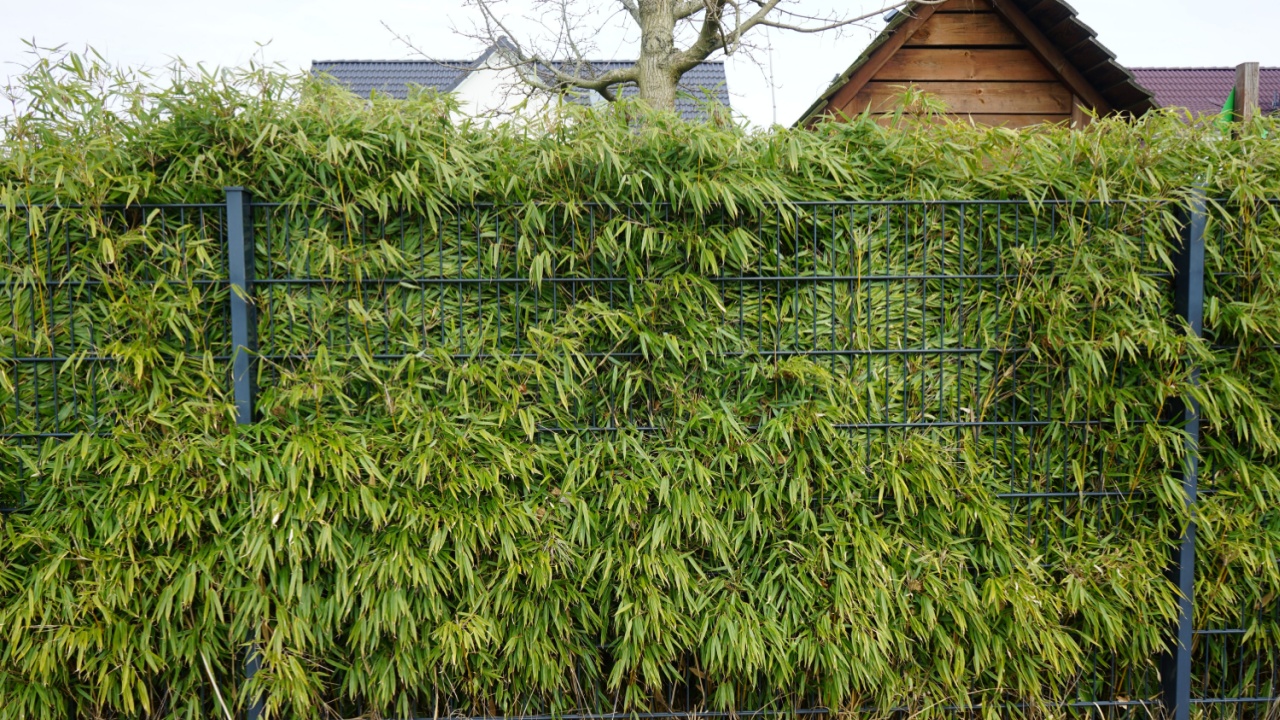
Bamboo is one of the most searched spring planting ideas for homeowners who want fast, dense privacy coverage. It is also one of the most contentious plants you can put in your yard. Running bamboo, the most common type sold in garden centers, is considered invasive and spreads aggressively underground through rhizomes that can travel 10 feet or more per year, directly under fences, driveways, and into neighboring gardens.
The legal exposure is significant. Once bamboo crosses your property line and causes damage, the affected neighbor may have grounds to sue for excavation and removal costs. In many states, the plant owner can be held financially liable. Many HOAs explicitly ban bamboo under their plant restrictions, and violations can carry fines of $250 per month or more until the plant is removed. According to Southern Living, invasive plants like bamboo ‘create a problem for yourself while making it everyone else’s problem, too.’
3. Letting Weeds Go to Seed Along the Property Line
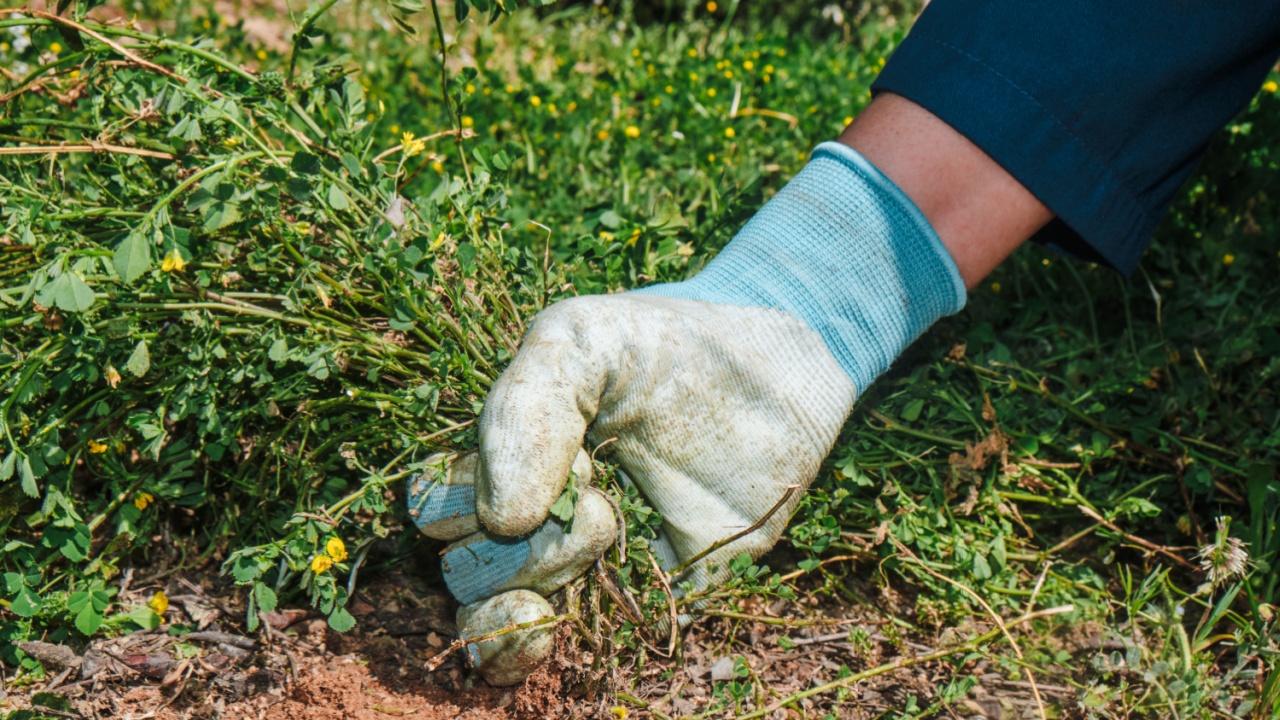
A few dandelions are charming. A border of mature weeds releasing thousands of seeds into a neighbor’s meticulously maintained lawn is a different matter entirely. Weeds that seed along shared property lines are among the most common neighbor complaints logged with landscaping professionals each spring.
Melissa Rolston, Chief Strategy Officer at Paramount Landscaping Inc., notes in Family Handyman that invasive weeds spreading from one yard to another are genuinely frustrating and that, if the situation is unresolved, neighbors have legal options, including documentation, root barriers, and ultimately legal recourse. Your neighbor may also have grounds to request reimbursement for weed control costs if the source is traceable to your yard.
4. Building a Compost Pile Without a Proper Enclosure

Home composting is excellent for your garden and for the environment. An improperly managed compost pile, however, is a neighborhood hazard. Open or loosely covered compost attracts rats, raccoons, wasps, and every stray dog within a half-mile radius. The smell alone can be enough to trigger a formal complaint.
Southern Living advises gardeners to research composting bins specifically designed to keep pests out before starting a pile. If your pile is close to the property line or visible from the street, you may also face HOA violations. The practical fix costs less than $50: a sealed compost bin eliminates most of the odor and pest issues that turn composting from an environmentally responsible habit into a neighbor relations problem.
5. Installing Security Lighting That Illuminates Everyone’s Yard

Spring is the prime season for installing outdoor security lights. It is also prime season for neighbor complaints about those same lights. Most residential security lights are mounted high, aimed outward, and left on throughout the night, which means they reliably shine directly into neighbors’ bedroom windows.
The fix is straightforward: angle lights downward, use motion-activation rather than continuous illumination, and choose fixtures with adjustable aim. Southern Living recommends moving security lighting to sheltered locations where it cannot cross property lines. A light that improves your security without projecting into neighboring yards is not just neighborly; in many municipalities, light trespass across property lines can actually constitute a code violation.
6. Planting Invasive Vines on Shared Fences
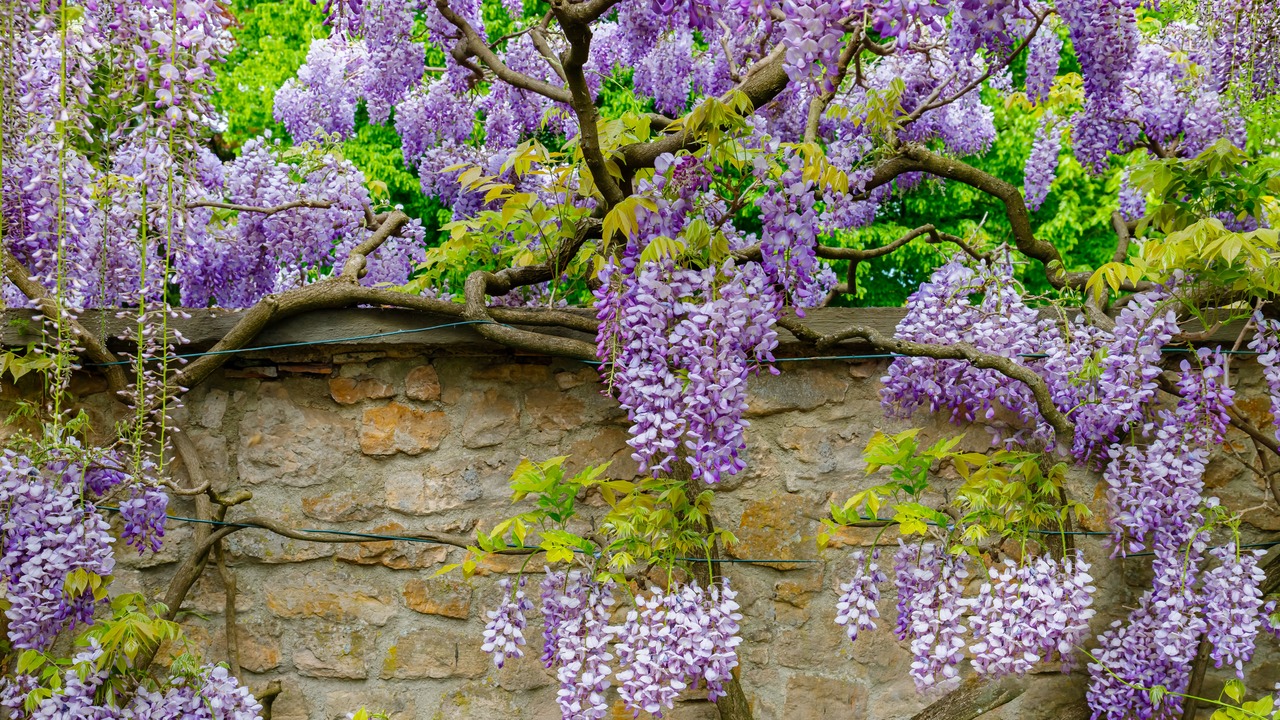
English ivy, trumpet vine, wisteria, and morning glory all look spectacular on a spring fence. They are also among the most aggressive spreaders in American horticulture. Once established, these vines scramble over fences, up neighboring trees, and into foundation plantings, all without your neighbor’s permission.
According to Homes & Gardens, HOA compliance experts note that plants or perennials that spread, shed, or attract insects in ways that affect neighboring properties frequently end up on restriction lists. English ivy, in particular, is classified as invasive in many regions of the United States, meaning a neighbor’s annoyance about your fence vine may have legal backing. Native alternatives, like Virginia creeper in the East or clematis varieties in the West, offer similar visual impact without the ecological and legal liability.
7. Mowing Clippings Onto the Sidewalk or Into the Street
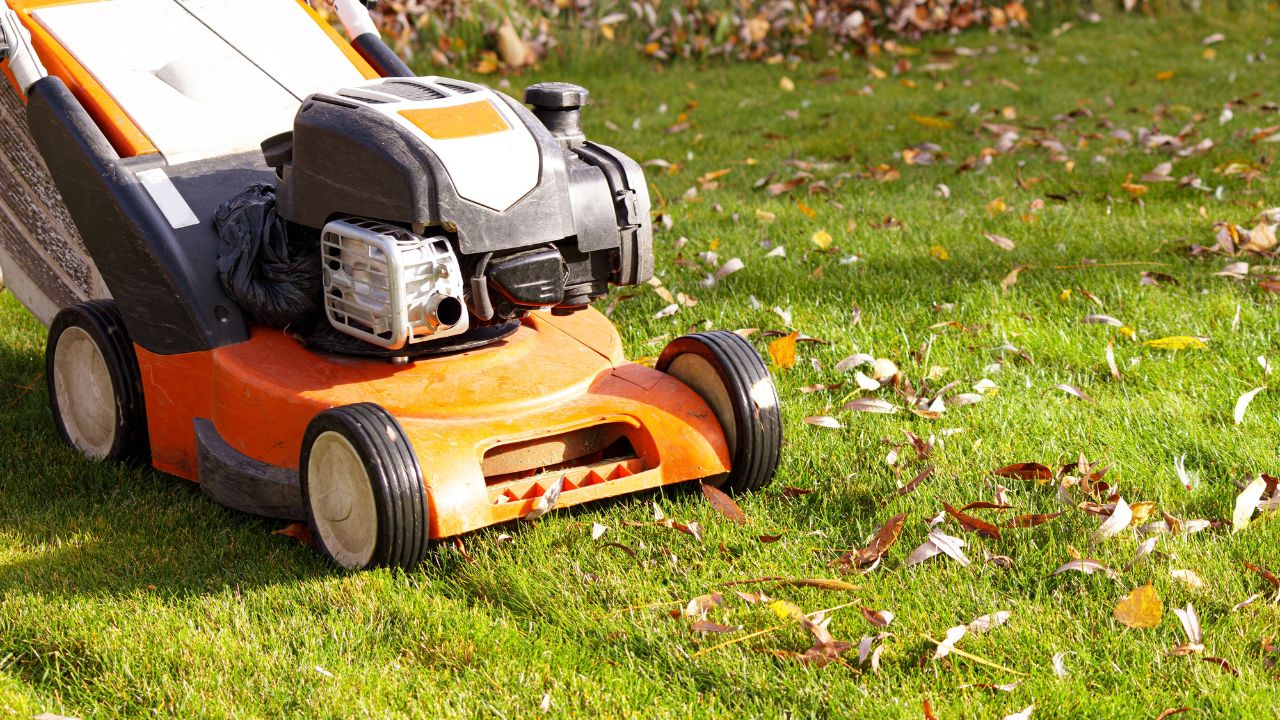
This one seems minor. It is not.
Grass clippings discharged onto sidewalks or roadways are considered a hazard in many municipalities, creating slip risks for pedestrians and cyclists. In some jurisdictions, blowing or discharging clippings into the street is an actual ordinance violation, not just bad form.
Even where it is not technically illegal, it signals something to neighbors: that your yard maintenance ends at your convenience rather than at the edge of shared spaces. A well-maintained property is defined not just by what happens inside the fence line but by how the maintenance affects the surrounding community. Bag your clippings or redirect discharge toward the lawn center, and you eliminate both the hazard and the hard feelings.
8. Using Wood-Burning Fire Pits on Breezy Spring Evenings
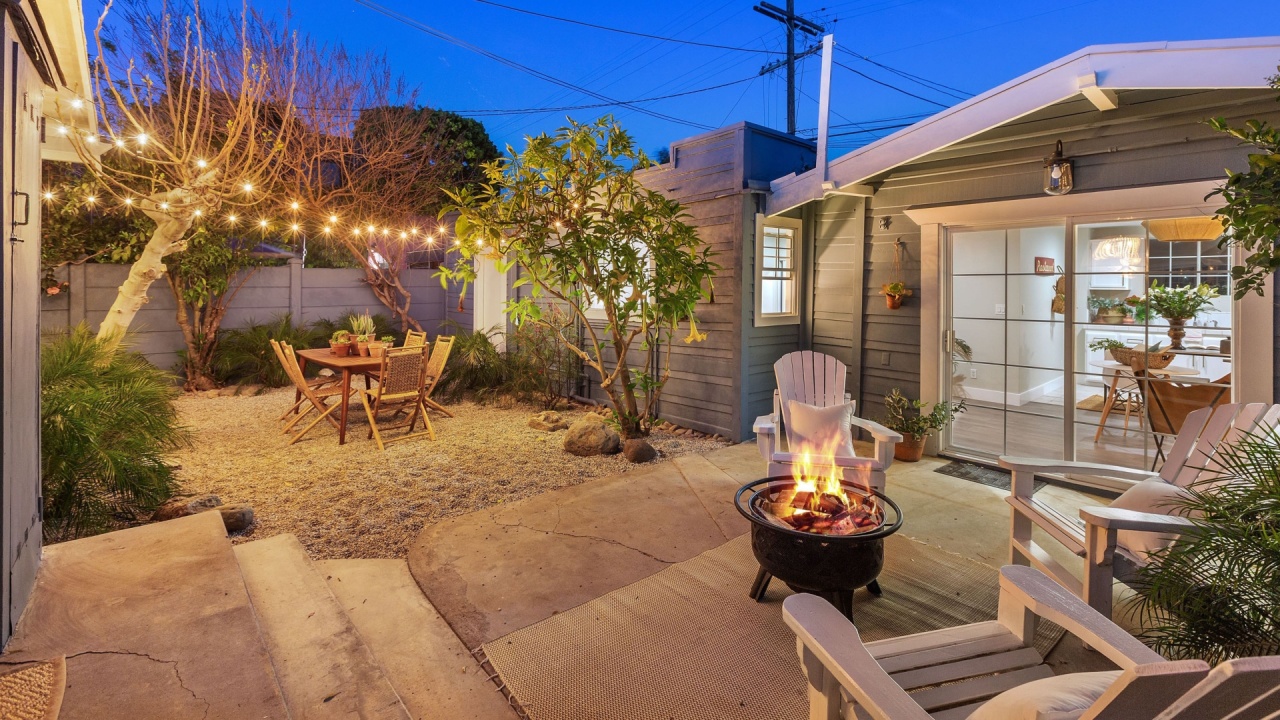
Spring evenings and fire pits feel like a natural pairing. But wood fires generate substantial smoke, and in a neighborhood setting, the wind determines whose patio, windows, and laundry that smoke reaches. Burning wet wood, trash, or green branches makes this dramatically worse.
Southern Living recommends considering a smokeless fire pit and strictly avoiding burning anything other than dry seasoned wood. Many cities also have air quality burn bans during high-pollen spring periods when atmospheric conditions trap smoke near ground level. Before lighting your first spring fire, check whether your municipality has active burn restrictions.
The $150 cost of a smokeless fire pit model is considerably less than the social cost of sending your neighbor’s freshly washed outdoor cushions back to the laundry.
9. Ignoring a Dying or Leaning Tree Near the Property Line
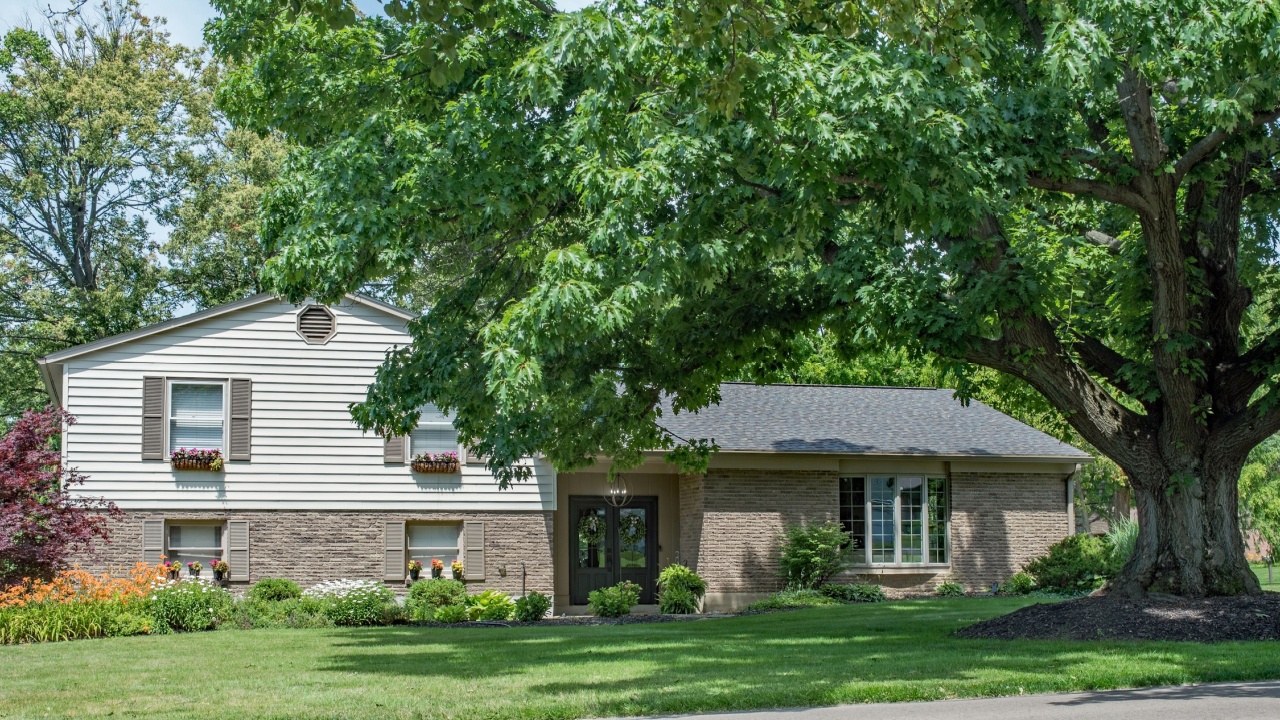
Procrastination on a declining tree is one of the most legally and financially dangerous habits a homeowner can have in spring. If a tree on your property is visibly unhealthy or leaning toward a neighbor’s house, the liability clock is running. Legal experts at Find Law confirm that if you have been made aware of a hazardous tree and fail to act, you can be held responsible for damage it causes to neighboring property.
Once a neighbor formally notifies you in writing about a dangerous tree, your window for inexpensive resolution narrows quickly. An arborist assessment costs $75 to $150. Tree removal, if required, typically runs $500 to $2,000. The cost of defending a property damage lawsuit runs considerably higher. Address failing trees at the first sign of trouble in spring, before the storm season tests your luck.
10. Letting Garden Runoff Drain Into a Neighbor’s Yard
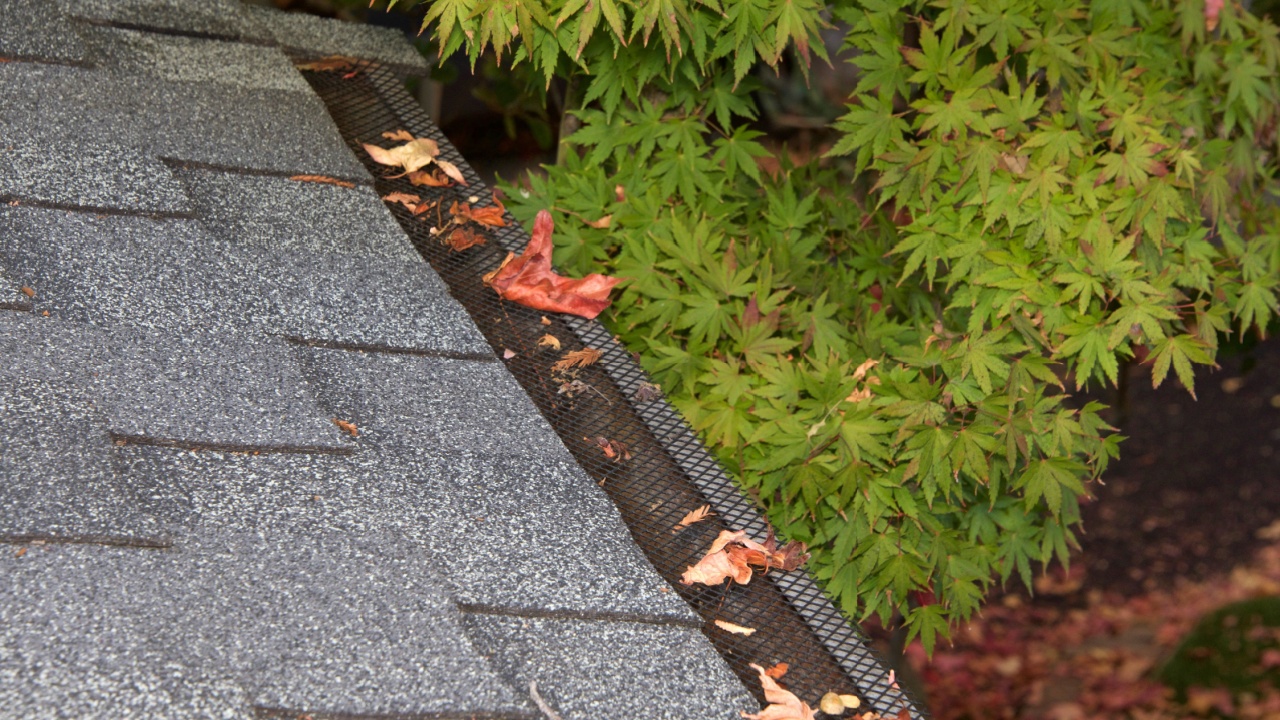
Spring landscaping projects, such as grading, adding patio pads, and installing raised beds, frequently alter how water moves during rainstorms. When those changes redirect runoff onto neighboring property, it is not just an inconvenience. It can constitute legal nuisance under property law, and it can cause real damage: flooded basements, eroded garden beds, and saturated foundations.
According to landscaping experts at Positive Bloom, changing your yard’s grading or adding impermeable surfaces like patios can redirect rainwater straight into neighboring properties. Proper drainage planning should account for where water will go during heavy rains. Before undertaking any spring project that alters grade or impervious coverage, talk with your contractor about drainage solutions. Adding a rain garden or permeable paving near the property line can resolve the issue before it creates one.
11. Neglecting a Garden Pond Until It Becomes a Mosquito Nursery
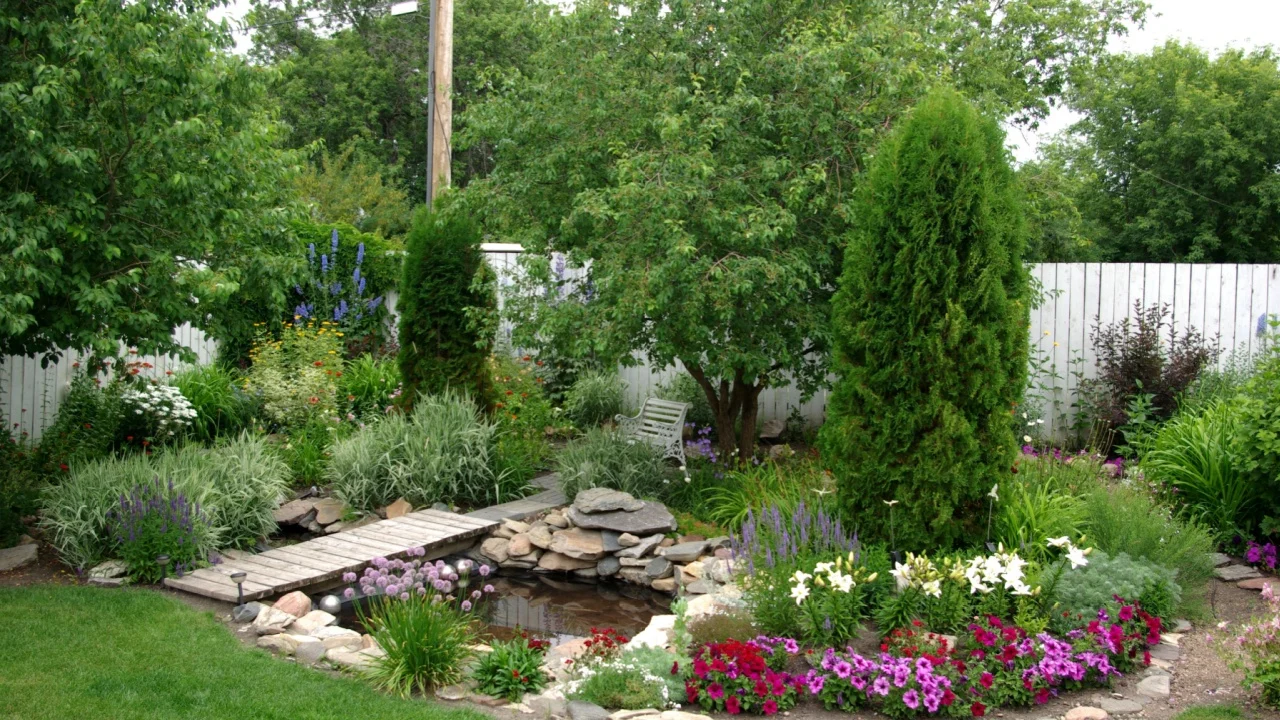
A garden pond can be one of the most beautiful spring additions to a yard. Left untended for even a few weeks, it becomes something else entirely: a standing water nursery for mosquitoes, an algae-choked eyesore, and a source of neighborhood complaints. Mosquito populations generated by a single unmaintained backyard pond can affect every neighboring yard within several hundred feet.
Southern Living is direct on this point: ponds must be maintained, or they become mucky, overgrown with algae, and full of biting insects. Maintaining proper water circulation with a pump is the single most important step, and it need not be expensive.
A small recirculating pump costs $30 to $80 and dramatically reduces mosquito breeding by keeping water moving. If you cannot commit to basic pond maintenance each spring, consider filling it in or converting it to a dry garden feature.
12. Growing Tall Ornamental Grasses or Hedges That Block Views or Light
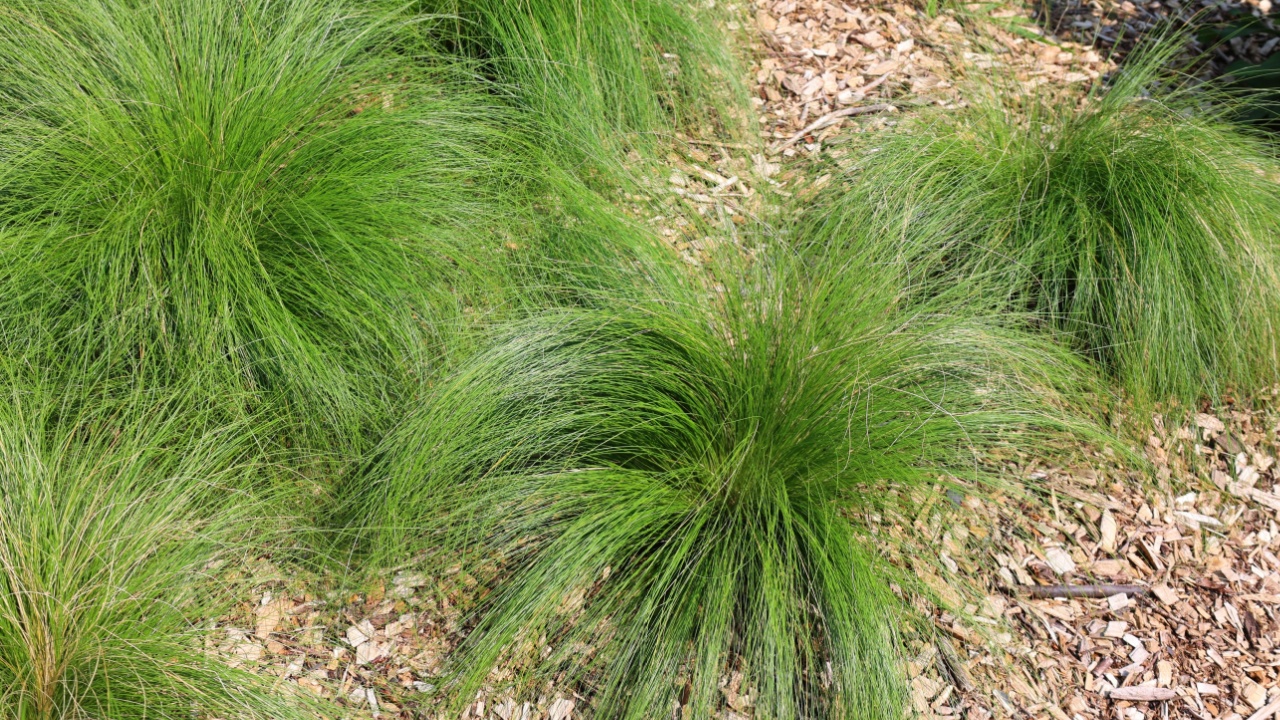
Fast-growing ornamental grasses, arborvitae hedges, and screening shrubs are spring bestsellers at every garden center. They are also among the most common subjects of neighbor disputes and HOA enforcement actions. Many municipalities have view ordinances that can require you to trim or remove plantings that obstruct a neighbor’s view or sunlight. HOA rules frequently cap ornamental grass height at 4 feet in front yards and restrict hedging plants that grow to fence-blocking dimensions.
According to Homes & Gardens, HOA violations for non-compliant plants can result in fines charged per day until the plant is removed, and some associations pursue legal action for persistent violations.
Before installing any large-scale screening plant this spring, review your local ordinances and HOA documents line by line. The few minutes of research could save you the cost of removal and the awkwardness of an HOA hearing.
The Neighborly Yard Is a Legal and Financial Asset

None of these habits requires dramatic sacrifice. A covered compost bin, a later start time on the mower, and a root barrier behind the bamboo are small adjustments in spring that prevent large problems in summer. The National Wildlife Federation puts it plainly in its guidance on community gardening: getting your neighbors on board is really important, and the first step is understanding the local rules that govern what you plant, when you make noise, and how your maintenance affects the properties next door.
Your yard is your own, but its effects are shared. The gardeners who avoid these 12 habits are not just being polite; they are protecting their own property values, their insurance premiums, and their legal standing. That is a return on investment that no amount of spring mulching can match.
Read more:
7 perennial planting mistakes to stop making right now
How to Grow Zucchini Vertically: 7 Steps That Save Space and Double Your Harvest