Building a House? Assemble This Full Crew for a Smooth Process
Building your dream home is a huge investment. While it’s fun to scroll through Pinterest for design inspiration, the actual construction is a lot more complicated. A successful build is about hiring the right team to handle the technical heavy lifting.
For some handy individuals, it’s tempting to DIY as much of their home as possible. Unfortunately, this can lead to missteps and oversights that can lead to disaster and more money in the end.
Going it alone is a recipe for blown budgets and massive headaches. To turn that plot of dirt into a house that actually lasts, you’ll need more than just a contractor. Here’s the essential crew you need on your side.
1. Architect

Your architect is the first person you should hire. They take your Pinterest-board dreams and lifestyle needs and turn them into a buildable plan. They’ll check out your site, figure out local zoning laws, and create the blueprints that guide the entire build.
Besides designing a good-looking house, a good architect also designs a home that flows with how you actually live, solving problems before they even start. You’ll want to find one whose past work you love and with whom you get along, since you’ll be working together for over a year (of not years).
2. Geotechnical Engineer

You definitely don’t want to skip the ground check before pouring any concrete. A geotechnical engineer comes in to dig into what’s happening beneath the surface, testing things like soil stability and water levels to make sure your lot can actually handle a house.
It might sound technical, but it’s a total must-have to avoid a cracked foundation or a sinking home later. Most architects have a local expert they trust, so just ask for a referral to someone who knows the area’s geology inside and out.
3. Structural Engineer
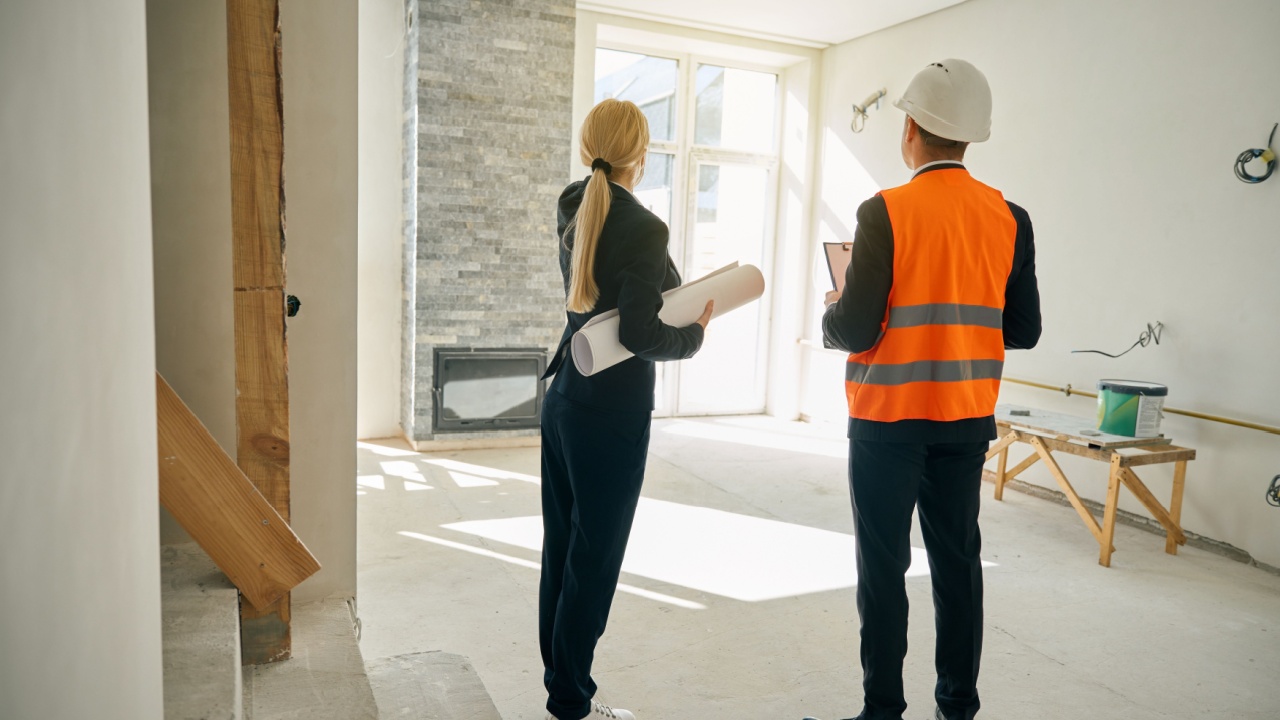
A structural engineer makes sure the house will actually stand up. While your architect focuses on the look and flow, the engineer does the math on loads and stress points, ensuring your design is safe and sound.
Want a huge open-plan living room or a balcony that seems to float? The structural engineer is the one who figures out the hidden steel and timber framing to make those cool, gravity-defying ideas a reality.
They’re usually brought in by the architect, but it’s smart to double-check that they’re licensed in your state.
4. Builder (General Contractor)

The builder, or general contractor, is the project manager who turns your blueprints into a real house. They run the construction site day-to-day, manage the schedule, and hire all the subcontractors, like plumbers and electricians.
Essentially, they manage the chaos, handling logistics, permits, and inspections to make sure everything is built to code and follows the architect’s plans. It’s crucial to check their references thoroughly and, if you can, visit one of their current job sites. A messy site can be a red flag for how they manage their projects.
5. Interior Designer

Don’t make the mistake of hiring an interior designer after the drywall is up. An interior designer should be involved much earlier in the process. They help with crucial decisions that affect construction, like where to put lights, electrical outlets, and cabinets. If you wait, you might find your light fixtures are in the wrong spot or your kitchen island is too small for the stools you love.
They’ll help you pick out finishes like flooring and paint that all work together, and make sure the layout works for your furniture. Get them on board as soon as you have architectural plans so they can spot any potential issues early on.
Building a Legacy

Assembling the right team is the single most important step in the custom home-building journey. These professionals act as your safeguards against poor quality, code violations, and budget overruns. Respecting the expertise each role brings to the table, set the stage for a smoother process and a final product that truly reflects your vision.
Read more
10 Building Code Violations That Homeowners Accidentally Commit
New Home, New Regrets? 14 Reasons Buyer’s Remorse is All Too Real