
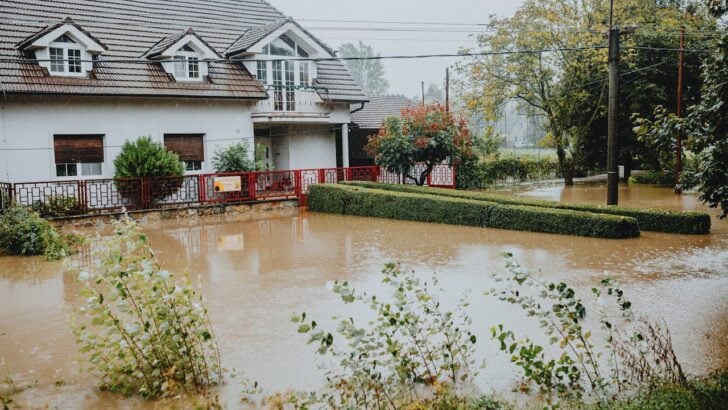
You step outside after a thunderstorm, boots splashing in puddles, leaves dripping wet, and yet, a week later, your soil is cracking under the sun. It feels confusing, doesn’t it? Somehow, there’s more rain falling than ever before, but the ground, your plants, and even your backyard feel drier than they should. Welcome to the new normal: the world of rain that comes in bursts, not blessings.
Recent studies by Corey S. Lesk and Justin S. Mankin show that climate change is reshaping rainfall patterns worldwide. Instead of a gentle, steady sprinkle nourishing your garden over weeks, precipitation is consolidating into fewer, heavier storms. This isn’t just a problem for farmers; home gardeners, city green thumbs, and anyone who loves a patch of green need to rethink how they water, plant, and protect their outdoor spaces.
More Rain Doesn’t Mean More Water
It seems counterintuitive: more rainfall, yet drier soil. Scientists call this pattern “rain consolidation”; the year’s rain falls in big, intense bursts instead of being spread out evenly. When a storm dumps water faster than the soil can absorb it, much of that moisture runs off, pooling in low spots or evaporating into the air before it ever reaches plant roots.
Lead author Corey Lesk explains that even if the total rainfall is higher, less water actually sticks around for plants, soil, and aquifers. That means the lush green garden you dreamed of might wilt faster between storms, and your veggies may struggle even in regions where rainfall totals look generous on paper.
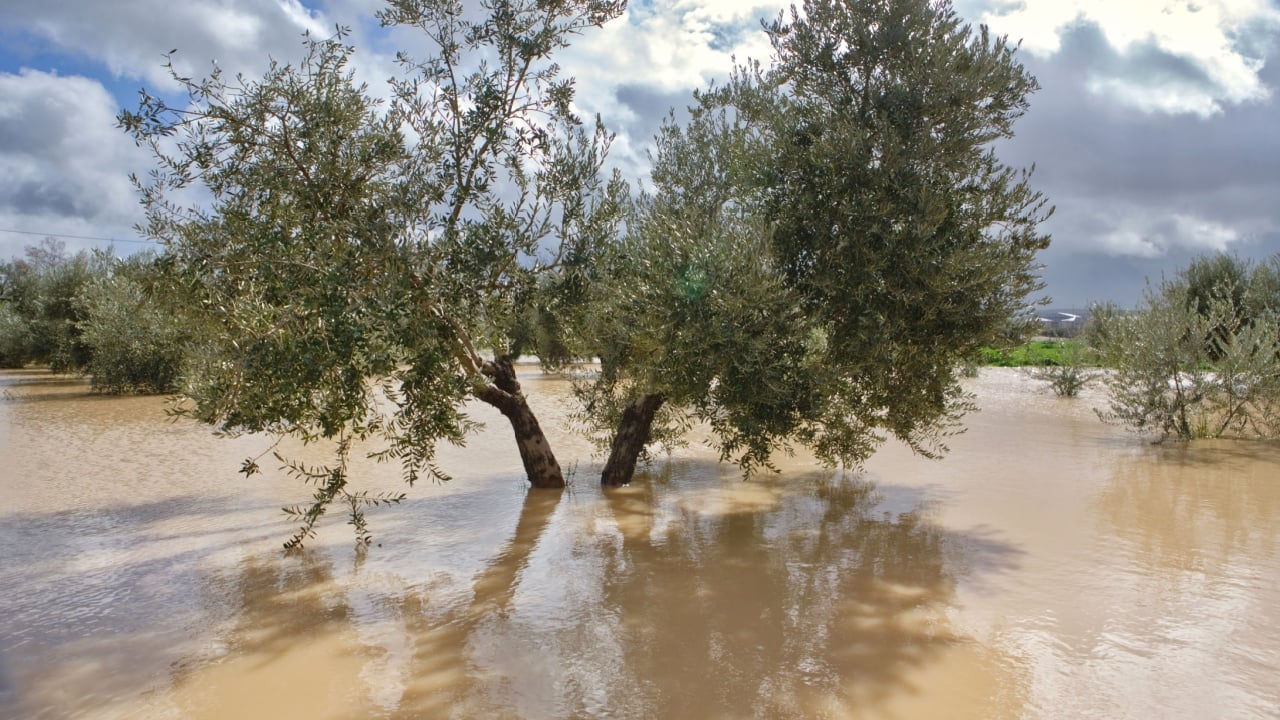
Image Credit: Shutterstock.
Why the Rain Is Coming in Bursts
Global warming is a key culprit. Warmer air holds more moisture, which releases in strong, sudden downpours when conditions trigger rainfall. Over time, this trend is expected to intensify, making extreme storms more common and dry periods between them longer. Experts estimate that continued warming could push nearly 30% of the world’s population into unusually dry conditions, negating any benefits of extra rain.
For gardeners, this means your plants face a new rhythm: feast or famine.
What This Means for Your Backyard
For your vegetable patch or flower bed, the consequences are tangible. Heavy rains can pool on the surface, wash away seedlings, and even erode soil. Then come the long dry spells, leaving plants thirsty and stressed. Shallow-rooted crops and delicate flowers are most at risk, and pests or plant diseases often take advantage of stressed vegetation.
Even established drought-tolerant plants may struggle if dry periods stretch longer than usual. Home gardeners may find themselves watering more frequently, closely monitoring soil moisture, and thinking strategically about which plants to put where. It’s a new gardening reality that requires both attention and adaptability.
How to Garden Smarter Under Climate Change
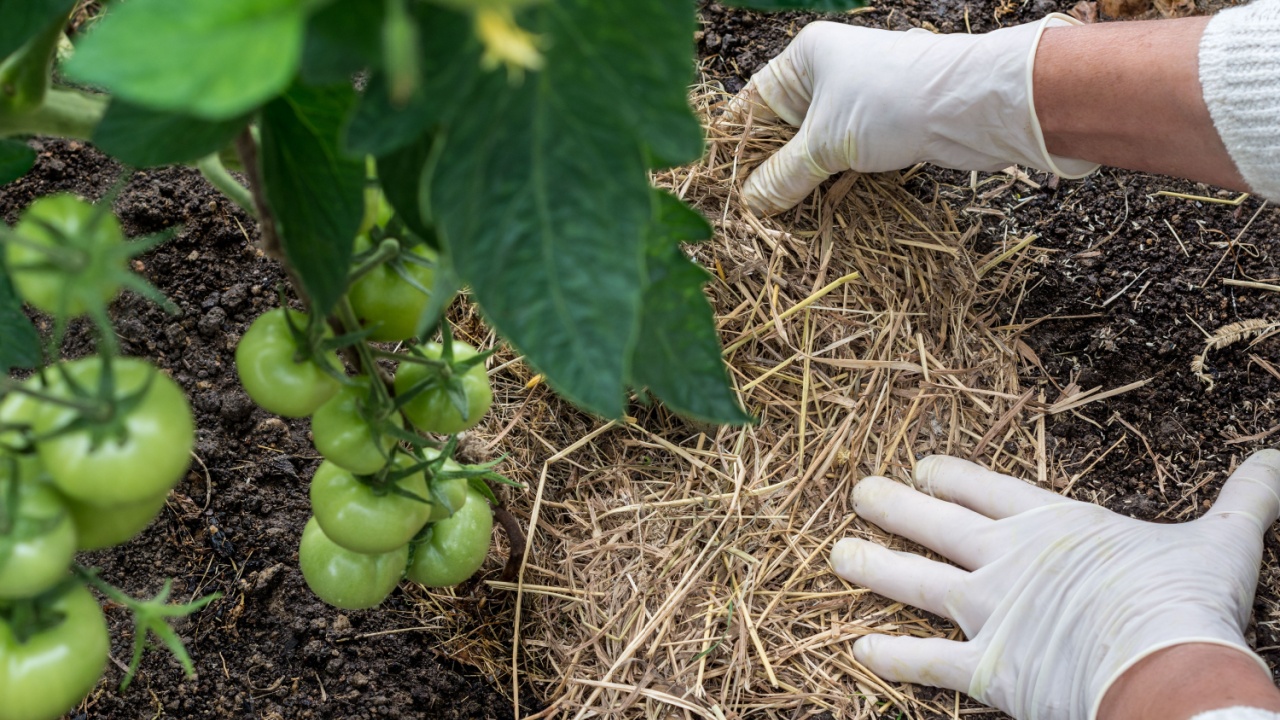
Image Credit: Shutterstock.
Even with erratic rainfall, your garden can thrive with a few thoughtful strategies. Choosing drought-tolerant crops like okra, sweet potatoes, cherry tomatoes, beans, and heat-loving squash gives your garden a fighting chance during dry spells.
Herbs such as basil, thyme, and mint also flourish with less water, giving you fresh flavor and reliable greenery. Leafy greens like Swiss chard and Tuscan kale are surprisingly resilient to heat and dry conditions, while fruiting crops like peppers can even become spicier under a little stress.
Mulching is your garden’s secret weapon. A thick layer of straw, shredded leaves, or bark keeps soil cool, slows evaporation, and allows water from heavy rains to soak in gradually rather than run off. Combined with deep, infrequent watering, this helps roots grow downward and makes plants more drought-resistant.
Watering early in the morning and focusing moisture directly at the roots rather than on leaves further conserves precious water.
Adjusting Your Planting and Care
Planting schedules may also need to shift in response to this new rainfall pattern. Early-season crops should take advantage of natural precipitation, while later plantings should focus on drought-tolerant varieties.
Grouping plants by water needs helps you apply irrigation efficiently, and soil health becomes even more important. Compost, cover crops, and organic mulches act like sponges, retaining water for when the next dry spell arrives.
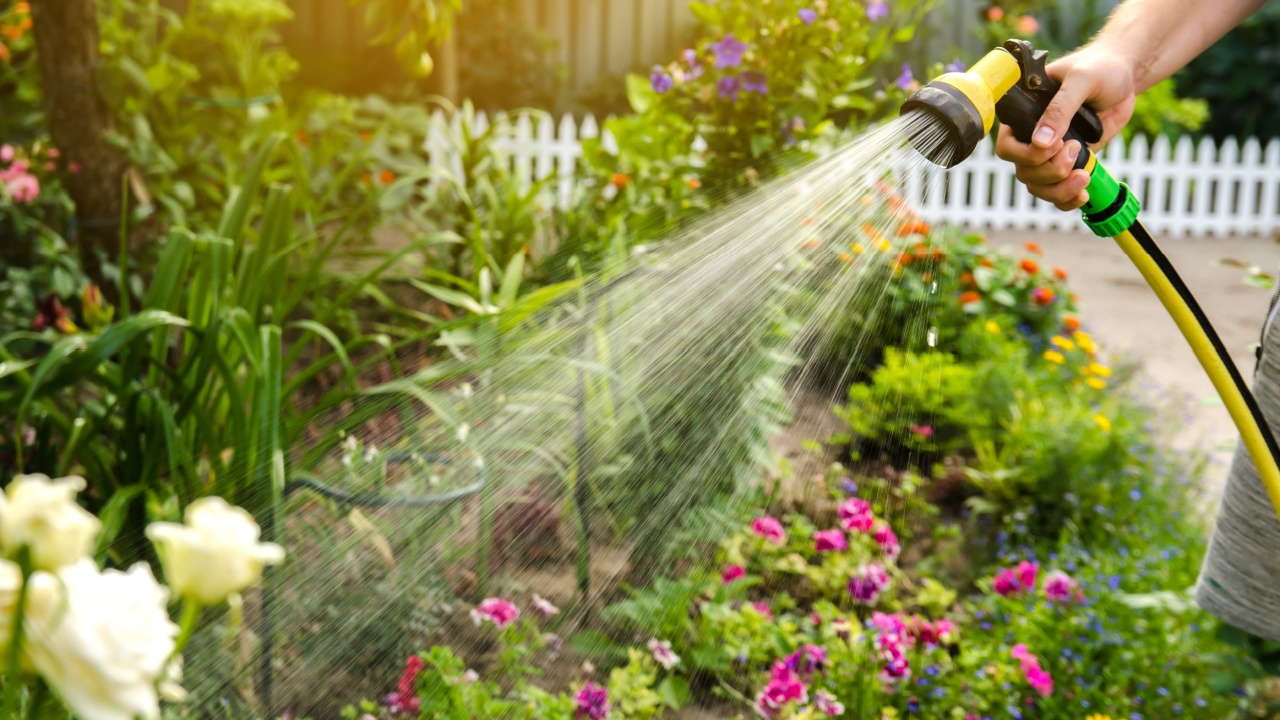
Image Credit: Shutterstock.
Even established perennials and trees benefit from this approach. Deep-rooted plants can survive longer dry stretches, while newly sown seeds need consistent moisture until their roots establish. Once plants are settled, switching to deep soakings less often but more thoroughly encourages roots to grow strong and resilient.
Mulching and Water Management Tips
Mulch is your garden’s secret weapon. Organic materials like shredded bark, straw, and composted leaves act as sponges, trapping water for roots to reach. Apply mulch in layers thick enough to shade the soil, but leave a small gap around stems to prevent rot. Pair this with drip irrigation or soaker hoses, and water early in the morning to reduce evaporation.
Even drought-tolerant plants need consistent moisture while establishing roots. Once they’re grown, switch to deep, infrequent watering, letting the soil dry slightly between sessions. This builds strong, deep root systems that weather the long dry spells between big storms.
Embracing the New Rhythm of Rain
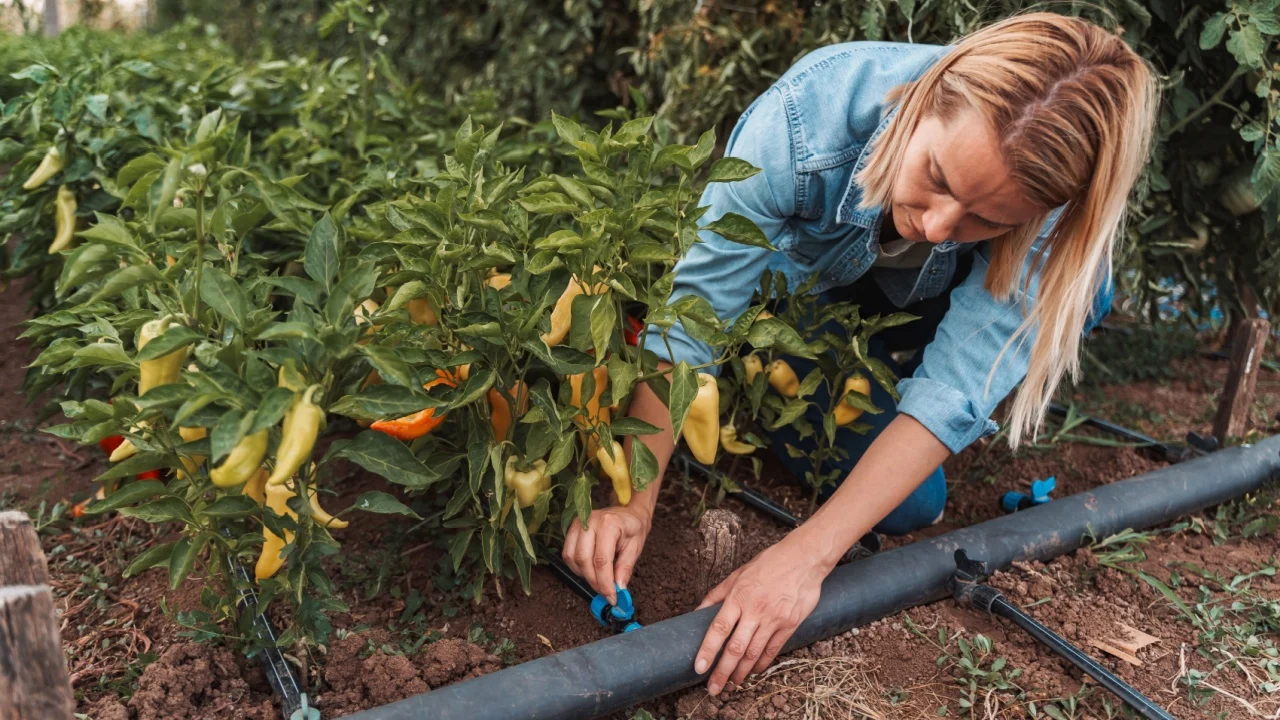
Image Credit: Shutterstock.
The climate may be shifting, but your garden doesn’t have to suffer. By planting thoughtfully, mulching generously, and watering smartly, your backyard can thrive even under the “feast or famine” rainfall patterns caused by climate change.
A garden is more than a collection of plants; it’s a sanctuary, a classroom, and a living experiment in resilience. With a little planning, patience, and the right crops, you can turn intense storms and long dry spells into a backyard that produces beauty, flavor, and satisfaction year-round.