
Gardening is a beloved ritual for many reasons. It’s a way to connect with nature, relieve stress, and take pride in growing something beautiful or edible. But for people with mobility issues—whether due to age, disability, or injury—bending, kneeling, and heavy lifting can turn that joy into frustration or even risk.
According to a 2018 CDC report, over 13.7% of U.S. adults have a mobility disability, making accessibility a crucial aspect of any hobby, including gardening. Fortunately, with a few thoughtful adjustments, gardening can be therapeutic and enjoyable for people of all abilities.
The good news? Gardening is far from out of reach.
“All you need are the right resources and tools,” says Neil McKenzie, home expert at Halton Stairlifts. With a few mindset shifts and a plan, anyone can reap the benefits of gardening.
Start with Low-Maintenance Plants
McKenzie has one top recommendation: easy plants that practically grow themselves. “Low-maintenance plants are also a great way to make the most of your time in the garden, especially if you aren’t sure of your limitations or if you are a beginner.”
Choosing easy-to-care-for plants reduces both physical strain and stress. McKenzie recommends starting with cool-weather vegetables like lettuce, radishes, and spring onions, which thrive in spring (and fall) and require minimal attention.
“These vegetables are very forgiving—all they need is regular watering and a bit of sunlight, and they’re good to go,” he explains. Harvesting them gradually also eliminates the need for constant replanting.
For a burst of color, marigolds and violas are excellent floral choices. Marigolds are tough, sun-loving flowers that deter pests naturally, while violas flourish in containers and partial shade. As McKenzie notes, “Their delicate petals are edible, making them a unique addition to salads or desserts.”
Use Raised Garden Beds
Traditional in-ground beds require a lot of stooping and kneeling—something that may not be feasible for those with joint pain or wheelchair users. Raised garden beds bring the soil up to a more accessible height, making gardening more comfortable and reducing strain.
“The good thing about raised beds is that they suit individual needs – you can build them at any height and length you wish,” says McKenzie. “You can also add seating ledges on the sides to have a place to rest while working.”
As a major bonus, raised beds improve soil drainage and reduce weed growth, making the whole garden easier to manage.
Choose Adaptive Tools
Standard gardening tools can be heavy and unwieldy. McKenzie advises looking for lightweight versions made from aluminum or plastic, as well as long-handled tools that extend your reach, perfect for working from a seated position to weed, sow seeds, and water.
“Ergonomic designs with comfortable grips can also ease discomfort, especially if you have arthritis or reduced hand strength,” he adds.
The American Horticultural Therapy Association also supports the use of adaptive tools and suggests features like padded grips, wrist supports, and spring-assisted mechanisms to reduce hand fatigue.
Think Vertically—and Portably
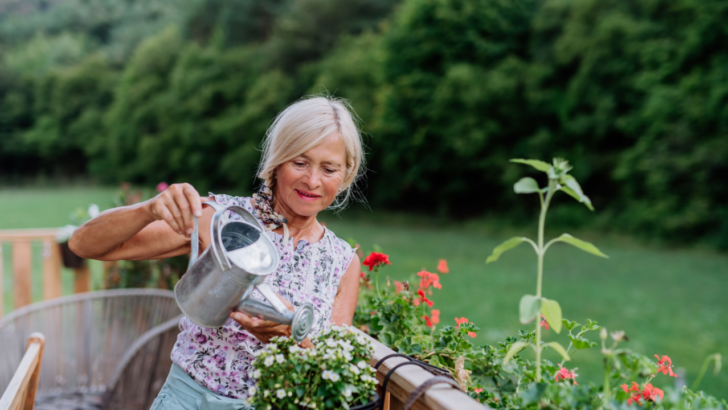
If raised beds are too much to manage or afford, try container gardening. “You can use containers to grow a wide range of plants, from ornamental flowers to edible crops like tomatoes and herbs,” McKenzie says. Containers can be placed on tables, benches, or wheeled carts, bringing plants to you rather than the other way around.
Finally, another excellent option is vertical gardens, such as wall planters, trellises, and hanging baskets. These help maximize limited space while keeping plants within easy reach. According to a study published in the Journal of Therapeutic Horticulture, vertical gardening can improve access and reduce the risk of falls for older adults.
Gardening with Confidence, Not Compromise
With thoughtful design and adaptive strategies, people with limited mobility don’t have to miss out on the physical and emotional benefits of gardening. As McKenzie says, “Gardening should be enjoyable, not exhausting.”
From raised beds to the right flowers, creating an accessible garden space is not just possible—it’s empowering.