

Sourdough took the culinary world by storm a few years back, but this bubbly starter represents far more than a passing kitchen fad. Beyond the rustic crust and chewy center lies a nutritional powerhouse that puts standard sliced loaves to shame.
For those cultivating a wholesome kitchen lifestyle, understanding the science behind the slice reveals why this ancient baking method deserves a permanent spot on the counter. You will discover exactly how this fermented favorite supports the body and why swapping out standard sandwich bread offers surprising benefits.
1. It Acts as a Gut Health Powerhouse

Image Credit: Fæ – Own work – CC BY-SA 4.0/Wiki Commons.
Sourdough bread takes longer to ferment than regular bread made with commercial yeast. This longer process helps grow beneficial bacteria, called probiotics, which support digestion.
While baking kills the live bacteria, it leaves behind prebiotics, fibers that feed the good bacteria in your gut. A healthy gut improves digestion and boosts the immune system. Regular bread, made with quick-rise yeast, doesn’t offer the same benefits because it skips this natural fermentation process.
2. Digestion Becomes Much Easier

Image Credit: Shutterstock.
Many people find standard grains difficult to process, often leading to bloating or discomfort. Sourdough offers a gentler alternative. The wild yeast and lactic acid bacteria present during fermentation help break down gluten proteins and FODMAPs (fermentable carbohydrates that can cause digestive distress).
This predigestion process essentially does some of the heavy lifting before the bread even reaches the plate. While it remains unsafe for individuals with Celiac disease due to the presence of wheat, those with mild gluten sensitivities often report feeling better after eating sourdough compared to conventional bread.
Did You Know? The breakdown of gluten during fermentation can make sourdough a viable option for those who usually feel sluggish after eating sandwiches or toast.
3. It Unlocks Vital Nutrients for Absorption
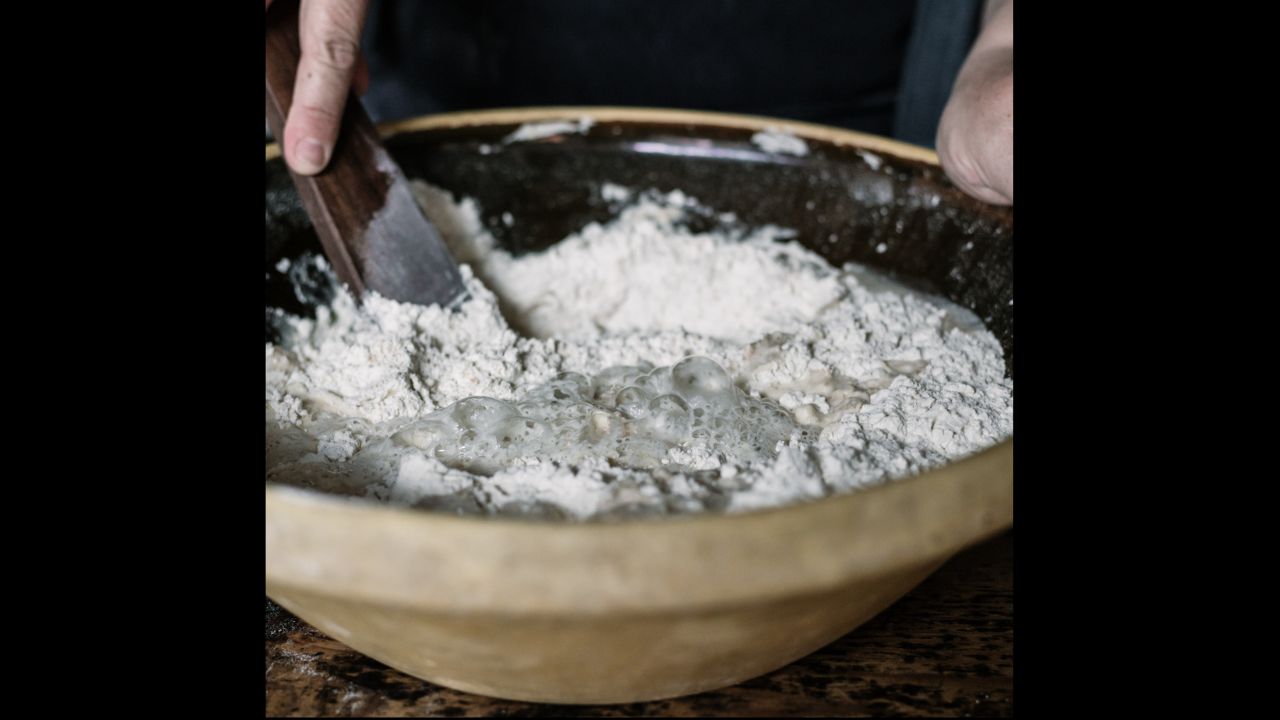
Image Credit: William George James – Own work – CC BY-SA 4.0/Wiki Commons.
Grains naturally contain compounds called phytates. These act as anti-nutrients by binding to minerals like zinc and iron, which prevents the body from absorbing them properly.
The acidic environment created during sourdough fermentation neutralizes these phytates. With the phytates reduced, the body can freely absorb the essential minerals hidden within the flour. Eating the same amount of whole wheat flour in sourdough form delivers a higher nutritional payload than eating it in a standard yeast loaf.
Nutrition Note: Pairing a slice of sourdough with vitamin C-rich foods, like bell peppers or tomatoes from the garden, further enhances iron absorption.
4. Blood Sugar Levels Stay Steadier

Image Credit: Shutterstock.
Most white breads cause a rapid spike in blood sugar, followed by a crash. Sourdough behaves differently. It possesses a lower glycemic index than most other bread varieties.
The fermentation process alters the structure of carbohydrate molecules, making the starch less available for rapid digestion. This slows down the rate at which glucose enters the bloodstream. Better blood sugar control reduces the risk of energy slumps and supports long-term metabolic health.
5. It Contains Powerful Antioxidants
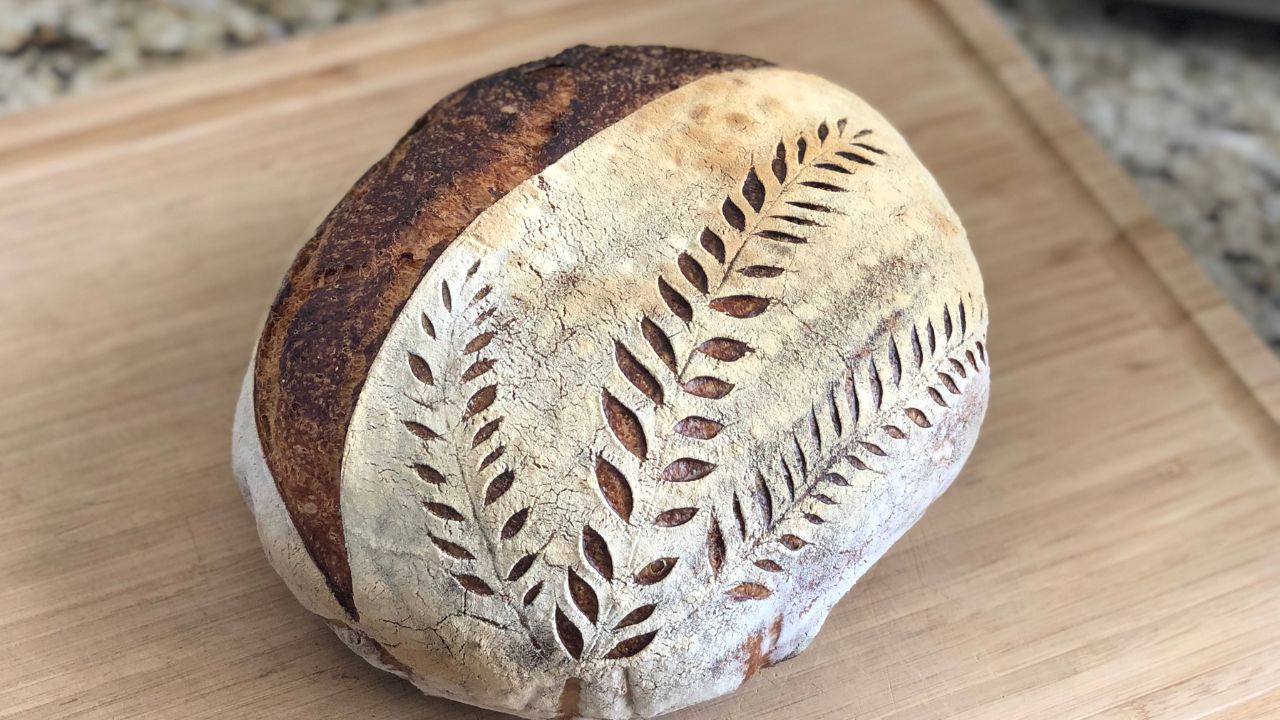
Image Credit: Vicnvo – Own work – CC BY-SA 4.0/Wiki Commons.
Sourdough serves as a surprising source of selenium. This essential nutrient functions as an antioxidant in the body. Antioxidants play a crucial role in protecting cells, proteins, and DNA from oxidative stress caused by free radicals.
Regular consumption of foods rich in selenium supports a healthy immune system and proper thyroid function. While many people turn to supplements or nuts for selenium, a simple slice of fermented bread contributes to daily intake in a delicious way.
Embracing the Slow Food Movement

Image Credit: Tomas Castelazo, www.tomascastelazo.com / Wikimedia Commons – CC BY-SA 4.0/Wiki Commons.
Switching to sourdough offers a simple yet impactful way to upgrade daily nutrition without sacrificing flavor. Whether purchasing from a local artisan bakery or cultivating a starter at home, the benefits to gut health, digestion, and nutrient absorption are undeniable.