
7 Immunity Boosting Ingredients to Add to Favorite Recipes
Tired of catching every cold that goes around? While you can’t live in a bubble, you can turn your kitchen into an immunity-boosting powerhouse. The secret isn’t a radical diet change, but strategically adding a few key ingredients to the meals you already enjoy.
Here are seven potent, immune-boosting ingredients that are easy to add to recipes you already love.
Where We Got This Information

This guidance is based on nutrition research, medical studies, and expert advice from health professionals. Modern science supports what traditional wisdom has long suggested: foods like garlic, ginger, and leafy greens help strengthen the body’s natural defenses.
This list combines evidence and everyday know‑how, offering practical tips you can easily add to your cooking.
1. Turmeric
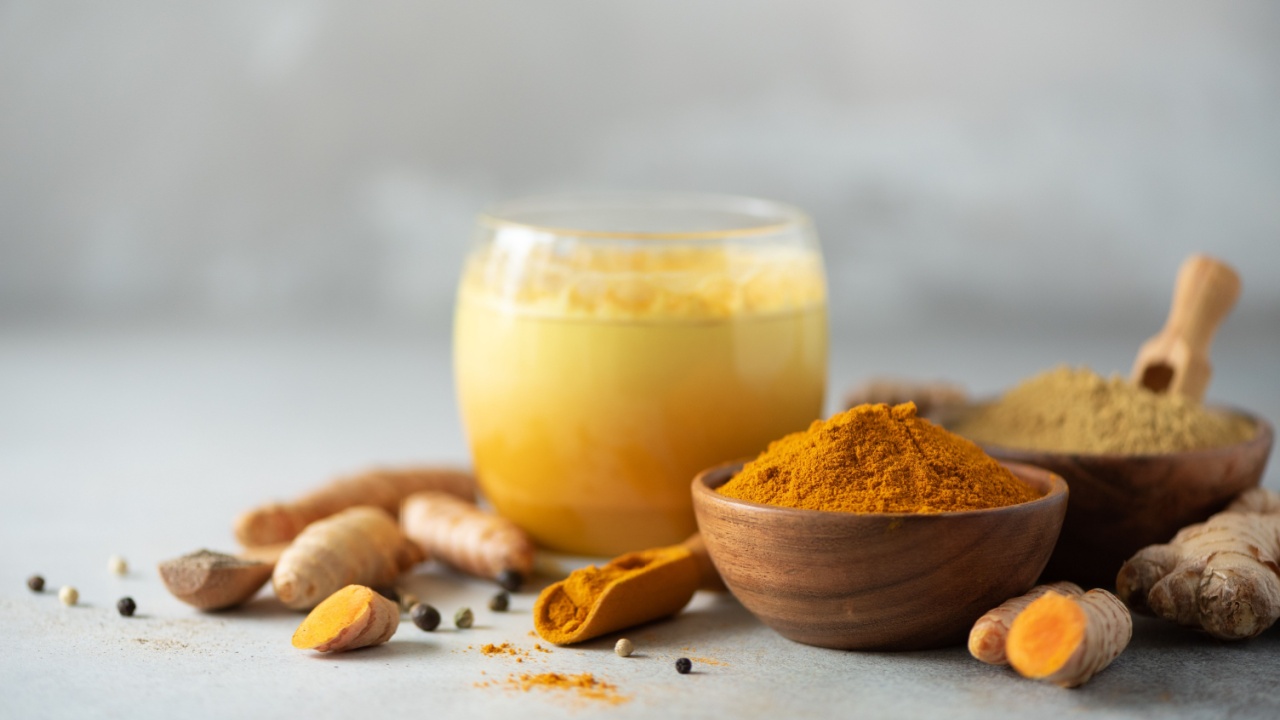
This golden spice, a staple in many Asian cuisines, has been celebrated for its medicinal properties for centuries. The magic comes from curcumin, its active compound, which is a powerful antioxidant and anti-inflammatory agent.
Chronic inflammation can suppress the immune system, so regularly consuming anti-inflammatory foods like turmeric helps your body’s defenses function optimally.
To get the most out of turmeric, it’s best to pair it with black pepper. Piperine, a compound in pepper, has been shown to increase curcumin absorption by up to 2,000%.
- Why it’s a good option: Contains curcumin, a potent anti-inflammatory and antioxidant.
- How to use it: Add to curries, soups, rice dishes, or smoothies. Mix into a “golden milk” latte with milk and other spices.
- Pro-tip: Always combine with a pinch of black pepper to significantly boost its absorption.
2. Ginger
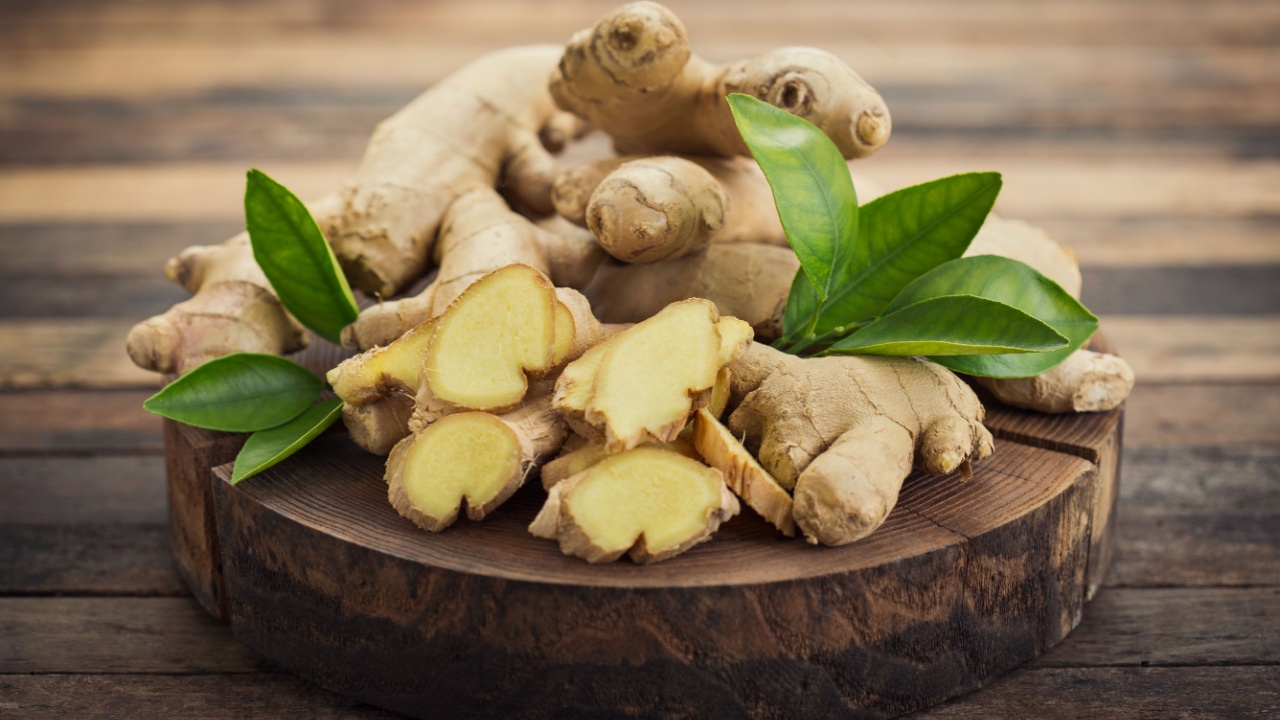
Ginger is a powerful root known for soothing upset stomachs and boosting immunity. Packed with gingerol, it has anti-inflammatory, antioxidant, and antiviral properties. Use fresh ginger in stir-fries, marinades, or steep it in hot water with lemon and honey for an immune-boosting tea.
- Why it’s a good option: Rich in gingerol, which has strong anti-inflammatory and antimicrobial properties.
- How to use it: Grate into stir-fries, soups, and marinades. Steep in hot water for a tea.
- Pro-tip: Store fresh ginger root in the freezer. It will last longer and is easier to grate while frozen.
3. Garlic

Garlic is also a great way to boost your immune system. Its main active ingredient, allicin, has antimicrobial and antiviral properties that can help fight off common illnesses.
To get the most out of it, let your chopped or crushed garlic sit for about 10 minutes before you cook it. This helps the allicin fully develop. Add it to almost any savory dish, from pasta sauces to roasted veggies.
- Why it’s a good option: Contains allicin, known for its immune-enhancing and antimicrobial effects.
- How to use it: Add to sauces, roasts, stir-fries, and dressings. Roast whole cloves for a milder, sweeter flavor.
- Pro-tip: Let garlic sit for 10 minutes after chopping and before heating to maximize its beneficial compounds.
4. Spinach

Dark, leafy greens like spinach are nutritional powerhouses, and they’re particularly great for your immune system. Spinach is loaded with antioxidants like vitamin C and beta-carotene, which protect your immune cells from damage and help them function more effectively. It’s also a good source of vitamin E, another crucial antioxidant for immune health.
To retain as many nutrients as possible, it’s best to cook spinach as little as possible. A light sauté or steaming is ideal. Of course, it’s also delicious raw in salads. You can easily toss a handful of fresh spinach into smoothies, soups, pasta dishes, or omelets for an effortless nutrient boost.
- Why it’s a good option: Packed with antioxidants like vitamin C, beta-carotene, and vitamin E.
- How to use it: Add to smoothies, salads, soups, pasta dishes, and eggs.
- Pro-tip: Cooking spinach lightly enhances the availability of some nutrients, while eating it raw preserves its vitamin C content. Try to incorporate both into your diet.
5. Berries

Berries, such as blueberries, strawberries, and blackberries, are bursting with flavor and antioxidants. They are particularly rich in flavonoids, a type of antioxidant that can help reduce inflammation and cell damage. Blueberries, in particular, contain a flavonoid called anthocyanin, which has been found to play an essential role in the respiratory tract’s immune defense system.
One of the best things about berries is how easy they are to incorporate into your diet. Add them to your morning yogurt or oatmeal, blend them into a smoothie, or simply enjoy a handful as a snack. Using frozen berries is a great option, as they are picked at peak ripeness and retain their nutritional value, making them available year-round.
- Why it’s a good option: High in antioxidants and flavonoids, which support immune cell function.
- How to use it: Eat them fresh as a snack, or add them to yogurt, oatmeal, salads, and smoothies.
- Pro-tip: Frozen berries are just as nutritious as fresh ones and are often more affordable, especially when out of season.
6. Greek Yogurt

Greek yogurt is an excellent source of probiotics, the “good” bacteria that live in your gut. A healthy gut microbiome is fundamental to a strong immune system, as a large portion of your immune cells reside in your digestive tract. Probiotics help stimulate these immune cells and can enhance your body’s resistance to infection.
You can sweeten it naturally with berries or a drizzle of honey. Use it as a base for smoothies, a topping for granola, or a healthier substitute for sour cream in savory dishes.
- Why it’s a good option: Contains probiotics that support gut health, which is crucial for a strong immune system. Also, a good source of vitamin D in fortified versions.
- How to use it: Enjoy with fruit and nuts for breakfast, blend into smoothies, or use as a base for dressings and dips.
- Pro-tip: Choose plain yogurt with “live and active cultures” to get the most probiotic benefit without the added sugar.
7. Broccoli

Broccoli is a true superfood, supercharged with vitamins and minerals. It’s an excellent source of vitamin C, an antioxidant that’s vital for the production of white blood cells that fight infection. It also provides vitamin A, vitamin E, and numerous other antioxidants and fibers that support a healthy immune system.
The key to preserving broccoli’s nutrient power is to cook it as little as possible. Steaming is one of the best methods, and you can also enjoy it raw with a healthy dip, roast it with a little olive oil and garlic, or add it to stir-fries and salads.
- Why it’s a good option: Loaded with vitamins C, A, and E, as well as fiber and other antioxidants.
- How to use it: Steam it, roast it, or eat it raw. Add to stir-fries, pastas, or frittatas.
- Pro-tip: Steaming broccoli is the best way to preserve its high vitamin C content. Cook until it’s bright green and still has a bit of a crunch.
A Healthier Immune System is Just a Bite Away

Eating for a stronger immune system is easier than you might think. Adding these nutrient-packed foods into your daily diet can boost your body’s defenses. Try adding a handful of spinach to your morning smoothie or swapping your usual snack for a citrus fruit.
Even small changes can make a big difference in keeping you healthy and resilient.