
15 Foods to Improve Gut Health
You’ve probably heard the term “gut health” thrown around, but it’s more than just a wellness trend. A healthy gut is the foundation of your overall well-being, influencing everything from your digestion and immune system to your mood and mental clarity. When your gut microbiome (the trillions of bacteria living in your digestive tract) is balanced, your body functions at its best.
Making small, consistent changes to your diet can have a surprisingly quick and powerful impact on your gut. This list will explore 15 fantastic foods, packed with probiotics and prebiotics, that can help you cultivate a thriving internal ecosystem.
How We Got This Data

This list was built by looking at nutrition research, expert health guidance, and published studies on probiotics and prebiotics.
We focused on foods that consistently show benefits for gut health in scientific literature and practical diet recommendations. The goal was to take what researchers know about fibers, live cultures, and digestive health, then translate it into simple food choices you can actually enjoy every day.
1. Greek Yogurt
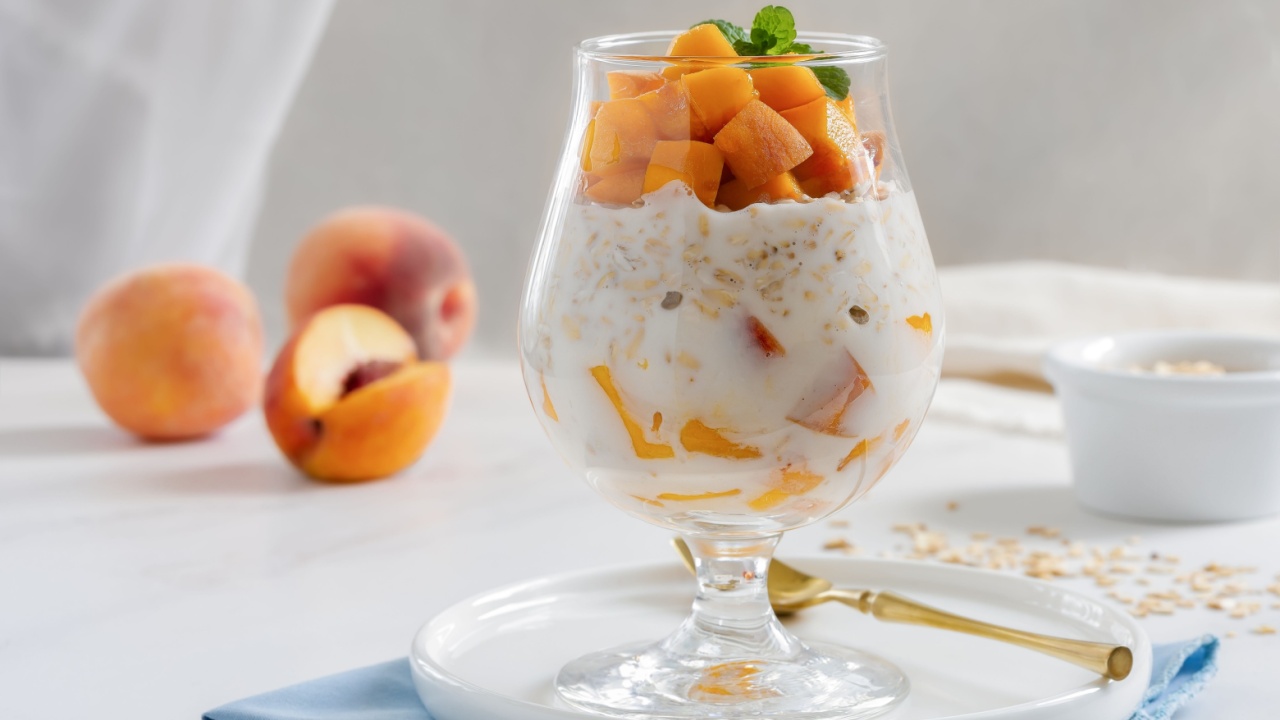
Plain Greek yogurt is a fantastic starting point for anyone looking to boost their gut health. It’s packed with probiotics, the beneficial live bacteria that help balance your gut microbiome. These microorganisms support a healthy immune system and can aid in improving digestion.
Plus, Greek yogurt is an excellent source of protein, which helps keep you full and satisfied. When choosing a yogurt, always read the label. Opt for plain varieties with “live and active cultures” and avoid those with added sugars, which can feed the less desirable bacteria in your gut.
- Why It’s Good: A powerhouse of probiotics and protein.
- How to Eat It: Mix with fiber-rich oats and fruit for a gut-friendly breakfast, use it as a base for smoothies, or as a healthy substitute for sour cream.
2. Kimchi
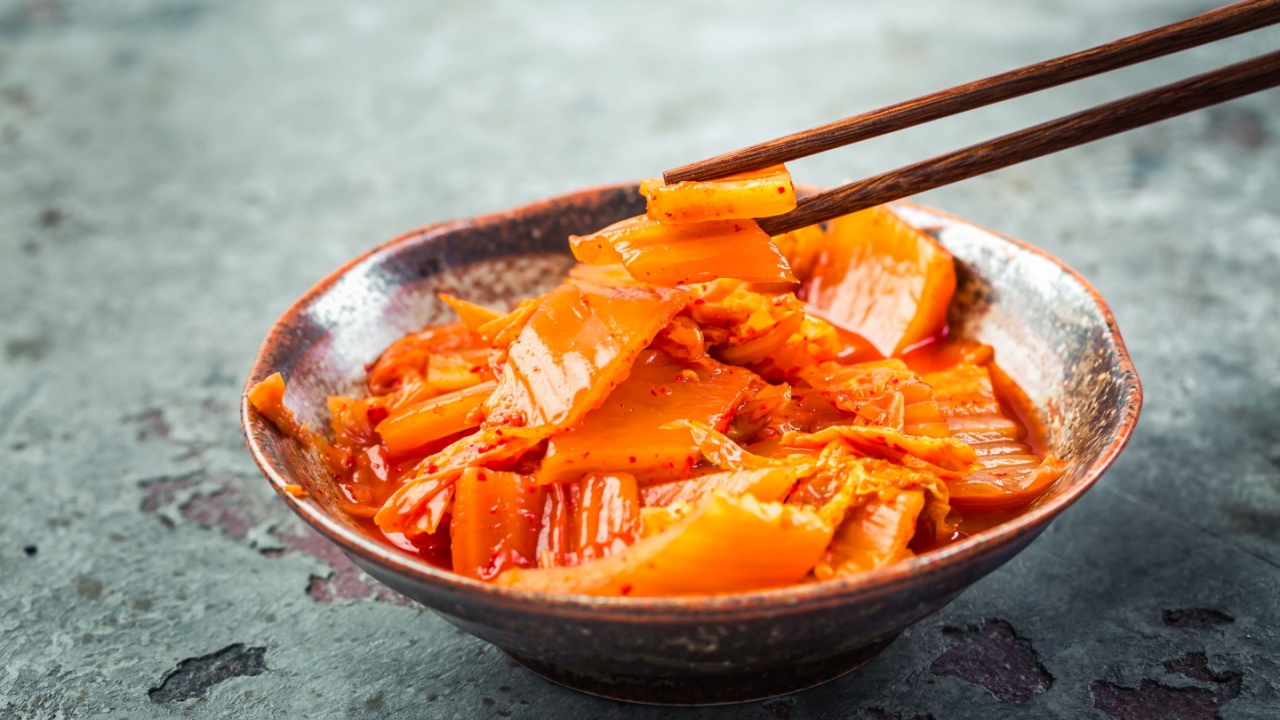
A fiery staple in Korean cuisine, kimchi is a fermented condiment typically made from cabbage, radishes, and a spicy blend of seasonings. The fermentation process creates a wealth of probiotics that promote a diverse and healthy gut environment.
Beyond its probiotic benefits, the main ingredient, cabbage, is a cruciferous vegetable and a good source of prebiotic fiber, which feeds the good bacteria. This makes kimchi a powerful food that offers both pre- and probiotic benefits in every spicy bite.
- Why It’s Good: Contains both probiotics from fermentation and prebiotics from cabbage.
- How to Eat It: Add it as a side dish to meals, mix it into rice bowls, or even top off your scrambled eggs for a flavorful kick.
3. Kefir
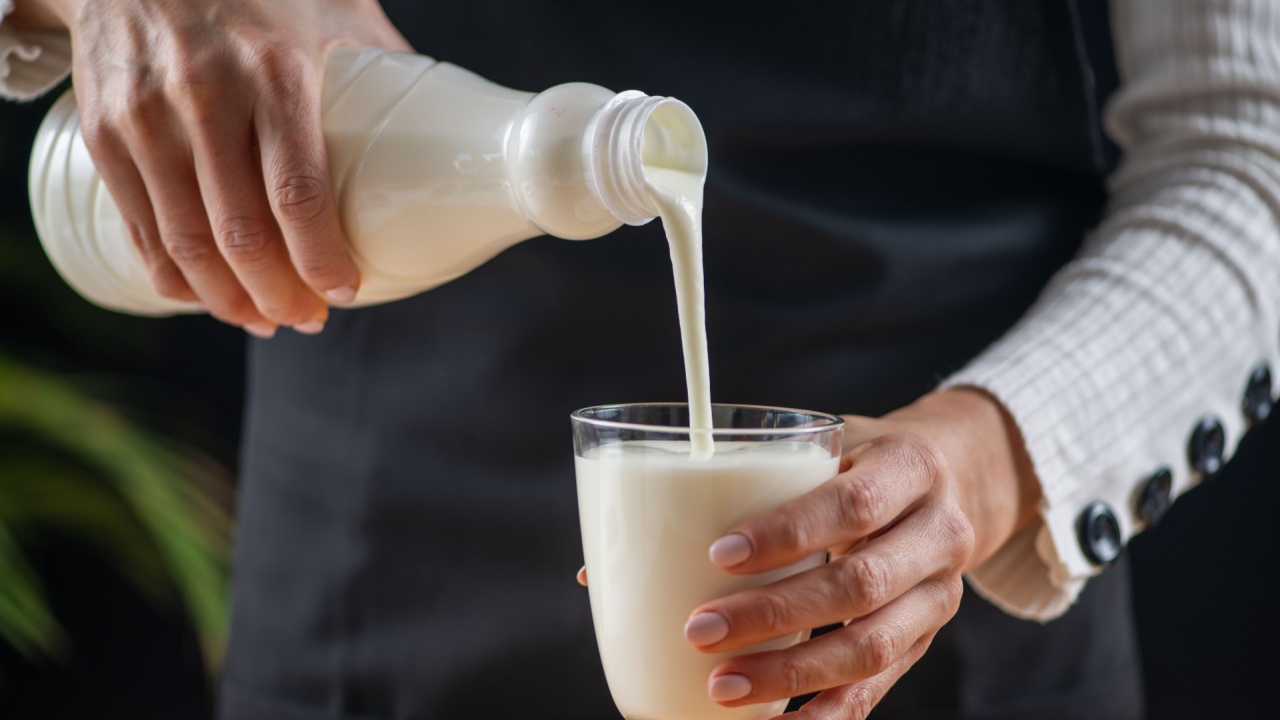
Kefir is a fermented dairy drink with a tangy flavor, similar to a drinkable yogurt. It often boasts an even greater variety and quantity of probiotic strains than yogurt, making it a potent tool for improving your gut microbiome.
Research suggests that regular consumption of kefir can help reduce inflammation and strengthen the gut lining. Like with yogurt, it’s best to choose plain, unsweetened kefir to avoid unnecessary sugars that can disrupt your gut balance.
- Why It’s Good: Often contains a more diverse range of probiotic strains than yogurt.
- How to Eat It: Drink it on its own, use it as a base for smoothies, or pour it over cereal.
4. Kombucha
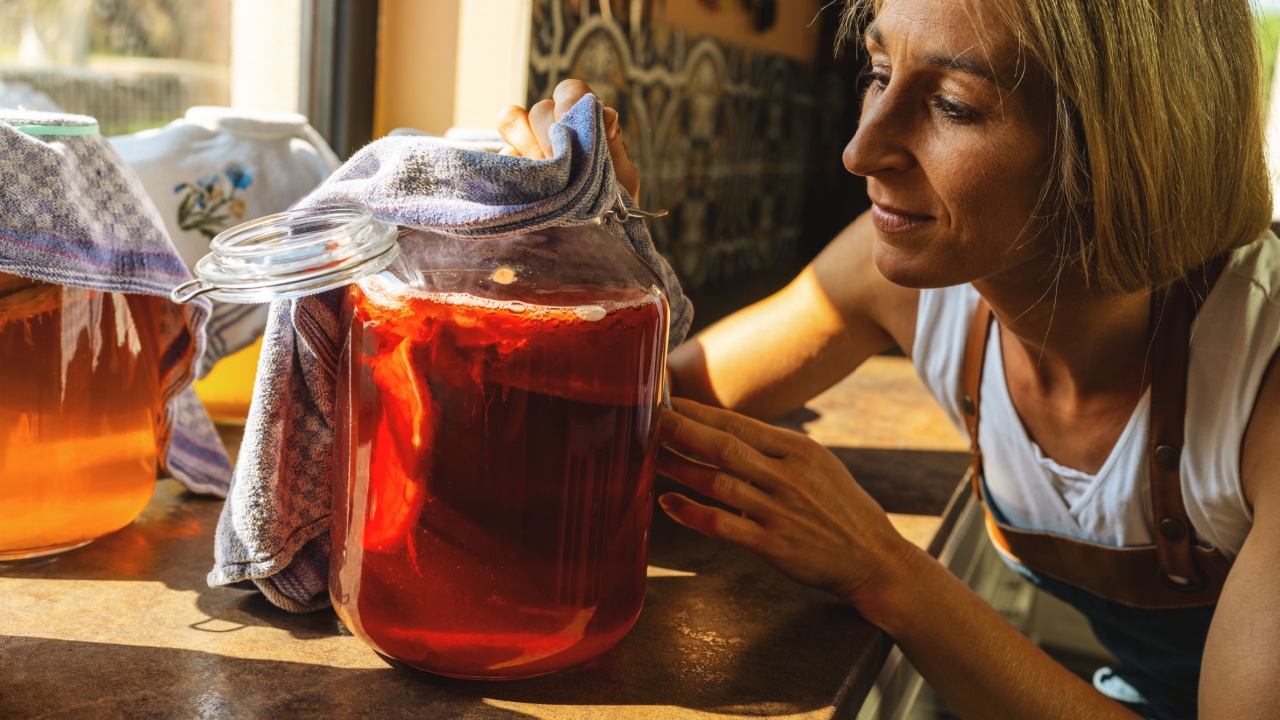
This fizzy, fermented tea has soared in popularity for a reason. Kombucha is teeming with probiotics created during its fermentation process, making it an easy and refreshing way to support your gut health.
Kombucha may help protect against conditions associated with obesity, like high cholesterol and type 2 diabetes. However, it’s wise to be mindful of the sugar content, as some commercial brands can be quite high. Also, due to trace amounts of alcohol, it may not be suitable for everyone, particularly during pregnancy.
- Why It’s Good: A fizzy, flavorful source of probiotics.
- How to Eat It: Sip it as a healthy alternative to soda or sugary drinks. Look for brands with low sugar content.
5. Sauerkraut
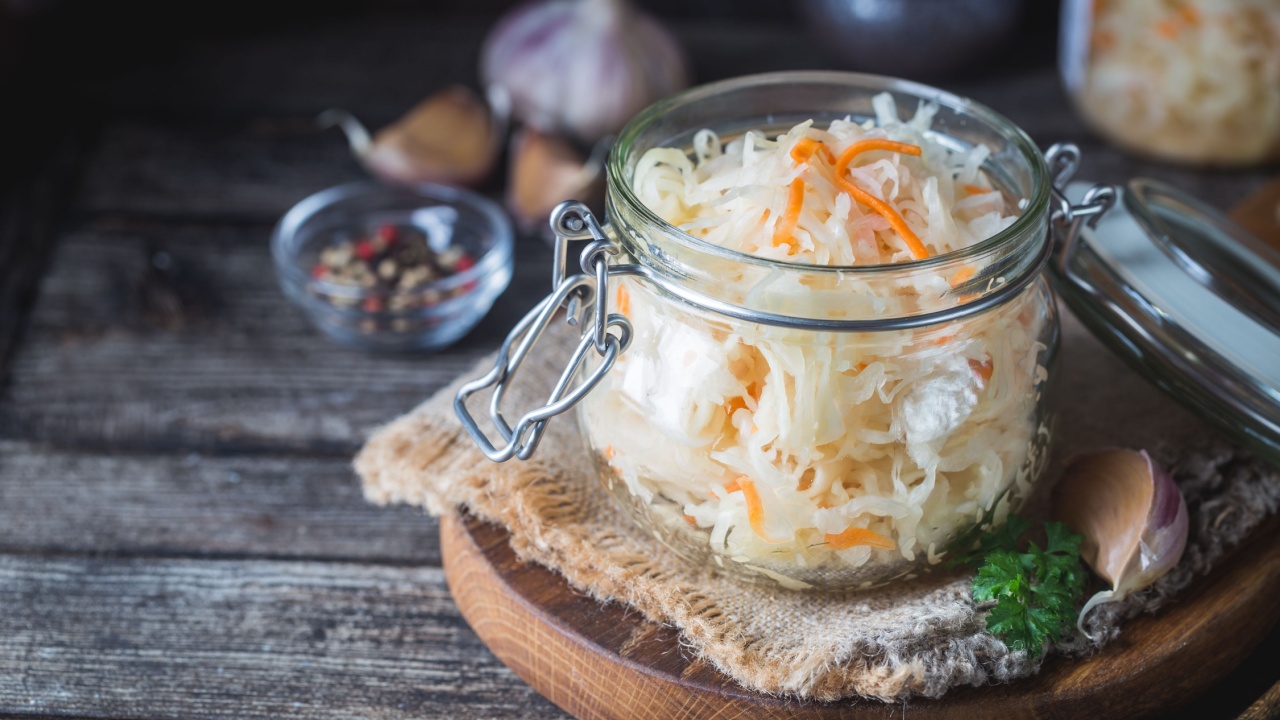
Similar to kimchi, sauerkraut is fermented cabbage popular in German cuisine. To reap the gut-health benefits, it’s crucial to choose the right kind. Look for unpasteurized sauerkraut in the refrigerated section of your grocery store.
Shelf-stable versions have been heated, which kills the beneficial live cultures. When you get the right stuff, you’re getting a fantastic two-for-one deal: probiotics from fermentation and prebiotic fiber from the cabbage itself.
- Why It’s Good: A dual-action food providing both prebiotics and probiotics.
- How to Eat It: Use it as a topping for sandwiches, hot dogs, or sausages, or serve it as a tangy side dish.
6. Tempeh
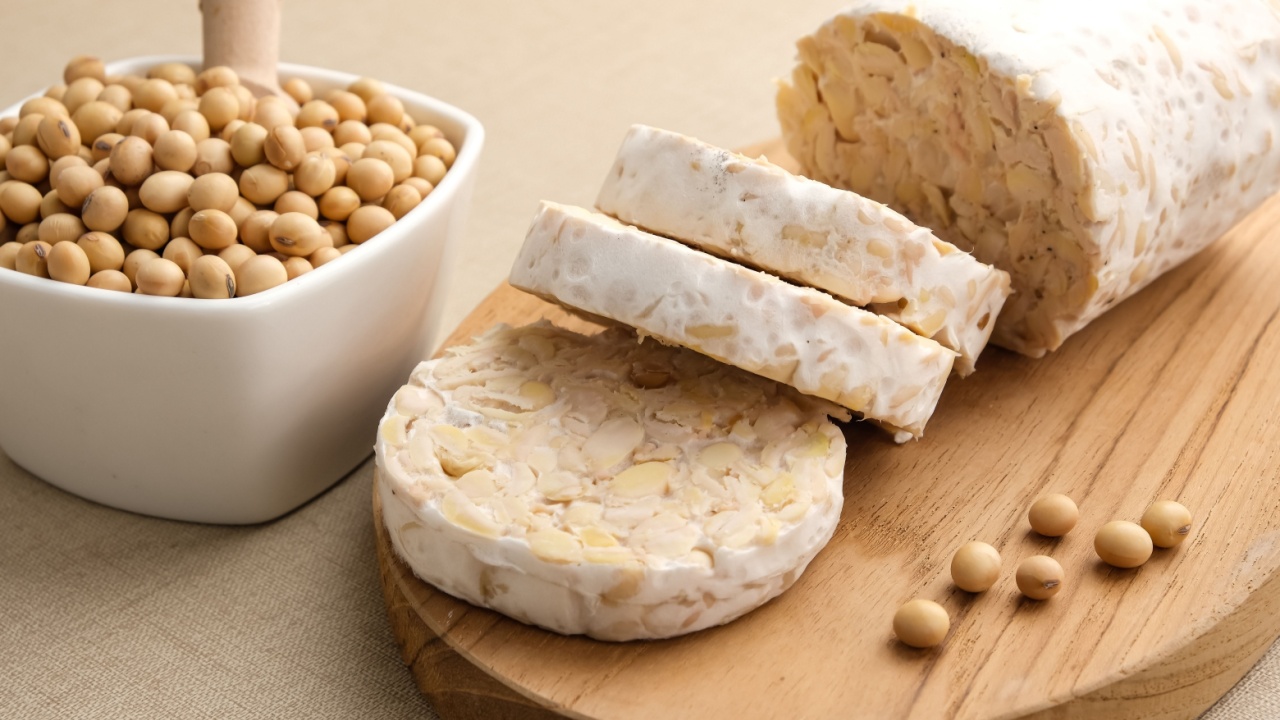
Tempeh is a traditional Indonesian food made from fermented soybeans pressed into a firm, cake-like block. The fermentation process not only makes the nutrients in the soybeans more digestible but also populates the tempeh with beneficial probiotics.
As a soy product, it’s also a great source of prebiotic fiber, making it another all-star for gut health. Its nutty flavor and firm texture make it a versatile, protein-packed addition to many meals.
- Why It’s Good: A plant-based protein that’s both a prebiotic and a probiotic.
- How to Eat It: Crumble it into sauces, marinate and grill it like a steak, or slice it for sandwiches and stir-fries.
7. Artichokes
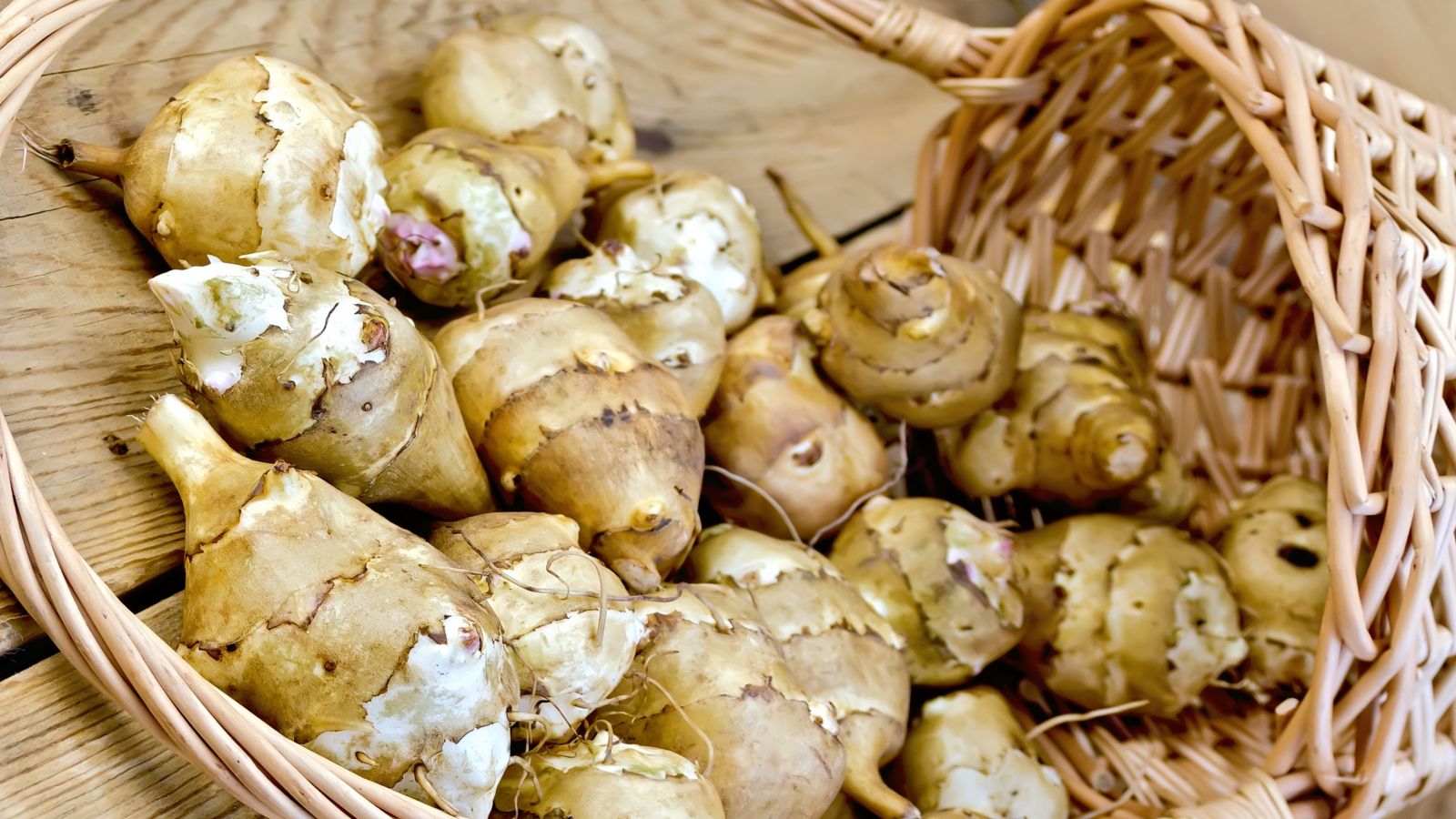
Artichokes are one of the best sources of a special type of prebiotic fiber called inulin. This fiber passes undigested to your colon, where it becomes a feast for your beneficial gut bacteria, helping them thrive.
A healthy colony of good bacteria contributes to better digestion and a stronger gut barrier. For the biggest nutritional punch, try to eat the whole artichoke rather than just the heart.
- Why It’s Good: Exceptionally high in the prebiotic fiber inulin.
- How to Eat It: Steam or roast them whole and dip the leaves in a healthy sauce, or add canned or jarred artichoke hearts to salads and pasta.
8. Bananas
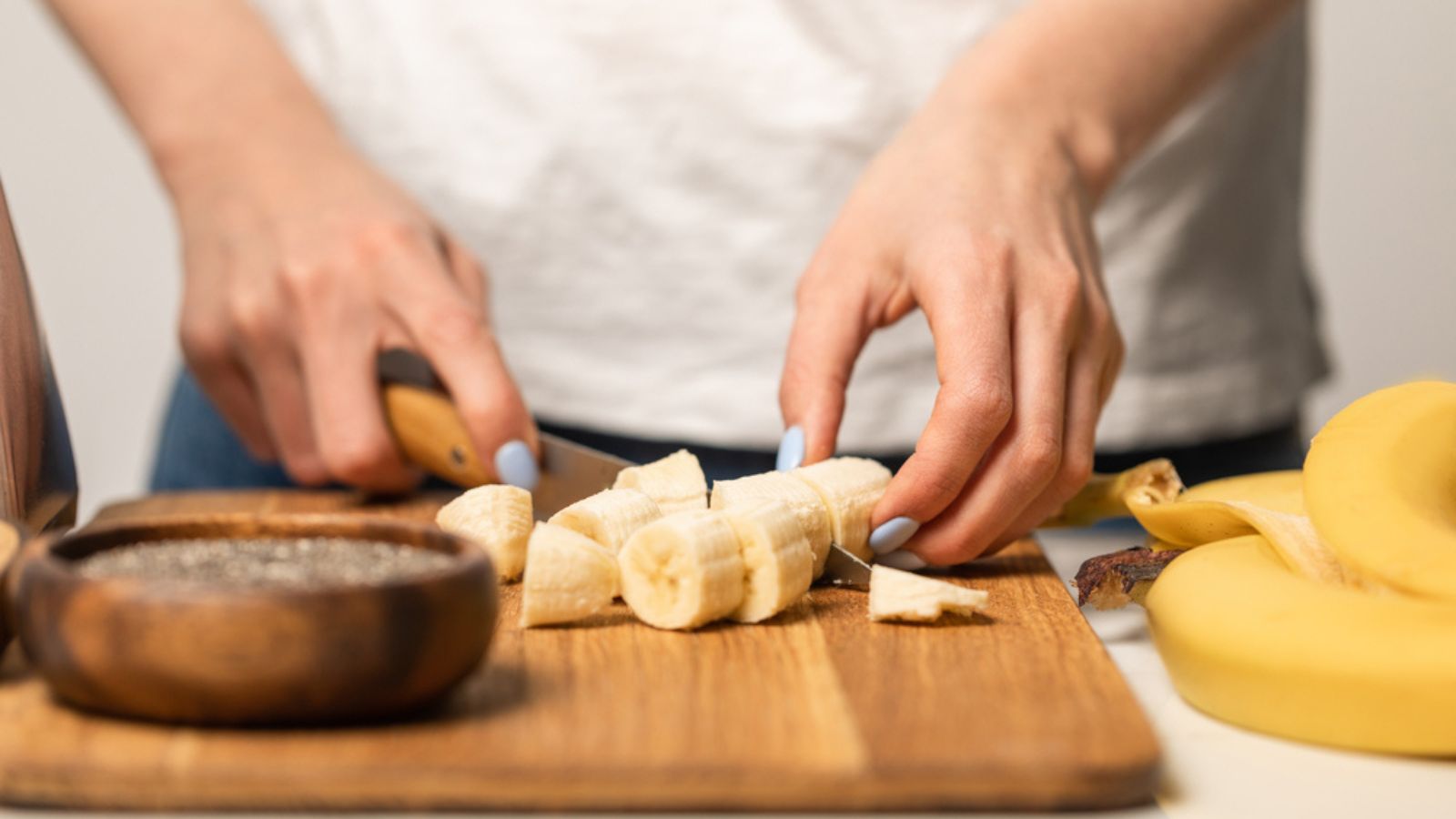
Especially when they are slightly green, bananas are an excellent source of prebiotic fiber, specifically resistant starch. This type of starch resists digestion in the small intestine and ferments in the large intestine, feeding beneficial gut bacteria.
This process helps produce short-chain fatty acids, which are vital for the cells lining your gut. As a bonus, bananas are packed with potassium and are easy to digest, making them a gentle option for an upset stomach.
- Why It’s Good: A great source of prebiotic resistant starch, especially when slightly underripe.
- How to Eat It: Eat them on their own as a quick snack, slice them onto oatmeal, or blend them into smoothies.
9. Garlic

Garlic does more than just add incredible flavor to your meals; it’s also a powerful prebiotic. It contains inulin and fructooligosaccharides (FOS), which promote the growth of beneficial Bifidobacteria in the gut.
By feeding these good microbes, garlic helps create a healthier gut environment and can even inhibit the growth of less desirable bacteria. Its immune-supporting properties are a bonus.
- Why It’s Good: A flavorful prebiotic that fuels good gut bacteria.
- How to Eat It: Add it generously to almost any savory dish, soups, sauces, roasted vegetables, and stir-fries.
10. Onions
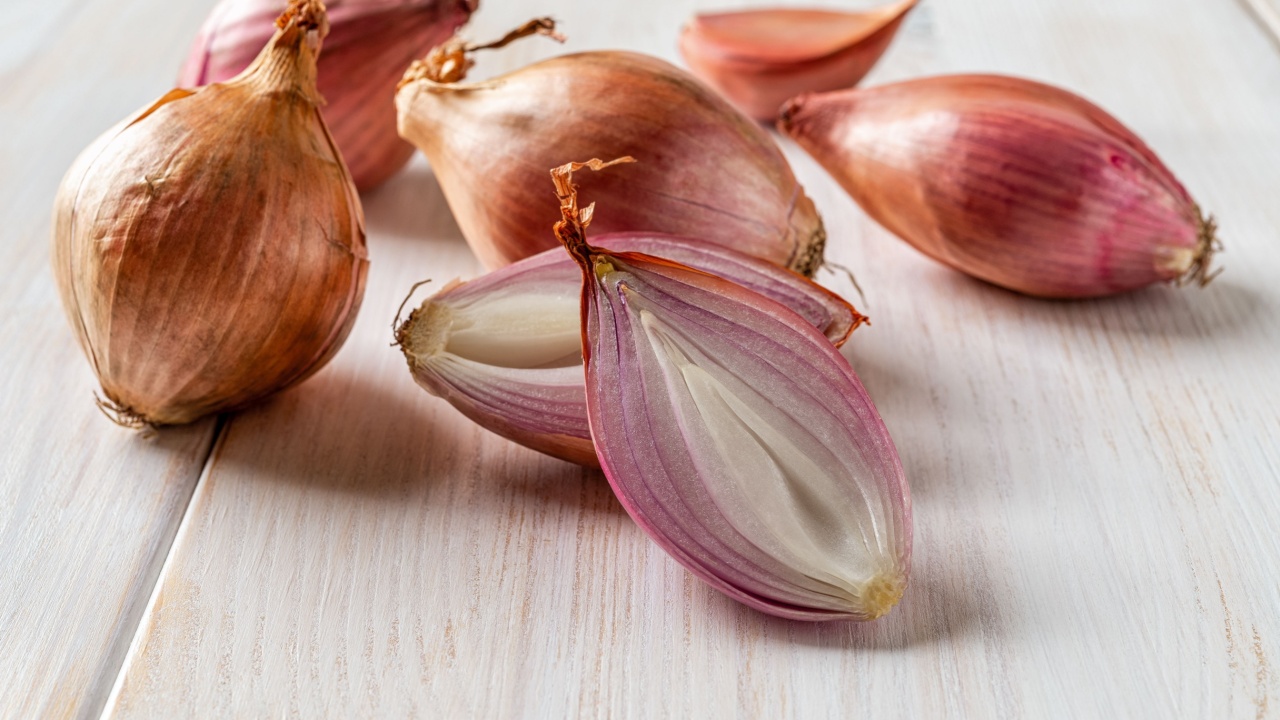
Like their cousin garlic, onions are rich in prebiotic fibers, including inulin and FOS. These compounds help fortify your gut flora, improve digestion, and support your immune system.
Onions also contain quercetin, a powerful antioxidant with anti-inflammatory properties that can further benefit your overall health. Raw or cooked, onions are an easy and affordable way to give your gut a prebiotic boost.
- Why It’s Good: Rich in prebiotics and antioxidants.
- How to Eat It: Use them as a base for soups and sauces, add them raw to salads and sandwiches, or caramelize them for a sweet, savory topping.
11. Mushrooms
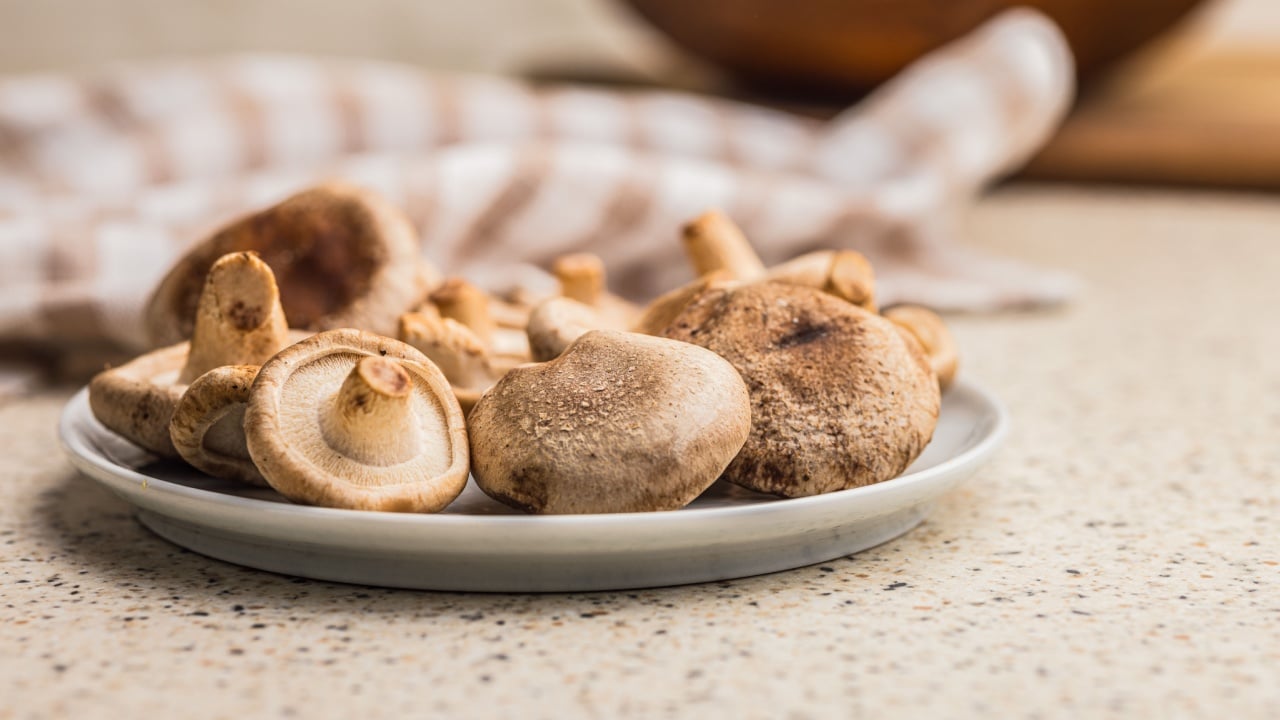
Mushrooms are not only delicious but also packed with prebiotic fibers like chitin, beta-glucans, and mannans. These compounds act as food for your gut bacteria, encouraging a diverse and healthy microbiome.
Some research suggests that consuming mushrooms may positively influence blood sugar levels and even help protect against certain gastrointestinal diseases. With so many varieties available, from cremini to shiitake, it’s easy to find one you love.
- Why It’s Good: Contains unique prebiotic fibers that promote a healthy gut.
- How to Eat It: Sauté them with garlic, add them to omelets, stir-fries, and pasta dishes, or grill them as a hearty side.
12. Oats

Starting your day with a bowl of oatmeal is a fantastic way to care for your gut. Oats are one of the best sources of beta-glucan, a type of soluble prebiotic fiber. This fiber helps slow digestion, keeps you feeling full, and provides nourishment for your probiotic bacteria.
To maximize the benefits, choose old-fashioned rolled oats or steel-cut oats and avoid instant oatmeal packets that are often loaded with added sugar.
- Why It’s Good: An excellent source of prebiotic beta-glucan fiber.
- How to Eat It: Cook as hot oatmeal and top with fruit and nuts, make overnight oats for a quick breakfast, or add them to smoothies.
13. Legumes
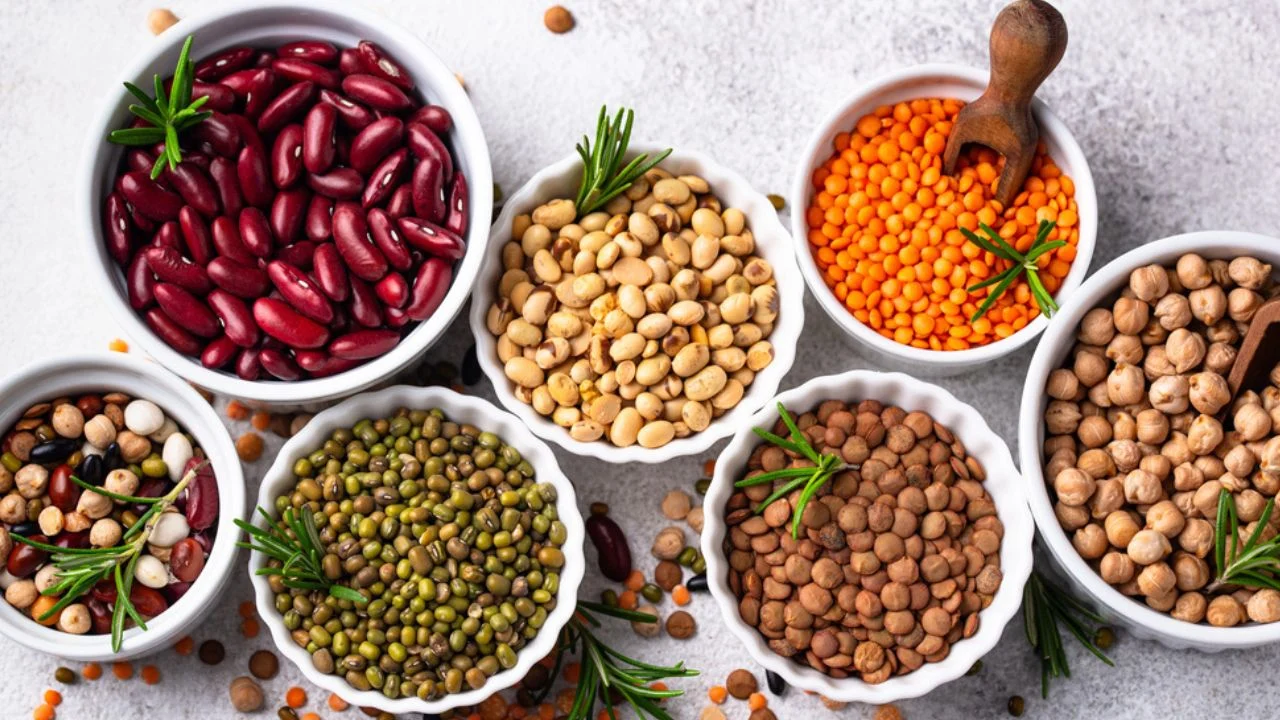
Beans, lentils, and chickpeas are nutritional powerhouses for your gut. They are loaded with prebiotic fiber that your gut microbes love to ferment. This process creates beneficial short-chain fatty acids like butyrate, which is the primary fuel source for the cells lining your colon, helping to keep your gut wall strong and healthy.
Regularly including a variety of legumes in your diet is one of the best things you can do for your digestive health.
- Why It’s Good: Packed with prebiotic fiber that produces beneficial short-chain fatty acids.
- How to Eat It: Add beans to salads and soups, make lentil stew, or whip up some homemade hummus with chickpeas.
14. Asparagus
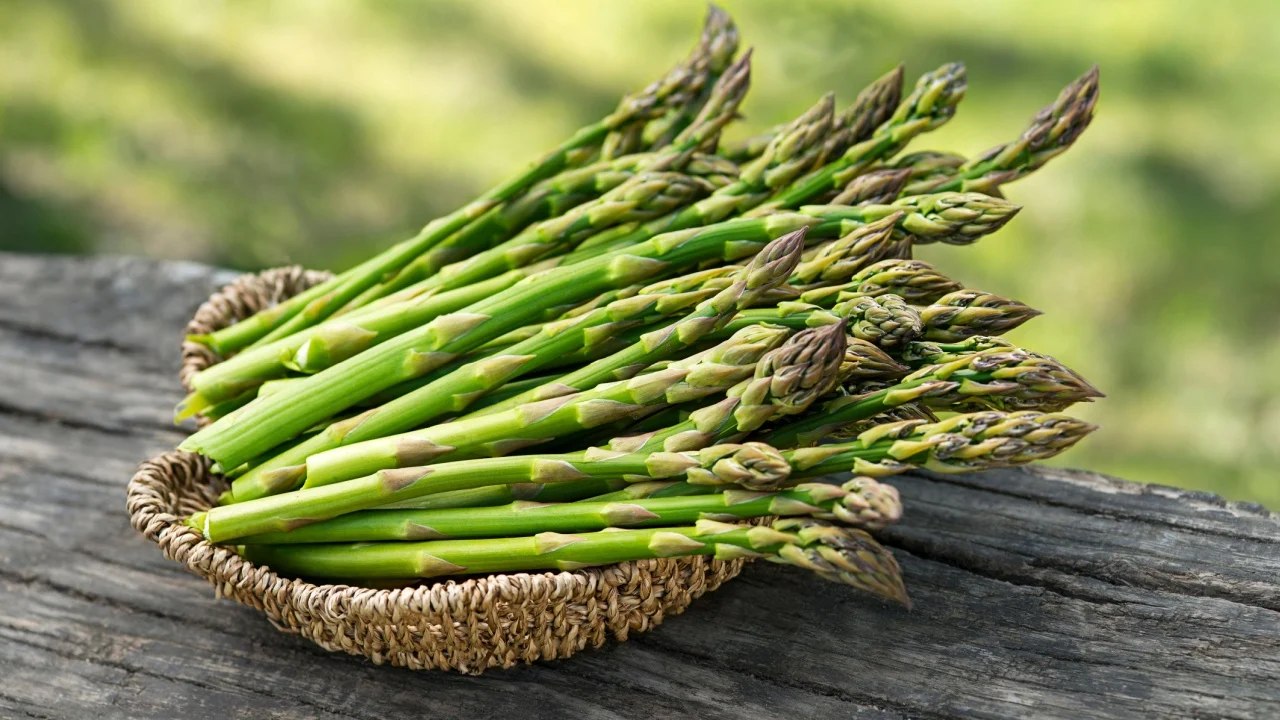
This popular spring vegetable is another excellent source of the prebiotic fiber inulin. By feeding your gut’s beneficial bacteria, such as Bifidobacteria and Lactobacillus, asparagus helps reduce inflammation and can even lower the risk of certain allergies. It’s also packed with vitamins and antioxidants, making it a fantastic addition to a gut-healthy diet.
- Why It’s Good: A strong source of prebiotic inulin and other nutrients.
- How to Eat It: Roast it with olive oil and garlic, steam it and serve with a squeeze of lemon, or chop it into salads and frittatas.
15. Dragon Fruit
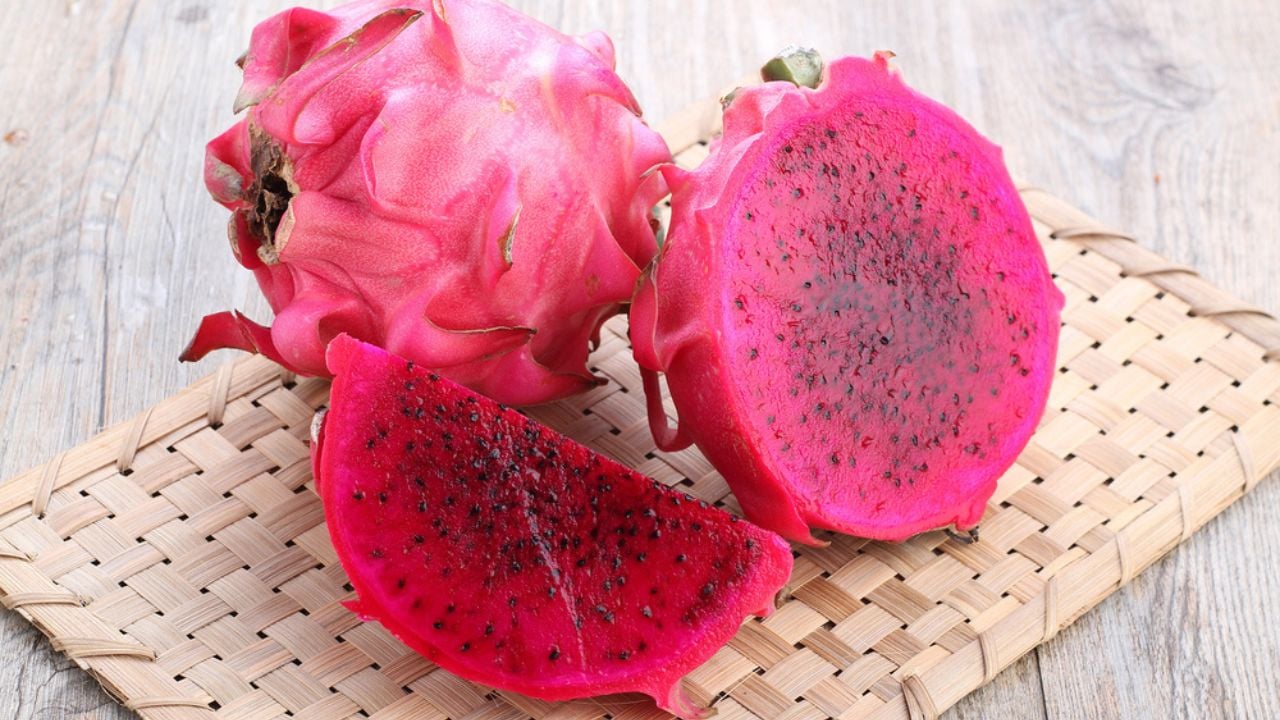
This visually stunning tropical fruit is more than just a pretty face. Dragon fruit is rich in fiber and contains oligosaccharides, which function as prebiotics. While more human studies are needed, the types of fiber in dragon fruit are known to stimulate the growth of healthy bacteria like lactobacilli and bifidobacteria.
Its high fiber content also makes it effective for promoting regularity and relieving constipation.
- Why It’s Good: Contains prebiotic oligosaccharides and is high in fiber.
- How to Eat It: Scoop it out and eat it fresh, add it to fruit salads, or blend it into vibrant smoothies and smoothie bowls.
Simple Steps to Better Gut Health

Improving your gut health is a journey, not a race. By consistently incorporating these delicious and powerful foods into your meals, you’ll be well on your way to building a more resilient and balanced digestive system. Start by picking a few new foods to try this week and notice how you feel. Your gut will thank you for it.