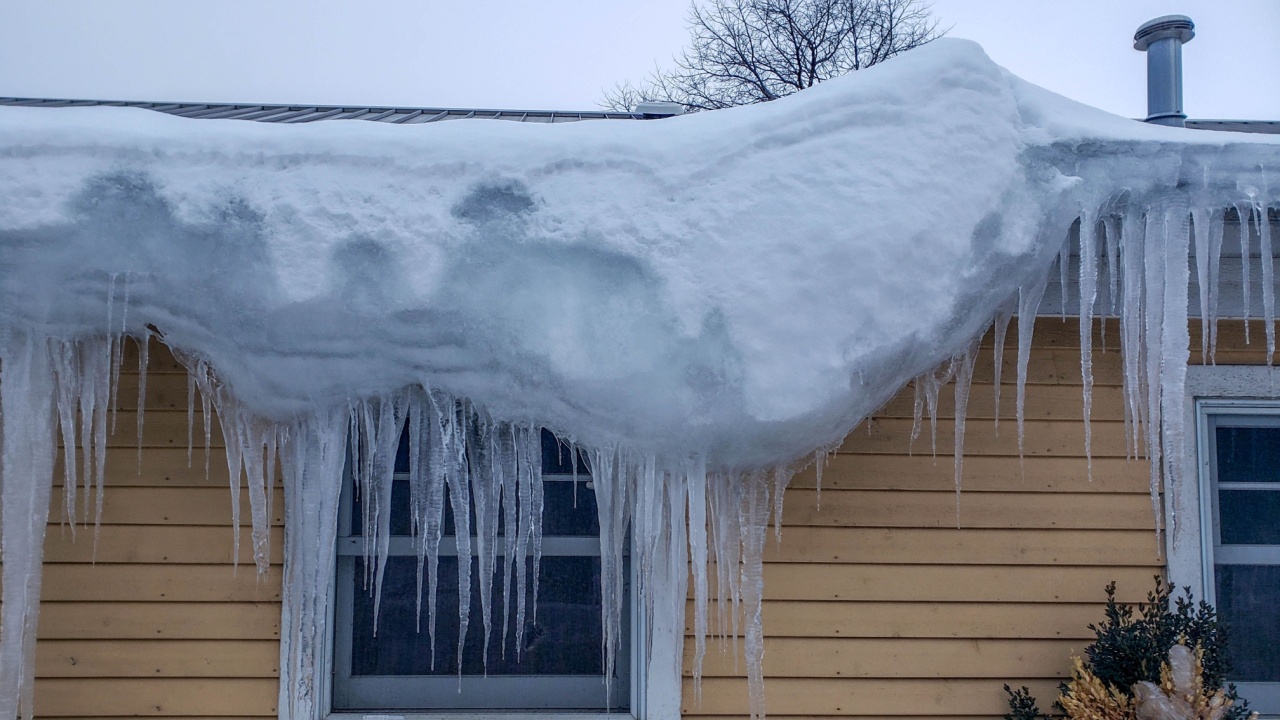
Why Icicles on the Roof Are Red Flags for Your Home
Winter landscapes can feel straight out of a holiday card, especially with icicles hanging from the roof. They might look pretty, but those icy spikes usually mean trouble brewing under your shingles.
Icicles are often a sign that your roof and attic aren’t working together to manage temperature properly. So, instead of just enjoying the view, it’s worth looking into what’s causing them to avoid pricey repairs down the road.
Knowing why they show up can go a long way in protecting your home from serious winter damage.
1. Ice Dams Are Likely Present
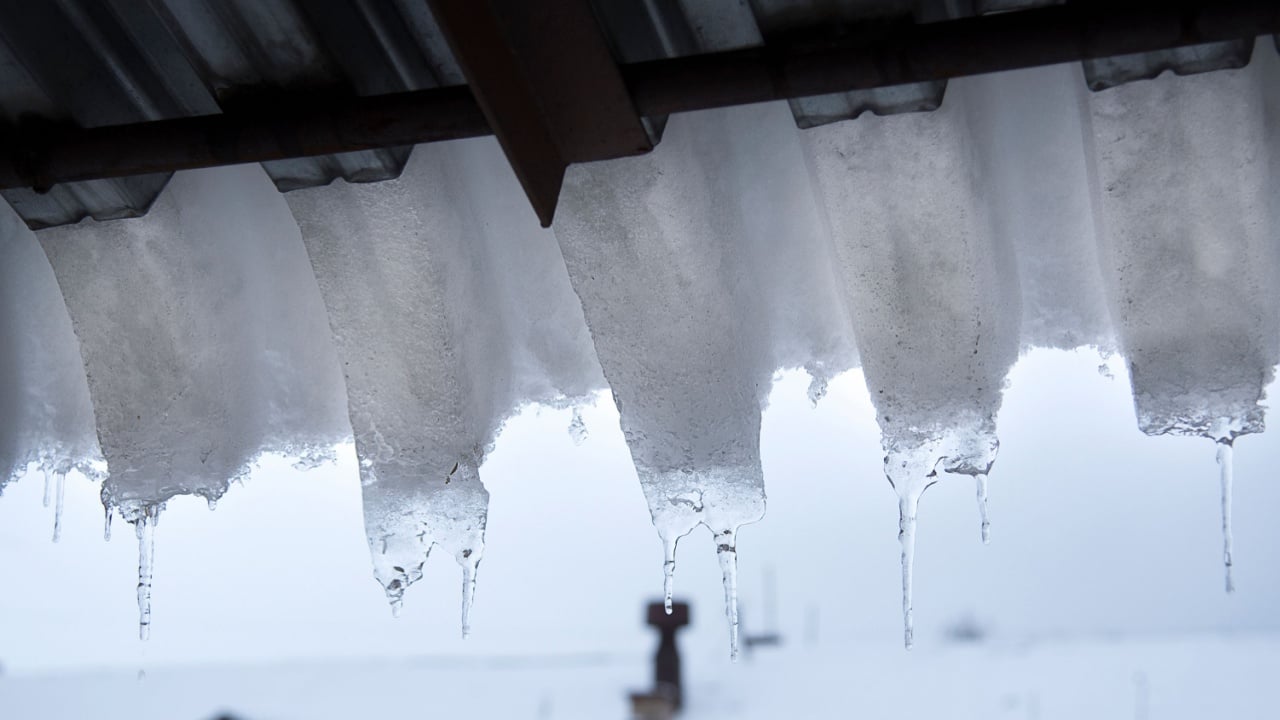
The most common culprit behind icicles is ice dams. These thick ridges of solid ice build up along the eaves. They prevent melting snow from draining off the roof. When heat escapes from the living space into the attic, it warms the roof deck and melts the snow layer. This water trickles down to the colder eaves and freezes. As this cycle continues, the dam grows larger.
The trapped water pools behind the dam and can eventually seep under shingles. The National Weather Service warns that even a small amount of water intrusion can compromise structural integrity. Homeowners should look for dark patches on the roof or water stains on the ceiling as evidence of this phenomenon.
2. Attic Insulation Is Insufficient
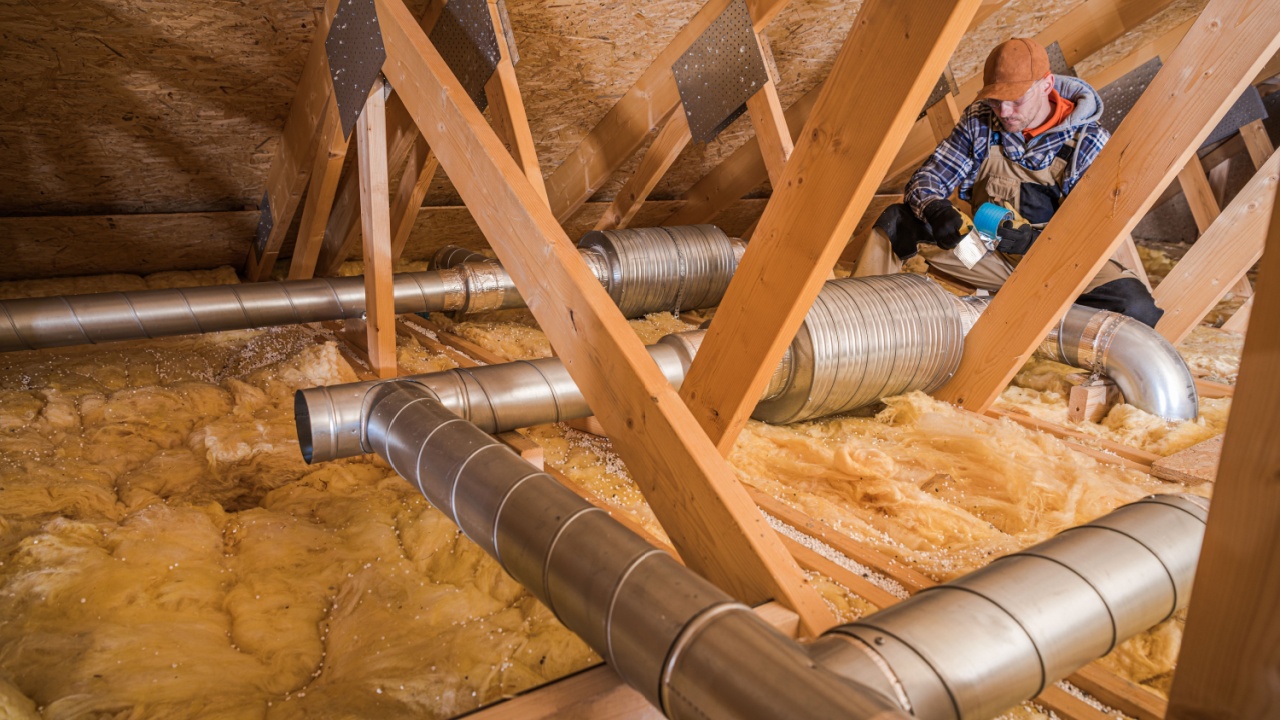
Heat loss drives the formation of icicles. If the attic floor lacks proper insulation, warm air from the heated rooms below rises and escapes into the attic space. This creates an uneven temperature on the roof surface. The peak remains warm while the edges stay cold.
According to energy efficiency experts, upgrading attic insulation serves as a primary defense against this issue. Sealing air leaks around light fixtures, plumbing pipes, and chimneys prevents warm air from bypassing the insulation. A well-insulated attic keeps the roof temperature consistent with the outdoor air temperature to stop snow from melting prematurely.
3. Gutters Are Clogged With Debris
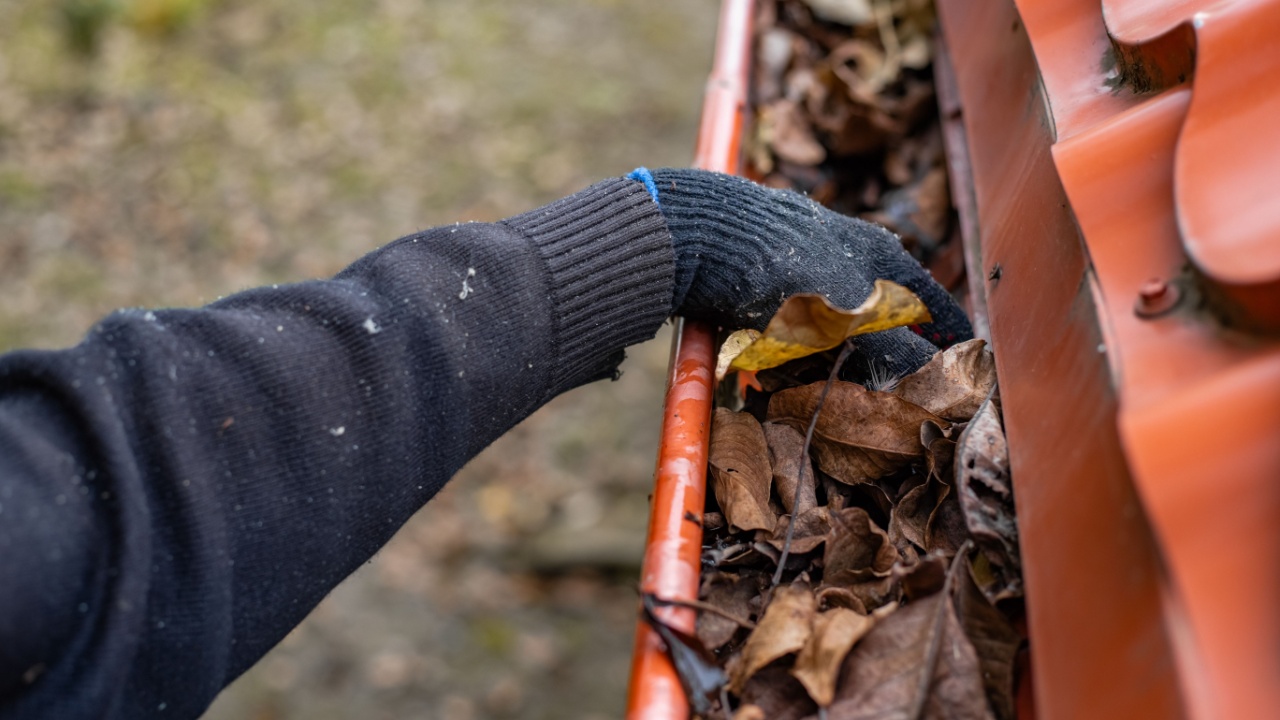
Gutters play a central role in directing water away from the foundation. However, when leaves, twigs, and pine needles clog the channels, melted snow has nowhere to go. The water fills the gutter and spills over the edge. In freezing temperatures, this overflow hardens into heavy icicles that can pull the gutters away from the fascia.
The weight of ice can tear gutters right off the house. Cleaning gutters before winter arrives remains a smart preventative measure. Installing gutter guards can also help keep debris out and allow water to flow freely through the downspouts.
Winter’s Warning: What Icicles Are Telling You About Your Roof

Those glittering spikes on the eaves signify more than just a cold snap. They point to potential issues regarding insulation, ventilation, and drainage that require attention. Taking action now can save significant money and stress when the spring thaw arrives.
Contact a roofing professional to assess the attic and roof system for specific vulnerabilities. A thorough inspection will identify the exact source of the heat loss and provide a roadmap for a safer, drier home.