Want More Birds to Count? Add Native Plants
Every February, backyard bird lovers bundle up, grab binoculars, and step outside to participate in the Great Backyard Bird Count, a global citizen-science project led by the Cornell Lab of Ornithology, Audubon, and Birds Canada. For four days, participants count the birds they see and help scientists track populations worldwide.
If you’d love to see more than the usual robins and sparrows during your count, the secret isn’t in adding another feeder. It’s native plants.
Why Native Plants Matter for the Great Backyard Bird Count
Growing native plants is the key to attracting more birds to your garden. As Cornell’s Becca Rodomsky-Bish explains, “If you love supporting birds and seeing them up close, then you can make a huge contribution to them and to yourself by growing these kinds of plants.”
Native plants support the insects that birds depend on for food, especially caterpillars. According to Douglas Tallamy, a single clutch of chickadees can consume over 9,000 caterpillars in just 16 days.
If you have space for one tree, make it a native oak, cherry, willow, or birch. These trees host the caterpillars that feed warblers, vireos, and woodpeckers. A study by Burghardt et al (2009) found that yards dominated by native plants hosted four times as many caterpillars as those filled with ornamentals.
Serviceberry, elderberry, dogwood, viburnum, and holly all provide fruit that ripens at different times of year, drawing thrushes, waxwings, cardinals, and orioles. These shrubs don’t just feed birds; they offer nesting cover and shelter from predators. Gardeners often notice a visible jump in bird diversity once berry-producing natives mature, especially during fall migration.
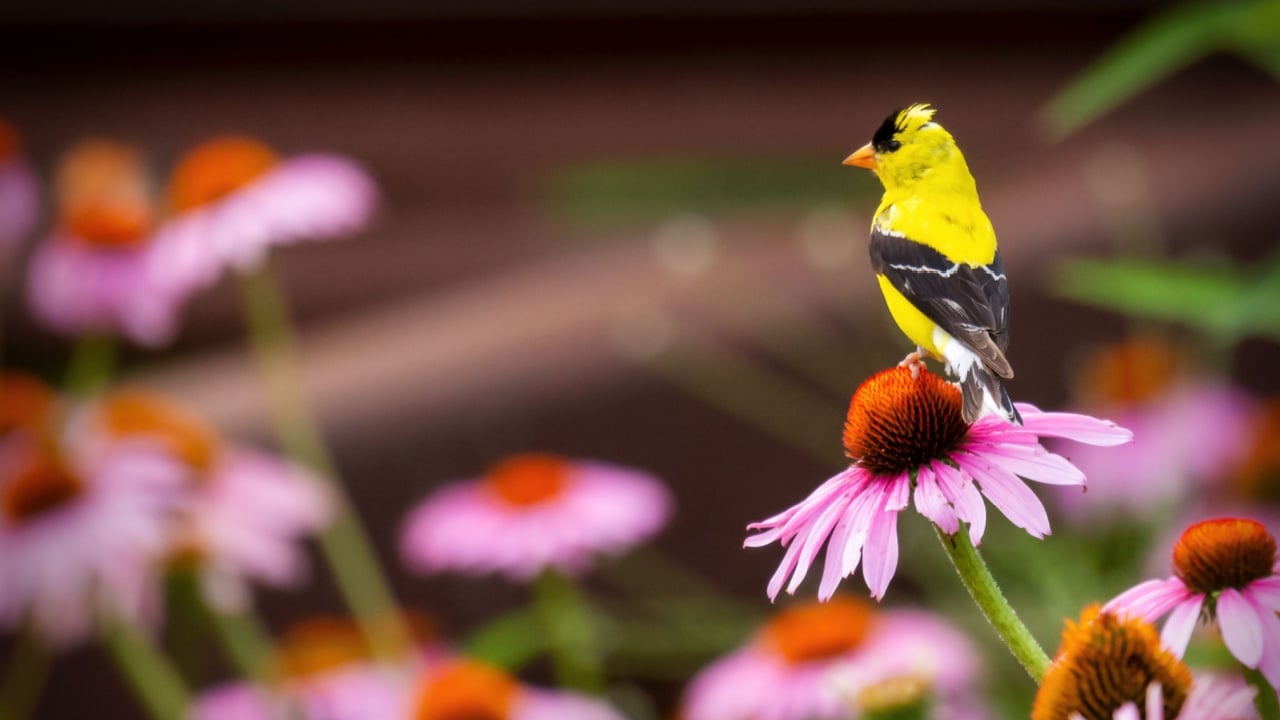
Purple coneflowers, black-eyed Susans, asters, sunflowers, and goldenrod are goldfinch magnets. Leave seedheads standing through winter; birds will return again and again.
Native grasses such as switchgrass and little bluestem add another layer, offering both nesting habitat and winter seeds.
What to Plant First
You don’t need to transform your entire yard. Research suggests that reaching about 70% native plants in your garden delivers most of the benefits.
Start with one native tree, two berry shrubs, and a patch of seed-bearing perennials.
By the time the next Great Backyard Bird Count rolls around, you may be tallying far more than you expected. And the best part? Every bird you count will be there because your garden gave it exactly what it needed.