When Can I Expect the First Frost? 7 October Mistakes That Can Wipe Out Your Garden Overnight
Your first frost date is not the day frost arrives. It is closer to a coin toss, and every October gardener loses their tomatoes, basil, and favorite potted plants because they read that date as a promise.
The Old Farmer’s Almanac builds its frost dates from historical climate data using a 30 percent probability threshold, which means there is still a 30 percent chance frost arrives before the listed date. The “average” first frost date most people quote is really a median, writes the Farmers’ Almanac: by that day, frost has already struck in about half of recorded years. The Weather Channel, using NOAA data, notes that in several U.S. cities the earliest recorded freeze came nearly a month or more ahead of average.
October is the heart of first frost season across much of the Midwest, the Great Lakes, the Ohio Valley, and the interior Northeast. One clear, calm night can undo a whole summer of work, and with field-grown tomatoes averaging about $2.49 a pound in May 2026, according to Bureau of Labor Statistics data, a frosted garden is real money left on the vine. If you have been gardening for 20 or 30 years, you have probably learned a few of these lessons the hard way.
So, When Can I Expect the First Frost?
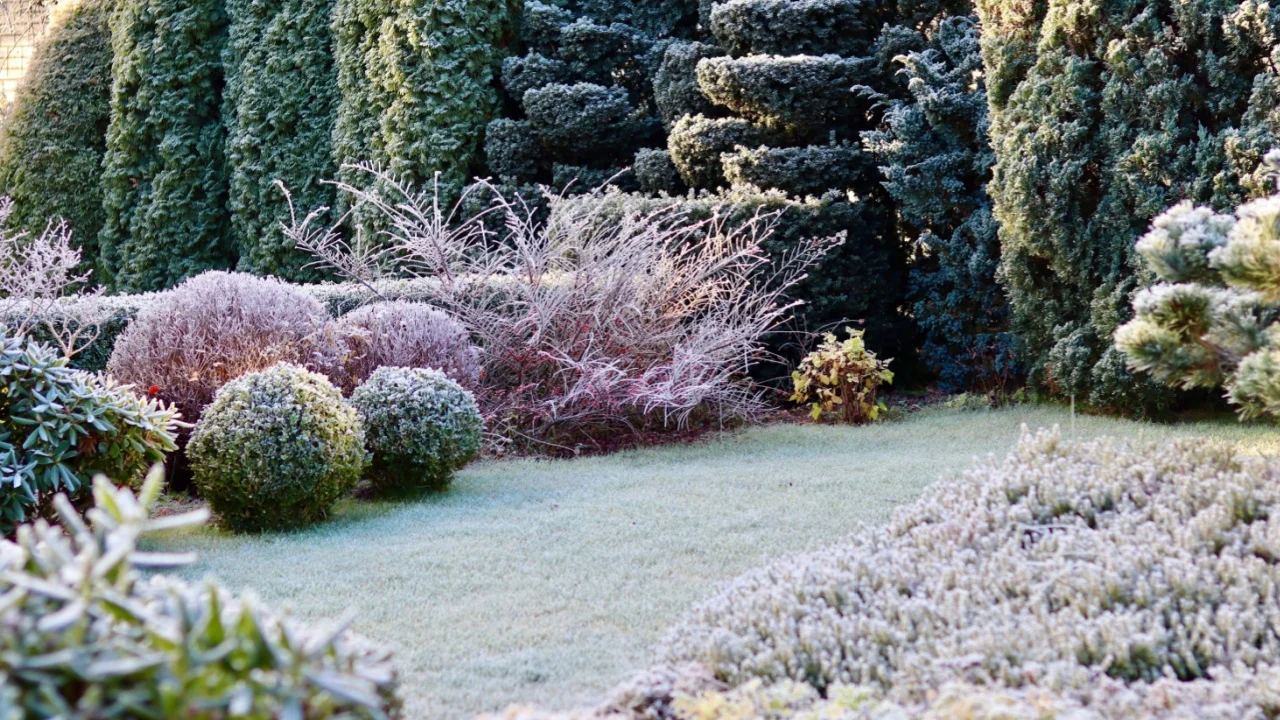
It depends on where you live. The Farmers’ Almanac’s 2026 regional guide, based on NOAA’s 1991 to 2020 climate normals, puts the far north and high mountain valleys at late August through mid-September; the Upper Midwest and northern New England at mid-September through early October; much of the Midwest and interior Northeast in October; and the Mid-Atlantic and South from late October into December. Denver typically sees its first frost around October 6, Pittsburgh around October 22, and New York City around November 14.
For your exact address, use The Old Farmer’s Almanac ZIP code calculator or call your county extension office, which Ward’s Nursery & Garden Center recommends. Then treat whatever date you get the way Wild Revival Garden & Home suggests: think of it “as a window rather than a hard deadline.”
Here are 7 mistakes to avoid towards the end of the garden season to ensure you don’t lose any of your precious garden to frost damage.
1. Stop Treating Your Frost Date Like a Deadline

Early frosts are not rare flukes. In Greencastle, Indiana, the Banner Graphic reported that the average first frost arrives around October 15, yet National Weather Service records show it once came on September 23, more than three weeks early.
The Farmers’ Almanac offers a smarter system built on probability. Have frost cloth ready by your 10 percent date, the point when early frosts start appearing. Plan your main harvest around the 50 percent date. Anything still unprotected after the 90 percent date, the Almanac warns, has been “gambling with time.”
2. Don’t Trust a Thermometer That Reads 34 Degrees
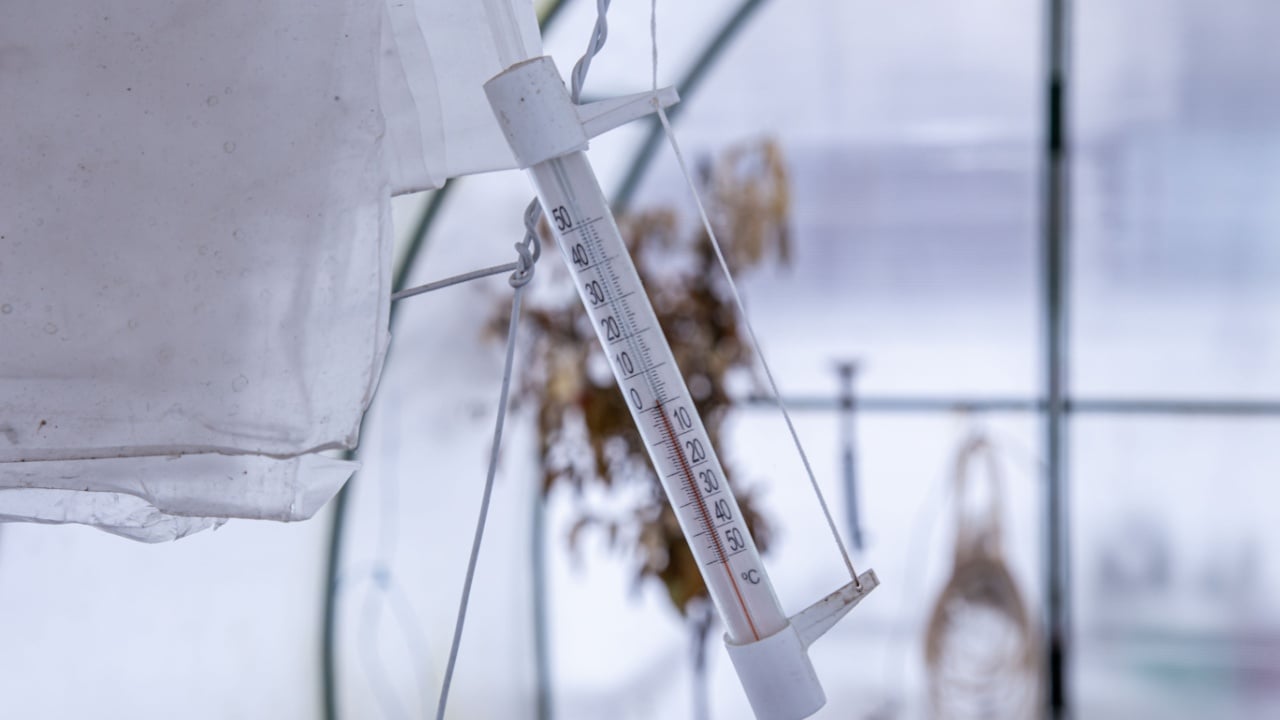
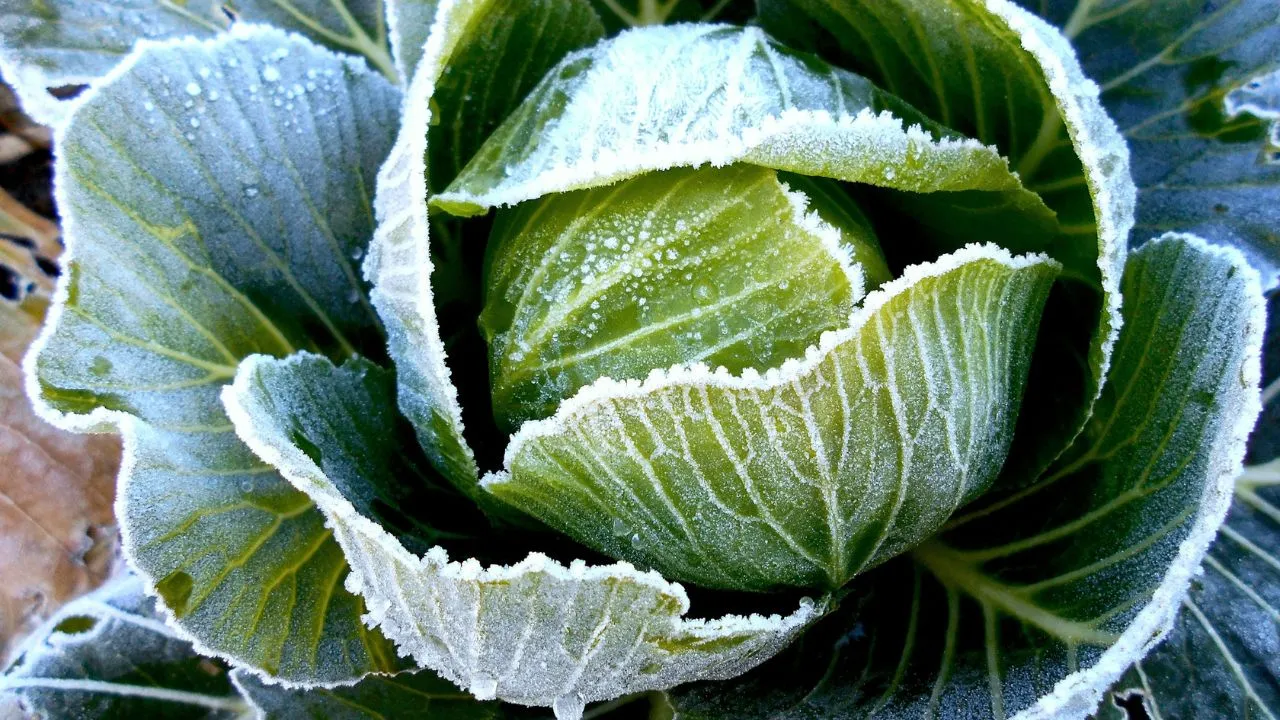
Most gardeners relax when the forecast low sits above freezing. That is a mistake. The Weather Channel explains that frost can form when temperatures are between 33 and 36 degrees, and its advice is blunt: “So don’t ignore those frost advisories.”
Southern Living explains why. On calm nights, a thin layer of cold air settles near the ground that can be 10 degrees colder than the air above it, which is exactly where your vegetables live. Garden Betty notes that basil sulks at 40 degrees and turns black at 32, so tender herbs need rescuing well before the porch thermometer looks scary. One small farm, Genuine Faux Farm, says a single 39-degree reading in the forecast is enough to start them picking.
3. Never Ignore the Frost Pocket in Your Own Yard
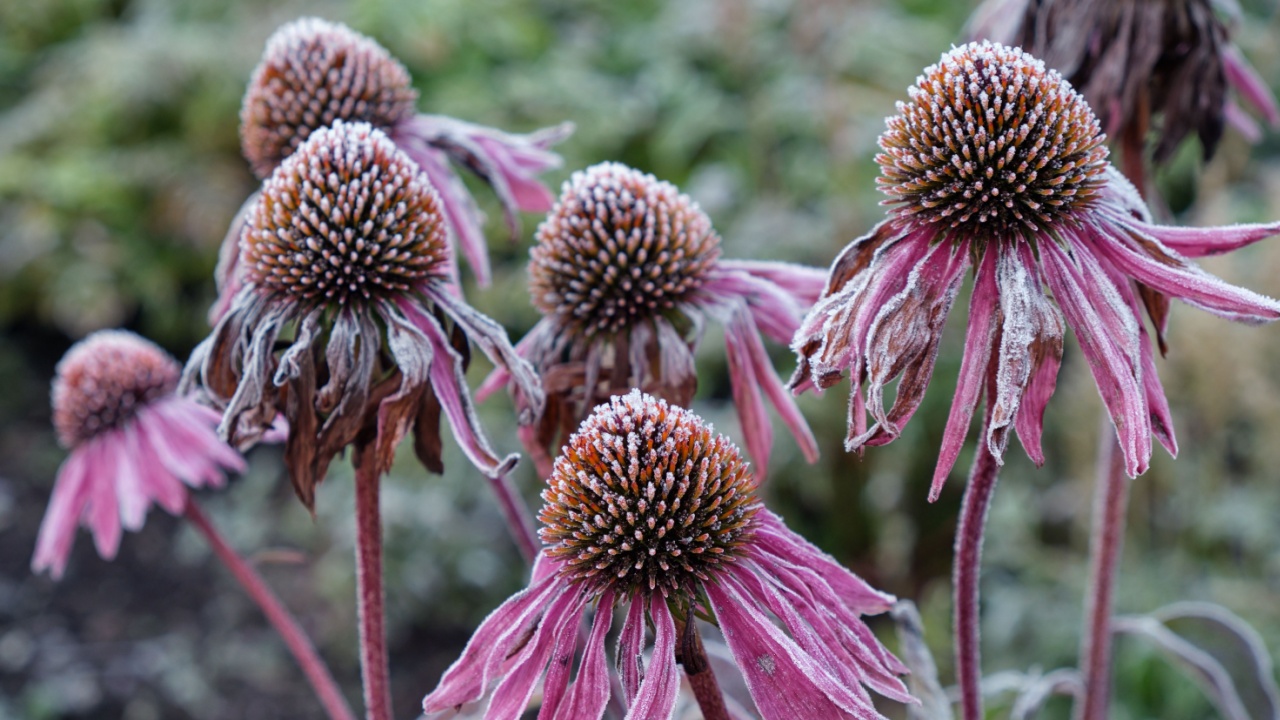
Ever wonder why your neighbor’s dahlias blacken a week before yours, or the other way around? The Farmers’ Almanac points out that two gardens only a mile apart can see different temperatures because of elevation, low spots, pavement, and nearby water.
Cold air behaves like a liquid. As Frugal Gardening puts it, it “flows downhill until it finds a low spot to settle, much like water would.” Washington State University extension professor James Freed suggests a simple test: watch where early morning fog settles in spring and fall. That is your frost pocket, and it is the first bed you should cover. Tender crops belong on higher, warmer ground; save the low spot for kale and spinach.
4. Stop Reaching for Plastic Sheeting
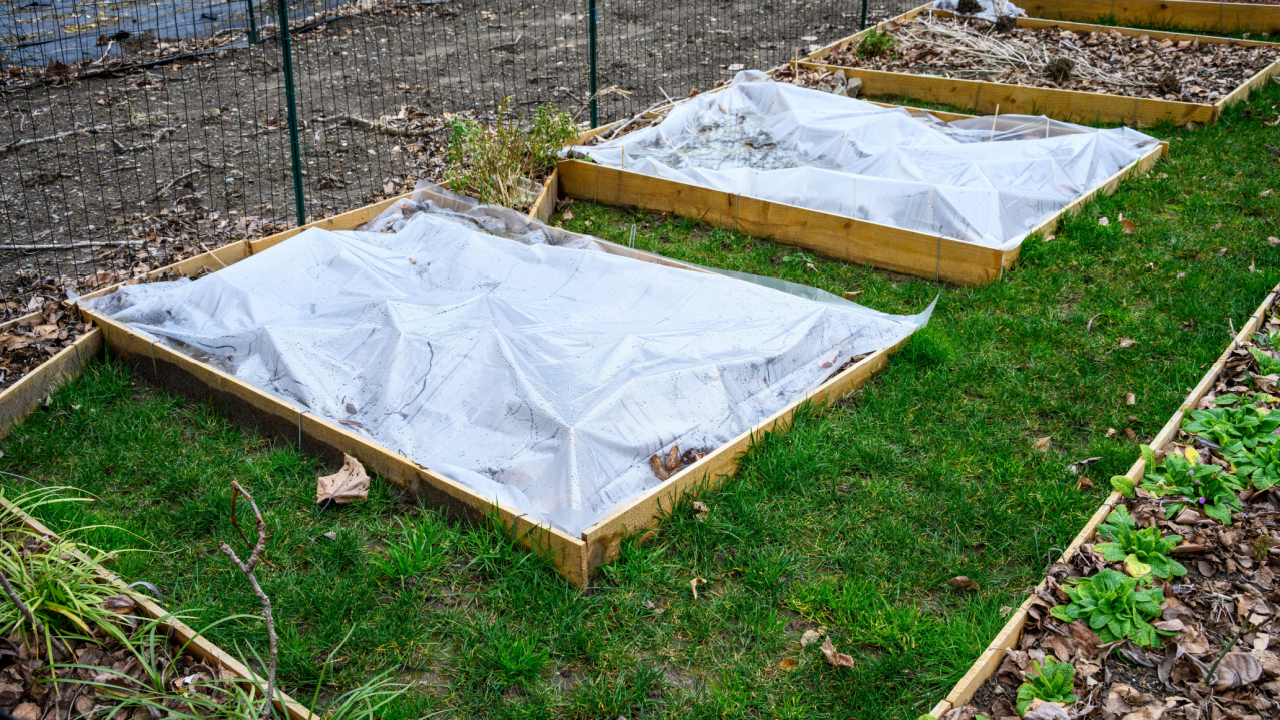
When a freeze warning pops up, plenty of homeowners grab a plastic tarp. The University of Florida IFAS Extension is clear: “Never wrap plants with plastic.” Plastic moves heat away from the plant, and any leaf it touches can freeze right through it.
The better option costs nothing. Old bedsheets, blankets, and frost cloth hold warmth rising from the soil; Backyard Garden Lover reports that fabric covers add roughly 3 to 5 degrees of protection and cites Alabama Cooperative Extension’s finding that cloth outperforms plastic. The Farmers’ Almanac recommends covering plants before sunset, letting the fabric reach the ground, and removing it the next morning so the soil can warm again.
5. Don’t Leave Your Containers and Houseplants Outside

Potted plants go first. The Farmers’ Almanac notes that containers cool faster than plants rooted in the ground.
Summer vacationing houseplants are even more sensitive, with many houseplants struggling below 50 degrees. For gardeners in their 50s and 60s who would rather not haul heavy pots indoors, there is an easier middle step: garden expert David Denyer told ATV Today that pushing pots against a brick or stone wall helps, because masonry absorbs heat by day and releases it slowly after dark.
6. Avoid Going Into a Cold Night With Dry Soil
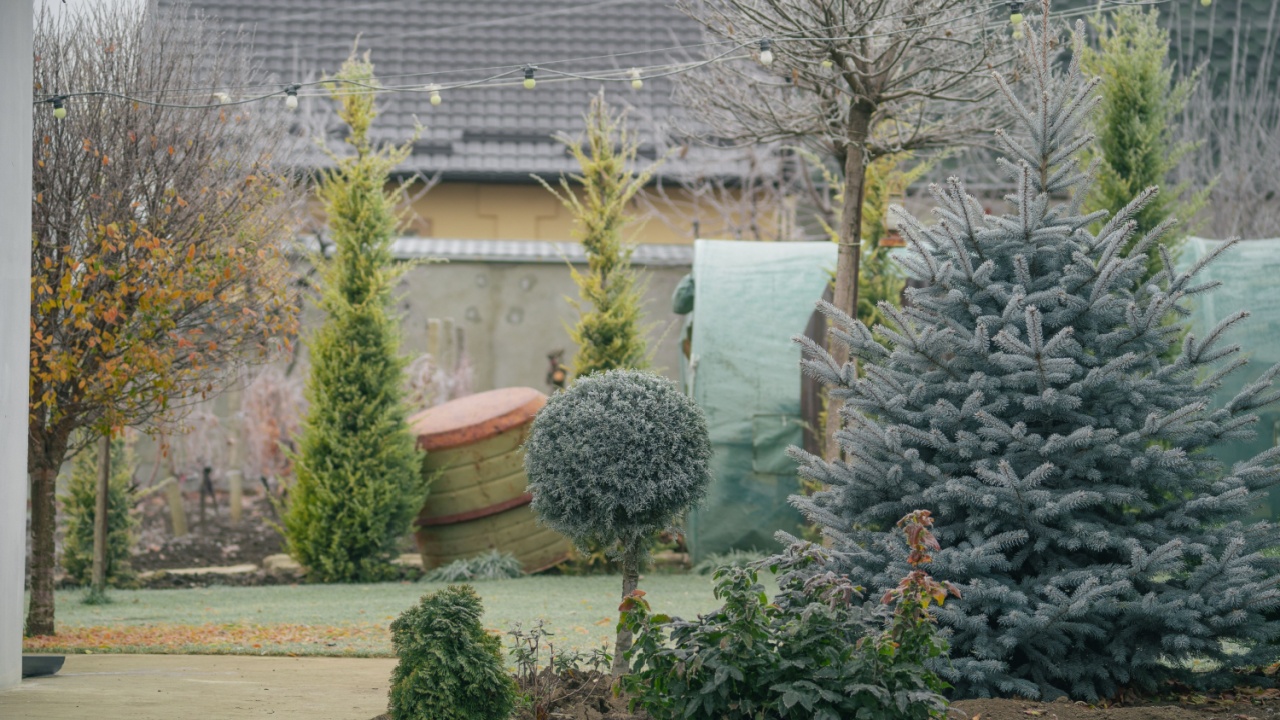
This one feels backward, but dry soil is a poor heat battery. The Pollinator Patch Garden, citing the University of Georgia Extension, advises watering a day or two ahead because “wet soil retains more heat than dry soil.”
Timing matters, though. Water earlier in the day rather than at dusk, and skip the fertilizer; Denyer specifically warns against feeding plants right before a frost. While you are at it, spread mulch now. Ward’s Nursery notes that soil stays warm well past the first fall frost date, and Denyer adds that a layer of compost, bark, or fallen leaves helps insulate it.
7. Stop Letting Green Tomatoes Freeze on the Vine
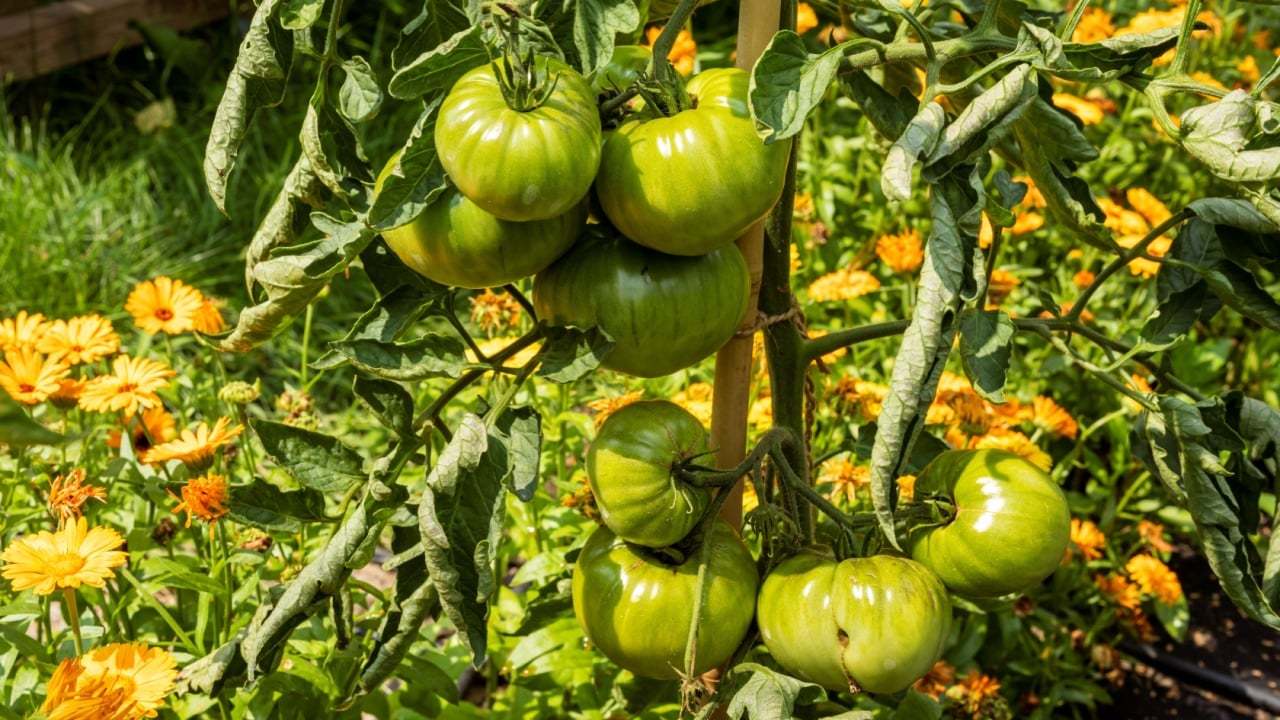
This is the most expensive mistake on the list. University of Maryland Extension says a healthy tomato plant can yield 10 to 15 pounds of fruit or more, and South Dakota State University Extension notes that cooler weather and shorter days leave many gardeners with an abundance of green tomatoes each fall. At roughly $2.49 a pound, every pound you rescue is grocery money you keep.
Your grandmother’s brown paper bag trick still works. Colorado State University Extension says glossy green tomatoes that have reached at least three-fourths of full size will ripen indoors in about two weeks at 65 to 70 degrees. Keep them warm, though: “Storage below 50 degrees F will give fruit a bland, off flavor.” SDSU Extension adds that tucking one or two red tomatoes in with the green ones releases ethylene and speeds things along. Pick before frost, not after; frost-touched fruit tends to soften and rot from the inside.
What to Do Before October Ends
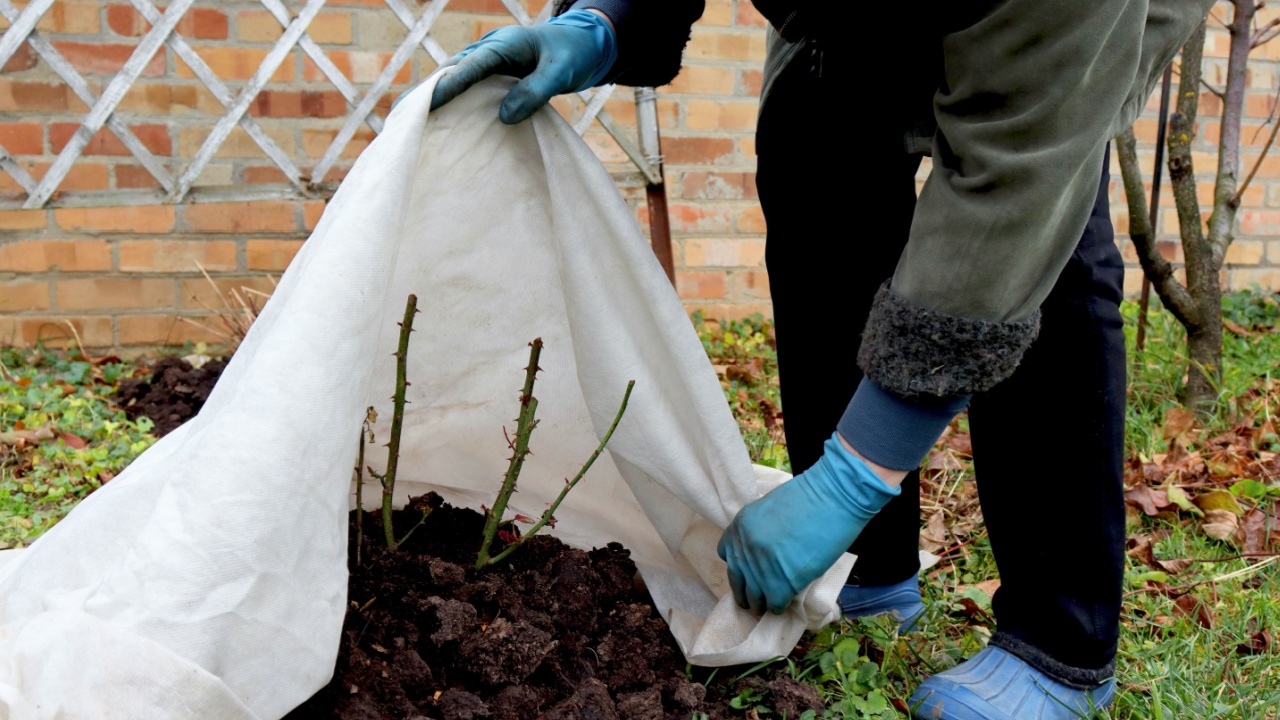
Look up your frost date today and circle the 10 percent date on your calendar. Find your low spot. Fold a stack of old sheets by the back door. Water in the morning when a cold night is forecast, harvest anything tender, and move pots against the house. If frost sneaks through, Denyer recommends waiting until the weather settles before cutting blackened growth.
Plenty of us grew up thinking of frost on the pumpkin as a late autumn sign. The Banner Graphic had a sharper take: “Forget that old frost-on-the-pumpkin nonsense.” Frost rarely waits for anything.
A frost date tells you when trouble usually shows up, not when it is allowed to. Plan for the early end of that window this October, and the first frost becomes the gentle close of a good season instead of the night that stole your harvest.
Read More
The 7 Best Garden Items to Thrift This Fall
9 Smart Ways to Save Money in the Garden Before Fall Ends