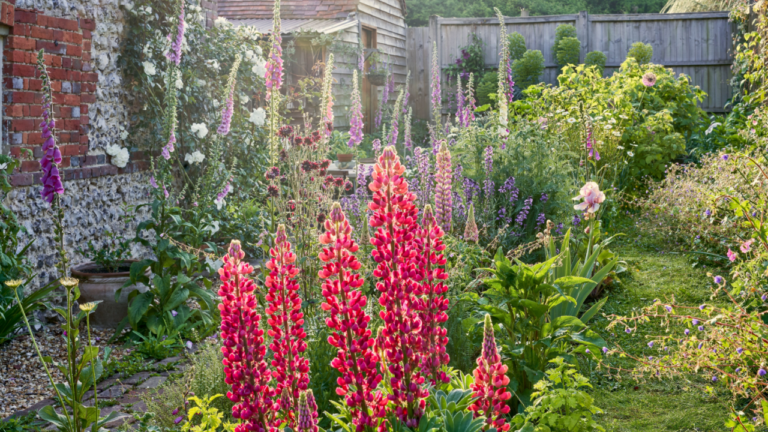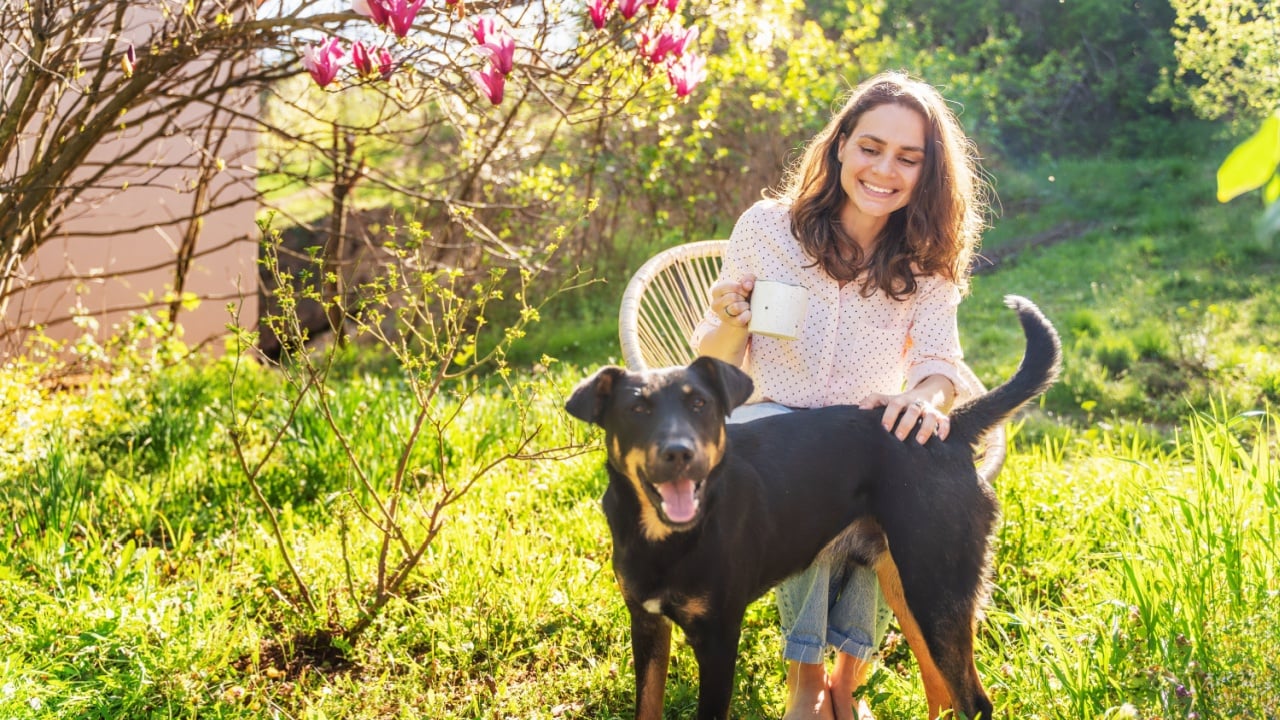
22 Beautiful Outdoor Plants That Are Also Pet Safe
Creating a beautiful garden is a joy, but ensuring it’s a safe space for your four-legged family members is paramount. Many common garden plants can be toxic to curious cats and dogs who love to sniff, chew, and explore.
This can leave pet owners feeling worried, wondering if they have to choose between a lush backyard and the well-being of their furry companions. Fortunately, you don’t have to sacrifice a vibrant garden for peace of mind.
This guide will walk you through 22 fantastic outdoor plants that are non-toxic and perfectly safe for both cats and dogs, each individually verified by local extension sources (like Penn State), the ASPCA, and other pet experts. From colorful flowers to aromatic herbs and lush foliage, you can design a stunning and secure outdoor oasis.
We’ll dive into what makes each plant a great choice, how to care for it, and tips to help you get started.
1. Sunflowers (Helianthus annuus)
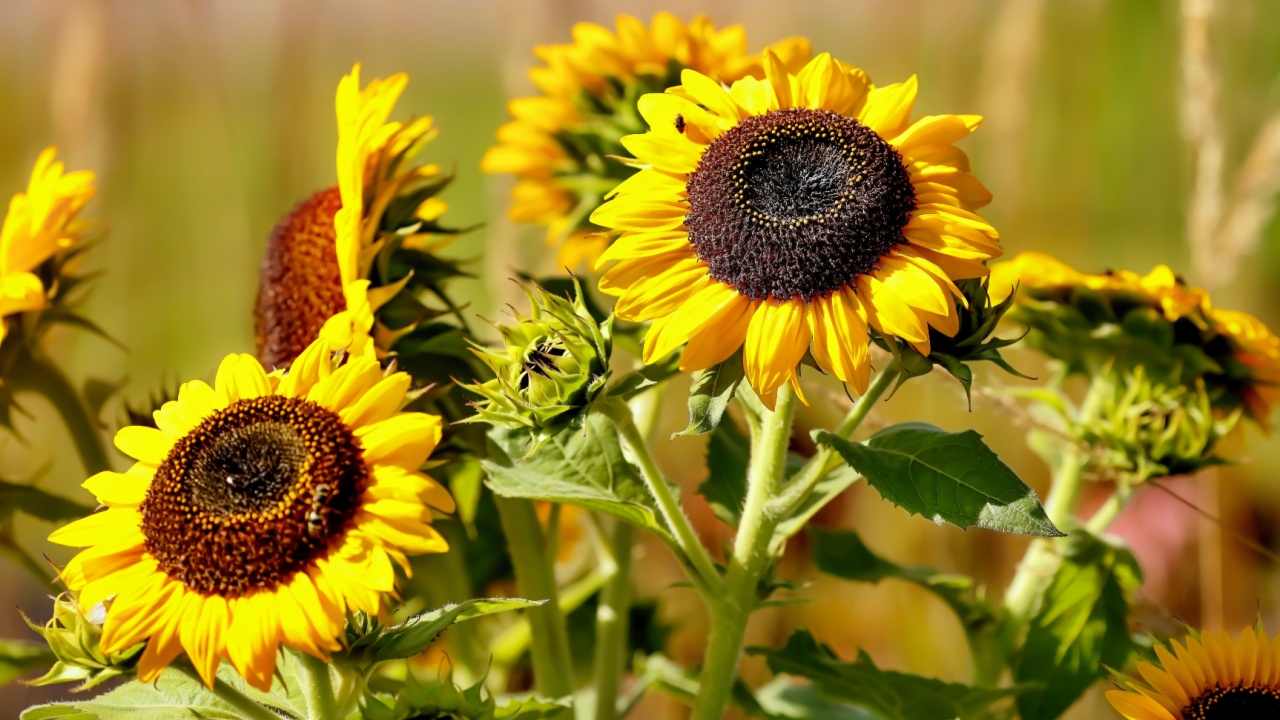
There’s nothing quite like the cheerful, towering presence of a sunflower to brighten up a garden. These iconic flowers are completely safe for pets, from their sturdy stalks to their vibrant petals and even the seeds. If your dog decides to take a nibble, you won’t have to worry about a trip to the vet. Their impressive height adds wonderful vertical interest to your garden design.
Quick Care Guide:
- Light: Full sun (6-8+ hours/day)
- Water: Keep soil consistently moist, but not waterlogged.
- Soil: Well-draining, nutrient-rich soil.
2. Marigolds (Tagetes spp.)
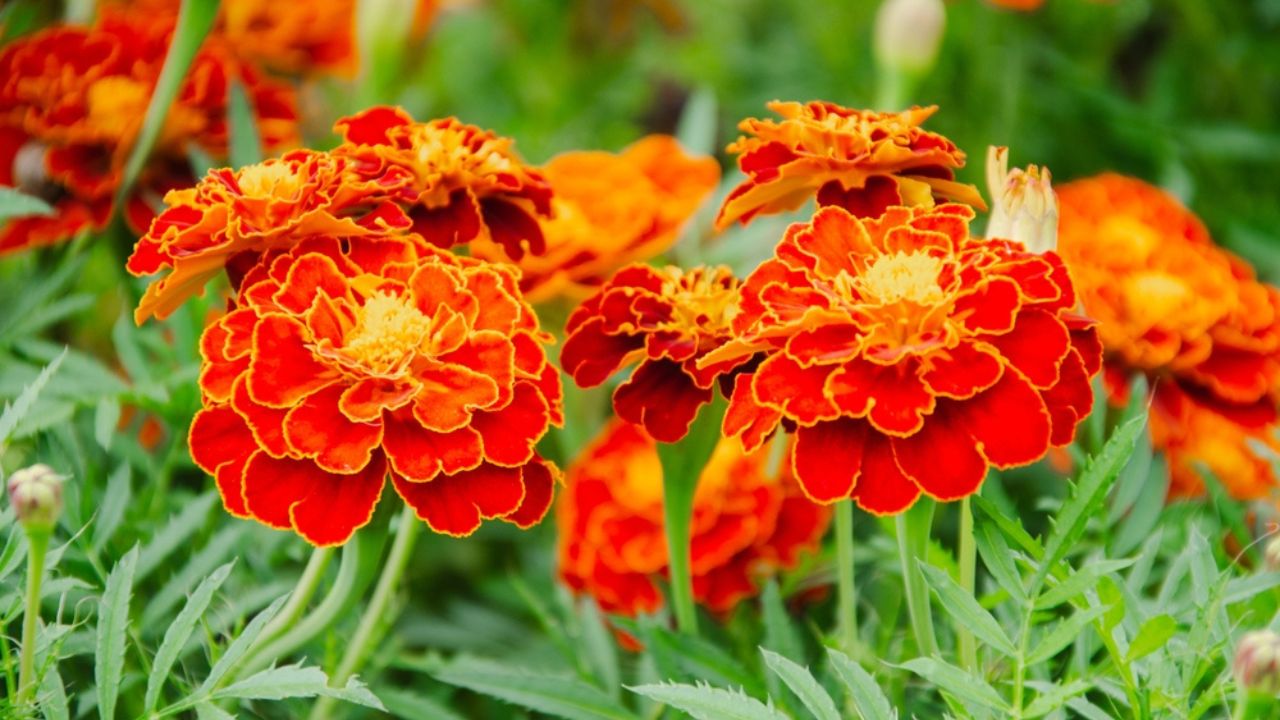
Marigolds are a classic garden staple, beloved for their bright, pom-pom-like blooms in shades of orange, yellow, and red. They are completely non-toxic to cats and dogs, making them a worry-free choice for borders, containers, and vegetable gardens. As an added bonus, many gardeners believe their strong scent helps deter common garden pests.
Quick Care Guide:
- Light: Full sun.
- Water: Water regularly until established; drought-tolerant afterward.
- Soil: Adapts to most soil types, but prefers well-draining soil.
3. Snapdragon (Antirrhinum majus)
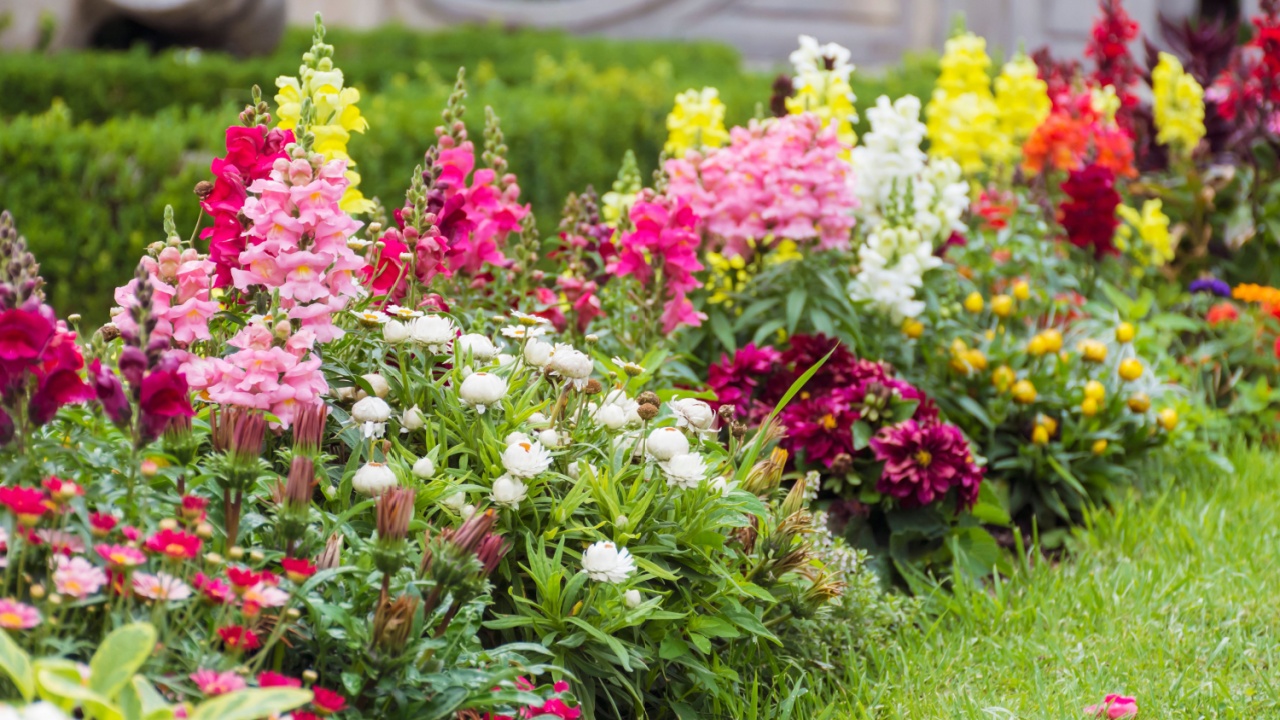
Snapdragons add a touch of whimsy and vibrant color to any garden with their unique, jaw-like flowers that “snap” open when squeezed. Available in a rainbow of colors, they are a fantastic and safe way to create beautiful floral displays in beds and containers. Their tall, spiky blooms create a wonderful contrast against more rounded plants.
Quick Care Guide:
- Light: Full sun.
- Water: Keep soil evenly moist.
- Soil: Rich, well-draining soil.
4. Rosemary (Rosmarinus officinalis)

This fragrant, woody herb is a wonderful addition to a pet-safe garden. Its needle-like leaves and delicate blue flowers are non-toxic, and both you and your pets can enjoy its lovely pine-like scent. Rosemary is not only a fantastic culinary herb but also grows into a handsome, shrub-like plant that provides year-round structure.
Quick Care Guide:
- Light: Full sun.
- Water: Water deeply but infrequently; allow soil to dry out between waterings.
- Soil: Sandy, well-draining soil.
5. Zinnia (Zinnia elegans)
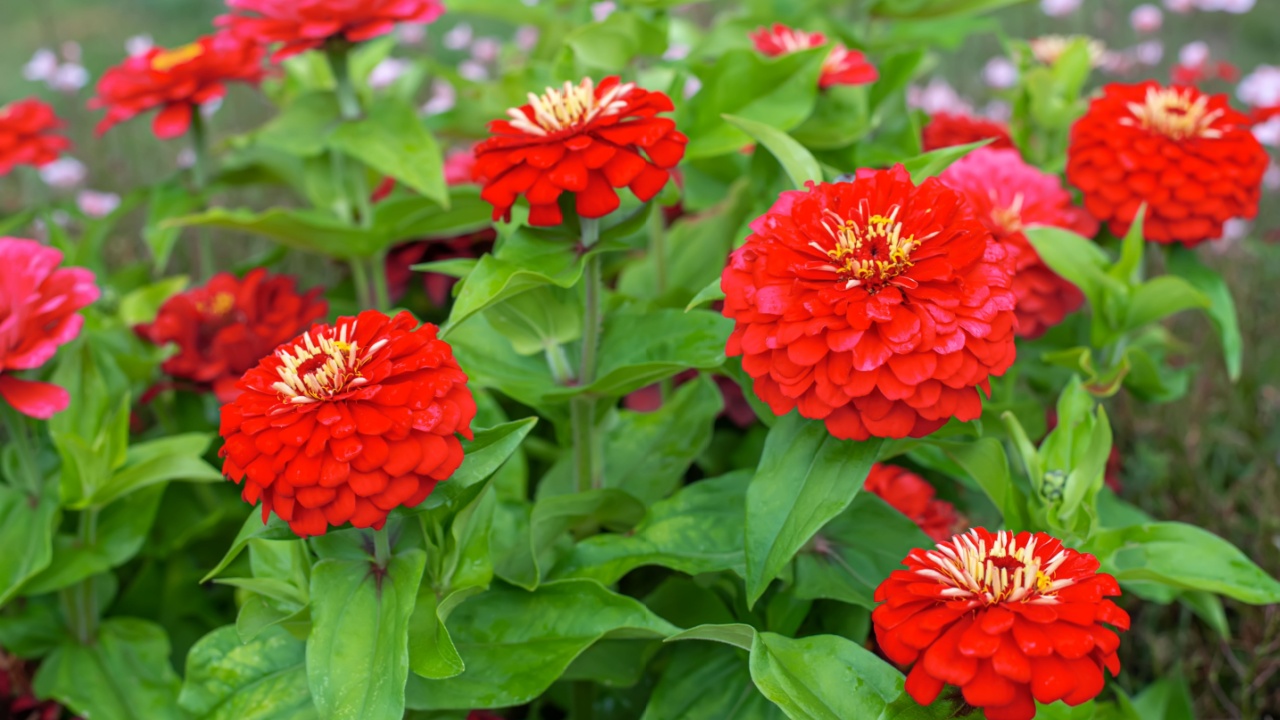
If you want a burst of easy, long-lasting color, zinnias are the perfect choice. These cheerful, daisy-like flowers are completely safe for pets and come in nearly every color imaginable. They are prolific bloomers, providing a steady supply of flowers from early summer until the first frost. Zinnias are also a favorite of pollinators like bees and butterflies.
Quick Care Guide:
- Light: Full sun.
- Water: Water at the base of the plant to keep foliage dry; allow soil to dry slightly between waterings.
- Soil: Well-draining, fertile soil.
6. Lavender (Lavandula spp.)
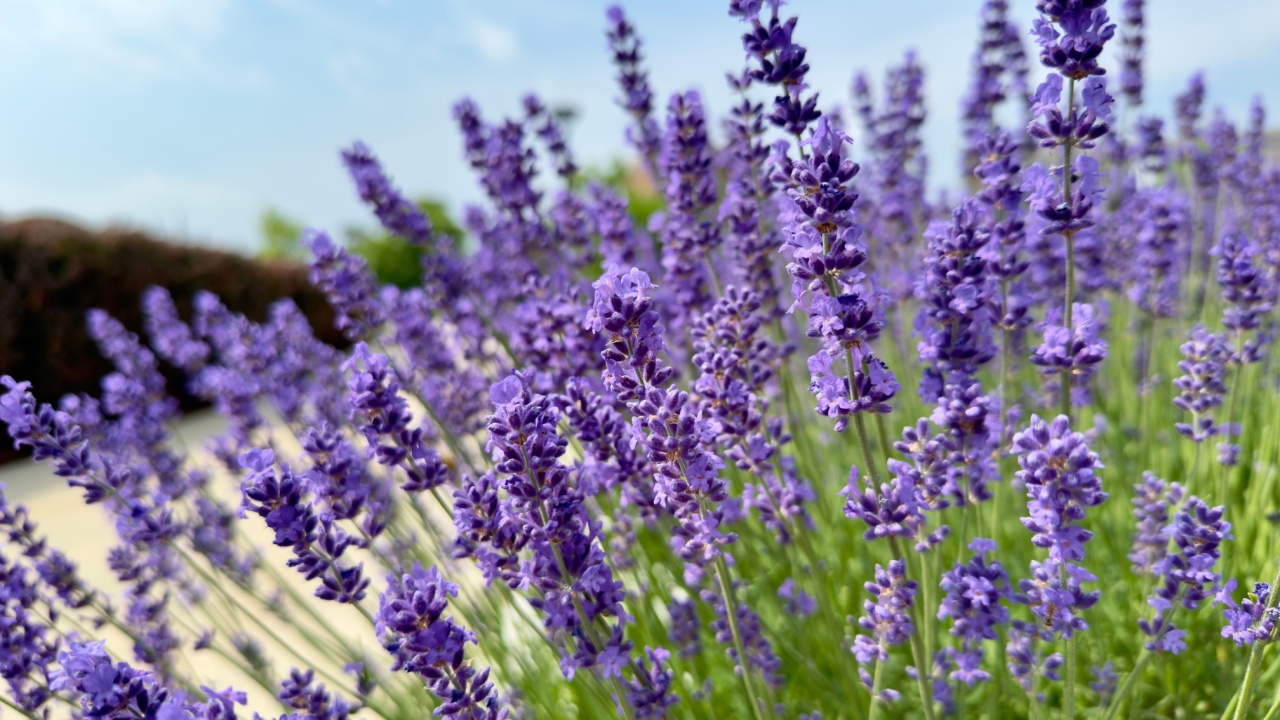
Known for its soothing fragrance and beautiful purple spikes, lavender is a garden favorite that is safe for pets to be around. While ingesting large quantities could cause minor stomach upset, it is generally considered non-toxic and is perfectly fine for planting in a garden shared with furry friends. Its silvery-green foliage and aromatic flowers add a touch of Mediterranean elegance.
Quick Care Guide:
- Light: Full sun.
- Water: Low; water only when the soil is dry to the touch.
- Soil: Gritty, alkaline, and extremely well-draining soil.
7. African Violet (Saintpaulia spp.)
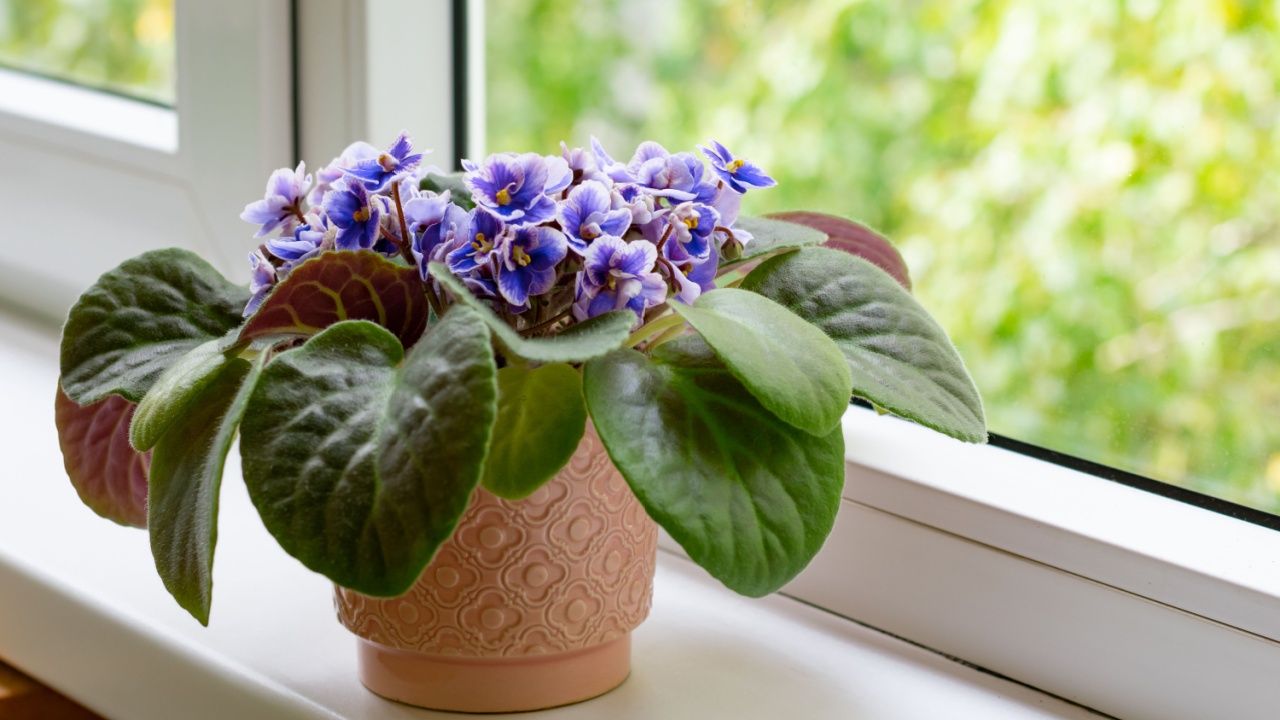
While often grown as a houseplant, African Violets can thrive outdoors in shady, protected spots in warmer climates. Their velvety leaves and delicate flowers in shades of purple, pink, and white are completely non-toxic to pets. They are a great choice for adding a pop of color to a shaded patio container or a sheltered garden bed.
Quick Care Guide:
- Light: Bright, indirect light or full shade.
- Water: Keep soil consistently moist but not soggy.
- Soil: Light, porous, and well-draining potting mix.
8. Thyme (Thymus vulgaris)

This low-growing, aromatic herb is another fantastic, pet-safe choice for your garden. Whether you plant creeping thyme as a fragrant groundcover or culinary thyme in your herb garden, you can rest easy knowing it poses no threat to your cats or dogs. Its tiny leaves release a lovely scent when brushed against, and it produces small, delicate flowers that attract bees.
Quick Care Guide:
- Light: Full sun.
- Water: Low; allow soil to dry out completely.
- Soil: Sandy, well-draining soil.
9. Hens and Chicks (Sempervivum spp.)
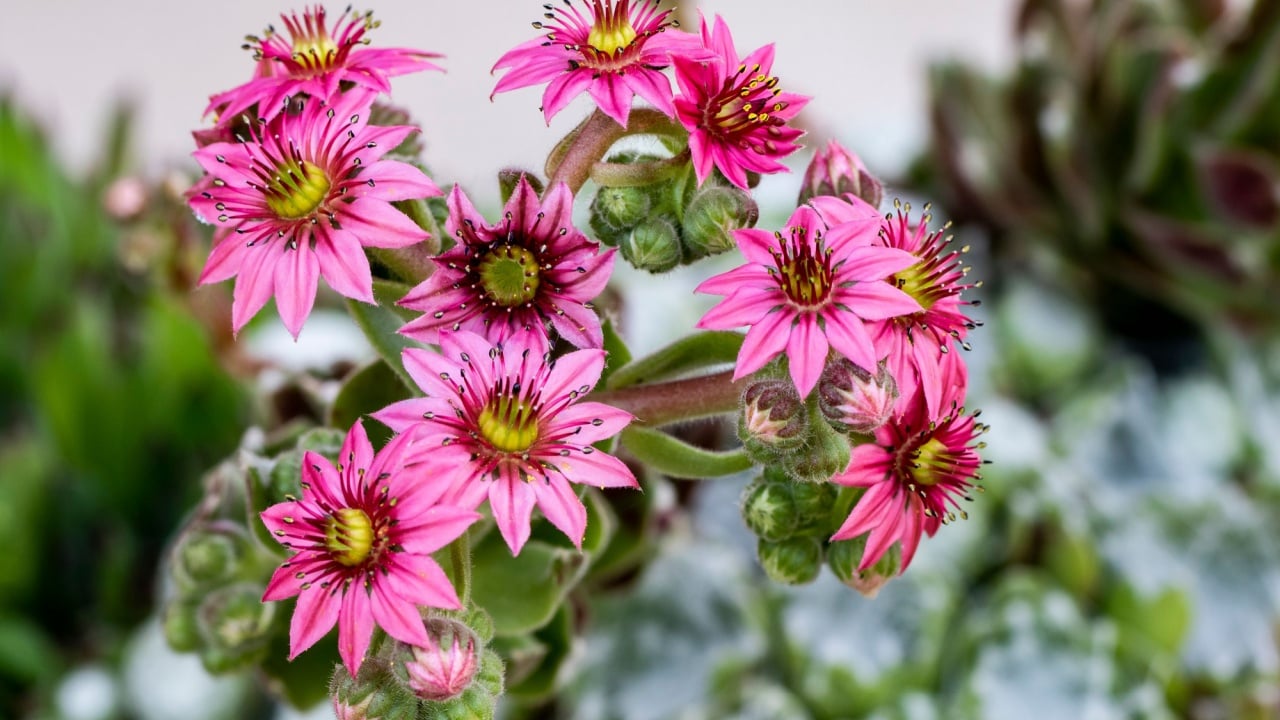
These charming succulents are named for the main rosette (“hen”) that sends out smaller baby rosettes (“chicks”). They are completely non-toxic and their interesting shapes and colors make them a wonderful addition to rock gardens, containers, and dry areas. They are incredibly resilient and require very little attention.
Quick Care Guide:
- Light: Full sun to light shade.
- Water: Very low; water sparingly.
- Soil: Gritty, sandy, fast-draining soil.
10. Catnip (Nepeta cataria)
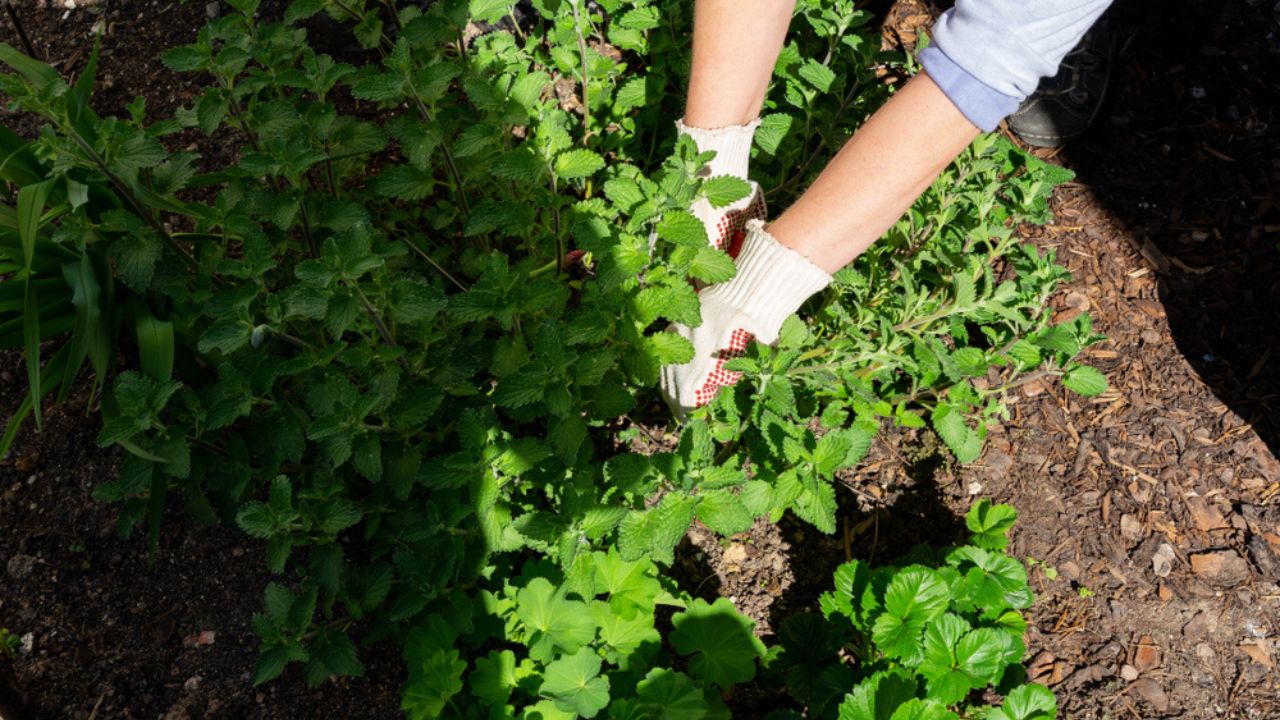
As the name suggests, this plant is a favorite of felines! Catnip is a member of the mint family and is entirely safe for both cats and dogs. While cats may experience a harmless, temporary euphoric effect from nibbling or rolling in it, it has no effect on dogs. It grows into a bushy perennial with gray-green leaves and small lavender flowers.
Quick Care Guide:
- Light: Full sun to partial shade.
- Water: Average; drought-tolerant once established.
- Soil: Adapts to most well-draining soils.
11. Boston Fern (Nephrolepis exaltata)
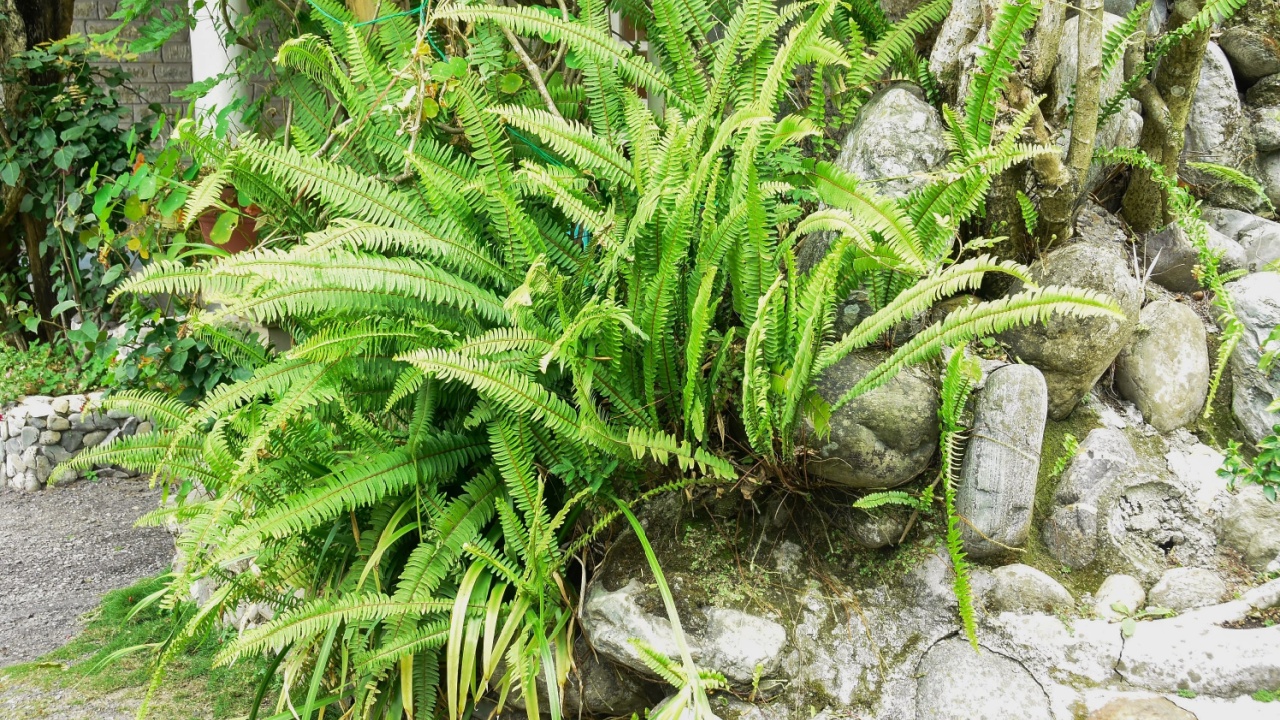
Boston Ferns bring a lush, classic look to any space with their graceful, arching fronds. They are completely non-toxic, so you don’t need to worry if your pet decides to bat at or chew on a frond. They are perfect for hanging baskets on a shaded porch or as filler in a shade garden.
Quick Care Guide:
- Light: Indirect light or full shade.
- Water: Keep soil consistently moist.
- Soil: Rich, moist, well-draining soil.
12. Impatiens (Impatiens spp.)
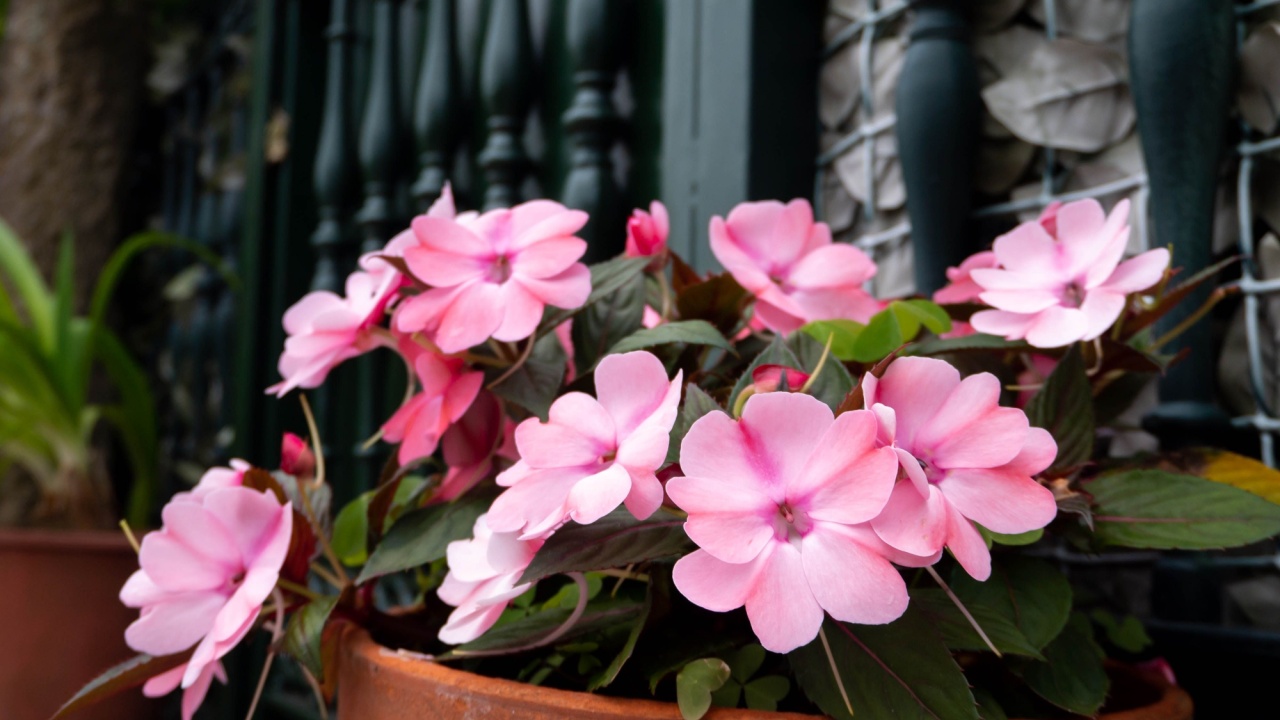
For reliable, vibrant color in shady spots, Impatiens are an unbeatable choice. These popular annuals are safe for pets and produce a profusion of flowers in white, pink, orange, red, and purple all season long. They are perfect for brightening up dark corners of your yard, lining a shady walkway, or filling containers and window boxes.
Quick Care Guide:
- Light: Partial to full shade.
- Water: High; keep soil consistently moist.
- Soil: Rich, moist, well-draining soil.
13. Spider Plant (Chlorophytum comosum)

Spider plants are renowned for their air-purifying qualities and distinctive look, with long, arching leaves and baby “spiderettes” that dangle from the mother plant. They are non-toxic to cats and dogs, though cats are often attracted to their dangly leaves as a plaything. They work wonderfully in hanging baskets where their babies can cascade down.
Quick Care Guide:
- Light: Bright, indirect light.
- Water: Water thoroughly, then allow soil to dry out slightly.
- Soil: Well-draining potting mix.
14. Phlox (Phlox spp.)
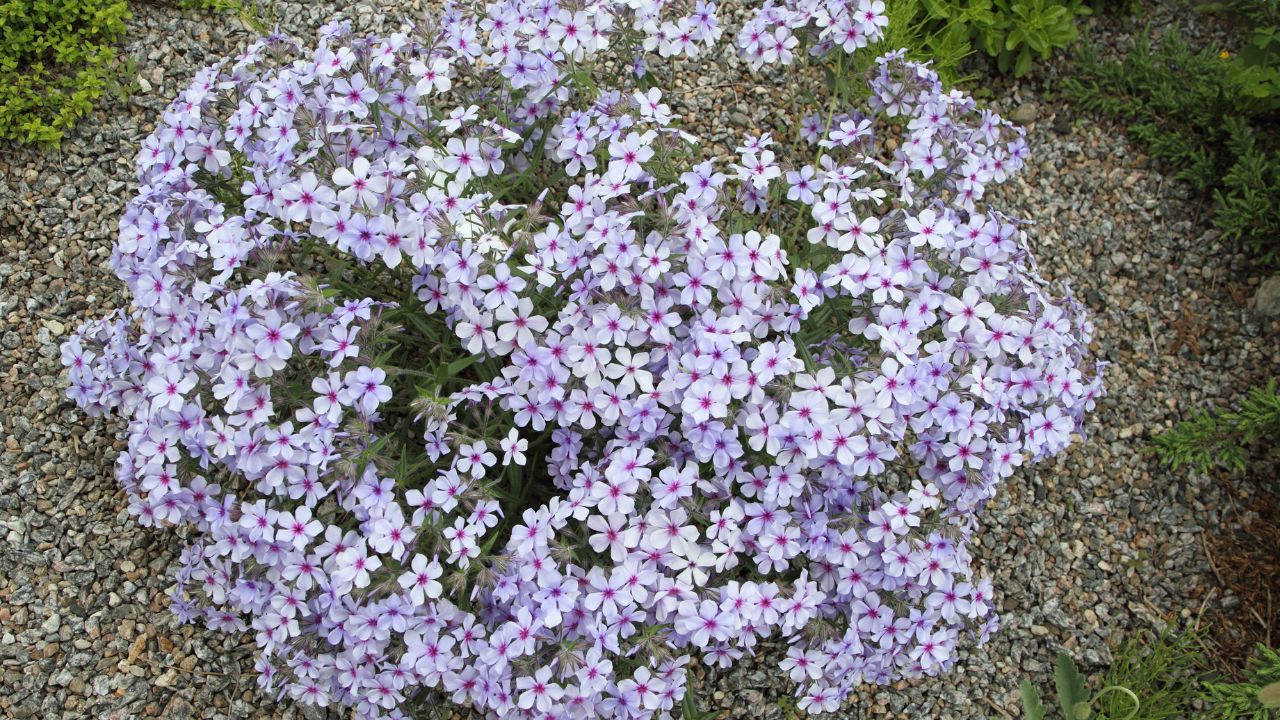
Phlox offers a beautiful range of options, from low-growing creeping varieties that create a carpet of spring color to tall garden phlox that blooms in mid-summer. All varieties are pet-safe and produce clusters of fragrant, star-shaped flowers that are highly attractive to butterflies.
Quick Care Guide:
- Light: Full sun to light shade.
- Water: Varies by type; creeping phlox is drought-tolerant, while garden phlox needs more moisture.
- Soil: Moist, well-draining soil.
15. Fountain Grass (Pennisetum spp.)
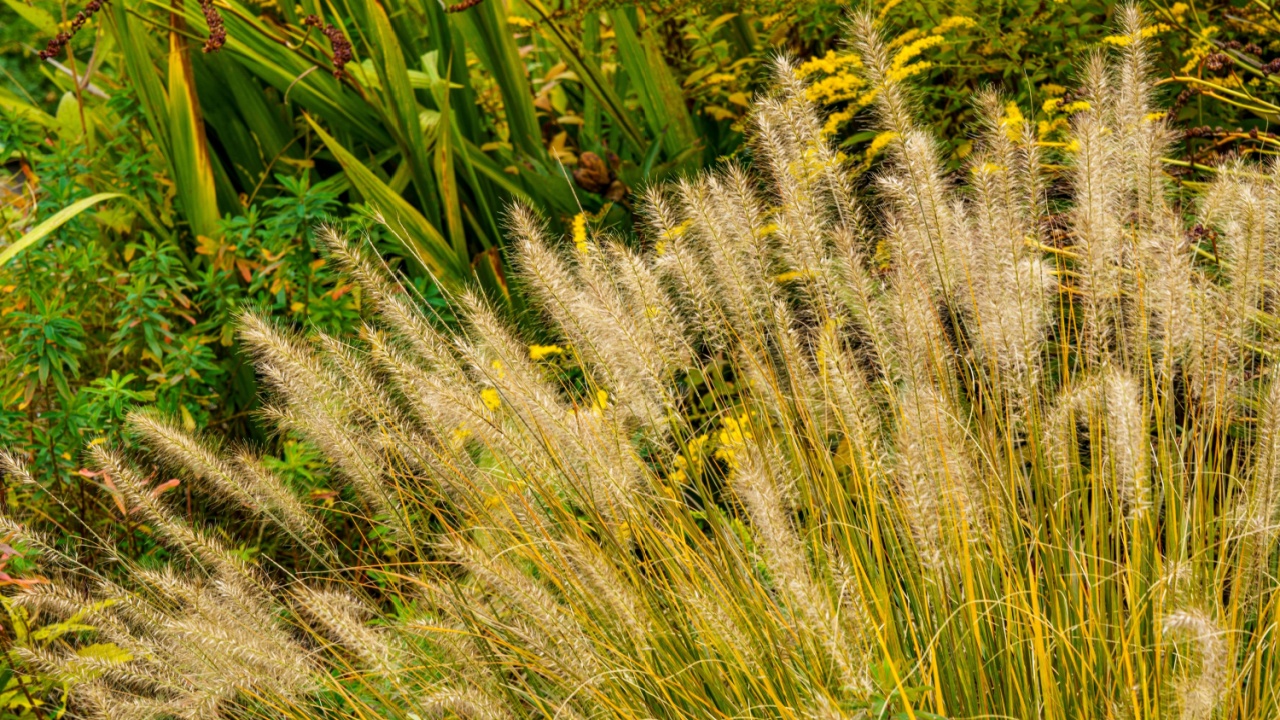
Ornamental grasses like Fountain Grass can add texture, movement, and drama to your garden, and they are a safe choice for pets. Their arching foliage and fluffy, bottlebrush-like plumes in late summer create a soft, graceful effect. They are beautiful as standalone specimens or planted in sweeping masses.
Quick Care Guide:
- Light: Full sun.
- Water: Low to average; drought-tolerant once established.
- Soil: Adapts to most well-draining soils.
16. Mint (Mentha spp.)
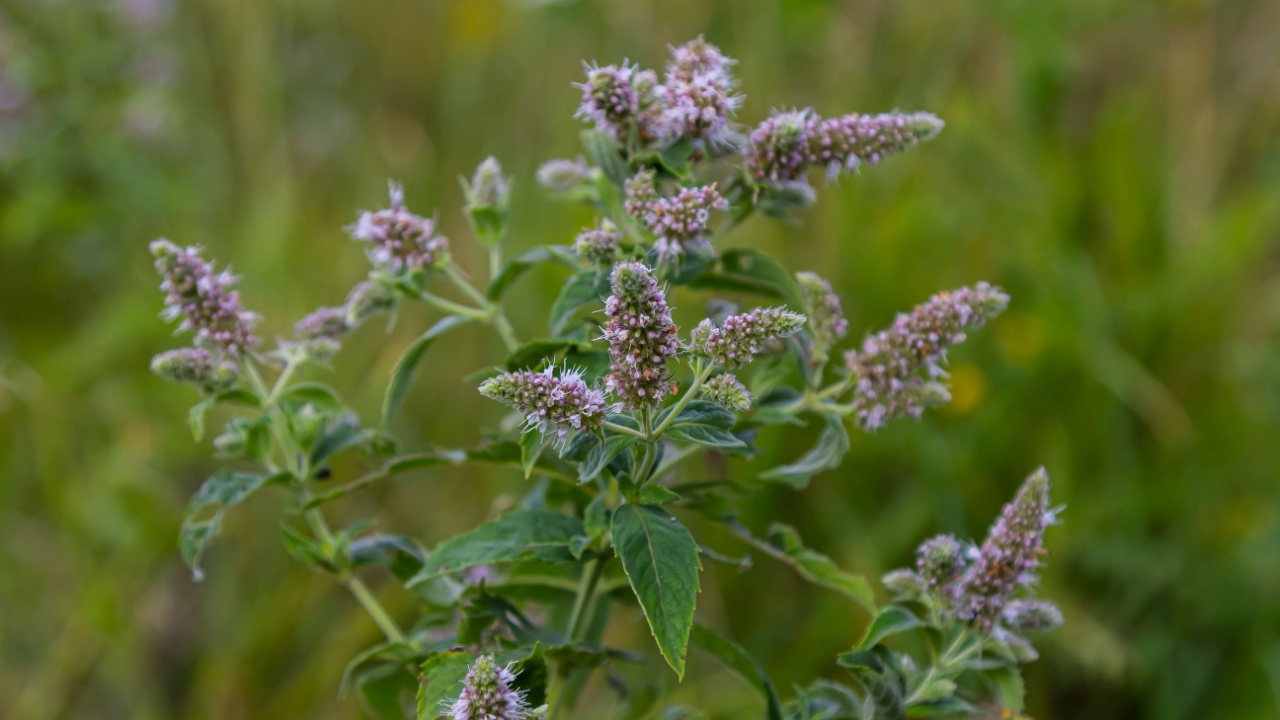
Like its relative catnip, mint is perfectly safe for pets. This fast-growing herb comes in many varieties, from peppermint to spearmint to chocolate mint, each with its own unique fragrance. It’s wonderful for making teas or garnishing drinks, and its vigorous nature makes it a resilient garden plant.
Quick Care Guide:
- Light: Full sun to partial shade.
- Water: Keep soil consistently moist.
- Soil: Rich, well-draining soil.
17. Areca Palm (Dypsis lutescens)
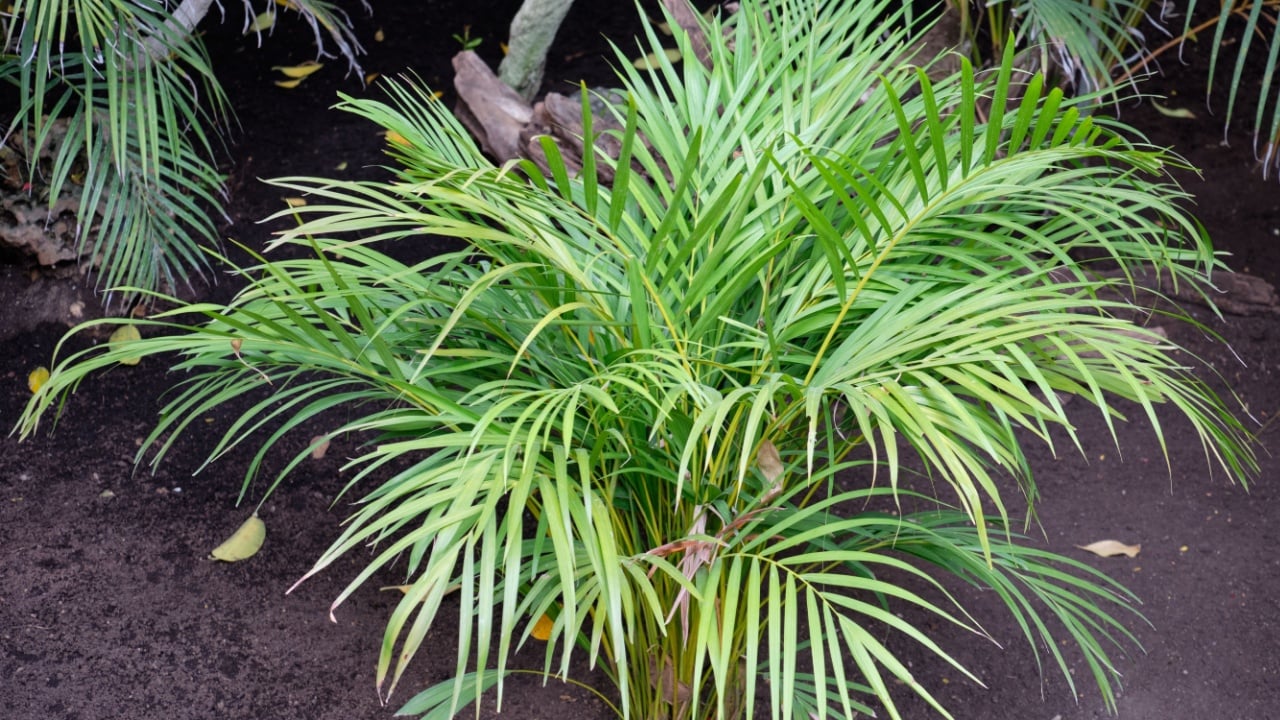
If you’re looking to add a tropical flair to your patio or backyard, the Areca Palm is an excellent, non-toxic choice. With its feathery, arching fronds, it creates a lush, vacation-like atmosphere. While it’s a popular houseplant, it can be grown outdoors year-round in frost-free climates (zones 10-11) or used as a container plant that is brought inside for the winter.
Quick Care Guide:
- Light: Bright, indirect light.
- Water: Allow soil to dry slightly between waterings.
- Soil: Peat-based, well-draining potting mix.
18. Alyssum (Lobularia maritima)
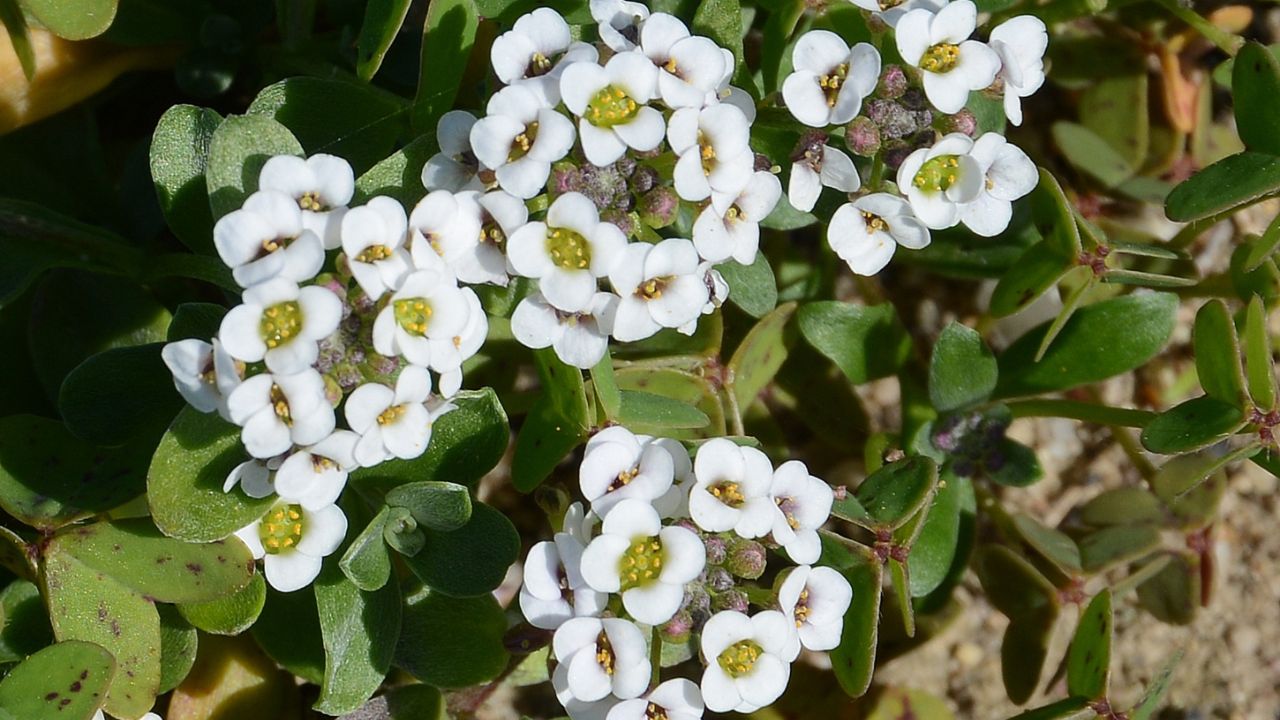
Sweet Alyssum is a low-growing, spreading annual that produces dense clusters of tiny, fragrant flowers. It’s completely pet-safe and is perfect for edging pathways, spilling over the sides of containers, or filling gaps in a flower bed. Its honey-scented blooms are a magnet for beneficial insects.
Quick Care Guide:
- Light: Full sun to partial shade.
- Water: Average; keep soil moderately moist.
- Soil: Well-draining soil.
19. Bamboo (Bambusoideae family)

It’s important to know that true bamboo (from the Bambusoideae family) is non-toxic to cats and dogs. However, a common houseplant called “Lucky Bamboo” (Dracaena sanderiana) is not a true bamboo and is toxic. For outdoor planting, choose a clumping variety of true bamboo, rather than a running variety, to prevent it from spreading uncontrollably. Bamboo can create a fantastic, fast-growing privacy screen.
Quick Care Guide:
- Light: Full sun to partial shade (varies by species).
- Water: Keep consistently moist, especially when new.
- Soil: Rich, well-draining soil.
20. Sage (Salvia officinalis)
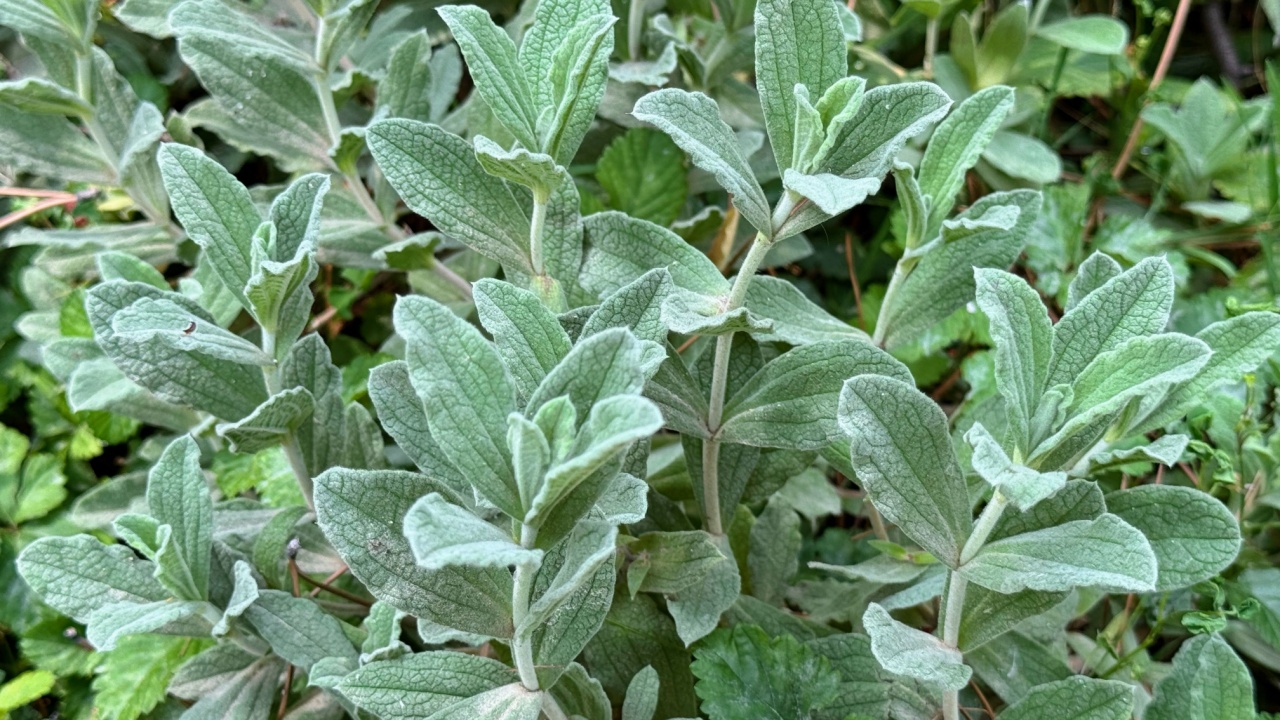
Common culinary sage is another herb that is safe to have in a garden with pets. Its soft, grayish-green leaves are wonderfully aromatic and can be used to flavor a variety of dishes. In early summer, it produces spikes of lovely purplish-blue flowers. It grows into a small, woody shrub that adds nice texture to the garden.
Quick Care Guide:
- Light: Full sun.
- Water: Low; allow soil to dry out between waterings.
- Soil: Well-draining soil.
21. Coral Bells (Heuchera)
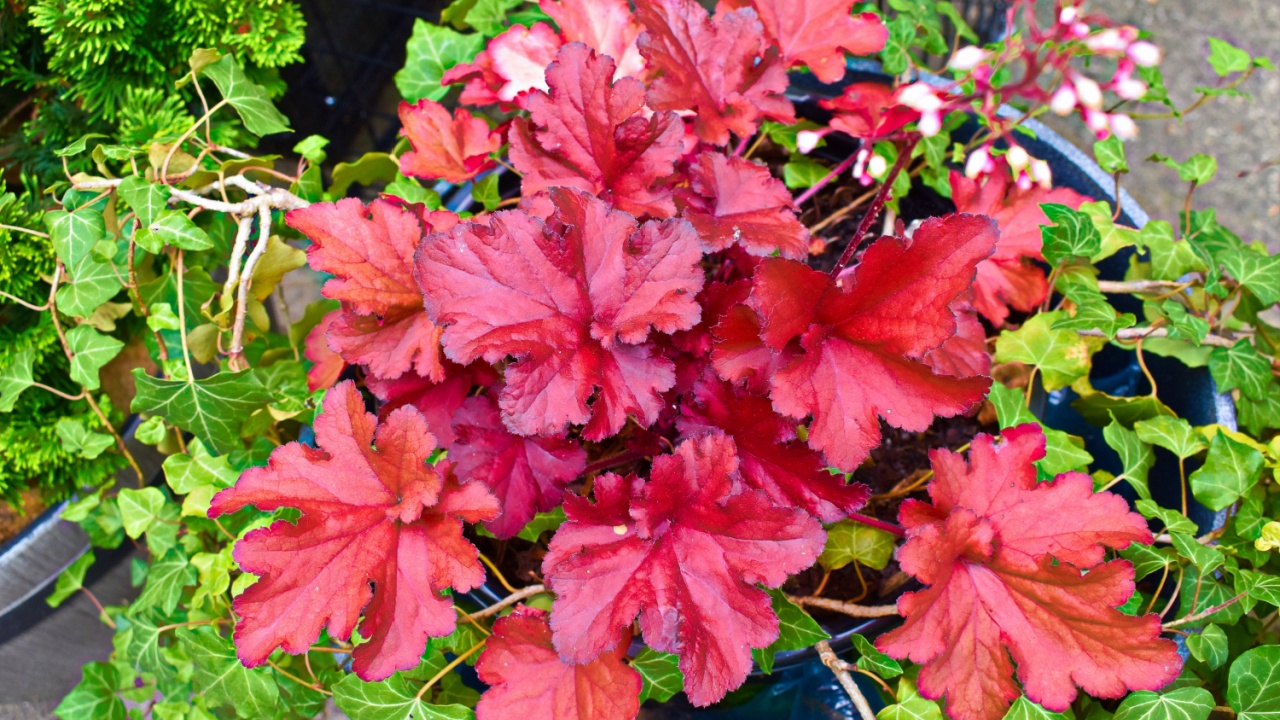
Coral Bells are prized for their stunning foliage, which comes in an incredible array of colors from deep purple and bronze to lime green and vibrant orange. These mounding perennials are completely non-toxic to pets. In late spring or early summer, they send up delicate, airy wands of tiny, bell-shaped flowers that attract hummingbirds.
Quick Care Guide:
- Light: Partial shade to full shade.
- Water: Keep soil consistently moist but not wet.
- Soil: Humus-rich, well-draining soil.
22. Camellia (Camellia japonica)
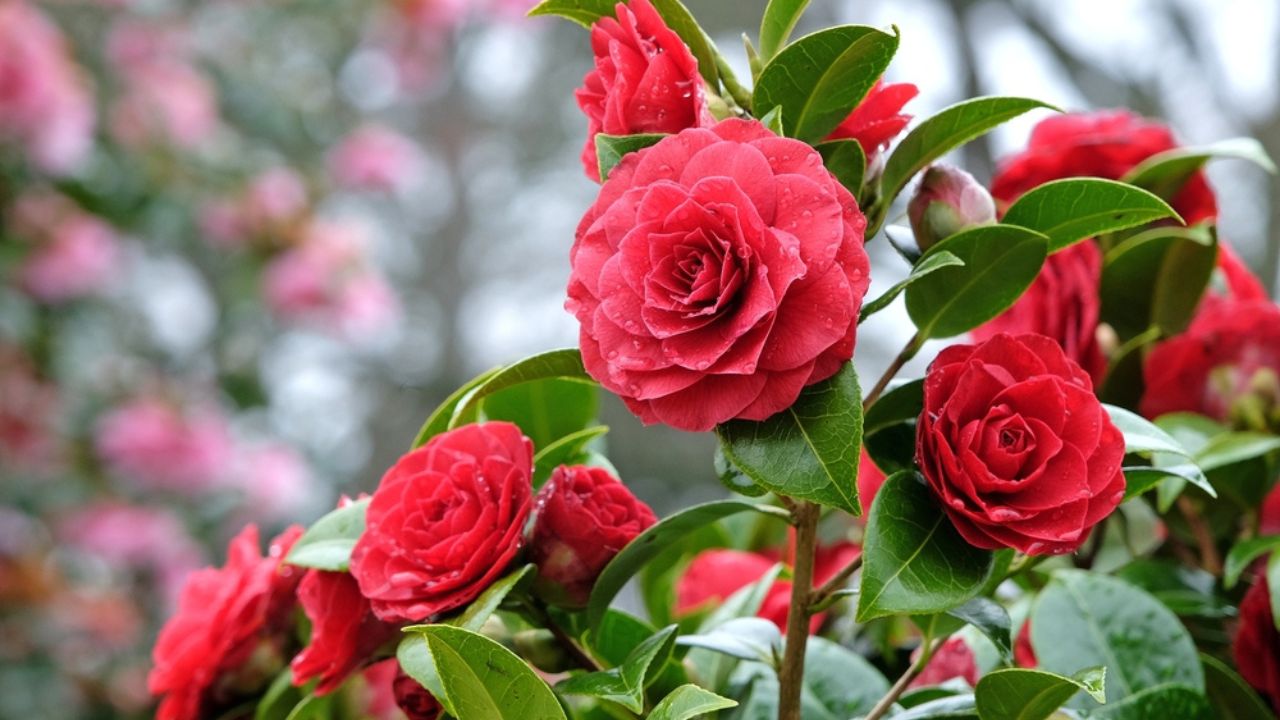
For a show-stopping, pet-safe shrub, look no further than the Camellia. These elegant, evergreen plants produce large, rose-like blossoms in shades of white, pink, and red during the cooler months of fall, winter, or spring. Their glossy, dark green leaves provide a beautiful backdrop for the stunning flowers, and the entire plant is non-toxic.
Quick Care Guide:
- Light: Partial shade (morning sun is ideal).
- Water: Keep soil consistently moist.
- Soil: Acidic, rich, and well-draining.
Your Next Steps to a Pet-Friendly Garden
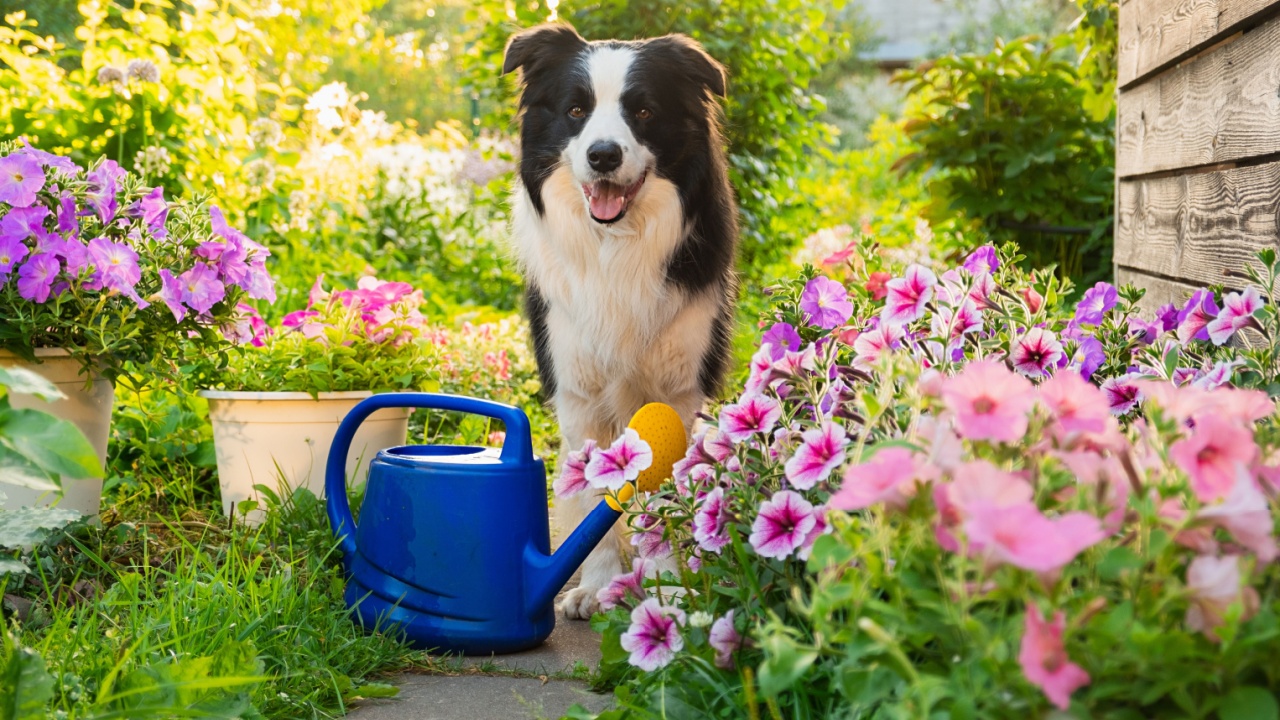
Now that you have a list of beautiful and safe plants, you’re ready to start designing your pet-friendly paradise. Begin by observing your yard to see which areas get sun and which are shady. This will help you choose the right plants for the right spots.
Start small by picking two or three of your favorites from this list to add to your garden this season. You can plant them in containers on your patio or create a new garden bed. As you get more comfortable, you can continue to replace any potentially toxic plants with these safer alternatives. Most importantly, have fun creating a space where both you and your furry family members can relax and enjoy the beauty of nature, worry-free.
We’d love to see what you create! Share your pet-friendly garden successes and photos in the comments below.
Read more
13 Pet-Friendly Plants That Are Safe for Your Furry Friends
17 Hacks to Keep the Backyard Safe for Pets