
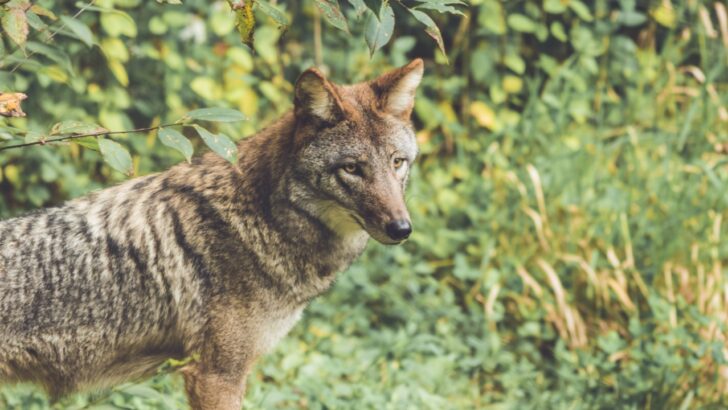
Enjoying your backyard sanctuary often means coexisting with local wildlife. While watching birds and squirrels can be a delight (if they aren’t eating all your ripe tomatoes), the presence of coyotes can turn a peaceful garden into a source of anxiety, especially if you have pets.
These intelligent and adaptable canids are increasingly common in suburban areas, drawn by the resources our yards provide. The key to keeping them at a distance isn’t about conflict; it’s about making your space unappealing to them.
By understanding what attracts coyotes, you can take simple but effective steps to protect your pets, your garden, and your peace of mind. This guide will walk you through twelve proven methods to make your yard a coyote-free zone for good.
1. Secure All Food Sources

Image Credit: Shutterstock.
The primary reason a coyote will visit your property is for an easy meal. They are opportunistic scavengers and will not pass up readily available food. This includes pet food left on the porch, scraps in an open compost bin, or unsecured trash cans.
To remove this powerful attractant, make it a rule to feed pets indoors. If outdoor feeding is unavoidable, bring the bowls and any leftover food inside as soon as your pet has finished eating. Ensure your trash cans have tight-fitting, lockable lids. For compost piles, use enclosed bins rather than open heaps to keep the smell and access contained. By eliminating their food supply, you remove the biggest welcome sign for coyotes.
Quick Tips:
- Feed pets indoors.
- Use trash cans with secure, locking lids.
- Enclose compost piles in a bin.
- Clean up outdoor grilling areas promptly after use.
2. Keep Bird Feeder Areas Tidy
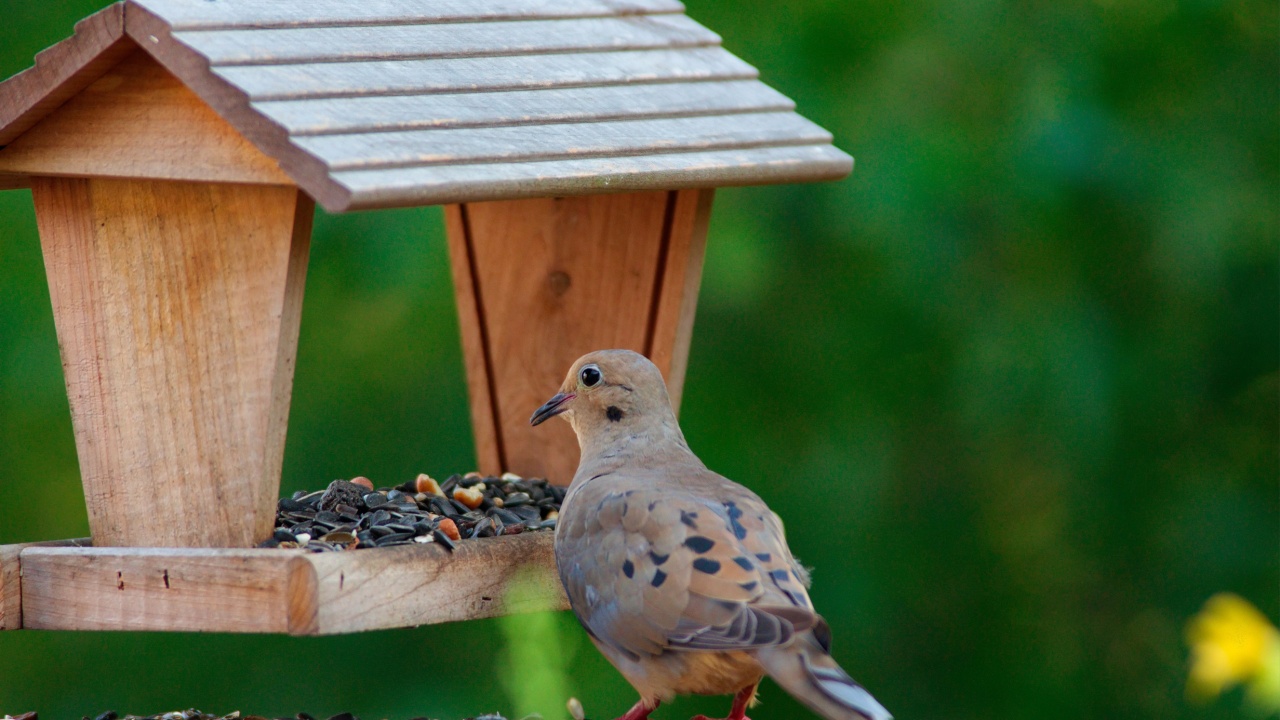
Image Credit: Shutterstock.
While you might love attracting songbirds to your garden, the fallout from their feeding can attract more than just feathered friends. Coyotes are not interested in the birdseed itself, but they are very interested in the rodents and rabbits that are. Birds are messy eaters, and the seeds they spill create a reliable food source for small mammals.
A yard full of well-fed rodents is a five-star restaurant for a hungry coyote. To prevent this, take steps to keep the ground below your feeders clean. You can install a seed-catching tray beneath the feeder to minimize spillage. Alternatively, choose a no-mess birdseed blend that birds are more likely to finish completely. Regularly sweeping the area is another simple and effective solution.
Quick Tips:
- Install a seed-catching tray under your bird feeder.
- Sweep up spilled seeds daily.
- Switch to a no-mess birdseed blend.
- Store birdseed in a sealed, pest-proof container.
3. Clean Up Fallen Fruit and Garden Produce

Image Credit: Shutterstock.
Your beautiful fruit trees and bountiful vegetable garden can be another major draw for coyotes. Contrary to what many believe, coyotes are omnivores and will happily supplement their diet with fruits, berries, and even vegetables like melons. Fallen apples, plums, or berries provide a sweet and easy snack.
Make it a habit to regularly patrol your yard and pick up any fruit that has dropped from trees or vines. If you have a vegetable garden, harvest ripe produce promptly. A well-maintained garden not only looks better but also offers fewer temptations for wildlife. Protecting your harvest is a win-win, ensuring you get to enjoy the fruits of your labor, not the local coyotes.
Quick Tips:
- Pick up fallen fruit from the ground at least every other day.
- Harvest vegetables and fruits from your garden as soon as they ripen.
- Use fencing around vegetable patches to deter various animals.
4. Don’t Tolerate Rodents
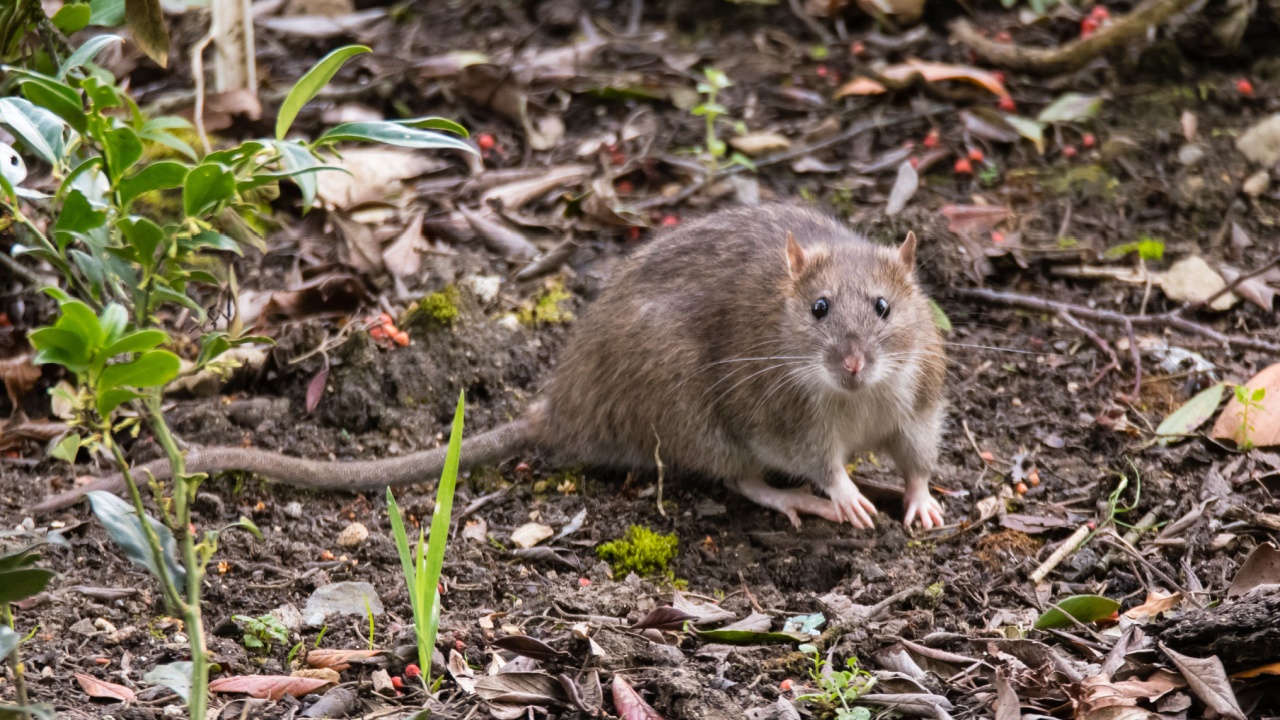
Image Credit: Shutterstock.
A healthy population of mice, voles, or rats in your yard is an open invitation for predators. Coyotes are natural rodent hunters, and if your property offers a steady supply, they will become regular visitors. Managing rodents is a critical step in coyote deterrence.
Start by eliminating rodent habitats. Remove woodpiles, clear away thick brush, and seal any cracks or holes in your home’s foundation, shed, or garage where they might nest. Avoid using poison, as this can lead to secondary poisoning of predators like owls, hawks, and even coyotes, which can create a more significant ecological imbalance. Instead, focus on exclusion and habitat reduction, and consider using traps as a targeted solution if needed.
Quick Tips:
- Clear brush, high grass, and debris piles.
- Store firewood on a raised platform away from buildings.
- Seal any gaps in foundations, porches, or sheds.
- Use traps instead of poison for rodent control.
5. Clear Potential Hiding Spots

Image Credit: Depositphotos.com.
Coyotes are naturally cautious and prefer to move through areas where they have cover. A yard with overgrown bushes, tall grass, and dense thickets provides the perfect hidden highway for them to travel unseen. By tidying up your landscape, you make your yard feel more exposed and less safe for a coyote.
Keep your lawn mowed regularly. Trim the lower branches of shrubs and trees to create a clear space of at least a foot off the ground, which eliminates low-lying hiding spots. Clear out any brush piles or overgrown corners of your property. An open, well-maintained yard gives a coyote nowhere to hide, making it far more likely to pass by without stopping.
Quick Tips:
- Keep your lawn mowed to a reasonable height.
- Trim lower branches of bushes and trees to improve visibility.
- Remove brush piles and clear out weedy, overgrown areas.
- Maintain clear sightlines from your house to the edges of your yard.
6. Use Frightening Devices
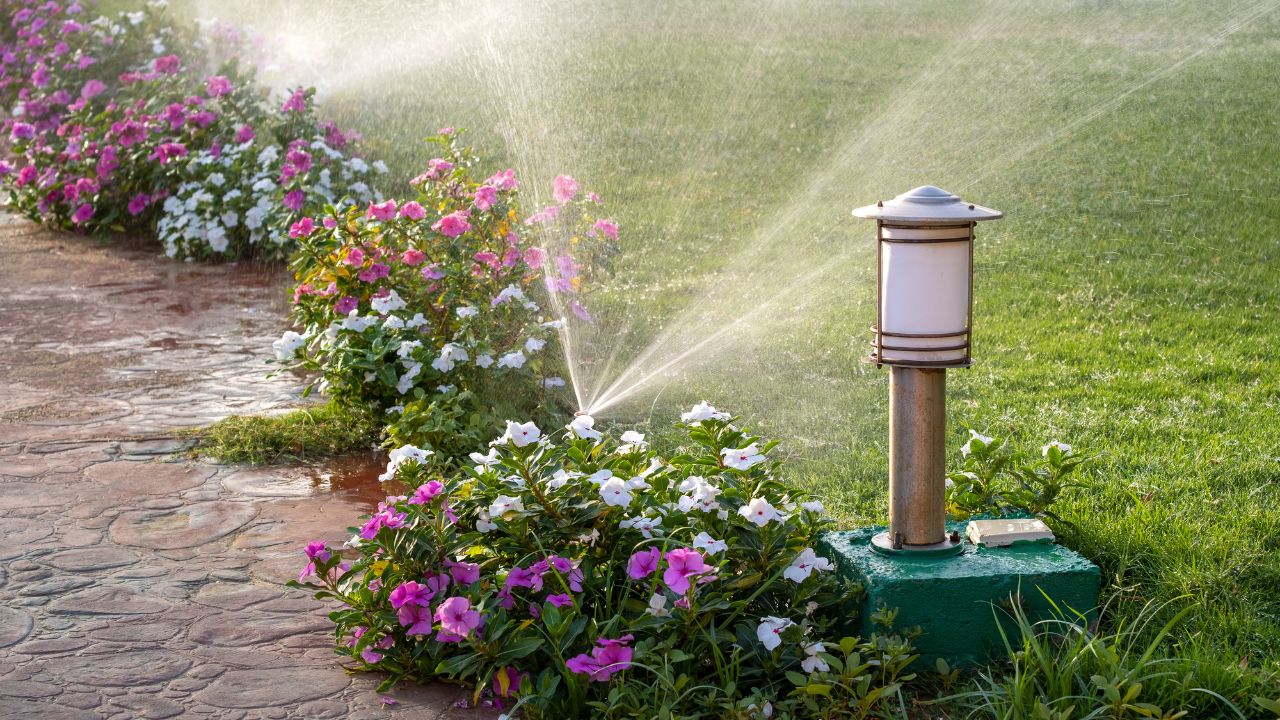
Image Credit: Shutterstock.
Because coyotes are naturally wary of new and unpredictable things, you can use startling devices to make your yard an uncomfortable place for them. These methods work by creating sudden, unexpected sounds, sights, or movements that trigger a coyote’s instinct to flee.
Motion-activated devices are particularly effective. Sprinklers can deliver a startling blast of water, while motion-activated lights can suddenly illuminate a dark yard. You can also hang reflective tape, old CDs, or pie tins that will flash and move in the wind. The key to success is to move these devices periodically. Coyotes are smart and will eventually learn to ignore a stationary object, a process called habituation. Changing the location or type of deterrent keeps them guessing.
Quick Tips:
- Install motion-activated sprinklers or lights.
- Hang reflective items that move in the wind.
- Use wind chimes or other noisemakers.
- Move deterrents to new locations every few weeks.
7. Install a Coyote-Proof Fence
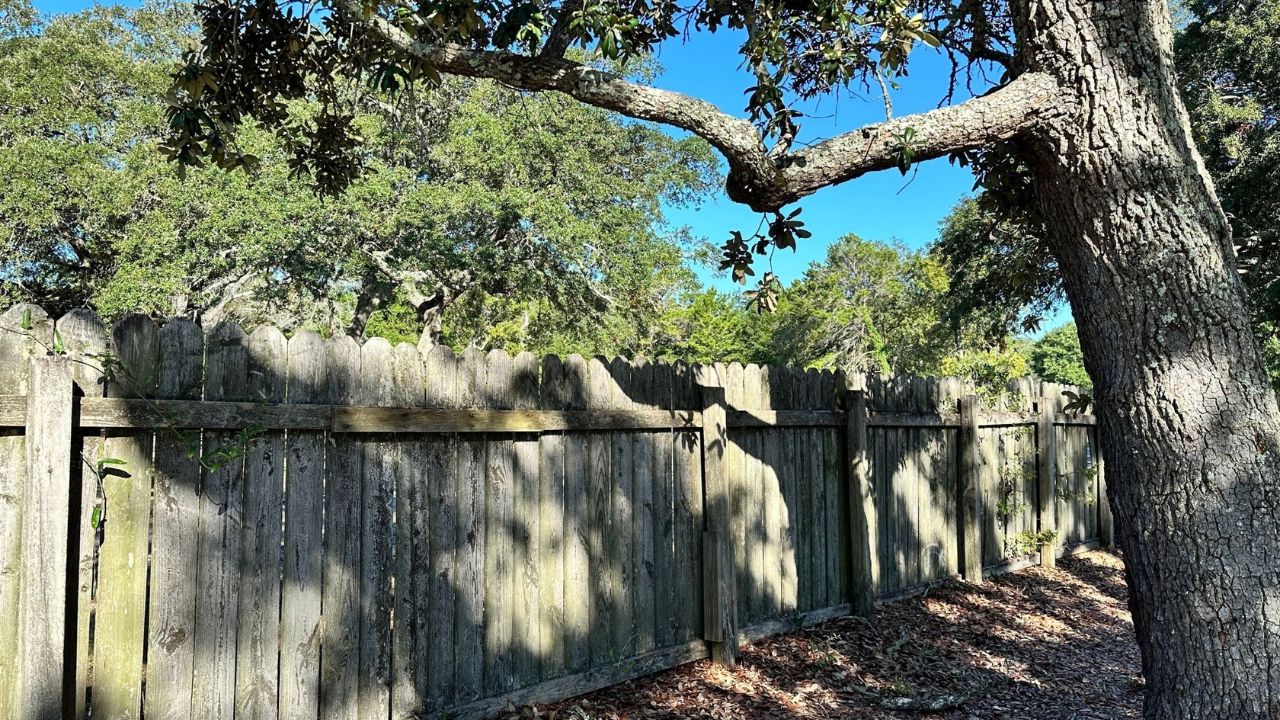
Image Credit: Shutterstock.
For a more permanent solution, a properly designed fence is one of the most effective ways to keep coyotes out. However, a standard four-foot chain-link or picket fence will not stop a determined coyote. They are excellent jumpers and climbers and will also dig underneath a barrier.
An effective coyote-proof fence should be at least six feet tall. Choose a material that does not offer easy footholds, like smooth wood or vinyl. To prevent climbing, you can add a coyote roller to the top of the fence. These are aluminum rollers that spin when an animal tries to get a grip, causing them to fall back. To stop them from digging, bury wire mesh at least six inches deep at the base of the fence and extend it outward in an “L” shape.
Quick Tips:
- Ensure your fence is at least six feet high.
- Install coyote rollers on the top rail to prevent climbing.
- Bury wire mesh at the base of the fence to prevent digging.
- Regularly inspect your fence for any holes or damage.
8. Seal Off Spaces Under Buildings

Image Credit: Shutterstock.
Coyotes are always on the lookout for a safe, sheltered place to rest during the day or to create a den for raising pups. The dark, protected space under a porch, deck, or garden shed is an ideal location. If a coyote establishes a den on your property, it will become much more difficult to encourage them to leave.
Before denning season in the spring, thoroughly inspect your property for any potential den sites. Look for openings under porches, decks, and outbuildings. Securely seal these areas with sturdy wire mesh or solid wood. Make sure to check that no animals are currently inside before you seal the opening.
Quick Tips:
- Inspect the perimeter of your home, deck, and sheds for openings.
- Use heavy-duty wire mesh (hardware cloth) to seal gaps.
- Ensure no animals are trapped inside before sealing an entrance.
- Perform this check annually, especially in late winter.
9. Supervise Pets and Keep Them In at Night
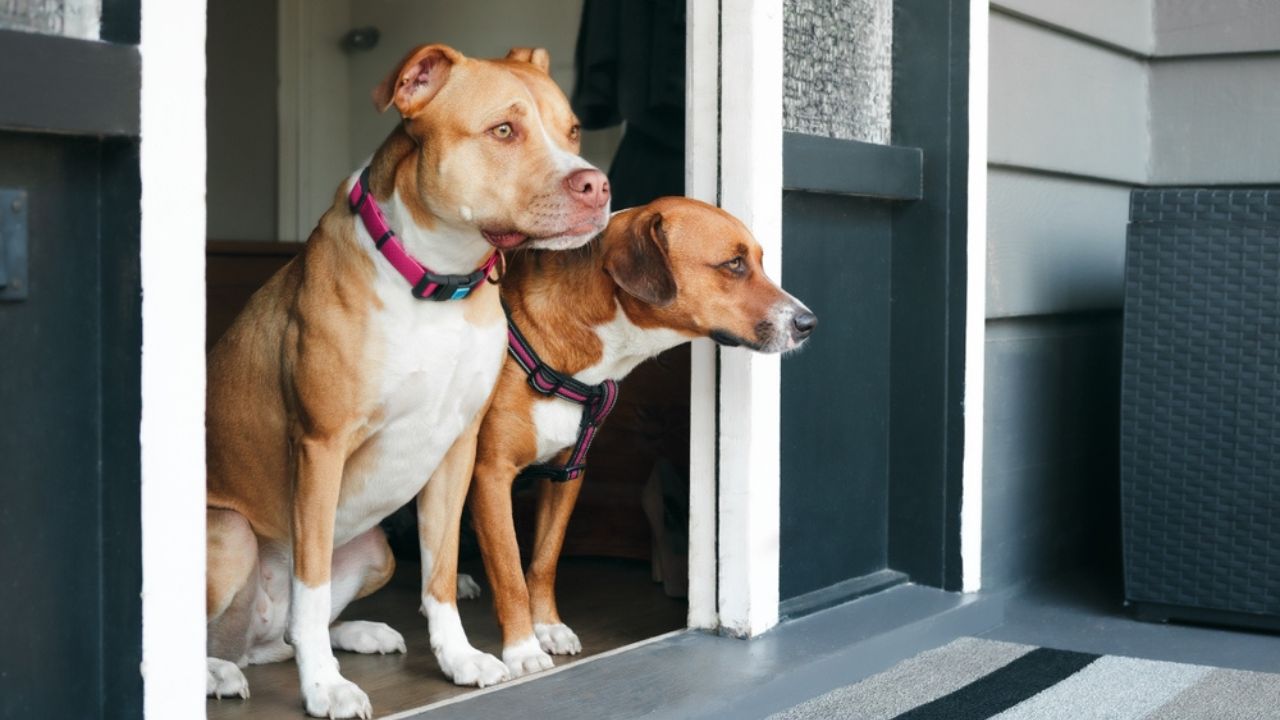
Image Credit: Shutterstock.
Small pets, including cats and small-breed dogs, can unfortunately be seen as prey by coyotes. It is essential to never leave them unattended in the yard, especially during the times when coyotes are most active at dawn, dusk, and throughout the night.
Always accompany your small pets outside, keeping them on a leash if your yard is not securely fenced. Even with a fence, supervision is wise. Bring all pets indoors before nightfall. A coyote can scale a fence in seconds, so your presence is the most reliable deterrent. For larger dogs, while they are less likely to be seen as prey, conflicts can still occur, so supervision is still recommended.
Quick Tips:
- Accompany small pets outdoors, even in a fenced yard.
- Keep pets on a leash if your yard is unfenced.
- Bring all pets inside from dusk until dawn.
- Never assume your pet is safe just because it is a large breed.
10. Use Scent Deterrents

Image Credit: Shutterstock.
Coyotes have a powerful sense of smell, which you can use to your advantage. Certain scents signal danger or are simply unpleasant, causing them to avoid an area. Common scent deterrents include predator urine (like wolf urine), ammonia-soaked rags, or strong perfumes.
To use these, strategically place them around the perimeter of your yard or near specific areas you want to protect. Keep in mind that scents will fade over time and need to be reapplied regularly, especially after rain. While not a foolproof standalone solution, scent deterrents can be an effective part of a multi-layered prevention strategy.
Quick Tips:
- Soak rags in ammonia or vinegar and place them around your yard’s perimeter.
- Use commercially available predator urine sprays.
- Reapply scents every week and after any rainfall.
- Sprinkle cayenne pepper flakes in areas you want to protect.
11. Practice Hazing
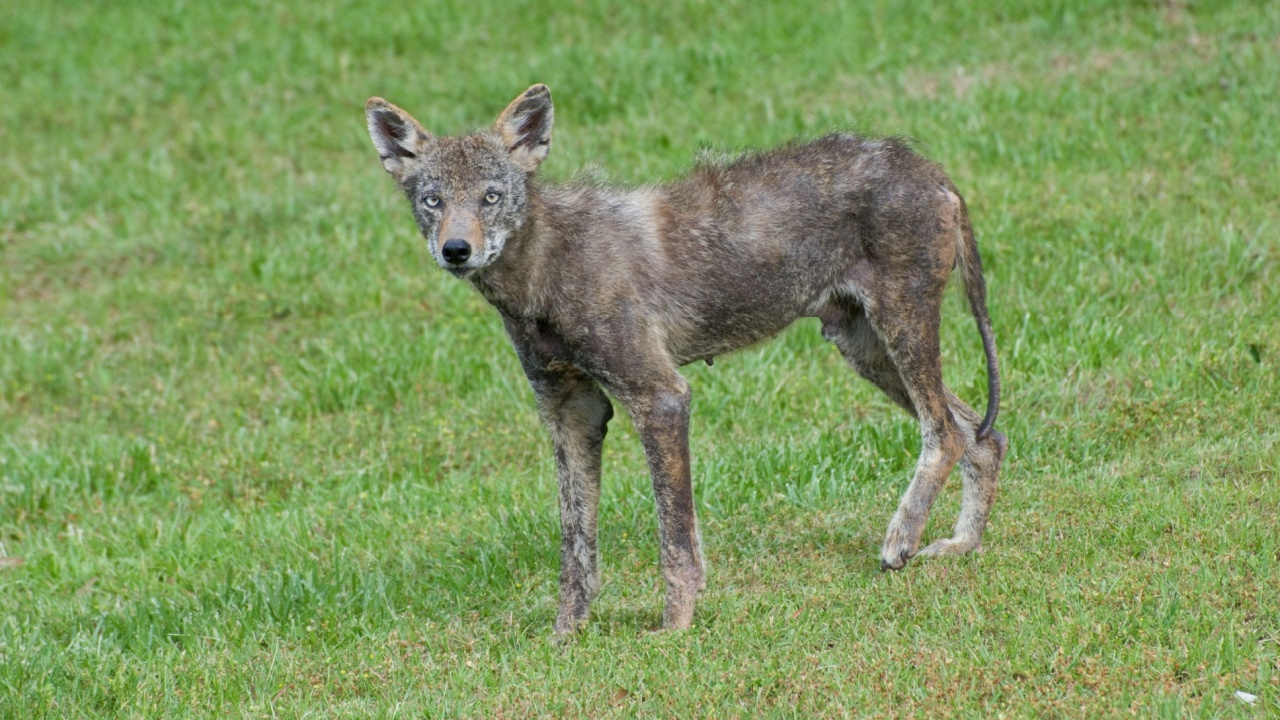
Image Credit: Shutterstock.
If you see a coyote in your yard or neighborhood, it’s important to reinforce its natural fear of humans. This practice is known as hazing. The goal is never to harm the animal, but to make it feel unwelcome and unsafe. A coyote that is comfortable around people is more likely to become a problem.
If a coyote does not immediately run away upon seeing you, make yourself look as large as possible by waving your arms. Yell in a loud, deep voice. You can also make noise by banging pots and pans, using an air horn, or shaking a can filled with coins. Throwing small stones or a tennis ball in its direction (not directly at it) can also work. Never run away from a coyote, as this can trigger a chase response.
Quick Tips:
- Make loud noises by yelling, using an air horn, or banging pans.
- Make yourself appear large by waving your arms.
- Throw small objects in the coyote’s direction.
- Never turn your back or run away.
12. Remove Outdoor Water Sources
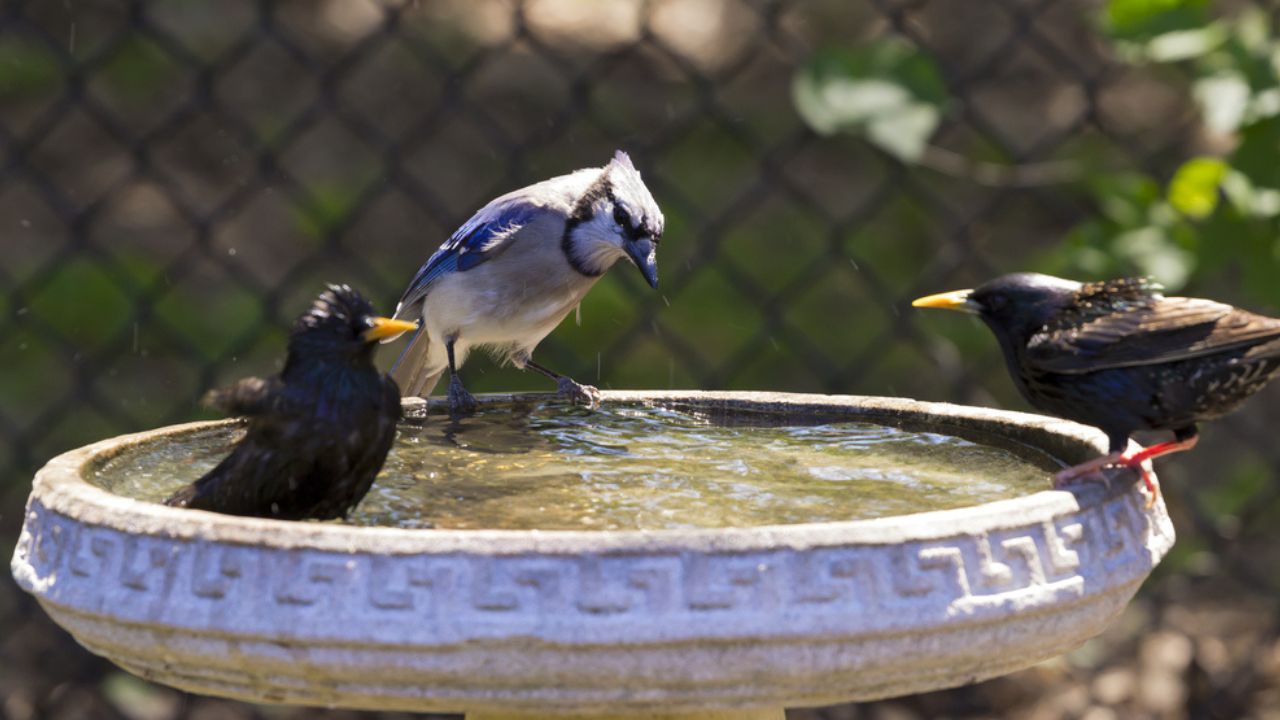
Image Credit: Shutterstock.
In addition to food and shelter, wildlife needs water. While you can’t eliminate every puddle after a rainstorm, you can remove standing water sources that consistently draw animals to your yard. Coyotes will drink from birdbaths, outdoor pet water bowls, and ponds.
Empty birdbaths at night or consider models that are too high for a coyote to easily access. As with food, bring pet water bowls inside, especially overnight. If you have a decorative pond, the best approach is to ensure the rest of your yard is uninviting. By removing the food attractants and hiding spots, a water source alone is less likely to be a major draw.
Quick Tips:
- Bring pet water dishes inside overnight.
- Empty birdbaths before dusk.
- Fix leaky outdoor faucets or hoses.
- Ensure your property has good drainage to prevent standing water.
Your Next Steps for a Coyote-Free Yard
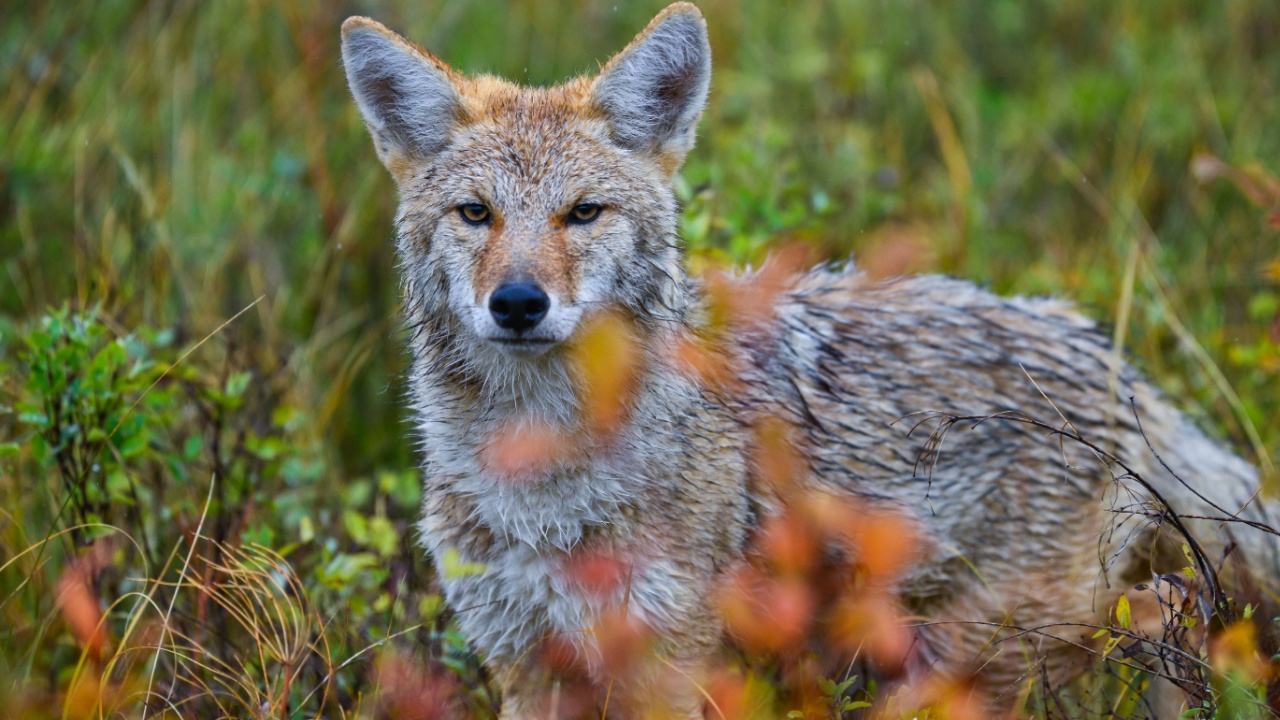
Image Credit: Shutterstock.
Protecting your yard from coyotes is an ongoing process of management, not a one-time fix. The most successful approach is a consistent one. Start by walking through your property with this list in mind. Identify and remove any potential food, water, or shelter sources that might be attracting wildlife. Secure your trash, clean up your garden, and supervise your pets.
By making your yard less hospitable, you encourage coyotes to move on to easier territories. Taking these proactive steps not only keeps unwanted visitors away but also fosters a safer and more harmonious relationship with the wildlife that shares our communities. You have the power to make your garden a sanctuary for your family, pets, and the wildlife you do want to see.