
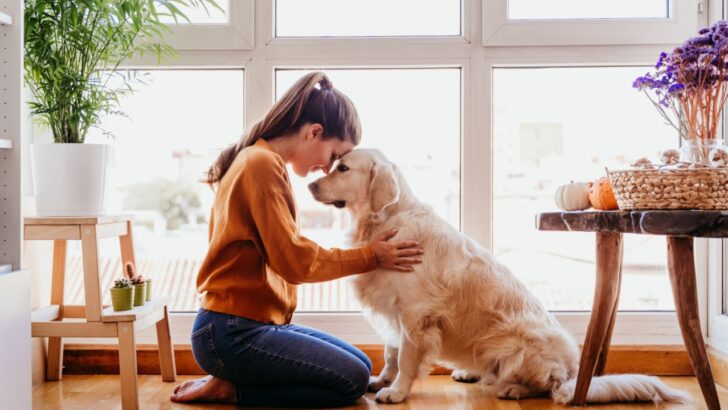
Deciding to get a dog is sort of like deciding to have a tiny, furry, four-legged roommate who doesn’t pay rent and communicates exclusively through intense staring, tail wags, and adorable puppy eyes. We bring them into our homes, our families, and our hearts, promising to give them the best life possible. But what does that really mean? It’s more than just providing food, water, and a spot on the couch.
Improving your dog’s life means understanding their world from their point of view; a world filled with fascinating smells, strange social rules, and an undying love for that one squeaky toy on its last leg. What makes your dog truly happy?
Here are 14 psychologist-approved ways of boosting your canine’s quality of life.
1. Learn How Your Dog Communicates
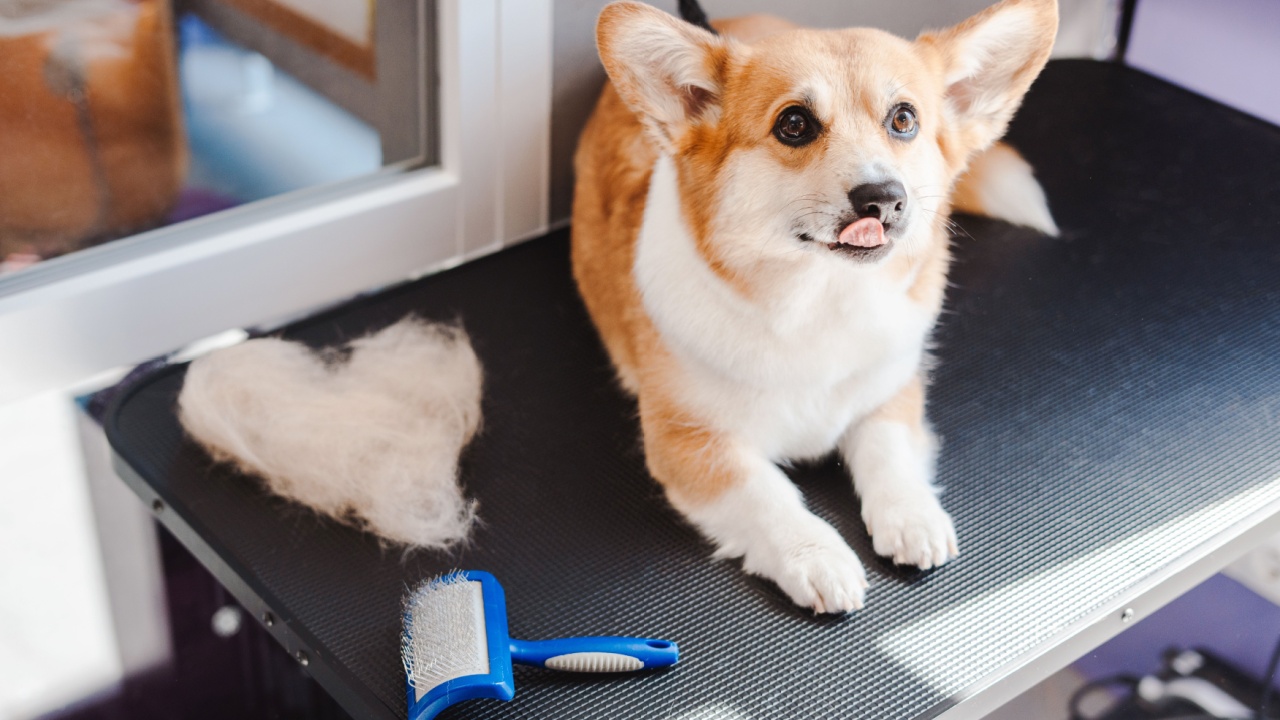
Image Credit: Shutterstock.
Your dog is talking to you all the time; you need to learn the language. They use their entire body to express themselves, from the tip of their nose to the end of their tail. A yawn might mean they’re tired, but it’s more often a sign of stress. A wagging tail isn’t always happy; its height and speed can signal anything from excitement to anxiety. Becoming fluent in “dog” helps you understand their feelings and respond to their needs before they become big problems.
Observing your dog’s body language builds a foundation of trust. When they know you get them, their confidence grows. This understanding prevents misunderstandings that can lead to fear or frustration. You’ll be able to tell if they’re uncomfortable at the dog park or just plain thrilled about a car ride.
Quick Tips:
- Pay attention to their ears, eyes, mouth, and tail position.
- Notice “calming signals” like lip licking, yawning, or looking away.
- Watch how they interact with other dogs and people to learn their social cues.
2. Treat Your Dog as an Individual
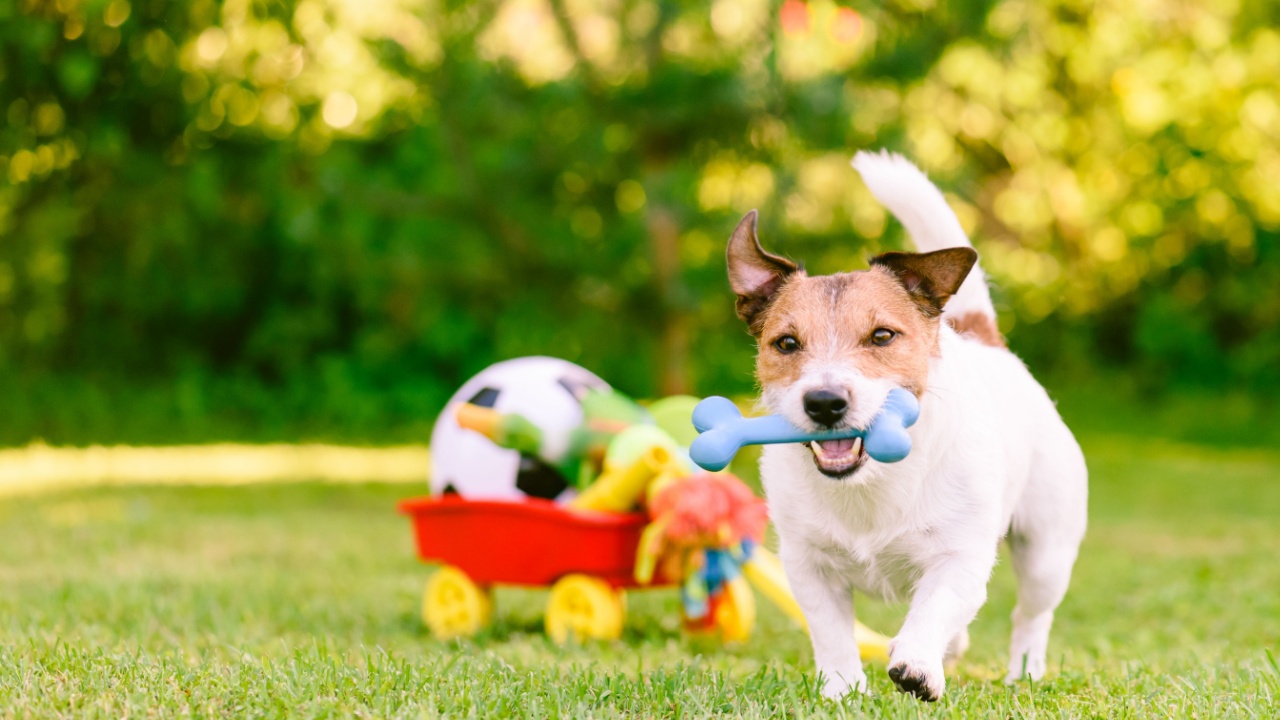
Image Credit: Shutterstock.
It’s easy to lump all Golden Retrievers into the “goofy and friendly” category or assume every Chihuahua is a nervous wreck. But every dog is a unique individual with a distinct personality, history, and set of preferences. Your rescue may despise fetch but loves a good puzzle toy. One of your dogs might live for belly rubs, while the other prefers a gentle pat on the head.
Recognizing your dog’s individuality is the ultimate form of respect. It shows them that you see them, not just a breed stereotype. This allows you to tailor their training, enrichment, and daily routines to what they actually enjoy, leading to a more fulfilled and happier companion. Stop trying to make your dog love the dog park if they clearly prefer a quiet solo walk with you.
Quick Tips:
- Observe what activities make your dog’s tail wag the most.
- Introduce new toys, treats, and experiences to discover their preferences.
- Don’t force them into situations they clearly dislike just because it’s “what dogs do.”
3. Praise Them for Just Being
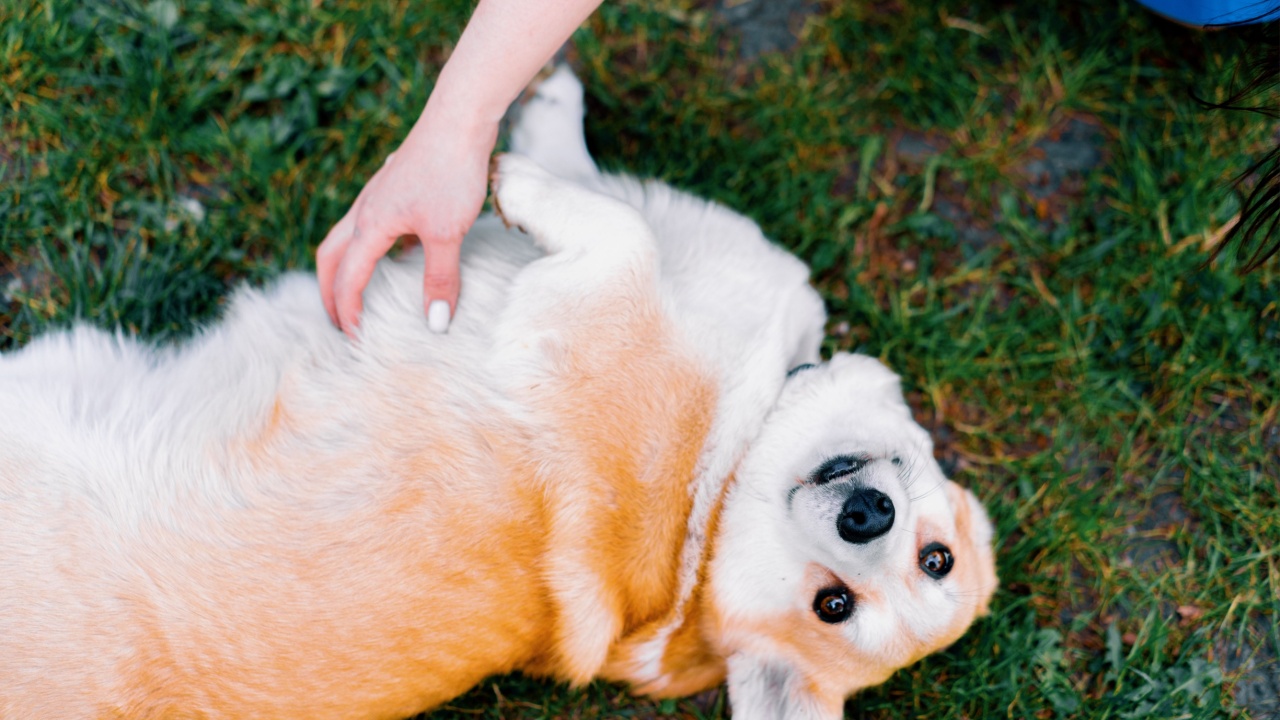
Image Credit: Shutterstock.
We often praise our dogs for doing something, such as sitting, staying, or fetching. However, it’s just as important to praise them for simply being there. A calm “good boy” when they’re dozing on their bed or a gentle stroke when they’re quietly looking out the window reinforces that your affection isn’t conditional. It’s not a transaction.
This practice strengthens your bond and helps create a calm, secure environment. Your dog learns that your presence is a source of comfort, not a constant demand for performance. This simple act of acknowledgment tells them they are valued for who they are, not just for what they do for you.
Quick Tips:
- Randomly tell your dog they’re wonderful while they are resting.
- Give a soft pat or a kind word when you walk by them.
- Make eye contact from across the room and give them a slow, gentle blink.
4. Let Them Be Do Dog Things
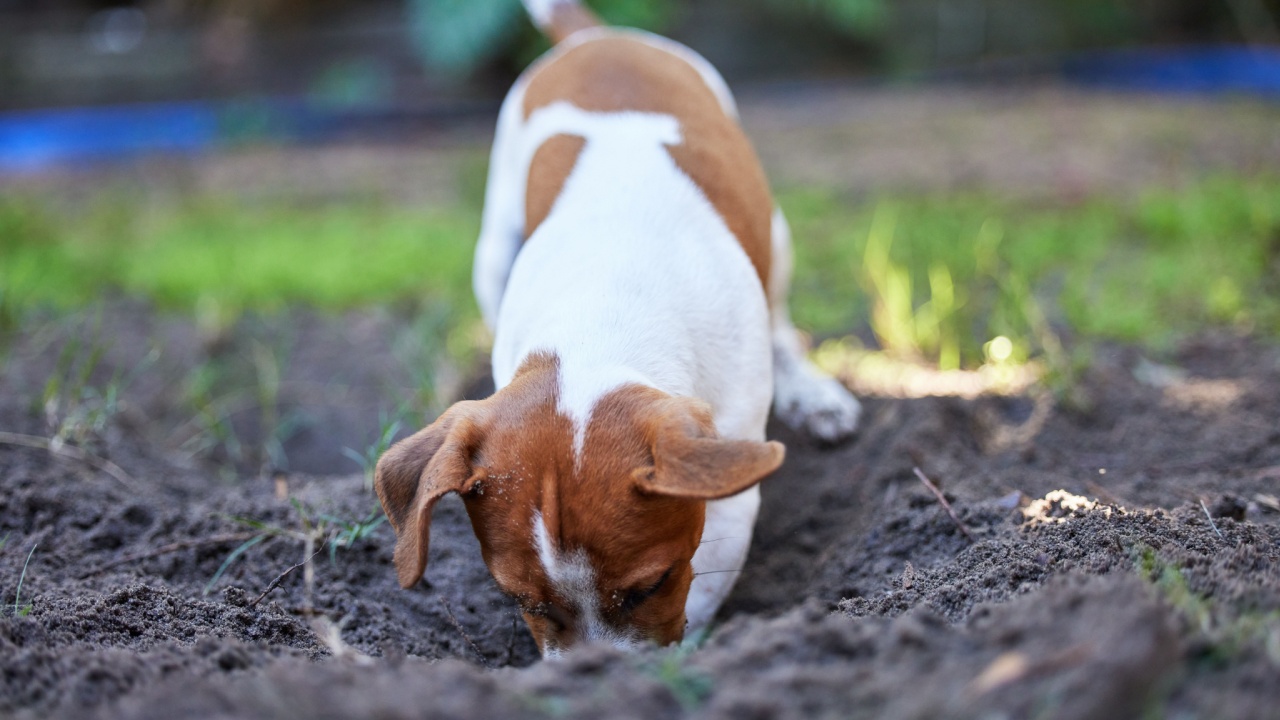
Image Credit: Shutterstock.
Dogs need to do dog things. This means sniffing every single bush on a walk, rolling in something delightfully smelly, digging a small hole in the backyard, or chewing on a favorite toy. These behaviors are not acts of defiance; they are essential, instinctual parts of what it means to be a dog. Suppressing them can lead to frustration and anxiety.
Allowing your dog to engage in these natural behaviors is a huge boost to their mental health. Sniffing, for example, is how dogs process the world around them. It’s their version of reading the morning news. By giving them the freedom to explore their instincts in a safe way, you are providing critical mental stimulation and enrichment.
Quick Tips:
- Schedule “sniffari” walks where your dog leads the way and sniffs to their heart’s content.
- Provide appropriate outlets for chewing with durable toys and dental chews.
- Designate a “digging spot” in your yard if your dog is a natural excavator.
5. Use Only Positive Training Methods

Image Credit: Shutterstock.
Training should be a conversation, not a conflict. Positive, force-free training methods use rewards like treats, praise, and toys to encourage desired behaviors. This approach builds a relationship based on cooperation and trust. Methods that rely on punishment, fear, or intimidation can damage your bond and create anxiety, making your dog less likely to want to learn.
Dogs trained with positive reinforcement are more confident, optimistic, and eager to participate. It transforms training from a chore into a fun game you play together. You’re teaching your dog that good things happen when they interact with you, which is a powerful foundation for a lifetime of companionship.
Quick Tips:
- Focus on rewarding what you want to see, rather than punishing what you don’t.
- Keep training sessions short, fun, and upbeat.
- Consult a certified professional dog trainer (CPDT-KA) who specializes in force-free methods.
6. Let Them Make Choices

Image Credit: Shutterstock.
Giving your dog some control over their life is a massive confidence booster. We control almost every aspect of their world: when they eat, where they go, and who they see. Allowing them to make small, safe choices gives them a sense of agency. This can be as simple as letting them choose which direction to go on a walk or which toy to play with.
When a dog has some say in their day, it reduces stress and problem behaviors that stem from feeling helpless. It shows them that their opinions matter to you. A dog who feels heard and respected is a more balanced and happy companion.
Quick Tips:
- On walks, pause at intersections and let your dog sniff and decide the route.
- Hold out two different toys and let your dog pick which one they want for playtime.
- Let them choose which comfy spot they want to nap in.
7. Don’t Yank the Leash
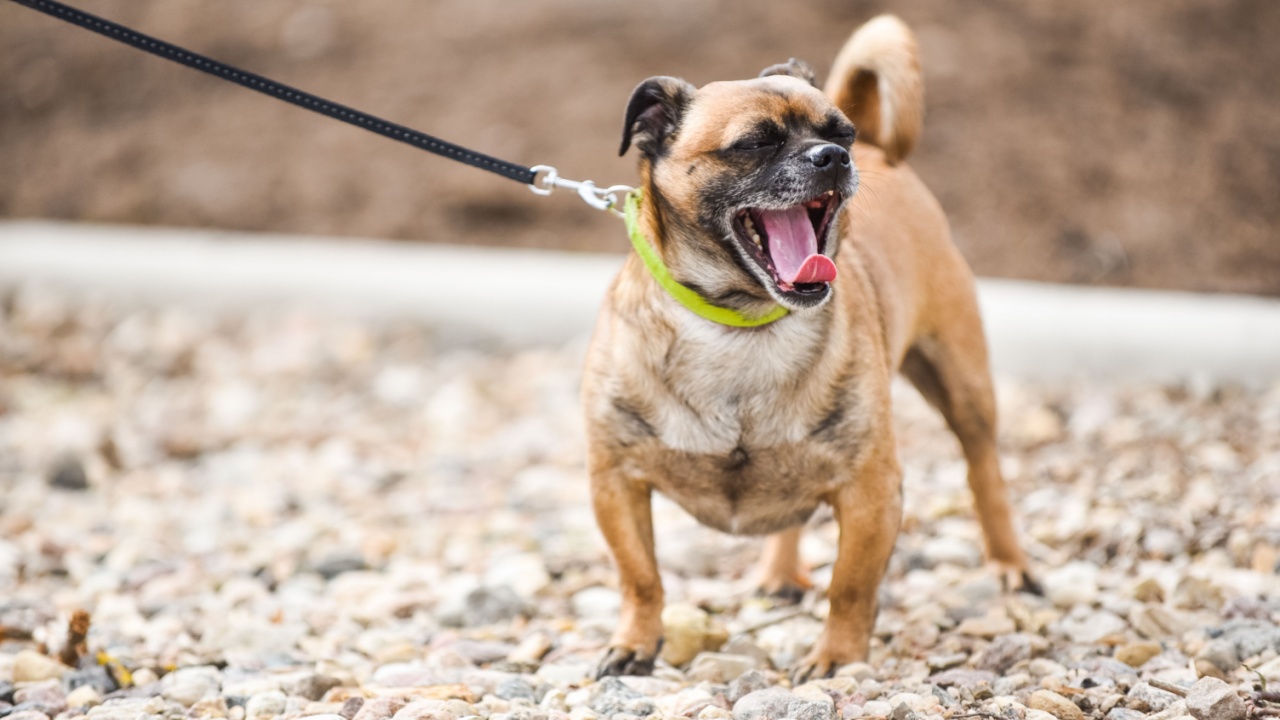
Image Credit: Shutterstock.
A walk should be an adventure for your dog, not a military march. While it’s important they don’t drag you down the street, constantly yanking the leash turns a pleasant experience into a frustrating one. The leash is a tool for safety and communication, not for punishment. A tight leash creates tension, both physically and emotionally, for you and your dog.
Instead of yanking, work on loose-leash walking skills using positive reinforcement. This teaches your dog that staying close to you is rewarding. It also allows them the freedom to explore the world through scent without feeling like they are being corrected at every turn. A relaxed leash leads to a relaxed walk for everyone.
Quick Tips:
- Reward your dog with a treat when they walk by your side on a loose leash.
- If they pull, simply stop walking. Resume when the leash loosens.
- Use a front-clip harness to gently discourage pulling without putting pressure on their neck.
8. Respect Their Need for Solitude

Image Credit: Shutterstock.
Just like people, dogs sometimes need their own space. While your dog may be your shadow most of the time, it’s important to respect their need for quiet time. If they retreat to their crate or a quiet corner of the house, let them be. This is their way of decompressing and recharging.
Forcing interaction when a dog wants to be alone can cause stress and may even lead to a defensive reaction. Providing a designated safe space, like a crate with a comfy bed or a quiet room, gives them a sanctuary where they know they won’t be bothered. This teaches them they can rest peacefully, which is vital for their well-being.
Quick Tips:
- Teach children to never bother a dog who is sleeping or in their crate.
- Don’t follow your dog every time they walk away.
- Make their crate or bed a wonderful place with special toys or treats.
9. Create Greeting and Goodbye Rituals
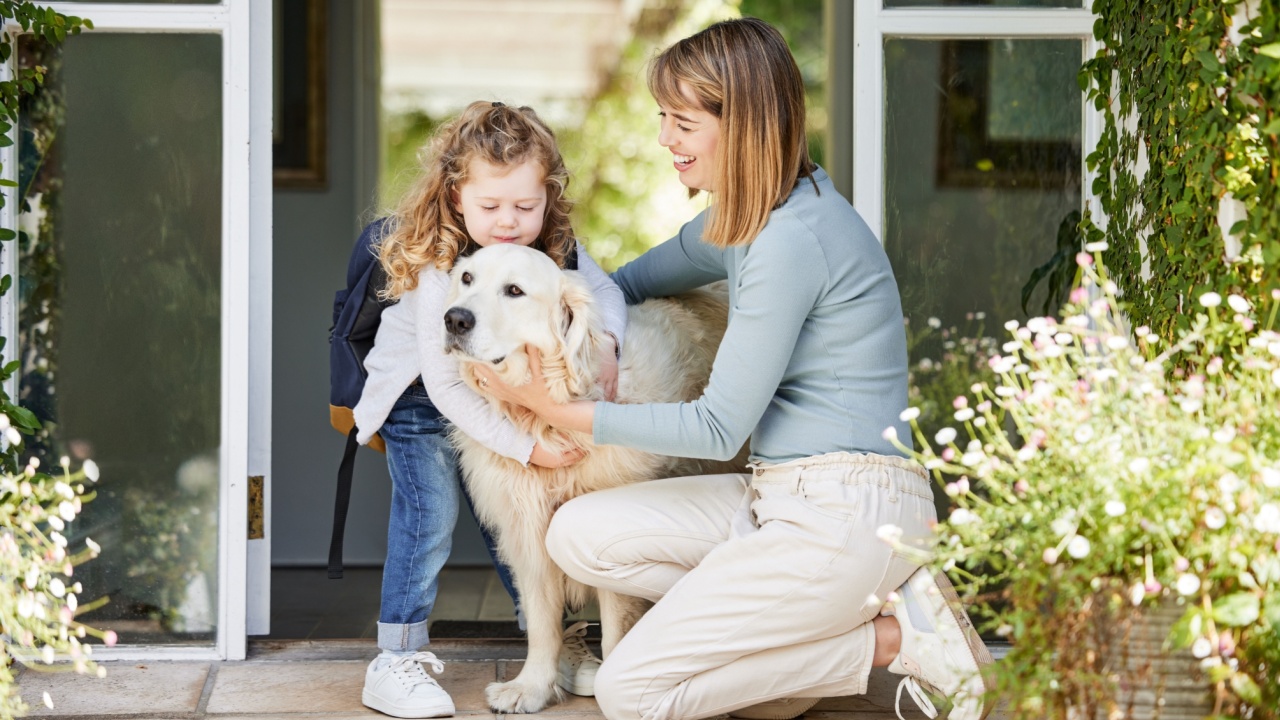
Image Credit: Shutterstock.
Dogs are creatures of habit, and rituals provide them with comfort and predictability. Creating a calm, consistent routine for when you leave and when you return can significantly reduce separation anxiety. Frantic, emotional goodbyes can signal to your dog that your departure is a big, scary event.
A simple ritual, like giving them a special puzzle toy a few minutes before you leave, can create a positive association with your departure. A calm hello when you return, perhaps waiting a minute to greet them until they’ve settled, prevents them from becoming overly anxious and excited. These small routines make the comings and goings of daily life less stressful.
Quick Tips:
- Keep your departures and arrivals low-key and calm.
- Give your dog a long-lasting chew or food puzzle to work on as you prepare to leave.
- Establish a predictable “I’m home” routine, like putting your keys away before giving a calm greeting.
10. Encourage Safe Dog-to-Dog Play
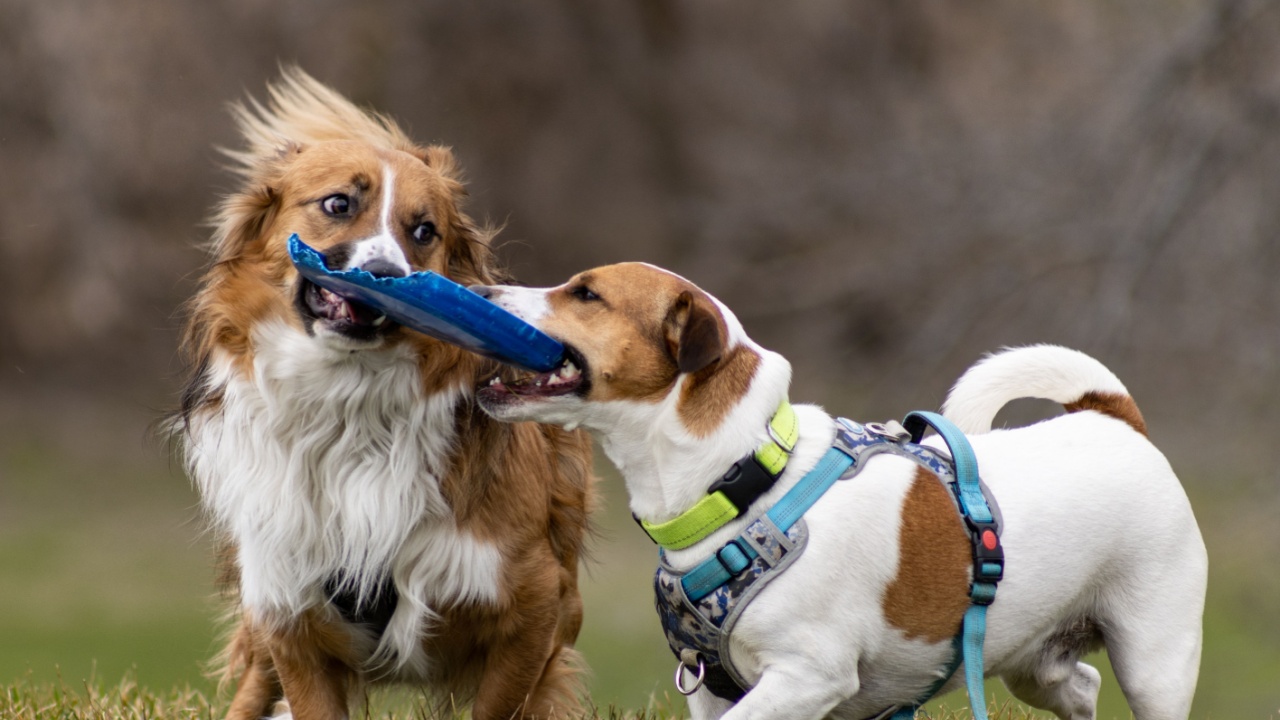
Image Credit: Shutterstock.
If your dog genuinely enjoys the company of other dogs, facilitating safe and positive play is a wonderful form of enrichment. Play teaches them valuable social skills, helps them burn off energy, and provides mental stimulation. It allows them to use their natural communication skills and engage in species-appropriate behavior.
The important part is “safe” and “positive.” Not all dogs are dog-park dogs. Pay close attention to their body language to see if they are truly having fun or just tolerating the situation. Successful play involves mutual consent, bouncy movements, and taking breaks.
Quick Tips:
- Arrange playdates with dogs you know your dog gets along with.
- Learn the difference between healthy play and bullying. Watch for signs of stress.
- Advocate for your dog and remove them from situations where they seem overwhelmed or unhappy.
11. Unleash Them in Safe Areas
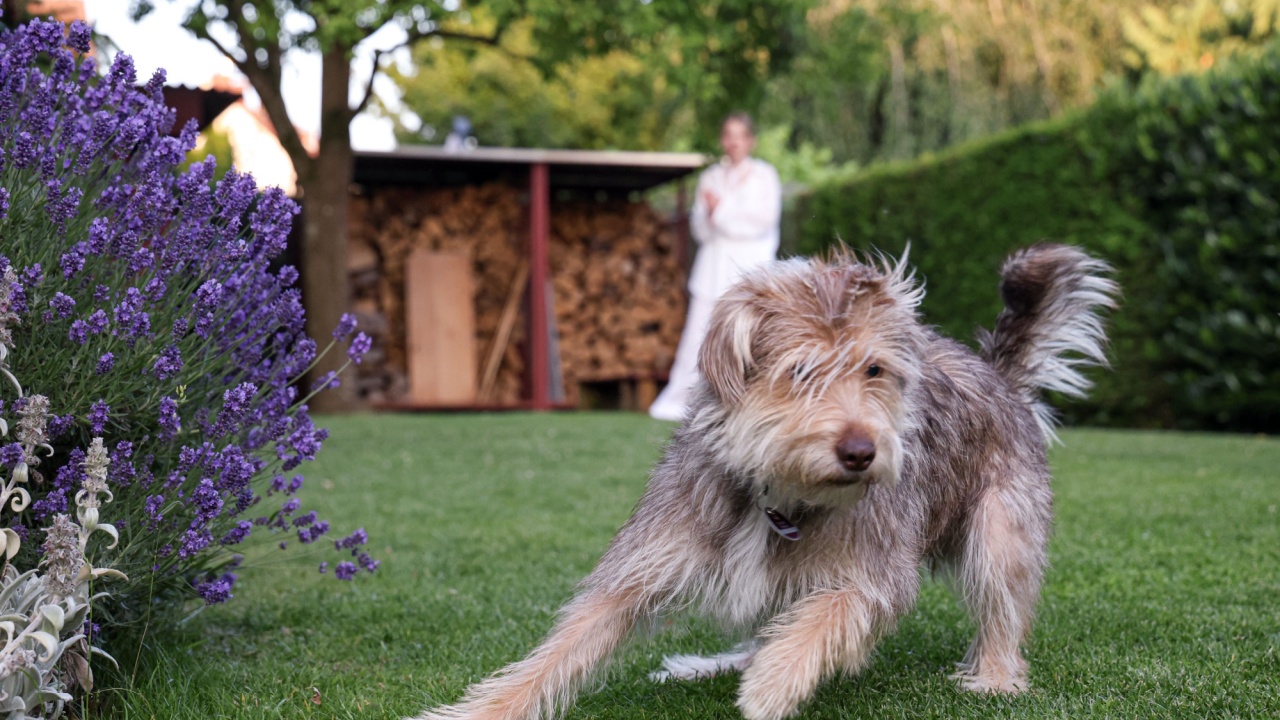
Image Credit: Shutterstock.
There is pure joy in watching a dog run freely. Finding safe, appropriate places to let your dog off-leash is one of the greatest gifts you can give them. It allows them to move their bodies naturally, run at full speed, and explore their environment without the restriction of a leash.
This freedom is fantastic for both their physical and mental health. Before you unclip that leash, make sure their recall skills are solid. A reliable “come” command is non-negotiable for their safety. Start practicing in fenced areas that have dog-safe plants, before graduating to more open, but still secure, spaces.
Quick Tips:
- Practice recall in your backyard or a fenced park with high-value rewards.
- Use a long line (a 30 to 50-foot leash) to give them a sense of freedom while maintaining control.
- Research local sniff spots or secure private fields that you can rent for off-leash fun.
12. Be Patient with Them
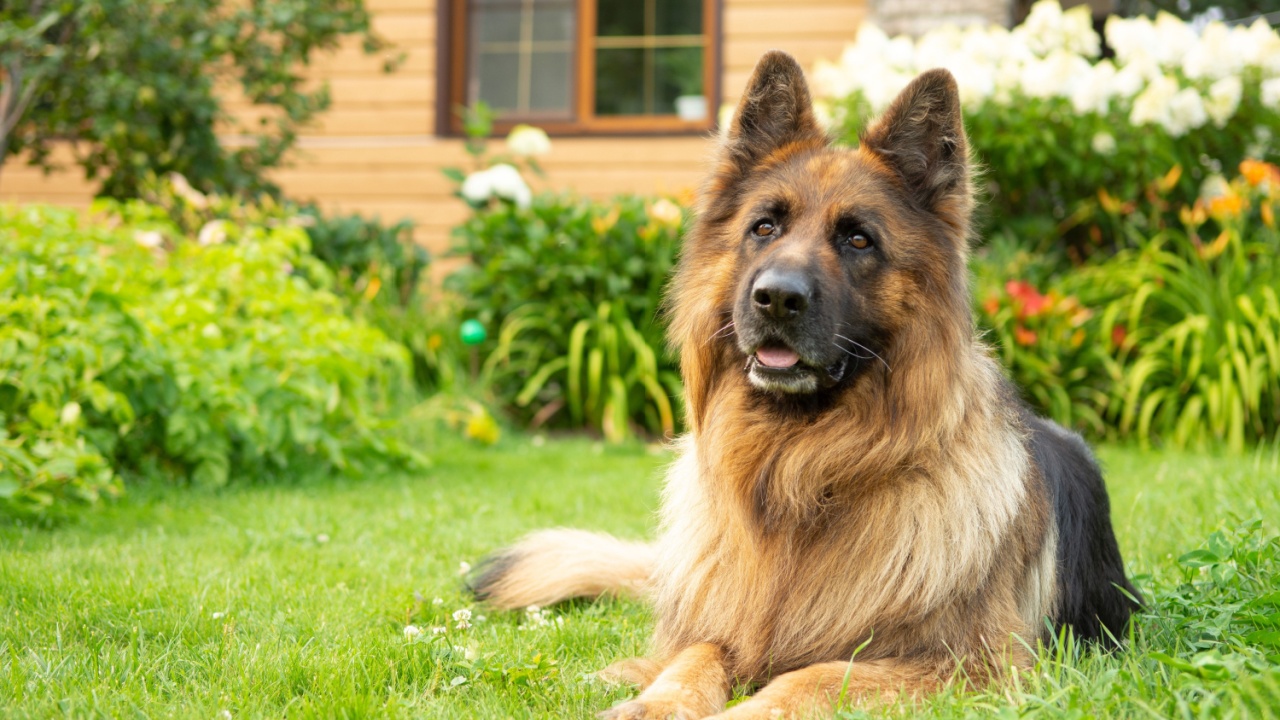
Image Credit: Shutterstock.
Your dog isn’t trying to be difficult. When they don’t listen, it’s usually because they don’t understand what you’re asking, they are too distracted, or they are feeling scared or anxious. Attributing human motives like “defiance” or “stubbornness” to them is unfair and unproductive.
Patience is crucial. Instead of getting frustrated, try to figure out the “why” behind their behavior. Is the environment too loud? Are you asking for too much at once? Taking a deep breath and re-evaluating the situation from their perspective will be far more effective than raising your voice. Your dog is always doing the best they can with the information they have.
Quick Tips:
- If your dog isn’t responding, make the request easier or move to a quieter environment.
- Break down complex commands into smaller, more manageable steps.
- Remember that learning takes time and consistency.
13. Forgive Their Mistakes

Image Credit: Shutterstock.
Your dog will make mistakes. They will chew on something they shouldn’t, have an accident in the house, or dig up your prize-winning petunias. They are not doing it to get back at you. Dogs live in the moment and do not understand the concept of holding a grudge or seeking revenge.
Getting angry or punishing them long after the event is pointless and damaging. They won’t connect your anger with their past action; they will only learn that you are unpredictable and scary. Clean up the mess, figure out how to prevent it from happening again (management is your best friend), and move on. Your relationship with your dog is far more important than a chewed-up shoe.
Quick Tips:
- Focus on prevention. Dog-proof your home to set them up for success.
- If you find an accident, don’t scold the dog. Just clean it up thoroughly with an enzymatic cleaner.
- Redirect chewing to appropriate toys.
14. Advocate for Their Well-being
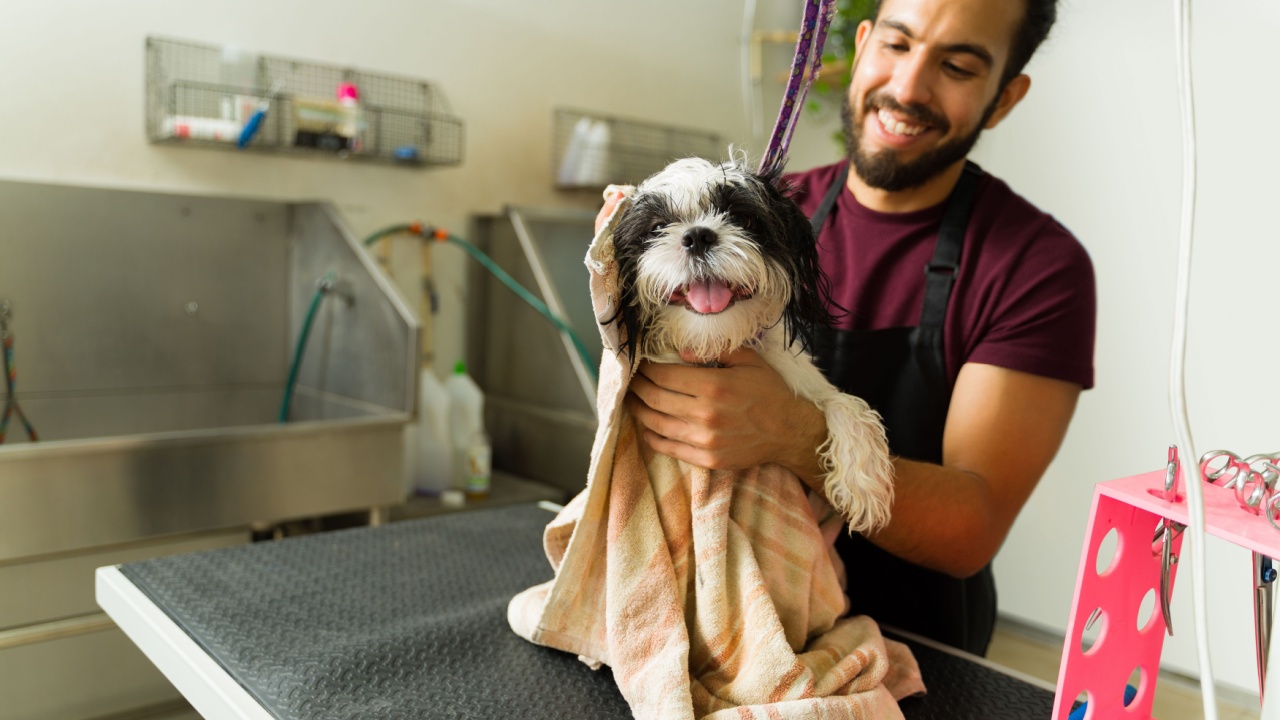
Image Credit: Shutterstock.
You are your dog’s voice and their protector. It is your job to advocate for them in all situations. This means telling a well-meaning stranger, “Please don’t pet my dog, he’s a little nervous.” It means leaving the dog park when a bully dog arrives. It means speaking up at the vet to ask for fear-free handling techniques.
Advocating for your dog builds an incredible amount of trust. They learn that you will keep them safe and won’t force them into uncomfortable situations. Being their champion is one of the most profound ways you can show them you love them and are committed to their quality of life.
Quick Tips:
- Learn to politely but firmly say “no” on behalf of your dog.
- Pay attention to your dog’s body language to know when they need you to step in.
- Choose vets, groomers, and dog walkers who prioritize your dog’s emotional well-being.
Enjoy Life With Your Dog
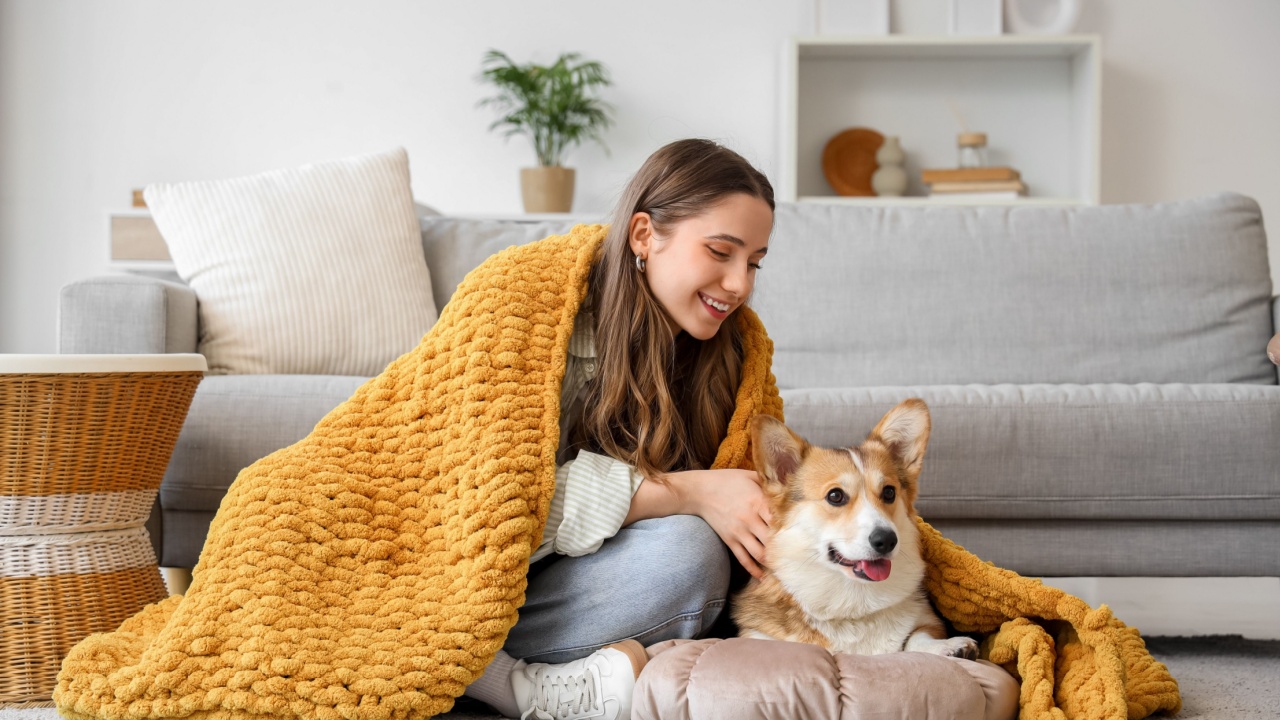
Image Credit: Shutterstock.
Improving your dog’s life starts with a shift in perspective; seeing the world through their eyes and honoring their needs. Commit to a weekly “sniffari” or focus on praising your dog for just being their wonderful self.
Observe how they respond. Their subtle cues of contentment, a relaxed body, a soft sigh, or a gentle lean against you, will tell you everything you need to know. By making these small, intentional changes, you’re boosting their quality of life and deepening the incredible bond you share.