Vancouver’s New Cooling Rule Puts A $1,000 Fine On Landlord AC Bans
Vancouver landlords can now face a $1,000 municipal ticket if they stop tenants from using portable air conditioners in rental homes without central cooling.
The City of Vancouver says council approved Licence By-law amendments on June 3, 2026, to prohibit landlords from preventing portable air-conditioner use when no centralized cooling is provided.
The rule does not require landlords to buy or install air conditioners. It applies to landlord restrictions that block tenants from using their own portable cooling units in covered rental homes.
Tenants who run into a restriction can report the issue through Van311 or call 3-1-1. Enforcement can include an order to comply or a municipal ticket with a $1,000 fine per offence.
The Fine Targets Landlord Bans on Portable AC
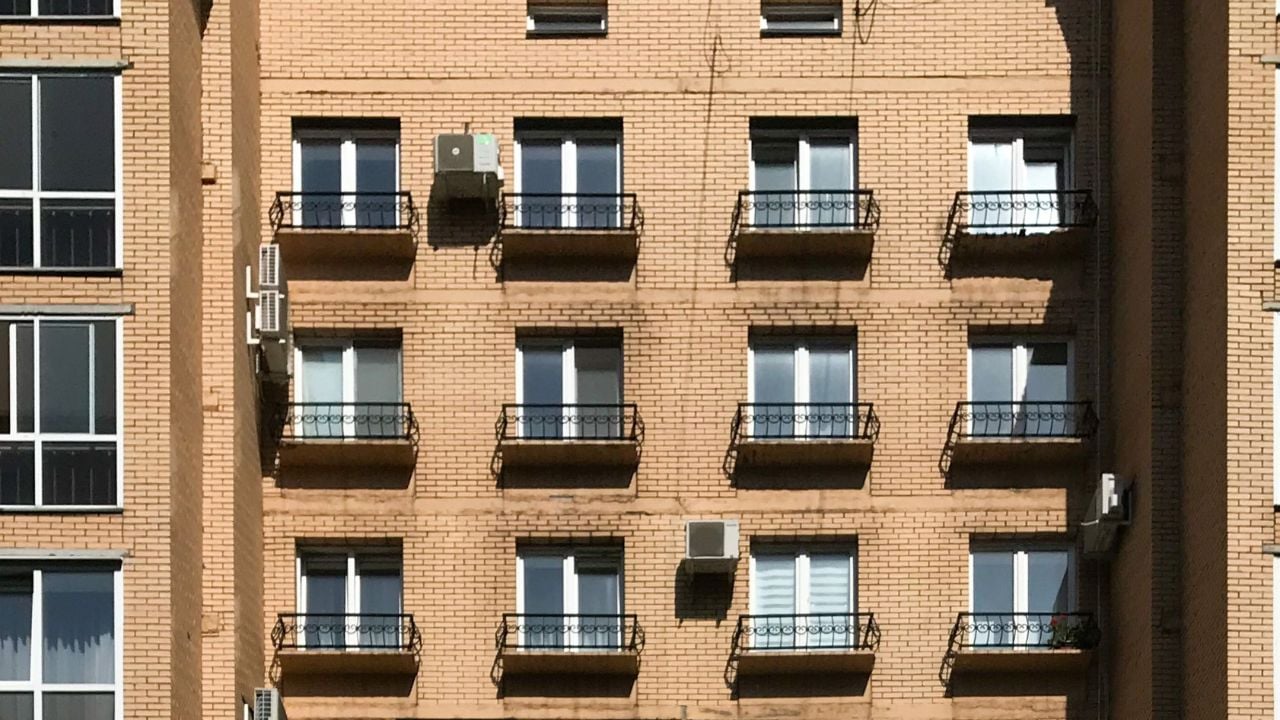
The city guidance says landlords cannot prevent tenants from using portable air conditioners when a rental unit does not already have centralized cooling.
That means a blanket “no portable air conditioners” rule can create a licensing problem for a landlord in Vancouver. The enforcement action is aimed at the landlord or housing provider blocking the device, not at a tenant who is trying to cool the home.
The council report behind the change also says the regulation applies to tenant-occupied strata units when cooling is not otherwise provided. Owner-occupied strata units are treated differently, so owners should not assume the same rule covers every condo or apartment situation.
Landlords Do Not Have to Buy or Install AC
The bylaw change does not turn air conditioning into equipment that every Vancouver landlord must provide. The city says landlords do not have to provide or install air conditioners.
The rule focuses on whether a tenant can use a portable unit in a rental home that lacks centralized cooling. Landlords can still set written requirements for safe installation, drainage, ventilation, electrical use, and damage prevention.
Portable units still need proper setup. Tenants should follow the manufacturer’s instructions, vent the unit correctly, drain it as required, keep cords away from overloaded outlets, and avoid blocking exits, windows needed for escape, or common areas.
Safety Concerns Need Specific Documentation
Older buildings can still raise real limits. Electrical capacity, window setups, drainage, ventilation, building integrity, and fire-safety issues can affect whether a specific portable unit can be used in a specific rental.
Vancouver says exemptions may be considered when landlords cannot reasonably comply, including buildings that would require significant upgrades or situations with safety concerns.
The council report says a landlord seeking an exception may need professionally prepared or authenticated evidence for the Chief Licence Inspector. A landlord relying on a safety concern should document the exact problem instead of using a broad ban on all portable units.
Cooling Rules Should Be Put in Writing Before Heat Arrives
Renters should check the lease, ask about portable AC use in writing, and save the landlord’s response before buying a unit. The request should include the type of portable air conditioner, where it would be placed, how it would be vented, and how drainage would be handled.
Landlords should review rental terms, building limits, electrical capacity, insurance requirements, strata rules, and installation instructions before refusing or approving a device. A written approval can include limits on placement, drainage, window kits, cords, servicing, seasonal removal, and damage repair.
Washington and Oregon have their own portable-cooling rules for rentals, but the details are not identical to Vancouver’s bylaw. Tenants and landlords should check the rule that applies where the property is located.
In Vancouver, the key question is whether a landlord is preventing portable air-conditioner use in a rental home without centralized cooling. If no valid building or safety exemption applies, that restriction can now lead to a city order or a $1,000 ticket.