Midwest Storm Damage Shows Why Homeowners Should Check Trees Before Winds Hit
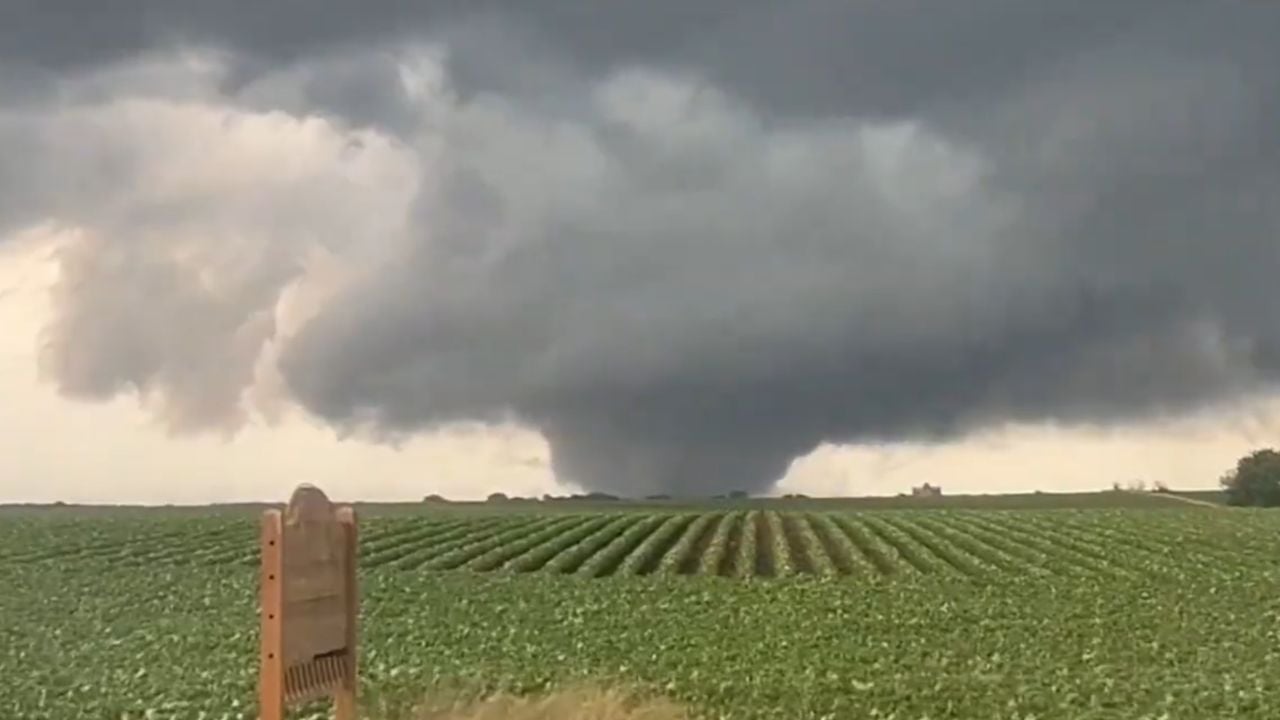
A Midwest storm outbreak left roofs torn, streets blocked, power lines down, and at least one death tied to a falling tree.
A WBIR video report showed damage across parts of Iowa and Illinois after severe storms moved through the region.
The Associated Press reported that a 54-year-old man died in Des Moines after a tree broke apart and fell during strong storms. The same outbreak later damaged communities in Illinois and Indiana, where officials were still checking the damage Friday.
The National Weather Service said several tornadoes occurred across northern and central Illinois and northwest Indiana late Thursday, June 11, with strong tornadoes and notable damage reported in areas including Streator, Illinois; Merrillville, Indiana; and Hebron, Indiana.
Tornadoes and Winds Left Trees, Roofs, and Power Lines Down
In Streator, emergency crews inspected damage after a tornado hit the city. AP reported that a reunification center was set up at city hall and that the Red Cross opened a shelter for displaced residents.
In Merrillville, Indiana, officials reported extensive damage. Homes and other buildings were torn apart, trees and power lines blocked streets, and part of a high school roof was ripped off, according to AP.
A confirmed tornado is not the only wind threat homeowners need to prepare for. The National Weather Service says severe thunderstorm winds can break large branches, knock over trees, or cause structural damage to trees.
Tree Checks Should Happen Before the Warning

Homeowners should look for dead branches over the roof, cracked limbs, trees leaning toward the house, exposed roots, hollow trunks, mushrooms near the base of a tree, and large limbs hanging over bedrooms, garages, sheds, decks, fences, driveways, and play areas.
Trees close to utility lines need extra care. Homeowners should not try to trim branches near power lines themselves, and they should call the utility company or a qualified tree professional before a weak limb becomes a storm problem.
The yard deserves the same walk-through before high winds arrive. Patio furniture, grills, umbrellas, planters, trash cans, garden tools, toys, hanging baskets, and lightweight decor should be moved inside or secured.
Gutters and downspouts should be cleared before heavy rain. Leaves, twigs, seed pods, and roofing debris can block drainage and send water toward foundations, basements, crawl spaces, and lower-level doors.
Stay Away From Downed Lines and Hanging Limbs
After a storm, homeowners should stay away from downed wires, split trunks, leaning trees, hanging limbs, and branches resting on roofs, fences, vehicles, or utility lines.
Ready.gov tells people to watch for fallen power lines and trees after thunderstorms and report them immediately. Downed lines can energize wet ground, fences, tree limbs, metal debris, and standing water.
Children, pets, neighbors, and vehicles should be kept away from damaged utility areas until the utility company or emergency crews say the area is safe.
Large damaged limbs should not become a quick chainsaw job. Branches under tension can swing, split, or drop suddenly when cut, and a tree that looks stable from the ground can shift once weight is removed.
Insurance Depends on What the Tree Hit
A fallen tree can create two separate bills: repairing the structure and removing the tree.
The Insurance Information Institute says homeowners insurance generally covers tree removal if the tree hits an insured structure, with removal often limited to about $500 to $1,000 depending on the insurer and policy.
If a tree falls in the yard without hitting an insured structure, debris removal may not be covered. Some policies may cover removal if the tree blocks a driveway or an accessibility ramp, but homeowners need to check their own policy.
Vehicle damage is usually separate. A car crushed by a fallen tree is typically handled through comprehensive auto coverage, not the homeowners policy.
Before the next storm, homeowners should photograph large trees near the house, document roof and fence conditions, save tree-service invoices, check policy limits, and keep the insurance claim number somewhere they can reach if power or internet service goes out.