
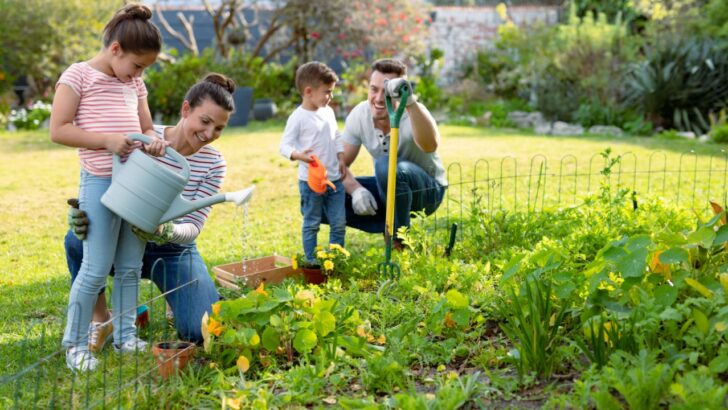
Ready to give your home a glow-up without running up your credit card? Here’s a little secret: many upper-class habits have nothing to do with fancy décor, secret housekeepers, or splurging on marble anything. They’re rooted in ordinary routines that anyone can adopt, ones that make your home and garden a soft place to land for your family.
Sometimes all it takes is rethinking a few habits, giving your space a dash of intention, and occasionally pausing to notice that you actually like the people you live with. You don’t have to wait for grandpas trust fund to upgrade your space. Tweak how you show up for your home and be amazed at the ripple effect on everything.
Studies show that simple home routines, from how you tidy to how you host, can boost well-being, connection, and pride in your space. Here are 12 habits that prove it.
1. Design with Intention
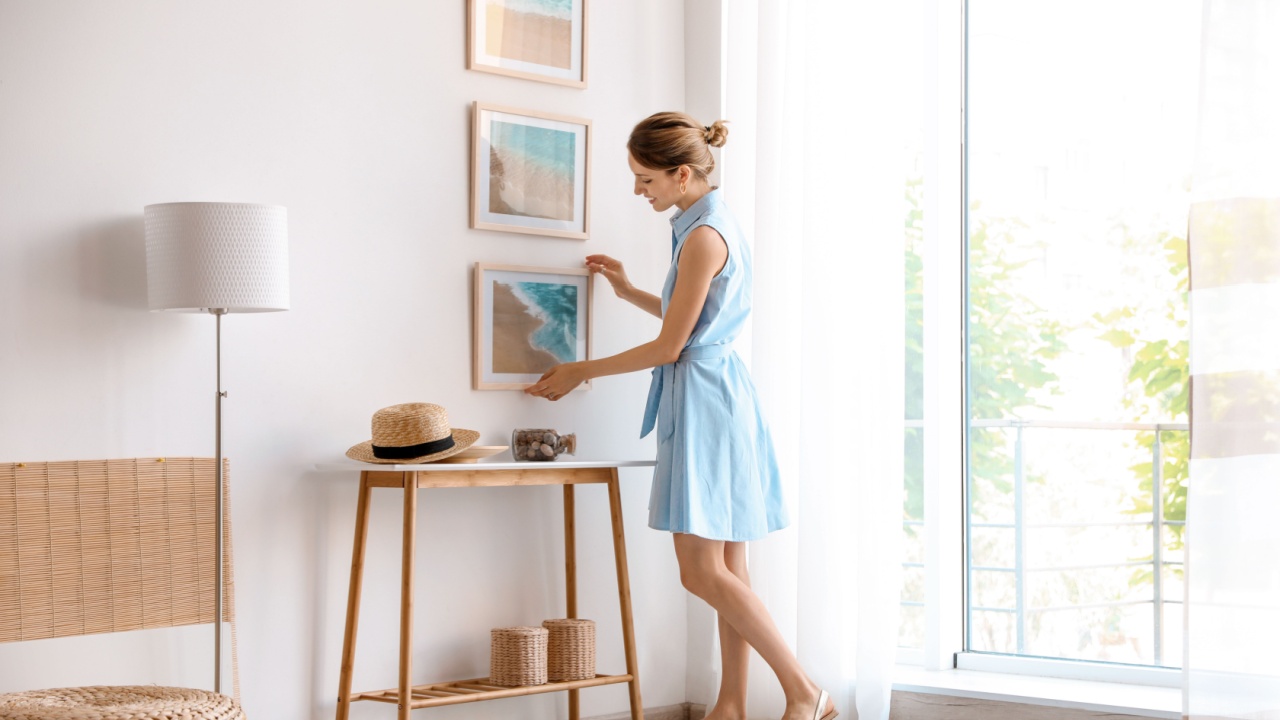
Image Credit: Shutterstock.
You don’t need to fill your space with stuff you saw in a Victorian-set movie. Oftentimes, simple is best. The true upper-class trick is curation: making purposeful choices about what lives in your home. Try walking through each room and asking, “Deep down, do I use this or love this?” If that trinket from your in-laws hasn’t served as a fancy paperweight, it’s allowed to retire.
When you design with intention, your home starts to breathe-you make space for walking, playing, reading, and yes, the occasional spontaneous living room dance party. In the garden, intention means planting in purposeful groupings, thinking about companion plants, and giving your veggies the sunlight they deserve.
How to try it:
- Do a five-item edit: remove five things from any room or garden spot and see how the energy changes.
- Assign a clear purpose to the corners or nooks of your home (“This chair is strictly for window-gazing and tea. End of discussion.”)
- Before impulse buying at the nursery, sketch where that new plant will go.
2. Buy Fewer, Better Things

Image Credit: Shutterstock.
Most luxurious homes rely on a handful of hardworking, high-quality items that are genuinely enjoyable to use. If you’ve ever had a garden spade that didn’t bend, you know the joy. Prioritizing durability and usefulness over quantity transforms your space and your routines. Studies show this thinking is even good for the environment.
Choose fewer, better essentials. Opt for less clutter, more satisfying daily habits, and fewer last-minute replacement runs. That means more free weekends and a home that works smarter, not harder.
How to try it:
- Borrow or swap before buying-sometimes, the best “purchase” is a neighborly trade.
- Get to know your local repair shops or YouTube fix-it tutorials.
- Before bringing anything home, ask: Will I be excited to use this next season, too?
3. Keep Things Tidy by Default
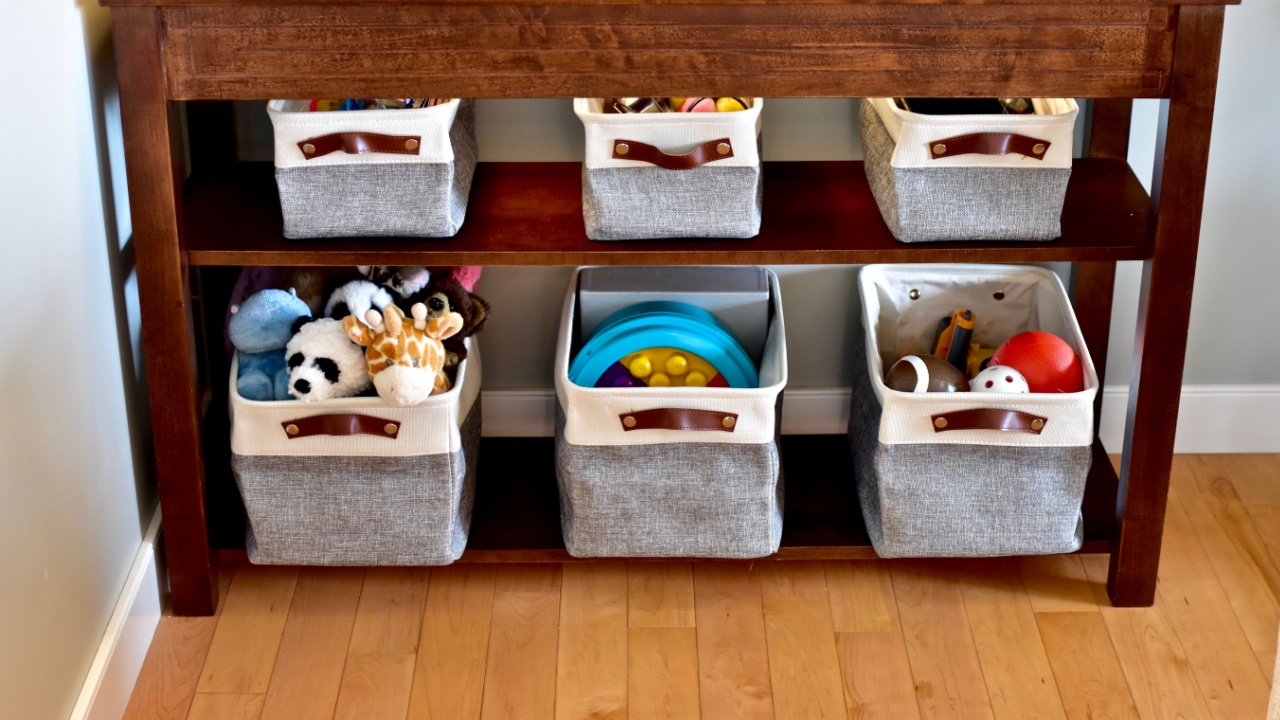
Image Credit: Shutterstock.
Keeping a tidy home starts with smart systems that quietly support daily life. Elegant homes often rely on subtle structure: baskets for shoes near the door, a caddy for gardening gloves, and clear surfaces that invite calm.
Instead of chasing perfection, build routines that make tidying feel effortless. A five-minute reset each evening can restore order without draining your weekend. These small rituals create a home that feels cared for, even in the middle of life’s beautiful chaos.
How to try it:
- Make “landing zones” for daily clutter-keys, sunglasses, and mail.
- Use smaller baskets to corral outside toys or garden hand tools-they look good and they work.
- Quick evening reset: spend five minutes putting things where they belong. Get kids involved (with points for drama and giggles).
4. Bring the Outdoors In
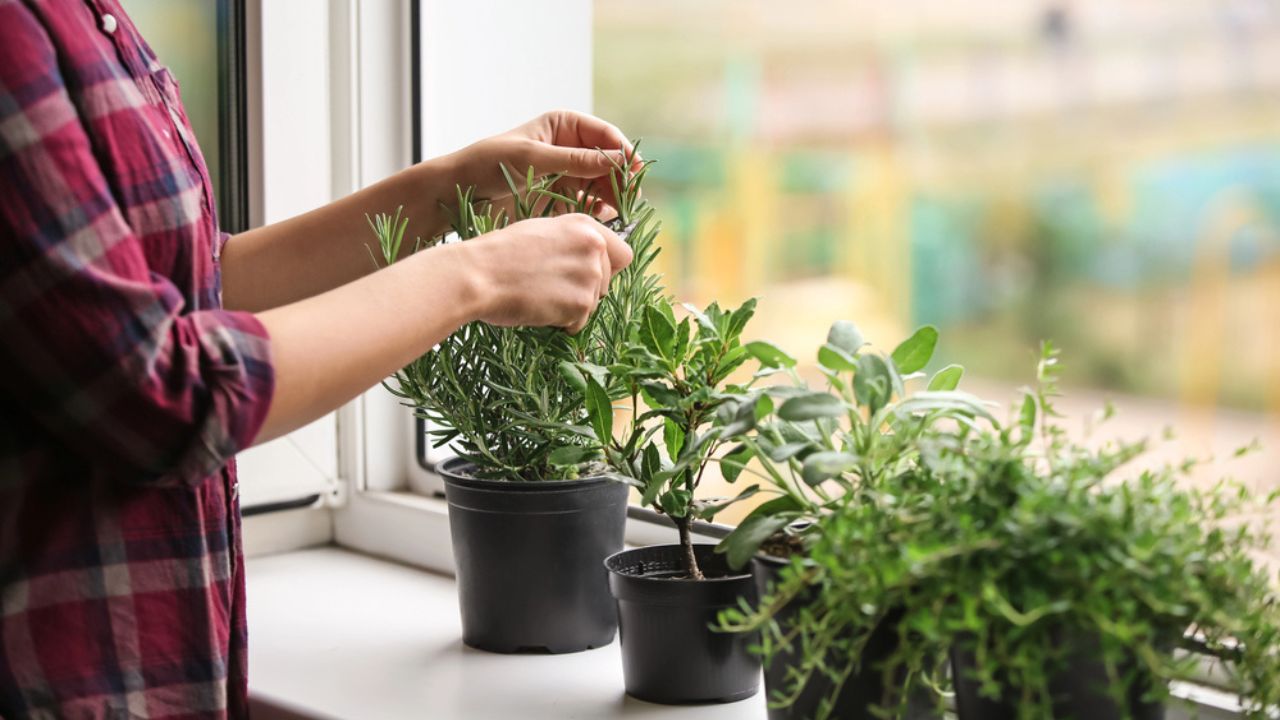
Image Credit: Depositphotos.com.
A sprig of rosemary (or any indoor herb) on the table or a handful of wildflowers in a jar can shift the energy of a room. These small touches bring nature indoors and create a sense of calm and connection. Natural elements gathered from your garden or picked up during a walk add warmth and personality to your space.
Indoor plants and seasonal cuttings have been shown to improve mood and reduce stress. Children often enjoy helping with the process, turning everyday outings into small adventures. Over time, these habits build a home that feels alive and attuned to the rhythms of the outdoors.
How to try it:
- Snip a branch, a handful of herbs, or a few petals for instant table décor
- Frame pressed leaves from family walks—it’s art and a memory
- Rotate what you bring indoors with the seasons. Even a jar of acorns or pinecones is fair game
5. Master a Signature Hosting Move

Photo Credit: Depositphotos.com.
Fancy dinner parties not required. The art of hosting like you went to school for it, is having a go-to recipe or snack that you can whip up without sweating. It could be your famous roasted potatoes, or just a batch of bright garden salsa. The food matters, but connection is the main course-no points awarded for stressing yourself out.
Your backyard or porch is stage enough. Hosting outdoors where kids can roam (or adults can wander among the tomatoes) takes the pressure down a notch.
How to try it:
- Perfect one easy recipe-ideally one that’s forgiving and uses what you’ve got.
- Keep a stash of garden herbs or lemons on hand for fresh flavor boosts.
- Create a playlist of everyone’s favorites. Music sets the tone.
6. Sleep Like It Matters

Image Credit: Depositphotos.
Luxury starts with good rest, and that doesn’t require silk sheets or a questionable sleep supplement. The best habit is treating your bedroom like a mini retreat. Declutter nightstands, say goodnight to your phone somewhere else, and keep things calm.
Waking up with a clear head is the gift that keeps on giving, especially after a night with teething toddlers or a late gardening session. Sleep experts recommend keeping a consistent bedtime and creating a cool, dark, quiet environment to improve sleep quality.
How to try it:
- Banish devices from the bedroom. Seriously-it works.
- Keep only soothing, useful items near your bed: lamp, water, soothing book.
- Add a plant known for air purification, like a peace lily or a snake plant.
7. Honor Scent and Sound
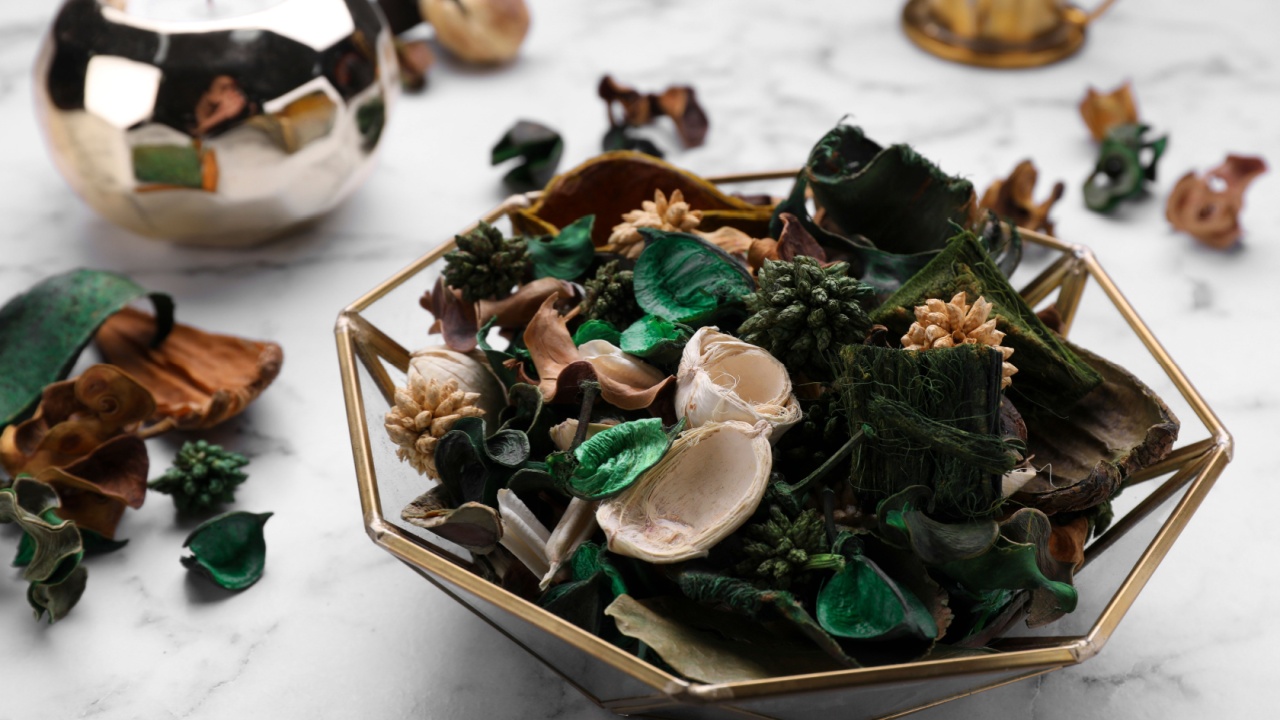
Image Credit: Shutterstock.
A home that smells and sounds welcoming has a magic all its own. You don’t need high-end candles. Simmer peels with cinnamon sticks, open windows after a rain, or let bread baking do the “atmosphere” work. In the garden, a wind chime or gurgling fountain can create instant calm (until the neighbor’s leaf blower starts up, but hey, progress).
How to try it:
- Make your own stovetop potpourri with whatever’s lingering (citrus, spice, herbs).
- Play music to set the mood-or embrace quiet as a treat.
- Invite kids to help make nature playlists or gather fragrant garden cuttings.
8. Maintain, Don’t Just Acquire
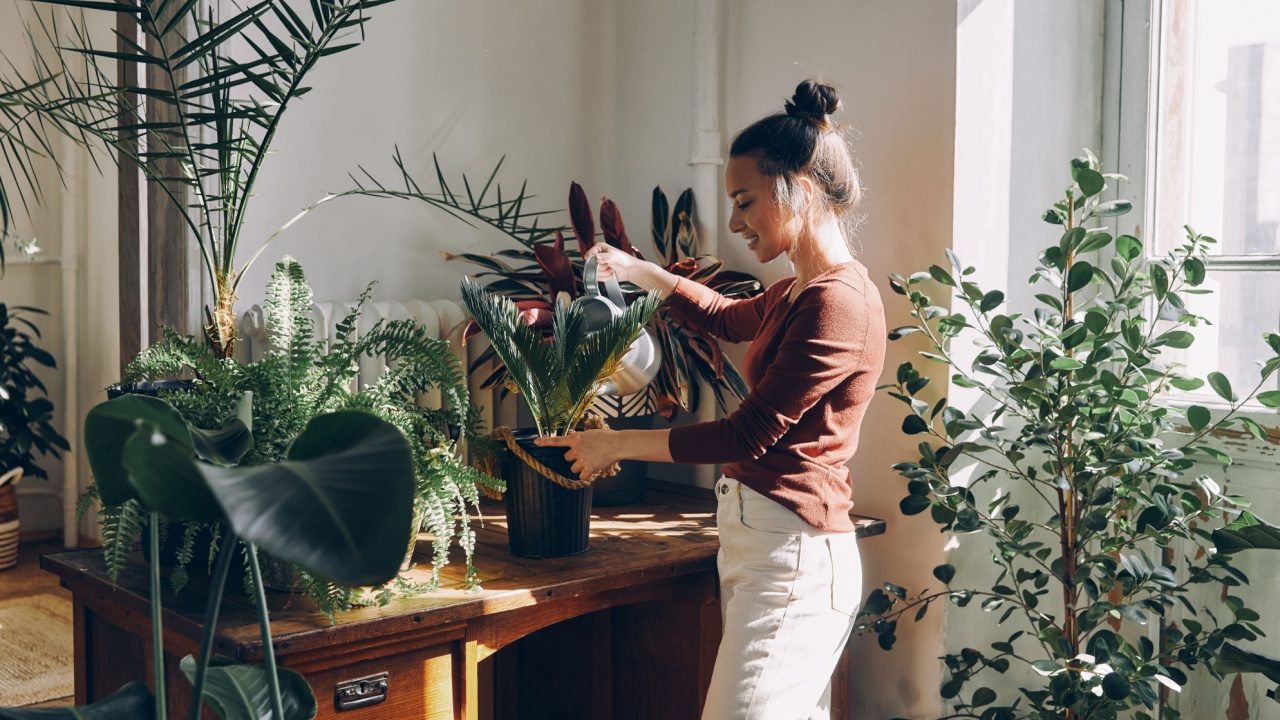
Image Credit: Shutterstock.
Here’s the ultimate “upper class” flex: looking after what you already own. Regular maintenance like tightening a wobbly gate, oiling a wooden spoon, or watering that plant before its leaves start accusing you-keeps your home happy and humming.
Learning small fixes builds skills, saves money, and can be surprisingly fun once you get the hang of it. Little eyes watching? You’re passing on a trait that’s rarer (and handier) than any new gadget.
How to try it:
- Create a seasonal checklist: gutters, filters, “Are those lights still working?”
- Keep a basic toolbox within reach-duct tape is optional but highly recommended.
- Challenge yourself: repair before replacing. YouTube is your friend.
9. Keep a Living Library
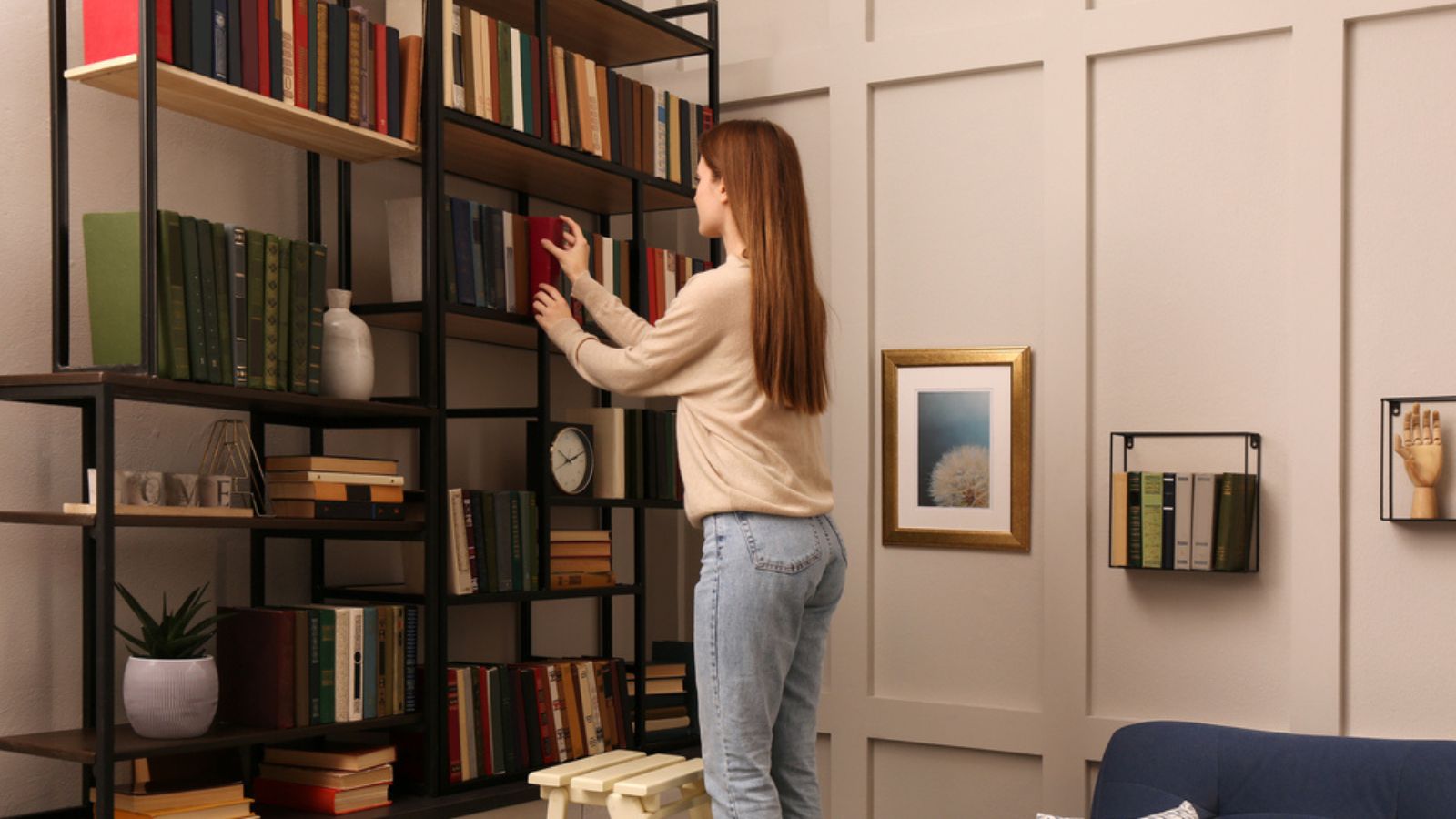
Photo Credit: Depositphotos.com.
A library will make you look really cool in your online meetings. A home with books, dog-eared, beloved, or brand new, is good for the optics and for your brain. Don’t just fill it with the latest best-sellers, even though those are great; fill your library with the books people reach for and talk about.
Cookbooks dusted in flour, gardening guides with notes scribbled in the margins; each one tells a story. If you have fellow book lovers in your circles, you can borrow, swap, or rediscover them at zero cost. If you have kids, you are teaching them the value of reading from a young age.
How to try it:
- Make books visible and accessible-mix them with favorite things (family photos, rocks from that one trip, a sleepy garden gnome).
- Use your local library, little free libraries, or swap with friends.
- Invite kids to “curate” the weekly reading stack. Bribery by bookmarks is encouraged.
10. Cultivate a Cutting Garden
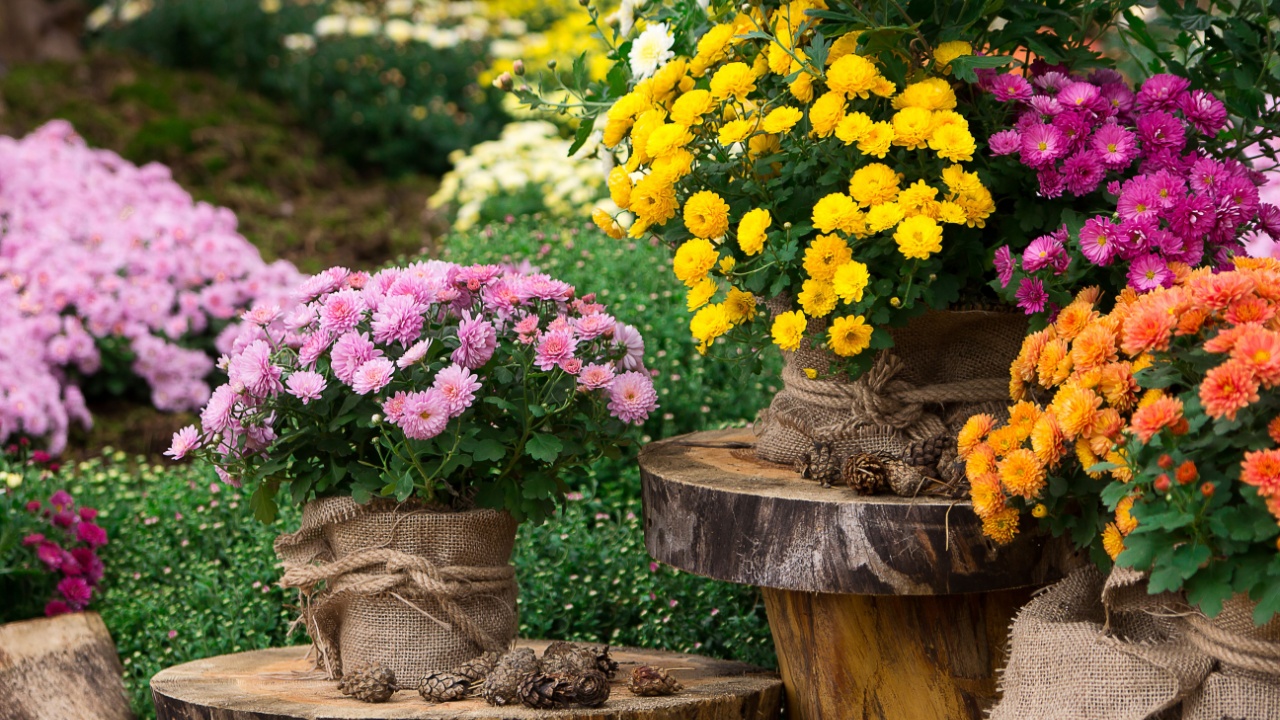
Image Credit: Shutterstock.
Turns out you don’t need a manor or a title to step outside and gather fresh blooms for the dinner table. A small patch of garden devoted to cut flowers and foliage can offer endless charm. Even a single sunflower or a few marigolds can brighten a room.
Cheerful bouquets lift the mood of a space and the spirits of those who pass through it. A jam jar filled with zinnias, shared just because, becomes a quiet gesture of care. These small offerings turn everyday beauty into something communal.
How to try it:
- Start with easy growers: cosmos, zinnias, calendula, sunflowers.
- Snip in the morning for longer-lasting blooms.
- Encourage kids to pick their favorites (sometimes weeds become “wildflower” arrangements, and yes, it counts).
11. Practice Daily Gratitude for Your Space

Image Credit: Shutterstock.
Grabbing a few seconds each day to notice what’s good about your home, no matter how imperfect, shifts everything. Maybe it’s the patch of sunlight creeping across your floor, a scent from the window, or the simple fact that your dinner came from your own backyard.
Kids are naturals at finding magic in small things, so invite their perspective. You’ll soon notice a more generous spirit toward both your home and yourself. Keep a gratitude journal, and you will soon be deliberately searching for things to be grateful for every day.
How to try it:
- Share daily “home wins” at dinner. Bonus if someone spots a new bird or bug in the garden.
- Reflect on progress rather than perfection-every weed pulled, every toy corralled is a win.
- Celebrate garden harvests (no matter how tiny).
12. Foster Open Family Routines
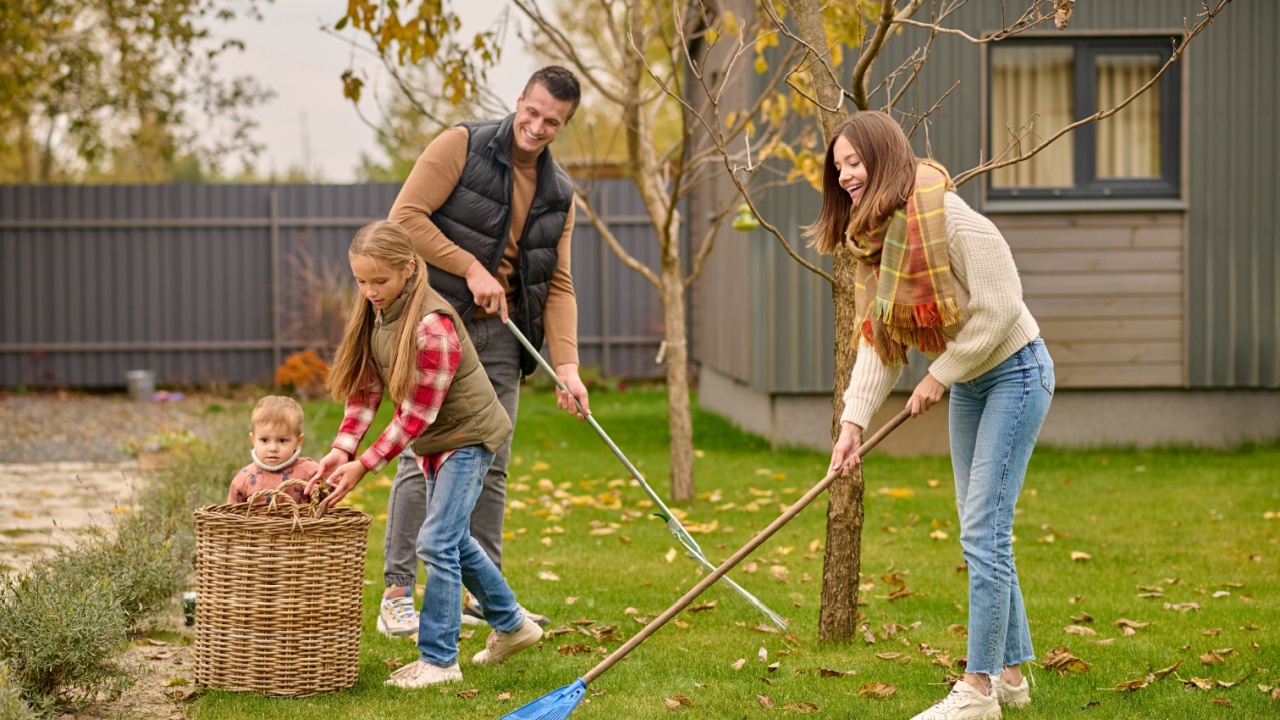
Image Credit: Shutterstock.
Homes run well when routines feel open and shared. That might mean planting herbs together, reading before sleep, or setting aside one afternoon a week to fix what’s broken and enjoy what’s working. These small rituals make space for connection without feeling forced.
Kids learn by doing things that matter. Adults get gentle reminders to show up and take part. Everyone contributes, and the house feels more like a team than a to-do list. It’s a way of living that builds rhythm, trust, and a sense of belonging.
How to try it:
- Rotate garden chores or have a “you-pick” night for books or recipes.
- Set up a family project list-everyone suggests tasks, big and small.
- Honor all contributions. Spilled watering cans and lopsided flowerpots mean a creative home.
Bringing it Home

Image Credit: Shutterstock.
You can bring these mindful habits into your home without elaborate details. You’ll need a touch of care, a few simple adjustments, and an openness to appreciate everyday beauty; it’s all it takes. These small practices collectively shape a space that feels comforting, deeply personal, and vibrant with life.
Cultivate your tomatoes. Tidy up alongside your children. Let music fill the air as you fold laundry. Each moment contributes to the unique rhythm of a home where everyone truly belongs. A place for happy homemaking, inevitable messes, mismatched socks, joyful laughter, and all the authentic beauty of life.