15 Common Mistakes That Lower a Home’s Value
Think of your home as more than just a place to kick your shoes off; it’s most likely your most valuable asset that should only increase in value over time. However, a surprising number of homeowners unknowingly sabotage their home’s value with seemingly harmless choices (maybe because they don’t even know what it’s worth to begin with, as a UK survey shows). A misguided renovation here, a neglected repair there…it all adds up.
This isn’t about nitpicking decor choices or critiquing every tiny imperfection. It’s about determining those significant blunders that can have a real impact on your home’s resale value. We’re talking about the kind of decisions that could leave thousands of dollars on the table when it’s time to sell.
So, whether you’re a DIY enthusiast or simply trying to maintain your property, this article is a must-read as we explore 15 common mistakes that homeowners make.
1. Neglecting Curb Appeal
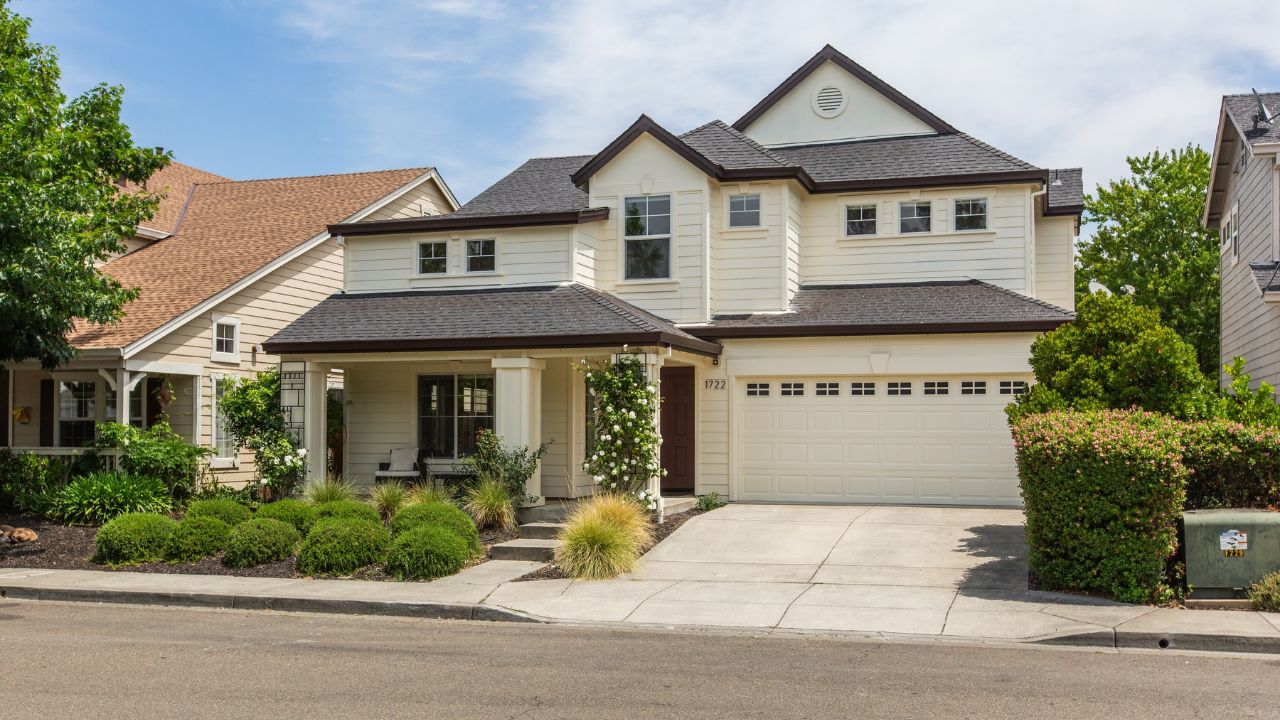
First impressions matter, especially when it comes to real estate. A shabby exterior, overgrown lawn, or peeling paint can instantly turn off potential buyers. Remember, the outside of your home is the first thing people see, and it sets the tone for the entire viewing experience.
Invest in landscaping, keep your lawn manicured, and regularly touch up exterior paint. These simple steps can significantly boost your home’s curb appeal and create a positive first impression. After all, you would show up to a job interview looking disheveled, would you? Treat your home’s exterior with the same respect.
2. DIY Disasters and Shoddy Renovations
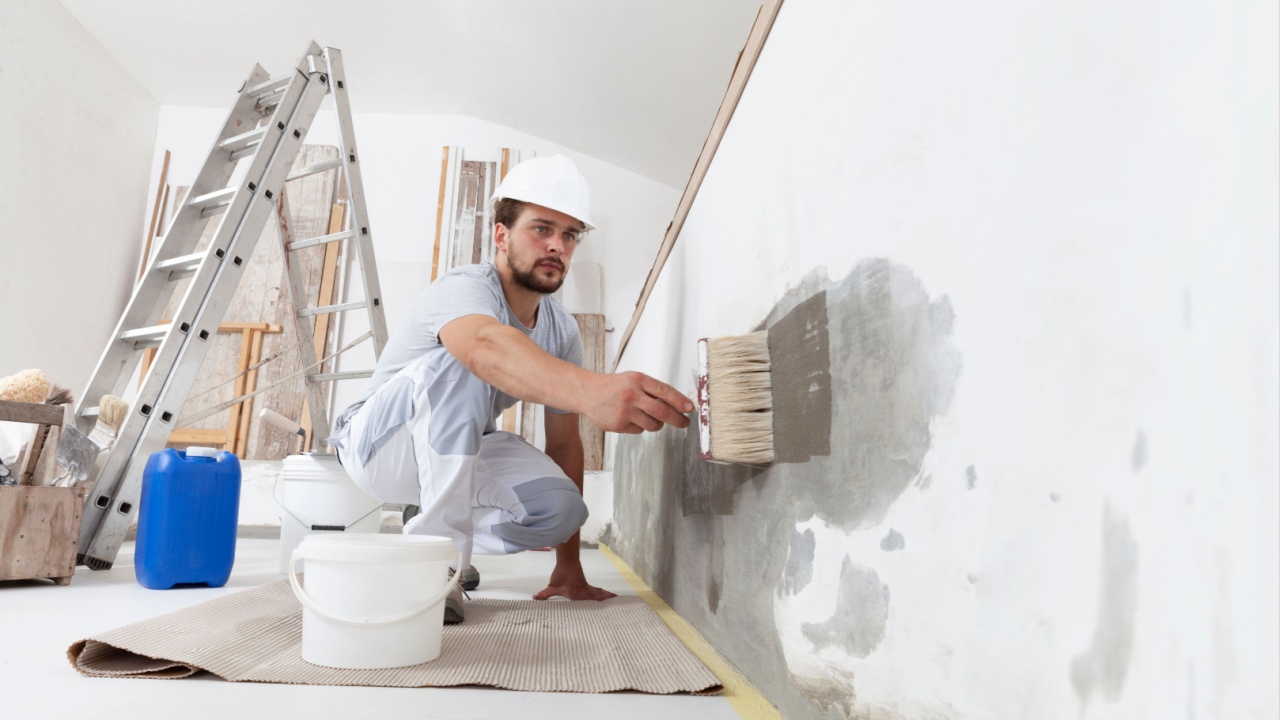
While DIY projects can be fun and rewarding, they can also backfire if not done correctly. Poorly executed renovations, amateur electrical work, or plumbing mishaps can detract from your home’s value and pose safety hazards.
Unless you’re a skilled tradesperson, it’s often wise to leave major renovations to the professionals. Cutting corners to save money can end up costing you more in the long run. A botched renovation can scare off buyers or require expensive repairs down the line.
3. Over-Personalizing Decor

Your home should reflect your personality, but be mindful of over-personalization. Bold color choices, eccentric wallpaper, or quirky decor themes might appeal to you, but they could alienate potential buyers.
When preparing to sell, opt for neutral colors and classic styles with broad appeal. This allows buyers to envision themselves living in the space and making it their own. Think of it as creating a blank canvas for their dreams rather than imposing your own unique vision.
4. Ignoring Necessary Repairs
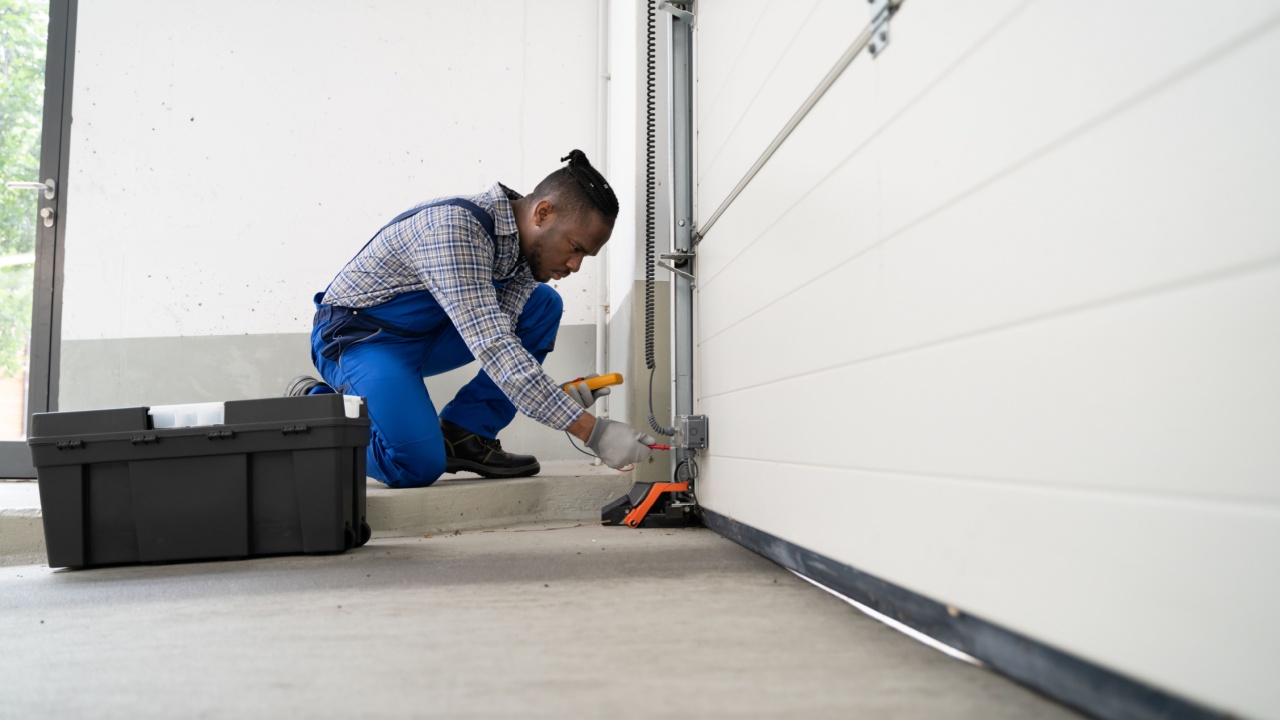
That leaky roof, faulty wiring, or cracked foundation might seem like minor inconveniences, but they can quickly snowball into major problems. Ignoring necessary repairs detracts from your home’s value and can lead to costly damage and safety issues.
Address repairs promptly, even if they seem minor. A well-maintained home signals to buyers that the property has been cared for and is less likely to require unexpected expenses in the future. Think of it as preventative medicine for your home’s value.
5. Clutter and Poor Staging

A cluttered home can make it appear smaller, less appealing, and even uncared for. When preparing to sell, declutter ruthlessly. Remove excess furniture, personal items, and anything that detracts from the space’s flow and functionality.
Consider hiring a professional stager to showcase your home’s best features. Staging can transform a space, highlighting its potential and making it more inviting to potential buyers. It’s an investment that can pay off handsomely when it comes to attracting offers.
6. Outdated Kitchens and Bathrooms
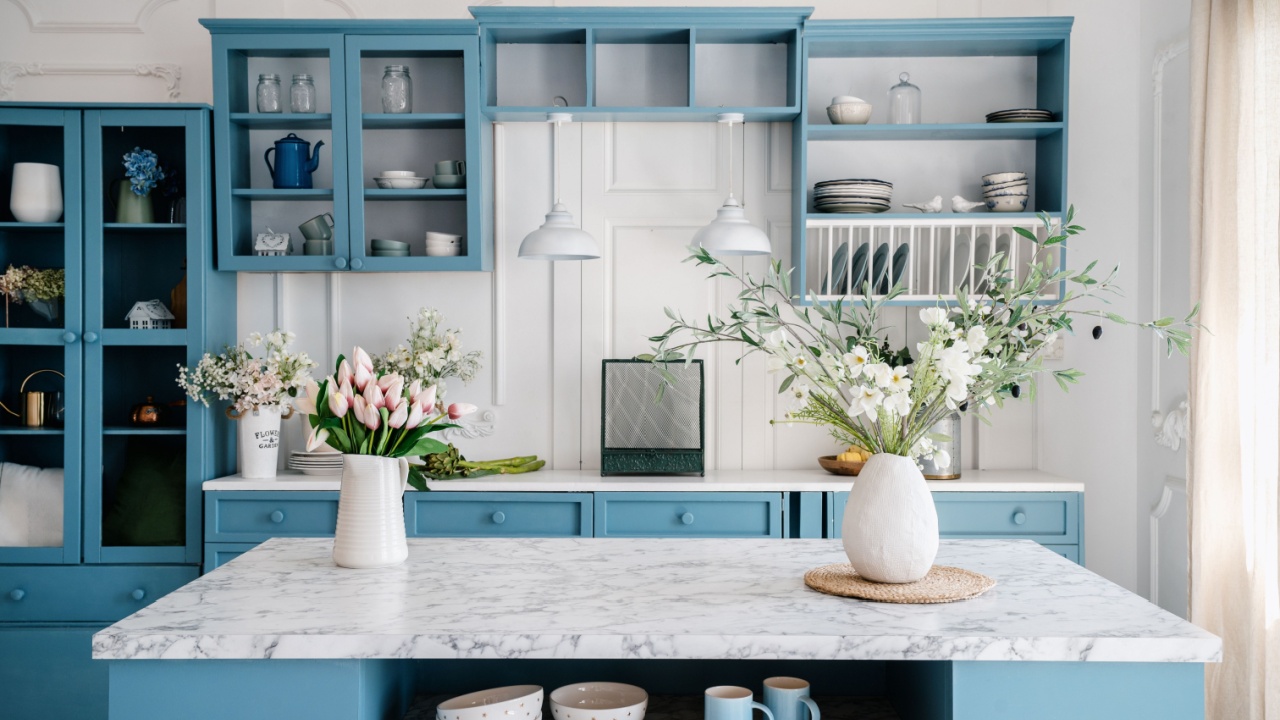
Kitchens and bathrooms are often the most important rooms for buyers. Outdated fixtures, worn-out countertops, and old appliances can significantly impact your home’s value. These are high-traffic areas that can make or break a sale.
Consider updating these spaces with modern fixtures, fresh paint, and new appliances. Even minor upgrades can make a big difference. If a full renovation isn’t feasible, focus on cost-effective improvements like replacing cabinet hardware, updating faucets, or adding a fresh coat of paint.
7. Neglecting Landscaping and Outdoor Spaces

Your home’s exterior is an extension of its living space. Overgrown shrubs, dead plants, or a barren backyard can make your property feel uninviting and neglected. A well-maintained landscape, on the other hand, can significantly enhance your home’s curb appeal and value.
Invest in landscaping that complements your home’s architecture and the surrounding environment. Plant colorful flowers, trim shrubs regularly, and create inviting outdoor seating areas. Think of your yard as an outdoor oasis where potential buyers can envision themselves relaxing and enjoying the fresh air.
8. Overbuilding for the Neighborhood
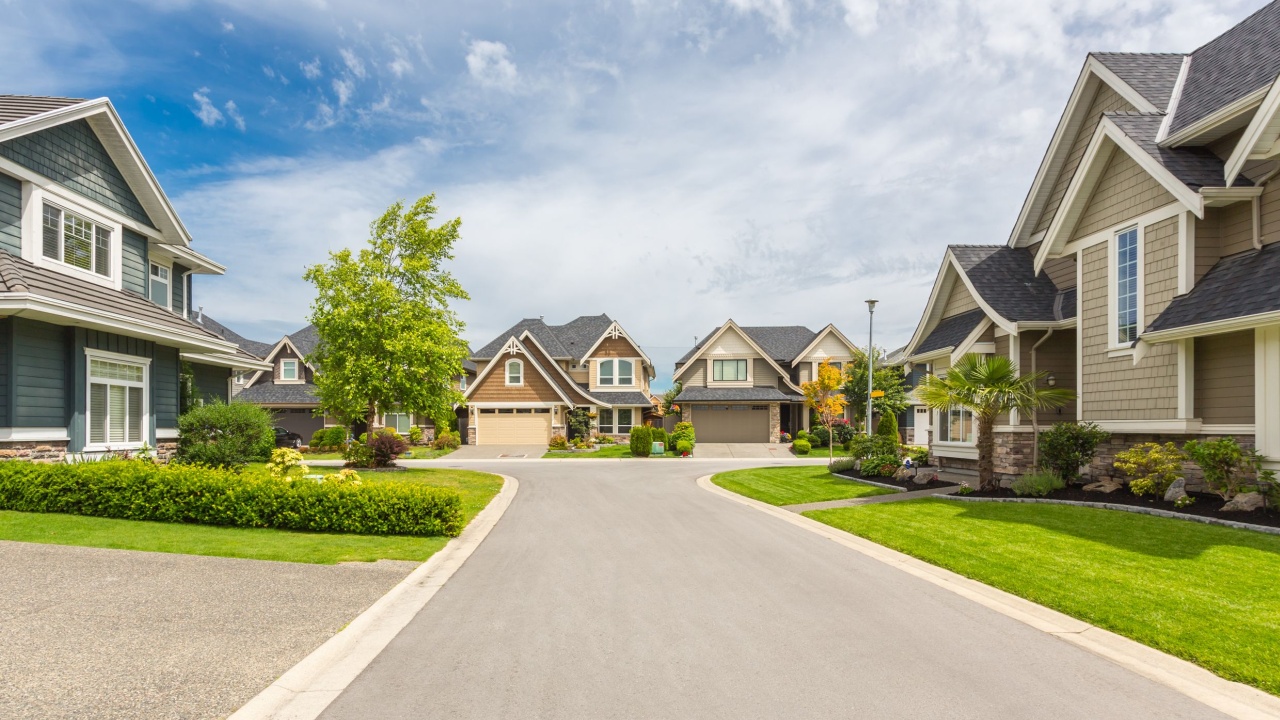
While it’s tempting to add a luxurious master suite or a state-of-the-art home theater, be mindful of your neighborhood’s overall character. Overbuilding for the area can make your home stand out like a sore thumb and deter potential buyers.
Research comparable homes in your neighborhood to gauge the typical size and amenities. While upgrades are valuable, it’s important to strike a balance and avoid overspending on features that won’t significantly increase your home’s value in the local market (because no one wants the most expensive house on the block).
9. Ignoring Energy Efficiency
In an era of rising energy costs and growing environmental awareness, energy-efficient homes are in high demand. Ignoring energy-saving measures can make your home less appealing to buyers concerned about utility bills and their carbon footprint.
Invest in energy-efficient upgrades like insulation, double-pane windows, and LED lighting. To further reduce energy consumption, consider installing solar panels or a smart thermostat. These improvements lower your utility bills and appeal to eco-conscious buyers, adding to your home’s resale value.
10. Poorly Maintained Roof and Gutters

Your roof and gutters are crucial in protecting your home from the elements. A leaky roof or clogged gutters can lead to water damage, mold growth, and structural issues, significantly devaluing your property.
Regularly inspect your roof and gutters for damage and clean them out to prevent clogs. Address any issues promptly to avoid costly repairs down the line. A well-maintained roof and gutter system not only protects your home but also signals to buyers that the property has been properly cared for.
11. Bad Smells and Pet Odors

Unpleasant odors can be a major turnoff for potential buyers. Pet odors, smoke smells, or even strong cooking aromas can linger in a home and create a negative impression.
Before showings, deep clean your home, remove any sources of odor, and consider using air fresheners or essential oils to create a pleasant ambiance. If you have pets, take extra care to eliminate any lingering smells by shampooing carpets, cleaning upholstery, and washing pet bedding.
12. Outdated Flooring and Carpeting
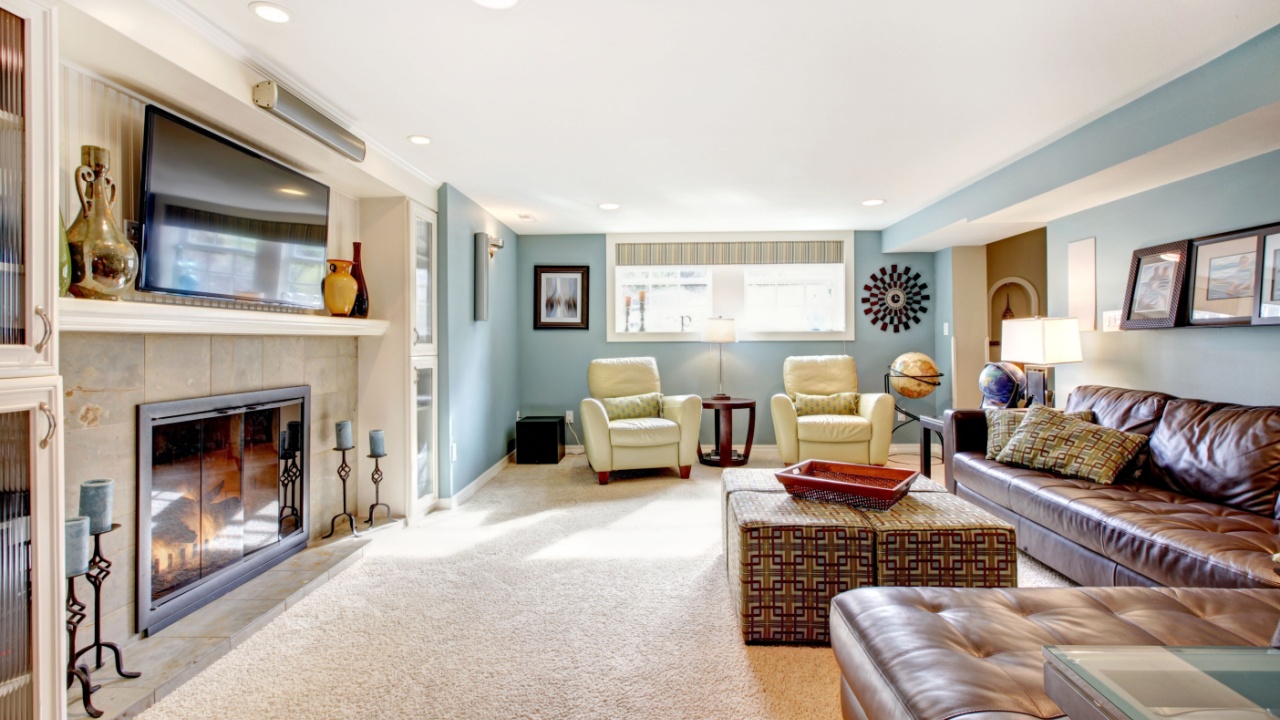
Worn-out carpets, stained linoleum, or scratched hardwood floors can make your home look tired and unkempt. Flooring is a major component of a home’s aesthetic appeal, and outdated or damaged flooring can significantly detract from its value.
Consider replacing old flooring with modern options like engineered hardwood, laminate, or tile. Choose neutral colors and durable materials that will stand the test of time. A fresh, updated floor can instantly revitalize a space and make it more appealing to buyers.
13. Allowing Pests to Infest
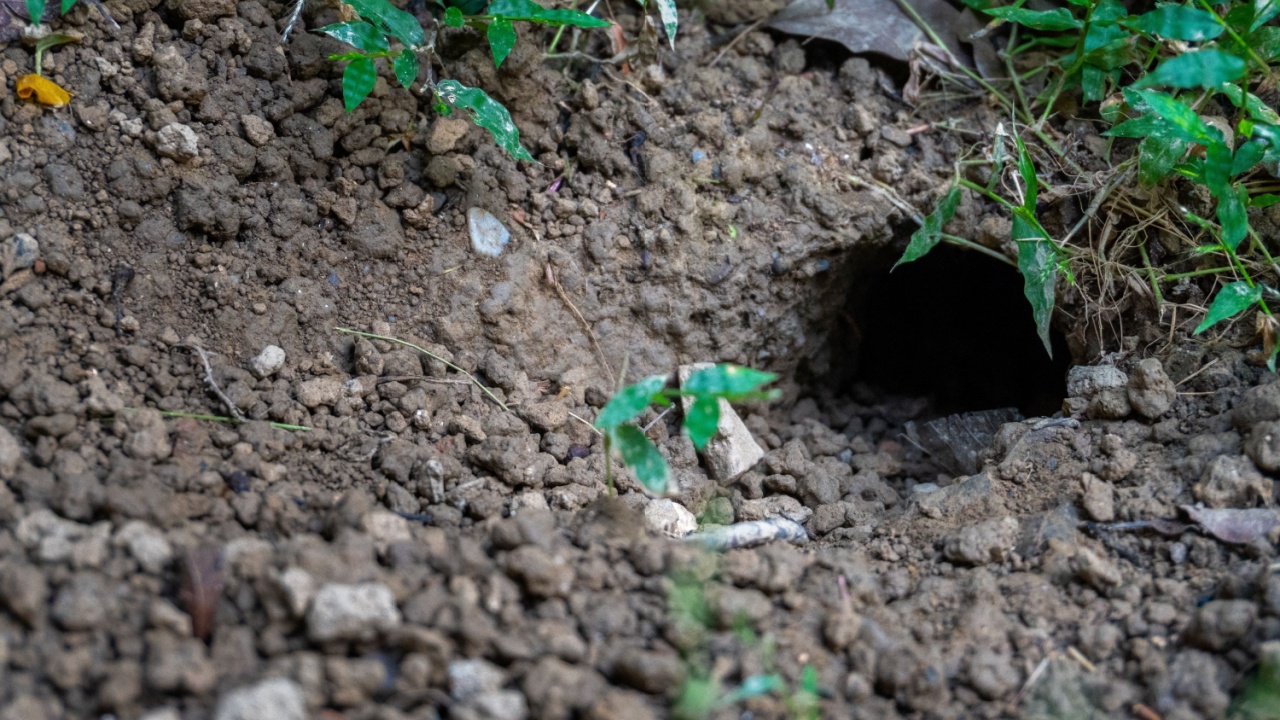
Termites, rodents, or other pests can cause significant damage to a home’s structure and pose health risks. An infestation can quickly become a costly nightmare, requiring extensive repairs and potentially scaring off buyers.
Take preventative measures to keep pests at bay. Seal cracks and crevices, store food properly, and regularly inspect your home for signs of infestation. If you do discover pests, address the problem promptly with professional pest control services.
14. Ignoring the Importance of Lighting

Good lighting can make a world of difference in how a home is perceived. Dark, dimly lit rooms can feel cramped and unwelcoming, while well-lit spaces feel airy and inviting.
Ensure all light fixtures are in working order, and replace any burnt-out bulbs. Consider adding additional lighting to brighten up dark corners or highlight architectural features. Natural light is also crucial, so open curtains and blinds during showings to let the sunshine in.
15. Not Disclosing Known Issues
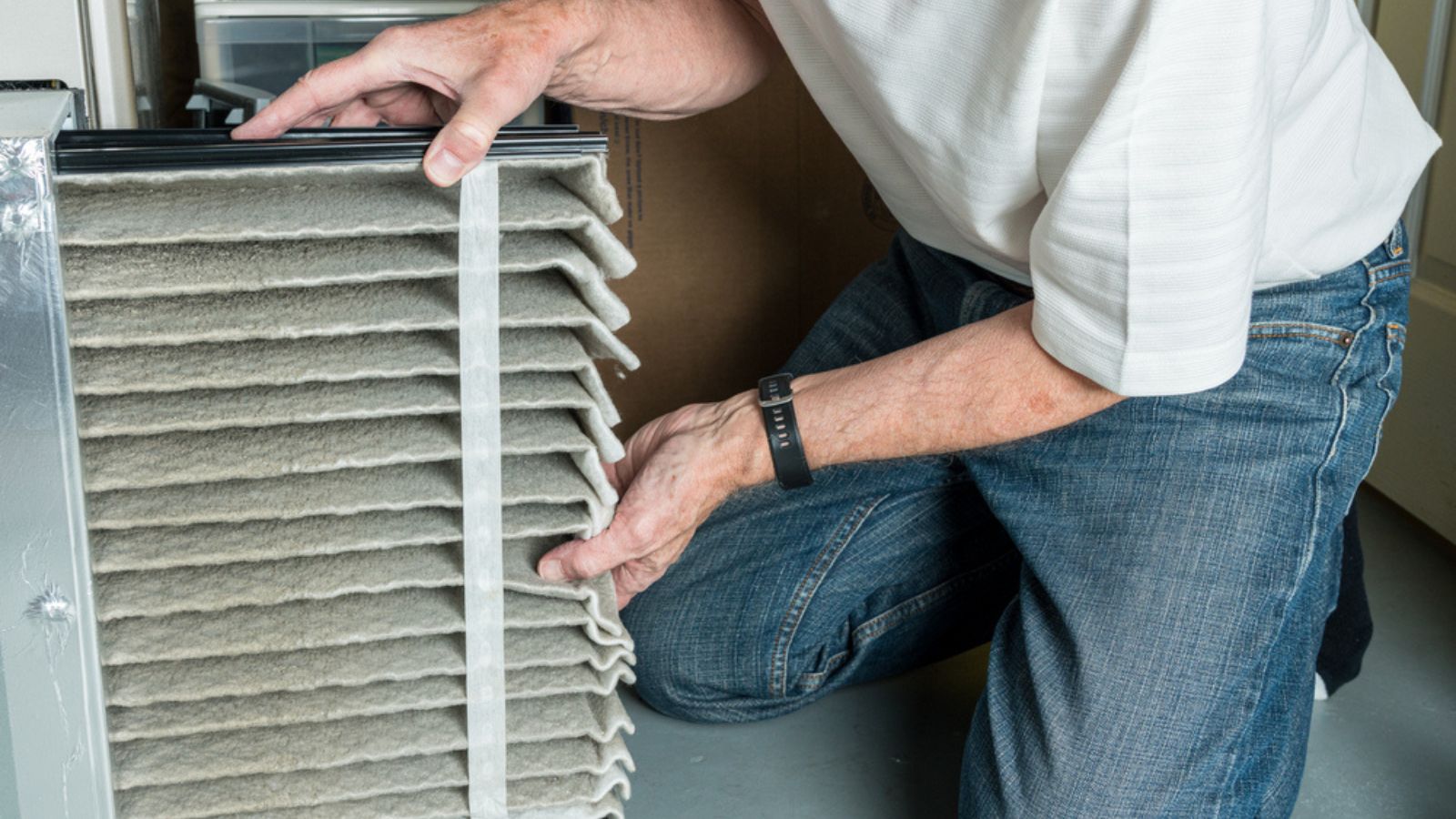
Honesty is the best policy when it comes to selling your home. Attempting to hide known issues, such as a leaky basement or a faulty HVAC system, can backfire and lead to legal troubles down the line.
Disclose any known problems upfront to potential buyers. This demonstrates transparency and builds trust. It’s better to address issues head-on rather than risk a deal falling through or facing legal repercussions later.