12 Beautiful Fall Planter Ideas That Go Beyond Mums
Summer flowers may be fading, but that doesn’t mean porch planters have to look tired.
Fall offers plenty of ways to refresh containers with velvety foliage, colorful seed heads, cool-weather blooms, and plants that hold their shape long after the first chilly nights.
Mums are a classic for a reason, but they’re hardly the only option. These 12 fall planter ideas bring something different to the doorstep, from copper-colored grasses to purple coral bells.
Some will thrive through frosty weather; others are best enjoyed during the warmer weeks of autumn. Choosing plants for your local temperatures is the key to a display that looks good for as long as possible.
1. Coleus for Rich, Autumn-Colored Foliage
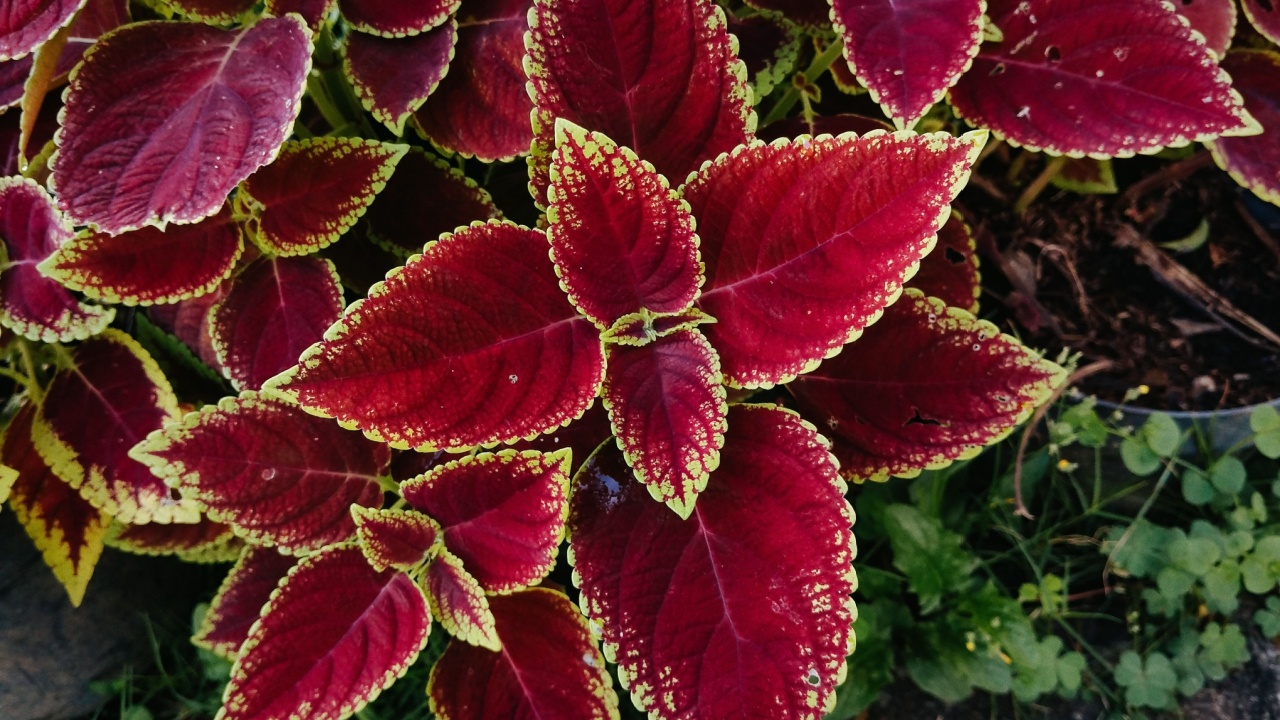
For the look of fall leaves without waiting for a tree to change color, try coleus. Its patterned foliage comes in burgundy, copper, orange, and lime, making it easy to create a striking arrangement without a single flower. Combine a tall, dark-leaved variety with shorter gold or rust-colored plants, or group several coleus varieties in one generous pot.
Although often grown as a summer annual, coleus can look wonderful in early fall. It is sensitive to frost, however, so this is a better choice for mild autumns or a porch that can be refreshed when cold weather arrives. Give it the light recommended for its particular variety and keep the potting mix from drying out completely.
2. Ornamental Kale and Peppers for Bold Contrast
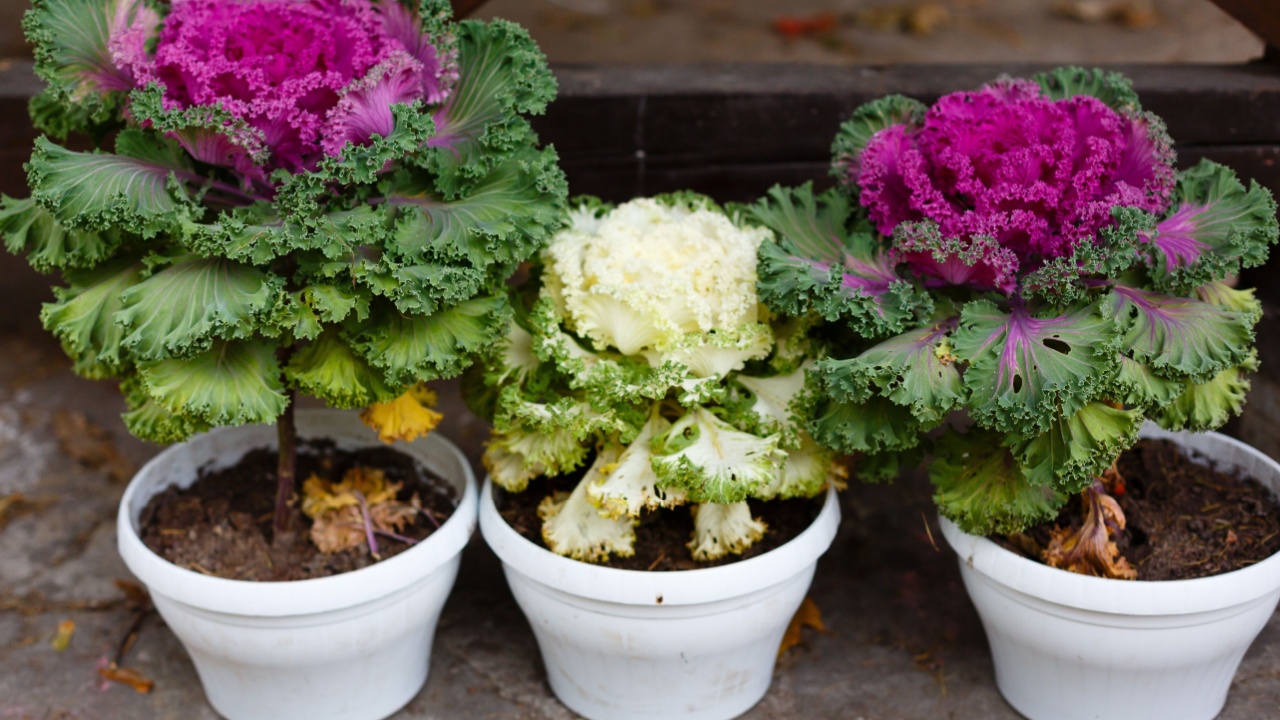
Few combinations look as distinctly autumnal as ruffled ornamental kale or cabbage beside colorful ornamental peppers. The kale brings broad leaves in green, cream, pink, or purple, while the peppers add glossy little fruits in red, orange, yellow, and violet. Arrange a large kale plant in the center and tuck peppers around it for a display with plenty of texture.
There is one important difference between the two: kale generally handles chilly weather and light frosts much better than peppers do. If freezing temperatures are expected, the peppers may need to be replaced while the kale keeps going. Ornamental peppers are also often extremely hot, so place the container thoughtfully around children and pets.
3. Coral Bells for Deep Purple and Copper Leaves
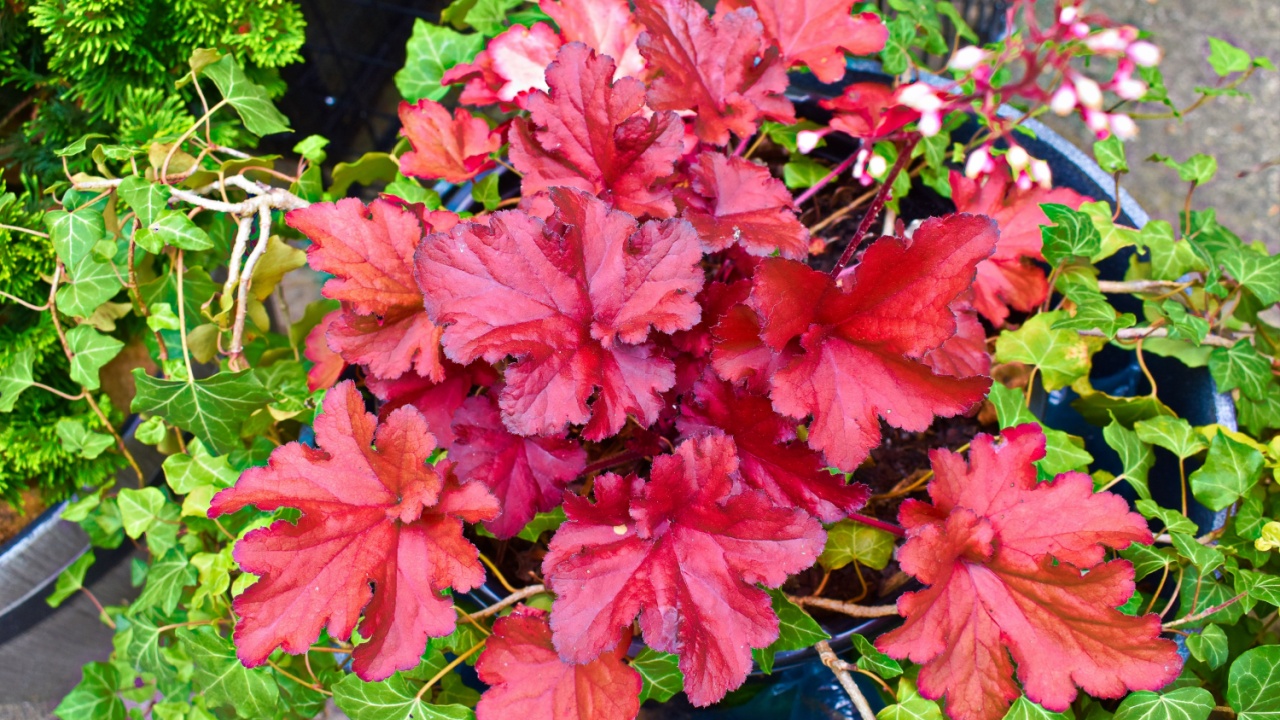
Coral bells (Heuchera) are an easy way to bring lasting color to a fall pot. Their leaves range from nearly black-purple to amber, bronze, and bright lime, and their low, rounded shape makes them especially useful around taller plants. Try burgundy coral bells with silver dusty miller and a few pale pansies for an arrangement that feels polished without being fussy.
Unlike many seasonal container plants, coral bells are perennials. Choose a variety suited to the light on your porch, and keep the soil well drained. They can be transplanted into the garden where hardy, ideally early enough to establish roots before the ground freezes. In cold regions, a small exposed pot offers less winter protection than the ground.
4. Ornamental Grasses for Height and Movement

An ornamental grass gives a fall container height without making it look crowded. Burgundy purple fountain grass is particularly dramatic with golden pansies or ornamental kale. For a softer effect, Japanese forest grass spills in graceful arches, while copper-toned sedges bring fine texture to the edge of a pot.
Choose the grass to suit the site rather than assuming they all want the same conditions. Purple fountain grass favors sun and is frost-sensitive in many climates; Japanese forest grass generally prefers some shade. Some hardy grasses and sedges can remain attractive after flowering plants fade, but container hardiness depends on the species and how exposed the pot is.
5. Pansies and Violas for Cool-Weather Flowers
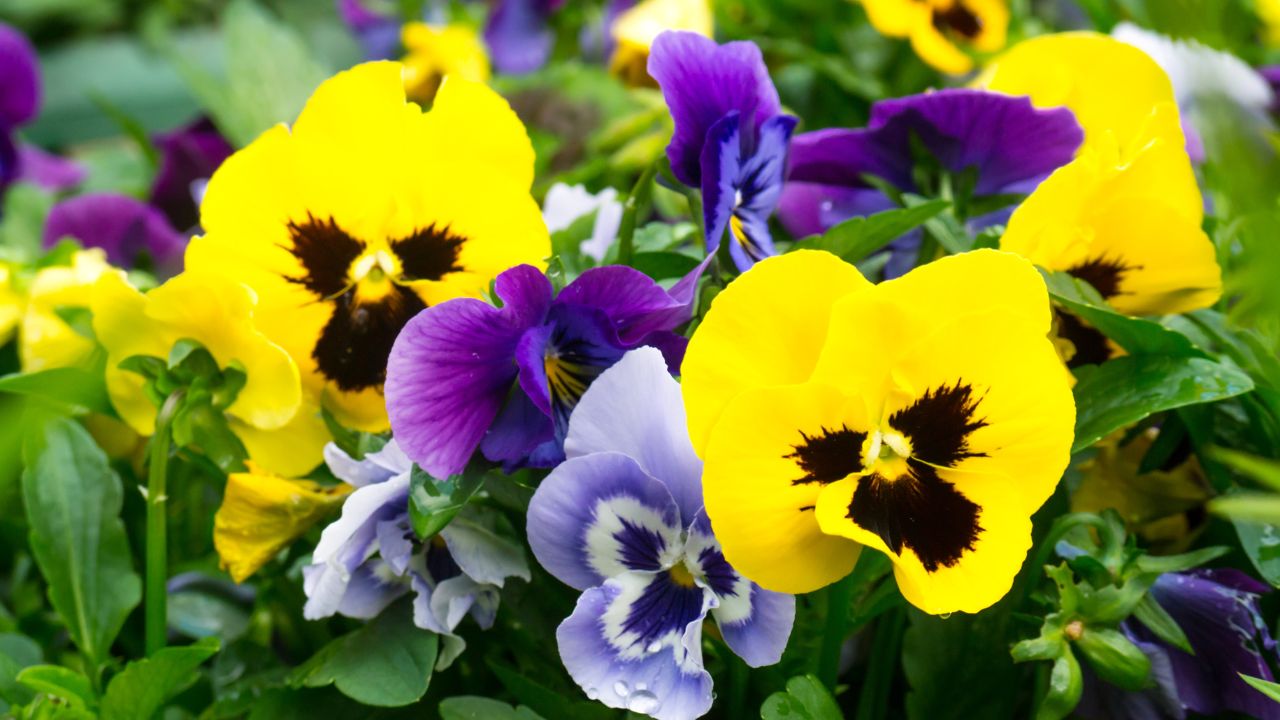
When summer flowers begin to struggle, pansies and violas bring welcome color back to the porch. Their cheerful blooms come in velvety purples, sunny yellows, soft blues, and nearly every shade in between. Fill a shallow bowl with a mix of colors, or plant them around a small evergreen for a more structured display.
These are among the better choices for genuinely cool fall weather. They tolerate light frosts, although flowering may slow or stop during prolonged freezes. Give them sun to partial shade and enough water to keep the soil lightly moist. Removing faded flowers helps keep the arrangement looking fresh.
6. Celosia for Sculptural, Flame-Colored Blooms
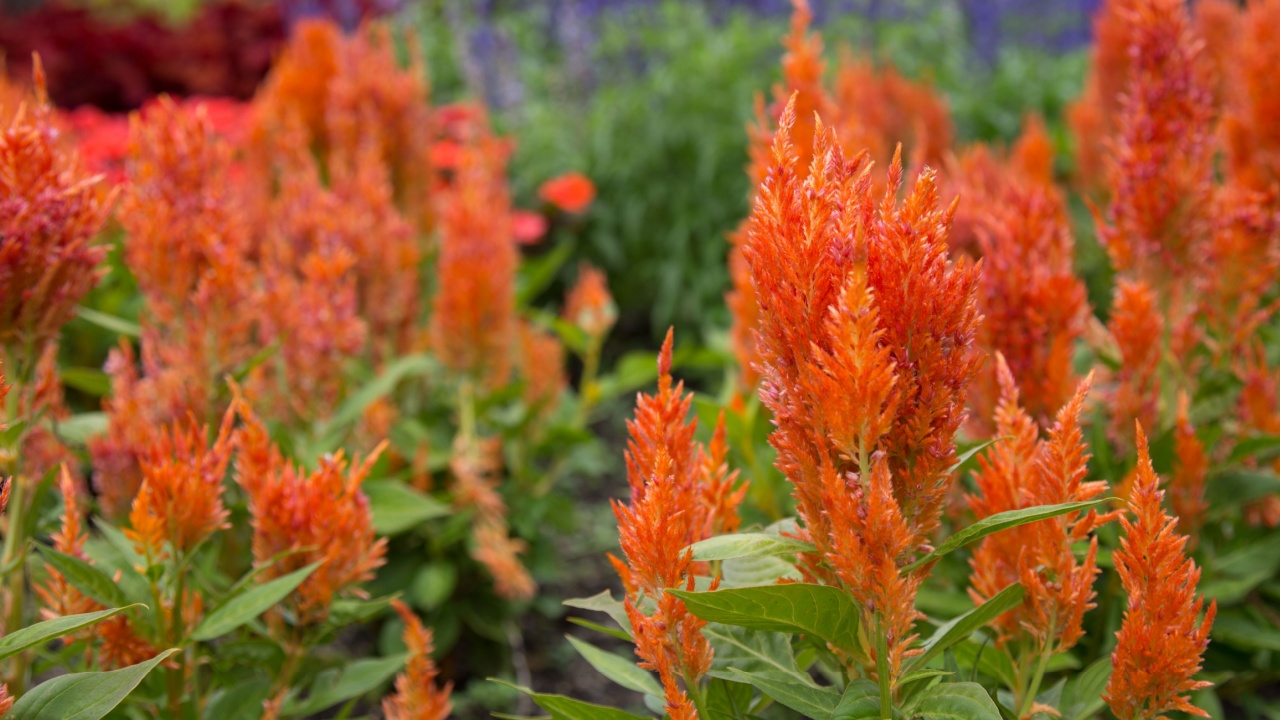
For something that looks almost like a fall decoration on its own, consider celosia. Some varieties produce feathery plumes, others have ridged, velvety crests, and still others form slender flower spikes. Their saturated orange, red, pink, and gold tones stand out against simple green foliage or dark-leaved companions.
A single large celosia can anchor a small pot, while several compact plants make an eye-catching cluster. Celosia likes warmth and sunshine, though, and frost can end the display quickly. Think of it as a colorful bridge between late summer and early fall rather than a dependable plant for freezing November nights.
7. Sweet Potato Vine for Cascading Color
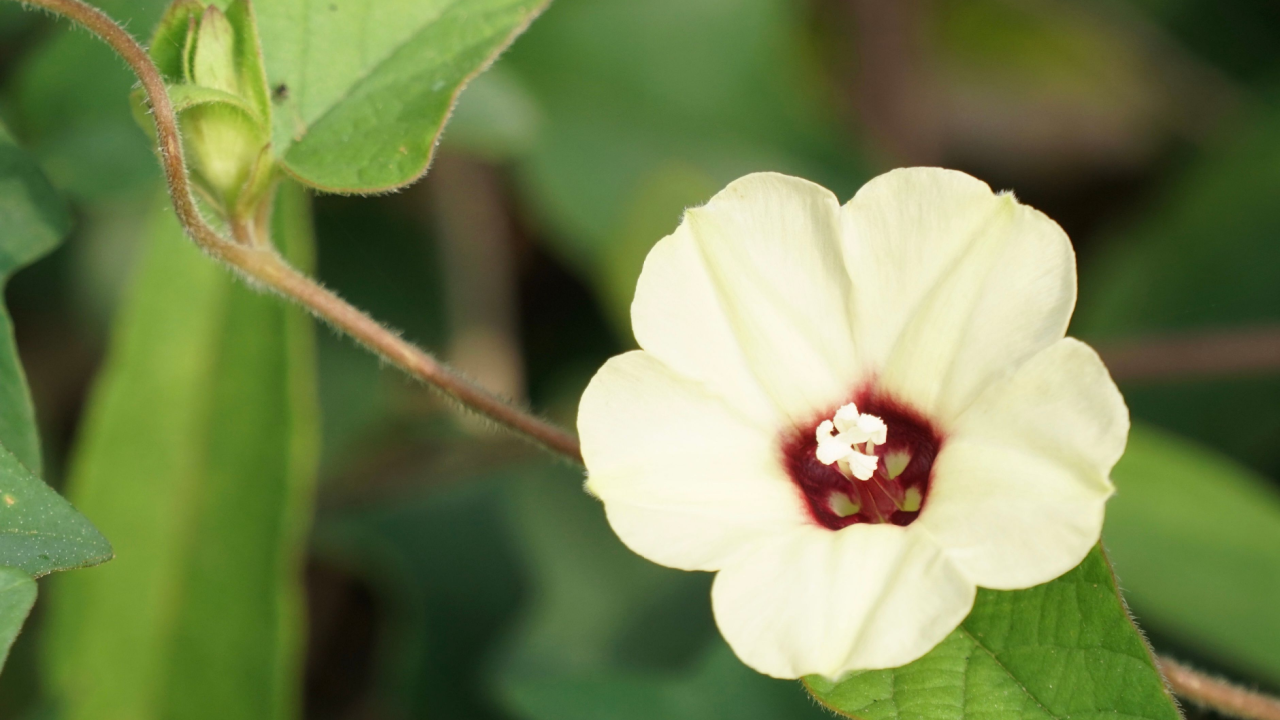
Ornamental sweet potato vine is useful when a planter needs something to soften its edges. Chartreuse varieties brighten dark containers, while deep purple selections create a striking contrast with orange flowers, copper grasses, or pale ornamental cabbage. Let a few stems tumble over the rim for an arrangement that looks full from every angle.
It grows quickly and may need trimming so it doesn’t swallow smaller companions. Sweet potato vine also dislikes frost, making it best for early fall displays or warmer regions. In colder climates, enjoy its color while it lasts and swap it for a hardier trailing accent when temperatures drop.
8. Small Evergreens for a Planter That Lasts
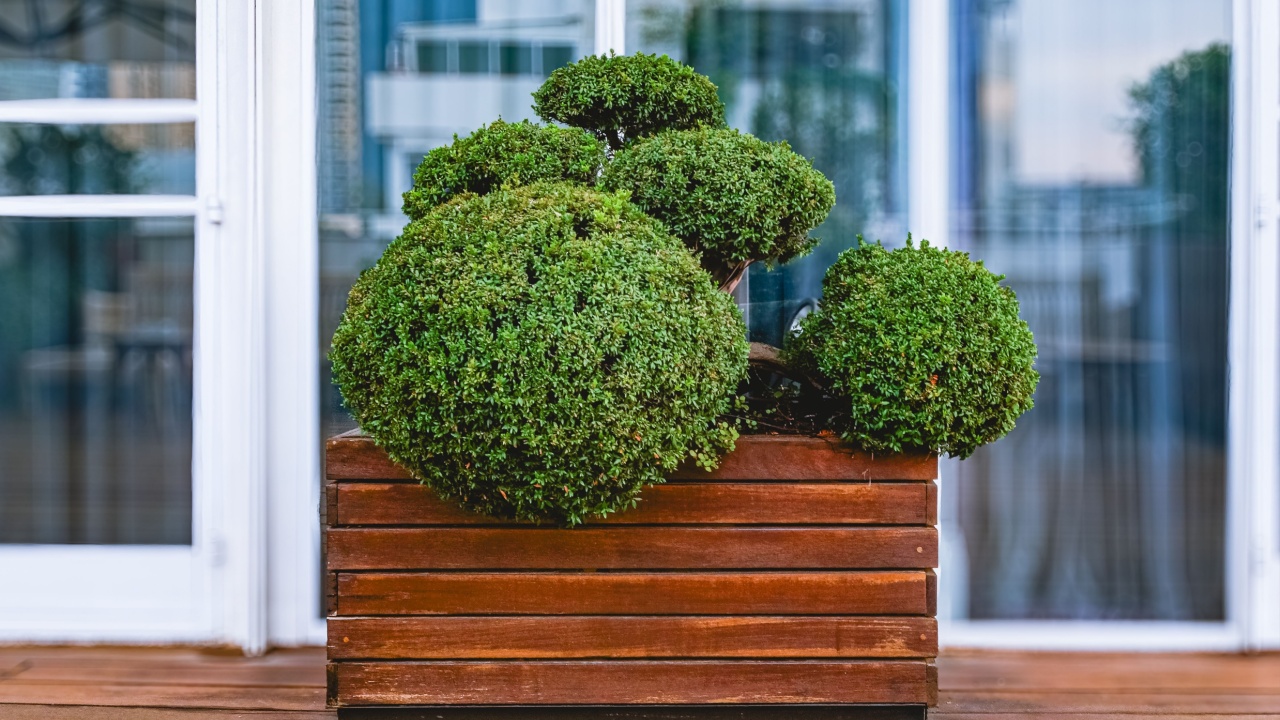
A compact evergreen shrub gives a fall planter structure that can carry through winter. A small juniper, boxwood, or dwarf Alberta spruce looks especially attractive with a ring of pansies, ornamental kale, or coral bells. When the seasonal plants fade, the evergreen remains as the centerpiece.
Choose a container with drainage and enough room for the shrub’s roots. Evergreens still need moisture when the soil is unfrozen, but soggy winter soil can be damaging. In cold climates, roots in pots are more exposed than roots in the ground, so select a particularly hardy plant and protect the container from severe temperature swings.
9. Croton for a Tropical Take on Fall Color

The leaves of croton look as though they’ve borrowed every color from an autumn tree: orange, gold, red, green, and burgundy often appear on the same plant. A croton makes a striking centerpiece in a sheltered porch arrangement, especially with simpler companions that let its patterned foliage stand out.
This is a warm-weather option, not a cold-hardy fall plant. Crotons can suffer chilling damage well before frost, so bring them indoors when nights approach 50°F rather than waiting for freezing weather. They also need bright light and reasonably consistent moisture, and sudden changes in conditions may cause leaf drop.
10. Asters for a Cloud of Late-Season Flowers
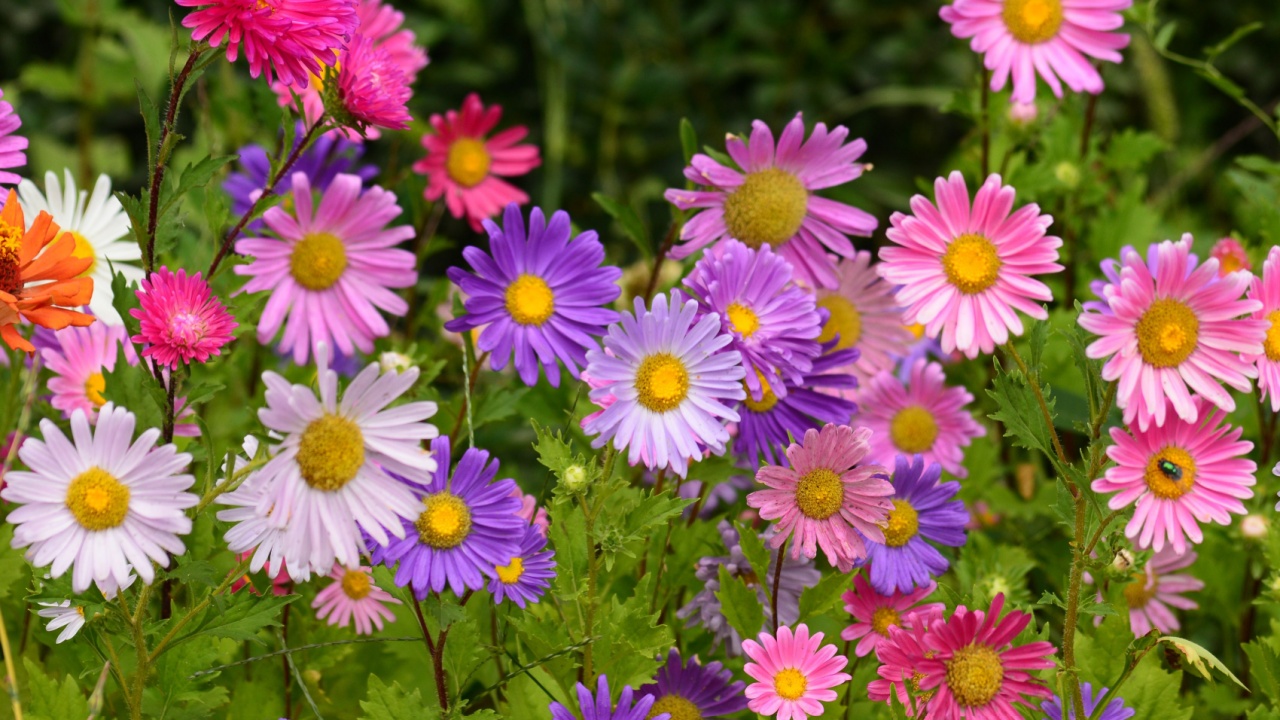
Fall-blooming asters bring masses of small, daisy-like flowers to containers when many summer blooms have finished. Purple and blue varieties look beautiful against golden grasses or ornamental cabbage, while pink and white selections give a softer cottage-garden feel. Choose compact plants for pots so the stems don’t flop over the rim.
Many asters are hardy perennials and valuable late-season flowers for pollinators. Most bloom best in full sun and need regular water while growing in containers. If the variety suits your region, move it into the garden while there is still time for roots to establish, or provide appropriate winter protection for the pot.
11. Dusty Miller for a Soft Silver Accent
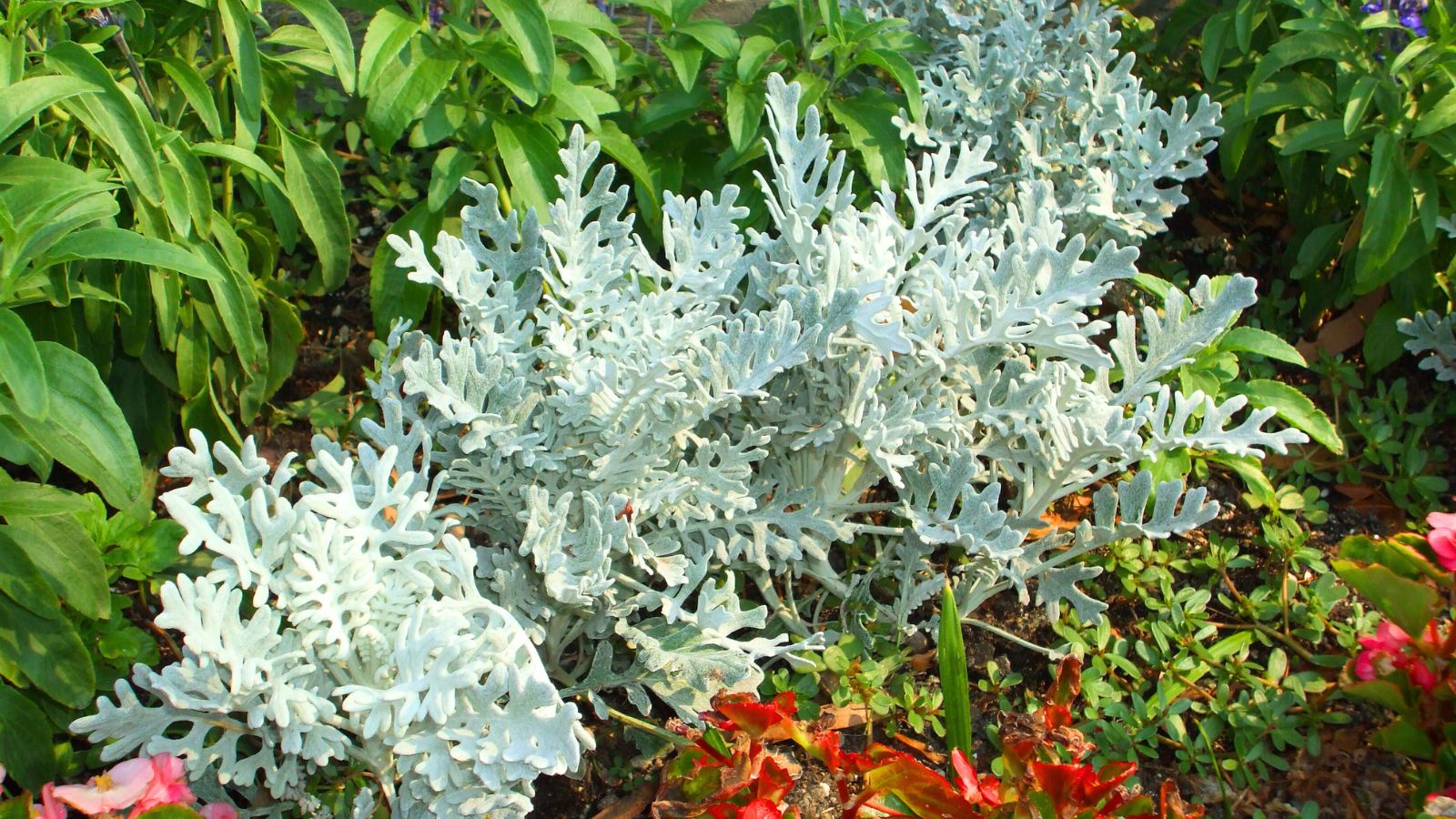
Not every fall container needs more orange or red. The silvery leaves of dusty miller make rich seasonal colors look even richer. Use it along the front edge of a pot filled with purple pansies, burgundy coral bells, or ornamental kale, where its pale foliage creates contrast without competing for attention.
Dusty miller prefers sun and well-drained soil, and established plants tolerate some dryness. It can also handle light frost, though prolonged cold may damage it depending on the climate. Its soft, felted leaves remain the attraction, so there’s no need to wait for flowers to make the arrangement interesting.
12. Japanese Anemones for an Airy, Elegant Look
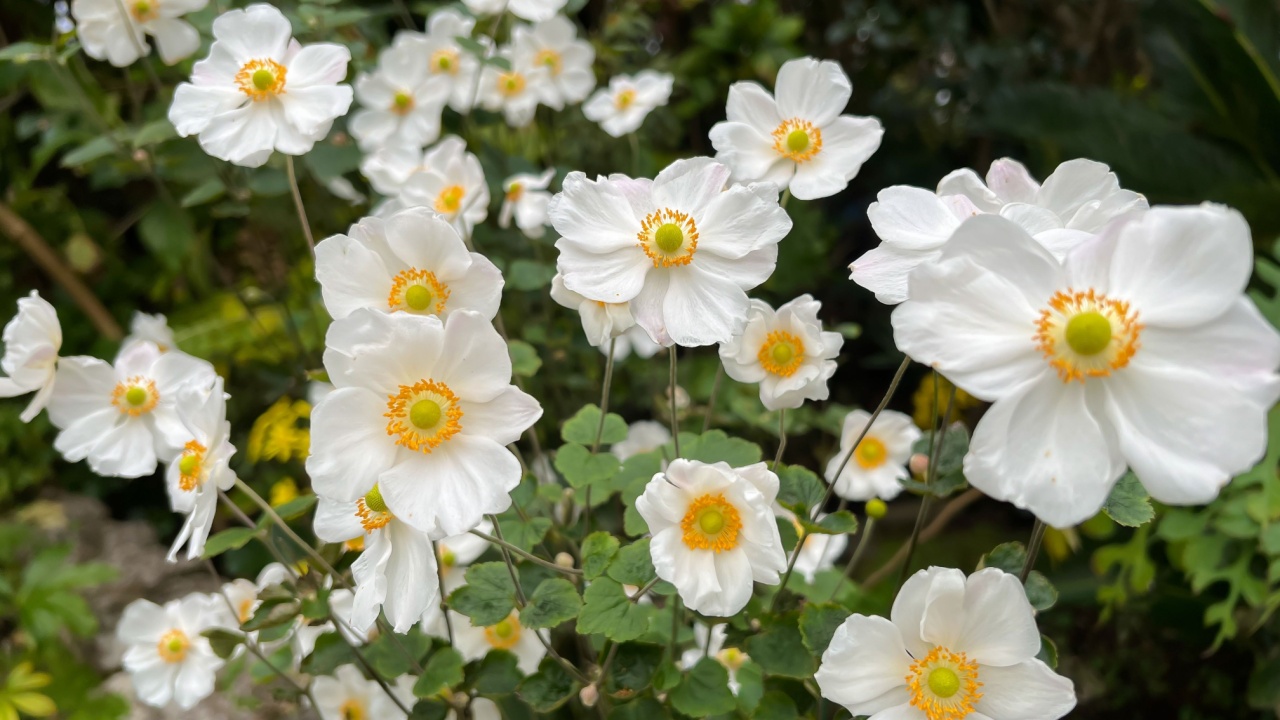
With slender stems and delicate pink or white blooms, Japanese anemones bring a lighter touch to fall arrangements. Their flowers rise above the foliage, making them a lovely contrast to low, rounded coral bells or fine-textured grasses. A large container with one anemone and a few understated companions can be more effective than a crowded mix.
These are substantial perennials, so give them a roomy pot rather than squeezing them into a small seasonal planter. They generally appreciate partial shade and evenly moist, well-drained soil. Check the specific cultivar before planting in the ground, since some Japanese anemones can spread aggressively in favorable conditions.
Put Together a Fall Planter That Fits Your Porch
The best fall planters start with a simple combination: one plant for height, another for fullness, and something that softens the edge. A copper grass with purple pansies may be all a porch needs; a compact evergreen surrounded by kale can keep its shape much longer into winter.
Before buying plants, check how much sun the container receives and how cold your fall nights typically get. Use fresh potting mix and a pot with drainage, and remember that containers dry out even when the air feels cool. With a few well-chosen plants, the front porch can look just as inviting in October as it did in June.