It’s Not Trash— 16 Items Thrift Stores Would Love to Have from Your House
Cleaning out your home often reveals hidden piles of unused items gathering dust in corners. Many people toss these forgotten objects straight into the garbage bin because they assume no one else would desire them. Throwing items away seems quick and easy when you want to clear space. However, landfills constantly overflow with perfectly good materials that could easily serve another purpose in a new home.
Thrift stores rely heavily on donations to provide affordable goods to their communities. They take in a massive variety of objects daily to support local programs and help families save money. When you donate rather than discard, you actively participate in a cycle of reuse that benefits your community and the environment.
This guide details several surprising household goods that donation centers eagerly accept. Everyday items sitting idle in your cabinets hold tremendous value for someone shopping on a budget. The following list gives you practical ideas on what to box up for your local charity shop before your next trip to the dump.
1. Gardening Tools and Lawn Care Equipment
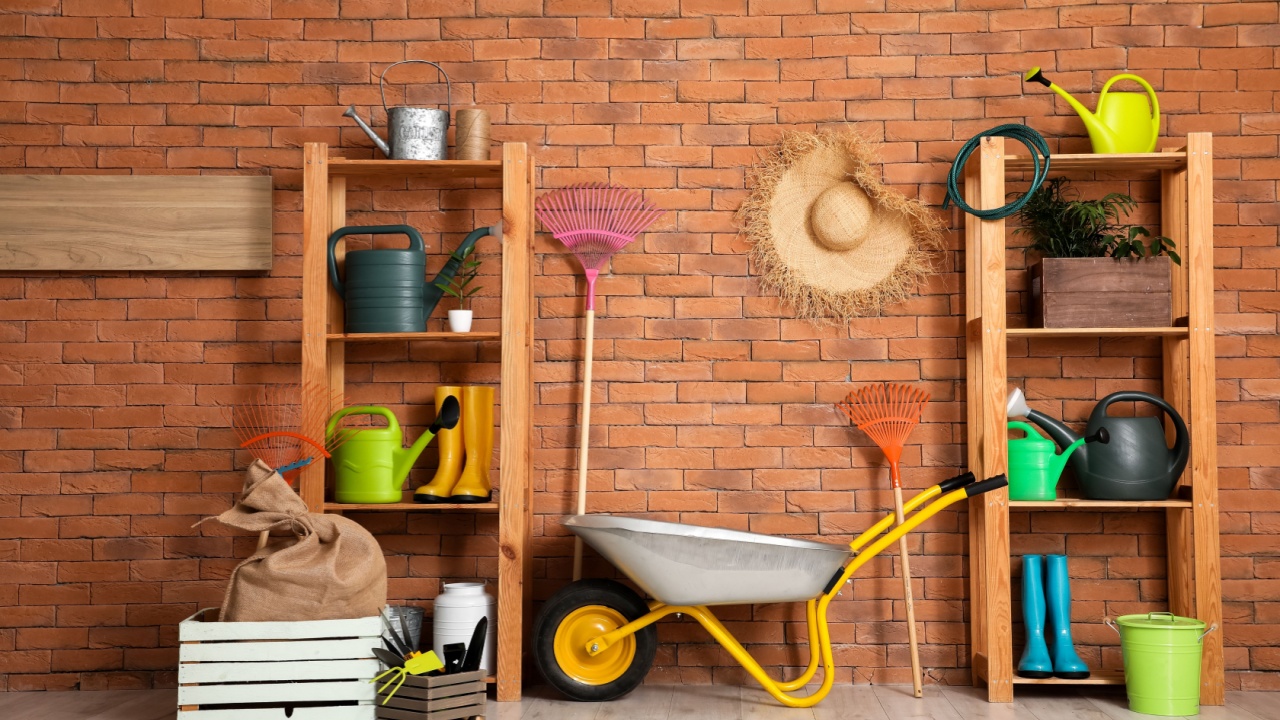
Rusty trowels and forgotten shovels often end up in the trash pile during spring cleaning. Many people upgrade their outdoor equipment and abandon their older spades, hoes, and watering cans in the shed. Thrift stores happily accept these gently used outdoor items because new outdoor equipment costs a lot of money at retail stores. New gardeners constantly look for discounted supplies to start their very first backyard plots.
Before donating, clean off any dried dirt and carefully remove heavy rust from metal surfaces. Taking a few minutes to wipe down handles and sharpen dull blades makes your donation much more valuable to the charity. Buyers appreciate clean equipment they can put to use immediately in their own yards.
2. Hand Tools and Small Power Tools
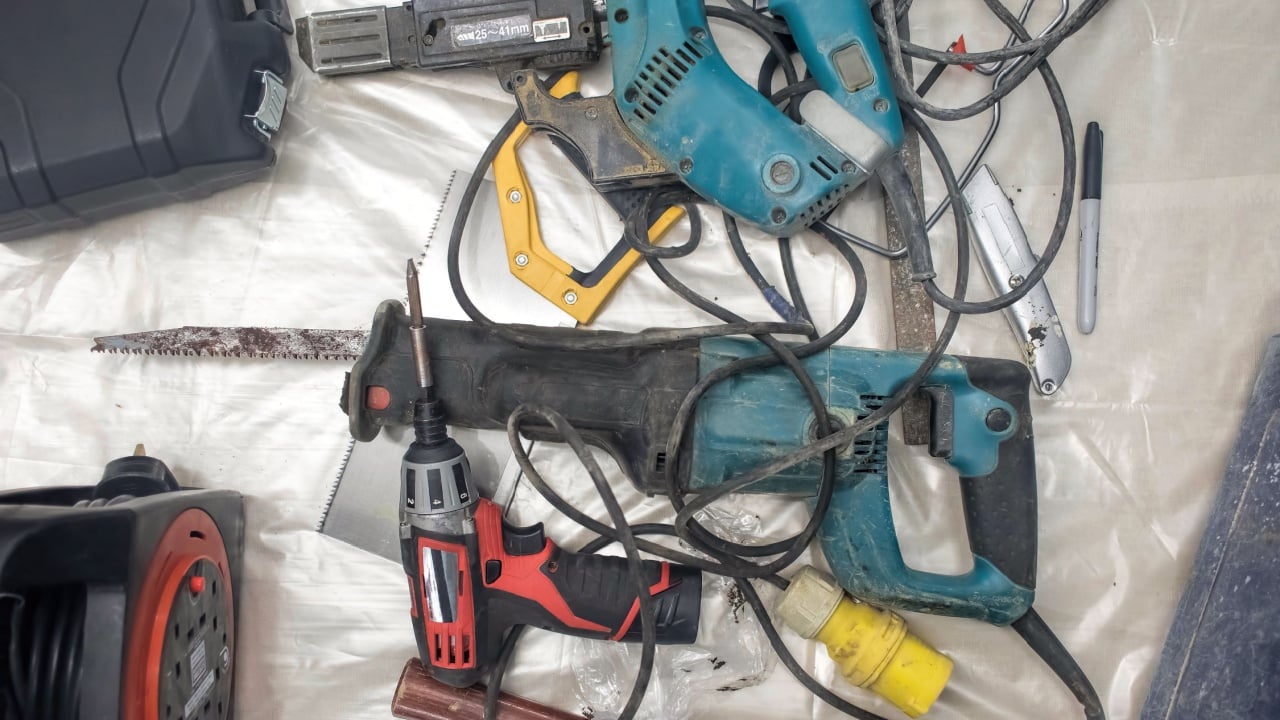
Basic repair supplies like tape measures, screwdrivers, and hammers hold immense value for DIY enthusiasts browsing second-hand shops. People frequently buy complete toolsets and eventually find themselves with duplicate wrenches and pliers taking up space in their garage. Small power tools like drills and circular saws sell very quickly when placed on store shelves.
You should test all electrical items to confirm they power on before placing them in your donation box. Wrap the cords neatly and include any original accessories or attachments you still own. Grouping loose screws or drill bits into small plastic bags keeps sets together and helps store employees price the items correctly.
3. Halloween Costumes

Families often wear seasonal outfits only once before stuffing them into the back of a closet. Complete costumes featuring masks, capes, and specific accessories are highly sought after by budget-conscious shoppers preparing for October festivities. Children outgrow their outfits incredibly fast, leaving parents with perfectly intact clothing that deserves a second life. Charity shops save these items year-round to display them prominently during the fall season.
To donate your Halloween costumes, wash the garments according to the care tags and fold them neatly into large, clear storage bags. Keep all related props and accessories in the same bag so the store can sell the outfit as a complete set. Donating your gently used superhero or monster outfits helps other families enjoy the holiday without spending an entire paycheck.
4. Old Electronics and Computers
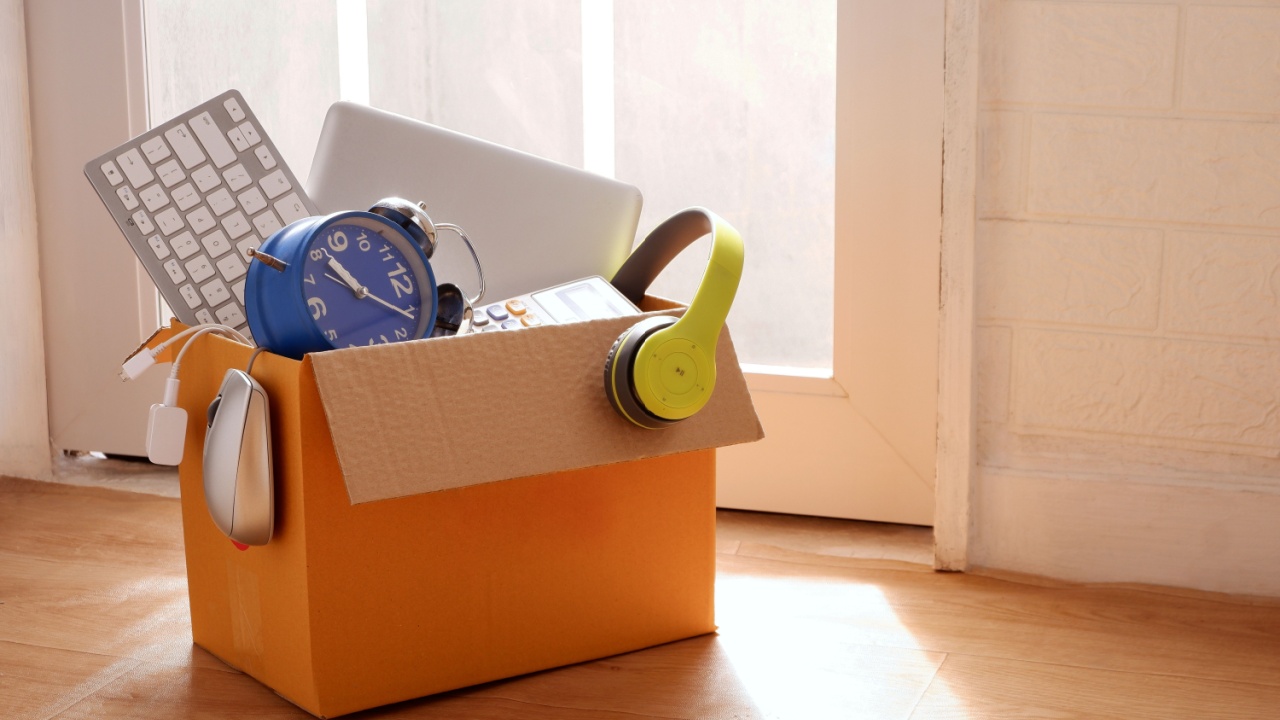
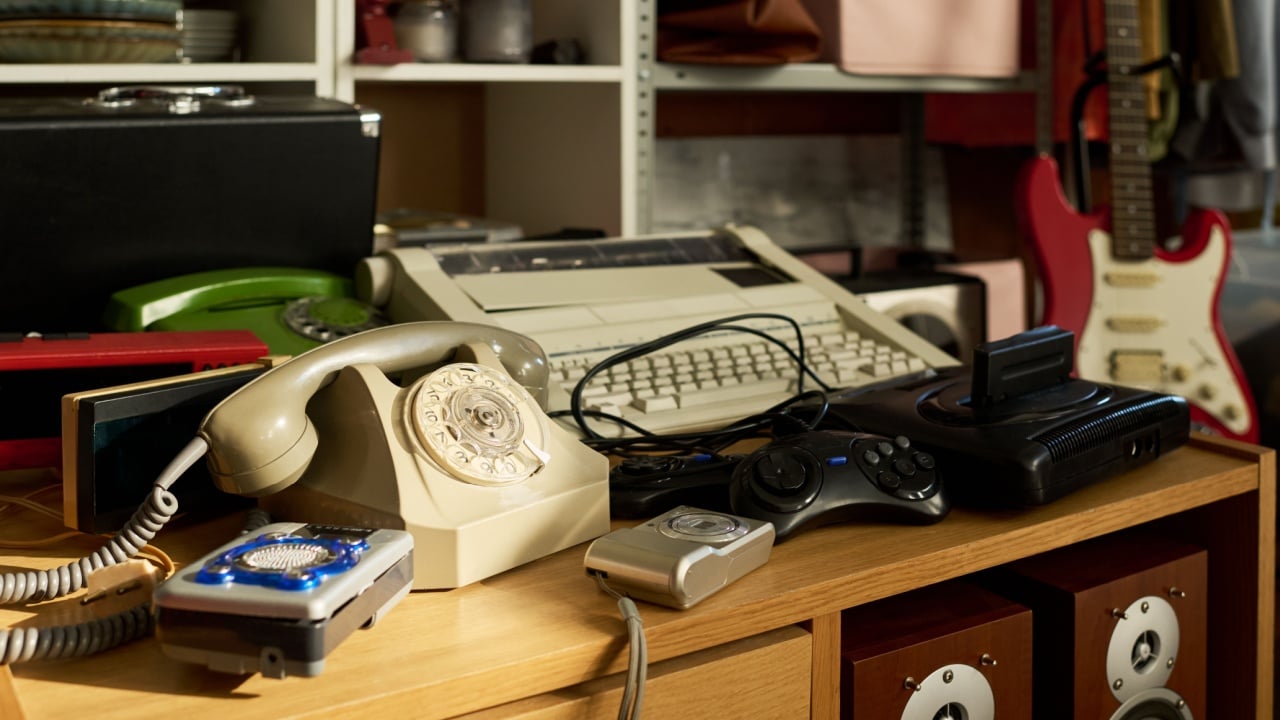
Technology moves rapidly, leaving many people with outdated laptops, printers, and gaming consoles hidden in drawers. Even if you consider an old stereo or bulky television obsolete, someone else might need exactly that model for a specific project. Gamers constantly hunt for retro consoles and old cables to complete their vintage setups. Thrift shops gladly take most working electronics to provide affordable technology options to the public.
Before donating your electronics, delete all personal data from your computers, phones, and hard drives, then drop them off at the donation center. Bundle all corresponding charging cables and power bricks tightly with the main device. Including the original remote controls for televisions and stereos drastically increases the likelihood of a quick sale.
5. Extra Hangers

Closets frequently become overcrowded with mismatched plastic, wire, and wooden hangers collected over years of shopping trips. People often view these items as disposable and toss them into the recycling bin without a second thought. However, thrift shops constantly need hangers to display their own massive inventory of donated clothing. They will happily take your surplus to organize their racks or bundle them for sale to customers.
Sort your collection by material and bind them together using string or rubber bands to prevent a tangled mess. Wooden and felt options are particularly desirable for buyers looking to upgrade their closet organization. Separating the damaged or snapped plastic pieces from the intact ones saves the store employees significant sorting time.
6. Unused or Gently Used Candles

Many individuals receive decorative candles as gifts and simply leave them on shelves gathering dust for years. Even slightly burned pillars or seasonal scented jars retain significant value for shoppers looking for affordable home decor. High-quality wax products cost a premium at retail stores, making second-hand options highly desirable.
Trim the blackened wicks and wipe the exterior glass jars clean before placing them in your donation box. Wrap fragile glass containers in newspaper to prevent breaking during transport. Combining a few complementary scents into a small gift bag makes an attractive package for store employees to display.
7. Musical Instruments

Beginner guitars, forgotten keyboards, and unused trumpets frequently sit untouched after a family member abandons a hobby. Instruments carry a high price tag, creating a massive barrier for students wanting to join their school band. Charity shops love receiving woodwinds, brass, and percussion sets because they sell quickly to aspiring musicians. An old acoustic guitar collecting dust in your attic could launch a child’s lifelong passion for music.
To donate a musical instrument, clean it carefully with appropriate materials and place it inside its original protective case if you have it. Include any leftover accessories, such as guitar picks, spare strings, or cleaning brushes. Leaving a small note detailing the instrument’s working condition helps the staff accurately price the piece for the sales floor.
8. Sporting Goods and Exercise Equipment
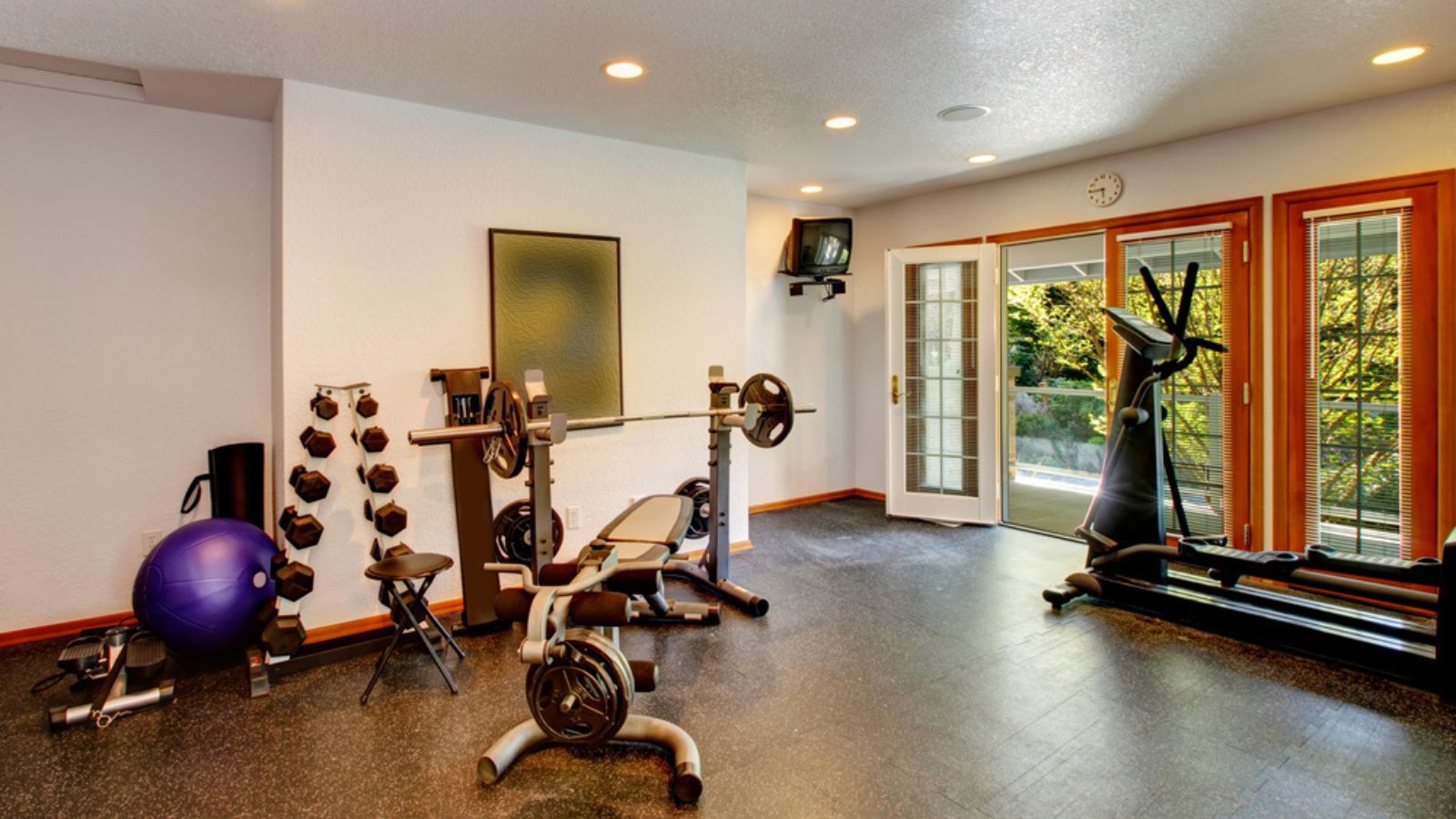
People buy tennis racquets, free weights, and yoga mats with great intentions, but may lose interest shortly after purchase. Bicycles and golf clubs take up massive amounts of storage room in garages and basements. These items command high retail prices, making the second-hand market incredibly active for sports enthusiasts. Thrift stores eagerly verify that complex machinery, like stationary bikes, functions properly and includes all required power cords. to help community members stay active on a budget.
Inflate flat tires on bicycles and wipe down sweaty exercise gear with antibacterial wipes before dropping them off. Bundle golf clubs together in a bag and securely tape hockey sticks together for easy transportation. Verify that complex machinery, such as stationary bikes, functions properly and has all required power cords.
9. Pulls, Knobs, and Hardware
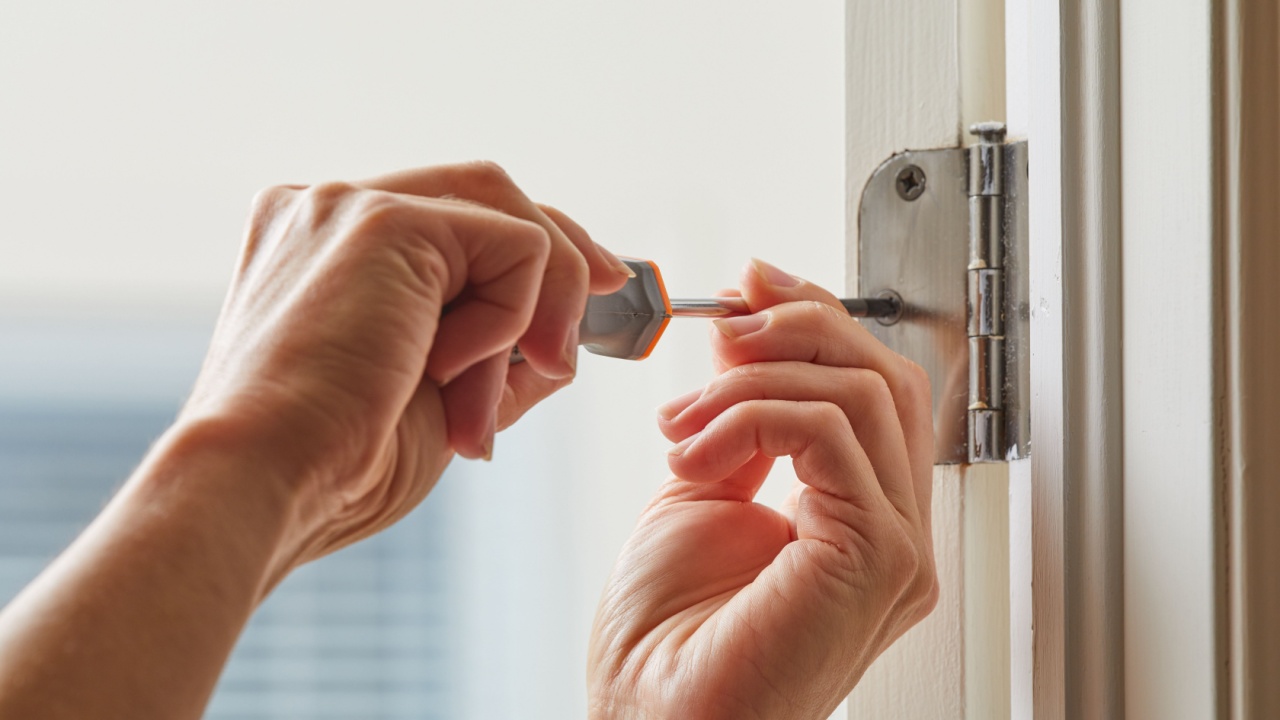
Home renovations usually generate piles of discarded door hinges, cabinet knobs, and drawer handles. Instead of throwing this heavy metal hardware into the trash, you can pass it along to creators and builders. Upcyclers constantly search for vintage or unique fixtures to complete their furniture restoration projects. Even plain builder-grade pulls hold value for someone trying to update their kitchen cabinets on a tight budget.
Keep identical knobs together and place all the necessary mounting screws in a secure plastic bag. Scrub off any dried paint splatters or grease buildup from kitchen hardware before packaging it. Labeling the bag with the exact count of handles saves the buyer time and increases the item’s appeal. Your leftover renovation supplies become the perfect finishing touch for a local craftsperson’s project.
10. School Supplies
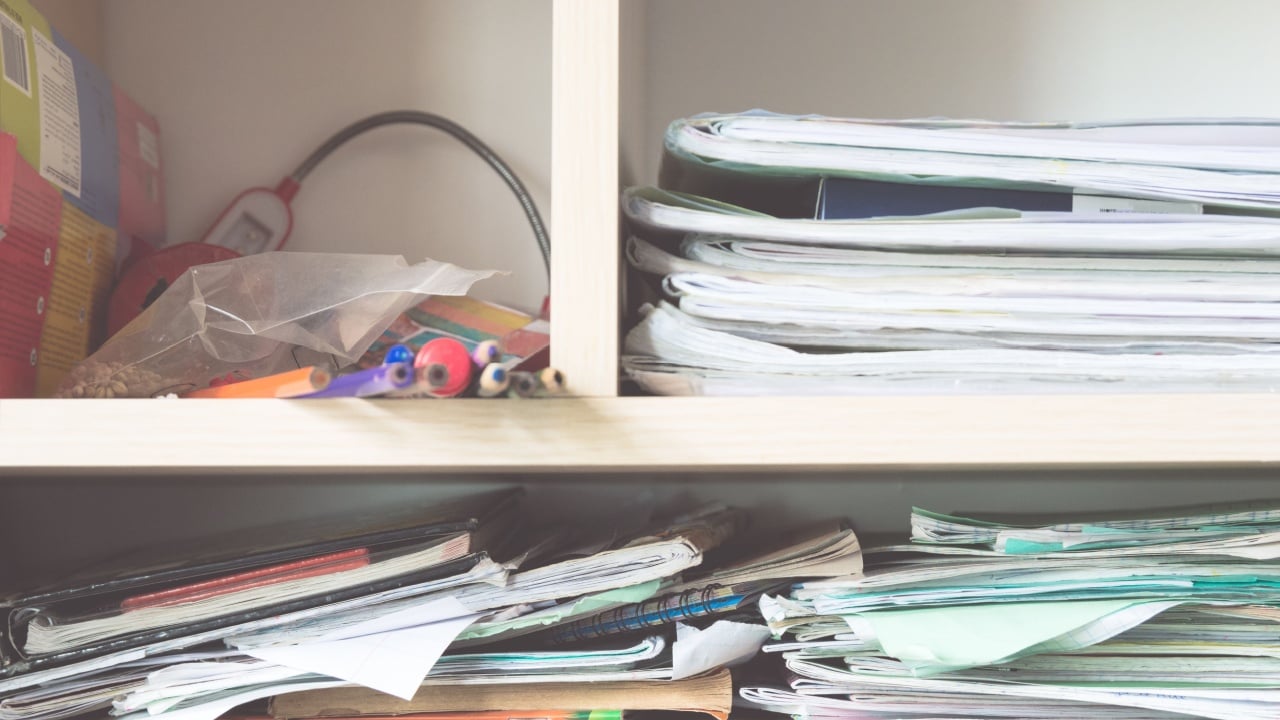
Backpacks, unused notebooks, and functioning calculators pile up at the end of every academic year. Many students receive new supplies every autumn, leaving last year’s perfectly functional folders and pens sitting idle. Teachers and parents consistently browse donation centers to stock up on educational necessities without breaking the bank. Donating these materials directly supports local education and reduces unnecessary paper waste.
Empty out all pencil shavings and wipe down the interior compartments of backpacks before donating them. Bundle loose pens and pencils together and remove any heavily scribbled pages from spiral notebooks. Packaging items in ready-to-use sets makes the shopping experience much easier for parents managing tight budgets.
11. Craft and Art Supplies
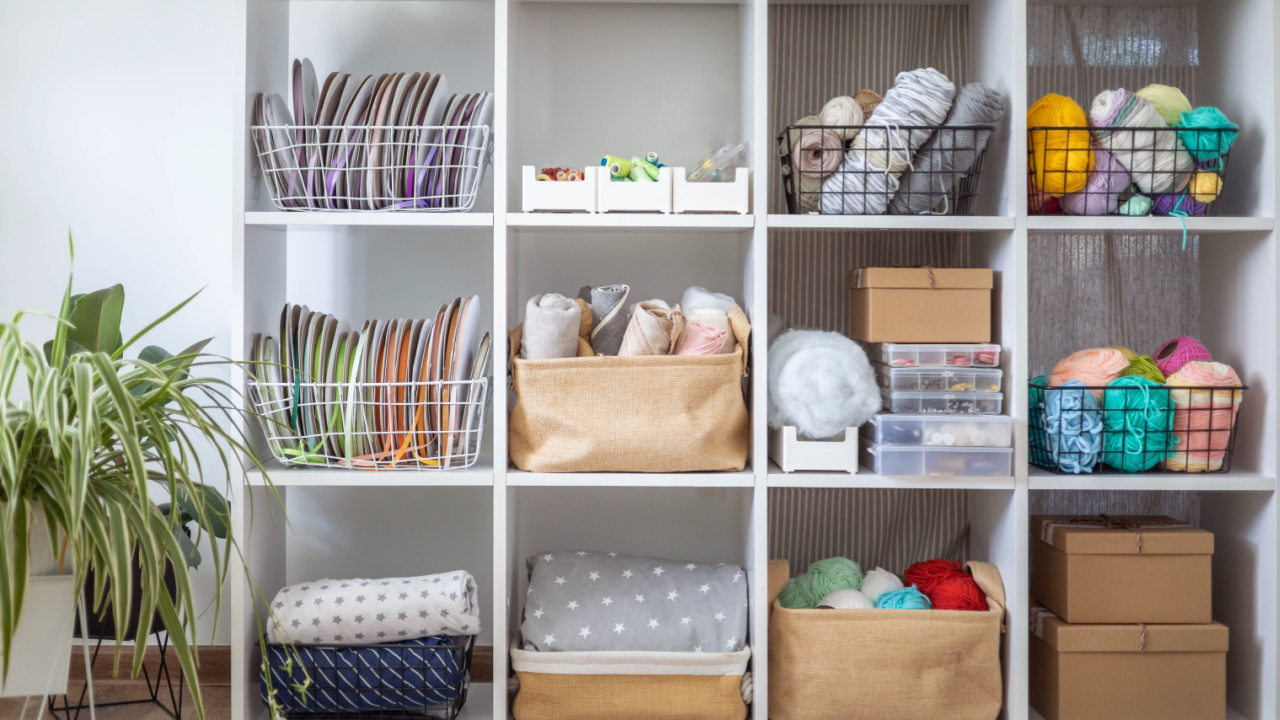
Half-finished knitting projects, unused skeins of yarn, and overflowing boxes of beads often clutter up craft rooms. Second-hand stores love receiving fabric scraps, sewing tools, and scrapbooking paper because these items appeal directly to fellow artists. Art teachers frequently visit these shops to gather affordable materials for their students.
Sort small items like buttons or beads into clear jars so shoppers can easily see what they are buying. Untangle loose yarn and fold large pieces of fabric neatly to present a tidy appearance. Keep paint tubes and liquid supplies in tightly sealed plastic bags to prevent messy spills during transport. Your discarded craft and art supplies provide boundless inspiration for local creators and hobbyists.
12. Magazines, Comic Books, and Coffee Table Books
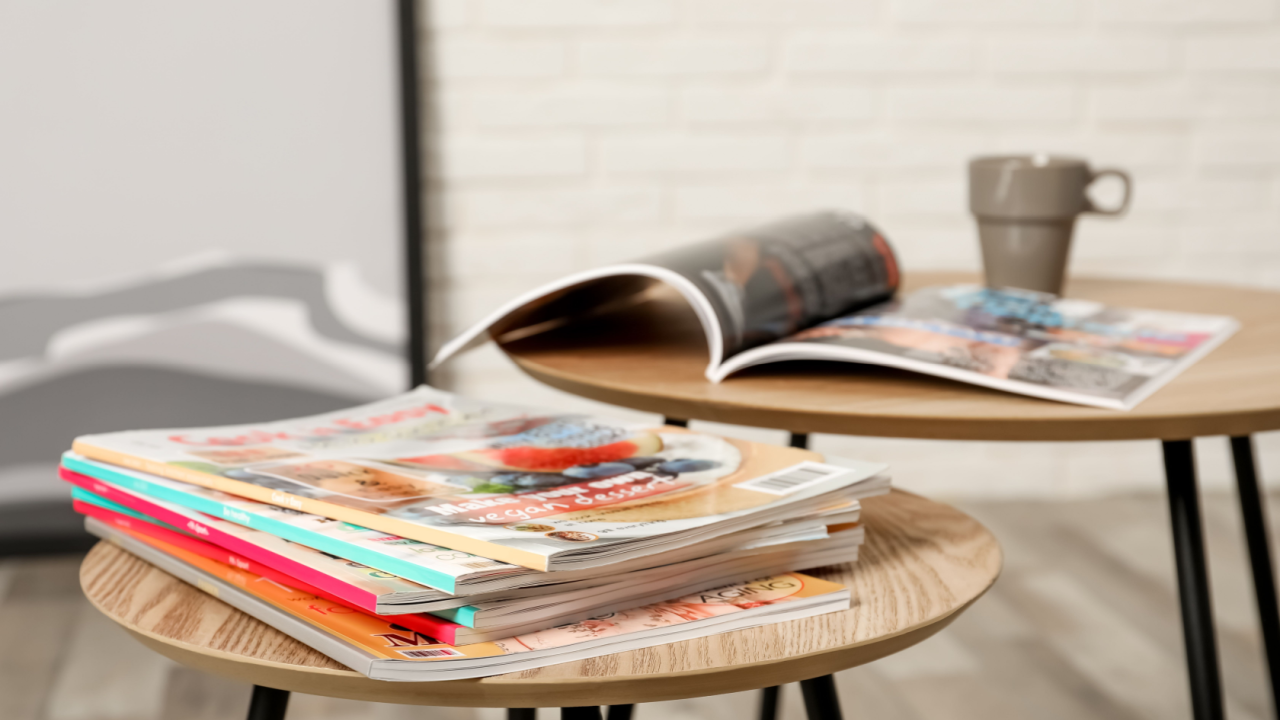
Glossy photography books and vintage graphic novels occupy heavy boxes in attics across the country. Collectors enthusiastically hunt for specific issues of comic books or old editions of National Geographic to complete their libraries. Visual reference books provide fantastic images for people creating collages or mixed-media art projects. Donation centers gladly accept these heavy stacks of printed material to supply eager readers and artists.
Dust off the covers and separate the publications by genre or topic to help the staff organize them efficiently. Avoid donating items with extensive water damage or torn pages that render the text unreadable. Tying a stack of sequential comic books together with a string creates an appealing bundle for collectors browsing the shelves.
13. Bedding, Linens, Towels, and Textiles
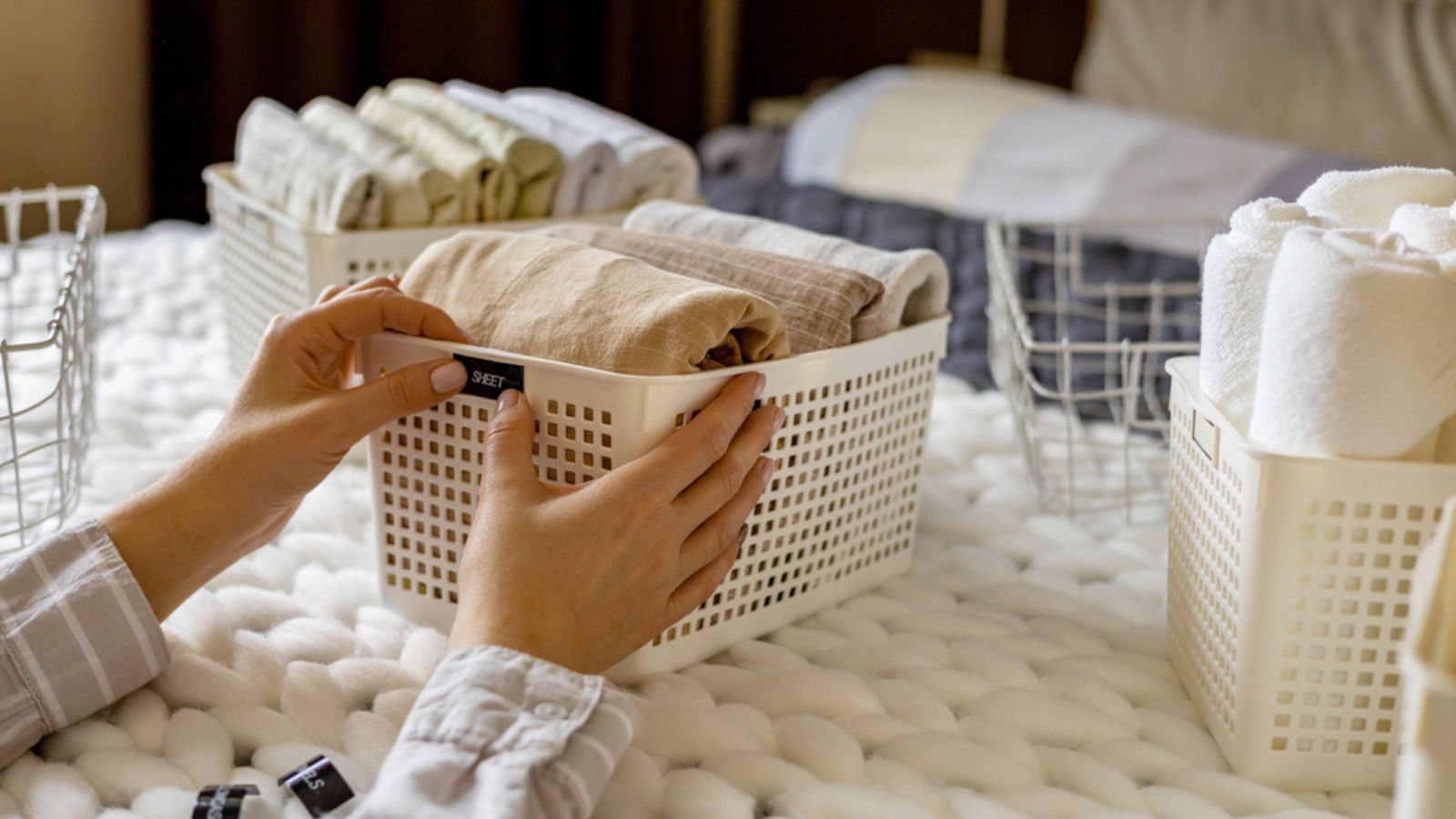
Linen closets frequently overflow with mismatched pillowcases, faded bath towels, and heavy winter duvets. While you might consider a slightly frayed blanket useless, many people desperately need warm bedding during colder months. Animal shelters also partner directly with thrift shops to acquire old textiles for dog beds and cleaning rags. Providing clean fabrics directly supports both human and animal welfare initiatives in your area.
Launder all textiles thoroughly and fold them neatly into large bags before making your drop-off. Pin matching sheets and pillowcases together so the store can sell them as a complete bedding set. Even if a towel features a few stains, clearly label the bag as “cleaning rags” so the staff knows exactly how to route it. Your extra blankets offer critical warmth and comfort to those in need.
14. Old Physical Media

Streaming services have rendered massive collections of DVDs, CDs, and VHS tapes seemingly obsolete for many households. However, a thriving community of physical media collectors still actively hunts for movies, albums, and video games. Older television shows or rare films often remain unavailable on modern digital platforms, making physical copies highly desirable. Charity shops rely on massive walls of media to attract regular customers who love browsing for hidden gems.
Check every single plastic case to confirm the correct disc or tape actually resides inside. Wipe off sticky fingerprints from the discs using a soft cloth to prevent skipping and playback issues. Tape the cases shut lightly so the media stays securely inside the box while resting on crowded store shelves. Passing on your music and movie collection allows others to discover incredible entertainment affordably.
15. Air Conditioners
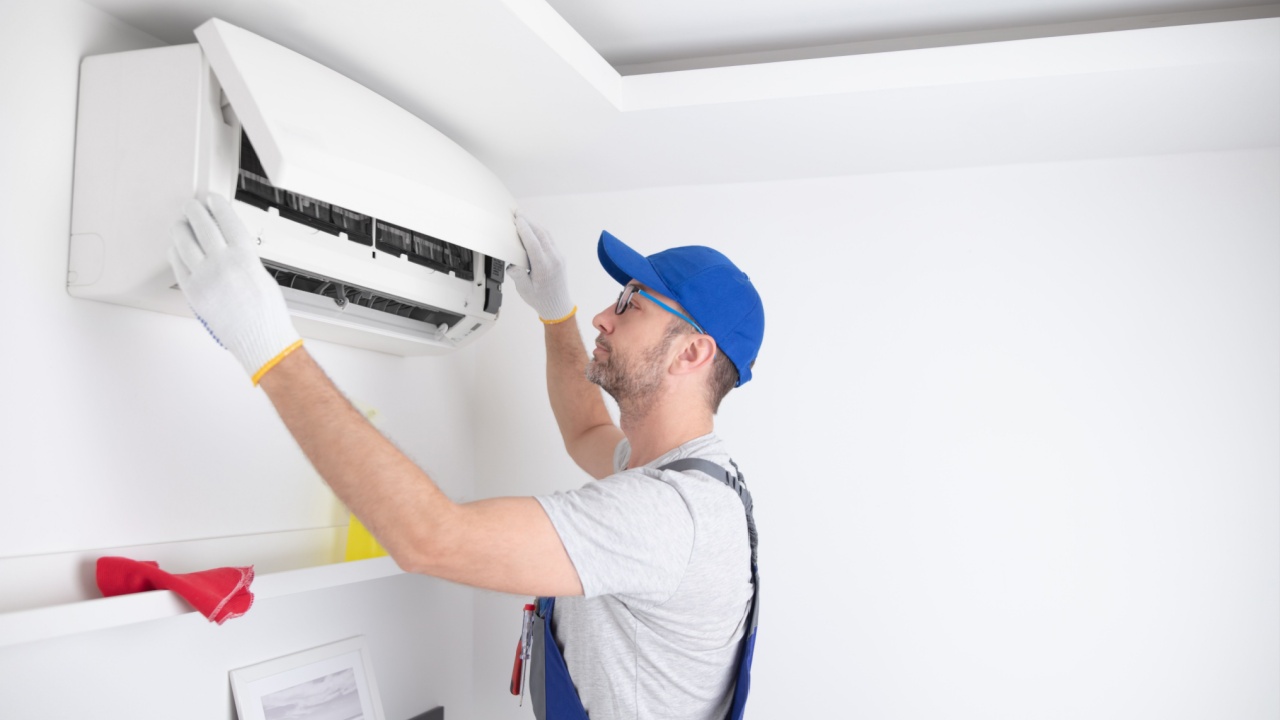
Window units and portable cooling systems take up massive amounts of floor space when not actively running during the summer. Many thrift stores gladly accept air conditioners because they provide critical heat relief to low-income families. A functional cooling system completely transforms a sweltering apartment into a comfortable living space.
Clean the air filters thoroughly and wipe down the exterior plastic casing to remove accumulated dust. Keep the accordion side-panels and mounting screws taped securely to the main unit so the next owner can install it properly. You should plug the machine in to verify it still blows cold air before dragging it to the donation center.
16. Major Household Appliances
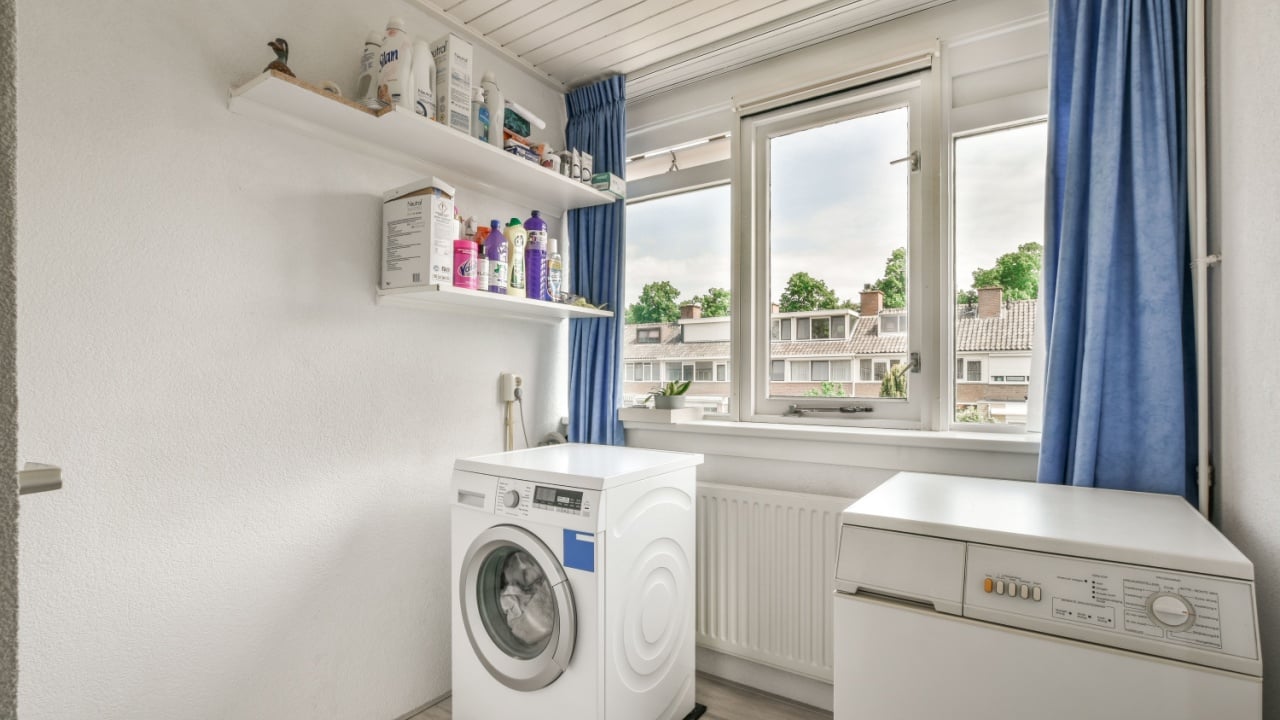
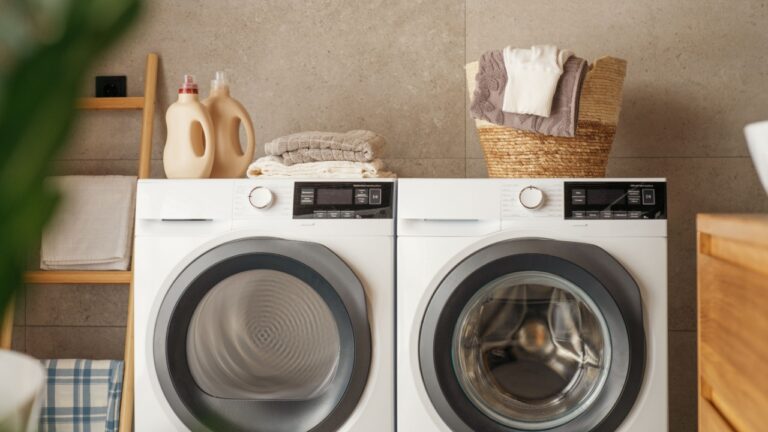
Upgrading a kitchen or laundry room leaves homeowners wondering how to dispose of giant metal machines. While not every location accepts massive items, many larger charity organizations actively seek out refrigerators, washers, and ovens. These stores offer delivery services and resell appliances to families who cannot afford brand-new models. A working washing machine provides immense relief to parents tired of spending hours at the local laundromat.
Scrub the interiors vigorously to remove food residue from ovens or soap scum from washing machines. Securely tape all doors shut and strap the power cords to the back panel to prevent tripping hazards during the move. Call your local donation center ahead of time to confirm they have the floor space to accept your specific appliance.
Give Your Unwanted Items a Second Life
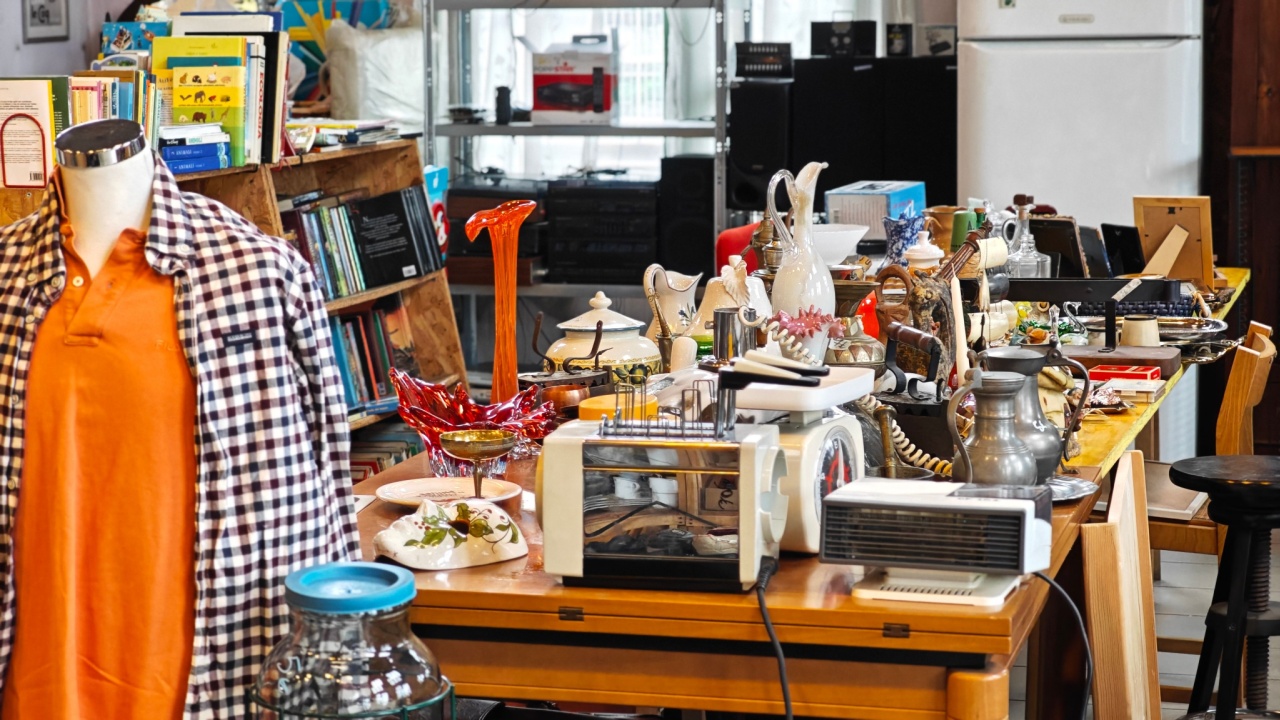
Taking the time to sort through your possessions reveals countless objects capable of serving new owners. Donating rather than destroying functional goods significantly reduces landfill waste and directly supports charitable operations in your city.
Properly preparing your donations shows respect for store employees and ensures your items reach the sales floor quickly. Keep an open box in your closet to continually collect items you no longer use daily. Dropping off a few items every month creates a sustainable habit that keeps your home permanently organized and clutter-free.
Read More:
Thrift Stores Aren’t Dumps: 20 Things That Can’t Be Donated
Donate or Trash? 3 Fun Ways to Repurpose Christmas Ornaments