14 Things People Throw Out That Should Really Be Donated
Decluttering feels fantastic, but the black plastic bag shouldn’t be the final destination for everything you’re clearing out. While it’s tempting to toss everything in a dumpster for the sake of speed, many of your unwanted goods still have plenty of life left in them. In fact, donating usable items keeps millions of pounds of waste out of landfills annually while supporting local communities.
Before you haul your next load to the curb, check this list. You might be surprised by how many “trash” items are actually treasures for thrift stores, non-profits, and families in need.
1. Clothes and Shoes
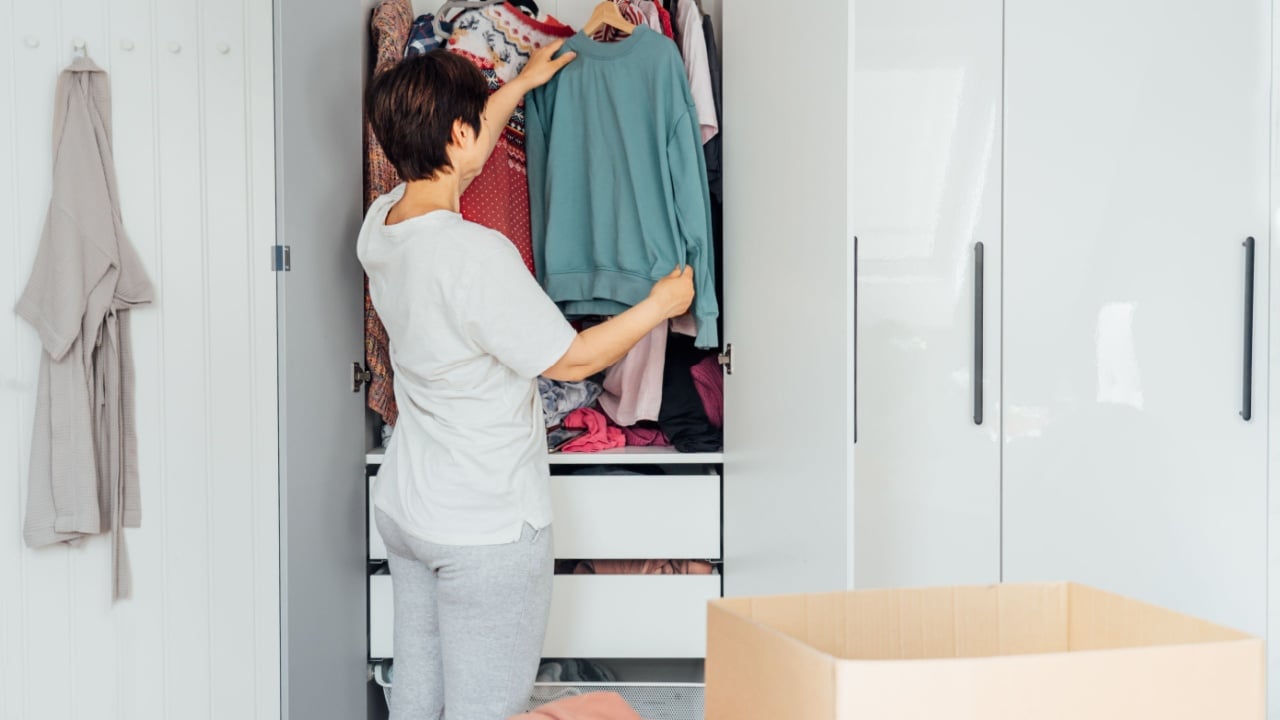
It’s the most obvious category, yet textiles are still a massive contributor to landfill waste. According to the EPA, landfills received 11.3 million tons of MSW textiles in 2018 alone.
Don’t assume an item is un-donatable just because it’s out of style or no longer fits you perfectly. Thrift stores rely on these basics to stock their shelves. Even shoes with a bit of scuffing can often be cleaned up and worn by someone else.
Tip: If you have items that are truly damaged (stained or ripped), look for textile recycling bins rather than the trash can. Many organizations can shred these fabrics for insulation or upholstery stuffing.
2. Furniture
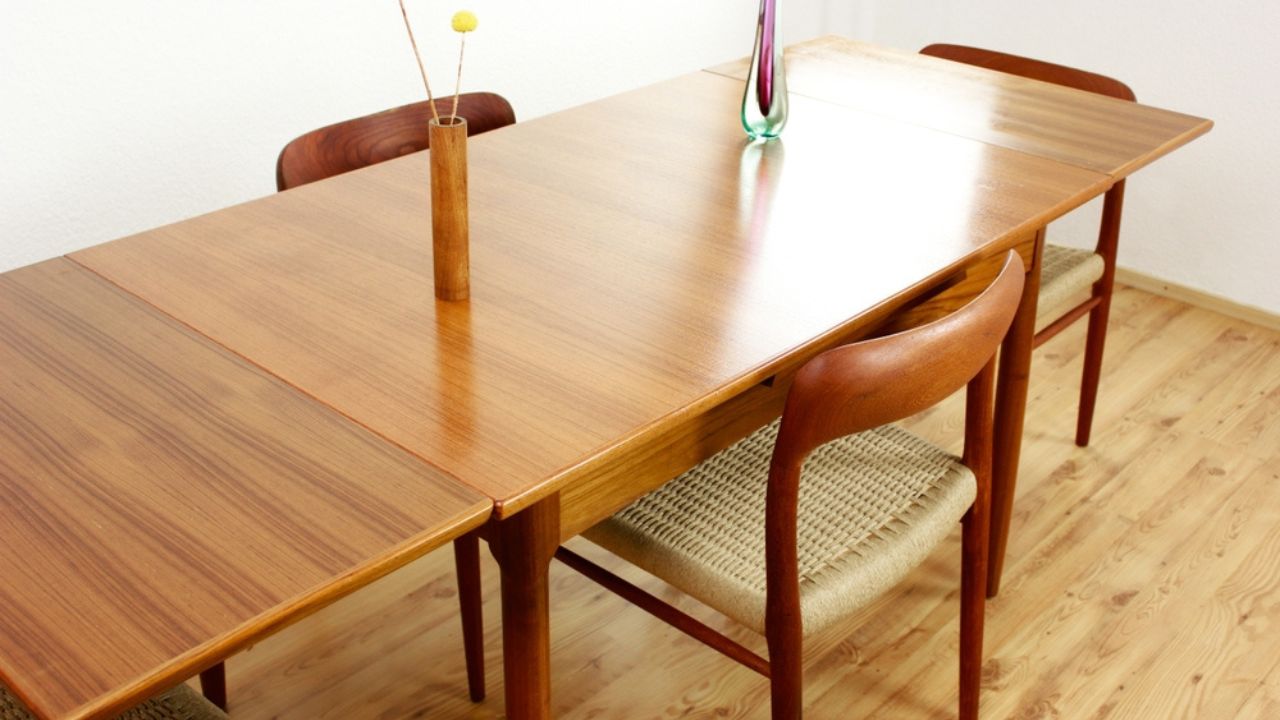
Moving or renovating often leads to perfectly good furniture ending up on the curb because it’s heavy and hard to transport. However, dining tables, chairs, dressers, and shelving units are always in high demand.
Families starting over, students furnishing their first apartments, or people on a tight budget rely on secondhand stores for affordable options. By donating these bulky items, you save significant landfill space since wood and treated materials take a long time to break down.
Tip: Many organizations, such as Habitat for Humanity ReStore or the Salvation Army, offer free pickup services for large furniture, saving you the heavy lifting.
3. Kitchenware and Dishes
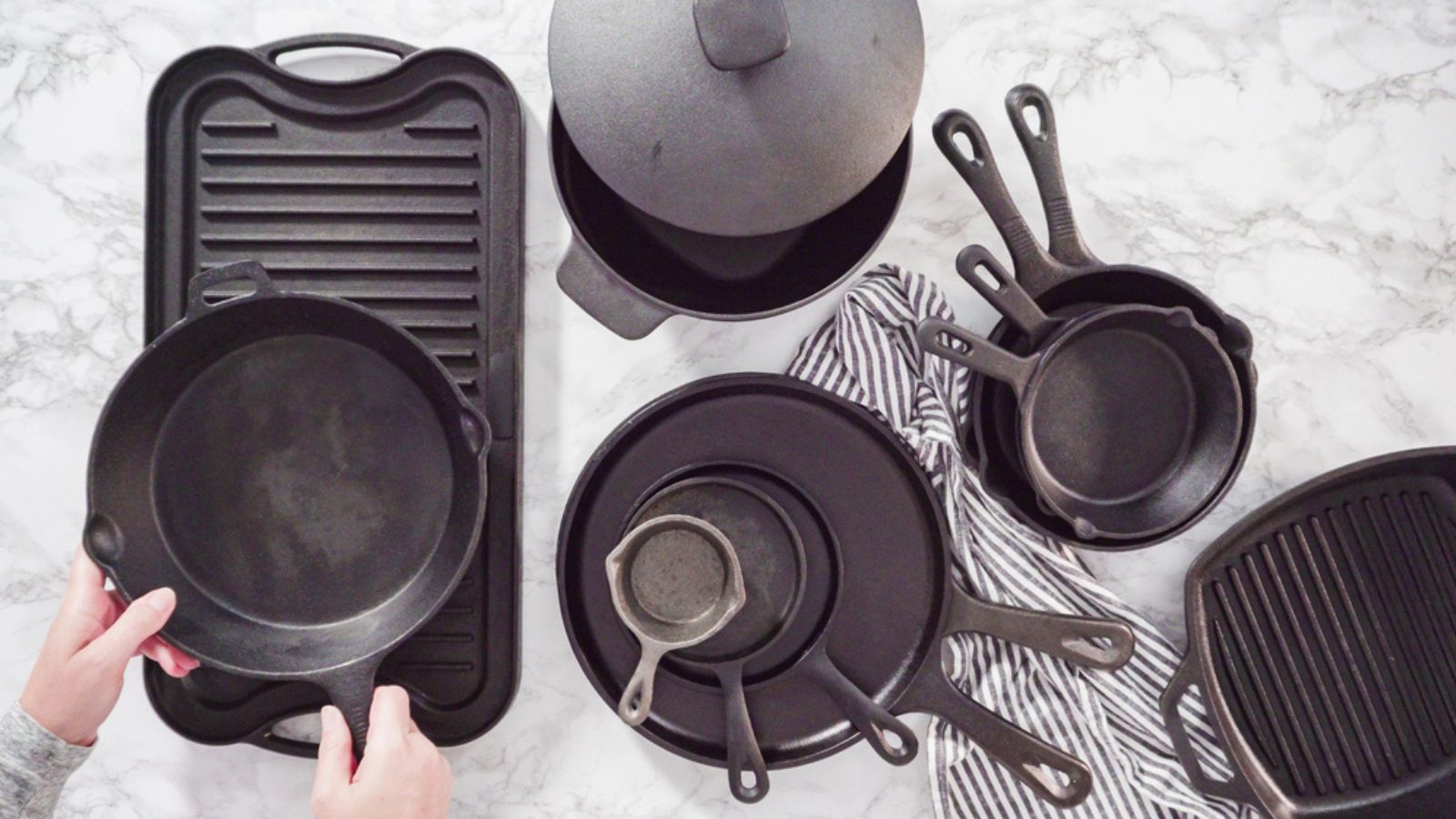
That mismatched set of plates or the crystal bowl you inherited but never use could be exactly what a vintage hunter is looking for. Kitchenware, including pots, pans, utensils, and glassware, is surprisingly easy for thrift stores.
Manufacturing new metal and ceramic goods requires significant energy, so keeping existing items in circulation is a major win for the environment.
Tip: Group small, loose items like silverware or measuring cups in a clear bag so they don’t get separated or lost in the donation bin.
4. Small Appliances
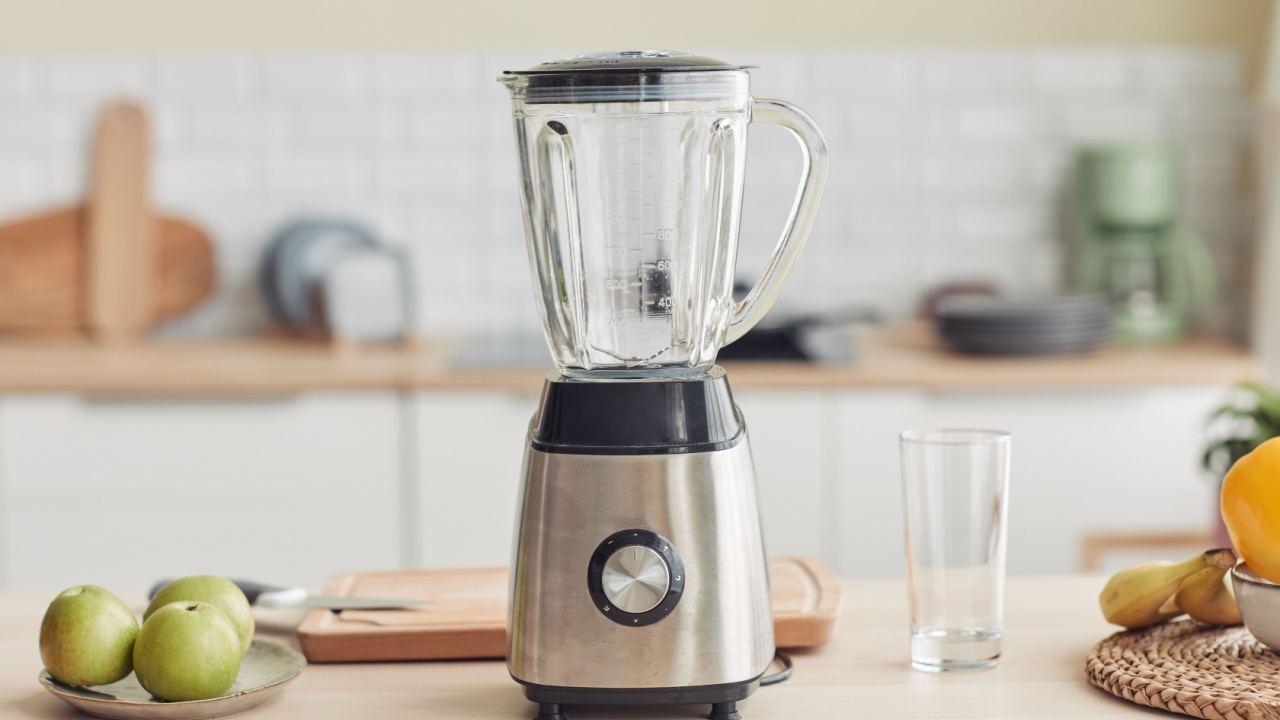
Upgraded to a fancy espresso machine? Don’t toss your old drip coffee maker. Small appliances like blenders, mixers, toasters, and fans are incredibly useful to someone setting up a new home. As long as the cord is intact and the motor runs, these items are donation gold. Disposing of electronics improperly can release harmful substances like lead or mercury into the environment, so donation is the safer, greener route.
Tip: Tape any loose parts (like the lid to a blender or the beaters to a mixer) directly to the appliance so the set stays complete.
5. Home Decor
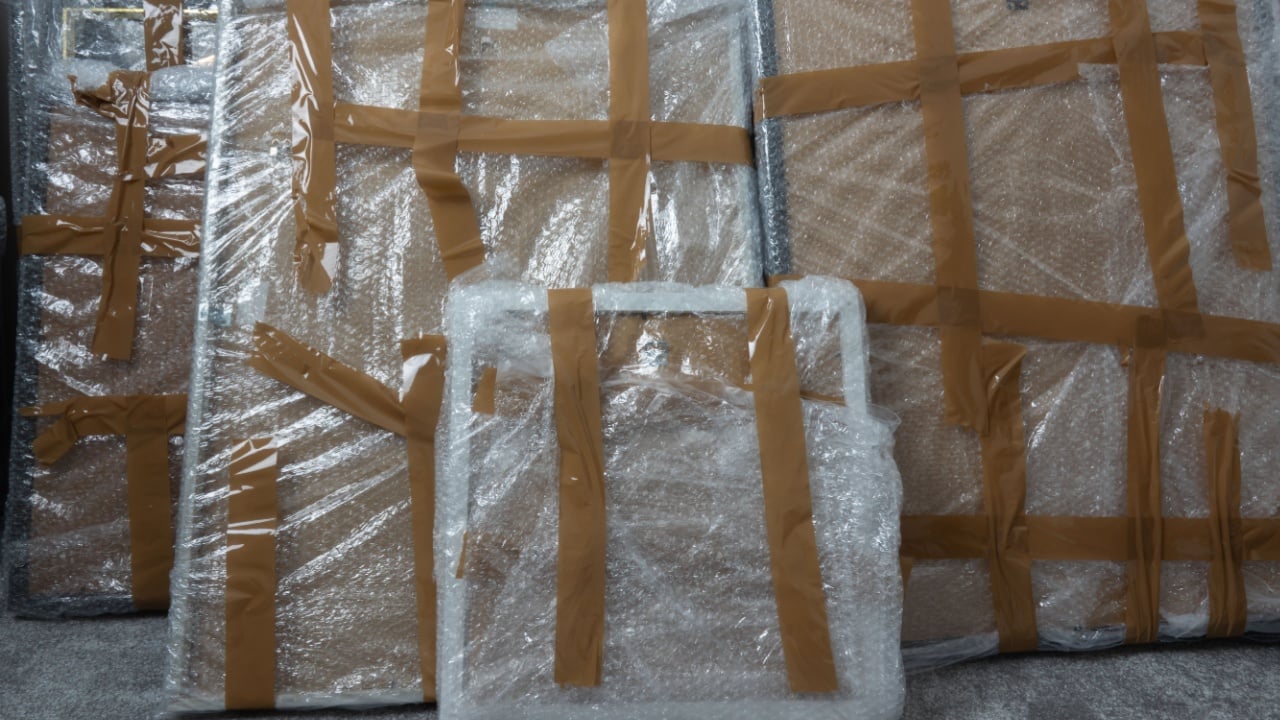
Trends change, and that gallery wall you loved five years ago might not suit your taste today. Instead of trashing lamps, mirrors, framed art, planters, and baskets, box them up. Home decor is a top category for thrifters looking to refresh their space on a budget. What looks “dated” to you might be “vintage chic” to a Gen Z shopper or exactly the right piece for a DIY upcycling project.
Tip: Clean glass on frames and mirrors before donating; a little Windex makes the item look much more appealing to the donation center staff.
6. Musical Instruments
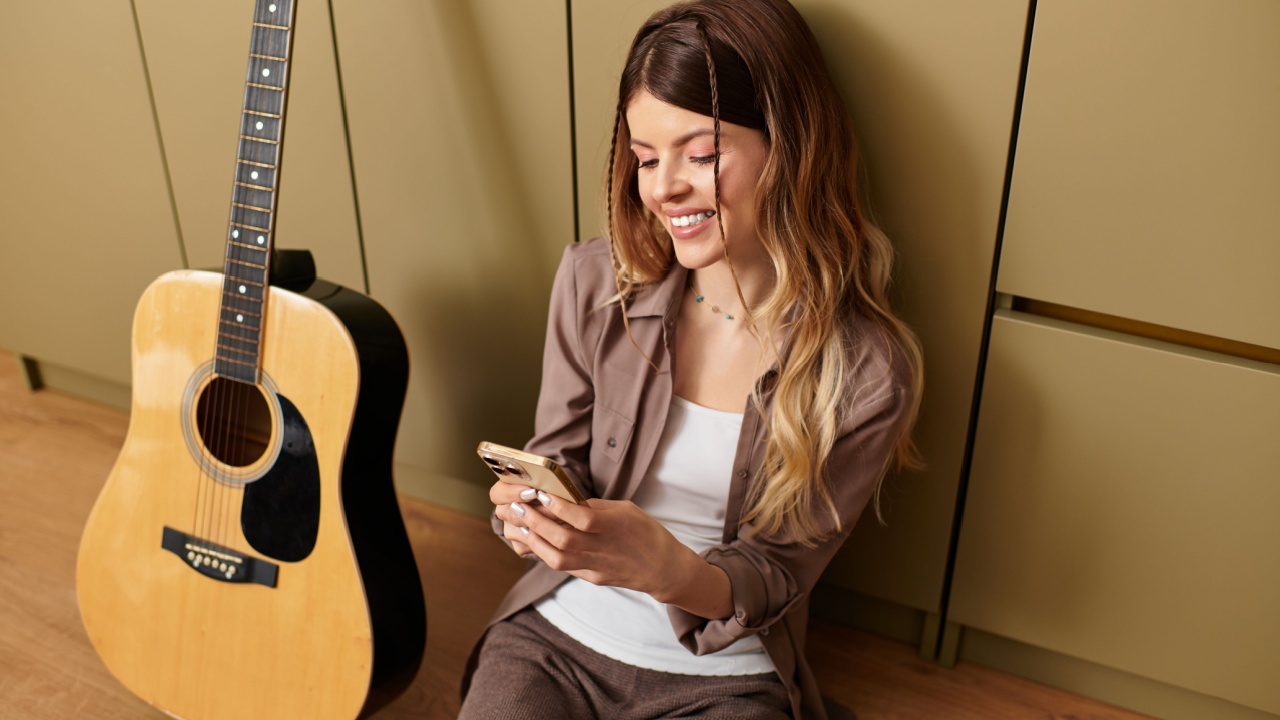
Perhaps you bought a guitar with the intention of starting a band, or your child played the violin for one semester in middle school. These instruments often sit in attics gathering dust, but they can be expensive to buy brand new. Schools, music programs, and aspiring musicians often scour thrift shops for affordable entry-level instruments.
Tip: Include any cases, extra strings, or sheet music you have. A “ready-to-play” kit sells faster and is more helpful to the recipient.
7. Hobby and Craft Supplies
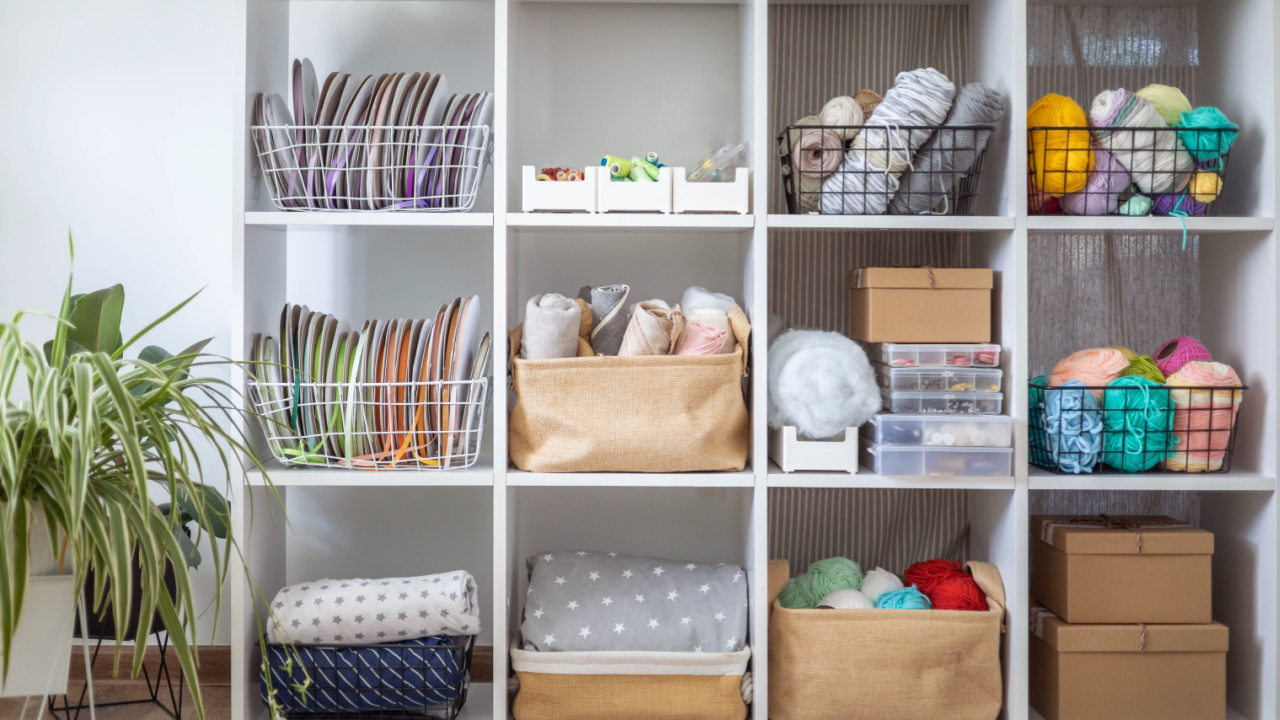
Partial skeins of yarn, unused canvases, fabric scraps, and half-empty bags of beads are treasure troves for artists, teachers, and crafters. Buying art supplies at retail prices adds up quickly, so finding a bag of supplies at a thrift store is a major score for creatives. Donating these items supports the arts and educational projects in your community.
Tip: Organize small craft items into Ziploc bags by category (e.g., all brushes together, all paints together) to make them easier to display and sell.
8. Sporting Goods

Kids outgrow bikes, shin guards, and cleats faster than you can blink. Similarly, adults often retire golf clubs or tennis rackets that are still in great playing condition. Sporting goods are excellent donation candidates because they enable other families to let their kids try a sport without the steep barrier to entry of buying new gear.
Tip: Wipe down equipment with a disinfectant wipe before donating, and check that safety gear (like helmets) hasn’t been involved in a crash or expired.
9. Books, Puzzles, and Movies
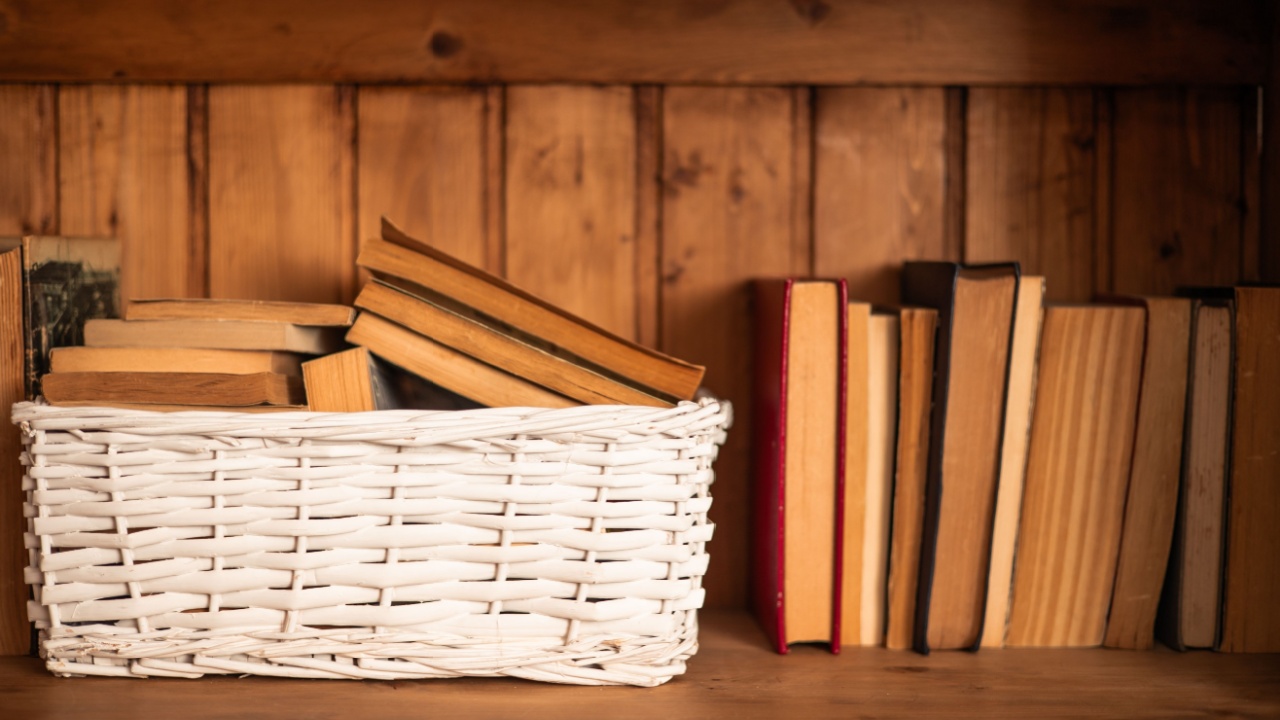
Even in a digital world, physical media holds value. Readers still love the feel of a paperback, and families enjoy puzzle nights without screens. Donating your read books supports literacy and provides affordable entertainment.
Paper products in landfills contribute to methane emissions as they decompose, so keeping books on shelves and out of the ground is environmentally vital.
Tip: Check puzzles to ensure all pieces are included. If you aren’t sure, tape the box shut and write “May be missing pieces” so the buyer knows the risk.
10. Organizational Items
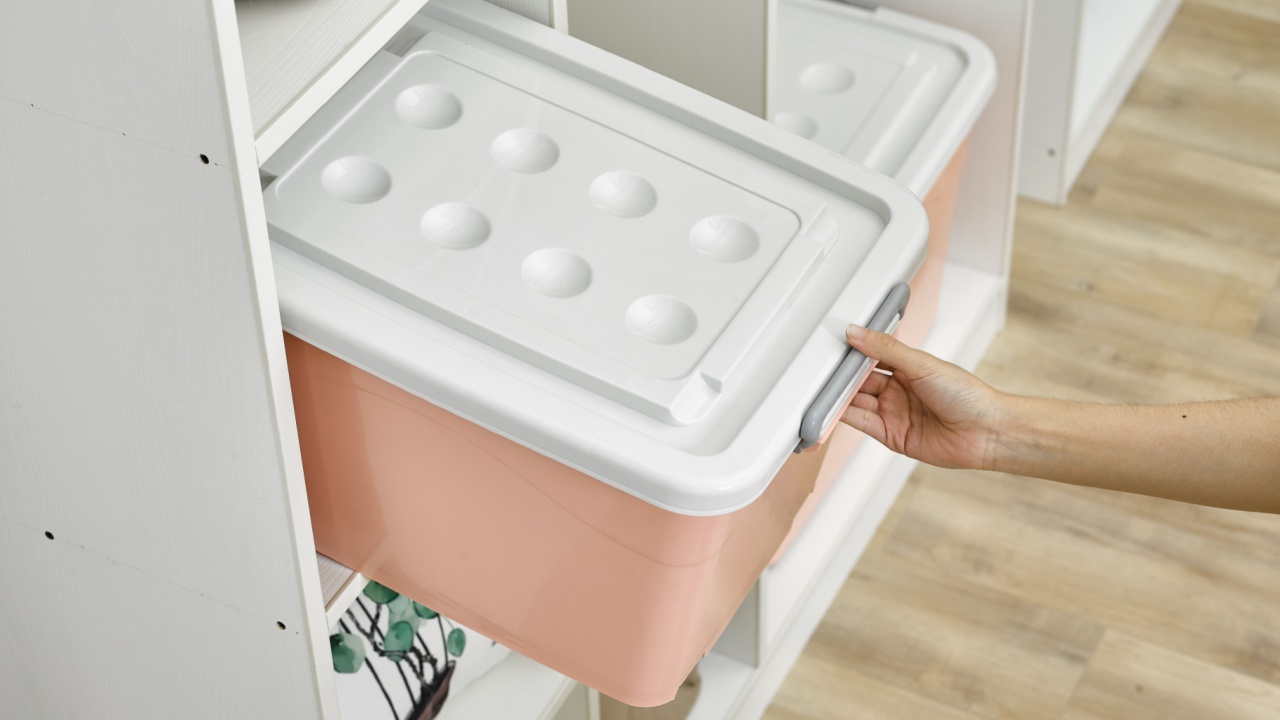
If you’ve recently reorganized your home office, you might have a surplus of desk accessories, file organizers, and storage bins. With remote work remaining popular, these items are in constant demand.
A simple wire file holder or a plastic drawer set can help someone else tame their clutter for a fraction of the cost of The Container Store.
Tip: Remove any old labels or sticky notes from bins and folders to give them a fresh, clean slate for the next user.
11. Jewelry and Accessories
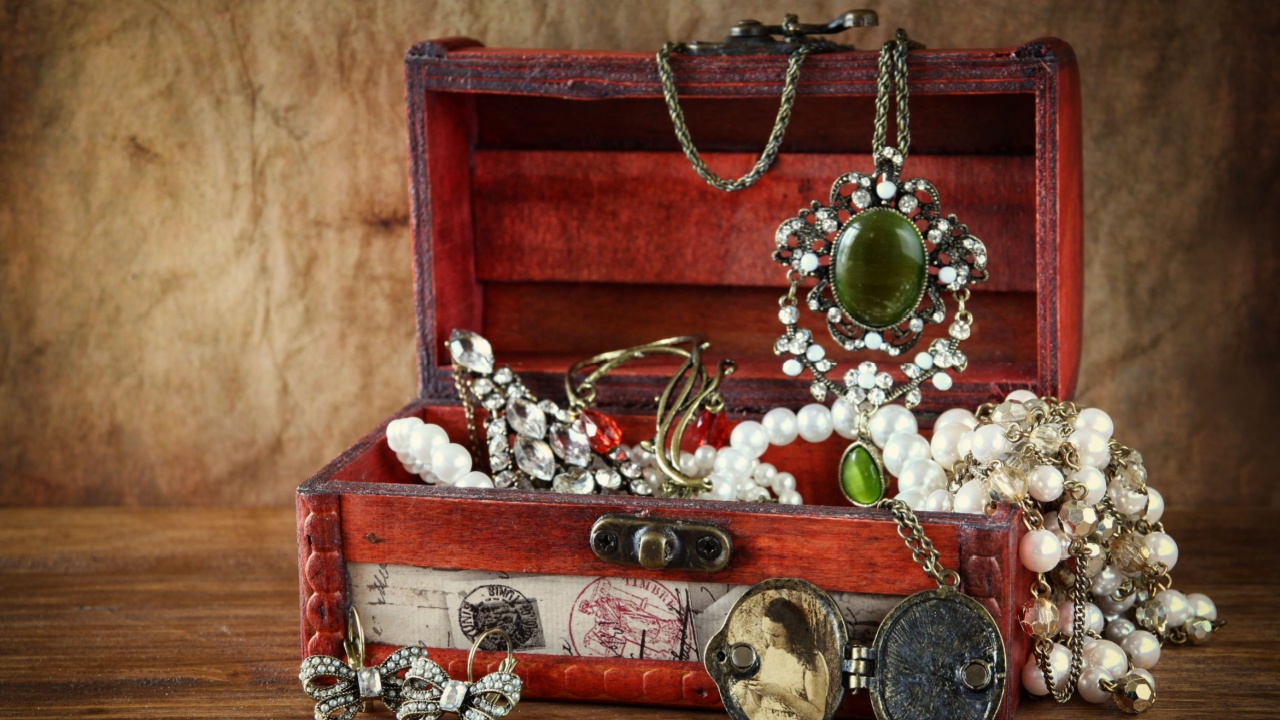
You might think that costume jewelry or a watch with a dead battery is worthless, but thrift stores do well with these small accessories. Shoppers love digging through jewelry jars for unique beads, vintage brooches, or fun statement pieces. Accessories take up very little space but can generate solid revenue for the charity supporting the thrift store.
Tip: Untangle necklaces before donating. Putting them in small individual baggies prevents them from becoming a knotted mess during transport.
12. Unused Linens and Towels
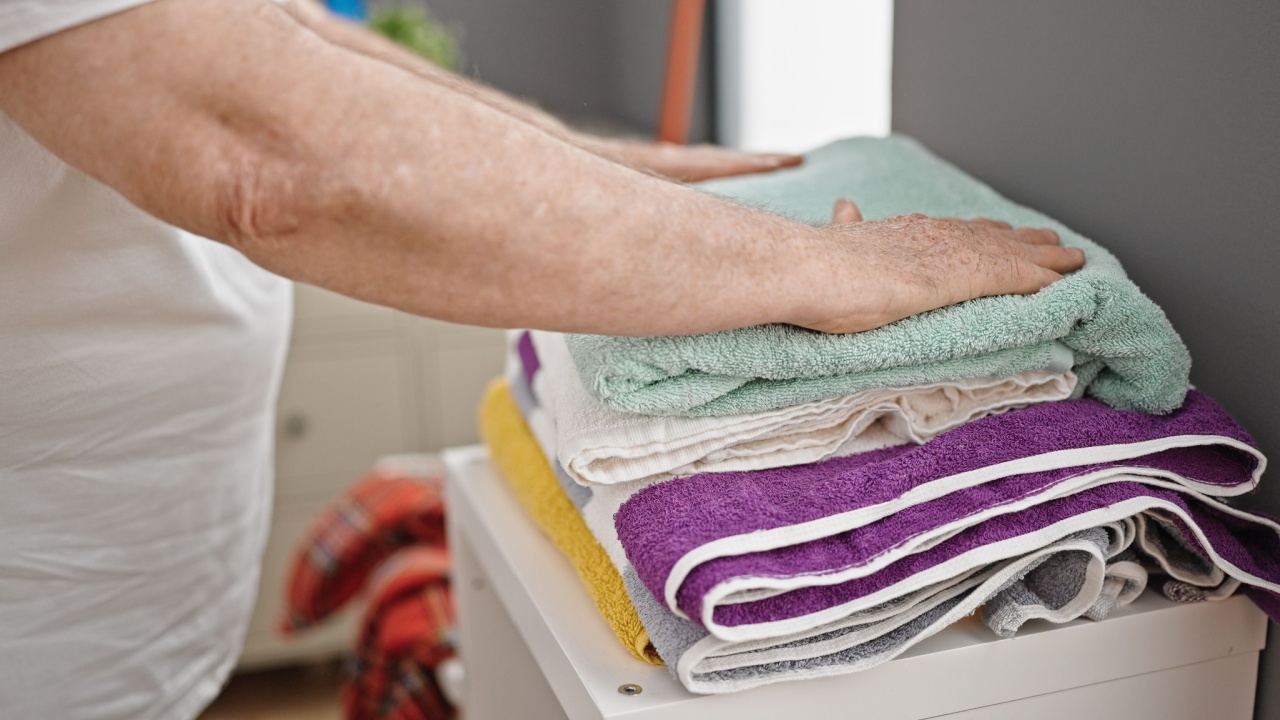
While thrift stores may not accept stained or torn linens, animal shelters almost always will. Old towels, blankets, and sheets are essential for keeping kennels warm and comfortable for cats and dogs. If you have mismatched sheets or towels that are a bit too worn for guests but still clean, call your local Humane Society.
Tip: Wash everything in hot water before dropping it off to ensure you aren’t transferring any allergens to the animals.
13. Tools and Hardware
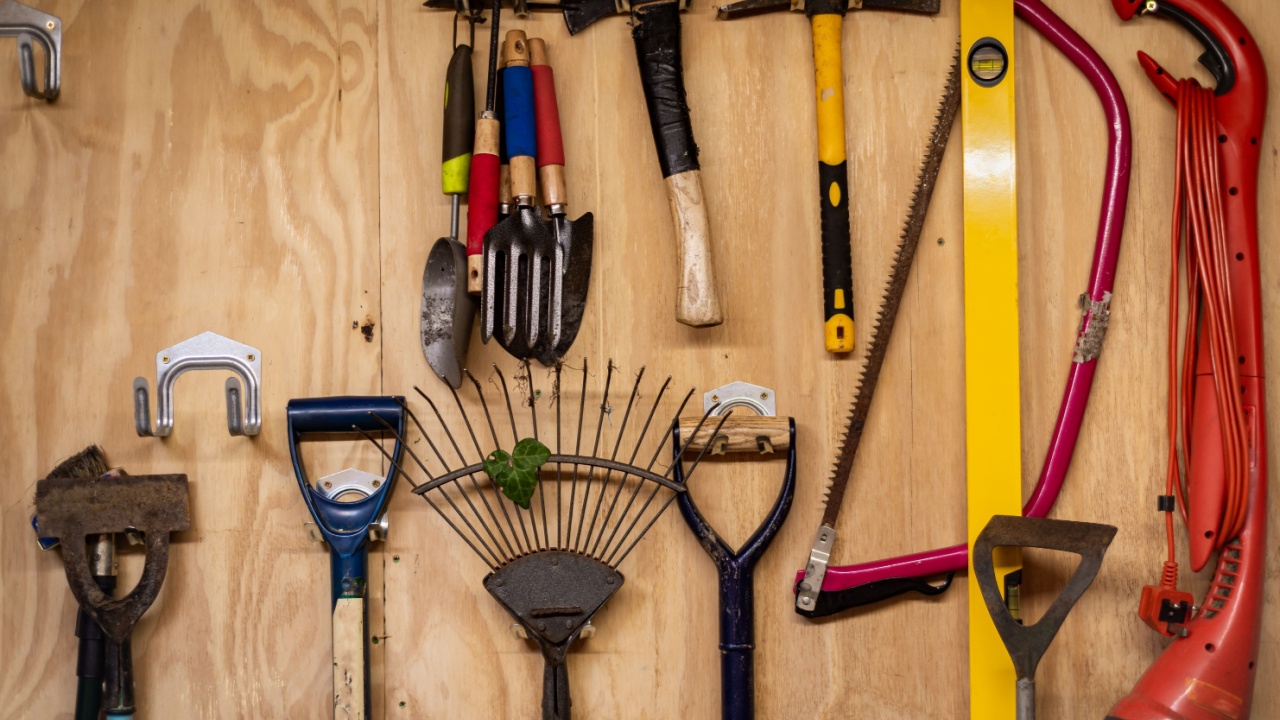
Have three hammers or a box of loose wrenches? Don’t pitch them. Tools are durable goods that last for decades. Handyman specials, screwdrivers, and even boxes of nails or screws are great donation items. People moving into their first homes often need a basic toolkit and can’t afford a trip to the big-box hardware store.
Tip: If you have power tools, charge the battery to ensure it holds a charge. Tape the charger to the tool so they stay together.
14. Luggage and Duffel Bags

Suitcases take up a lot of space, and if a wheel gets a little squeaky, we tend to replace it. However, foster care agencies and women’s shelters are frequently in desperate need of luggage. Children in the foster system often have to move their belongings in trash bags. Donating a decent suitcase gives them dignity and a secure way to transport their belongings.
Tip: Check all the zippers and pockets to make sure you haven’t left any personal travel documents or toiletries inside.
Make Your Decluttering Count
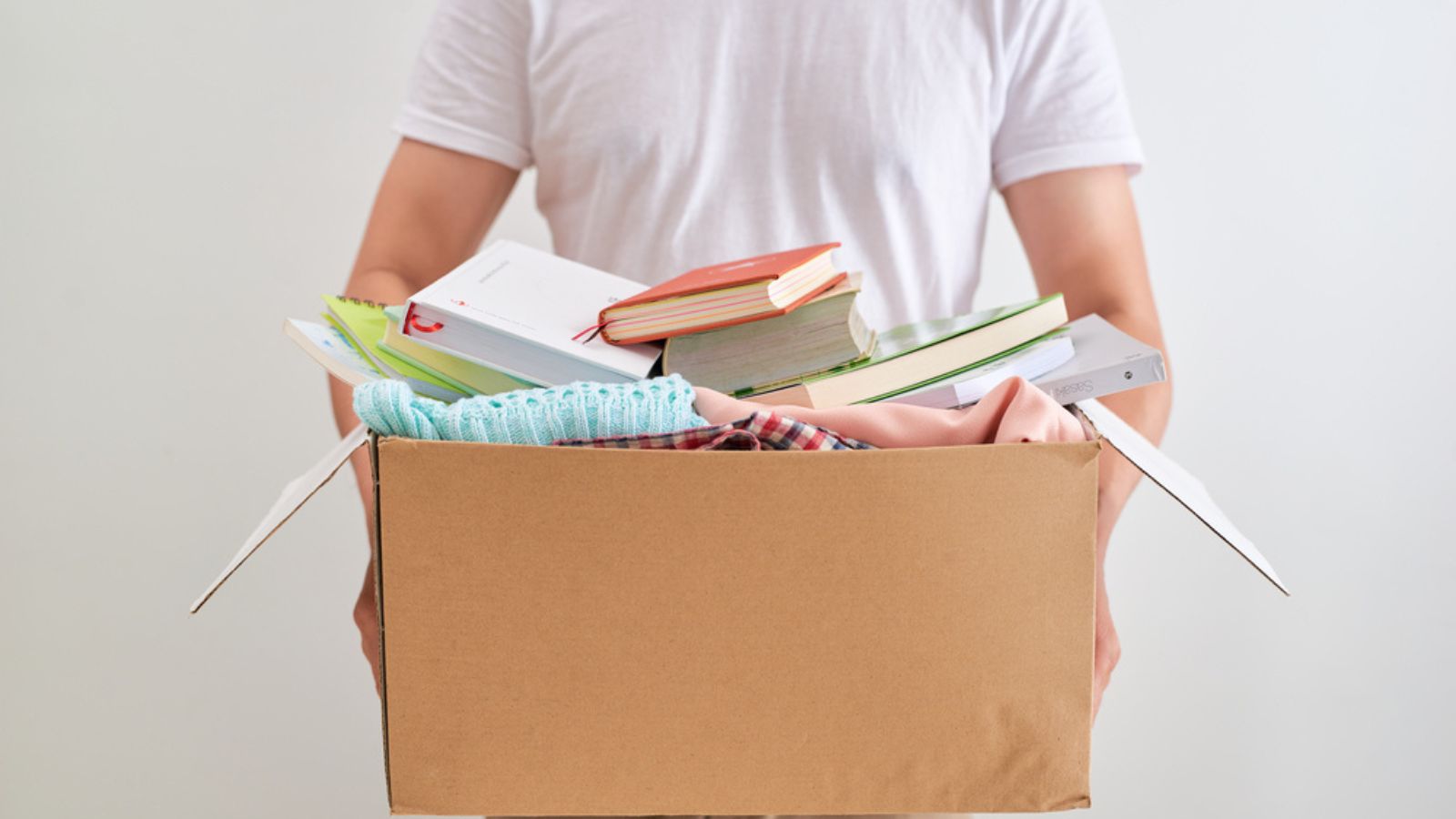
Sorting through your home takes effort, but knowing your unwanted items will find a second life makes the process rewarding. By choosing to donate rather than discard, you support your local economy, help neighbors in need, and do a massive favor for the planet.