
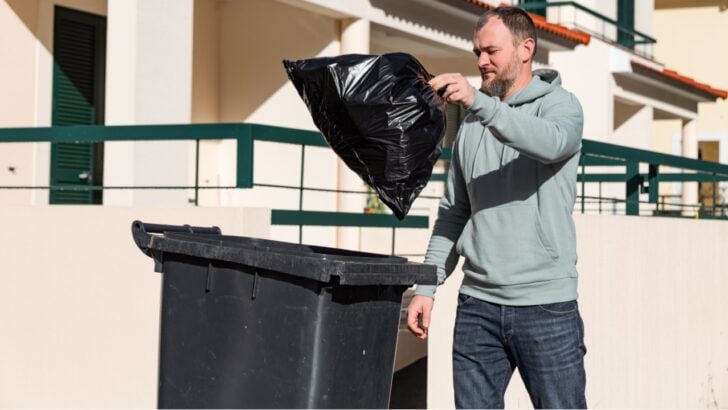
Your bin is full, the bags are stacking up by the back door, and your neighbor’s can sits half-empty at the curb. The temptation is real. One quick toss and the problem disappears, right?
Not so fast. That small move can spark big tension between you and the people who live closest to you. A bin might look like a fair game once it hits the sidewalk, but it still belongs to someone.
Shared use can work, but only when both people agree to it first. Online forums echo this, too, where folks say they feel respected when a neighbor asks and annoyed when one just helps themselves.
Below, you’ll find what the pros (and neighbors) have to say, why the stakes are higher than they seem, and how to handle extra trash the right way.
Sneaking Trash in Is a Hard No
Slipping your garbage into a neighbor’s bin without a word breaks an unspoken rule of shared spaces. It might seem minor, but how you act when no one watches says a lot.
The act chips away at trust, and trust between neighbors is hard to rebuild once it cracks. A single bag can turn a friendly relationship into a cold one.
Research backs this up in a clear way. In one United Kingdom study, nearly 50% of residents felt uncomfortable when they spotted a neighbor using their bins without permission.
People who had talked things out first reported far higher levels of respect and goodwill. The lesson stands out plainly, so a quick conversation beats a quiet shortcut every time.
It Could Cost Your Neighbor Real Money
Many people assume trash service is a flat fee, but that’s not always the case. Some areas charge by weight or by the number of bags, pay-as-you-throw, which means your overflow can raise your neighbor’s monthly bill.
Professional cleaners who handle large jobs avoid using bins that aren’t theirs for this exact reason. What looks free to you might quietly cost someone else.
The risk doesn’t stop at the bill. In certain places, a bin packed past its limit triggers a fine, and that penalty lands on the homeowner, not you.
Imagine your neighbor paying for a mess they never made. That kind of surprise creates unnecessary resentment.
You Might Be Breaking the Law
Beyond hurt feelings and higher bills, this habit can cross into legal trouble. A trash bin counts as private property, especially if it’s in an enclosed area.
Using it without consent can fall under trespassing in some areas. Toss in the wrong items, and you could face an illegal dumping charge on top of that.
Penalties shift from town to town, but the fines can sting. Some cities treat repeat offenses harshly, with costs that climb well past the price of a proper disposal trip.
The rules exist to protect homeowners from exactly this scenario. So before you assume a bin is open territory, remember that the law often sees it as someone’s belongings.
Asking First Changes Everything
The whole issue largely disappears with one conversation. Most regulations hold that placing trash in a bin not your own is only wrong if you do not have permission from the owner of the receiving bins.
A quick, friendly ask, “Hey, my bin’s overflowing from the weekend, any chance I can toss a bag in yours?” respects your neighbor’s space and gives them the choice.
Most people, when asked directly, will say yes without a second thought. Some neighbors take it a step further and set up a standing arrangement. In some cities, neighbors splitting the cost of a garbage tote is legally viable, provided the requirements around container use and capacity are met.
A neighbor who chips in toward the service and uses the extra space freely is a partner in the arrangement, not a burden.
A Better Way Forward
Good neighbor relationships rest on small, steady acts of respect, and how you handle extra trash is one of them. The safest move is simple, so talk before you toss and keep any shared use light and tidy.
A quick message costs you a moment and saves you from fines, awkward run-ins, and a damaged bond with the people next door.
If you find yourself with overflow often, set up a standing agreement with a willing neighbor and offer to split part of the service cost. That fairness keeps things even and friendly.