15 Ways to be The Thoughtful Neighbors Everyone Likes Living Next to
Living next to someone who cares about shared space and being polite shapes your whole day. A calm street, a friendly face, and a sense that people look out for each other make daily life feel lighter. Most of us spend years living close to the same people, yet many interactions never go beyond a quick nod or a polite smile.
Good neighborhoods rarely happen by chance. They grow through small, steady habits that show respect without being overbearing. It is not about grand gestures or forced friendliness. It is about simple, repeated actions that signal reliability and basic kindness.
Studies on neighborhood satisfaction often point to the same idea. Strong communities are built on consistency, not occasional effort. When people feel comfortable and safe where they live, stress levels drop, and everyday life becomes easier to manage.
Here are practical ways to become that kind of neighbor. You will find fifteen habits that are easy to adopt and realistic to maintain. Each one explains how small actions can improve the mood and comfort of everyone nearby.
1. Keep the Noise at a Reasonable Level
Sound carries more than most people realize. What feels normal inside your home can easily become disruptive outside, especially early in the morning or late at night. Being aware of volume shows respect for other people’s routines and rest.
Common issues include loud music, barking dogs, or using tools at odd hours. Keeping these activities within reasonable daytime limits helps avoid unnecessary tension. Even small changes, like lowering the volume or closing windows, can make a difference.
If you are planning something louder than usual, a quick heads-up goes a long way. Letting neighbors know in advance helps them adjust their plans if needed. It is a simple habit that prevents frustration and keeps things smooth.
2. Maintain the Exterior Property
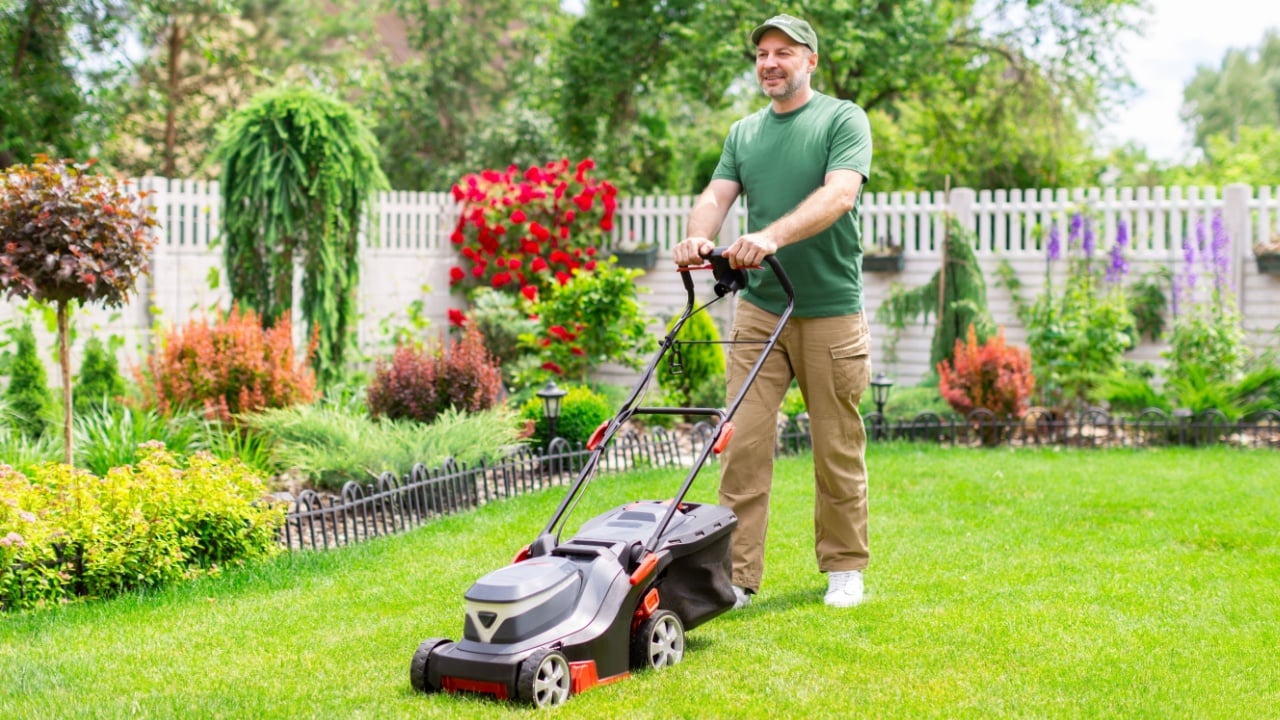
A well-kept yard and clean siding help maintain the property value for the whole block. Neglected spaces can quickly become an eyesore that brings down the mood of the neighborhood. Keeping things tidy shows you take pride in your home and respect the shared view.
Mowing the lawn, trimming the bushes, and keeping the trash tucked away are the basic “must-dos.” If you see peeling paint or a broken shutter, try to handle it before it turns into a bigger structural headache. A home that looks cared for signals to everyone that the area is monitored and safe.
To keep from getting overwhelmed, try setting up a simple seasonal maintenance schedule. Store your tools away after you’re done instead of leaving them scattered on the driveway. If you see an elderly neighbor struggling with their leaves, offering a hand for twenty minutes builds an incredible amount of goodwill.
3. Handle Pet Waste Immediately
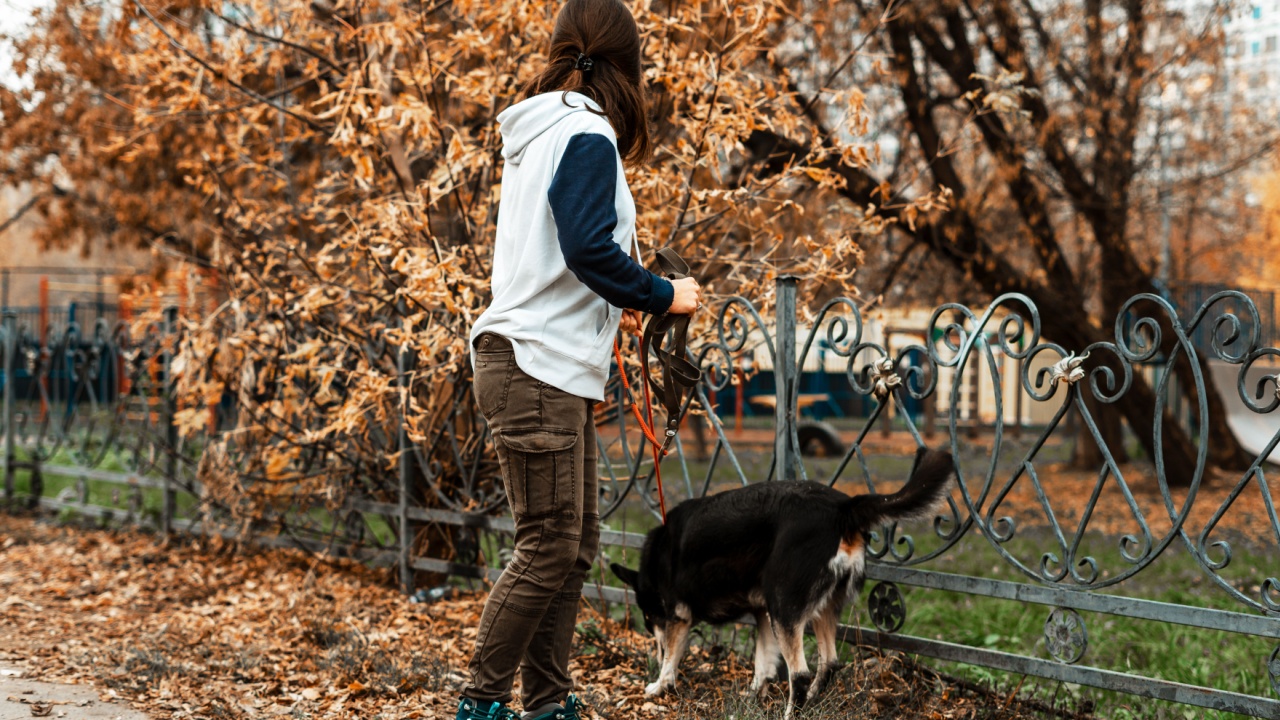
Pets are part of the household, but their impact reaches beyond your own space. Leaving waste behind in shared areas or on someone else’s property creates frustration quickly. Cleaning up right away is one of the simplest ways to show consideration.
Carrying waste bags during walks should be a habit, not an afterthought. It keeps paths clean and avoids unpleasant smells that linger. Being attentive to where your pet goes also helps protect gardens and lawns that others have put effort into maintaining.
At home, having a proper disposal system makes things easier to manage. Training pets to avoid excessive noise, especially when left outside, adds another layer of consideration. Responsible pet care reflects directly on how neighbors see you.
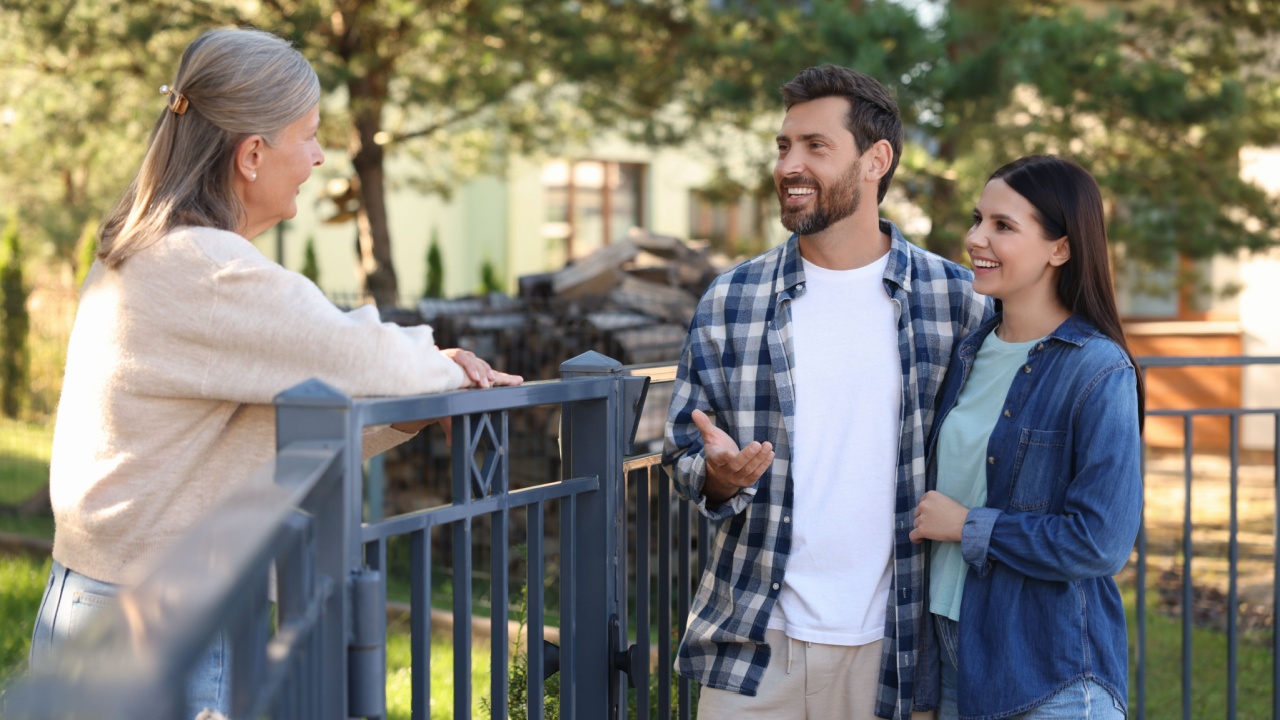
4. Introduce Yourself to New Arrivals
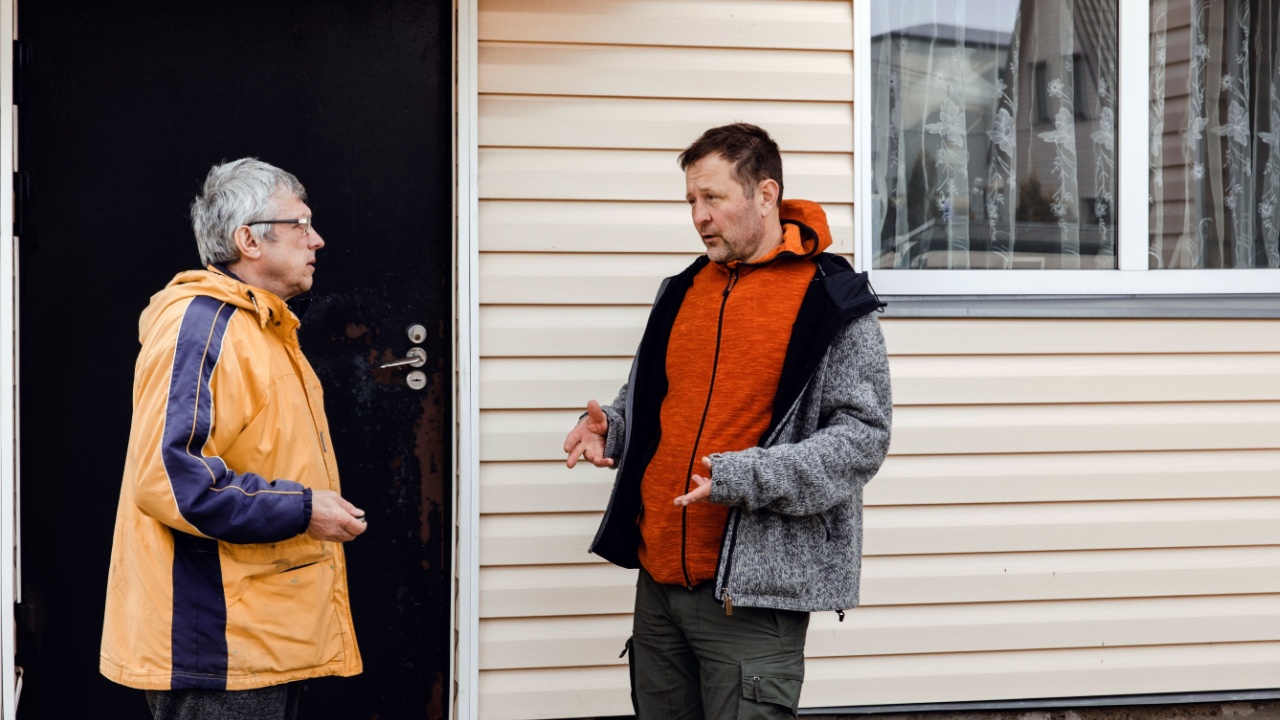
The first few weeks in a new home are usually a blur of stress and cardboard boxes. A friendly greeting can help a newcomer feel instantly less isolated and more at home. It sets a positive, welcoming tone for the relationship from the very first day.
A simple greeting and a short conversation are enough to make a connection. Sharing your name, pointing out your home, and offering a contact number can be helpful without being intrusive. It gives them a familiar face in a new setting.
You can also pass along small, useful details about the area. Things like garbage collection days or nearby shops can save them time. Keeping it brief respects their schedule while still making a positive impression.
5. Communicate Before Throwing a Party

We all love a good social gathering, but they can definitely be a bit much for the person on the other side of the wall. Giving your neighbors a quick warning about a planned party prevents them from being blindsided by a street full of cars. It shows you actually value their right to a quiet evening.
Let them know the date and what time you expect things to wrap up. Providing your phone number gives them a direct line to you if the music gets a little too loud, which usually prevents them from calling the authorities. Most people are totally cool with a bit of noise if they know it’s just for one night.
If the vibe fits, feel free to invite the neighbors along! If not, just sticking to your agreed-upon “quiet time” is a massive sign of respect. Following up the next day to say thanks for their patience is a classy move that ensures you’ll stay on their good side.
6. Offer Help During Weather Events

Severe weather is one of those times when a neighborhood can really pull together. Whether it’s shoveling a sidewalk or helping clear branches after a big storm, these are the moments that build real solidarity. It creates a sense of “we’re all in this together.”
Keep an eye out for neighbors who might find physical labor difficult, like the elderly or parents with newborns. Spending an extra ten minutes clearing a shared curb or a neighbor’s driveway saves them a ton of effort. This kind of proactive help is exactly what turns a street into a community.
If you know a neighbor is out of town during a storm, keeping a casual eye on their property is a huge favor. Checking in once the sun comes out to see if anyone needs a hand or a spare tool is a small gesture that won’t be forgotten.
7. Be Mindful of Parking Spaces

Parking is often the biggest “hidden” source of drama in residential areas. Blocking a driveway or taking up two spots is an easy way to frustrate people who are just trying to get home from work. Respecting the unwritten rules of the street keeps the daily commute way less stressful.
If you have guests coming over, suggest they park in your driveway or further down the street where there’s more room. Try to avoid leaving an unused car in a “prime” spot for weeks at a time. Keeping the space directly in front of a neighbor’s house clear makes their life a whole lot easier.
If things are tight, don’t be afraid to have a casual chat with your neighbors about parking preferences. Being flexible and willing to shuffle cars around when asked prevents small annoyances from turning into big arguments. Awareness of where you leave your wheels benefits everyone on the block.
8. Return Borrowed Items Promptly
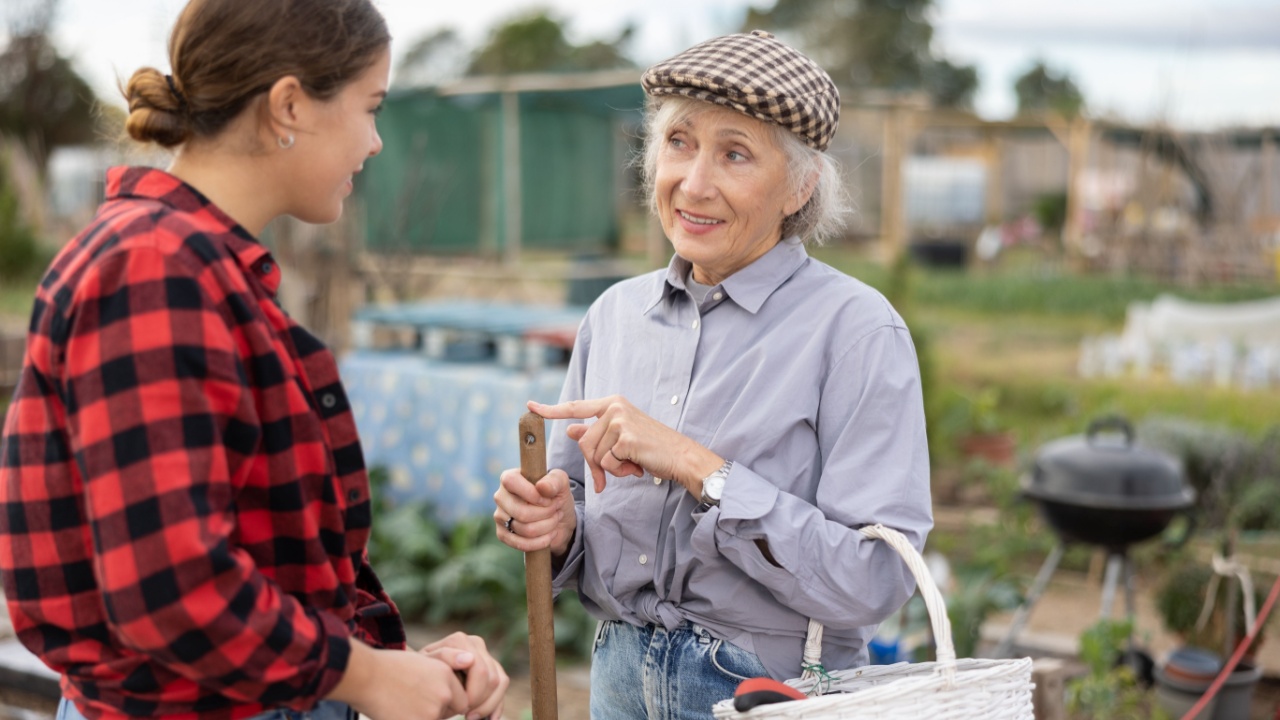
The “cup of sugar” or “borrowed ladder” trope is a classic for a reason: it builds trust. However, that trust evaporates if you keep an item for months or return it covered in dirt. Returning things quickly and in great shape shows you respect your neighbor’s hard-earned stuff.
Before you drop a tool back off, make sure it’s clean and still working properly. If you borrowed a consumable (like a cleaning spray or some flour), try to return a full version or a fresh batch. That little bit of extra effort shows you’re a reliable person who doesn’t take favors for granted.
Attaching a quick “thank you” note is a small touch that goes a long way. If something happens to break while you’re using it, be the first to offer a repair or a replacement. Taking full responsibility for borrowed goods makes neighbors much more likely to help you out again in the future.
9. Bring in Trash Cans Quickly

Empty bins sitting on the curb for three days straight just look a bit messy and can end up blocking the sidewalk. Tucking them back into their spot shortly after the truck passes keeps the street looking sharp. Plus, it’s a subtle signal that the house is occupied and active.
If you’re home and notice your neighbor’s bins are still out (maybe they’re at work or away for the weekend), pulling them in for them is a top-tier neighbor move. It prevents them from blowing over in the wind or becoming a target for neighborhood pests. It’s a two-minute task that earns you a lot of “good neighbor” points.
Try to store your bins somewhere they aren’t the first thing people see when they look at your house. Giving them a quick rinse with a hose now and then keeps the odors from drifting toward your neighbor’s porch. Staying on top of the “trash game” is a quiet but effective way to keep the area pleasant.
10. Watch Out for the Neighborhood

A collective eye on the street makes everyone’s home significantly more secure. You don’t have to be “the nosy neighbor” to be observant of unusual activity or strangers lingering where they shouldn’t be. It’s about looking out for one another’s investment.
If you see something weird, like a package being swiped or a suspicious vehicle, sharing that info in a group chat or a quick chat over the fence is helpful. If a neighbor is on vacation, knowing you’re keeping a casual eye on things gives them massive peace of mind. Safety is a team sport.
Just be careful not to turn into a gossip or create unnecessary panic over every little thing. Focus on the facts that actually help keep the block safe and secure. Having that “watch out for each other” mentality is the best security system money can’t buy.
11. Respect Property Boundaries
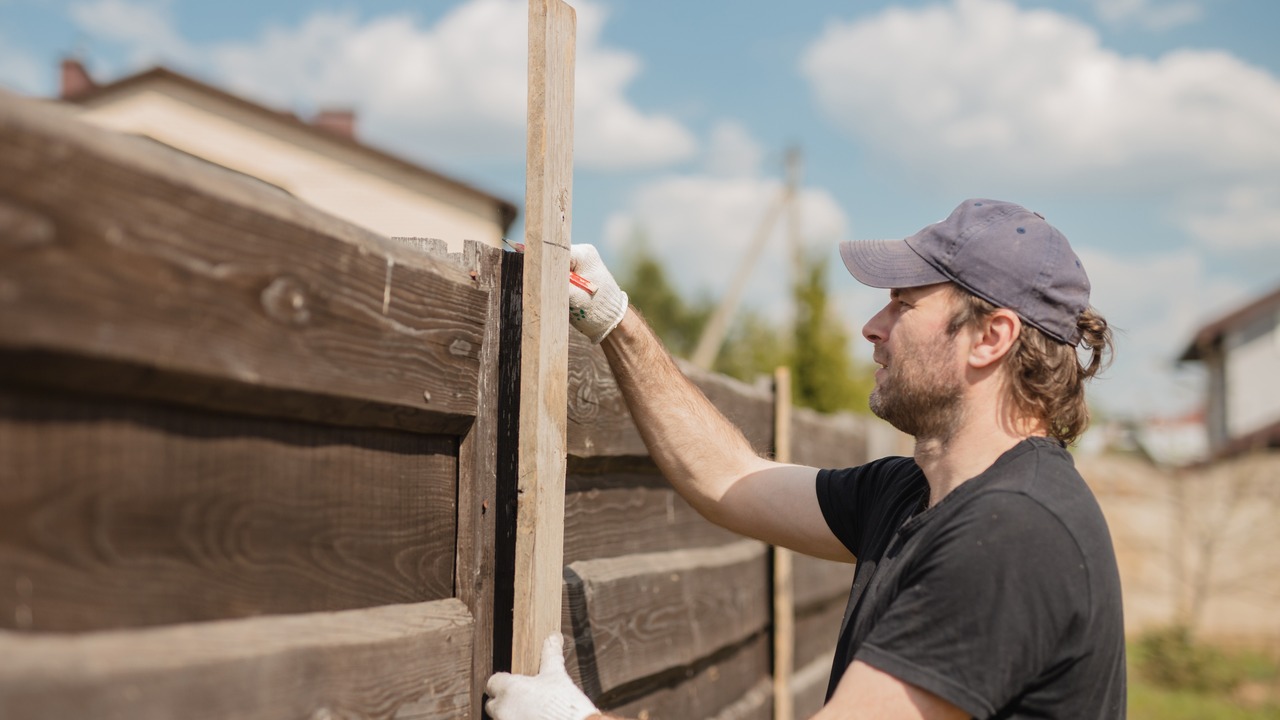
Property lines are there for a reason, and keeping them clear is vital for long-term harmony. Walking through someone’s yard as a shortcut or letting kids treat a neighbor’s porch like a playground can feel intrusive. It’s all about maintaining that sense of personal space.
When you’re doing landscaping or putting up a fence, double-check that everything stays on your side. If you have a tree with branches hanging way over into the neighbor’s yard, keeping them trimmed shows you’re being mindful. These small physical boundaries prevent awkward legal or personal disputes down the line.
If a ball or a pet ends up in their yard, try to ask before you go in to grab it if they’re home. If they aren’t, just be quick and as non-disruptive as possible. Showing that you recognize their space as theirs builds a solid foundation of mutual respect.
12. Offer to Collect Mail for Travelers
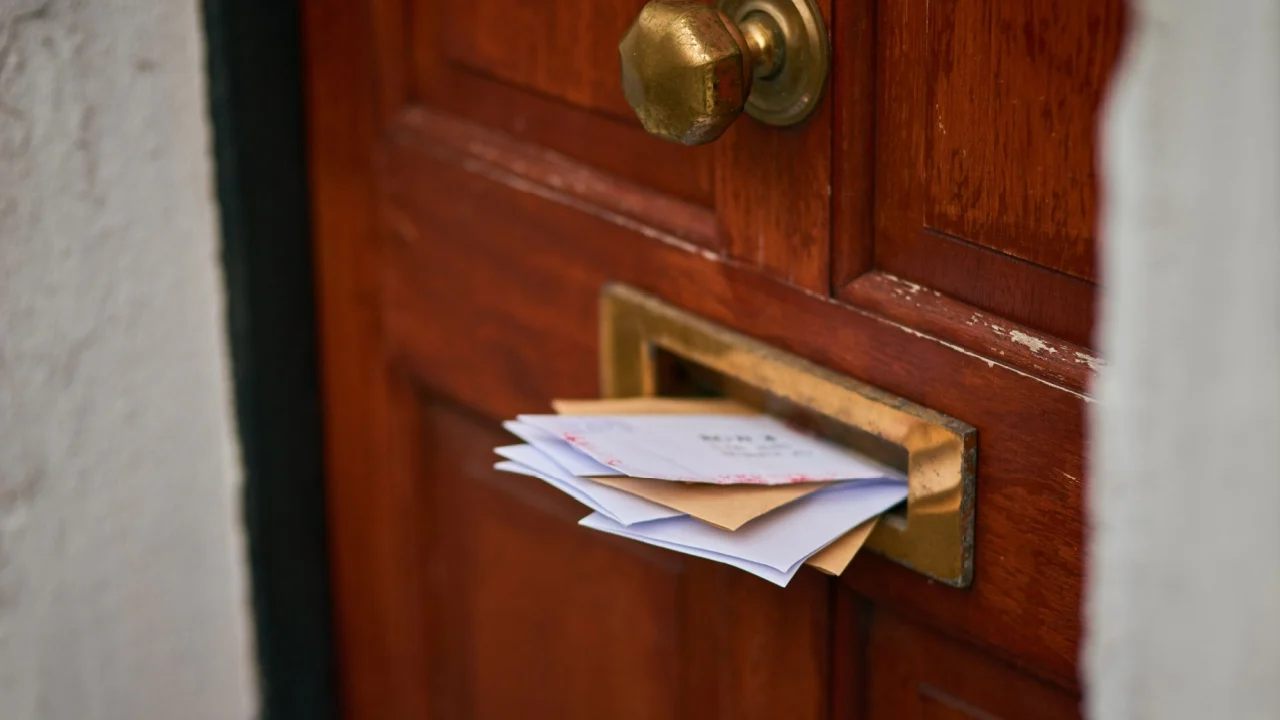
Nothing screams “this house is empty” like a stack of newspapers on the driveway or a mailbox overflowing with flyers. Offering to grab the mail for a neighbor who’s out of town is a small act that massively increases their home security. It’s one of those “low effort, high reward” favors.
Keep everything in a safe, dry spot until they get back so they don’t have to worry about soggy mail. A quick text to let them know a big package arrived safely is always appreciated. Usually, neighbors are more than happy to return the favor when you’re the one heading out on vacation.
Ask if they need anything else, like a quick watering of their porch plants or a check-in on the cat. If you’re trusted with a spare key, treat it with the highest level of care and respect. Clear communication about what they need helps everything run smoothly while they’re away.
13. Share Surplus from the Garden

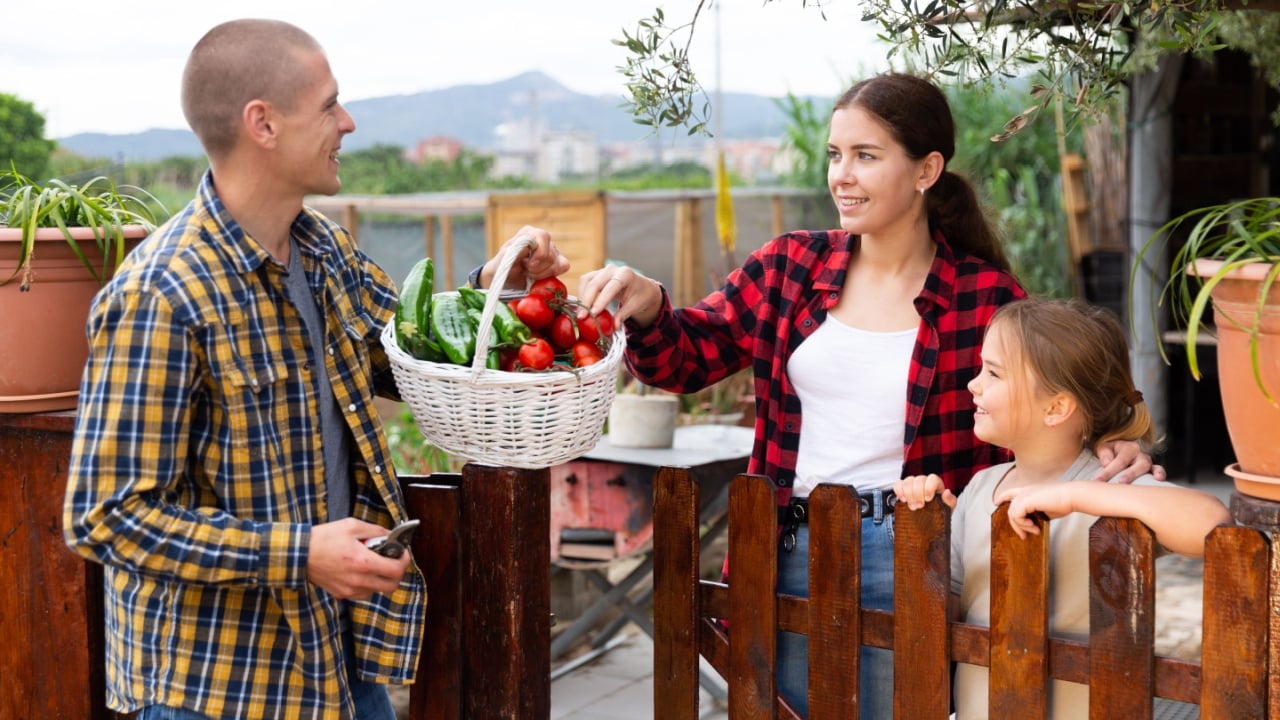
If your garden decides to produce about fifty more tomatoes than you could ever possibly eat, don’t let them go to waste! Sharing the “bounty” is a fantastic way to connect with the people next door. Fresh, homegrown produce is a gift that’s almost always welcome.
You can leave a basket of extra veggies near the sidewalk with a “free” sign or just drop a small bag off at their door. It’s a natural conversation starter and a great way to spread a little bit of joy. Plus, it prevents good food from ending up in the compost bin.
Just keep in mind any allergies or preferences before you drop off baskets of nuts or specific flowers. Swapping seeds or gardening tips with a fellow green thumb on the block is also a fun way to bond. This kind of generosity makes the neighborhood feel a bit more like a close-knit village.
14. Keep Holiday Decorations Reasonable
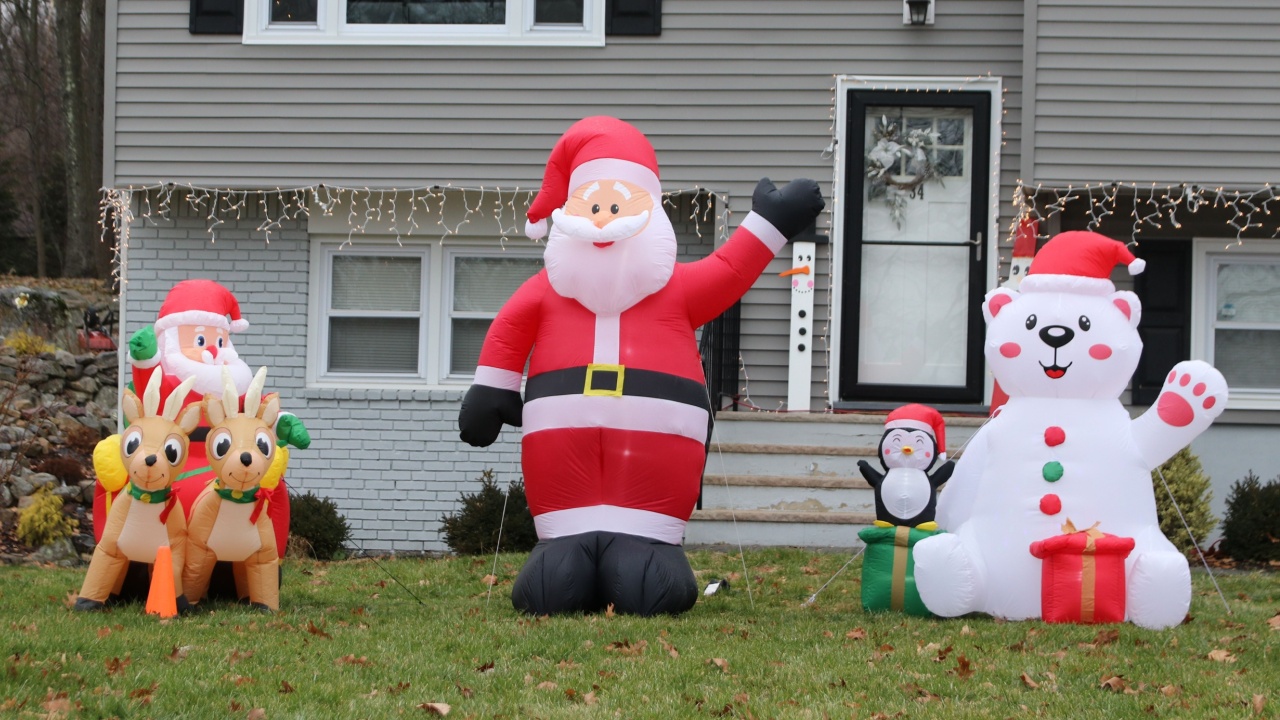
We all love a bit of festive cheer, but an animatronic Santa that screams carols at midnight might be pushing it. While decorating is fun, over-the-top displays can sometimes be a bit much for the folks next door. Keeping things tasteful and “modest” is usually the safer bet for neighborhood harmony.
Try to put your lights on a timer so they aren’t shining directly into a neighbor’s bedroom window at 3:00 AM. Taking the decorations down within a week or two after the holiday keeps the street looking current and tidy. It’s all about respecting the shared visual space you all live in.
If you’re planning a massive inflatable display, just make sure it doesn’t block anyone’s view of traffic or create a tripping hazard on the sidewalk. Checking in with your immediate neighbors about a big setup can prevent complaints before they start. A balanced celebration keeps things festive without being annoying.
15. Practice Patience and Forgiveness

At some point, every neighbor is going to do something that slightly bugs you, it’s just part of living in a community. Approaching these little hiccups with patience instead of immediate frustration prevents long-term feuds. Most of the time, the “annoying” behavior is totally unintentional.
Try to assume the best intentions first. If there’s a real issue, a calm, face-to-face conversation is a thousand times more effective than an anonymous, salty note. Building a foundation of kindness makes it much easier to navigate these small points of friction when they pop up.
Be willing to overlook a one-off mistake, like a late-night DIY project or a bin left out too long. We all have stressful weeks where etiquette takes a back seat. A neighborhood where people are quick to forgive is a much more pleasant place to call home.
Steps for Better Living
Building a great relationship with your neighbors is a marathon, not a sprint. It’s all about a steady commitment to those tiny acts of awareness that make life easier for everyone. Why not pick one thing from this list to try this week?
Whether it’s finally introducing yourself to the person three doors down or pulling in a stray trash bin, these small ripples eventually turn into a wave of community spirit. Focus on being the neighbor you would want to have, and you’ll be surprised how quickly the vibe on your street starts to change.
Read More:
A New Difficult Neighbor Has a Man Worried for His Elderly Parents
Have a Pesky Neighbor? These Are Your 8 Rights and How to Exercise Them Legally