15 Facts About Life During the Great Depression That Make Us Realize How Tough Humans Are
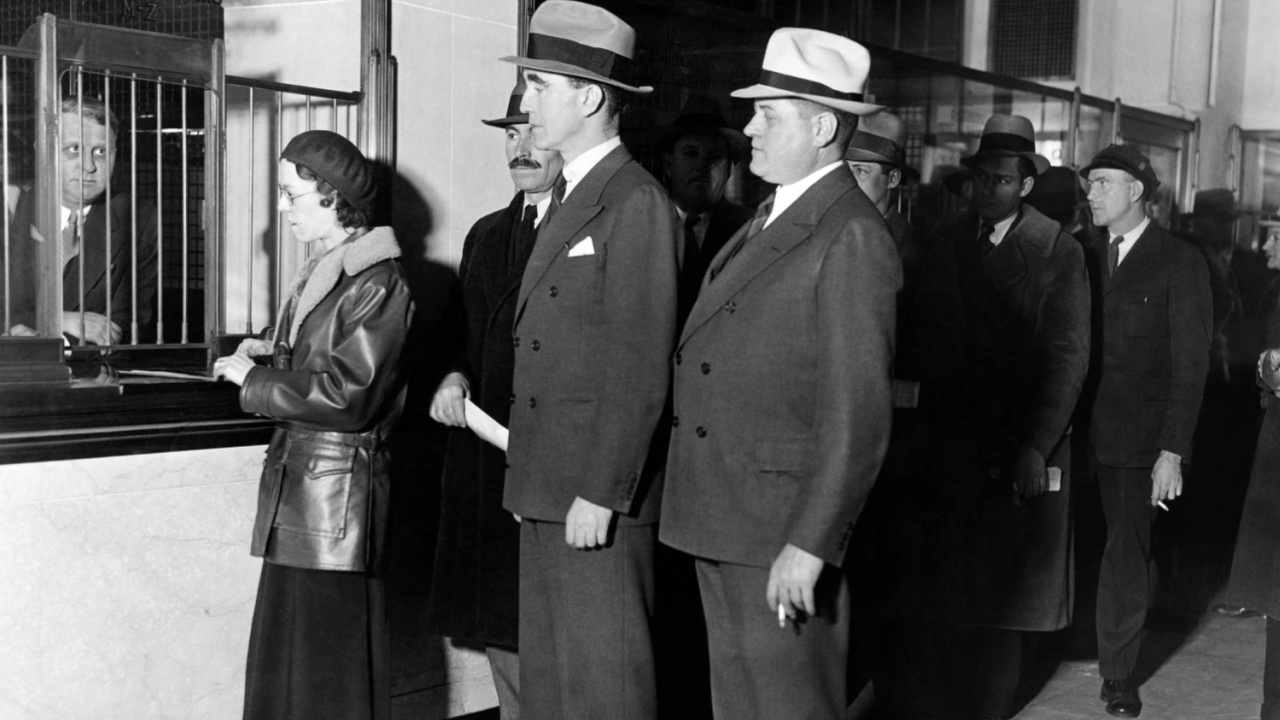
When you hear about the Great Depression, certain iconic images probably flash through your mind—long breadlines, dusty plains, and families huddled together in the bleakest of times. But life during that era was far more than just black-and-white photos of hardship.
It can be mind-boggling to read through stories of people’s survival, grit, and unexpected moments of hope.
The Great Depression was a complete shift in how people lived their everyday lives. Families were torn apart, communities were left struggling, and some of the most basic needs became luxury items for many. And yet, through all of that, people found ways to persevere. They came up with creative solutions, leaned on each other, and sometimes even managed to laugh despite it all.
So, if you think you know what life was like during the Great Depression, think again. Here are 15 facts that might just change the way you see one of the toughest times in American history.
1. Unemployment Skyrocketed to 25%

By 1933, one in four Americans was unemployed. Let that sink in for a second. People didn’t just lose their jobs—they lost their livelihoods, homes, and, in many cases, their sense of security. Unemployment hit entire industries, from manufacturing to farming, and those who still had jobs often faced wage cuts and reduced hours.
Finding work became a full-time job in itself. People would line up for hours in the hopes of landing even the most basic gig, like sweeping streets or delivering newspapers.
2. People Took to the Rails as Hobos

With no work and no money, countless Americans became hobos, hopping on freight trains to crisscross the country in search of opportunity. Riding the rails wasn’t glamorous; it was dangerous. Some were injured or killed trying to board moving trains, and “bulls” (railroad security guards) would violently chase off any unwelcome passengers.
But this transient lifestyle created a whole culture of its own, complete with an unspoken code of living. These travelers formed communities, helping each other survive as they roamed from town to town.
3. Families Were Split Apart

With no work and no food, many families were forced to separate just to survive. Fathers left home to look for work wherever they could find it, sometimes not returning for months or years. Children were sent to live with relatives or placed in orphanages, even though their parents were still alive but simply unable to care for them.
It’s heartbreaking to think about, but for many families, this was the only way to make it through.
4. Bartering Became the New Currency

With little cash on hand, people started bartering to get what they needed. Eggs, milk, and homegrown vegetables became valuable trade items. If you were handy with your hands, you could trade skills like sewing or fixing things in exchange for food or other essentials.
It was like reverting to a simpler, older way of life, one where having a few chickens or being good with a hammer could be the difference between making it and going without.
5. The Dust Bowl Devastated the Midwest

As if the economic collapse wasn’t enough, the Dust Bowl added environmental disaster to the mix. Overfarming and severe drought turned much of the Midwest into a barren desert. Massive dust storms, sometimes called “black blizzards”, swept across the land, making farming nearly impossible.
Thousands of families packed up and fled west, hoping for a better life in places like California, but many found only more hardship waiting for them.
6. Hoovervilles Sprang Up Everywhere

As more people lost their homes, shantytowns, known as Hoovervilles (a sarcastic nod to President Hoover), popped up across the country. Built from scrap wood, metal, and anything else people could find, these makeshift shelters were a stark reminder of the grim times.
Life in a Hooverville was far from easy. With no running water or sanitation, disease was rampant, but for many, these makeshift communities were the only option.
7. Banks Closed by the Thousands

During the Depression, about 9,000 banks failed. There was no FDIC back then, so if your bank went under, your savings disappeared with it. People lost entire life savings overnight, and trust in the banking system hit rock bottom.
Fearful of more bank failures, many Americans started hiding cash at home—under mattresses, buried in the yard, or stuffed in coffee cans.
8. Soup Kitchens Became Lifelines

When food became scarce, soup kitchens became vital for survival. Charities, churches, and local businesses often set up these kitchens, offering a free meal to anyone who needed it. Bread and soup were the standard fare, and in big cities like New York and Chicago, lines stretched around the block.
For many, a meal at a soup kitchen was the only thing standing between them and starvation.
9. Clothes Were Made from Flour Sacks

Clothes weren’t just scarce, they were a luxury many couldn’t afford. In rural areas, people got creative and started making dresses, shirts, and other garments out of flour sacks. Companies even caught on to this and began printing pretty patterns on the sacks to make them more appealing.
For many families, this was a way to stretch their limited resources while still keeping up appearances.
10. Movies Were a Cheap Escape

Even during the Depression, people needed to escape from their problems, if only for a couple of hours. Going to the movies was an affordable luxury; tickets were cheap, and theaters offered a rare chance to sit in air-conditioned comfort.
Blockbusters like Gone with the Wind and The Wizard of Oz gave audiences a much-needed distraction from the harsh realities outside.
11. Women Entered the Workforce in Droves

With so many men out of work because they were in heavily affected industries, women increasingly found jobs in more protected sectors like childcare, teaching, and secretarial work. While this helped many families get by, it wasn’t without controversy. Some people believed women were “taking” jobs that should go to men, leading to workplace tensions.
In many ways, the Great Depression helped shift societal expectations of women’s roles both at work and at home.
12. Government Programs Saved Millions

When Franklin D. Roosevelt took office, he launched the New Deal, a series of government programs designed to provide jobs and stimulate the economy. The Works Progress Administration (WPA) and Civilian Conservation Corps (CCC) put millions of unemployed Americans to work on public projects like roads, bridges, and parks.
While these programs didn’t end the Depression, they provided critical relief for struggling families and left a lasting legacy in the form of public infrastructure still in use today.
13. Schools Faced Major Setbacks

Education wasn’t immune to the Depression’s effects. Many schools had to shut down or shorten their school years due to a lack of funding. Teachers often worked for little or no pay, and some schools even asked parents to bring in supplies like firewood or food to keep classrooms running.
In rural areas, many children dropped out of school entirely to help their families make ends meet.
14. Rent Parties Were Common in Cities

In places like Harlem, people threw “rent parties” to raise money for rent. These events featured music, dancing, and drinks, with guests paying a small fee to attend. Rent parties were a way to help neighbors get by, and they were also a lot of fun, providing a little bit of joy in otherwise tough times.
It wasn’t just about money; it was about keeping spirits up and helping out your community.
15. Many Lived Without Electricity

In rural America, millions of families lived without electricity. Homes were lit with oil lamps, and cooking and heating were done with wood-burning stoves. The Rural Electrification Act of 1936 eventually brought power to many of these areas, but until then, life without electricity was a harsh reality for much of the country.
Imagine trying to get through the cold winters without heat or light, just another layer of difficulty in already tough times.
Read more:
13 Creative Ways People Survived the Great Depression
14 Classic Foods That Keep People Nourished in Hard Economic Times