
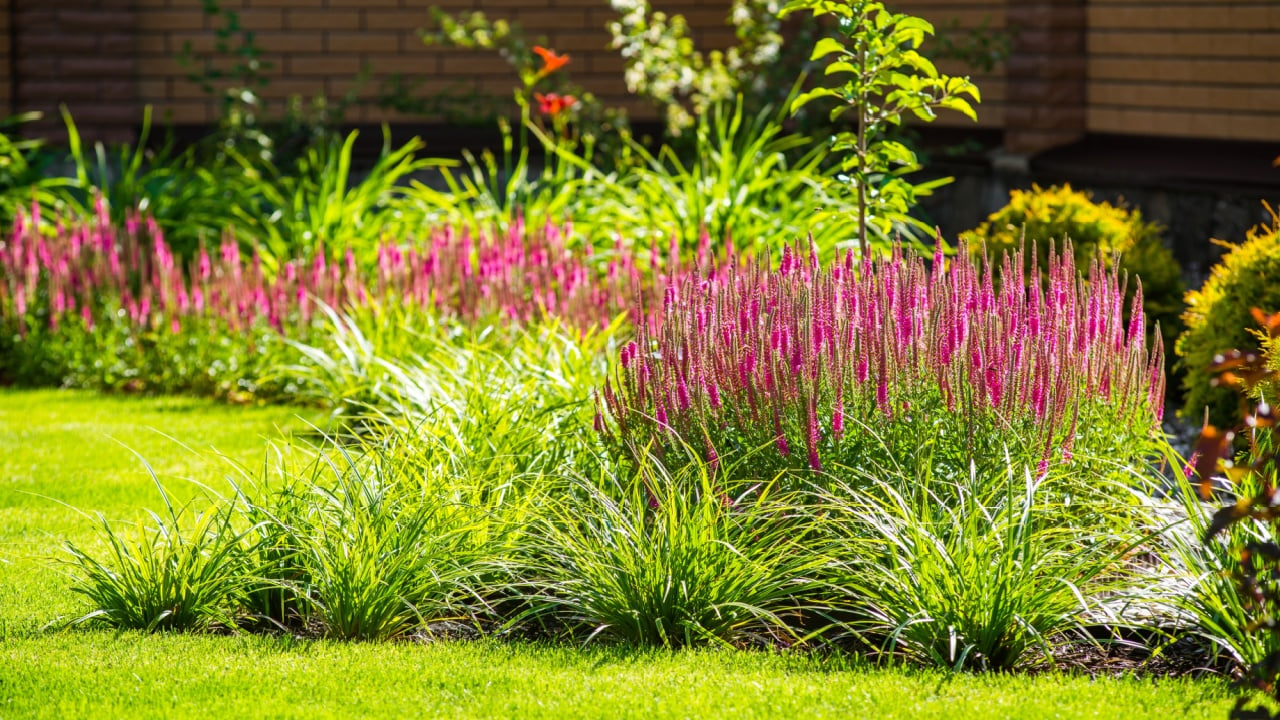
These 12 Plants Are Accidentally Attracting Predators to the Yard
A beautiful backyard is a source of pride, acting as a private sanctuary where you can relax and enjoy nature. Many homeowners spend hours choosing plants that add a splash of color or provide a screen of privacy from the neighbors. However, what looks like a peaceful garden to us can look like an “all-you-can-eat” buffet to the local wildlife.
While we usually welcome birds and butterflies, some popular plants act as unintended invitations to larger, more dangerous guests. Data suggests that the scent, fruit, and shelter provided by certain gardens directly influence how predators move through suburban areas. When the right food is present, the chances of seeing coyotes, bears, or snakes increase.
We have simplified the relationship between your greenery and the local food chain by identifying fifteen common plants that might be drawing unwanted visitors to your doorstep, particularly predators that you don’t want near your pets or kids. Each entry explains why these plants are problematic and how they change the dynamic of your outdoor space.
The goal is to help you maintain a gorgeous garden without turning your property into a hunting ground for local predators.
1. Apple Trees
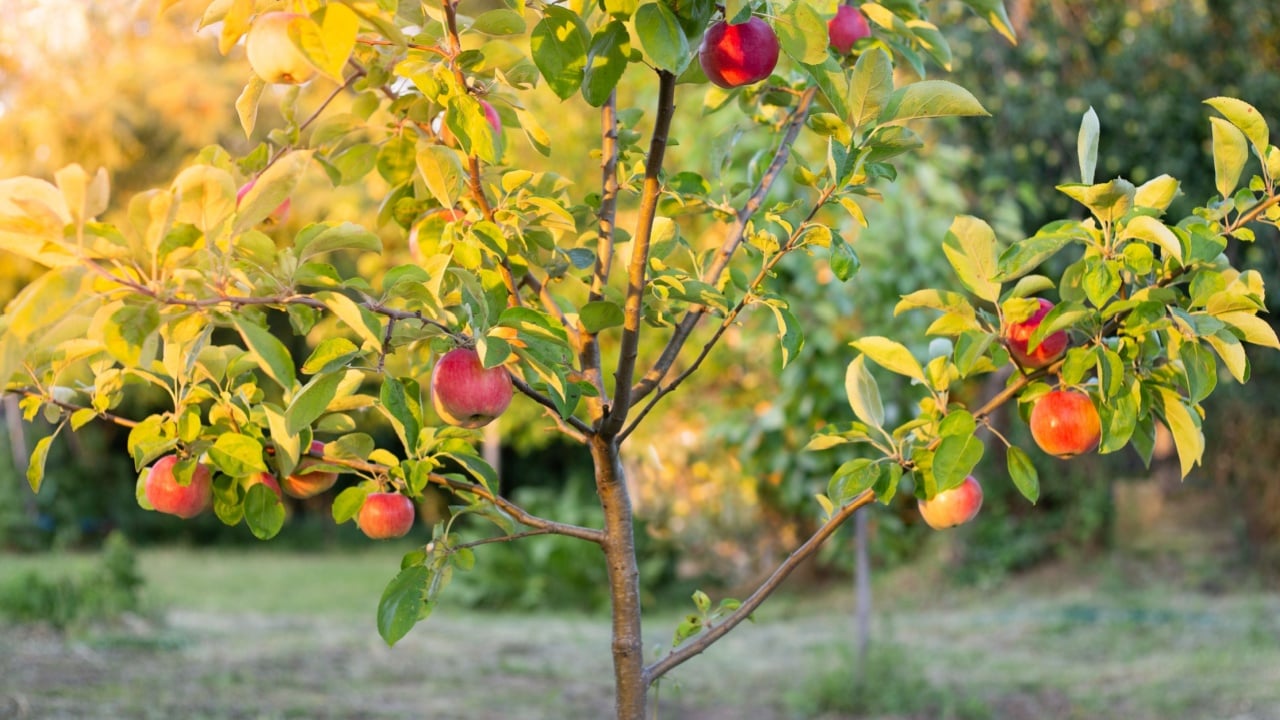
Falling fruit creates a sweet scent that travels a long way through the air. As apples sit on the ground and begin to ferment, the smell gets even stronger, acting like a homing beacon for hungry animals. This turns a simple backyard tree into a major food station.
Bears and deer are the most common guests at these fruit stands. Once these large animals start visiting regularly, smaller predators like coyotes often follow to see what they can scavenge or hunt. This creates a busy and potentially dangerous cycle of wildlife activity right in your yard.
To keep the peace, try to rake up fallen apples every day so the scent doesn’t build up. If your tree produces too much to handle, consider picking the fruit early or using netting. It also helps to keep your compost pile far away from the house to keep these visitors at a distance.
2. Sunflowers
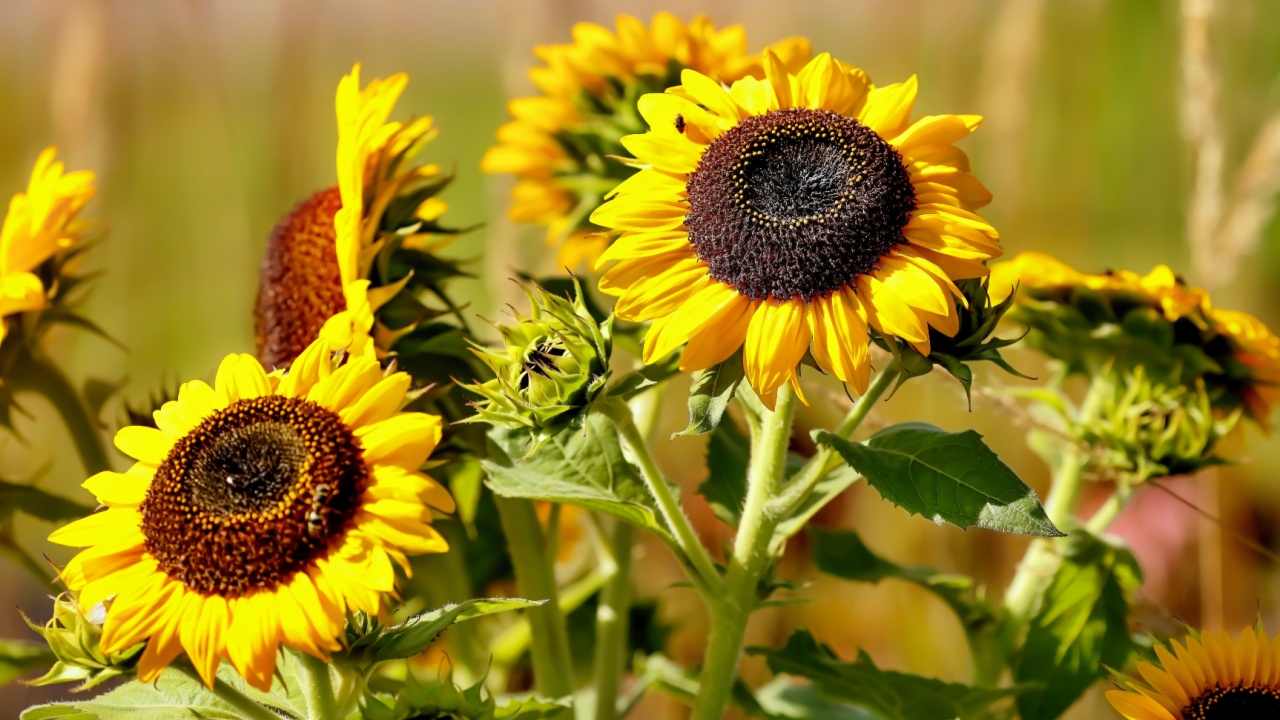
Sunflowers are famous for their tall stalks and heavy heads full of seeds, which are a massive draw for birds and rodents. While it is fun to watch birds visit, the seeds that drop to the ground create a secondary problem. These fallen scraps provide a steady food supply for mice and squirrels.
Naturally, predators like snakes and foxes are drawn to areas where mice are plentiful. A garden full of sunflowers can quickly turn into a hunting ground for these carnivores. What starts as a simple flower ends up supporting a complex food web right outside your window.
You can manage this by planting sunflowers further away from your home’s foundation. Clearing away the seed hulls and dropped debris helps keep the rodent population under control. You might even place a small tray under the flowers to catch seeds before they hit the dirt.
3. Berry Bushes
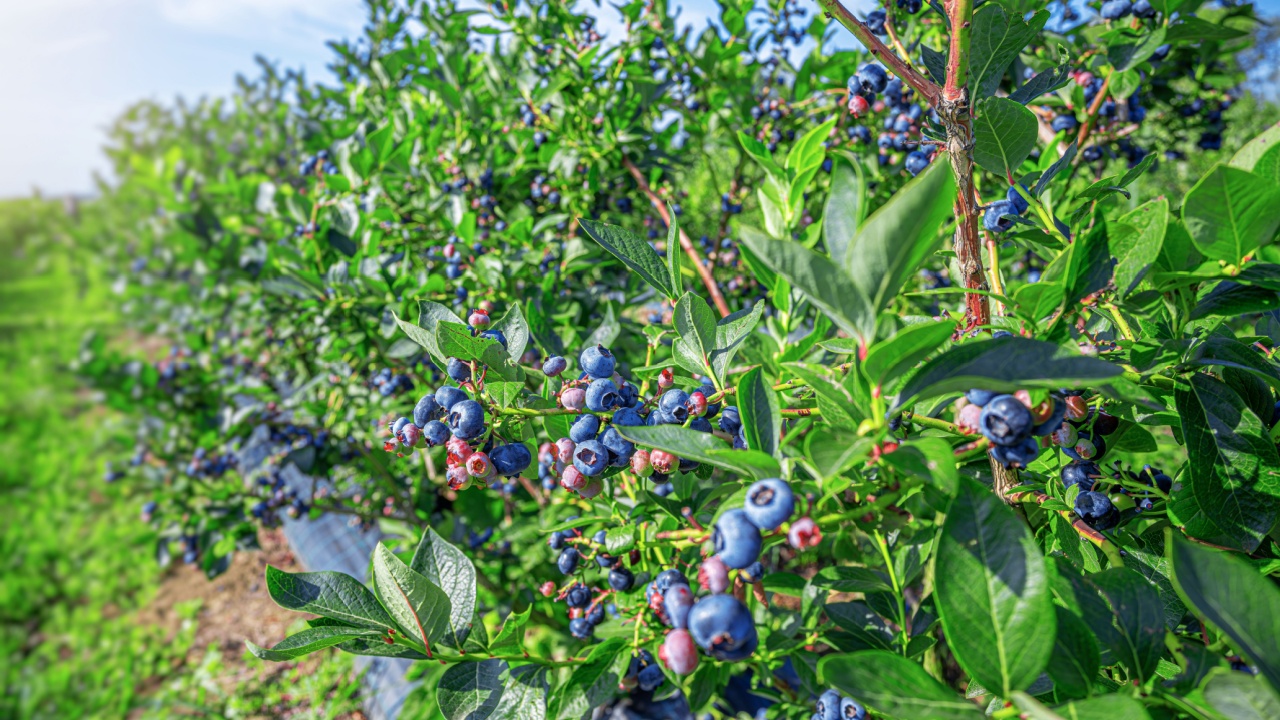
Blueberries and raspberries are delicious treats for both humans and animals. These bushes provide high-calorie snacks that animals crave, especially when they are bulking up for the winter months. The thick leaves also give small animals a cozy place to hide while they eat.
Bears are well-known for finding berry patches and can accidentally destroy your landscaping while they forage. Other predators like coyotes and foxes also enjoy the fruit and will visit often during the summer. This turns your garden into a high-traffic zone for animals that usually stay in the woods.
Using motion-activated sprinklers is a great way to scare off larger animals without hurting them. Picking the berries as soon as they are ripe also limits the “open hours” of your buffet. Some gardeners find that sturdy fencing is the best way to keep persistent animals away from the fruit.
4. Oak Trees

Acorns are a primary food source for a huge variety of wildlife, including squirrels and deer. A single large oak tree can drop thousands of nuts in a good year, which is a massive amount of food. This abundance supports a high population of prey animals in a very small area.
When you have a lot of prey gathered in one spot, predators like bobcats and coyotes are sure to follow. These hunters learn that oak trees are reliable places to find a meal. The cycle begins with a tiny acorn but can end with large predators patrolling your property.
Cleaning up acorns with a heavy rake or a lawn vacuum reduces the “easy meals” available to rodents. You can also thin out the tree’s branches to reduce the number of acorns it produces while keeping the tree healthy. Focus your cleaning efforts on the areas near your doors and walkways.
5. Birdseed and Feeders
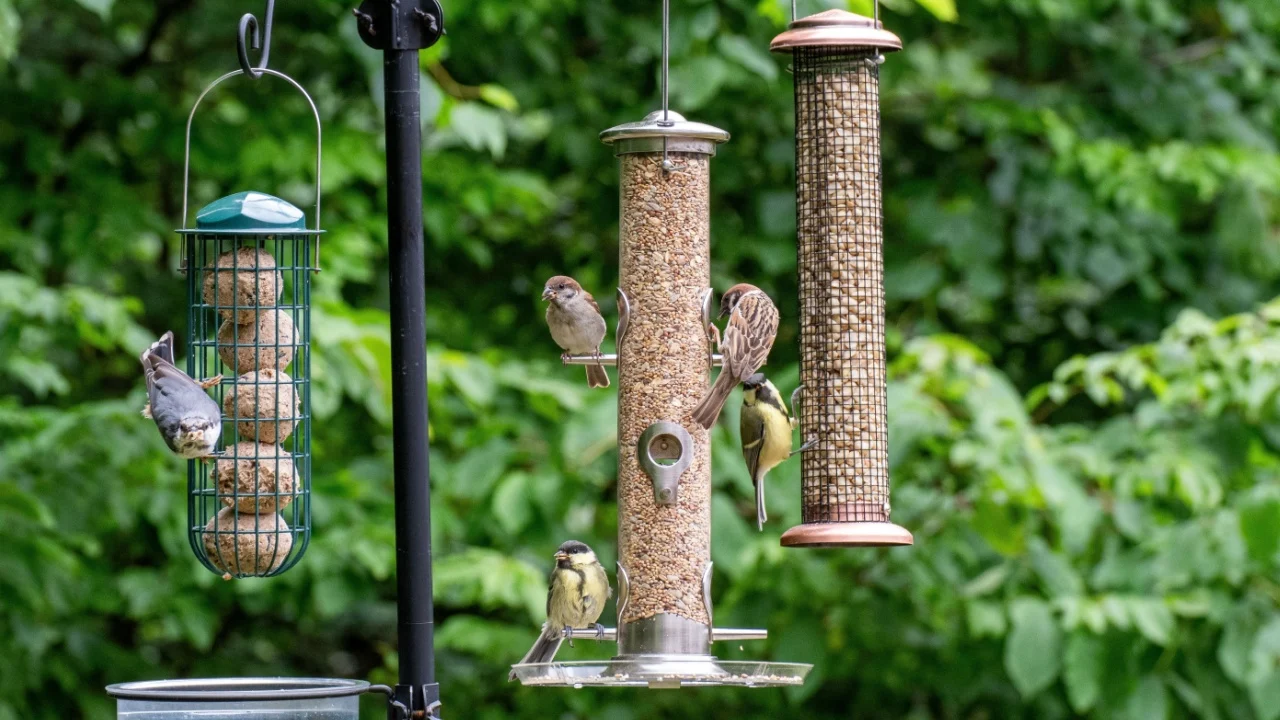
Even though birdseed isn’t from a single plant, the seeds used, like millet and corn, come from plants that animals love. These concentrated piles of food are much easier for animals to eat than foraging in the wild. This constant supply creates a permanent “hangout” for local wildlife.
Raccoons and bears are frequently caught raiding bird feeders under the cover of night. Additionally, the small birds and rodents that visit the feeder draw in hawks and snakes looking for a quick catch. It essentially creates a man-made hunting zone in your backyard.
To stay safe, switch to “mess-free” seeds that don’t have shells to keep the ground clean. Bringing your feeders inside at night will stop nocturnal predators from making your yard a habit. Placing feeders in open areas also makes it harder for predators to sneak up on the birds.
6. Corn

Tall corn stalks provide excellent cover, and the ears offer a nutrient-dense meal that animals find hard to resist. Corn is a top choice for wildlife because it offers both a place to hide and a place to eat. It is often the first thing animals look for when they wander into residential areas.
Raccoons and deer are the most frequent visitors to backyard corn patches. Their presence often attracts coyotes, who use the tall, thick stalks as a screen to hide while they stalk their prey. Growing corn changes the visibility of your yard, making it a better habitat for hunters.
Harvesting your corn the moment it is ready prevents it from sitting out as a lure. Once the season is over, remove the stalks immediately so animals don’t have a place to hide. In some areas, an electric fence is the only effective way to keep hungry animals out of the crop.
7. Honeysuckle
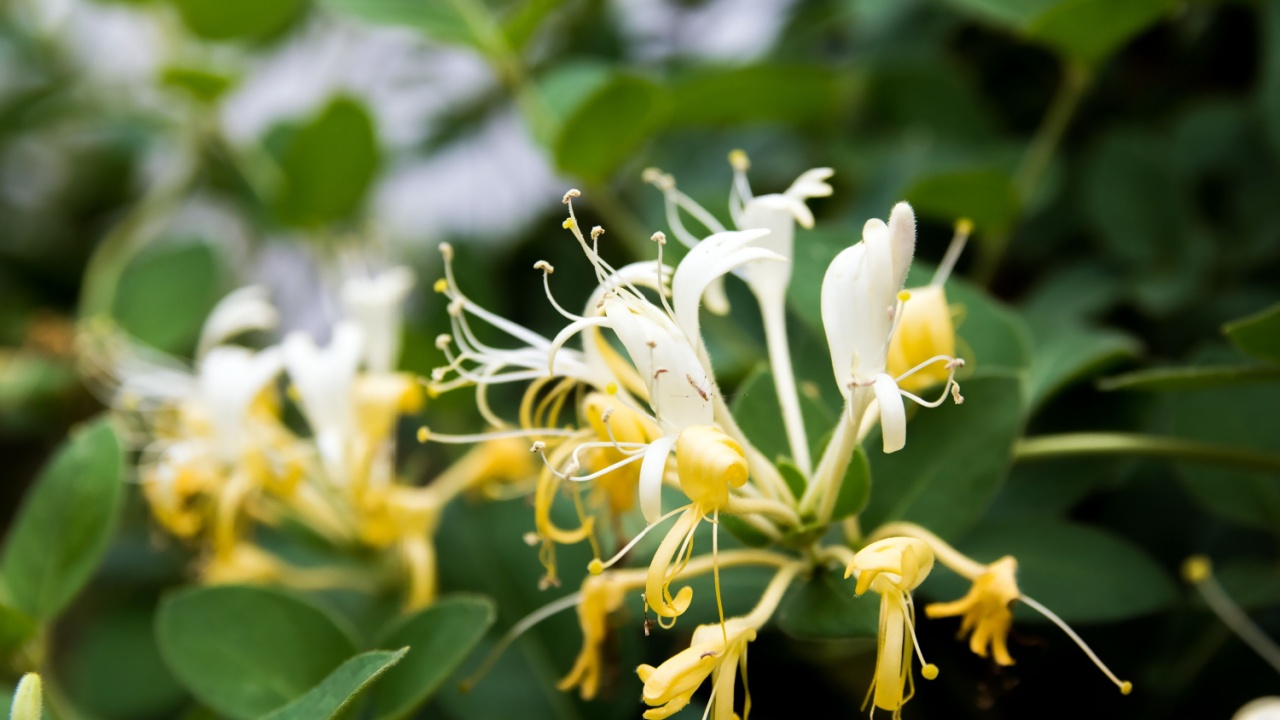
The sweet smell of honeysuckle flowers is a powerful magnet for insects and birds. This vine grows quickly and creates thick, tangled mats of greenery. These dense areas are the perfect hiding spots for small mammals, frogs, and reptiles.
The berries produced by some types of honeysuckle are also a ffavorite food for various mammals. This combination of shelter and snacks makes it a prime spot for predators to wait in ambush. Snakes especially love the cool, dark interior of a thick honeysuckle vine.
You can manage this by pruning the vines back regularly so they don’t become too thick. Choosing native varieties that don’t grow as aggressively can also help you keep the growth under control. Keeping the base of the vine clear of dead leaves makes it less attractive to ground-dwelling pests.
8. Juniper Shrubs
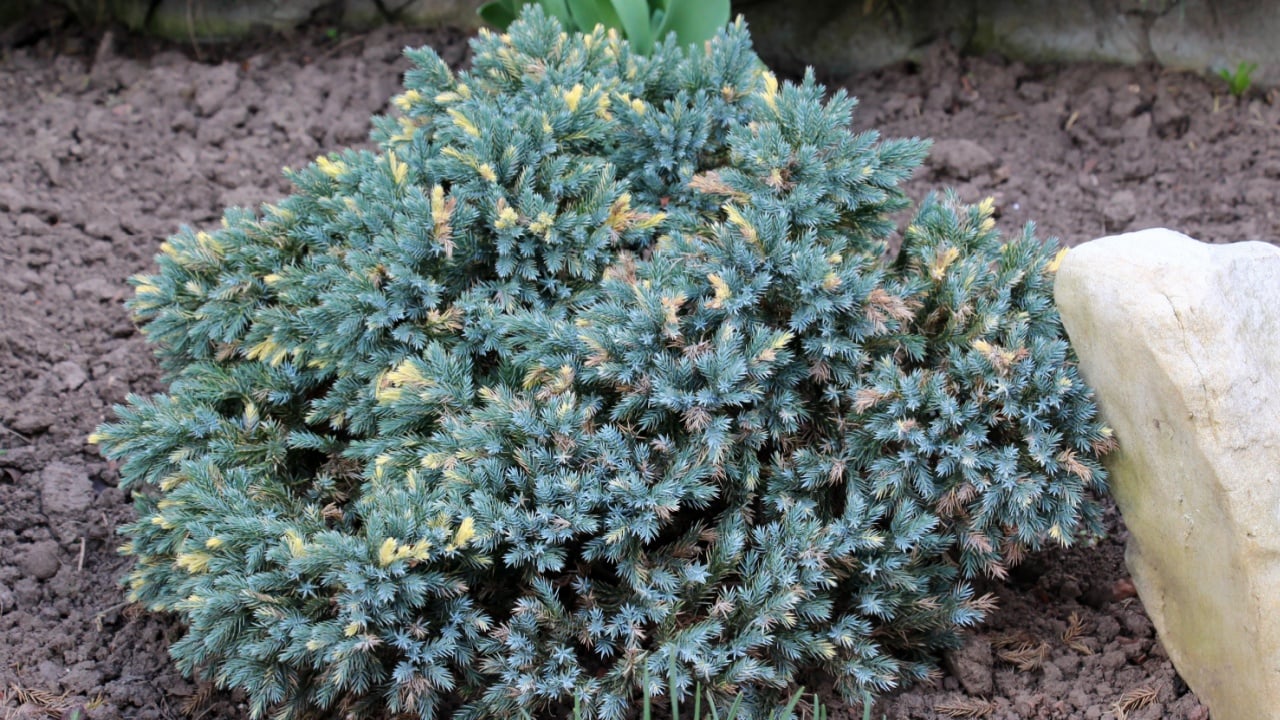
Low-growing junipers offer year-round protection because they stay green even in the winter. The thick, prickly branches provide a haven for rabbits and mice when the weather gets cold. While this is great for the bunnies, it can be a problem for homeowners.
Coyotes and foxes regularly check juniper patches to see if any prey is hiding inside. Additionally, the berries on some junipers provide a food source during the winter months. This makes the shrub a “one-stop shop” for both prey and predators throughout the year.
Trimming the lower branches to create a gap between the ground and the leaves removes the best hiding spots. Try to limit the size of your juniper beds, so they don’t become a massive wildlife “hotel.” Using gravel instead of wood mulch around the base can also discourage animals from digging.
9. Hostas
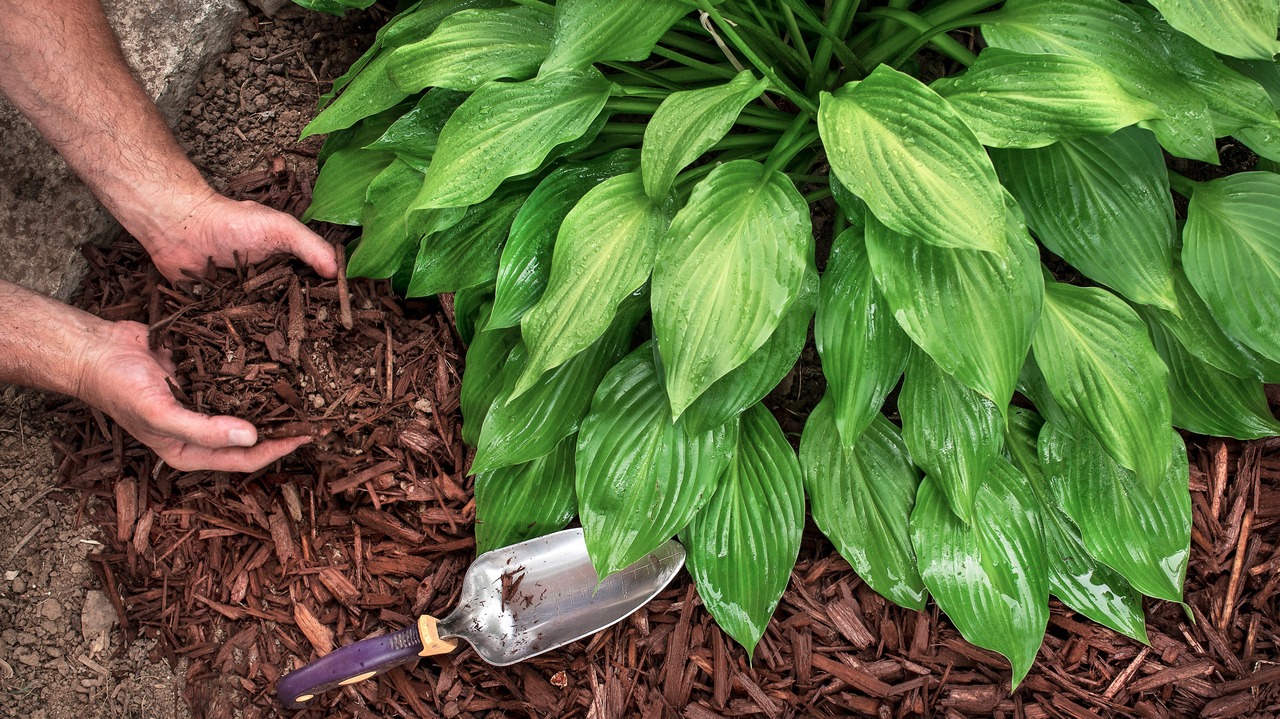
Hostas are often called “deer candy” because their leaves are tender, tasty, and full of moisture. In many suburban neighborhoods, hostas are the main reason deer enter a yard in the first place. They are easy to find and provide a reliable food source all summer long.
Because deer are so attracted to them, larger predators like mountain lions or coyotes may follow. The frequent presence of deer creates a predictable path for these hunters to travel. A yard full of hostas essentially acts as a scheduled stop for large, hungry animals.
Using deer-resistant plants like lavender or ferns is a great way to break this cycle. If you love your hostas, try using scent-based sprays to make the leaves taste bad to deer. Planting them close to your house or behind a tall fence can also offer some protection.
10. Clover
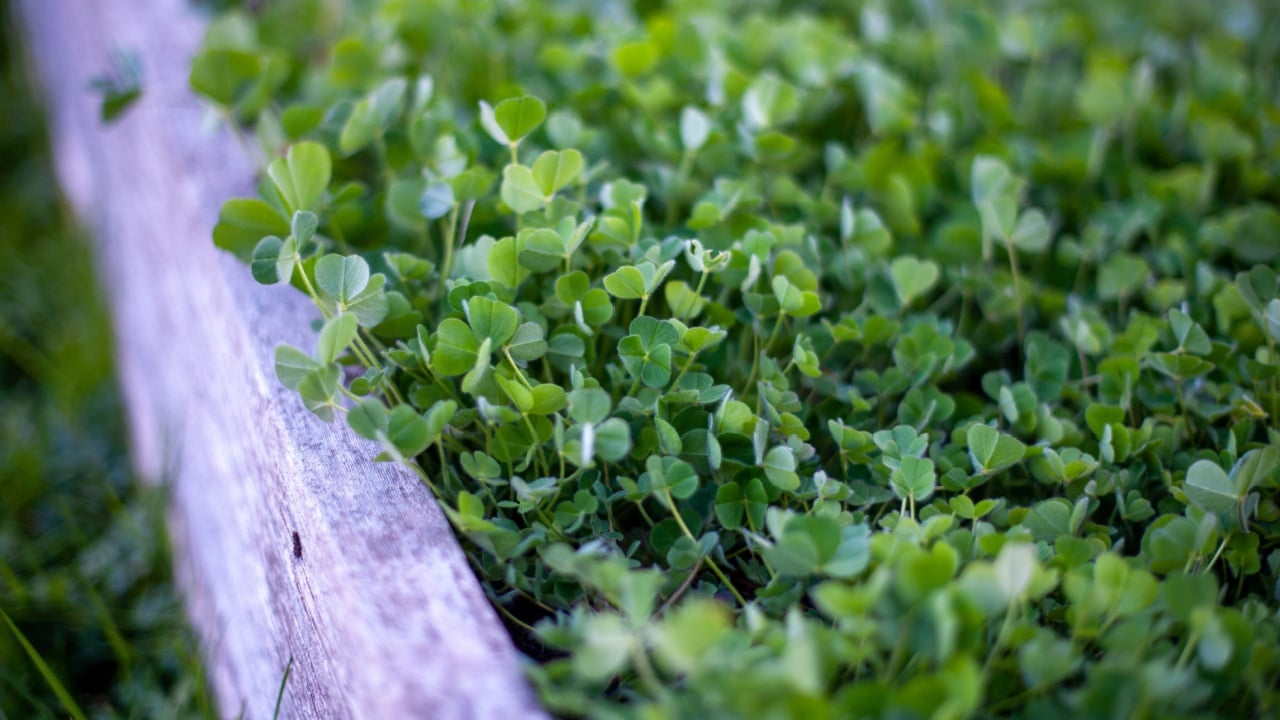
A lawn full of clover is excellent for bees, but it also attracts herbivores like rabbits and groundhogs. These animals prefer clover over regular grass and will spend hours grazing in open areas where it is abundant. This constant activity is easy for predators to spot.
Predatory birds like hawks, as well as foxes, keep a close eye on these open grazing spots. While the prey is exposed, the tasty clover keeps them coming back day after day. This makes your lawn a high-interest zone for any local hunters looking for an easy catch.
Keeping your grass a bit taller can help shade out clover and prevent it from taking over. If you like having a clover lawn, just be aware that it will naturally bring in more small animals. Keeping the edges of your yard clear of brush prevents predators from having a place to hide nearby.
11. Nut Trees (Walnut and Hickory)
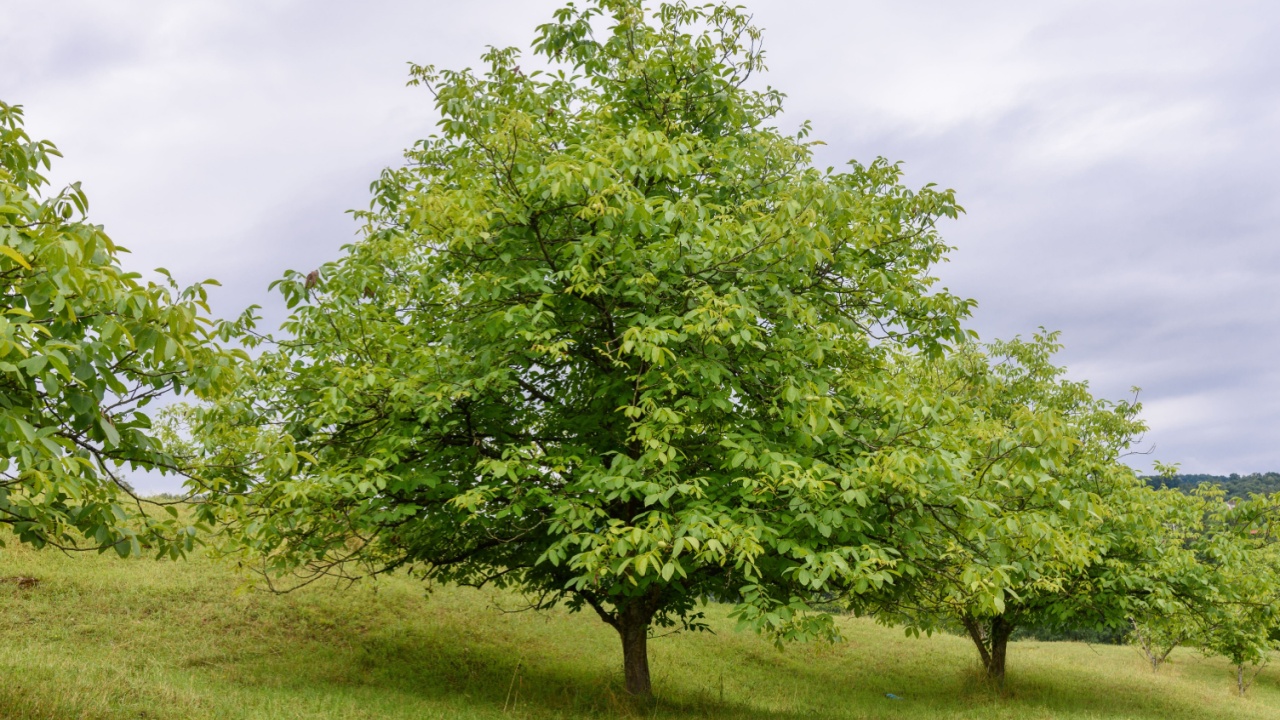
When heavy walnuts or hickories fall to the ground, they send out a loud signal and offer a big meal. The oils in these nuts are attractive to squirrels and other large rodents. These trees provide the high-energy boost that animals need to survive the winter.
The high level of squirrel activity around these trees quickly draws the attention of hawks and owls. On the ground, foxes and coyotes will visit the area to catch distracted squirrels. The constant noise and movement around a nut tree make it easy for predators to track.
The most effective way to manage this is to collect the nuts as soon as they fall. You can use a “nut gatherer” tool to make this job much easier on your back. Pruning branches away from your roof also prevents animals from using the tree as a bridge to get into your attic.
12. Ornamental Grasses
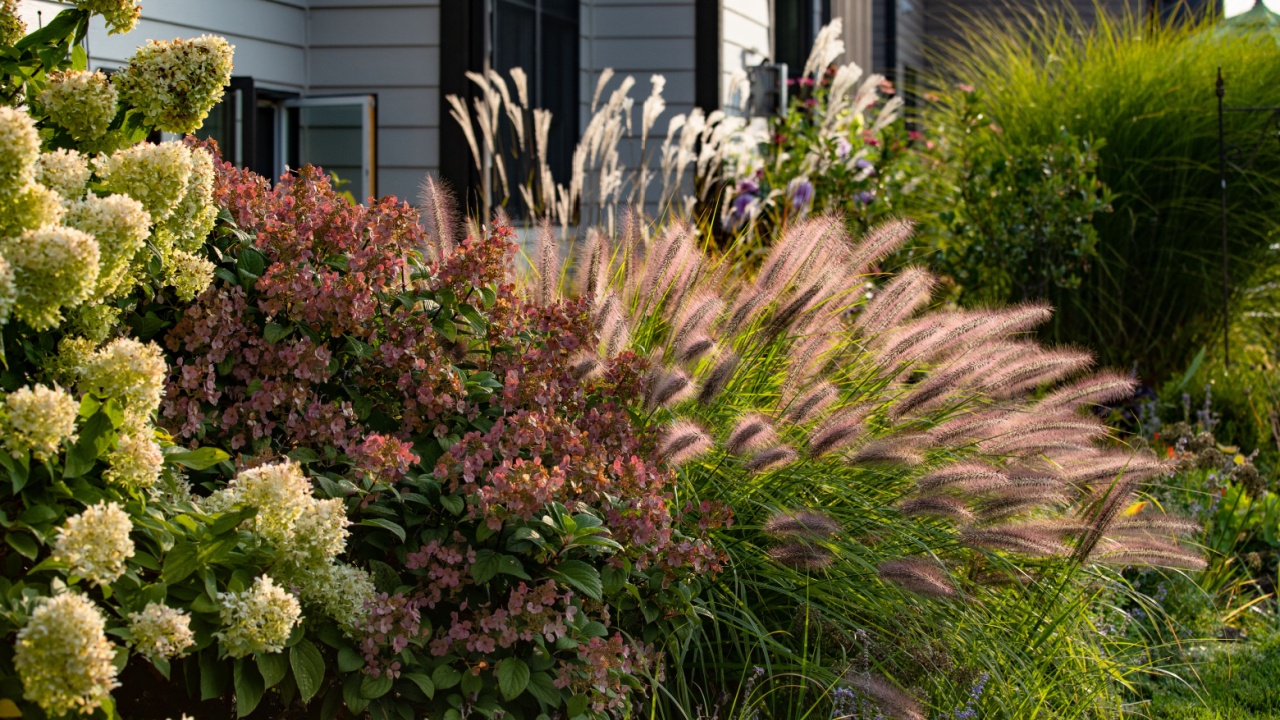
Tall ornamental grasses add beautiful movement to a garden, but they also serve as a perfect screen for wildlife. Many of these grasses grow several feet tall and stay upright even through the winter. This creates a year-round hideout for many different creatures.
Snakes and small predators use these grasses to move through your yard without being seen. Larger predators might even use the thick clumps as a place to sleep during the day. Because the grass is so dense, it is often hard for people to see what might be lurking inside.
Cutting these grasses back in the late fall removes the extra cover during the winter months. Avoid planting long rows of these grasses near walkways or areas where children play. Keeping the grass in small, isolated clumps makes it much less useful as a “hidden highway” for animals.
13. Persimmon Trees
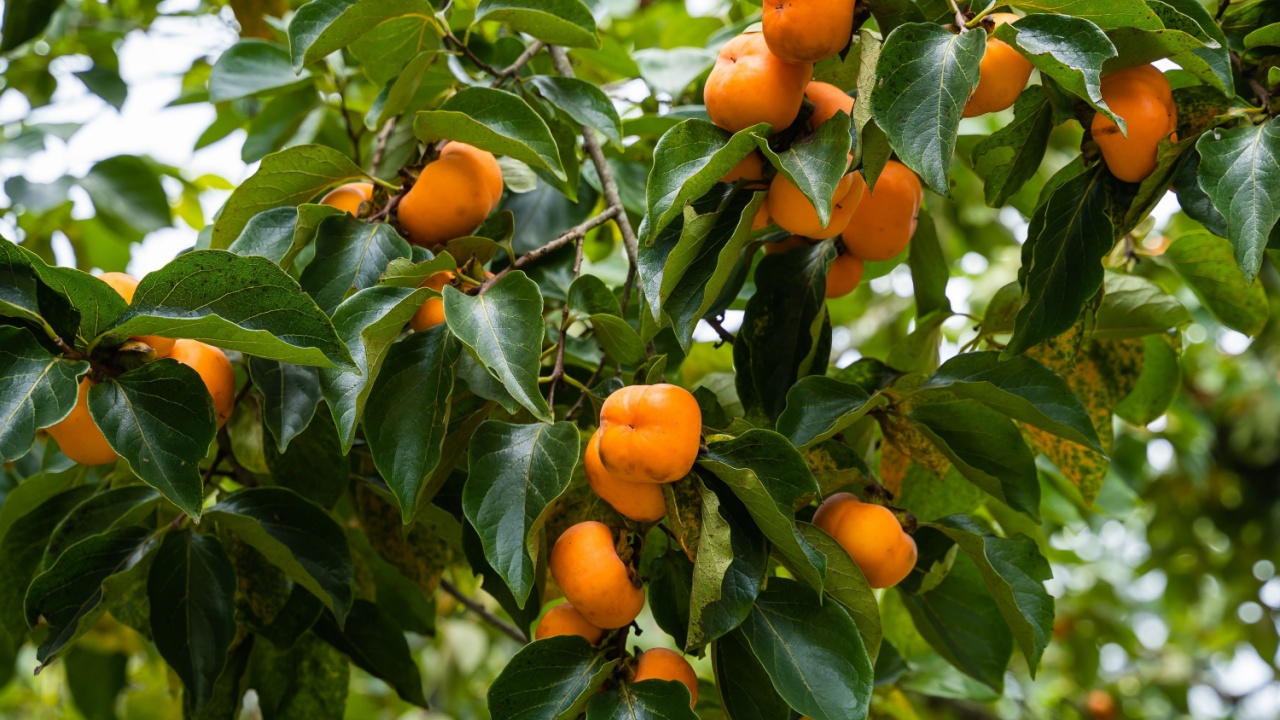
Persimmons produce incredibly sweet fruit with a scent that carries a long way. These fruits often stay on the tree or the ground long after other food sources have dried up. This makes them a critical resource for wildlife during the late fall and early winter.
Bears, raccoons, and opossums will travel long distances to find a fruiting persimmon tree. This concentration of nocturnal animals brings in coyotes, who hunt them under the cover of darkness. The late-season fruit keeps predators near your home when they should be moving elsewhere.
Picking the fruit as soon as it gets soft prevents it from falling and smelling up the yard. If the tree is too tall to harvest easily, you might want to consider whether the wildlife risk is worth it. Clearing away dead leaves from under the tree makes it less comfortable for animals to hang out.
14. Dense Hedges (Boxwood or Privet)
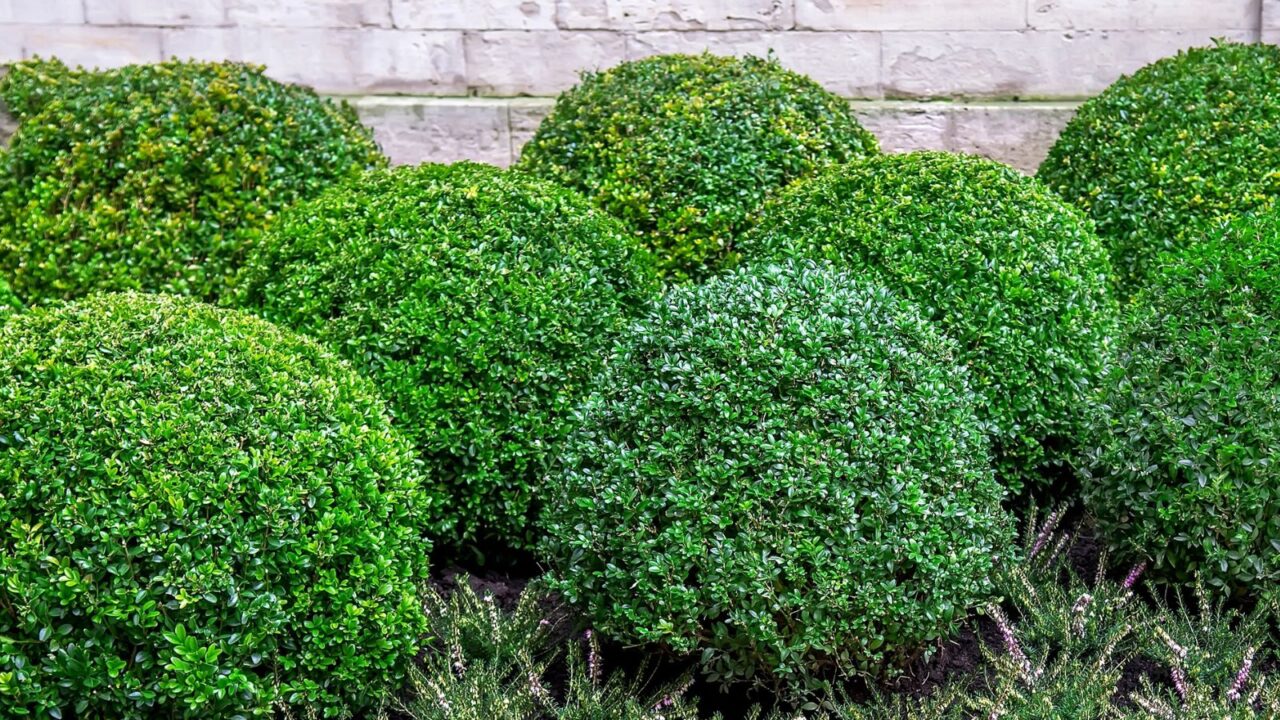
A thick hedge is a classic way to get privacy, but it also acts as a protected “hallway” for small animals. These structures provide a safe way for birds, rodents, and reptiles to move across your property. The tangled interior is a perfect shield from the wind and sun.
Predators quickly learn to patrol the edges of these hedges to catch animals as they pop out. This turns your privacy screen into a hunting line for foxes or hawks. Furthermore, the lack of airflow inside the hedge attracts insects, which in turn attract even more wildlife.
To keep things safe, keep your hedges trimmed and thin out the inner branches to improve visibility. Avoid planting long, continuous lines of hedging so predators have fewer places to hide. Planting hedges a few feet away from fences prevents narrow gaps where animals can get trapped.
15. Fruitless Mulberry
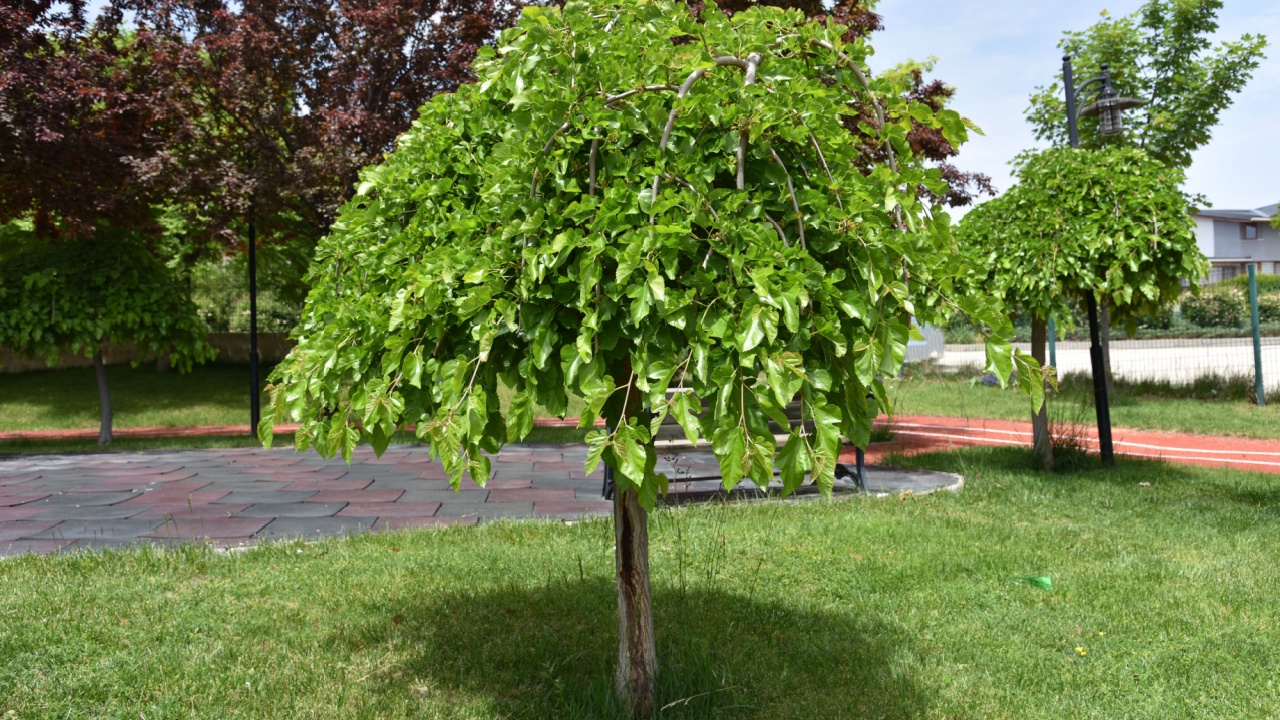
Even though these trees don’t grow fruit, they grow super fast and create a massive amount of shade. The thick leaves and dense branches provide a perfect habitat for insects and the birds that feed on them. The tree’s structure is ideal for nesting and hiding.
The high number of birds and bugs draws in various predators, including snakes that are excellent at climbing trunks. Even domestic cats are drawn to these trees to hunt the concentrated bird population. It becomes a “vertical ecosystem” that supports a lot of predatory behavior.
Regularly thinning the branches will let more light in and reduce the number of hiding spots. You should also monitor the trunk for any signs of animals climbing up or down. Keeping the area under the tree clear of other plants removes the ground-level part of the habitat.
Landscape Awareness

Making a few simple changes to your garden can significantly change how local predators interact with your property. Identify which plants in your yard are the biggest draws for “prey” animals like mice or deer. Simply removing fallen fruit or thinning out thick shrubs can make your yard much less appealing to wildlife.
Also, observe the patterns of the animals that visit your yard so that you can adjust your maintenance routine. For example, if you notice more rabbits, it might be time to trim back your clover or hedges. Small, consistent efforts in yard work can disrupt the habits of visiting predators and keep them moving along.
Read More:
6 Bird Feeder Predators to Watch Out For (and What to Do About Them)


