The Surprising Way Young Charles Darwin Predicted Modern Gardening Trends
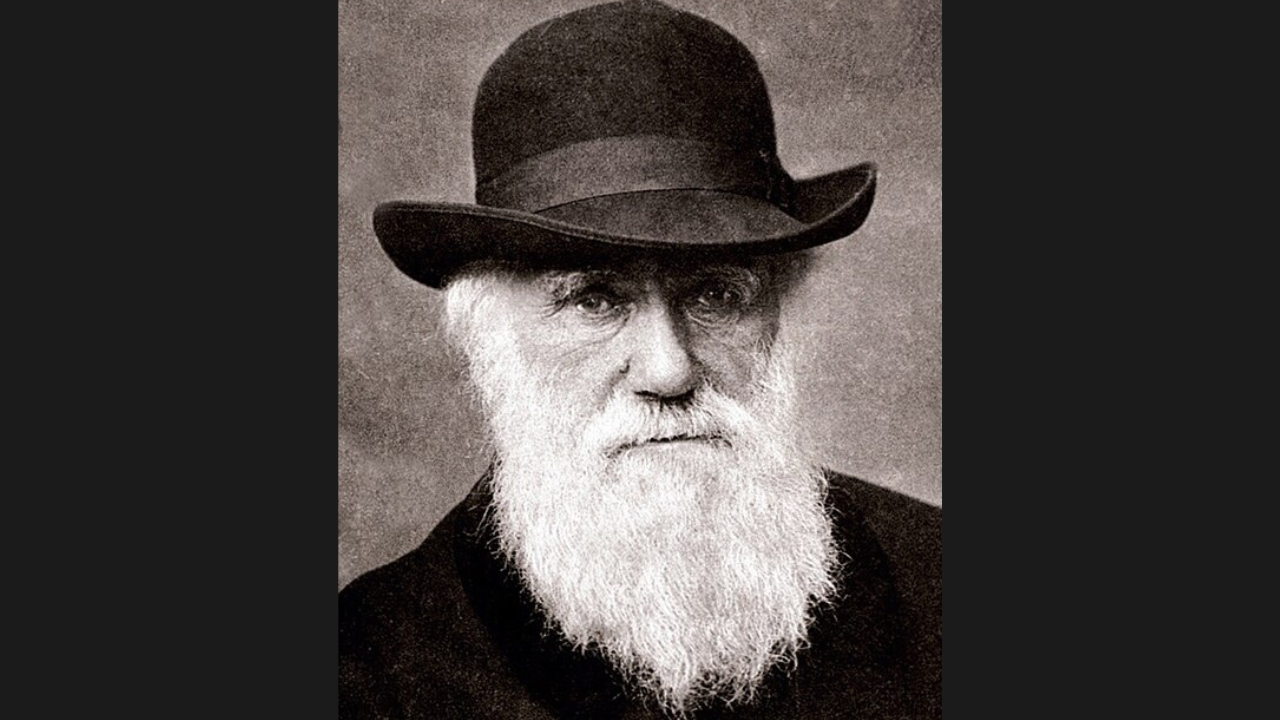
One of the world’s most famous names will be remembered today for his contribution to scientific discovery and theory: today heralds International Darwin Day. The Darwin Day organization calls it “a day of celebration, activism, and international cooperation for the advancement of science, education, and human well-being.”
The United Nations (U.N.) and other organizations will use this day to commemorate Sir Charles’s contribution to scientific inquiry. However, there are other reasons to celebrate this renowned Englishman. Regardless of one’s creationist or evolutionist beliefs, one fact remains true for all: Darwin was a prototype for modern gardening.
A Gardening Geek
If anything, Sir Charles Darwin was the original garden nerd with a notebook. From a young age, he loved nature and spent his spare time roaming the local woodlands, hedgerows, and fields collecting plants, insects, rocks, and shells. Darwin’s autobiography depicts how the young scientist in waiting would follow the family gardener, observing and nourishing his curious mind.
Furthermore, the English Heritage article on Darwin’s early years reveals how his scientific tendencies came to fruition through his horticultural tinkering. His Down House home in Kent became a living laboratory of sorts. Planting experimental beds of primroses, cowslips, and hollyhocks, Darwin monitored cross-pollination among the species.
This endeavor laid the foundation for his later theories on variation and natural selection. Yet, the parallels with modern gardeners trialing different seed strains or cultivars are quite clear: this was a young gardener well ahead of his time.
Gardens as Habitats
Darwin firmly believed that gardens are ecosystems, not ornamental displays, which is how much of the developed world now thinks. One could argue that the current day’s pivot away from monoculture planting also echoes the young Darwin’s worldview in practice. The Earth Day organization published a recent feature arguing against it.
What’s more, other fashionable trends in the gardening world were already part of the Darwinian mindset. The nicknames abound: terms like “messy gardening” and “letting nature lead,” or simply “rewilding,” are in the common vernacular. Now, many countries are adopting this philosophy at both national and grassroots levels. It was already part of Darwin’s approach long before its current implementation.
In Search of Darwin’s Garden Roots
A fitting tribute to his legacy comes from British author Jude Pliesse. In 2021, she released a Darwin-inspired memoir, The Ghost In The Garden: in search of Darwin’s lost garden. The book recounts Pliesse’s period living next door to his childhood home, The Mount, in Shrewsbury.
Two acres of the garden remained at the time of writing, and Pleisse explores the impact this fabled garden and its keepers had on Darwin’s work. The overriding theme throughout this intersectional journey of curiosity is that Darwin never forgot about that garden, even in his old age.
While we may not argue that young Charles Darwin has renown as a gardening pioneer, we can still give him his due. His enthusiasm for discovery started at a young age, and it is all those hours spent in the garden that cemented his immortal status later in life. Whenever Darwin Day approaches, it is worth remembering that there is more than one way to celebrate his achievements.