12 Things to Never Clean with Baking Soda
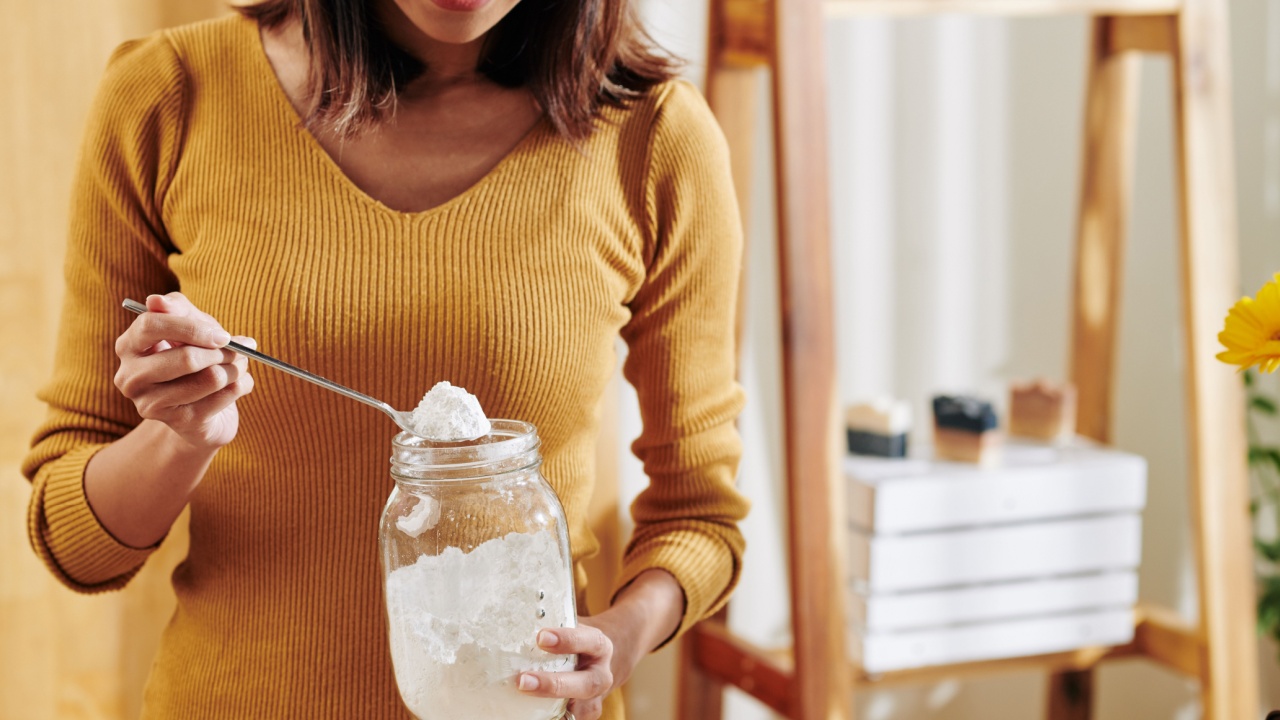
Baking soda is a pantry staple and a hero of many cleaning hacks passed down through generations. It’s affordable, readily available, and great for deodorizing the fridge or scrubbing stubborn grime from pots. This humble white powder can do so much; it’s easy to assume it can clean almost anything. But before you start sprinkling it on every surface in your home, it’s important to know its limits.
Baking soda is a mild abrasive, and using it on the wrong materials can cause permanent damage, from scratches to discoloration. This piece will walk you through 12 specific items and surfaces to avoid when using baking soda. Understanding what not to clean with this common household item is just as important as knowing what you can.
1. Aluminum Cookware
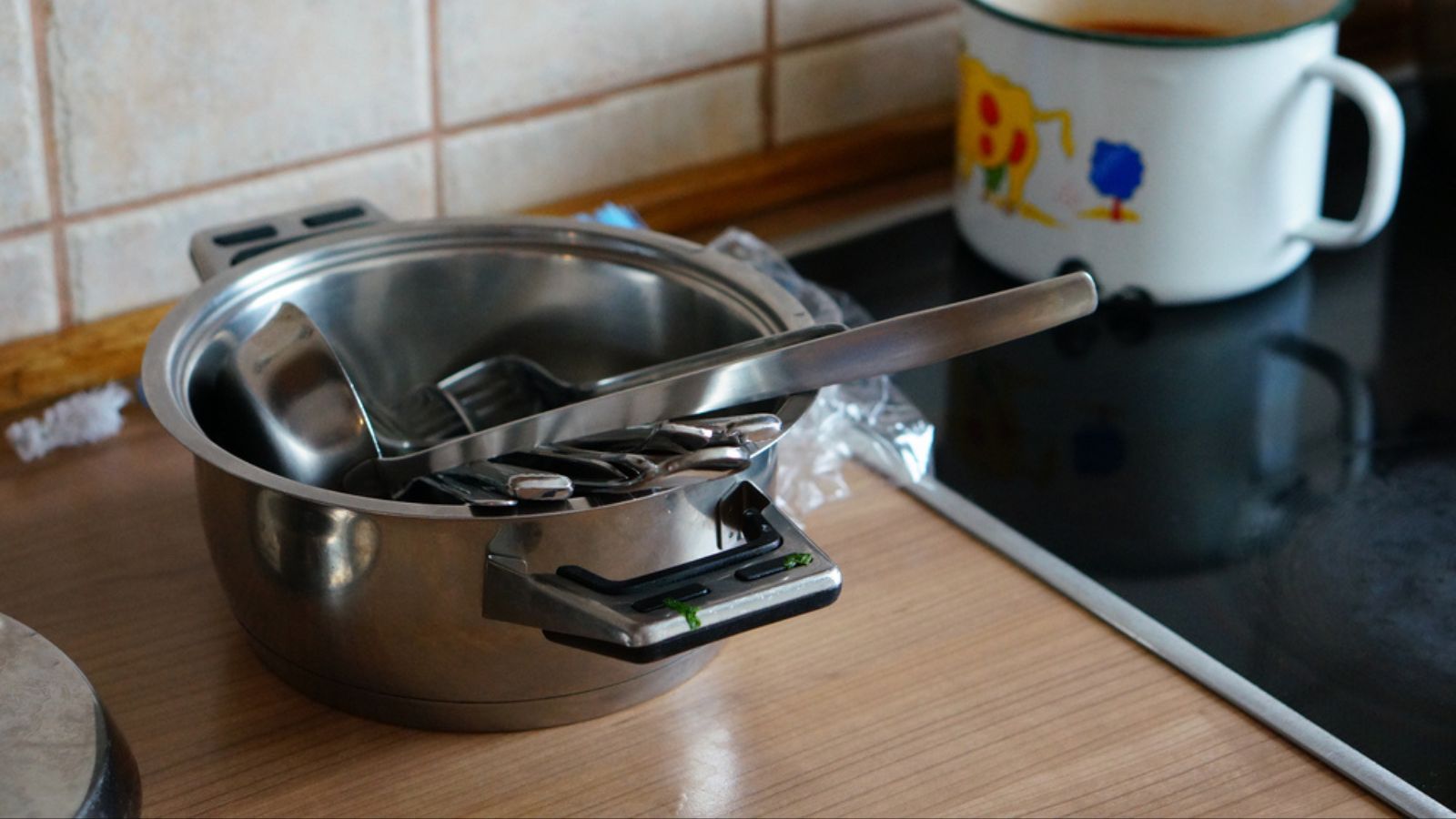
Many people reach for baking soda to scrub their pots and pans, but it is not suitable for aluminum cookware. While it works wonders on many types of cookware, applying it to aluminum can lead to a chemical reaction that causes the surface to oxidize. This process can lead to discoloration, leaving your shiny pans with a dull, yellowish-brown, or even black tint that is very difficult to remove.
Baking soda can also scratch the surface of aluminum, creating small grooves where food can get stuck and burn during cooking. This not only makes future cleaning more difficult but also ruins the smooth finish of your cookware. Instead, use a gentle dish soap and a soft sponge for daily cleaning to keep your aluminum pots and pans in good condition.
2. Antique Silver
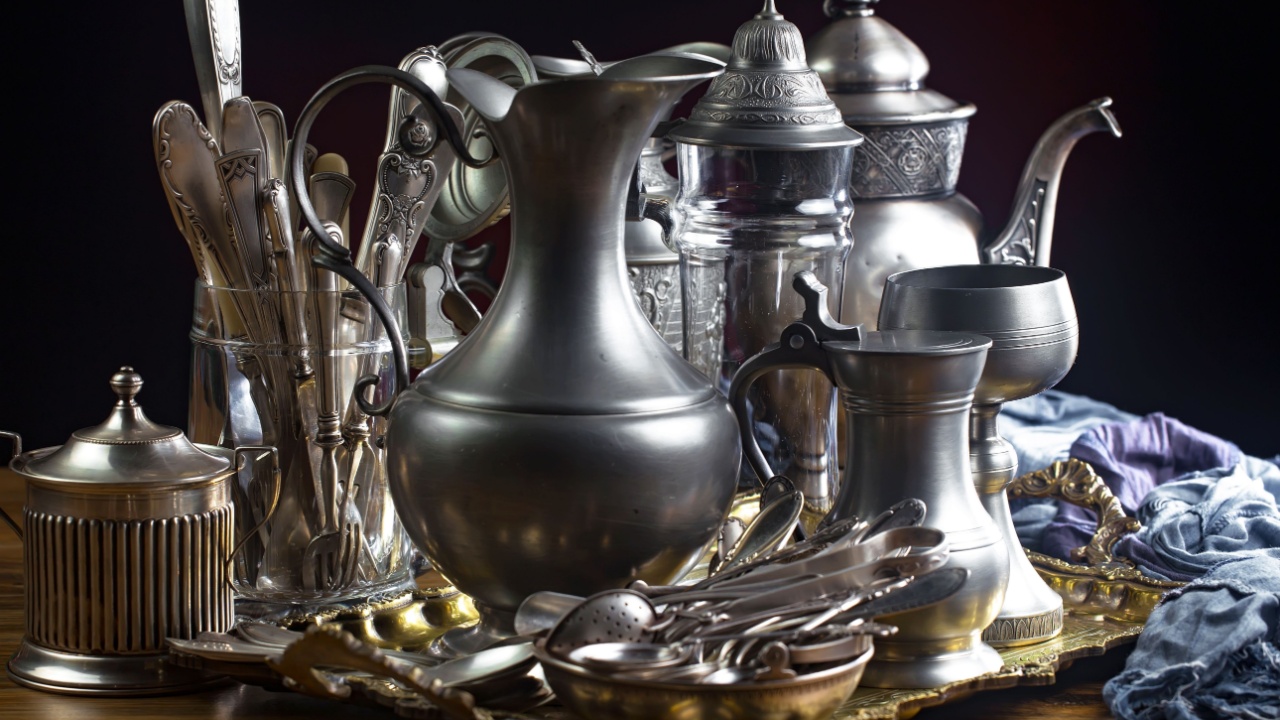
Antique silver pieces often have delicate patinas that contribute to their character and value. Using baking soda, either as a paste or in a cleaning solution, can be too aggressive for these heirlooms. It can strip away the desirable, darkened areas that give antique silver its depth and detail, leaving the surface looking flat and overly bright. This can significantly diminish its aesthetic appeal and monetary value.
Additionally, some homemade silver cleaning methods involve combining baking soda with aluminum foil and hot water. While this can remove tarnish, it’s an indiscriminate process that strips both tarnish and patina alike. For valuable antique silver, it is much safer to use a high-quality, non-abrasive silver polish specifically designed for delicate items or consult a professional jeweler for cleaning.
3. Wood Furniture and Floors
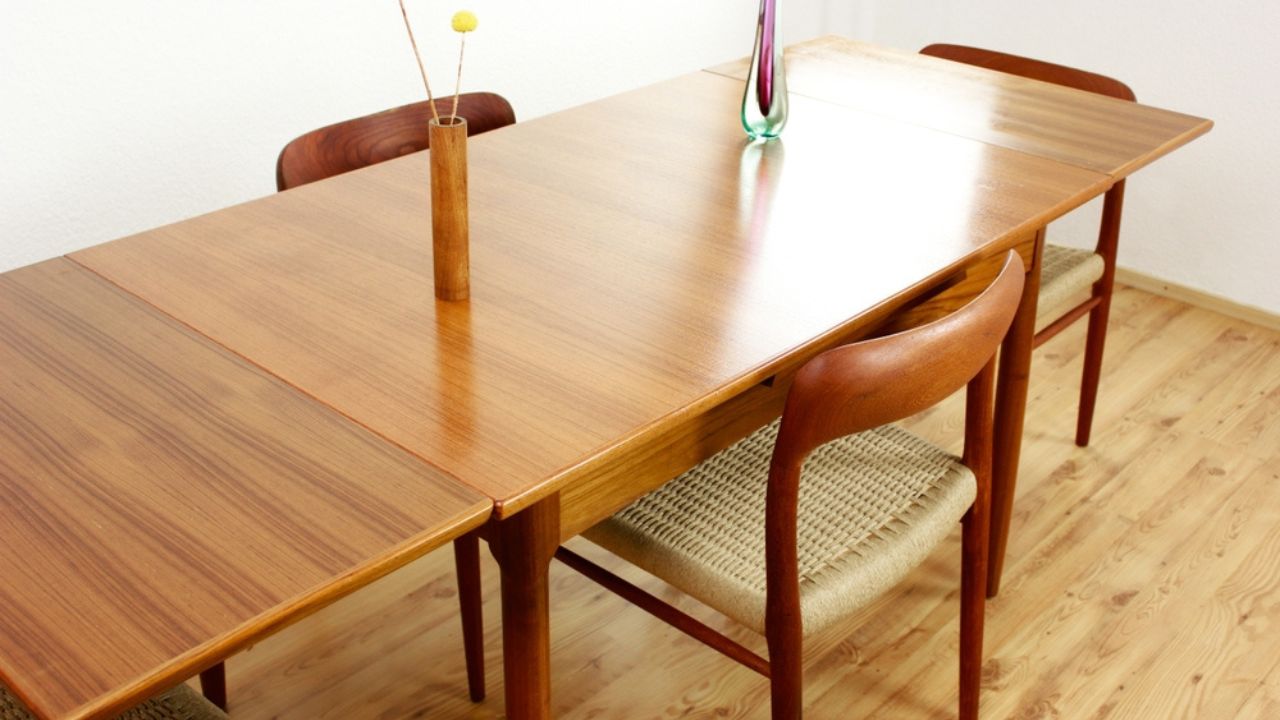
Wooden surfaces, from furniture to flooring, are a definite no-go for baking soda. The powder’s fine, gritty texture can easily scratch and dull the protective finish, such as polyurethane or wax, that seals the wood. Once this top layer is compromised, the wood itself becomes vulnerable to moisture, stains, and further damage. You might not see the tiny scratches at first, but they will accumulate, making your wood look worn and tired.
Beyond scratching, baking soda’s alkalinity can also damage the wood. When mixed with water, it creates a solution that can break down certain finishes and even lighten or discolor the wood stain underneath. To protect your wood’s beauty and integrity, stick to cleaners specifically formulated for wood. A simple solution of mild soap and water on a damp cloth is often sufficient for routine cleaning.
4. Glass Surfaces and Mirrors

While some suggest baking soda for tough spots on glass, it’s generally a bad idea for regular cleaning of windows, mirrors, or glassware. The small, hard particles can leave behind fine scratches on the glass. These tiny marks might not be immediately obvious, but they can build up, causing the surface to appear cloudy or hazy, especially when light hits it at an angle.
The other problem is residue. Baking soda does not dissolve completely in water, so it can leave a streaky, white film on glass surfaces after it dries. This film is difficult to buff away and negates the whole purpose of cleaning for a clear, sparkling finish. A simple mixture of vinegar and water or a dedicated commercial glass cleaner will give you much better, streak-free results.
5. Marble Surfaces
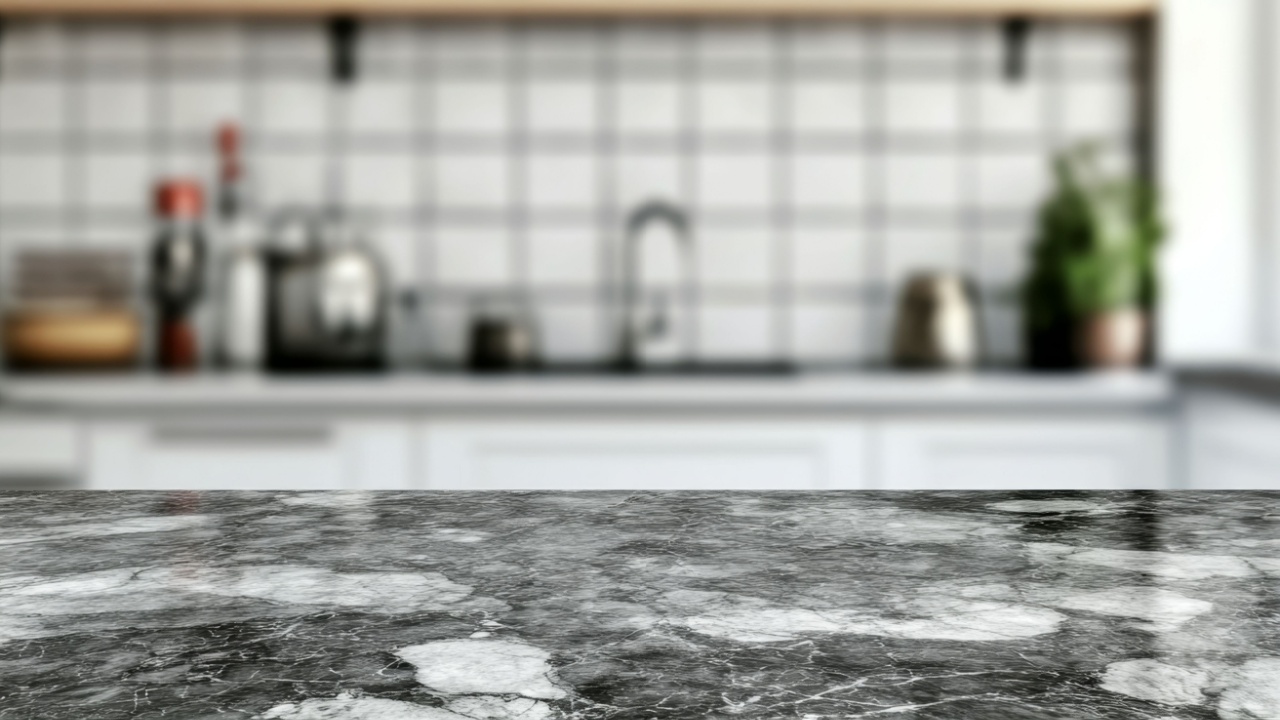
Marble is a beautiful but sensitive natural stone that requires careful maintenance. As a calcite-based stone, it is highly reactive to both acids and strong alkalis. Baking soda is alkaline, and when used on marble, it can cause a chemical reaction that dulls the polished surface. Repeated use will etch the stone, removing its natural sheen and leaving it looking lifeless and flat.
This soft stone scratches easily, and scrubbing it with a gritty powder will create a network of fine scratches across the surface. This damage is often permanent and can be expensive to repair through professional polishing. For marble care, use a pH-neutral cleaner specifically designed for natural stone and a soft microfiber cloth.
6. Sealed Stone Countertops

Countertops made from granite, quartz, or other sealed stones are designed to be durable, but their protective seal is not invincible. Once the seal is compromised, the porous stone underneath is exposed and becomes susceptible to stains from things like wine, oil, or coffee.
Re-sealing countertops can be a costly and time-consuming process, so it’s best to protect the original seal for as long as possible. Continual use of baking soda will accelerate the breakdown of the sealant, leading to costly maintenance sooner than expected. Always opt for gentle, pH-neutral cleaners or simple soap and water to preserve the integrity of your sealed stone surfaces.
7. Leather Furniture and Clothing

Leather is a natural material that contains oils to keep it soft and supple. Using baking soda to clean leather is a mistake because its alkaline properties can strip these essential oils. This process dries out the leather, causing it to become stiff, brittle, and prone to cracking.
The damage might not be visible after one cleaning, but with repeated use, it will permanently alter the texture and appearance of your leather goods. This can create a dull or worn look on your favorite jacket or sofa. To properly care for leather, use a cleaner and conditioner specifically made for the material. These products are formulated to clean gently while replenishing the oils that keep the leather healthy.
8. Painted Surfaces

Be it a painted wall, a piece of furniture, or a car, baking soda should not be your go-to cleaner. The fine grit of the powder acts like a very fine sandpaper, and scrubbing with it will dull the paint’s finish. It can be particularly damaging to glossy or semi-gloss paints, leaving behind a matte, scuffed patch that stands out from the surrounding area.
In more extreme cases, vigorous scrubbing with a baking soda paste can wear away the paint layer entirely, exposing the primer or underlying material. This is especially true for older or lower-quality paint jobs. For cleaning painted surfaces without causing damage, a soft sponge or cloth with a mild solution of dish soap and water is the safest and most effective method.
9. Copper Cookware

Shiny copper cookware is a beautiful addition to any kitchen, but it requires specific care to maintain its luster. While baking soda is sometimes recommended in combination with lemon juice to remove tarnish, it can be too harsh. It can easily scratch the soft metal, leaving your pots and pans with a network of fine swirls and marks that detract from their smooth, reflective surface.
These scratches not only affect the appearance but can also create areas where tarnish can re-form more quickly. If you want to polish your copper, it is better to use a commercial copper cleaner or a gentler homemade solution. Using just lemon juice and salt, for example, provides the chemical reaction needed to remove tarnish without the risk of scratching the delicate metal.
10. Fiberglass Bathtubs

Many modern bathtubs and shower stalls are made from fiberglass, which has a protective top layer called a gelcoat. This gelcoat gives the fiberglass its smooth, glossy finish and protects the material underneath. Baking soda can scratch and wear down this finish. At first, this will just make the tub look dull, but continued use will create a porous surface.
Once the gelcoat is damaged, the fiberglass becomes much more susceptible to staining and discoloration. It also becomes a magnet for soap scum and grime, which settle into the fine scratches and make the tub much harder to get clean. Protect the finish of your fiberglass tub by using non-abrasive liquid or spray cleaners designed for bathroom surfaces.
11. Electronics
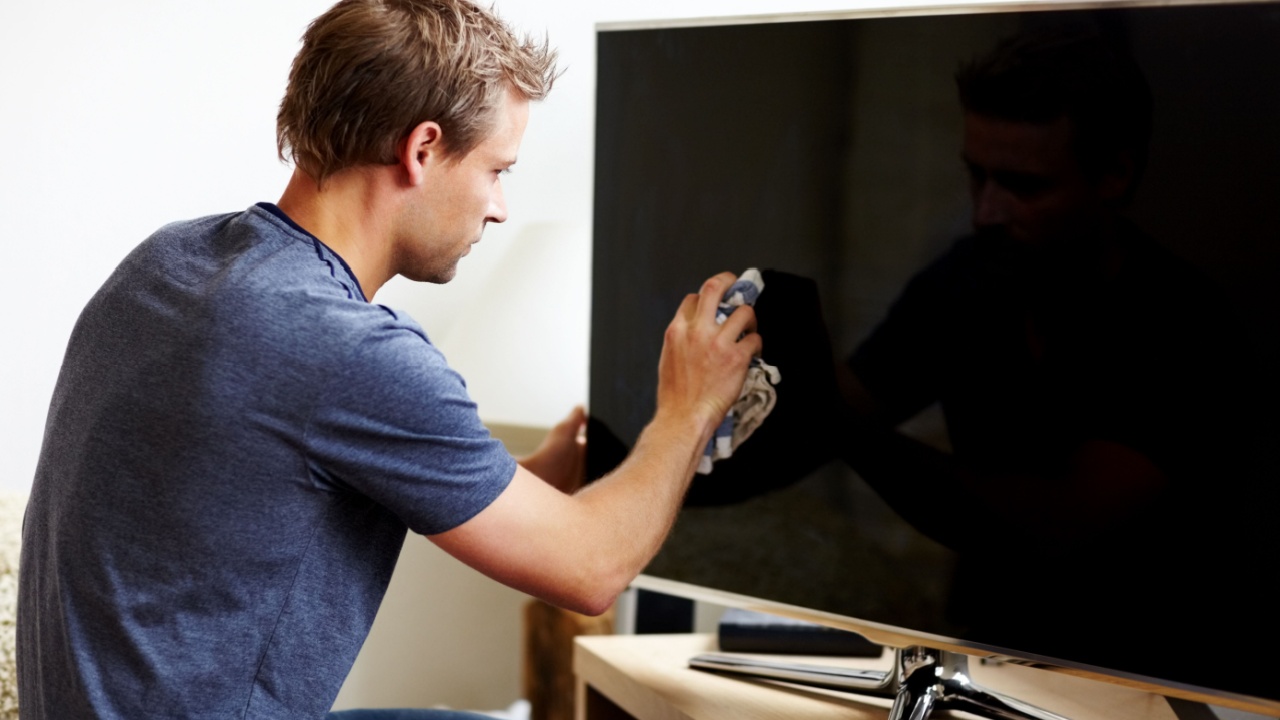
Using baking soda on electronics is a recipe for disaster. For screens on TVs, laptops, or smartphones, the powder will cause permanent scratches on the delicate display and can damage any special anti-glare or oleophobic coatings. This results in a distorted or cloudy viewing experience that cannot be repaired.
For keyboards and internal components, the risks are just as high. The fine powder can easily get inside casings and under keycaps, where it can interfere with electrical connections and moving parts. Since baking soda is a salt, it can also contribute to corrosion if it comes into contact with internal circuitry. Always use a soft, dry microfiber cloth or cleaners specifically designed for electronics.
12. Stainless Steel Appliances

Stainless steel appliances are popular for their sleek, modern look, but they are notoriously prone to showing streaks and scratches. While some people use baking soda for tough, burnt-on food, it should be avoided for general cleaning of the appliance’s exterior. Baking soda can scratch the “grain” of the stainless steel, leaving permanent marks that disrupt its uniform finish.
These scratches can be particularly noticeable on large surfaces like refrigerator doors. Once the surface is scratched, it becomes very difficult to restore its original appearance. To keep your stainless steel looking its best, use a soft microfiber cloth and a cleaner made specifically for this material, always wiping in the direction of the grain to avoid streaks and damage.
Adopt Smart Cleaning Habits
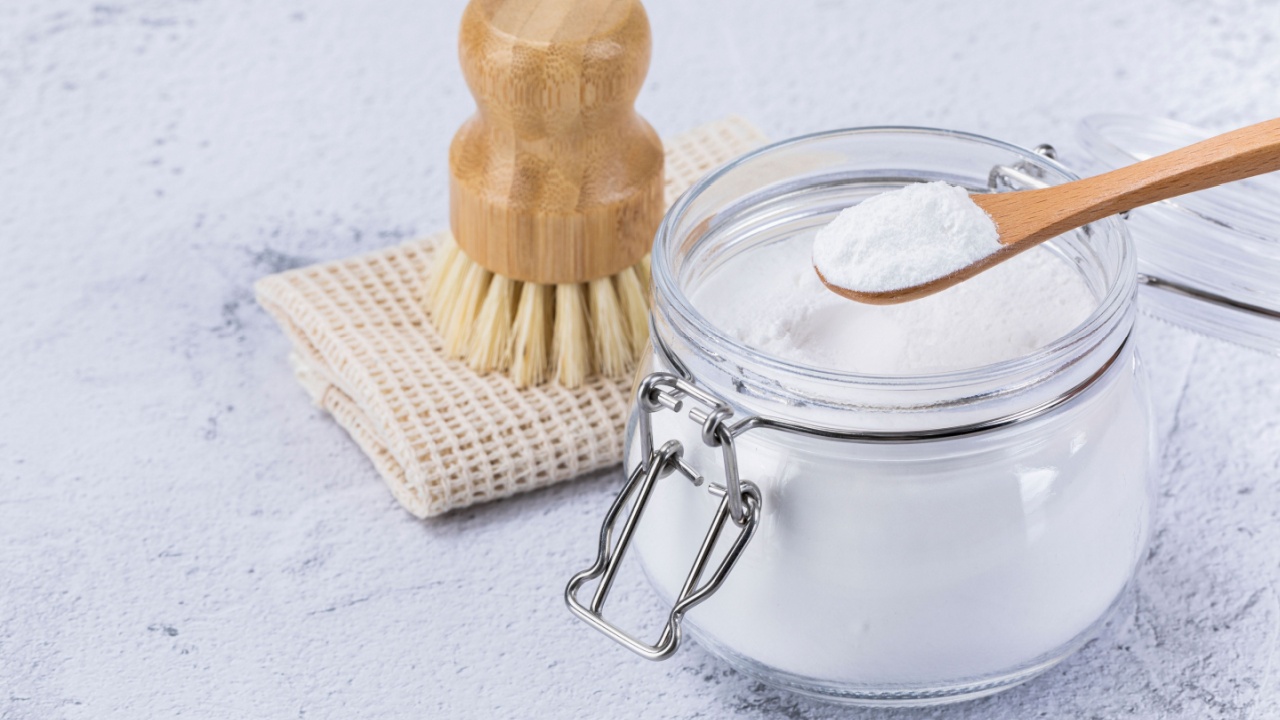
Knowing the limits of a household staple like baking soda is key to keeping your belongings in great shape. While it’s a fantastic, low-cost solution for many cleaning tasks, it’s clearly not a one-size-fits-all product. The surfaces mentioned here require a gentler touch, and using the wrong cleaner can lead to irreversible damage.
Some cleaning products are worth every penny. However, take a moment to review the cleaning products you currently use on these sensitive materials. Check if they are pH-neutral and non-abrasive. For wood, leather, and specialty metals, investing in a dedicated cleaner and conditioner is a small price to pay to protect their longevity and appearance. A simple shift in your cleaning routine can save you from the headache and cost of repairs down the line.