The Secret Poison in Your Laundry: Why One Inventor Is Racing to Fix Your Washing Machine’s Biggest Flaw
You probably don’t think of your laundry room as a crime scene.
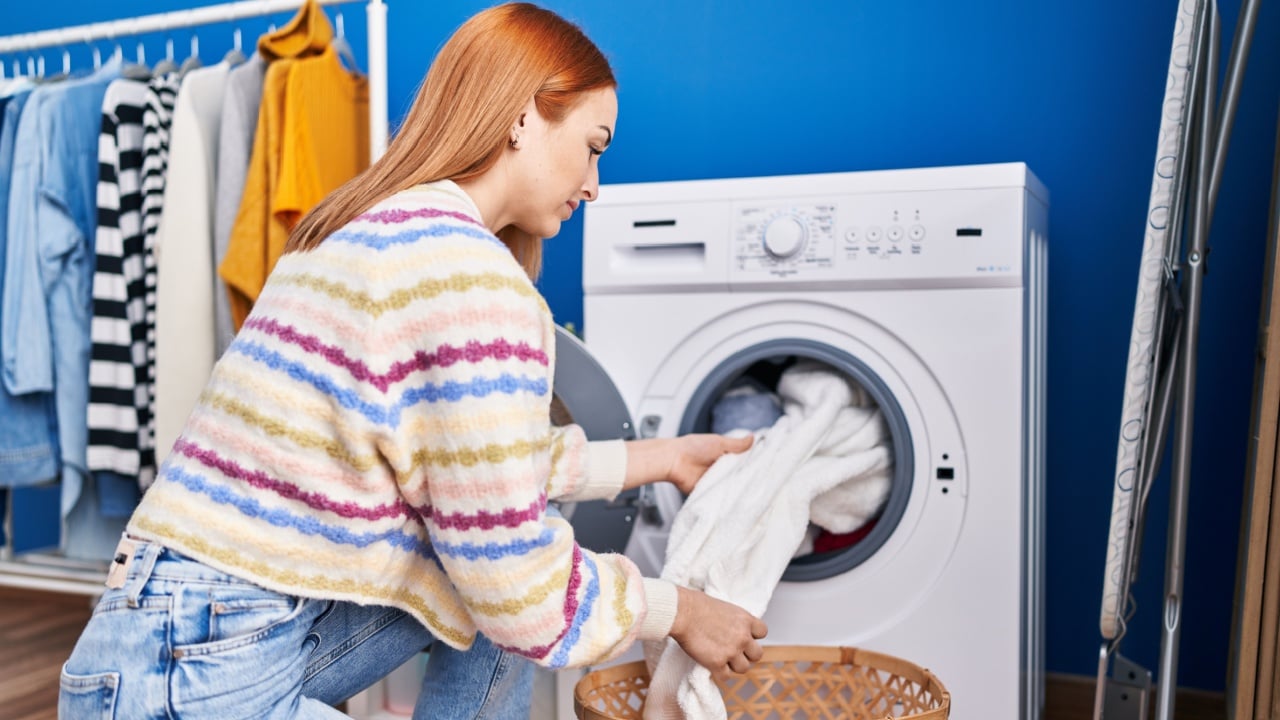
But every time you hit “start” on that washing machine, you’re releasing a silent flood of plastic poison into our world. It’s an invisible crisis, and it’s happening right in your home.
We’re talking about microplastics. Specifically, microfibers. These tiny threads are less than 5mm in length, but they are the most common form of plastic pollution on Earth.
Most of us love our yoga pants and cozy fleece hoodies. But those synthetic fabrics are essentially just woven oil. When they tumble in the wash, they shed millions of microscopic plastic shards. Our machines aren’t built to catch them. So, they slide right out of the drain and into our water.
One inventor, Adam Root, is racing to change that before it’s too late. He’s not just a tinkerer; he’s a man on a mission to re-engineer the way we clean our clothes. If he fails, the plastic in our laundry could become a permanent part of our biology. In fact, for many of us, it already is.
The Massive Scale of the Shedding Crisis
Synthetic textiles now make up over 60% of all clothing produced globally. Every time you wash a single load, it can release between 700,000 and 1,500,000 microfibers.
Think about how many loads of laundry happen in your neighborhood every single day. Now think about the entire world. In the U.S. alone, household laundry produces more than 3,500 metric tons of these fragments every year.
That is roughly the weight of 100,000 blue whales, dumped into the ocean annually as plastic dust.
These emissions aren’t just a “someday” problem. They are the fourth-largest source of microplastic pollution in the EU. They rank right behind tire wear and paint, but they are far more intimate because we wear them on our skin.
The problem is only getting worse as fast fashion takes over our closets. By 2030, synthetic fibers are expected to account for 73% of total global production.
Why Your Machine is Actually a Pollution Factory
Your washing machine is a high-friction environment. It uses water, heat, and mechanical agitation to remove dirt from fabric. But that same process breaks the structural integrity of synthetic threads.
Polyester, nylon, and acrylic are the biggest offenders. Unlike natural fibers like cotton or wool, these plasticized fibers do not biodegrade. They persist in the environment for centuries.
Most municipal wastewater treatment plants were never designed to catch something this small. Even when they remove 95% of the fibers, the remaining 5% still adds up to millions of tons.
The Role of Fabric Structure and Wash Conditions
The way your clothes are made determines how much they “bleed” plastic. Loosely woven fabrics, like that favorite fleece jacket, shed much more than tightly woven items. Knitted polyester is particularly bad, shedding more than knitted cotton.
Research shows that the “first wash” is often the most dangerous. A huge chunk of a garment’s lifetime emissions happens in those first few cycles. This means that even “eco-friendly” synthetics are polluting your home before you’ve even worn them for a week.
From the Drain to Your Dinner Plate
The journey of a microfiber doesn’t end at the treatment plant. In fact, that’s often just the beginning of its toxic path. The fibers that are successfully captured often end up in “sewage sludge.“
This sludge is frequently treated and sold back to farmers as fertilizer. So, the plastic from your yoga pants is being spread directly onto the fields where we grow our food. Crops can then absorb these microplastics through their roots. This puts plastic into our fruits, vegetables, and grains.
Infiltrating the Food Chain
In the water, the situation is even grimmer. Fish and shellfish ingest these particles directly, mistaking them for plankton. Because of their elongated shape, microfibers are more toxic to aquatic life than round beads. They can cause deformities, inflammation, and even death in marine organisms.
Microplastics also act like “magnets” for other toxins in the water. Pesticides, heavy metals, and oils stick to the surface of the fibers. When an animal or a human ingests fiber, they also get a dose of those concentrated chemicals. It is a “Trojan horse” effect that we are only just beginning to understand.
The Human Health Crisis: Plastics in Our Bodies
This isn’t just an “environmentalist” issue anymore. It’s a “you” issue. Microplastics have been found in human blood, lungs, and even the placenta. By 2026, researchers have even documented their presence in human brain tissue.
We are essentially breathing, eating, and drinking plastic every single day. The health consequences are potentially catastrophic.
What the Experts are Seeing in 2026
Scientists are sounding the alarm on several fronts. The chemicals used to make plastics, like BPA and phthalates, are known endocrine disruptors. They can interfere with your hormones, affecting everything from fertility to metabolism.
Robert F. Kennedy Jr., the HHS Secretary, has called microplastics a “growing threat to human health.” The economic cost of these health problems is estimated at over $1.5 trillion annually. We are looking at a future where “plastic-free” isn’t a lifestyle choice; it’s a medical necessity.
Adam Root: The Inventor Fighting the Tide
While the big appliance companies have been slow to act, Adam Root is moving fast. Root is the founder of Matter Industries and the man behind the “Regen” filter. He realized that we have to “be where the pollution is” to stop it.
His technology is designed to catch microfibers before they ever leave your house. He’s already partnered with giants like Bosch and Siemens to integrate this tech into new machines.
Root’s background is in industrial design, and he’s obsessed with efficiency. The Regen filter doesn’t just catch the plastic; it allows users to dispose of it properly in the trash. This prevents it from being washed down the drain during a “self-cleaning” cycle.
Is It Enough?
Some experts, like Professor Richard Thompson, worry that filters are only “part of the answer.” They argue we need to fix things “upstream” by designing better clothes.
If we make clothes that don’t shed, we don’t need filters. But Adam Root argues that we can’t wait for the entire fashion industry to change. We have millions of machines running right now that need a fix today.
Root is also pushing for these filters to be used in industrial settings and municipal plants. He wants to capture the pollution at every possible stage of the water cycle.
The Global Legislative Wave: 2025-2026
The good news? Governments are finally stepping in. The era of “voluntary” action is coming to an end.
France was the first country to take the plunge, passing a law that required filters on all new washing machines by 2025. This has sent shockwaves through the appliance industry. Now, manufacturers have to comply if they want to sell in one of Europe’s biggest markets.
The Movement in the United States
In the U.S., states are leading the way while the federal government studies the problem. At the federal level, the EPA added microplastics to its Sixth Contaminant Candidate List (CCL 6) in 2026. This means they are officially evaluating microplastics for future regulation in drinking water.
The ARPA-H agency has also launched the $144 million STOMP program. STOMP stands for “Systematic Targeting of MicroPlastics,” and it’s a nationwide effort to find ways to remove plastic from the human body. The science is finally informing the regulation, and the regulation is catching up.
What You Can Do Right Now
You don’t have to wait for a new law or a new machine to start protecting your family. There are simple, everyday swaps that can slash your microplastic exposure. Start in the laundry room, but don’t stop there.
Pro Tips for a Cleaner Wash
- Wash Cold and Fast: High heat and long cycles are the enemies of your clothes and the environment.
- Fill the Drum: A full load reduces friction, which means fewer fibers break off.
- Buy a Filter: You can retrofit your current machine with an external filter, such as those from Filtrol or PlanetCare.
- Use a Wash Bag: Products like the Guppyfriend bag can reduce fiber release by 58%.
- Skip the Dryer: Hang-drying is gentler and prevents plastic dust from entering the air.
Protecting Your Health at Home
Since microplastics are everywhere, you need to think about your kitchen and your air. Buying secondhand is another great move. Older clothes have already done most of their shedding, so they are much “cleaner” for the environment.
And of course, try to choose natural fibers like organic cotton, hemp, or wool whenever your budget allows.
The Road to 2040: A Plastic-Free Future?
The challenge ahead is massive. Global plastic production is set to rise by 52% by 2040. Our waste management systems are already failing to keep up.
If we stay on our current path, plastic in the ocean will outweigh all the fish by 2050. But innovators like Adam Root and the new wave of legislation give us a fighting chance. We are seeing a convergence of science, technology, and political will that hasn’t existed before.
73% of consumers are now willing to pay more for sustainable options. The market is shifting because we are demanding it. The “secret poison” in our laundry is out of the bag. Now, it’s up to us to make sure it doesn’t stay in our bodies.
Key Takeaway
Your laundry is a major source of invisible plastic pollution that ends up in our food, blood, and brains. Washing just one load of synthetics can release 1.5 million microfibers into the water supply. New laws in France and the US are starting to mandate filters, but you can act now by washing cold, using filtration bags, and avoiding plastic in your kitchen.
The race is on to fix the machine and our health before the plastic becomes permanent.